
Many indoor gardeners watch their collections grow slowly because each new purchase adds up quickly. A reliable alternative exists in plain sight: taking cuttings from plants already in the home. This approach delivers new growth without additional expense and works for a range of common houseplants.
Why the Method Pays Off
The practical result is straightforward. One established plant can supply multiple new ones over a single growing season. Gardeners who repeat the process several times a year reduce the need for store-bought replacements. The savings accumulate steadily, especially for those maintaining larger collections or replacing plants lost to seasonal changes. The timeline is also favorable.
Many cuttings root within weeks under normal household conditions. This speed allows collections to expand before the next purchase cycle begins. Homeowners and apartment dwellers alike benefit, since the technique requires only basic containers and water or soil already on hand.
How Cuttings Develop Into New Plants
The process begins with a healthy stem or leaf section taken from the parent plant. The cutting is placed in water or moist soil until roots form. Once roots appear, the new plant can be potted separately and grown on its own. Success depends on consistent moisture and indirect light during the early stages. Overly bright sun or dry conditions slow progress. Regular checks for root development help gardeners move the cutting at the right moment. The same steps apply across different plant types, though some root faster than others.
Plants That Respond Quickly
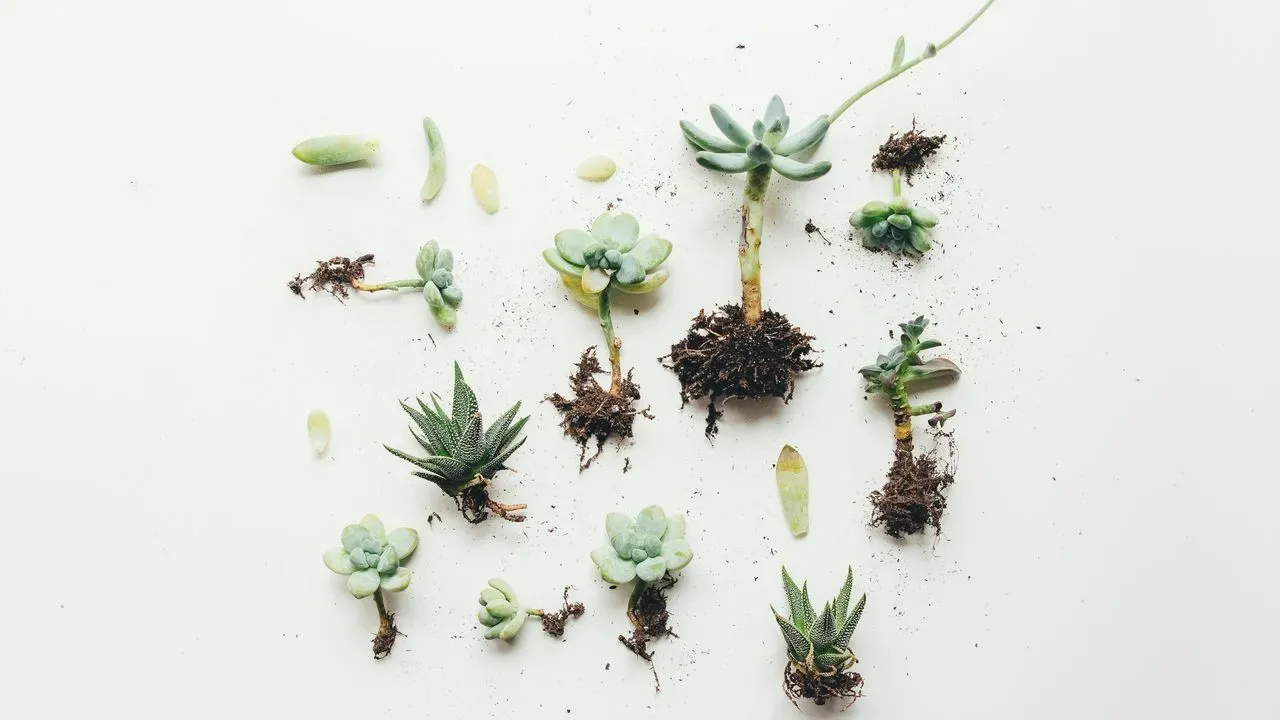
Several popular choices root with minimal effort. Pothos produces new roots in water within days and tolerates a range of light levels. Succulents often grow from individual leaves placed on soil, creating small plants in a matter of weeks. Herbs such as mint or basil can be started from stem cuttings and later moved outdoors or kept inside.
These examples illustrate the broader pattern. Once a gardener succeeds with one variety, the same technique transfers to others. The result is a steady supply of new plants that match the parent in appearance and care needs.
– Start with healthy parent plants free of pests or disease.
– Keep cuttings in stable conditions until roots establish.
– Transplant only after visible root growth appears.
Putting the Approach Into Practice
Gardeners who adopt this habit often find their collections diversify without extra spending. The method also encourages closer observation of existing plants, since healthy growth provides the best material for cuttings. Over time, the practice becomes routine rather than occasional.
The outcome is both practical and satisfying. Collections expand on the gardener’s own schedule, and the cost of maintaining an indoor garden drops. Those who begin with one or two easy varieties soon discover how far a single plant can go.
AI Disclaimer: This article was created with the assistance of AI tools and reviewed by a human editor.