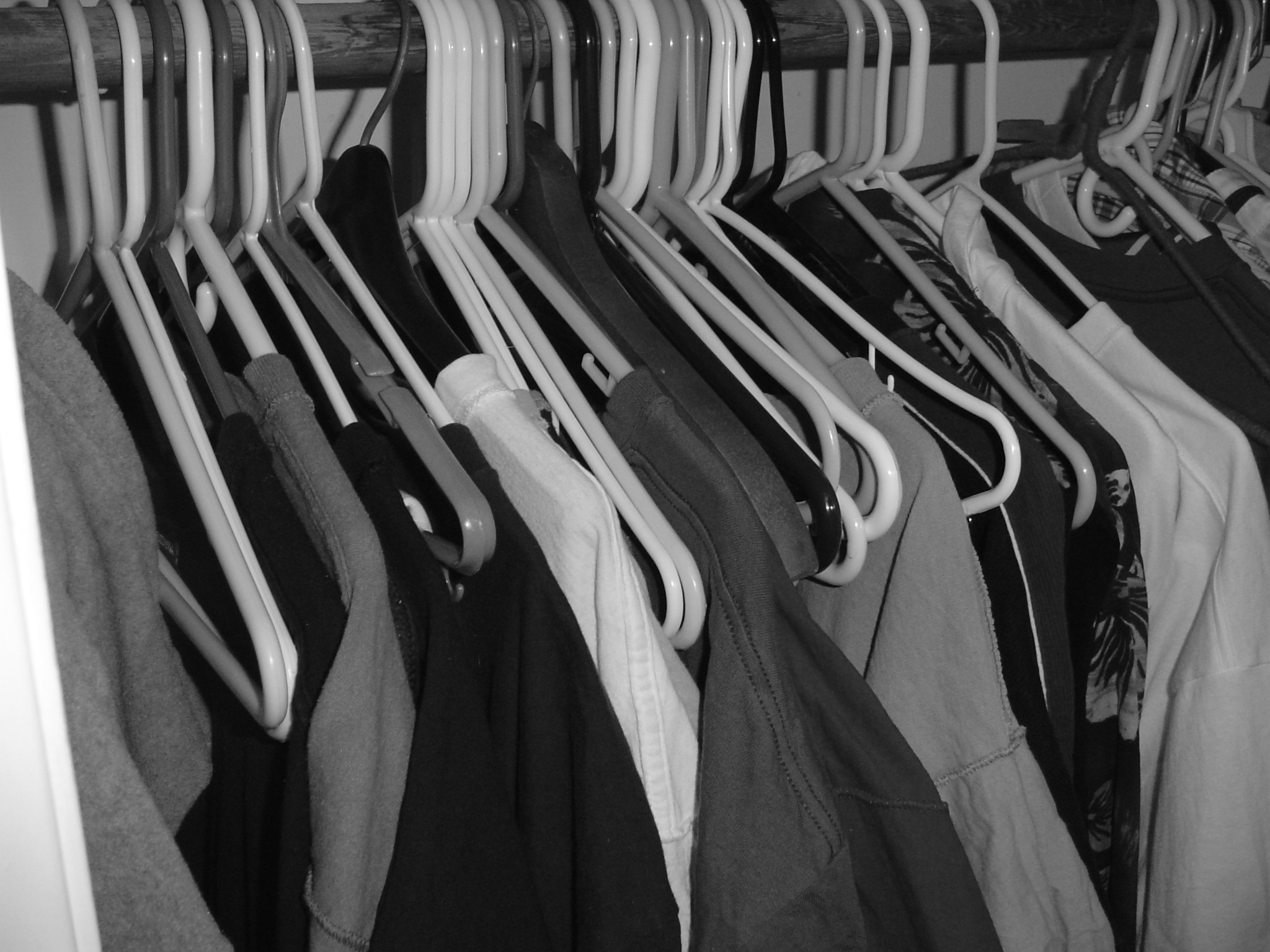

Most people don’t think about moths until they find a hole in their favorite wool sweater. By then, the damage is done. The truth is that the typical closet setup, with its habits and routines that feel totally harmless, is often a near-perfect environment for a clothes moth infestation to quietly take root.
Clothes moths have been a serious pest for thousands of years, causing damage to clothes, furnishings, and other items made from animal materials like wool, fur, and feathers. More recent estimates show clothes moth damage amounts to around one billion dollars each year in the United States alone. That’s a staggering figure for a pest that most people don’t take seriously until it’s already too late.
Hanging Worn Clothes Back Without Washing Them
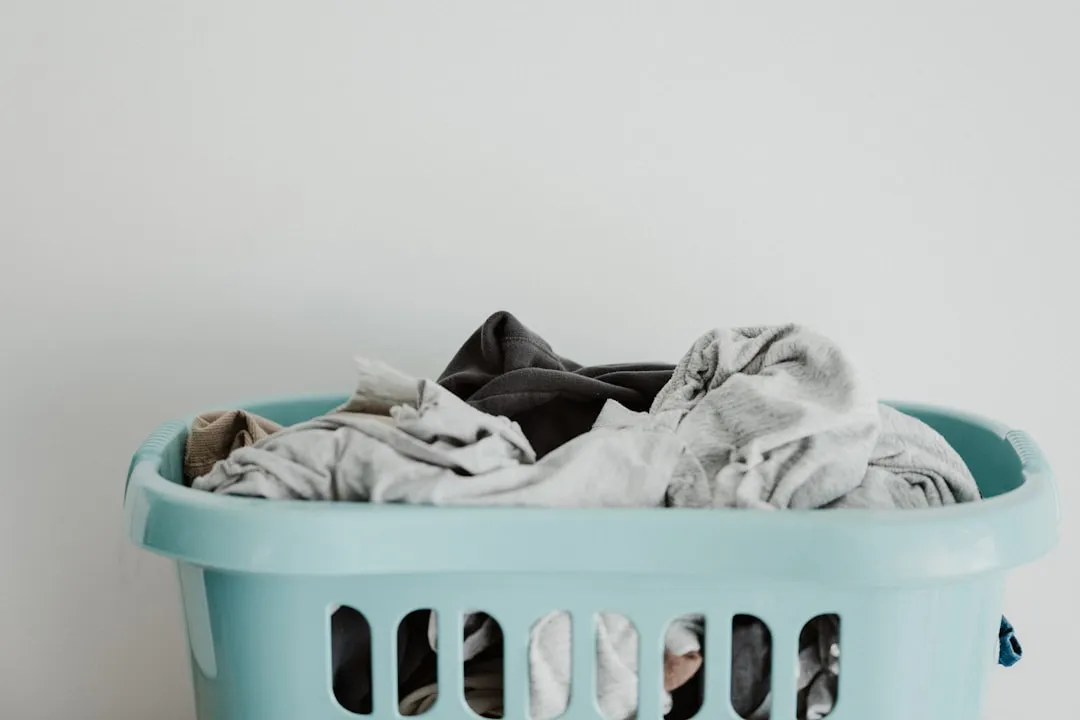
Clothes moths are especially attracted to unwashed garments, which may contain leftover body oils, hairs, dead skin cells, or food stains. It’s one of the most common closet habits out there: wearing something for a few hours, deciding it still seems clean enough, and hanging it right back up. That decision is essentially rolling out the welcome mat.
What attracts moths is exposed animal-based fibers in clothing and textiles, along with unwashed fabrics with traces of sweat, blood, and food on them. They are especially drawn to garments that have been worn but not washed before storage. The organic residue left behind from a single wearing is enough to make a garment considerably more appealing to a moth looking for a place to lay eggs.
Never return worn or unwashed garments to your closet or dresser. It’s a simple rule, but most people only learn it after their cashmere is already ruined.
Ignoring the Pile of Laundry on the Closet Floor

Those overflowing piles of laundry on your closet floor can act like a buffet for moths, as can pet hair, which is another food source. A pile of worn clothes sitting in a dark, enclosed space is exactly the kind of quiet, undisturbed environment that clothes moths actively seek out.
Clothes moths thrive in cluttered or poorly ventilated spaces where fabrics remain undisturbed for long periods. Overstocked wardrobes provide many hiding places and create conditions that shield moths from disturbance. The longer that pile sits, the more inviting it becomes.
Damage is usually concentrated on soiled areas of materials and in dark folds and creases. Items are more likely to be attacked if left in undisturbed and dark areas such as basements, attics, and closets. That floor pile ticks every single box.
Bringing Secondhand Clothes Home Without Washing Them First
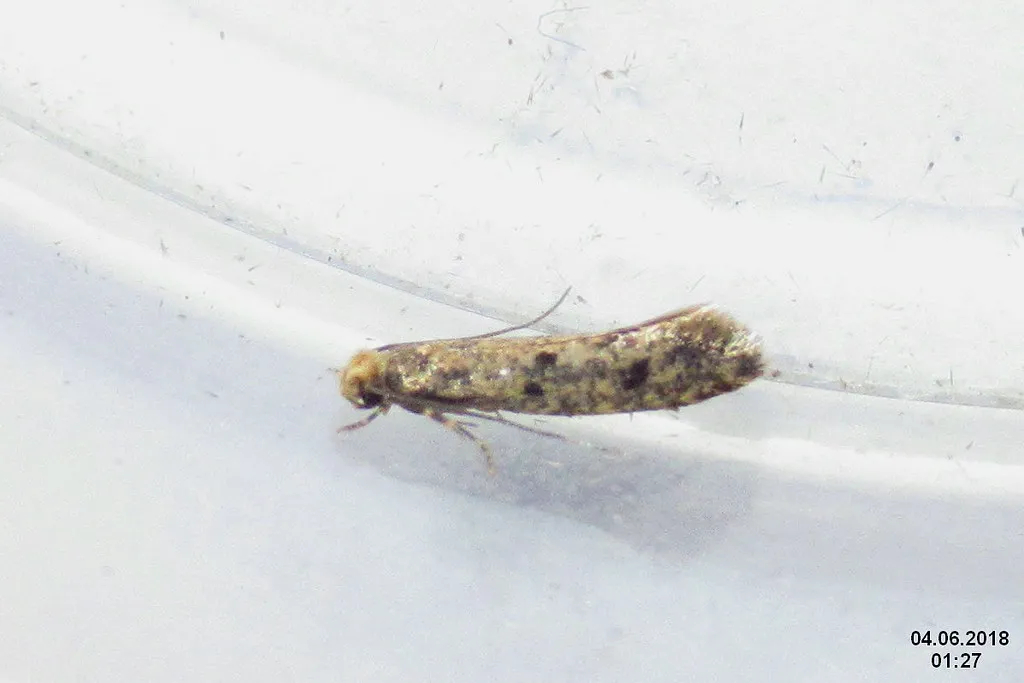
Secondhand or vintage clothing can be a hidden source of clothes moth eggs or larvae, especially if the item came from a closet that wasn’t regularly cleaned or inspected. Whether it’s a thrifted sweater, a hand-me-down from family, or a unique consignment find, it could be carrying more than style. Used clothing may also contain organic residue, which attracts clothes moths looking for a nutrient-rich environment to lay eggs.
This is probably the single easiest way to introduce an infestation from scratch. To prevent clothes moth infestations, always wash secondhand items in hot water at least 120 degrees Fahrenheit, or have them professionally dry-cleaned before adding them to your closet.
According to pest experts, moths are not a common problem in modern homes, which means you’re most likely to encounter an infestation if you accidentally bring the pests home. Thrift shopping is wonderful, but that pre-wash step is non-negotiable.
Keeping the Closet Dark and Closed All the Time

Moths prefer dark and undisturbed areas for laying their eggs. Closets that are rarely opened, especially those with poor lighting, can create an ideal environment for moths to breed. A closet that essentially never sees light or movement is like a five-star hotel for a clothes moth.
Many moth species are attracted to light, but clothes moths are not of that breed. In fact, clothes moths avoid light entirely. They seek out dark, quiet places where they can lay eggs undisturbed. This is a detail that surprises a lot of people, since it contradicts the common mental image of moths circling a lightbulb.
Open your closet doors regularly to introduce airflow and light. Moths dislike movement and illumination, making this a simple but effective deterrent. Even a daily habit of opening the closet for a few extra minutes can make a real difference.
Storing Natural Fiber Clothing Without Protection
Clothes moths are best known for their larvae, which feed on wool, silk, fur, feathers, and other natural fibers. These are the wardrobe staples most worth protecting, and yet they’re frequently stored carelessly between seasons.
Larvae of clothes moths are after keratin, a protein found only in animal-based materials. They are one of the few insect pests that can successfully digest this complex protein. That’s what makes natural fiber clothing so specifically and persistently at risk.
Wool garments are especially vulnerable during off-seasons when they’re not being worn frequently, and this is when moths can quietly feast on your clothes without being detected. Storing items in airtight containers or zippered storage bags after cleaning is one of the most reliable ways to prevent re-infestation.
Allowing High Humidity to Build Up in the Closet

Ideal conditions for the clothes moth life cycle include humidity levels between roughly 75 and 90 percent. Under these conditions, moths can develop from egg to adult in less than a month, making infestations quick and persistent. Humidity is one of the most underrated factors in whether your closet becomes a breeding ground.
Items stored in damp or poorly ventilated areas sustain higher humidity that helps larvae survive longer. Bathrooms adjacent to closets, basements, and any space without proper airflow are especially susceptible to this problem.
Keeping humidity levels low inside buildings creates an environment that isn’t favorable for clothes moth development. A simple hygrometer placed inside the closet can help you keep tabs on moisture levels before a problem develops.
Overstuffing the Closet Without Regular Inspection

Larvae deposit their silk in the folds or weaves of tapestries, beneath rugs, in the areas of clothing beneath cuffs and collars, or between garments when they are hung too close together or tightly packed into closets. A cramped, overstuffed closet is genuinely difficult to monitor, and moths take full advantage of that.
Clothes moths tend to hide when disturbed, so you might not notice you have an infestation until after the moths have already damaged your fabric, fur, or feathered items. By the time the holes appear, the infestation is often already well established.
Regular handling of garments and routine cleaning disrupts potential breeding cycles and keeps moths from gaining a strong foothold. Flipping through your closet every few weeks is genuinely one of the most effective things you can do.
Storing Clothes in Basements or Attics Without Control

Hanging wool clothes in attics, basements, or garages that are exposed to extreme temperatures or humidity is a risk. These rooms are often damp or too warm to store wool properly. These locations feel like convenient out-of-the-way spots for seasonal items, but they’re among the worst possible choices for natural fiber storage.
Upper closets and unused spaces in dry rooms can pose challenges if they are drafty or prone to moisture. Basements and attics offer space but commonly have humidity swings that must be managed carefully.
Maintaining appropriate temperature and humidity levels plays a central role in deterring moth activity. Dry air and cool conditions slow moth development and limit mold growth that can accompany damp storage. If seasonal storage in these locations is unavoidable, sealed containers and desiccant packs are essential companions.
Skipping the Closet Vacuum
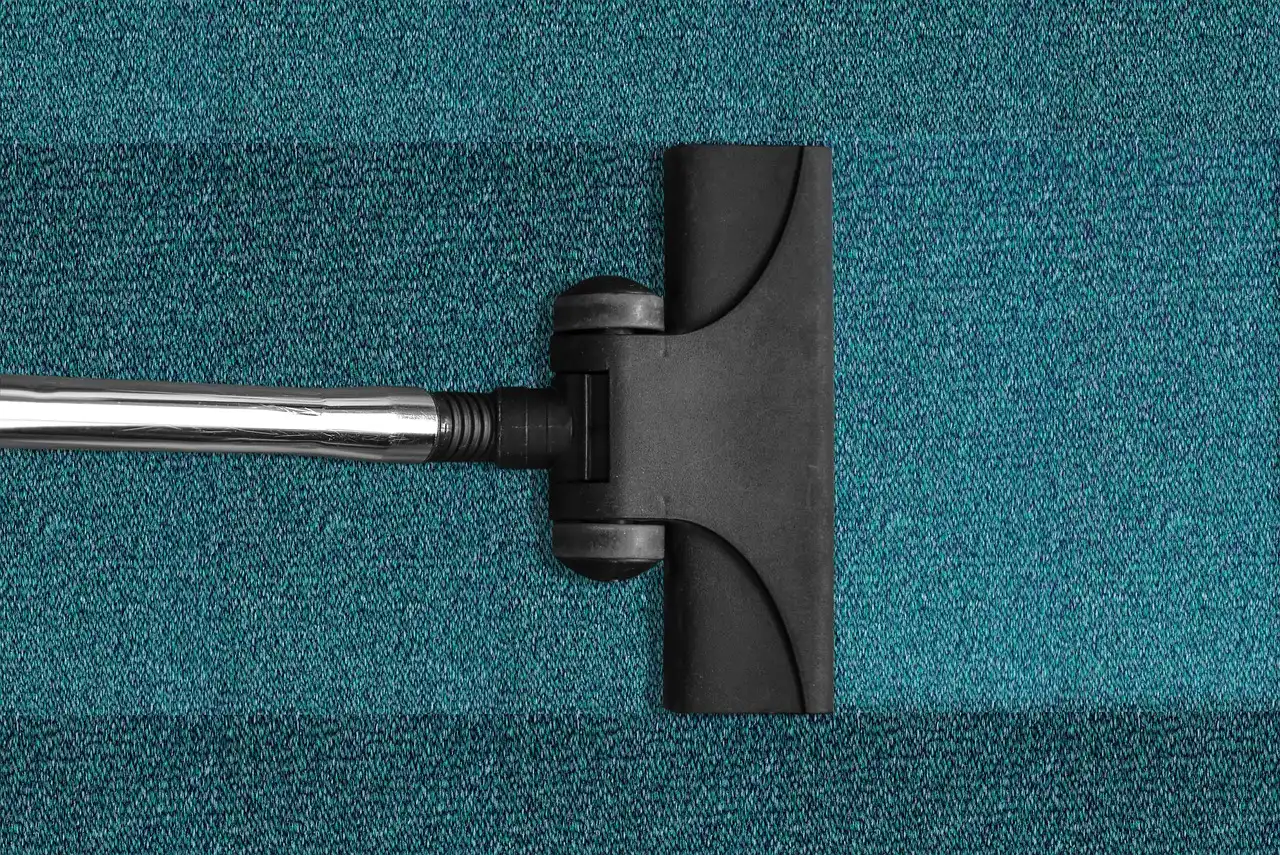
Regular vacuuming is an essential step in maintaining a clean and healthy environment. You should vacuum rugs, carpets, drapes, upholstered furniture, pet bedding, closets, and cracks and crevices on the floors. Before starting, remove all items from wardrobes and drawers and thoroughly vacuum them to remove lint on which larvae may feed.
Clothes moth larvae damage items by chewing holes, producing webbing tubes, and soiling items with their fecal pellets. These pellets, eggs, and tiny larvae can hide in closet corners and floor seams long before any visible damage shows up on clothing.
After using the vacuum cleaner, empty the bag because it may contain eggs or larvae. It’s a step that’s easy to forget, but skipping it means you could be redepositing the very problem you just cleaned up.
Relying on Cedar Alone as a Long-Term Deterrent

Cedar has a solid reputation as a moth deterrent, and it does have some merit. However, the protection it offers has real limits that most people don’t know about. Research has shown that very young larvae of clothes moths exposed to high concentrations of cedar oil vapor are killed, but older larvae, adult moths, and most carpet beetles are not affected. Cedar lumber eventually loses its essential oils, and in several years the concentrations of the vapors are not high enough to continue working.
Many of the old mothball formulations are now banned or not recommended. Safer alternatives exist, like lavender in dried, sachet, or gel form. These are not effective on larvae, though. So lavender and cedar work best as preventive measures, not as solutions to an active problem.
The best way of killing adults, eggs, and larvae is to deep freeze items. For valuable pieces with suspected exposure, a sealed bag in a household freezer for several days is a proven and chemical-free method worth knowing about.
The Takeaway

The habits that invite moths in rarely feel like mistakes in the moment. Hanging up a “barely worn” shirt, stuffing a closet full for the winter, skipping the vacuum for a month: these are small, ordinary things. Moths count on exactly that kind of inattention.
A combination of thorough cleaning, careful storage, habit changes, and measured treatments forms the most effective defense against these pests. Enduring prevention requires ongoing attention to closet conditions and a readiness to adapt strategies as seasons change.
The good news is that none of the fixes here are complicated. Wash before you store, let in some light, manage the humidity, and stay curious about what’s lurking in the back of your closet. Moths thrive on being ignored, so the simplest act of paying attention is already half the battle.
AI Disclaimer: This article was created with the assistance of AI tools and reviewed by a human editor.