

Most dog owners clip on a leash without giving it a second thought. The collar is there, the leash attaches, and the walk begins. It’s one of the most routine things pet owners do, sometimes twice a day, every single day.
What’s easy to miss is what happens at the other end of that leash the moment your dog pulls forward. Pressure concentrates directly on one of the most anatomically vulnerable areas of any dog’s body: the neck. The science behind that moment has become a lot more specific in recent years, and the findings are worth knowing.
The Everyday Pull Is More Forceful Than You Think
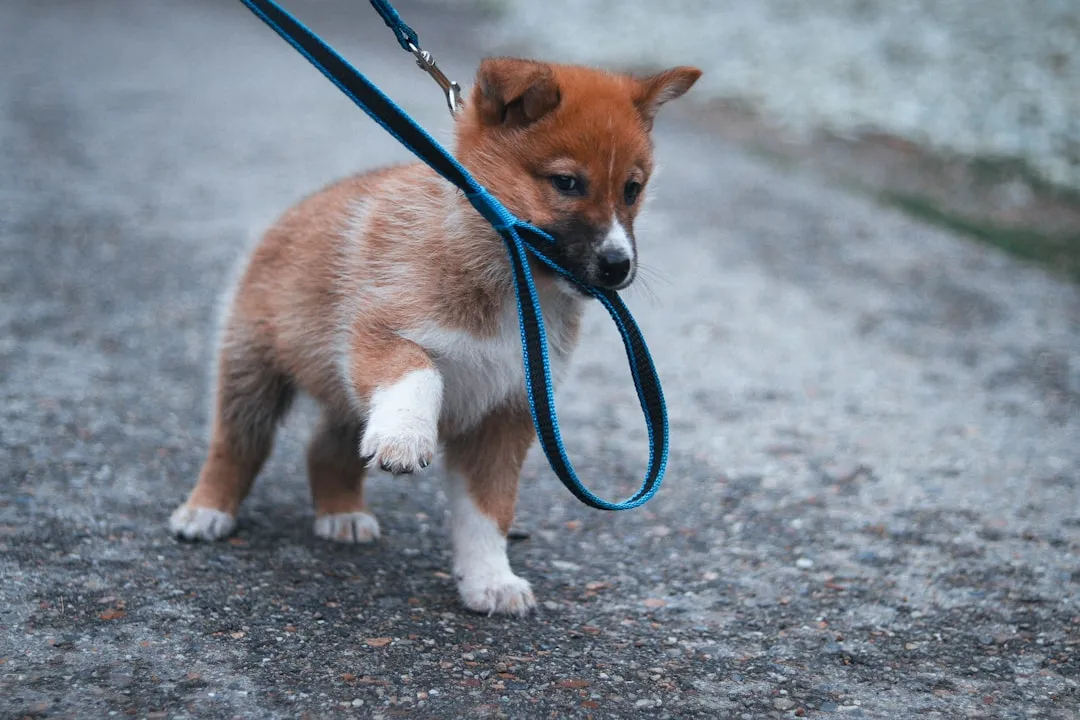
Pulling behavior while on-lead is a common problem with the potential for serious injury to both dogs and humans. Most owners assume their dog’s pull is mild, barely noticeable. In practice, measured forces tell a different story.
Peak pulling force studies have recorded values as high as 198.84N when dogs wear a harness and 162.8N when wearing a flat collar. To put that in everyday terms, that’s roughly comparable to the weight of a large bag of concrete pressing against your dog’s neck in a split second.
When peak pulling force is expressed as a percentage of body weight, the smallest dogs exert the highest relative force, reaching as much as 122% of their own body weight. Small dogs, it turns out, are often the biggest pullers by proportion.
Most Dogs Pull More Than Their Owners Report

Leash pulling frequently occurs during walks, with a survey finding that 82.7% of owners reported their dogs pulling on leashes. That’s an enormous share of the pet-walking population, and it means collar-related neck strain is not an edge case. It’s a near-universal daily occurrence.
Available papers in the veterinary literature indicate that dog leash-related injuries have increased, with the most common causes being dog-pulling behavior, which can result in tripping or tangling, as well as upper extremity injuries. The dog’s side of that equation, specifically the neck, often goes unexamined.
What the Collar Actually Does to the Neck
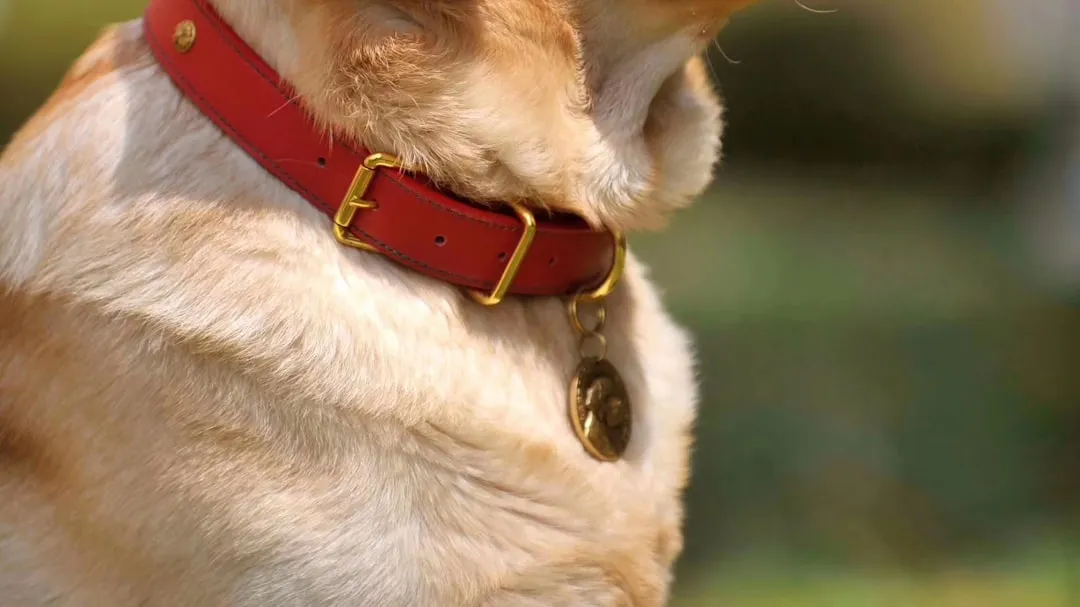
When a dog pulls on a leash attached to a collar, the collar constricts the neck, putting pressure on the trachea. Over time, this pressure can lead to inflammation, swelling, and even the weakening or collapse of the tracheal rings.
For dogs wearing collars, excess pressure on the neck may cause musculoskeletal and tracheal injuries, and can also have negative effects on their eyes. That last point surprises many owners. The neck and the eyes are more connected than anatomy class suggests.
The trachea is a flexible, tube-like structure made up of 35 to 45 cartilaginous C-shaped rings which deliver air to the lungs during respiration. Each time a dog strains against a collar, those rings absorb the impact. Repeated daily stress adds up quietly over months and years.
Collar Type Makes a Significant Difference

The risk a collar poses to the trachea depends significantly on its design. Choke chains and prong collars carry the highest tracheal risk of any collar type, and choke chains have no maximum tightening limit, continuing to compress the trachea for as long as the dog pulls.
A 2025 review of 21 studies on canine restraint devices confirmed that tightening collars pose the greatest risk of tracheal compression and discomfort. Flat collars distribute pressure more broadly, but they are still not risk-free for dogs that pull consistently.
Dog collars can contribute to tracheal damage when used as the leash attachment point on a dog that pulls, because the repeated force compresses the trachea’s cartilage rings over time. The risk varies significantly by collar type: narrow collars concentrate more pressure, while wide flat leather collars distribute force more safely.
Small and Flat-Faced Breeds Face Greater Risk

Neck collars have been associated with respiratory issues such as tracheal collapse, which is commonly observed in small brachycephalic dog breeds like Pugs and Chihuahuas. These breeds start with compromised airways, so added collar pressure compounds an already delicate situation.
For small breed dogs diagnosed with tracheal collapse, harnesses are generally recommended over collars for walking on lead. This is not just a cautious suggestion from pet blogs. It reflects a consistent position across veterinary literature.
In certain breeds prone to airway weaknesses, any additional compression from external devices compounds the problem. The thyroid gland also sits directly under the typical collar attachment point, meaning the effects of chronic pressure aren’t limited to the airway alone.
The Hidden Eye Connection

One of the more surprising findings from recent veterinary research involves vision, not breathing. Ventral neck pressure is thought to compress jugular veins, obstructing ocular aqueous outflow, and therefore causing increased intraocular pressure (IOP).
A study evaluated the effect on intraocular pressure from dogs pulling against a collar or a harness, assessed across 51 eyes of 26 dogs, and found that intraocular pressure increased significantly when pressure was applied via a collar, but not via a harness.
Based on those results, it is advised that dogs with weak or thin corneas, glaucoma, or conditions for which an increase in intraocular pressure could be harmful, should wear a harness instead of a collar, especially during exercise or activity. A 2025 study published in Wiley’s Veterinary Medicine and Science revisited this finding and confirmed that collar use raises intraocular pressure in dogs by compressing jugular veins at the throat, with elevated intraocular pressure being the defining risk factor for glaucoma, a progressive and irreversible condition.
The Harness Is Not a Simple Fix Either
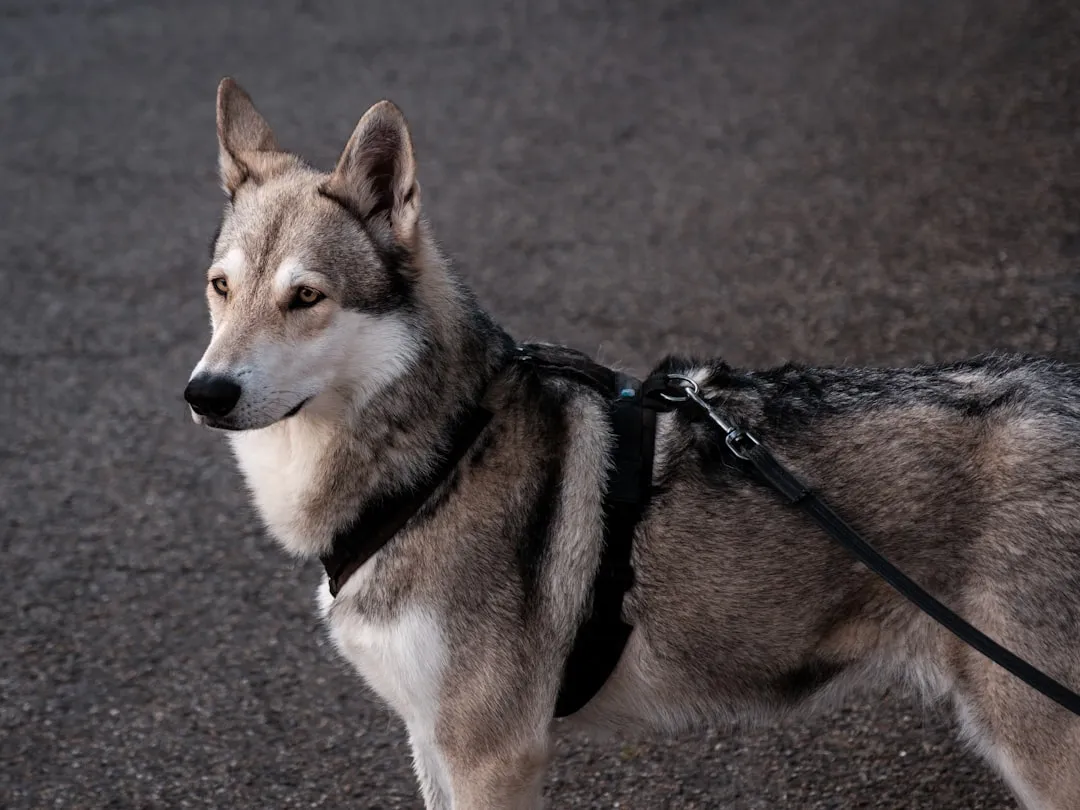
Many owners switch to a harness assuming the problem is immediately solved. The reality is a little more layered. Findings suggest that dogs tend to pull stronger and more steadily when wearing a back-connection harness compared to a neck collar, at least when a food reward is involved.
The maximal and mean leash tension and the pulling time were greater under restraint by harness when attracting dogs with food treats. A harness removes neck pressure, but it may also reduce the natural feedback that slows a dog down. This is worth knowing before you assume any harness will solve leash manners automatically.
Back-clip harnesses can trigger the opposition reflex in some dogs, which makes them pull harder. Front-clip harnesses prevent this by redirecting forward momentum sideways. For dogs with strong pulling habits, a front-clip or dual-clip design is the correct starting point, not a back-clip.
The Harness Does Remove Neck Strain
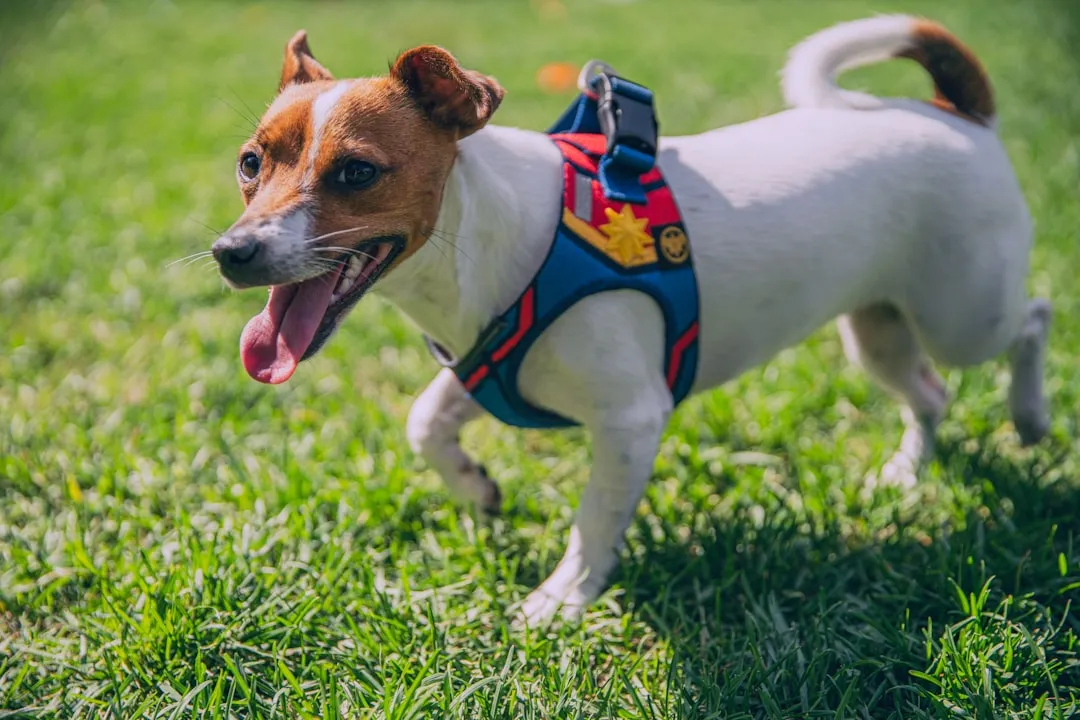
Despite the nuance around pulling force, harnesses remain the clearly safer option for neck health. A back-clip harness eliminates tracheal pressure entirely by moving leash attachment away from the neck. That is the core physiological benefit, and it’s consistent across the research.
A well-fitted harness distributes pressure more evenly across the chest and shoulders, reducing strain on the neck and trachea. For dogs that already have airway or eye conditions, this shift in pressure distribution is not optional. It’s a clinical recommendation.
Scientific evidence consistently shows that a dog harness reduces neck and tracheal pressure, protects ocular health, and distributes force more safely than a collar. Collars remain appropriate for holding ID tags, but for walks with any dog that pulls, a harness is the measurably safer choice.
Collar Fit Matters Even When You’re Not Walking
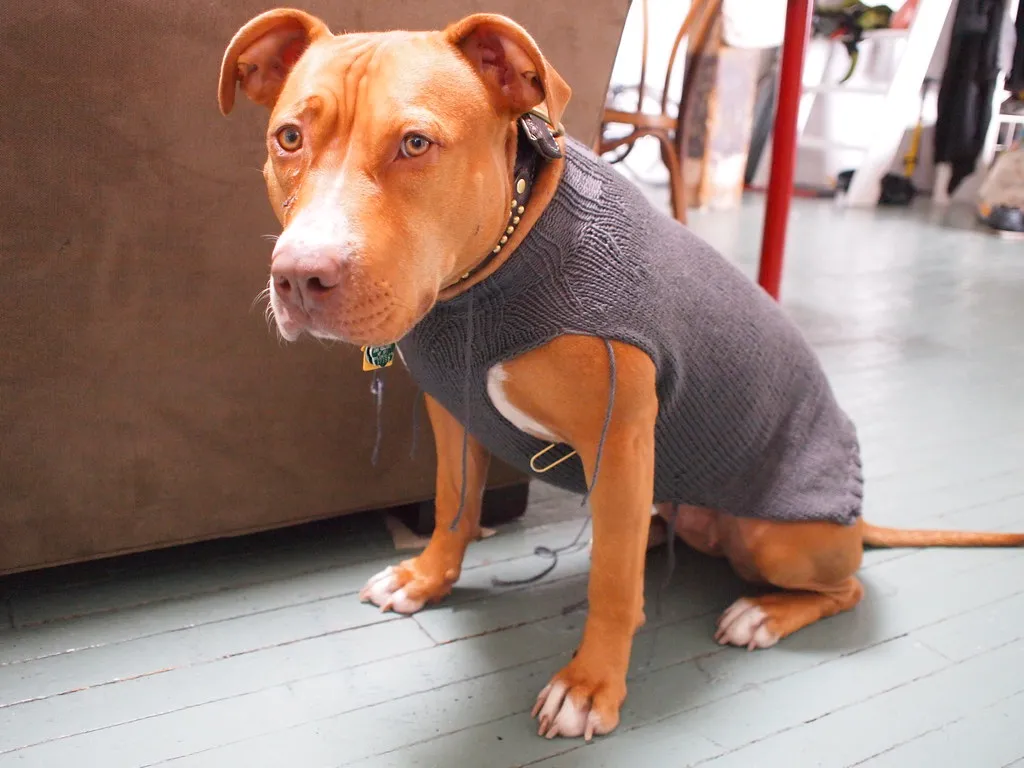
Even when a collar is used only for identification and not for leash attachment, fit still matters. The standard guidance is to follow the two-finger rule: with the collar buckled at its normal position, slide two flat fingers between the collar and your dog’s neck. Two fingers with light resistance indicates the correct fit.
Collars can also have a negative effect on the welfare of dogs with eye conditions, such as glaucoma or weak corneas, even during relatively passive wear. A collar that’s too tight during rest adds low-grade continuous pressure to the neck structures, including those jugular veins linked to eye pressure.
Alternative equipment such as head collars or harnesses have been proposed as more appropriate for specific breeds, such as those with slim necks, for which collars may pose a greater risk. Breed anatomy, not just size, is a relevant factor when choosing walking equipment.
Training Remains the Long-Term Answer

Equipment choices matter, but they work best alongside behavioral training. Lead pulling could negatively affect walk quality, frequency, and duration, causing weight gain, while decreased environmental enrichment from shortened or avoided walks could trigger other undesirable behaviors. The walk itself is important, and a dog that pulls consistently may end up going out less.
Research shows that using aversive training methods, such as positive punishment and negative reinforcement, can jeopardize both the physical and mental health of dogs. While positive punishment can be effective in some cases, there is no evidence that it is more effective than positive reinforcement-based training.
Switching to a well-fitted front-clip harness combined with reward-based loose-leash training gives dogs the clearest path to walking comfortably without straining their own necks. The two approaches, equipment and training, are not competing solutions. They reinforce each other.
The Takeaway

The leash habit straining your dog’s neck probably doesn’t look dramatic. It’s not one violent jerk, but the steady, daily accumulation of pulling against a collar, walk after walk, month after month. That’s what the research is increasingly pointing to as the real concern.
The good news is that this is one of the easier problems in dog ownership to address. A properly fitted front-clip harness, combined with some patience and consistent training, removes the structural risk almost entirely. The walk can still be exactly what it should be for your dog: something they genuinely look forward to.
AI Disclaimer: This article was created with the assistance of AI tools and reviewed by a human editor.