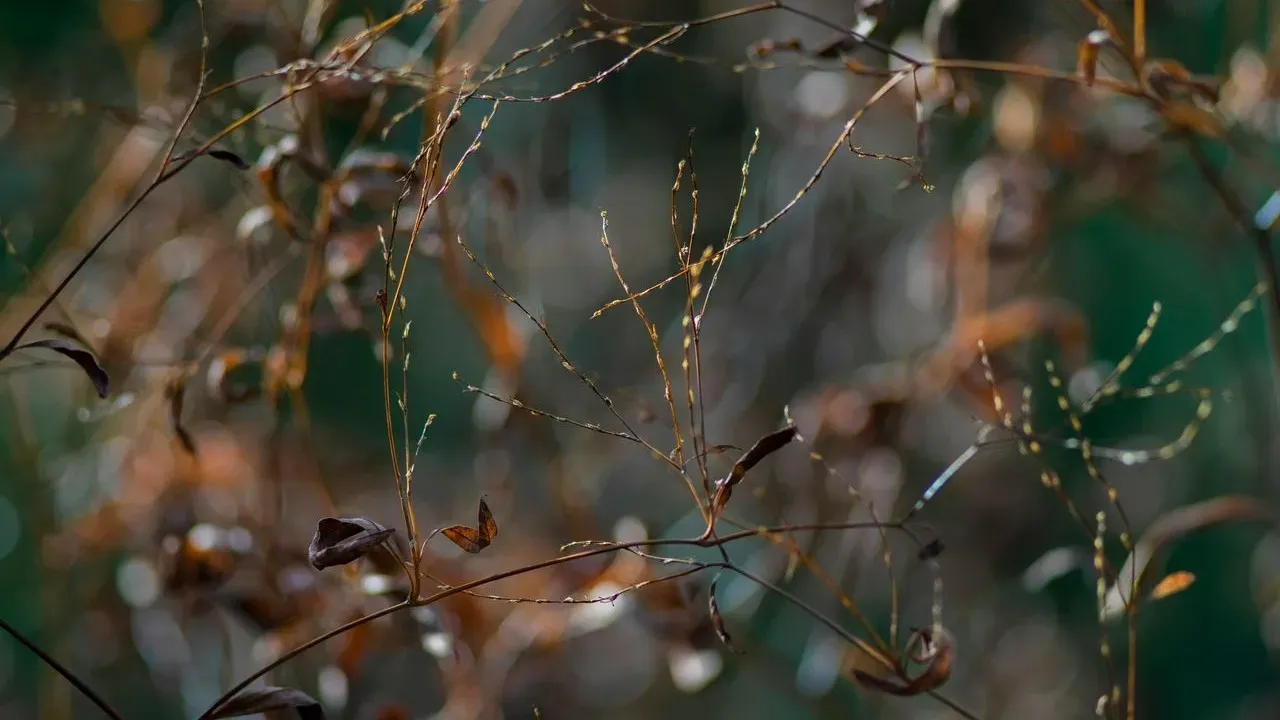

Gardens often lose vibrancy as summer fades, yet cool-weather perennials offer a practical way to maintain color and texture well into autumn. Planting the right varieties now extends the growing season without requiring constant replanting each year. This approach delivers reliable interest for home gardeners who want their landscapes to remain engaging longer. ([1])
Why Late-Season Color Matters
Many landscapes turn sparse once temperatures drop, leaving beds bare at a time when outdoor spaces still see regular use. Perennials suited to cooler conditions fill that gap with blooms and foliage that hold up against shorter days and cooler nights. The result is a more consistent visual appeal from late summer through the first frosts.
Homeowners and property managers benefit directly because these plants reduce the need for seasonal swaps or additional annuals. They also support pollinators that remain active into fall, adding ecological value alongside the aesthetic payoff. Choosing varieties adapted to local conditions ensures the color lasts without extra inputs.
Selecting Cool-Weather Options
Focus on perennials known for strong performance in autumn rather than those that peak only in midsummer. Look for plants that produce flowers or striking leaves when daylight shortens and temperatures moderate. Reliable choices often include species that tolerate light frost and continue blooming or holding color after many other plants have finished.
Consider mature size, soil preferences, and sun exposure to match the plants to existing beds. This matching step prevents disappointment and keeps maintenance low over multiple seasons. Gardeners who plan around these traits typically see better establishment and longer displays year after year.
Key considerations before planting:
- Check local frost dates to time installation correctly.
- Prepare soil with good drainage and organic matter.
- Group plants by similar water and light needs.
Planting Timeline and Care
Late summer into early fall provides an ideal window for establishing these perennials before winter sets in. Roots develop during the cooler months, allowing stronger growth the following spring. Waiting too long risks poor establishment if the ground freezes early.
Water newly planted specimens consistently until they show new growth, then reduce frequency as they settle. Mulch helps retain moisture and moderate soil temperature during the transition. With proper siting, most varieties need little additional attention once established.
Long-Term Garden Impact
Investing in fall-blooming perennials creates a more resilient landscape that requires fewer interventions over time. The extended season of interest rewards the initial effort with months of additional color and structure. Gardeners who adopt this strategy often find their outdoor spaces remain useful and attractive deeper into the year.
AI Disclaimer: This article was created with the assistance of AI tools and reviewed by a human editor.