
It All Starts with Impact Energy

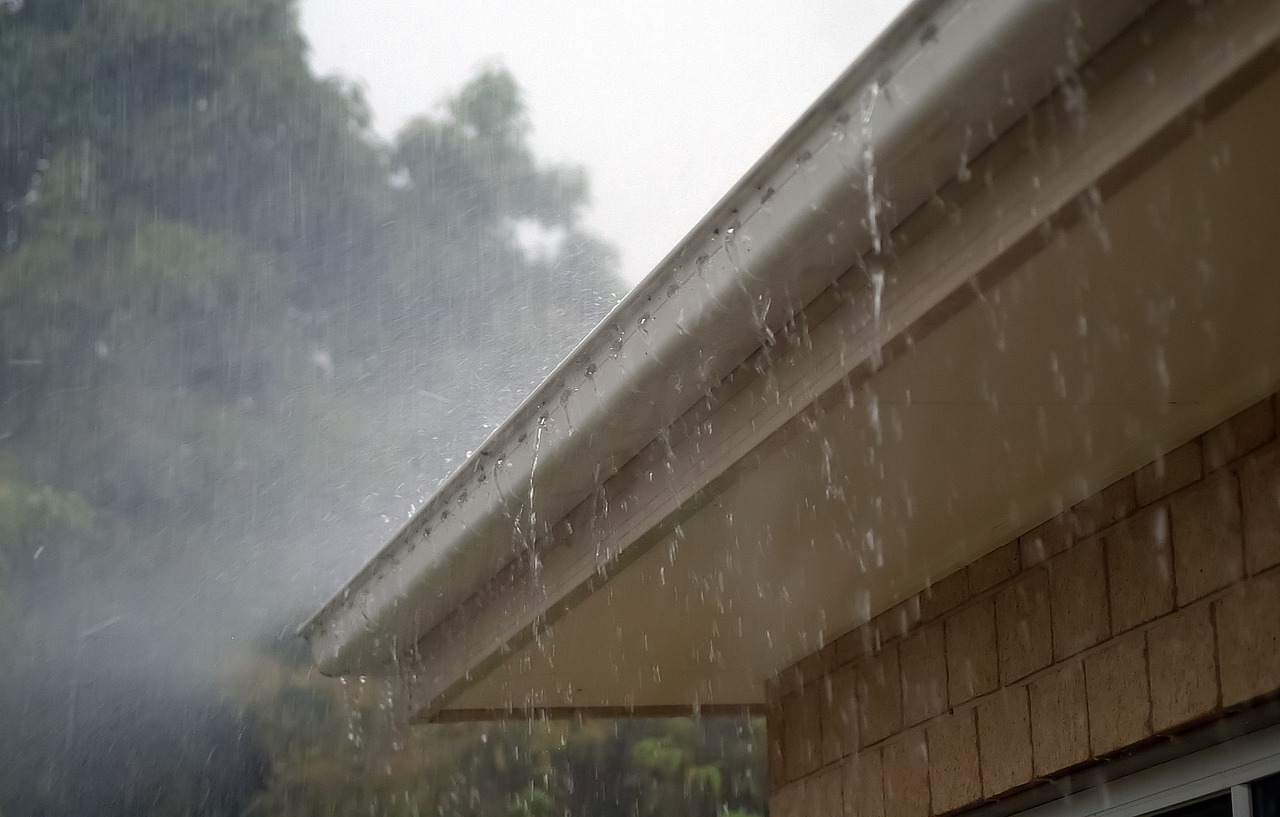
Rain on tin roof sounds occur due to vibrations caused by raindrops colliding with a metal surface. When a raindrop hits the metal, it generates vibrations transferred across the sheet, similar to striking a drumhead. That comparison to a drum is surprisingly accurate. The metal doesn’t absorb the blow the way wood or asphalt does. It transmits it.
When rain hits a metal surface, the impact energy is transferred directly into the roofing panel and underlying structure, producing a crisp, rolling, or tapping sound depending on panel thickness, ribs, and fastener design. Every drop is essentially a tiny hammer strike, and the panel is the drum skin. The result is immediate, physical, and surprisingly layered.
Why Metal Behaves So Differently from Other Roofing Materials
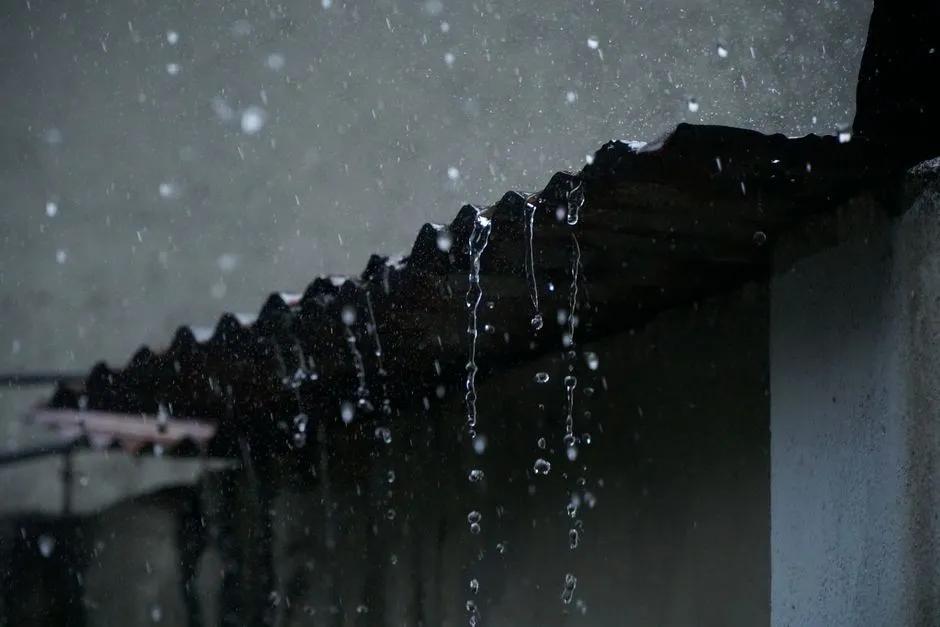
Metal roofs, often made from galvanized steel or aluminum, create a distinct sound when rain hits their smooth, hard surface. Unlike traditional shingles that absorb much of the noise, tin roofs amplify the impact, producing a lively, echoing pitter-patter. Shingles dampen sound through their granular, porous texture. Metal does the opposite.
Tin or metal roofing conducts sound differently than traditional shingles. The key word there is “conducts.” Metal is an excellent conductor of both heat and vibration, which is precisely why sound travels through it so efficiently and why the result inside the room is so much more present and pronounced than it would be under composite tiles or concrete.
The Role of Droplet Size and Rain Intensity

Small droplets create high-frequency pulses, while larger drops trigger deeper tones. The roof’s pitch, panel seams, and fasteners act as resonant chambers that reinforce certain frequencies, producing a steady drum-like rhythm. This is why a light drizzle and a heavy downpour feel so acoustically different, even on the same roof.
The sound varies based on rainfall intensity, droplet size, and weather conditions like wind. Light drizzles emit a soft, delicate tapping, while heavy downpours generate a loud, rhythmic drumming noise. The roof is essentially reading the weather in real time and translating it into a changing soundscape, moment to moment.
Frequency Spectrum: What You’re Actually Hearing

Acoustically, rain-on-metal sounds contain a wide frequency spectrum with peaks in mid and high frequencies due to sharp transients. Low-frequency content appears from panel vibrations and supporting framing. This combination of high clarity and low rumble is part of why the sound feels so full and immersive, rather than thin or one-dimensional.
Listeners perceive brightness and clarity when high-frequency energy is prominent; adding damping lowers perceived harshness. Steadier drizzle yields a gentle hiss, while heavy rain creates pronounced percussive impacts. The relationship between frequency and perception is why two different listeners in the same room can have very different emotional responses to the exact same rainfall.
How Corrugation and Panel Shape Change the Sound
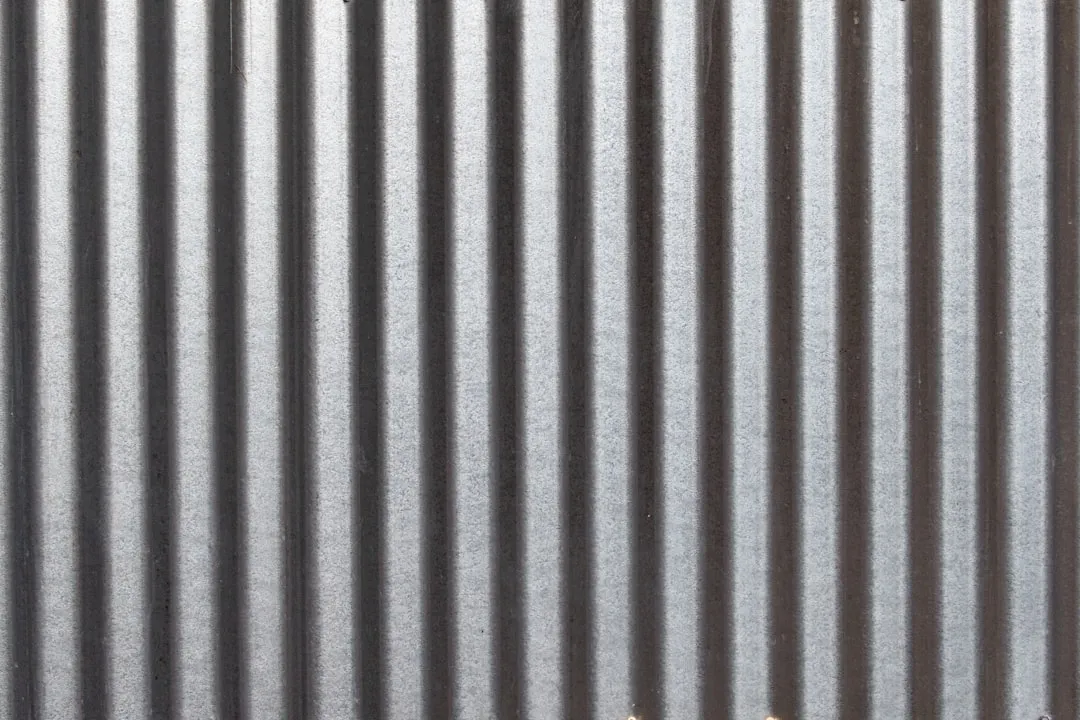
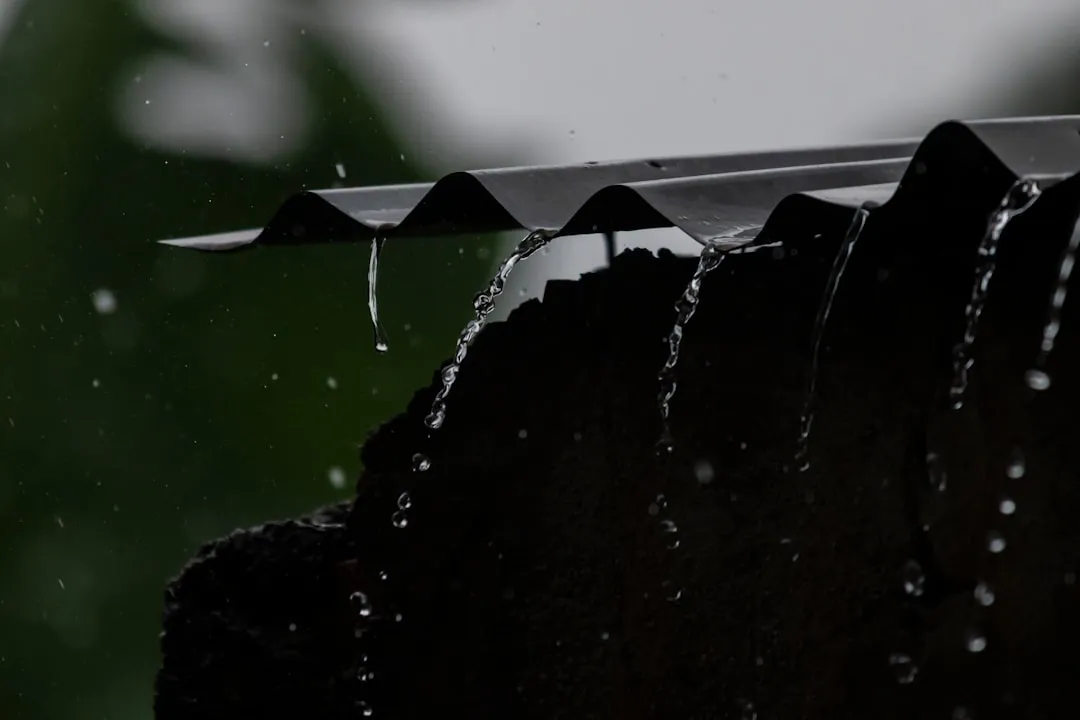
The drum-like rain sound originates from the interaction between water droplets and metal panels. When raindrops hit a corrugated or flat tin surface, they create shockwaves and vibrations that travel through the metal. Corrugated tin creates multiple resonant pathways, creating a rhythmic pattern that can feel like drumbeats.
Smooth panels tend to produce more uniform tones but can still drum during heavy rain. The corrugations are not just structural. They act as acoustic geometry, giving the sound its characteristic rolling, layered quality. A completely flat sheet would sound noticeably more monotone by comparison.
Roof Slope, Fasteners, and the Architecture of Sound

Steeper roofs accelerate water flow, increasing impact energy and sound intensity. Larger roof areas provide more surface for sound propagation, broadening the acoustic footprint. This is why a steep barn roof in a heavy storm produces such an overwhelming, enveloping sound compared to a shallow lean-to shed.
How metal panels are fastened affects resonance. Floating clip systems allow slight movement and can enhance sound, while direct-fastened systems damp vibrations more. Even the screws matter. It’s that granular a relationship between construction and acoustics.
What Happens Inside the Building: Attics, Insulation, and Reflection
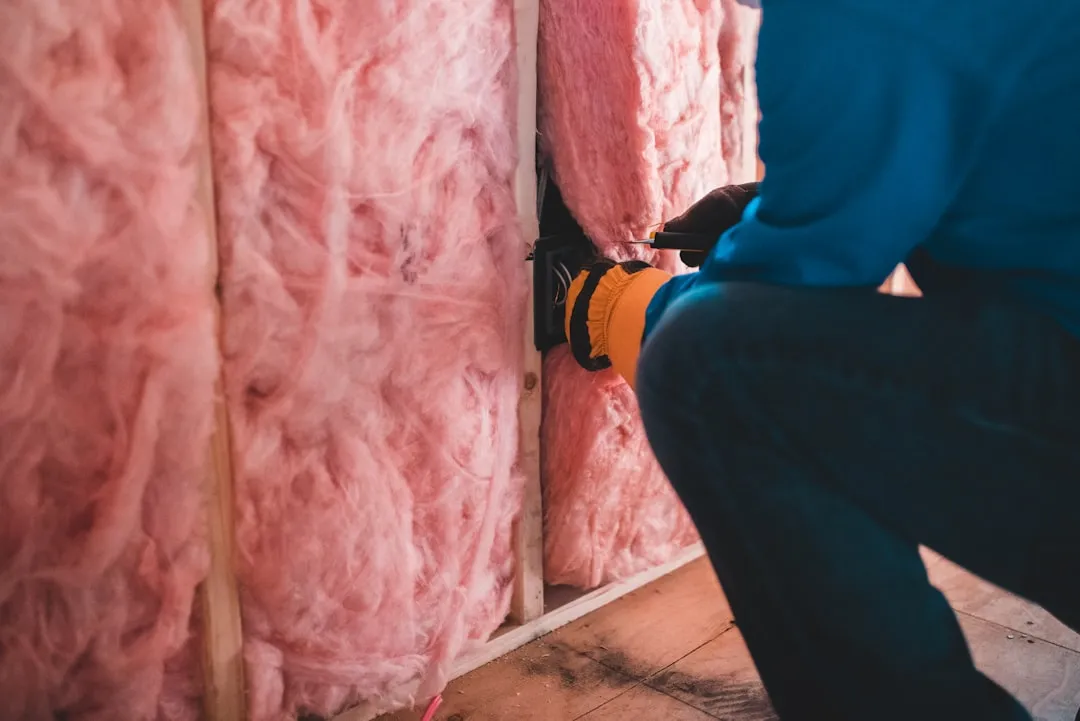
A roof with minimal insulation or exposed joists often conveys more rain noise into living spaces. Attics with exposed rafters can reflect and amplify sound, while dense attic insulation and barriers reduce transmission. The overall building envelope determines how much sound leaks into a room and how it feels acoustically inside.
Once rain noise penetrates the ceiling, interior surfaces determine perception. Hard, reflective surfaces like plaster or tile echo sound, potentially creating a livelier drum effect. Soft furnishings, carpets, and fabric-covered surfaces absorb certain frequencies, muting the rhythm. The room itself becomes part of the instrument.
The Psychology of the Sound: Why It Calms People

Research has found that listening to natural sounds can increase parasympathetic response, activating the calming part of the nervous system. Rain sounds, and the amplified tin-roof version in particular, fall squarely into this category. The sound is consistent, non-threatening, and rhythmically predictable.
For early humans, rain often meant shelter and safety. That instinct still lives within us today. When you hear rainfall, your brain recognizes it as a signal that it’s safe to relax. The parasympathetic nervous system, the one that slows heart rate and lowers cortisol, takes over. The tin roof amplifies not just the sound but that feeling of shelter.
Rain on Tin as Pink Noise: The Sleep Connection

Pink noise has more intense, lower frequencies that make it sound deeper than white noise. Examples of pink noise are the sounds of rain or a waterfall. Some studies have found that pink noise can enhance deep sleep in older adults and improve cognitive performance. Research also suggests that pink noise may decrease time to fall asleep and improve sleep quality.
Rain noises can mask background sounds that may disturb sleep. The tin roof version of this phenomenon is especially effective precisely because the amplified, layered frequencies cover a broader sonic range than rain on softer surfaces. It creates what some researchers describe as a kind of acoustic cocoon. The resulting blend can feel intimate, almost cocooning, especially when windows are closed and the room is still. For some, this combination lowers the perception of external noise, providing a protective acoustic shield that enhances focus or relaxation.
The Cultural Memory Behind the Sound
That ubiquity in rural environments paired the sonic signature of rain with images of homestead life, family gatherings, and quiet evenings, which persists in the cultural imagination. The sound often carries positive, grounding connotations. Generations of people grew up in homes where a tin or metal roof was the standard, not a novelty, and the memory of that sound became inseparable from the memory of safety and belonging.
For many, the drum-like sound of rain on a tin roof is a cherished soundtrack, signaling weather changes and a sense of coziness. When managed thoughtfully, this natural phenomenon can coexist with comfortable living spaces. Today, entire audio categories on streaming platforms are dedicated to it. The sound has outlived the roofs that made it common.
The Takeaway

The tin roof is, in a way, the world’s oldest rain amplifier. Its thinness, its stiffness, its corrugated geometry, and even the way it’s bolted down all conspire to turn ordinary rainfall into something you feel as much as hear. No carpet, no insulated ceiling, no asphalt shingle does what a sheet of metal does in a rainstorm.
There’s genuine science in every note of it: vibration physics, frequency spectrums, parasympathetic nervous system responses, and acoustic architecture all converging in a sound that most people describe simply as comforting. That gap between the science and the feeling is exactly what makes it worth thinking about. Some of the most resonant things in life are also the most physically explainable, and the tin roof in the rain is a perfect example of both at once.
AI Disclaimer: This article was created with the assistance of AI tools and reviewed by a human editor.