

Most pet owners spend real time choosing the right food, vet, and breed. Then they toss their dog a cheap plastic squeaker and think nothing of it. The problem is that the materials inside your pet’s toy basket deserve just as much scrutiny as what goes in their bowl.
The American Veterinary Medical Association reports that 59.8 million U.S. households own a dog and 42.2 million own a cat, many of which are likely exposed to plastics through toys or food packaging that may contain harmful chemicals. With numbers that large, the stakes around toy safety are far from trivial. Here is what the evidence actually shows, material by material.
1. Cheap Plastic: The Most Common Offender
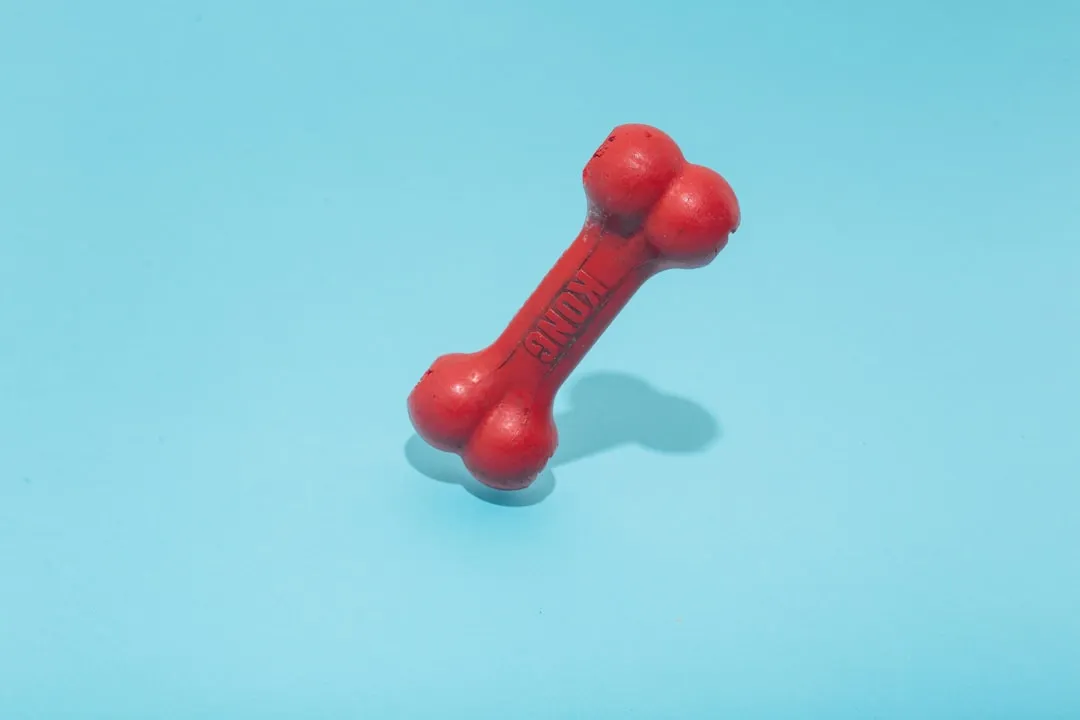
Many popular dog toys are made from plastic, rubber, or vinyl. While many of these are perfectly safe, some can contain chemicals that leach out as your dog chews. Over time, ingestion of these substances can contribute to health problems.
Veterinarian Iram Sharma, DVM, advises pet parents to avoid cheap plastic and flimsy rubber that is liable to break, warning that when broken, these toys can have sharp cracks that cause serious injuries to the dog’s mouth, nose, paws, or teeth.
There are virtually no federal or state laws which expressly apply solely to the manufacture and sale of pet toys, which means low-quality plastic toys can reach store shelves with little to no safety vetting.
2. PVC (Polyvinyl Chloride): A Particularly Toxic Plastic
Polyvinyl chloride, commonly known as PVC, is considered one of the more harmful types of plastic because it contains chlorine, which makes it more toxic than most other plastics. It has been linked to gene damage and an increased risk of cancer in humans.
If a toy is soft, it may contain phthalates, which are known hormone disruptors. Pet owners should check the recycling code and avoid toys marked with code 3, which indicates PVC and possible phthalates.
The concern is not theoretical. Soft, squeaky vinyl toys are among the most popular items sold in pet stores, and they are precisely the category most likely to carry these chemical risks.
3. BPA-Containing Plastics: The Hormone Disruptor

BPA stands for Bisphenol A, and this chemical has been linked to a variety of health concerns including diabetes, certain cancers, and reproductive problems. Often, BPA is found in plastic products, including dog and cat toys.
A 2013 study revealed that chewing toys made with low concentrations of phthalates and BPA can wear down and leach those toxins into an animal over time. More recently, in a 2024 study, researchers discovered the presence of microplastics within canine and human testes, raising fresh concerns about cumulative exposure.
Phthalates are known to potentially affect reproduction and development, and BPA is linked to hormone-related cancers and heart problems in mammals. For pet owners, opting for toys labeled BPA-free is a practical and meaningful first step.
4. Phthalates in Soft Vinyl Toys: The Hidden Endocrine Threat
BPA and phthalates are chemical additives used to make plastics softer and more pliable. Phthalates, common in soft vinyl toys, have been connected to endocrine disruption, which can interfere with your pet’s hormonal balance.
Chemicals such as phthalates and BPA in plastic toys can leach into pets’ gums, stomachs, and skin during play, mimicking hormones and disrupting their endocrine systems. Pets face higher exposure than humans, as they are closer to the ground, breathing in and ingesting microplastics from household dust through grooming and play.
According to a study conducted by researchers at the University of Missouri, the most common route of BPA exposure is through the diet, affecting both humans and animals. Specifically, they noted that just two weeks of feeding canned dog food resulted in a threefold increase in BPA for test dogs.
5. Rope Toy Fibers: A Slow-Burn Blockage Risk

Rope toys are excellent for interactive games of tug, but they should be used with supervision. If a dog likes to sit and chew on them, it can ingest the small fibers.
Rope toys deteriorate with age, and the dog tears the rope and swallows it. This causes blockages that may require surgery.
Rope toys are often shredded, and the pieces may be ingested or can get stuck in teeth. The problem is not the rope itself being toxic, but the physical hazard it creates once a pet treats it as a chew rather than a tug toy.
6. Stuffed Toy Filling: Fluffy but Dangerous

Stuffed toys and pet beds come with a significant concern in the stuffing itself. Ingesting this fluffy material can cause a slew of problems for your pet. Although intestinal blockage is the most common problem, some veterinarians have also raised concerns about the flame-retardant and antimicrobial chemicals used to make these products.
Vets advise avoiding stuffing materials such as polystyrene beads, cotton batting, foam, or nutshells when selecting pet toys.
Research has already shown that toxic flame retardant chemicals are present in the blood of dogs and cats and are associated with thyroid issues, weakening pets’ immune systems, which can cause more serious health issues such as heart problems, vision loss, and weak bones.
7. Lead in Pet Toys: An Underappreciated Risk

Lead is a heavy metal found in many products. At high levels, it can damage multiple organs. The clinical signs of lead toxicity are common signs that vets see in pets daily, including lack of appetite, diarrhea, constipation, anxiety, and muscle spasms.
Lead is reasonably high in tennis balls that many dogs like to chew, which is striking given how routine and innocent a tennis ball fetch session appears to most owners.
Just as BPA, phthalates, and lead are harmful to humans, when they are included in pet toys they present double trouble, because both pets and the humans playing with them are potentially exposed.
8. Melamine and Arsenic: The Less-Talked-About Chemicals
High levels of melamine ingestion have been linked to kidney failure. Melamine can be used in binding toys and as a fire retardant to stop toys from catching on fire. Some paints and varnishes also contain it.
Arsenic is commonly found when toys have been tested, especially squishy toys. Denmark banned squishy toys containing foam, the ones that look like stress balls, because one of the chemicals found was arsenic. Higher ingestion doses can result in vomiting and possibly even death.
These are not fringe chemicals found in obscure products. They appear in widely sold, ordinary-looking pet toys, which underscores why knowing what to look for matters so much.
9. Hard Nylon and Ultra-Hard Chew Materials: Dental Damage Done Quietly

Nylon bones and similar synthetic chews are widely marketed as safe alternatives to natural chews, but many of them are too hard for a dog’s teeth. Some nylon toys do not give way when bitten, which means they can fracture teeth just like bones or antlers.
A good rule of thumb from veterinarians: if you can’t indent the chew with your thumbnail, it’s too hard for your pet to chew. That simple test takes about two seconds and could save your pet from a painful and expensive dental fracture.
Deer antlers have become a trendy chew sold in pet stores as a “natural alternative” to bones, but they’re no safer, as antlers are made of material just as tough as bone.
10. Button Cell Batteries in Electronic Toys: A Severe and Urgent Hazard
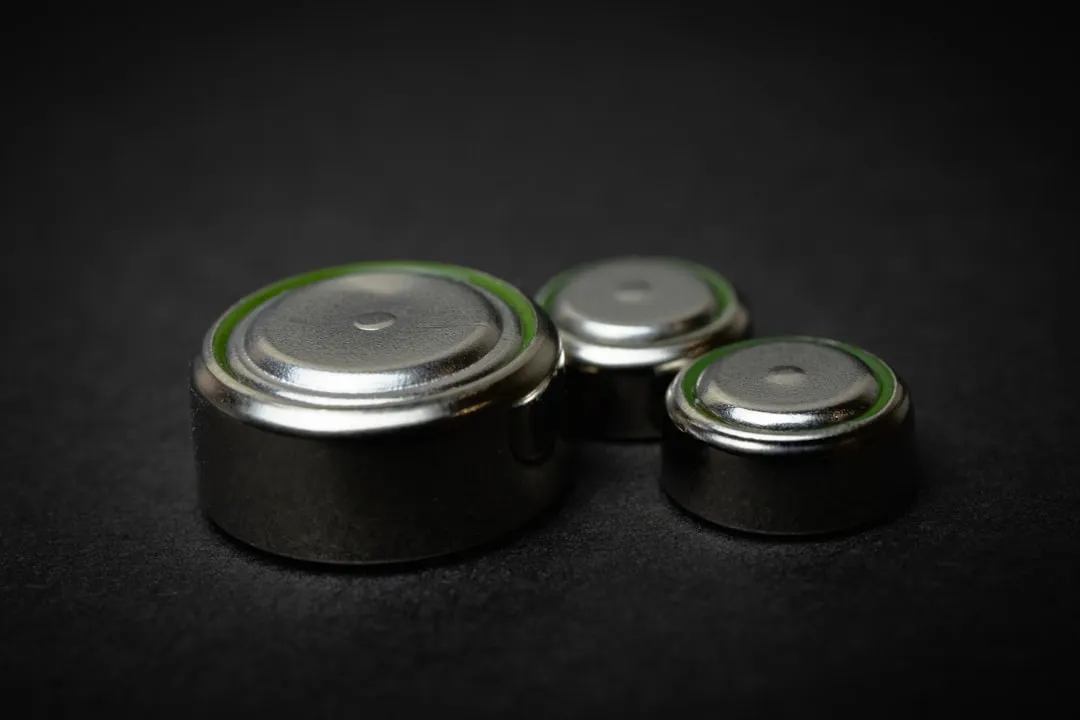
In a recent example of real-world risk, Petmate issued a recall of 15,400 pet toys due to a battery cell hazard. The Pet Zone Laser Pointer and LED Ball pet toys were sold online and in Menards stores from September 2024 to March 2025.
The recalled toys violated mandatory standards for products containing button cell or coin batteries. The LED plastic sphere could break upon impact, making the button cell batteries easily accessible. Swallowed batteries can cause serious injuries, internal chemical burns, and death.
According to the Federal Register, there were 54,300 emergency room visits related to button cell or coin batteries between 2011 and 2021. Electronic pet toys with loose or poorly secured battery compartments represent one of the most acutely dangerous categories on the market today.
What to Look for Instead

Opt for toys made in the USA, Canada, or Japan, where products are more likely to meet regulations and safety standards than unregulated imports. Look for labels such as FDA-grade silicone, OEKO-TEX Standard 100 for textiles tested for harmful substances, and BPA-free or phthalate-free certifications.
Materials like cotton, rubber, and natural wood make for wonderful chew toys for even the most enthusiastic biters, and these materials are also better for the environment than commercially produced synthetic alternatives.
Always supervise your dog during playtime, and regularly inspect toys for any signs of wear and tear. If a toy starts to break down or fray, it is time to throw it out. No toy lasts forever, and an aging one can shift from enrichment to emergency quickly.
The Takeaway

The materials inside a pet toy rarely make the packaging. That is part of the problem. Pet toys on the market have not been vetted by federal, state, or global agencies. The Consumer Products Safety Commission has never recalled a pet toy on the basis that it was hazardous to pets, arguing it only has authority where a product is deemed dangerous to a human.
That regulatory gap puts the responsibility squarely on pet owners. Checking recycling codes, skipping toys with no material disclosures, and applying the thumbnail test before handing over a chew are all small habits with potentially large payoffs. Toys should make a pet’s life better, not quietly compromise it.
AI Disclaimer: This article was created with the assistance of AI tools and reviewed by a human editor.