

The Market Is Bigger Than You Think
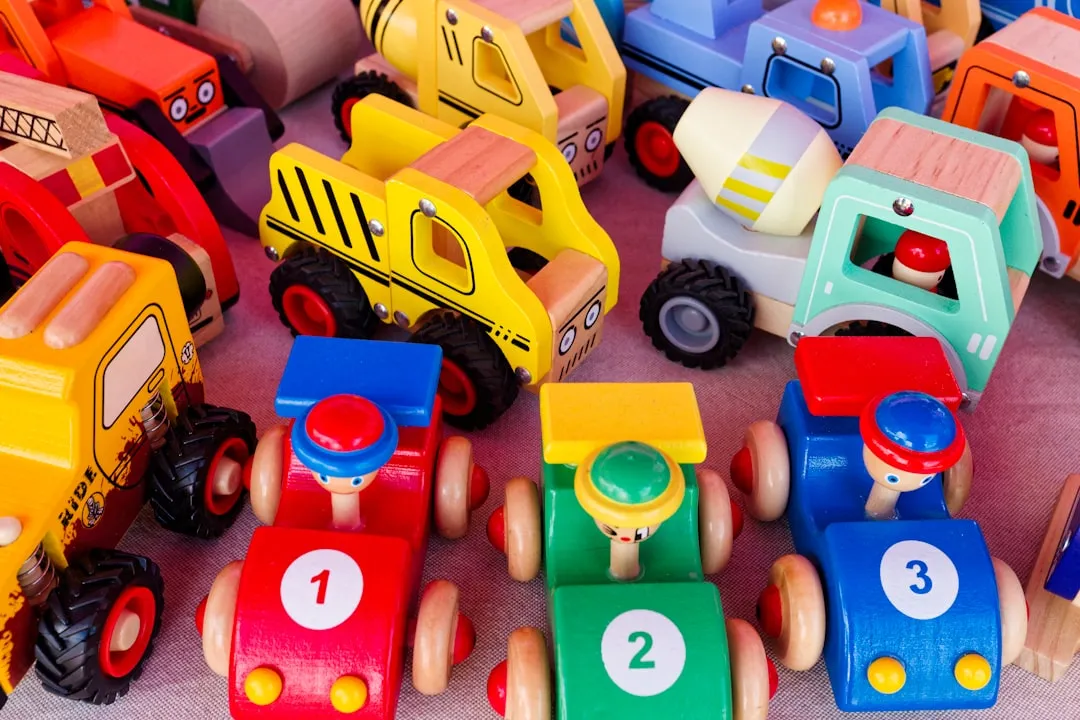
The toy collectibles market was valued at around nineteen billion dollars in 2024 and is projected to reach over forty five billion by 2032, growing at a rate of roughly ten and a half percent per year. Those aren’t hobbyist numbers. That’s a full-scale secondary economy built around plastic, cardboard, and nostalgia.
The toy collectibles segment focuses on items purchased, preserved, and traded primarily for their long-term value, rarity, and cultural significance rather than for play. What once filled toy chests is now kept in sealed cases with humidity controls. The shift in how collectors treat these objects has fundamentally changed what they’re worth.
Kenner’s Star Wars Line: The Gold Standard of Toy Collecting
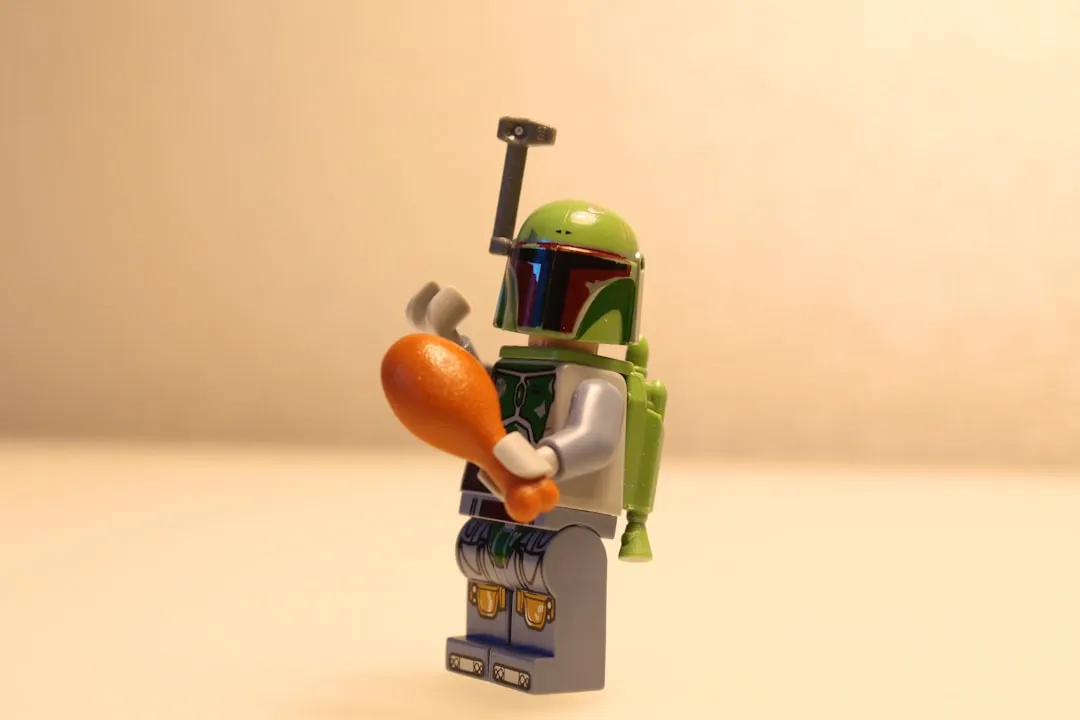
The original Kenner Star Wars line from the late 1970s and 1980s remains the deepest collectible-toy market there is, and demand never cools. That’s a remarkable statement for a toy line that’s nearly fifty years old. Rarity and condition still rule here, but the ceiling on what people will pay keeps rising.
A hand-painted rocket-firing Boba Fett prototype, a version Kenner scrapped over safety concerns, sold for $525,000 in 2024 to become the most valuable vintage toy ever sold. Of course, not every piece reaches those heights. Mint-in-package figures can range from two thousand to well over twenty five thousand dollars, with condition being absolutely critical since even small paint flaws can impact the price.
A 1978 Luke Skywalker figure with a “double telescoping” lightsaber sold at auction for $25,000. These aren’t flukes. They’re the result of a collector base that has been actively competing for these pieces for decades.
Masters of the Universe: He-Man’s Surprising Second Life
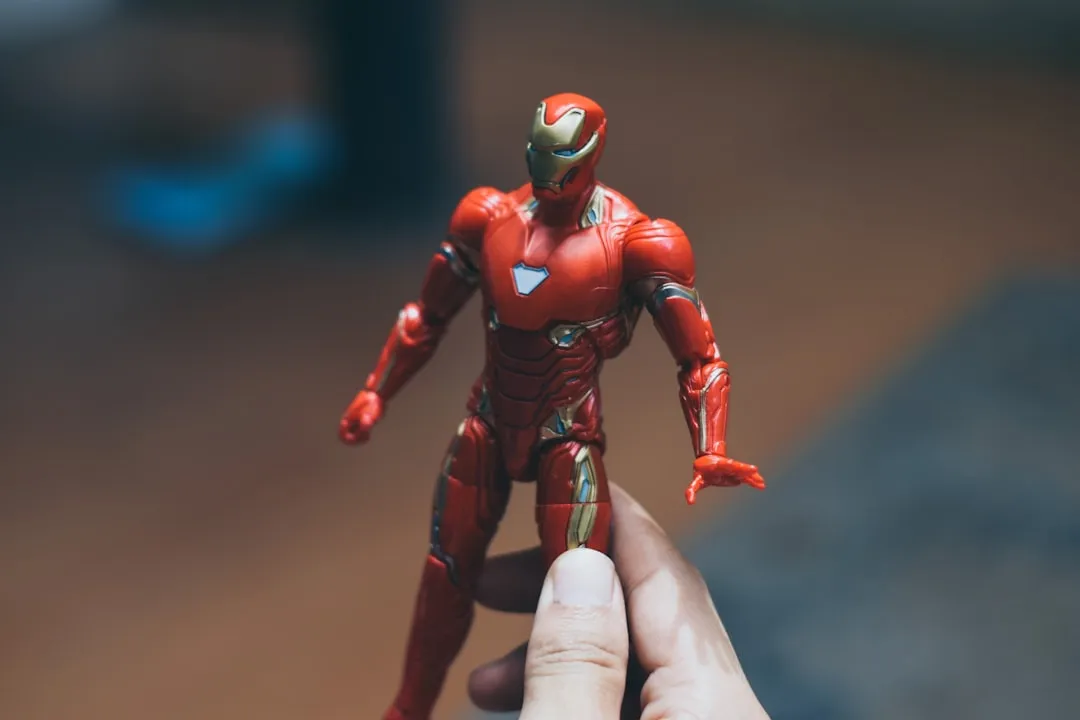
He-Man and the Masters of the Universe was an animated TV show based on Mattel toys, which ran from 1983 to 1985, and was hugely popular with kids of the era, also spawning the spin-off show She-Ra: Princess of Power. What made the line unusual was that Mattel created the toys first. The cartoon came second, essentially serving as a long-running advertisement.
He-Man and the Masters of the Universe toys, especially from the original 1980s lines, remain highly sought after by collectors, with figures complete with accessories, boxed items, and rare variants often commanding premium offers in the secondary market. Figures like “Laser Power He-Man” or the Eternia Playset are considered rare and can set buyers back thousands of dollars.
Generation One Transformers: Autobots Command Real Money
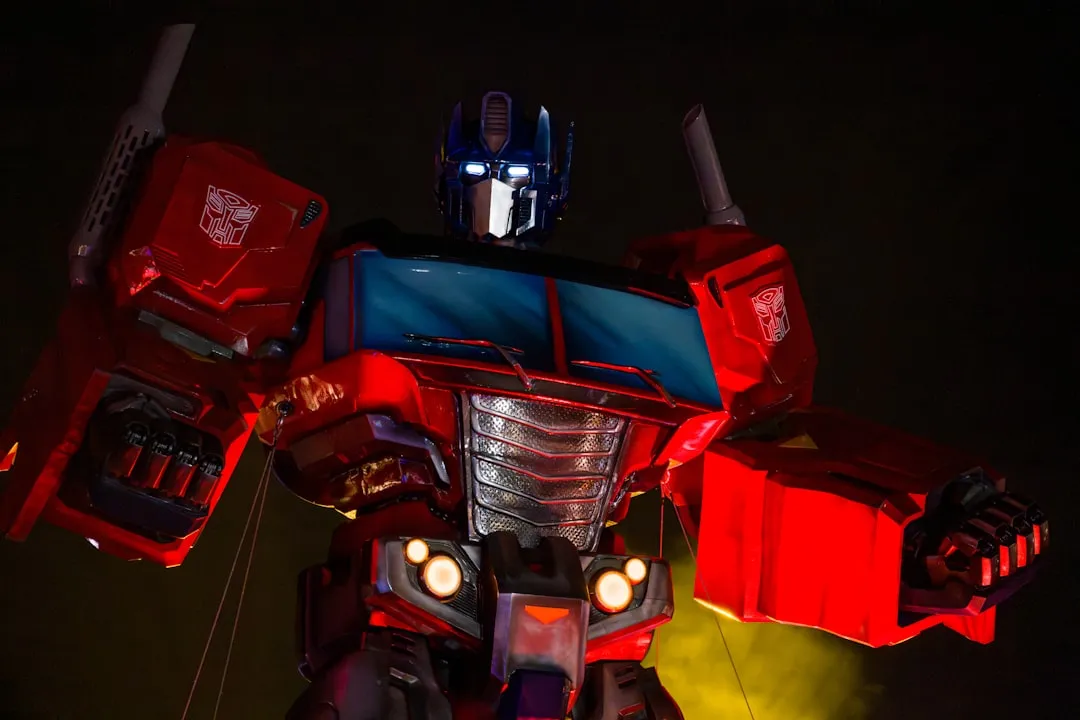
The original 1980s Transformers, known to collectors as Generation One, command steady prices, especially when boxed and complete. The line was discontinued and relaunched multiple times, but it’s those first-run Hasbro releases that collectors genuinely want.
Hasbro’s Transformers line introduced iconic characters like Optimus Prime, Megatron, and Starscream, with first editions, especially those in sealed boxes or from the Japanese Takara releases, being increasingly valuable, with resale values ranging from five hundred to over five thousand dollars depending on character and condition. Original packaging and accessories can double the value. A first-generation Optimus Prime in the box brings hundreds, and rarer figures like Jetfire or unreleased prototypes go far higher.
Hot Wheels Redlines: The Toy Cars Worth More Than Real Ones
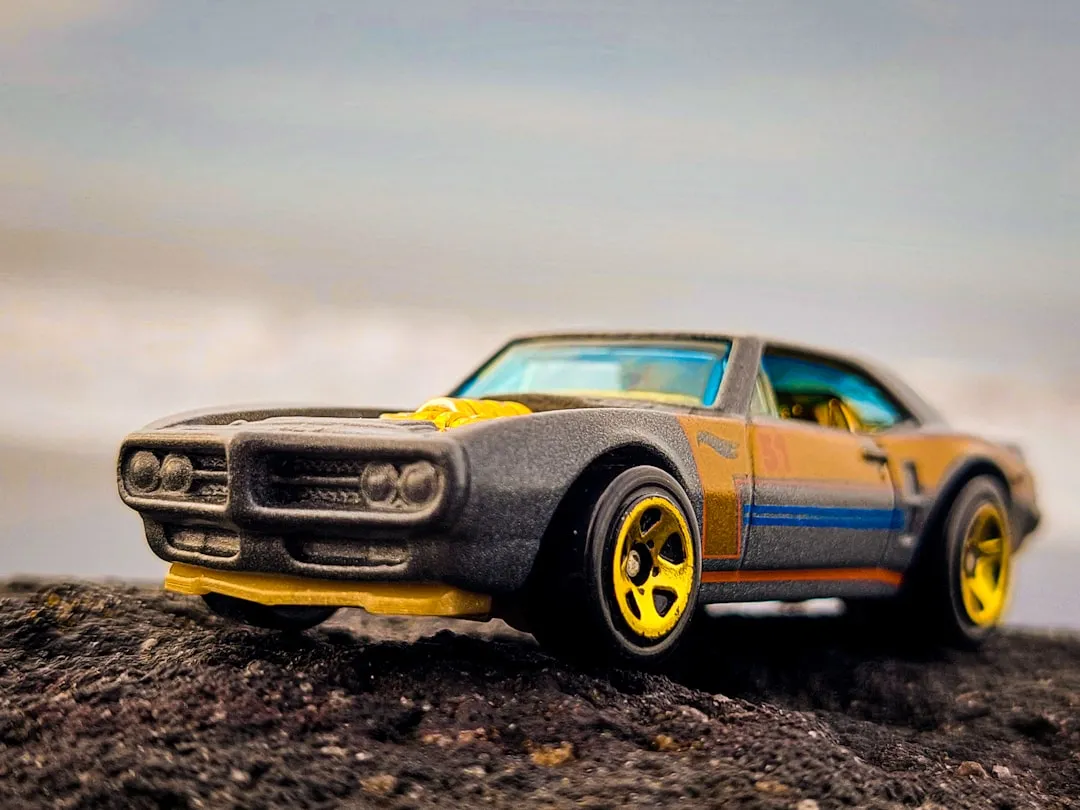
Hot Wheels from the Redline era of the late 1960s and 1970s and the Treasure Hunt series of the 1990s both drive strong collector demand. These are die-cast cars that originally sold for under a dollar, now trading for sums that would make any investor take notice.
A 1995 Treasure Hunt ’67 Camaro brings over a thousand dollars, and rare prototypes and error cars go far higher, with condition of the paint and card mattering enormously since the scarcest color variations can turn an ordinary toy car into a coveted one. The Beach Bomb and Custom Camaro have become almost mythological within the collector community, with rare models like these selling for thousands of dollars, especially if they’ve been well cared for.
My Scene Dolls: Mattel’s Forgotten Line Fetching Serious Prices
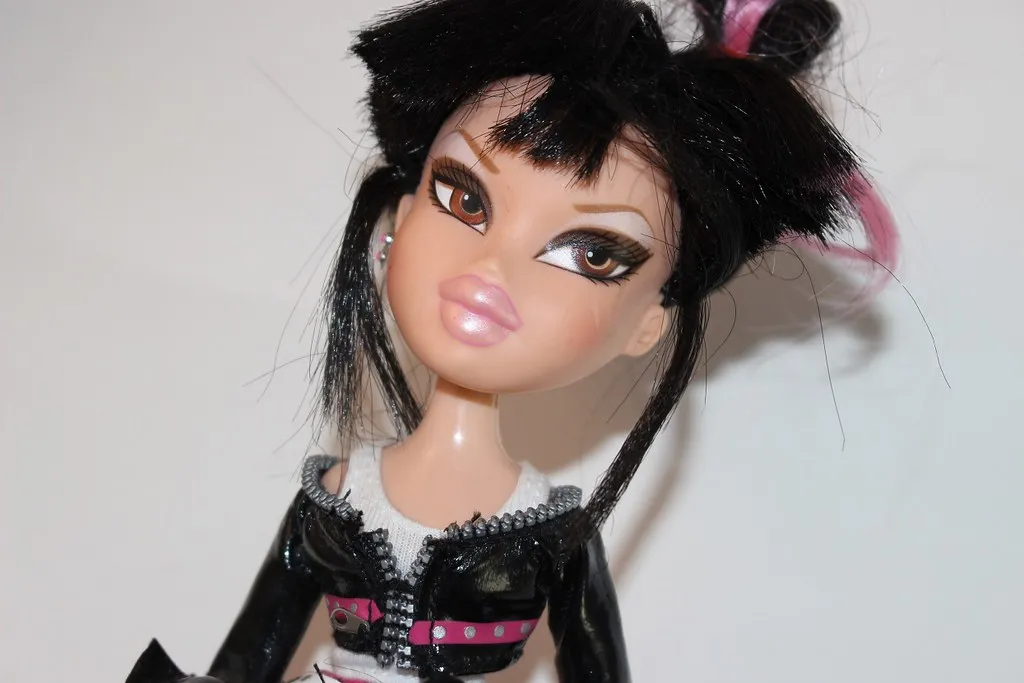
Mattel launched the My Scene Dolls in 2002 to compete with Bratz, focusing on the tween demographic and themes of friendship, fashion, and individuality, until the line was discontinued in the U.S. in 2008 and internationally in 2011. Most people outside that generation have never heard of them. That obscurity hasn’t hurt the price.
Boxed dolls can go for five hundred dollars, with one listed on eBay for $1,372 in September 2025. Bratz dolls, their direct competitors with oversized heads and trendy fashion, also command hundreds or thousands of dollars on the secondary market. The doll collecting world is broader and more active than casual observers tend to realize.
Retired Lego Sets: Sealed Boxes as Investments

According to one study, Lego sets dominated the top ten list of most valuable retro toys sold on the resale market, with the Lego Star Wars Cloud City set selling for the equivalent of over two thousand pounds. Retired sets, meaning those Lego has officially discontinued, appreciate at a rate that has drawn attention from people who would normally put their money elsewhere.
The Skull’s Eye Schooner Pirate Ship fetched around seventeen hundred pounds, the Millennium Falcon sold for over eleven hundred, and Star Wars sets like the Death Star II and the Imperial Shuttle each sold for over seven hundred pounds, with the consistency of Lego Star Wars items in the top rankings being particularly striking. The pattern holds across years. Sealed and retired equals valuable.
Vintage My Little Pony: Rare Variants and Collector Networks
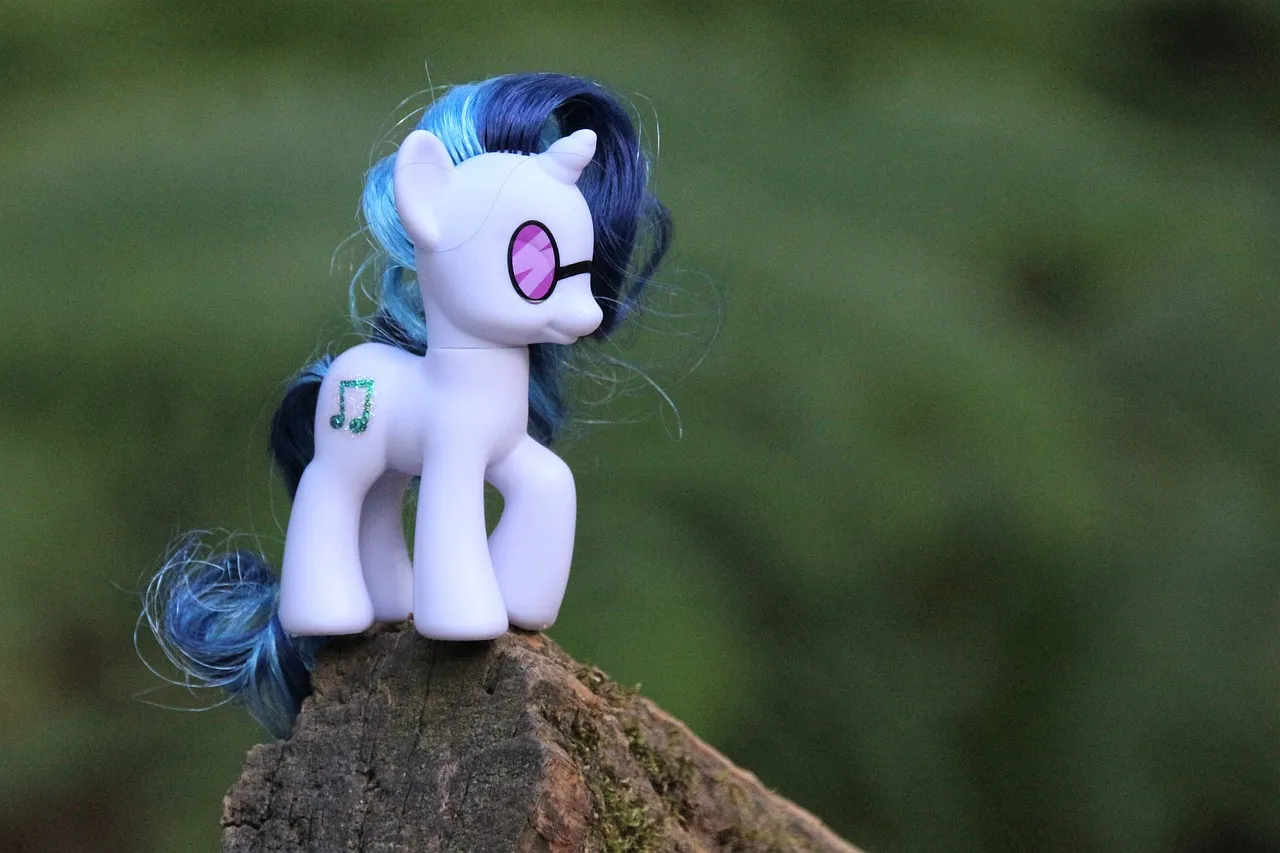
Vintage My Little Pony figures from the 1980s, particularly rare variants, can sell for hundreds or even thousands through dedicated collector networks, with the “Rapunzel Pony” from 1987 regularly fetching over a thousand dollars among serious enthusiasts, driven in part by the franchise’s revival sparking renewed interest in the originals. The adult fan base for this line, often called “G1” collectors, has organized conventions and dedicated online communities that sustain demand year after year.
What makes the My Little Pony market somewhat unique is how much the specific variant matters. Small differences in mane color, eye design, or regional packaging can dramatically shift what a figure is worth. Collectors particularly value rare, high-quality, and uniquely designed pieces, making them the most sought-after items in any category.
What Actually Drives Value: Condition, Rarity, and Demand
When considering value in the secondary toy market, it’s important to weigh demand as well as scarcity, since rarity alone doesn’t guarantee a buyer. This is a point that trips up a lot of casual sellers. A toy can be genuinely scarce and still sit unsold if nobody’s looking for it.
Collectors value items for their craftsmanship, exclusivity, and the emotional or nostalgic connection they evoke. That emotional layer is real and it’s consistent. The toys that hold value are almost always the ones tied to formative cultural moments: Saturday morning cartoons, blockbuster films, playground crazes. The rise of online marketplaces and auctions, the influence of pop culture and media, and the growth of dedicated collector communities are all key factors driving the toy collectibles market forward.
Where People Are Actually Buying and Selling

The online stores segment is anticipated to be the fastest-growing distribution channel for secondhand collectibles through 2034, driven by the rise of digital platforms that have created a more convenient market space and increased both sales and purchases of secondhand collectibles globally. eBay remains the default reference point for pricing, but Mercari, Facebook Marketplace, and StockX have carved out meaningful roles in this space.
For buyers and sellers alike, the difference between an active listing and a completed sale matters enormously. A better read on real value comes from completed sales, not active listings. Someone can list anything for any price. What a buyer actually paid is the only number that tells the truth about the market.
The Takeaway
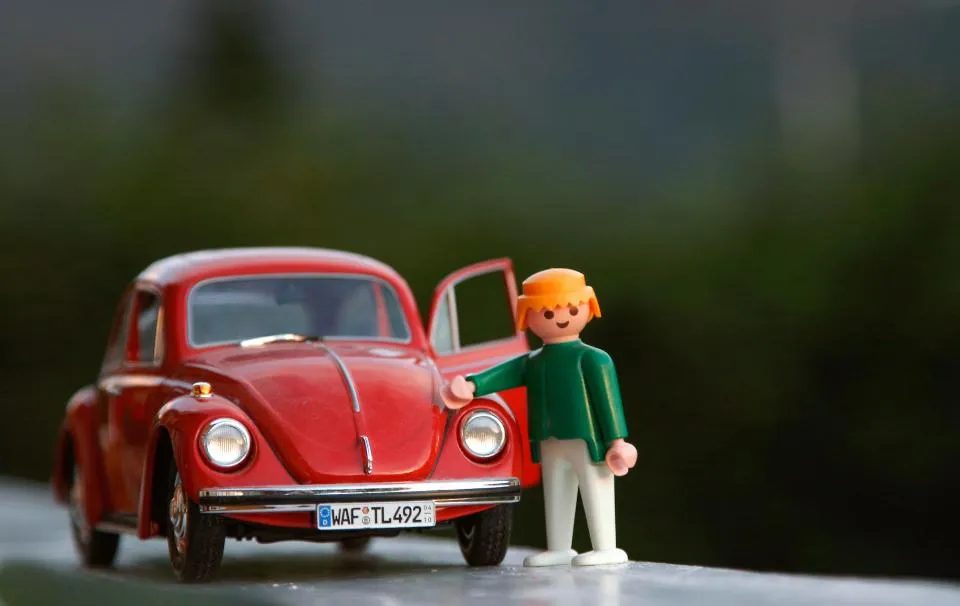
The discontinued toy market is no longer a niche corner of the internet populated by a handful of obsessive collectors. Early 2000s toys are selling for hundreds of dollars online, and some are fetching thousands. The lines blurring between nostalgia, investment, and cultural preservation are very real.
Whether you’re thinking about checking what’s in your attic or just curious about why these objects hold such persistent value, the answer is less mysterious than it seems. Vintage toys have become a popular investment option due to their potential to offer high returns. The key is knowing which lines, which figures, and which condition thresholds actually matter. The rest is just cardboard and plastic gathering dust.
AI Disclaimer: This article was created with the assistance of AI tools and reviewed by a human editor.