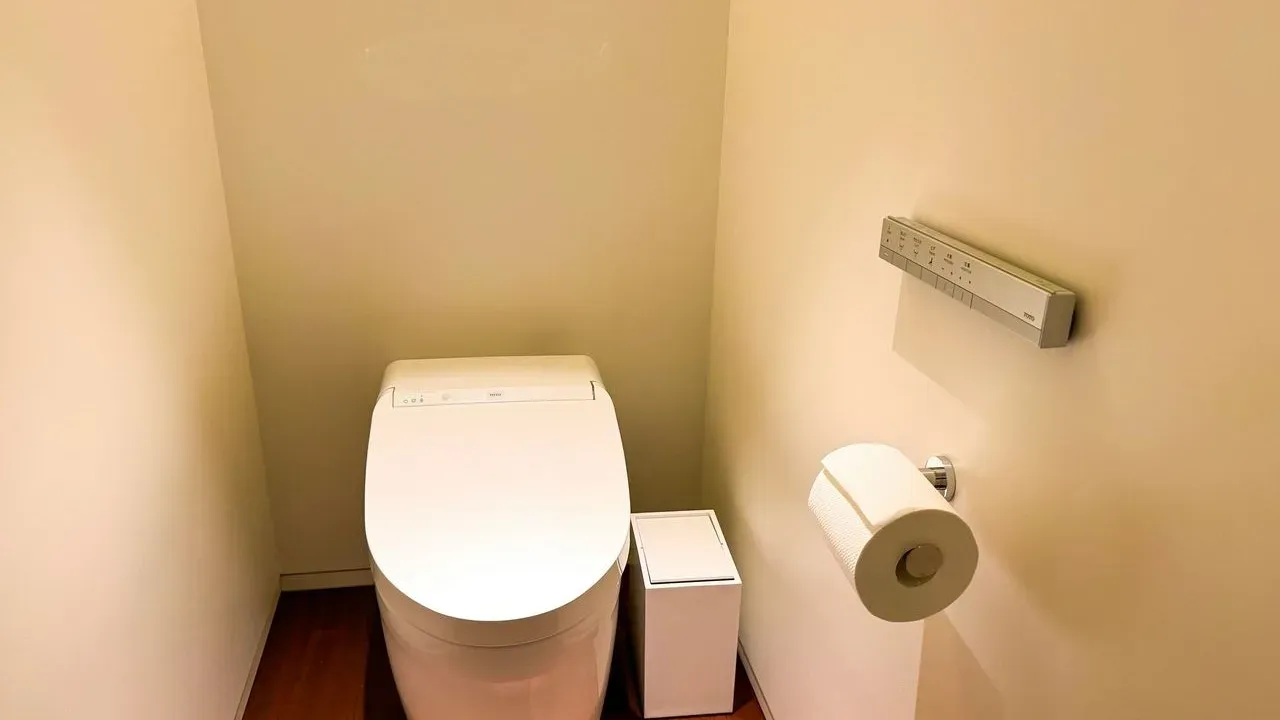

Smart bathroom upgrades are moving from luxury hotels into ordinary family homes at a steady pace. Homeowners are installing toilets with heated seats, automatic flushing, and integrated bidet functions that deliver warm-water cleansing and hands-free operation. These changes address daily needs for hygiene and comfort in households that include children, older adults, and busy schedules. The trend reflects broader adoption of practical technology that reduces contact with surfaces and simplifies routine tasks. ([1])
The Practical Drivers Behind the Shift
Modern family bathrooms must accommodate multiple users with varying requirements. A basic toilet handles its core purpose, yet it leaves gaps in cleanliness and ease of use that many households now notice during repeated daily visits. Families report that features once considered extras now feel essential for reducing maintenance time and improving overall experience.
Business analysts tracking home-improvement spending note that demand for these systems has grown as manufacturers refine models for broader compatibility. The change affects homeowners planning renovations, property managers updating rentals, and suppliers adjusting inventory to meet new expectations. Installation timelines typically span a few hours when plumbing and electrical access already exist, though older homes may require additional preparation.
Core Features Gaining Traction
Manufacturers emphasize functions that deliver measurable daily benefits rather than novelty alone. Heated seats provide consistent warmth in cooler climates or early-morning use. Warm-water cleansing systems allow users to adjust temperature and pressure, often with self-cleaning nozzles and UV sterilization to limit residue buildup.
Hands-free and automatic controls further reduce surface contact. Motion sensors trigger lid opening, flushing, and deodorizing without manual input. Night lights improve safety during low-light visits, while warm-air drying completes the cycle. These elements appear across several product lines and appeal to households seeking incremental improvements without full bathroom overhauls.
Installation and Household Fit
Before purchase, buyers must verify electrical supply and plumbing dimensions. Most electric models require a GFCI-protected outlet nearby. Rough-in distance from wall to drain, overall space, and water connection points determine whether a unit fits without major modifications.
Smaller households often prioritize quiet operation and energy efficiency. Multi-generational homes tend to value adjustable seat height, straightforward controls, and reliable cleansing options. Checking warranty terms, parts availability, and manufacturer support helps avoid future complications. Proper planning keeps projects on schedule and within budget.
Key considerations for buyers
- Confirm power access and outlet type before ordering.
- Measure existing toilet footprint and rough-in distance.
- Review adjustable settings for water temperature, pressure, and drying.
- Compare warranty length and local service options.
Long-Term Value for Families
The decision ultimately rests on how frequently the bathroom is used and which features align with household priorities. Homes that place importance on hygiene, reduced paper use, and accessible design often see the clearest gains. Selecting a model matched to actual bathroom layout and daily routines produces more reliable results than opting for the highest-priced unit available.
Manufacturers continue to refine these systems for easier integration into standard residential settings. As adoption widens, the technology is becoming another standard consideration during bathroom updates rather than an outlier choice.
AI Disclaimer: This article was created with the assistance of AI tools and reviewed by a human editor.