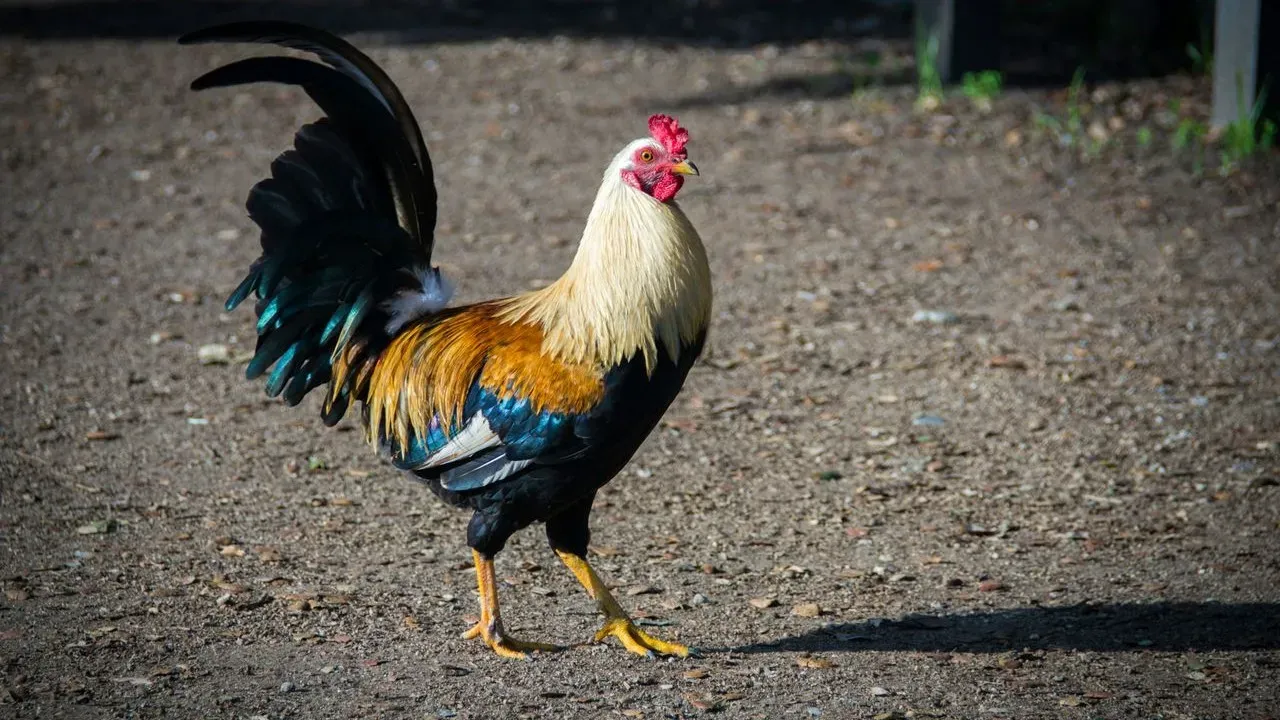

Backyard chicken keeping often begins with wide-eyed enthusiasm, and one household experienced that thrill firsthand when they brought home a batch of day-old chicks. The early weeks involved careful tending indoors before the birds moved to their coop, creating a sense of accomplishment as the flock settled in. Yet the arrival of crowing sounds around the 12-week mark revealed that three of the supposed hens were actually roosters, prompting an emotional adjustment for the family.
Selecting a Keeper Among the Roosters
Two of the young roosters found new homes on another farm without much delay. Earl remained because of his special bond with one of the children, who had handled him gently since his first day. The family held onto hope that he would integrate smoothly once the initial adjustment period passed. Early signs of normal flock life appeared when the first eggs arrived, reinforcing the sense that their setup was working.
Behavioral Shifts Emerge With Maturity
As Earl reached puberty, his demeanor changed noticeably. He began asserting dominance through charges at family members entering the run and by separating hens from human interaction. Attempts to curb the behavior, such as wearing protective headgear during chores, proved ineffective over time. The once-enjoyable routine of collecting eggs turned into a cautious exercise, with tools kept nearby for safety.
Impact on the Hens and Household Dynamics
The hens showed clear signs of stress as Earl’s protective instincts crossed into aggression. Feather loss on several birds, particularly on their backs and tails, pointed to excessive mating pressure that left some nearly bare in spots. A protective saddle helped one hen temporarily, yet the issue simply shifted to others in the flock. Family members, especially the children, grew reluctant to spend time in the coop, diminishing the daily connection that had made the project rewarding.
The Decision and Its Aftermath
Health concerns for the hens, combined with the loss of enjoyment for everyone involved, ultimately drove the choice to rehome Earl. Contact with the same farmer who had taken the earlier roosters secured a spot in a larger flock with more space and hens. The transfer happened quickly, and the immediate return of relaxed interactions confirmed the move was sound.
The children soon resumed hand-feeding and close contact with the remaining birds, while a full coop cleanup restored a sense of order. The experience underscored how even well-intentioned backyard flocks can encounter unforeseen challenges that require tough calls. With cooler weather approaching, the family now looks forward to simpler, safer time spent among the hens.
AI Disclaimer: This article was created with the assistance of AI tools and reviewed by a human editor.