
Most people can remember a time when the weeks before a major holiday felt genuinely electric. The anticipation was almost physical. Then, somewhere along the way, that feeling became harder to locate. The holidays still arrive on schedule, the decorations still go up, and the music still plays, yet something has quietly shifted.
The reasons behind that shift are more concrete than pure sentimentality. Research published in recent years points to specific psychological, neurological, and social forces at work, and understanding them can make the whole experience a little less disorienting.
Your Brain Stopped Treating Holidays as New Information
When we encounter something new, our brain releases dopamine, a feel-good chemical associated with motivation and pleasure. This process not only makes us feel more alive but also helps us learn and grow. As a child, every holiday carried genuine novelty. The specific smells, the rituals, the surprise of gifts all registered as new data worth paying attention to.
As adults, unless we intervene, perception becomes automatic. Days blur. Wonder withers not because the world becomes less wondrous, but because our brain stops bothering to notice. The thirtieth Christmas your brain has processed is simply not as neurologically interesting as the fifth one was, and the resulting emotional tone is noticeably quieter.
You Are Now the One Making the Magic

One of the most consistent findings from psychologists who study holiday experience is the role reversal that happens at some point in early adulthood. As a child, the logistics were invisible. Holiday meals just arrived to the table, traditions were already established, and presents appeared under the tree, making it feel magical because you weren’t privy to any of the things happening behind the scenes.
As adults, we are suddenly responsible for making the magic and continuing the traditions, from cooking for hours, shopping and wrapping gifts until late at night, all amid the usual responsibilities of running a household. The experience shifts from receiving a finished production to being the stage crew, director, and lead actor simultaneously.
Stress Levels Have Been Climbing Year Over Year
Americans are more anxious about the holidays than in previous years, according to the latest APA Healthy Minds Poll. Among U.S. adults, 41% say they anticipate more stress related to the holidays this year than last year, a notable increase over 2024 (28%) and 2023 (29%). That trajectory is not a coincidence. It reflects accumulating financial pressure, social complexity, and a general sense of being stretched thin.
Financial concerns, particularly around gift-giving, consistently rank as the leading source of holiday stress. When a significant portion of your mental energy in November and December is devoted to budgeting, the season stops feeling like a gift and starts feeling like a deadline.
Nostalgia Distorts the Comparison

For many, the holidays bring back memories of simpler times, along with carefree feelings of being younger, with fewer worries and stress. The music, the food, and the gatherings with family and friends can all trigger feelings of nostalgia, helping us think about our past and the special moments we’ve experienced. The problem is that nostalgia tends to edit out the difficult parts.
Childhood holidays influence how we feel as adults, and psychologist Elizabeth Loftus’s research on memory shows that memories, especially emotional ones, are powerful but not always accurate. So the version of Christmas or Thanksgiving we’re comparing the present to is often a highlight reel assembled by a selective brain, not a faithful historical record.
Loneliness Shows Up Even in a Crowded Room
Roughly half of respondents in a 2025 LifeStance survey report feeling lonely around the holidays, even when they’re with loved ones, while only about one in four never feel lonely around the holidays. This particular type of loneliness, feeling disconnected in the middle of a gathering, is one of the stranger features of adult holiday experience.
Emotional pressure, such as feeling obligated to appear happy or attend gatherings, plays a major role in seasonal distress. Loneliness is common during the holidays, even among people spending time with family or friends. The gap between the warmth the season is supposed to deliver and the flatness some people quietly feel can be genuinely isolating, precisely because it seems like something you shouldn’t be admitting.
The Pressure to Perform Happiness Is Real

About 69% of U.S. adults say they feel pressure to act happier than they feel during the holiday season. This pressure is especially pronounced among younger generations, with roughly a third of millennials and Gen Z reporting a high degree of pressure to project happiness. That is a significant number of people privately managing a disconnect between what they feel and what they’re expected to display.
Holiday anxiety research shows that people often feel pressured to appear happy, even when they’re overwhelmed. There’s something exhausting about performing festivity, and it tends to drain the very emotional energy that genuine connection would require. The performance itself becomes part of why the season feels hollow.
Grief and Loss Change the Emotional Landscape

Nearly half of adults say they are worried about missing someone or experiencing grief during the holiday season. As the years accumulate, so do the absences. A holiday table that once felt complete starts to carry empty chairs, and those absences become more noticeable precisely because the season leans so heavily on repetition and tradition.
Nostalgia, grief, and excitement often blend, creating contradictory feelings known as holiday depression triggers. When memories differ from current realities, disappointment grows, fueling holiday blues. Adults who have experienced significant loss often find that the holidays amplify grief rather than temporarily suspend it.
Gathering Obligations Have Shifted
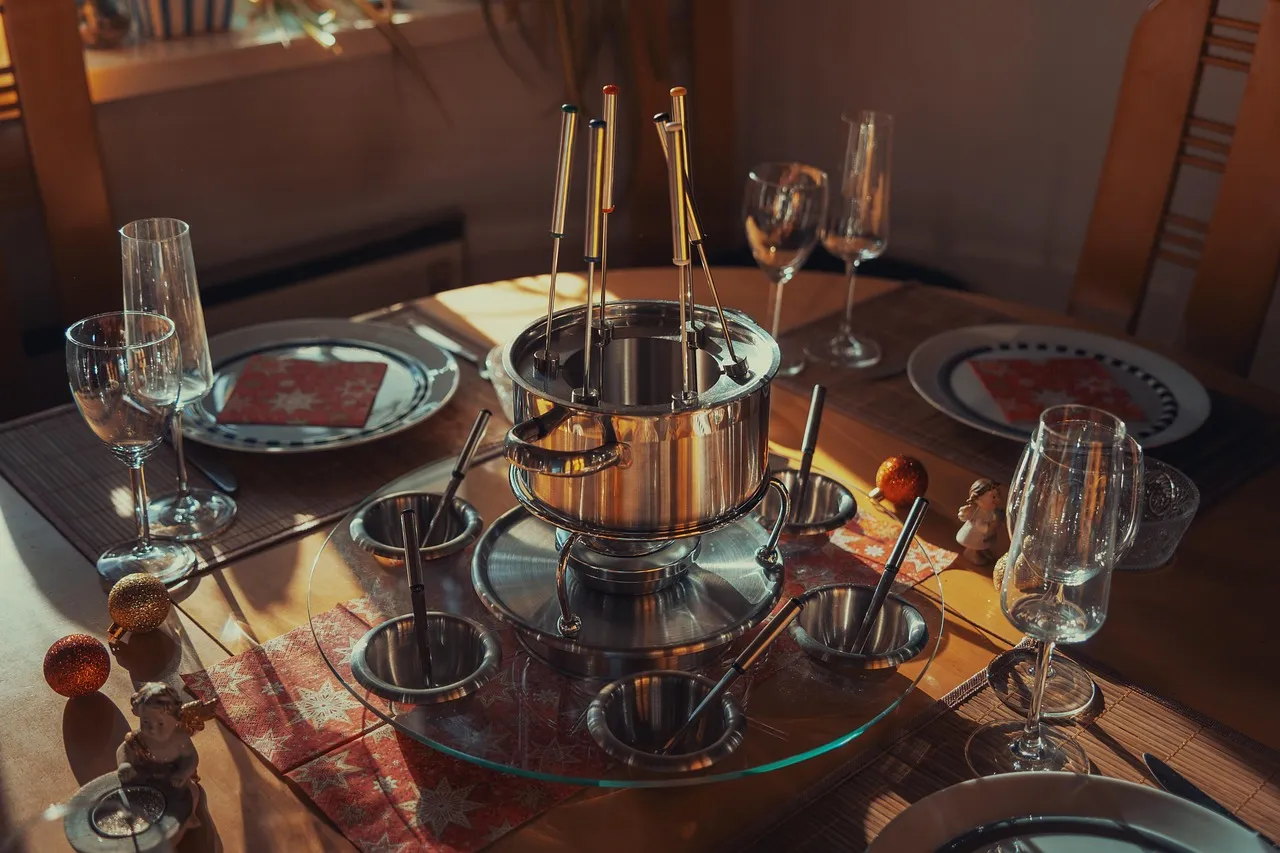
Research from LifeStance shows that 64% of respondents wish they could skip at least a few of their holiday gatherings, while the majority say that some gatherings feel like obligations, with Gen Z reporting this feeling at an overwhelming 89%. What once felt like an exciting family event increasingly registers as an item on a to-do list.
The pandemic permanently reshaped holiday expectations. Large, loud, multi-day gatherings have lost appeal, replaced by more intentional traditions focused on comfort and authenticity. Many Americans now prefer smaller, more manageable gatherings at home, or they choose to host only those whose presence feels meaningful. That shift is not necessarily negative, but it does represent a meaningful change in how the season is experienced.
The Post-Holiday Crash Is a Neurological Event

The final ornament returns to its box, and many adults feel an abrupt energy dip. Neurochemicals that spiked during celebrations suddenly recede, creating a hollow mood often mistaken for relapse into holiday blues. Physical fatigue compounds this sensation because disrupted sleep patterns linger after decorations disappear.
This is not a personal failing or a sign that the season went wrong. It is chemistry. Recognizing this as a normal rebound prevents unnecessary panic and supports healthier self-talk. Naming the sensation as a transient post-holiday emotional crash immediately reduces shame and restores perspective. Understanding the mechanism makes it easier to move through rather than ruminate on.
Nostalgia, Used Carefully, Can Actually Help
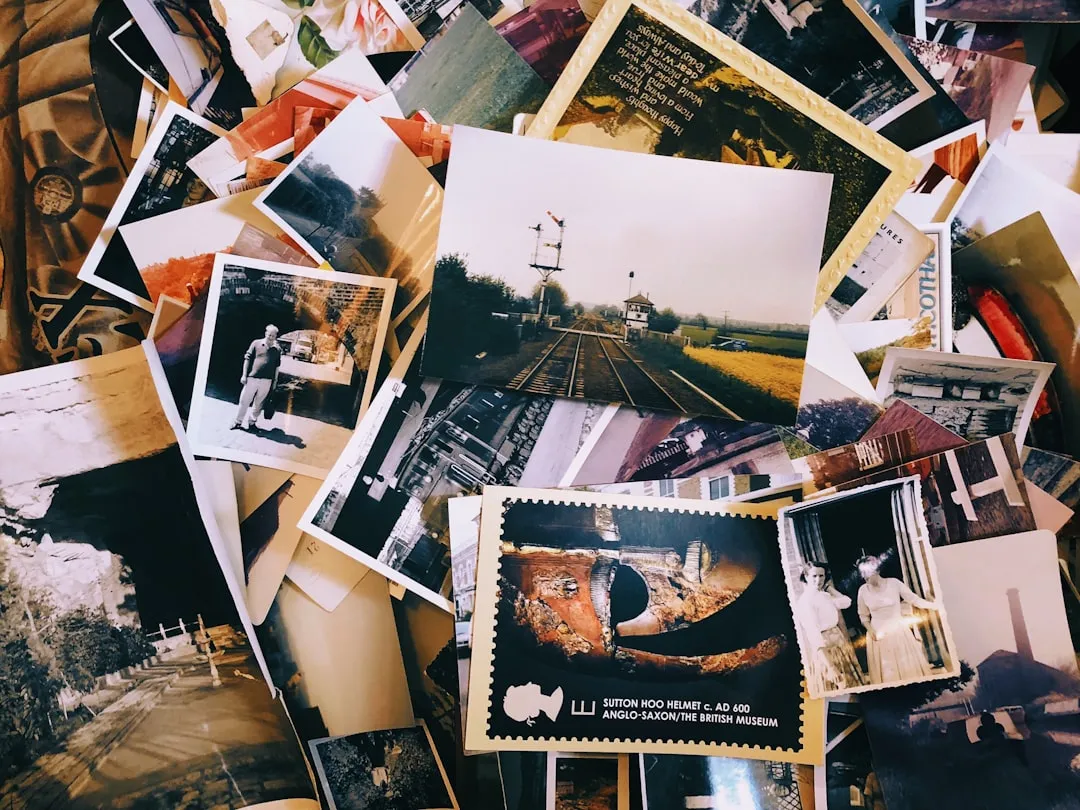
Research shows nostalgia can benefit mental health by affirming social belonging, alleviating loneliness, and enhancing our sense of meaning. When we revisit happy memories, our brains release feel-good chemicals like dopamine, giving us a natural high. That’s worth knowing, because nostalgia is often treated as something to push past rather than something to use thoughtfully.
In a 2023 study led by Andrew Abeyta and published in Emotion, researchers found that encouraging a trip down memory lane among individuals who had self-identified as feeling lonely helped them restore greater meaning in their lives. There is a meaningful difference between getting stuck in nostalgia and using it as a tool, and that distinction matters during a season when the past tends to crowd the present.
The Takeaway
The reason holidays feel different once you’re an adult isn’t one single thing. It’s the accumulated weight of responsibility, changed neurochemistry, the distorting lens of memory, grief for people and versions of life that no longer exist, and the quiet pressure to feel something you may not actually feel.
People are more likely to say the holidays have a positive impact on their mental health compared to the past couple of years, suggesting that even within a stressful season, many are finding ways to connect meaningfully. That’s a more honest picture than either pure holiday cheer or pure seasonal dread.
The shift in how holidays feel isn’t a loss of innocence so much as a change in vantage point. You’re no longer watching the show from the audience. You’re part of what makes it run, and that comes with its own kind of meaning, even when it’s harder to see.
AI Disclaimer: This article was created with the assistance of AI tools and reviewed by a human editor.