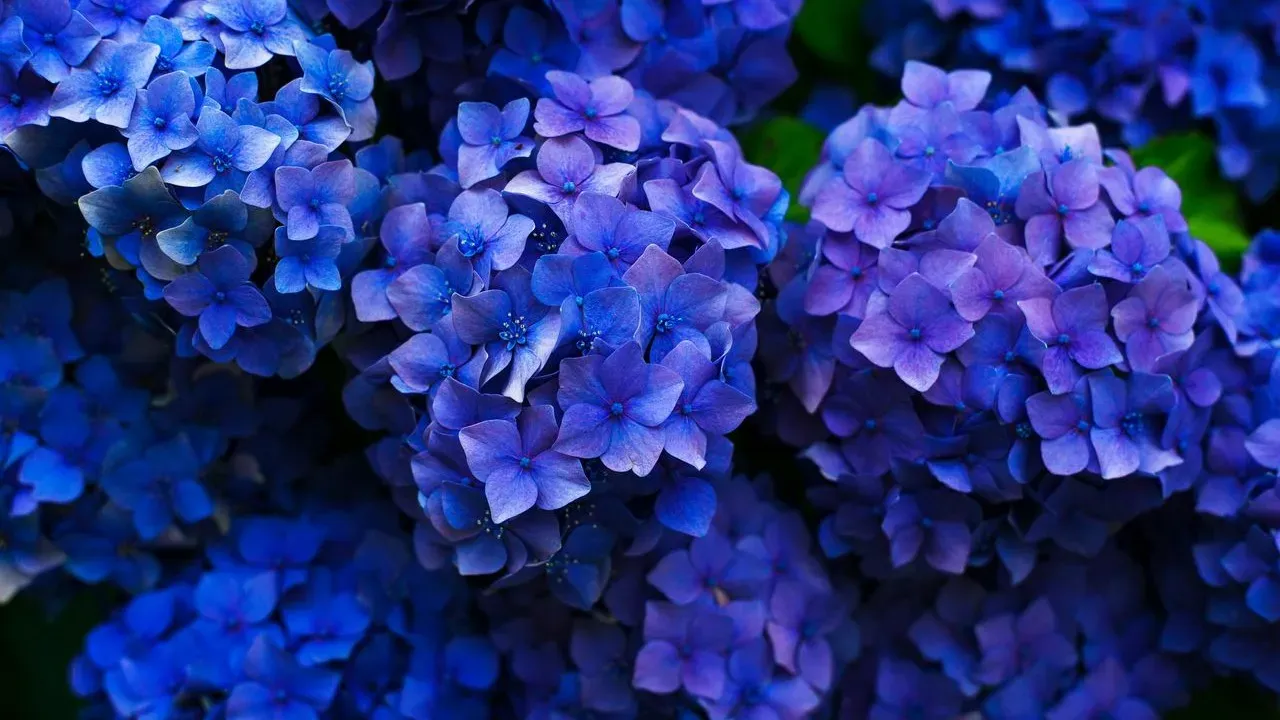

Gardeners often reach for the same reliable hydrangeas year after year, yet a handful of less common selections deliver striking flowers, foliage, or growth habits that set them apart. These options come from recent breeding efforts and underused species, each suited to specific conditions and offering traits that extend interest through the seasons. Their availability remains limited in many regions, which adds to their appeal for collectors seeking something different.
Breeding programs yield promising new options with intense color
Crosses between Chinese quinine and bigleaf hydrangea have produced a group of plants now sometimes marketed under the name didrangea. These hybrids develop large clusters of mid-blue flowers that deepen to a rich midnight blue and hold color well into winter in milder climates. They reach 8 to 10 feet tall and about 5 feet wide, performing best in partial shade with consistently moist soil in zones 7 through 9. The plants inherit some evergreen tendencies from one parent, which can leave them looking uneven after cold snaps. Still, the extended bloom display and potential for blue fruit provide practical interest that standard bigleaf types rarely match. Further crosses with additional species are expected to expand hardiness and availability over time.
Evergreen vines create lasting screens with minimal maintenance
Among climbing hydrangeas, the evergreen form native to Taiwan and the Philippines stands out for its glossy, linear leaves held on red stems. It climbs 40 to 50 feet on suitable supports and produces white flowers from distinctive rounded buds in early summer. Gardeners in zones 7 to 10 can use it on fences or trellises where a narrow, year-round privacy screen is needed. The vine clings readily to rock or wood and tolerates partial shade in rich, moist, well-drained soil. Its evergreen nature supplies winter structure that deciduous climbers lack, while the flowers add seasonal punctuation without requiring frequent pruning once established.
Taiwanese vine delivers earlier and more dramatic blooms
A deciduous climber from Taiwan often gets overlooked in favor of the more common Japanese species, yet it produces noticeably larger and more numerous sterile sepals around each flower cluster. These tear-shaped bracts create a stronger visual impact, and the plant tends to flower earlier in the season. Mature specimens reach 20 to 50 feet tall and 10 to 20 feet wide in zones 7 to 9. It shares similar cultural needs with other climbers – partial shade and evenly moist, fertile soil – but rewards the extra search with superior bloom display. The difference in floral structure becomes clear on close inspection and justifies seeking out nursery sources that carry it. These selections reward patience with sourcing and site preparation. Each brings measurable differences in color longevity, foliage persistence, or bloom timing that can refresh plantings already dominated by familiar hydrangeas. As more nurseries trial and propagate them, wider access should follow.
AI Disclaimer: This article was created with the assistance of AI tools and reviewed by a human editor.