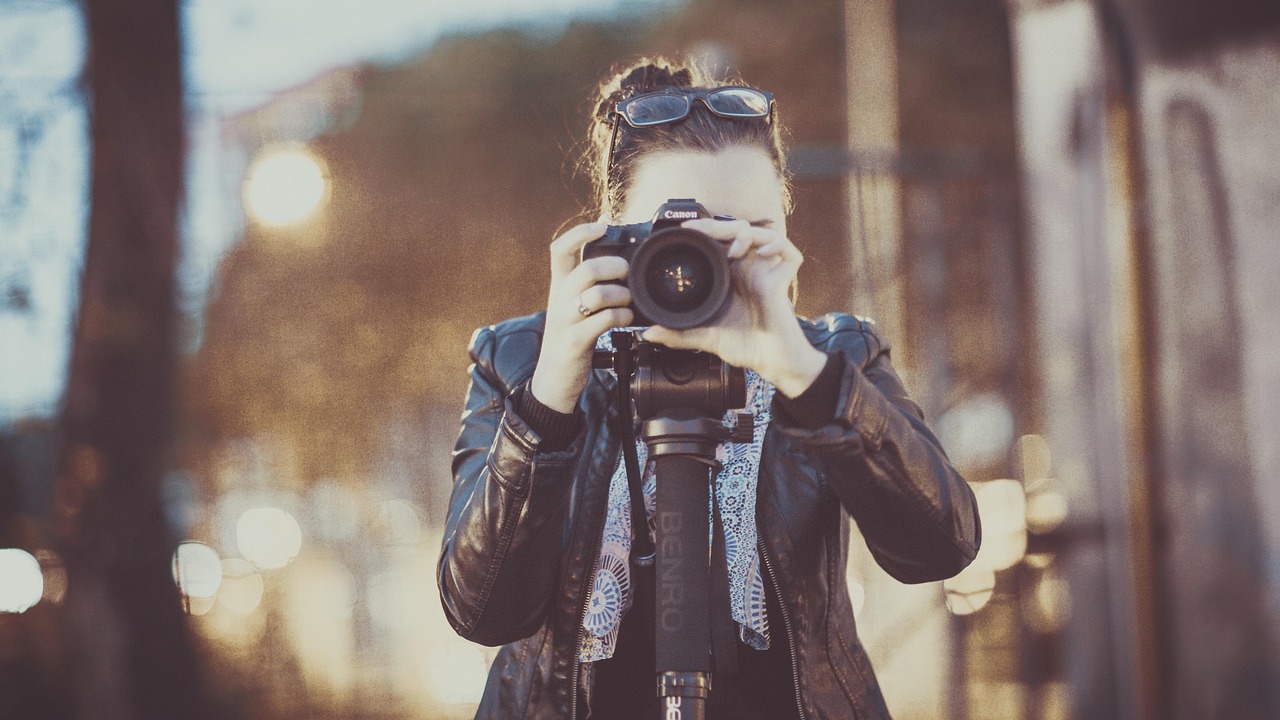

Scroll through any property portal today and you’ll spot the same pattern: a handful of listings stop you cold, while dozens blur together into forgettable sameness. The difference almost always lives in the photos. In 2026, listing photos are the number-one factor that determines whether a buyer clicks on your property or scrolls past it. What separates a great shoot from a damaging one, though, isn’t just about what gets captured. It’s just as much about what gets deliberately left out.
Nearly 83% of buyers say photos are very important in helping them choose which homes they will visit. That statistic carries real weight. Every frame a photographer chooses to include, or exclude, is a decision with financial consequences. The ten things below represent what experienced real estate photographers consistently refuse to put in a listing, and understanding why tells you a lot about how buyers think.
People and Pets Left in the Frame

Professional listing guidelines are clear: absolutely no people or pets should appear in any photos, and it’s also a good idea to remove family photos and items printed with family names. The reasoning is straightforward. Buyers need to mentally move themselves into the space, and a stranger’s face or a family dog anchors the home firmly to someone else.
The main goal of prospective buyers is to focus on your property, not to check who or what resides in it. Although you love your pets and they are adorable, keep them out of your pictures. Not everyone loves pets or may be allergic, so including your pet in listing photos can negatively impact house hunters. This is one of those rules that sounds obvious but still gets broken surprisingly often in amateur shoots.
Family Photos and Personal Identifying Items

When taking photos of a home, the photographer must be aware of any potential privacy violations they might be committing. This includes things like taking pictures of personal belongings inside the home. For example, while taking pictures of a family’s living room, a photographer may spot a family photo that the owners did not intend to be seen by anyone else.
Real estate photographers must respect homeowners’ personal space and avoid photographing private items. Beyond privacy, there’s a practical buyer psychology reason: framed family portraits and personalized décor prevent viewers from imagining the space as their own. Seasoned photographers will ask sellers to clear these items before the shoot ever begins, not as an afterthought.
Visible Clutter and Everyday Mess
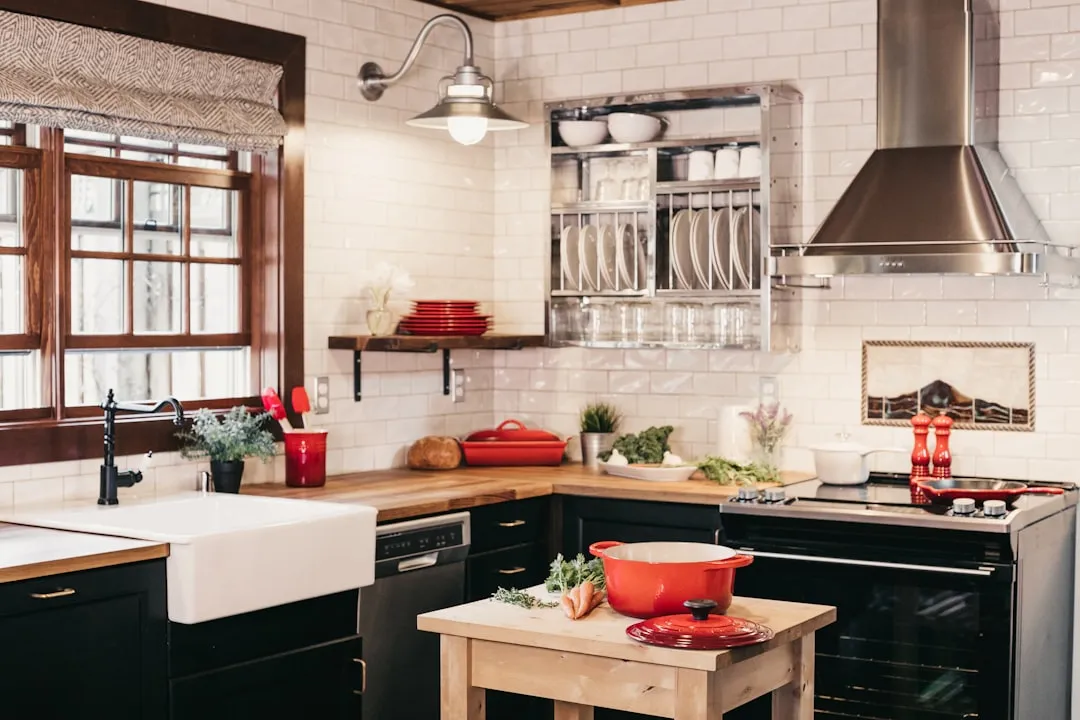
When people are looking at photos of your house, your dirty dishes and dog’s toys probably won’t do much for them. A majority of bad real estate photos include items that could have easily been cleaned up and moved to another location for the shoot. The frustrating part is that clutter is one of the most correctable problems in listing photography, yet it appears in listings constantly.
The goal is to photograph the home to look like a model home to entice potential buyers without being misleading. Any clutter and personal items will only distract buyers from seeing the most attractive aspects of each room. Countertops, floors, and shelving get the most scrutiny. A skilled photographer will flag these before lifting a camera.
Bathroom Toiletries and Personal Care Products

Bathrooms are among the most scrutinized rooms in a listing, and they’re also the easiest to ruin with a single careless frame. Prepping the bathroom is key before shooting. Always remove unnecessary items from your shot like tissue boxes, shampoo bottles, or facial scrubbers. It is okay to leave some items like towels as they make the place look lived in.
The toilet seat left up is one of the all-too-common photo faux pas that find their way into many a real estate listing. Experienced photographers do a full bathroom sweep before setting up their equipment. Even a single overlooked product on the vanity can make an otherwise clean bathroom feel unkempt in a wide-angle shot.
Neighboring Properties and Unsightly Eyesores
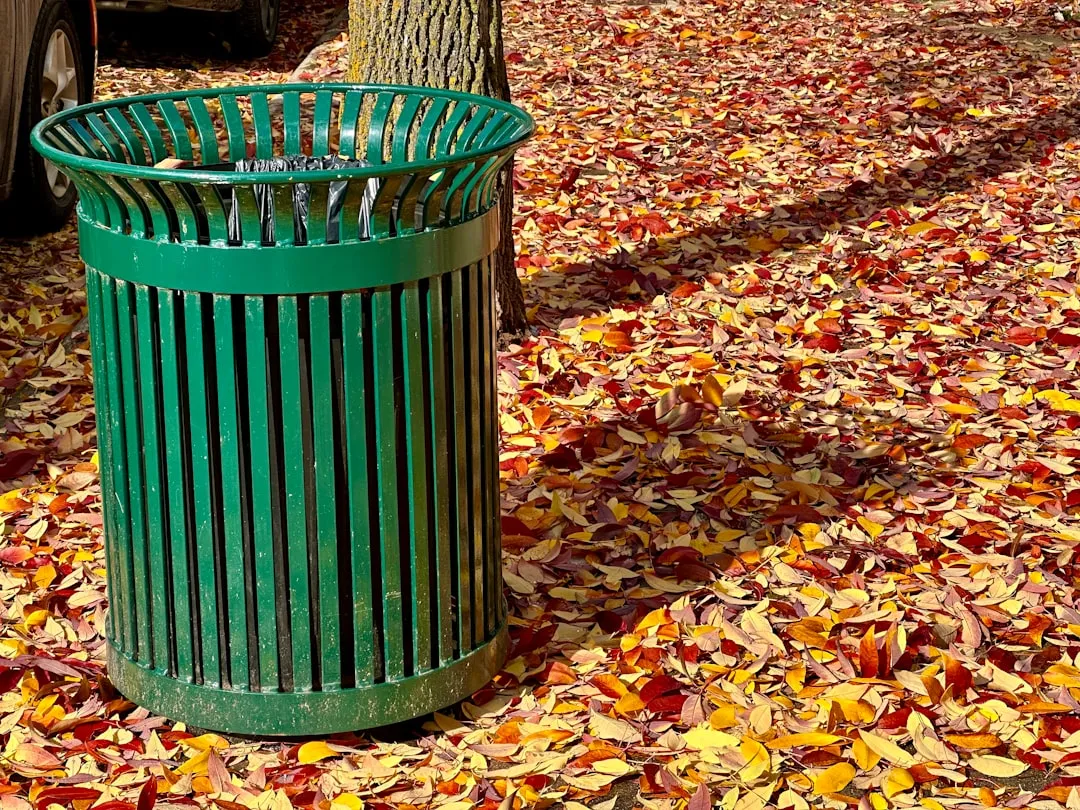
Maybe the neighbors have unsightly items spilling onto the property, or maybe garbage bins have been left on the driveway. In these cases, photographers position themselves appropriately to avoid having these items in the photo. Composition choices matter as much as cleanup decisions when exterior shots are involved.
Photographers carefully choose angles and frames to prevent capturing neighboring properties or individuals without their consent. If in doubt, they seek permission. Exterior shots should never be taken on garbage day, and photographers often ask neighbors to temporarily move vehicles, lawn tools, and recreational equipment to get a clean shot of the home.
Tiny, Unflattering Rooms That Don’t Photograph Well
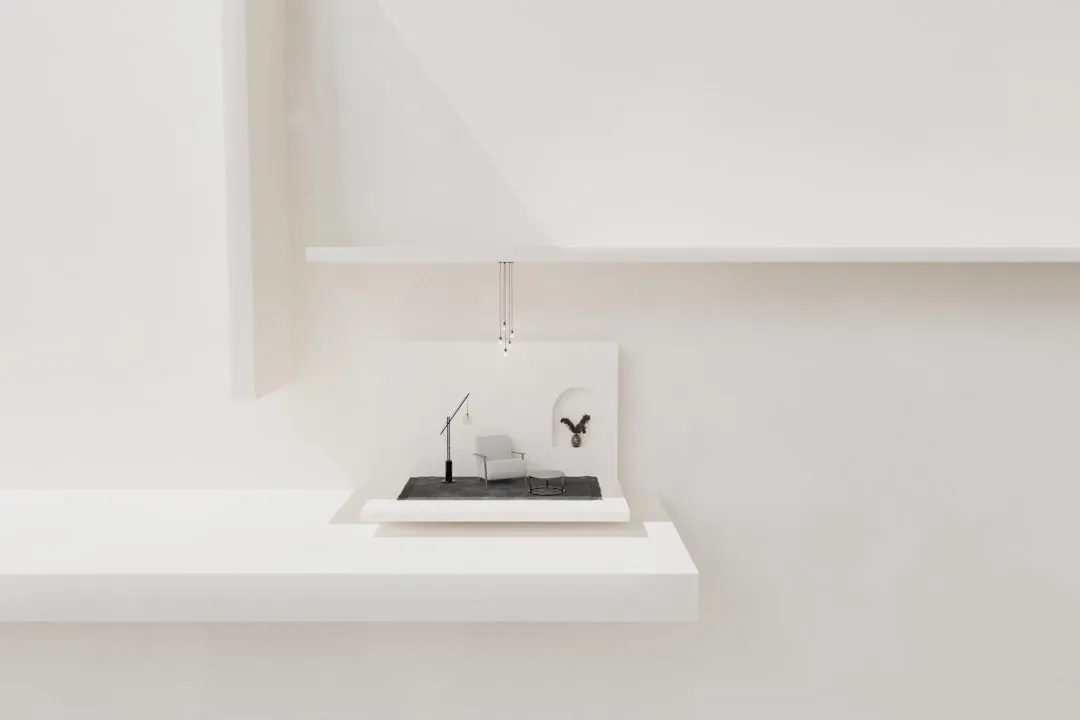
Photographers take a pass on tiny rooms that don’t photograph well, like closets and utility rooms. Wide-angle lenses can help, but they often distort images and can portray an unrealistic sense of size. Blurry, crooked, or difficult-to-make-out images are also avoided. A bad photo of a cramped utility closet does more harm than no photo at all.
This judgment call is where professional experience really shows. An amateur might document every room out of completeness, but a seasoned real estate photographer understands that a confusing or unflattering image of a mechanical room pulls the buyer’s attention somewhere counterproductive. The gallery should build a coherent impression, not raise questions.
Screens, Moving Fans, and Active Electronics
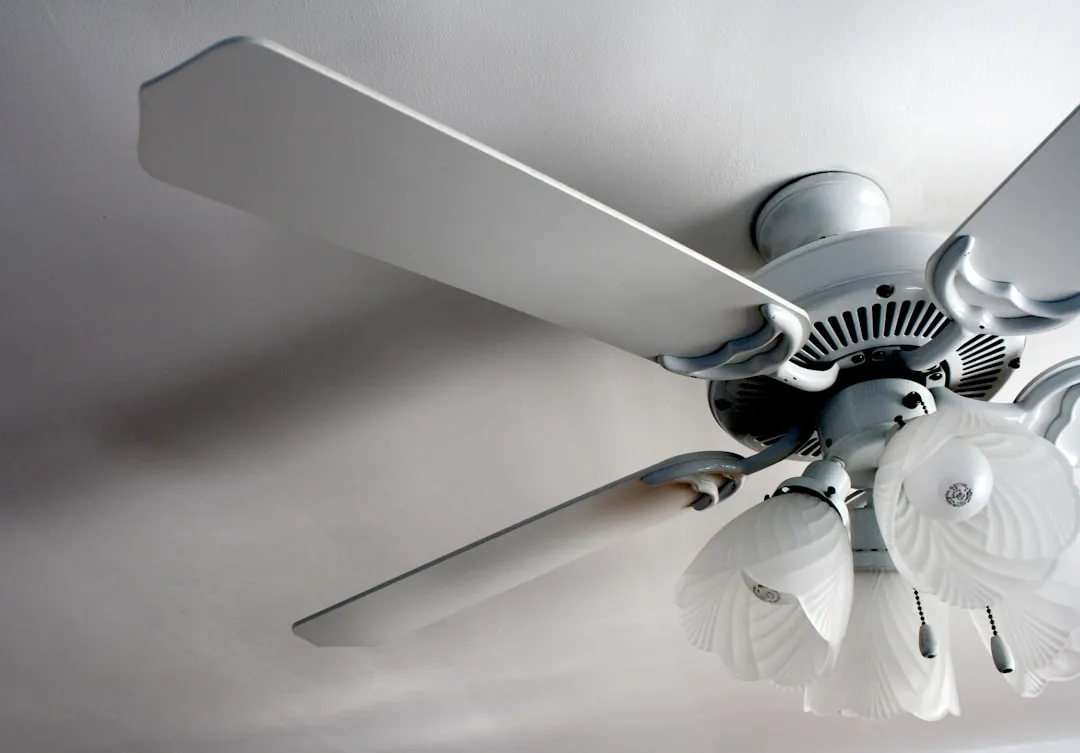
Professional photographers take multiple exposures of a room, which means images on a screen and fan blades in motion can turn up as a blur. It’s essential to make sure all screens and ceiling fans are switched off when it’s time to take photos. This is a technical issue as much as an aesthetic one, and it catches unprepared sellers off guard regularly.
A television left on with a paused show, a computer displaying a browser tab, or a ceiling fan spinning mid-exposure can ruin what might otherwise be a well-lit and cleanly composed shot. Photographers typically check every room for active electronics as part of their pre-shoot walk-through. It’s a small habit that prevents obvious, unnecessary reshoots.
Photographer Reflections in Mirrors and Windows

Professional standards state that no people should appear in any listing photos, and this includes a reflection of the photographer in a window or mirror. Reflective surfaces are everywhere in a home: bathroom mirrors, glass cabinet doors, large windows, oven doors, and even polished appliances. Each one is a potential trap.
Spotting and managing reflections is one of the more technically demanding parts of a real estate shoot. Photographers adjust their angle, flag placement, and exposure settings to avoid appearing in the image themselves. It’s one of those details that buyers probably couldn’t name if asked, but they’d feel the difference between a listing that handled it and one that didn’t.
Off-Limits Rooms and Private Areas
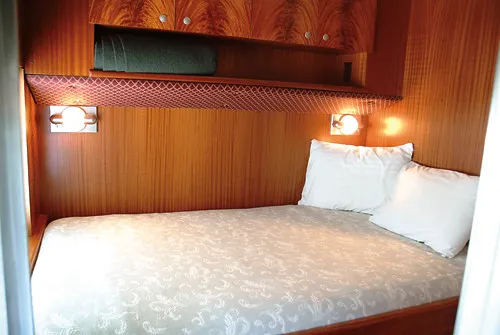
Before starting a shoot, professional photographers ask if there are rooms or areas that should not be captured. Respecting these boundaries fosters trust and professionalism. Sellers occasionally have rooms under renovation, spaces being used as home offices with sensitive documents in view, or simply areas they prefer to keep private during a sale.
Photographers should never trespass on someone’s property or enter any parts of the house that are off-limits. Not only is this an invasion of privacy, but it can also put the photographer at risk for legal action. The boundary between a thorough shoot and an overstep is one that professional photographers understand well, and it’s a line they treat seriously.
Overprocessed or Misleading Edits
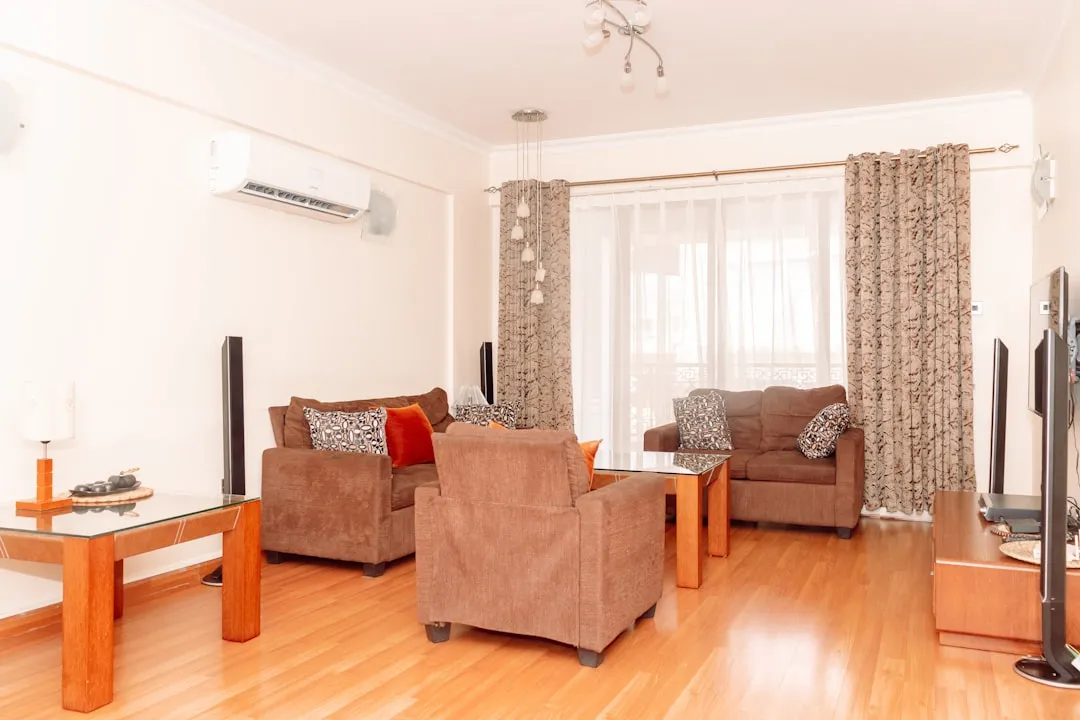
Post-production should refine images, not alter them. Over-editing is one of the most common mistakes and can misrepresent the property. Artificially brightened skies, digitally removed power lines, or manipulated room colors that bear no resemblance to the actual space set buyers up for disappointment the moment they walk through the front door.
Photographers should never over-edit their images. Specifically, they should never edit out things from an image if those things will be present during the actual showing of the space. Properties showcased with professional photography sell significantly faster and generate a major increase in online views, but only when the photography honestly represents what buyers will actually find. Misrepresentation might generate a showing, but it rarely closes a sale.
The Takeaway

Real estate photography is, at its core, an exercise in editorial judgment. Every excluded element, whether it’s a stray shampoo bottle or a neighbor’s cluttered yard, reflects a deliberate choice to present the home in its most honest and appealing form. Listings with professional photos sell faster and at meaningfully higher prices per square foot, and a big part of that advantage comes not from what photographers include, but from what they know to leave out.
The best listing galleries feel effortless precisely because so much effort went into the preparation and editing decisions that never show. Knowing these unwritten rules is useful whether you’re a seller prepping your home, an agent briefing a client, or simply someone curious about why some listings feel instantly more trustworthy than others. The camera doesn’t lie, but a skilled photographer knows exactly what to keep out of its sight.
AI Disclaimer: This article was created with the assistance of AI tools and reviewed by a human editor.