

Most new puppy owners put a tremendous amount of thought into what to teach their dog. They research breeds, buy training books, watch videos. What they don’t always consider is how they’re teaching, and whether everyone in the household is doing it the same way. That gap between good intentions and consistent execution is where the real problem lives.
The Core Mistake: Inconsistency in Commands
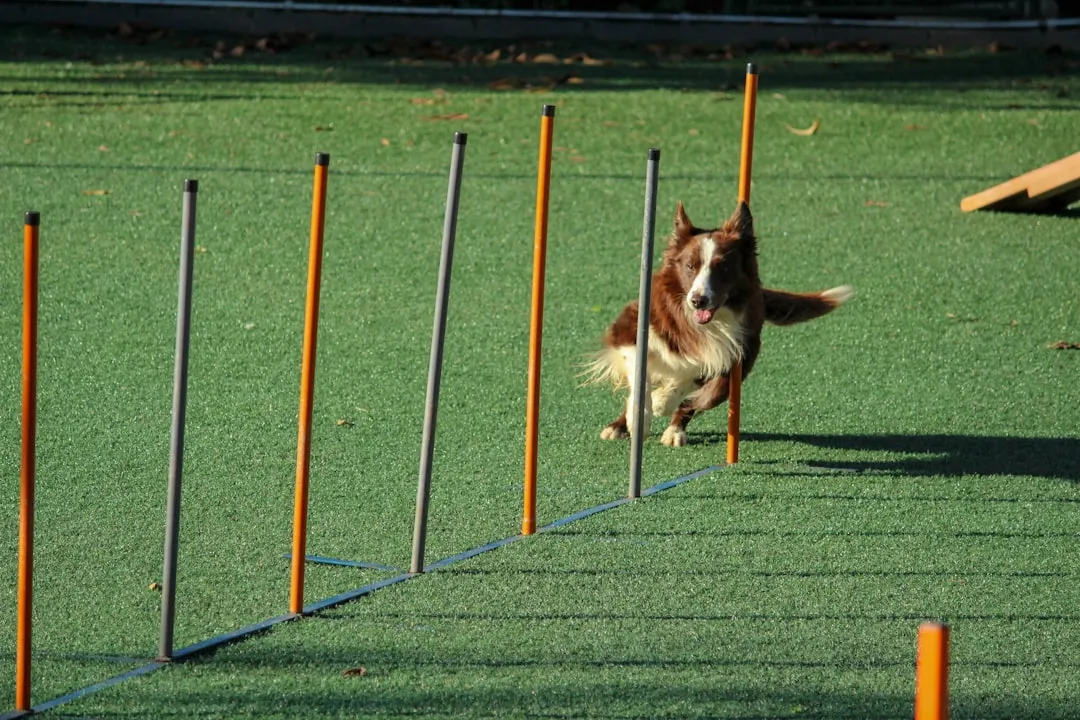
If commands change, or if different family members use different words, a puppy won’t know what’s expected. It sounds obvious when stated plainly, but it’s remarkably easy to fall into without realizing it. One person says “sit,” another says “down,” and a third tries “settle.” From the puppy’s perspective, these are three completely different signals pointing toward the same action.
Inconsistent commands and cues from different family members lead to mixed signals. Using “down” while someone else uses “off” to indicate the same action results in uncertainty and slows down the dog’s learning process. The puppy isn’t being stubborn. It’s genuinely trying to decode a language that keeps shifting beneath its feet.
Why Puppies Are Especially Vulnerable to Mixed Signals

Canine development includes critical sensitive periods, particularly the socialization phase between three and twelve weeks, when puppies form primary social bonds and adapt to novel stimuli. During this window, the brain is primed to absorb patterns from the environment at a remarkable rate. What a puppy learns in these weeks tends to stick.
The socialization period between three and fourteen weeks is when puppies’ brains are neurologically primed to accept new experiences as normal parts of life. This isn’t just a convenient training time, it’s a biological window that closes permanently. Introducing inconsistent messaging during this period doesn’t just slow training. It can shape how the dog interprets communication for years to come.
How the Household Becomes the Problem

Mixed signals in dog training are more common than most owners realize, and they rarely look dramatic. They show up in small, everyday moments that seem harmless on their own but create real behavioral confusion over time. A puppy allowed on the couch by one person and scolded off it by another doesn’t learn that the couch is off limits. It learns that the couch is unpredictable.
If a dog is allowed on the couch one day and scolded for it the next, they don’t learn the behavior is wrong, they learn it’s unpredictable. That distinction matters enormously. An unpredictable environment creates anxiety, not learning. Dogs thrive on predictability and clear expectations. When rules change randomly, they struggle to understand what is truly expected of them.
The Timing Problem: When Rewards Miss the Mark

Research from the Journal of Veterinary Behavior demonstrates that positive reinforcement is significantly more effective than punishment-based training methods. Dogs learn best when desired behaviors are rewarded promptly and consistently. The key word there is “promptly.” A few seconds can make all the difference in whether a puppy connects a reward with the right action.
Timing is everything in training. If you reward a sit five seconds too late, your dog might think they’re being rewarded for standing up. Inconsistent timing causes confusion and slows learning. This is a mistake many owners make without any awareness that it’s happening. They feel they’ve rewarded the right behavior when, in their dog’s mind, something else entirely just got reinforced.
Repeating Commands: The Nagging Trap

There is a fine line between effective guidance and what can be referred to as “poisonous nagging.” This mistake occurs when dog owners excessively repeat commands or resort to constant, negative corrections without allowing the dog to respond. Repeating orders incessantly can confuse a dog, making them less likely to react promptly in the future.
When a command is issued five times before the puppy responds, the puppy learns that the word only matters on the fifth repetition. When you issue a command, give your dog reasonable time to respond before repeating it. If they don’t react as expected, consider whether the order is clear or if there are environmental distractions. Patience is part of training, not separate from it.
Bribing vs. Training: A Subtle but Significant Difference

Many owners are bribing their dogs instead of training them. It’s fine to use lures in the early stages of teaching a behavior, but lures should be phased out quickly. The treat visible in your hand before you issue the command becomes a condition, not a reward. The puppy responds to the treat, not the word.
A dog that only listens when treats are visible hasn’t learned the behavior, they’ve learned how to get a snack. That’s a meaningful gap. Real training builds a response that happens whether or not food is present, which requires gradually transitioning from a visible lure to a hidden reward given after compliance.
The Body Language Factor

Although dogs may understand many words, they will be attending to body language, gestures, and the tone of voice, along with what is said. Every signal must be in agreement to avoid confusing a dog. This is easy to overlook because humans are so verbal. We assume words carry the weight of the message, but for a puppy, posture and movement often override everything else.
If you ask your dog to stay but then step back, don’t be surprised if your dog gets up to follow. It’s also important not to hover over your dog or invade their personal space. That can cause stress and disengagement, particularly in shy or anxious dogs. Aligning verbal cues with body language is a skill that takes real practice, and most owners underestimate how often the two are contradicting each other.
What Inconsistency Does to a Puppy’s Confidence

A dog trained inconsistently can exhibit anxiety and confusion, which often leads to behavioral issues. This is not a minor side effect. Anxiety in young dogs shapes how they approach new situations, unfamiliar people, and unexpected sounds for years afterward. The emotional cost of poor consistency is rarely factored into the training conversation.
Studies from the American Kennel Club show that repetition and predictable feedback help dogs retain commands faster and reduce anxiety. When dogs understand their boundaries, they relax, learn, and thrive. The relationship between clarity and calm is not incidental. A puppy that knows what to expect from its environment simply has more mental bandwidth available for learning.
Switching Training Methods Too Often

Don’t bounce around between training programs or systems. If something isn’t working, take a closer look, but randomly and repeatedly changing methods may just confuse your pet. There are genuinely many effective approaches to dog training. The problem isn’t choosing one. The problem is abandoning it before the puppy has had time to adapt and respond.
Studies show that dogs learn better when commands and routines are repeated consistently, leading to improved long-term retention. Switching methods mid-process essentially resets the clock. The puppy has to start mapping a new system before it’s finished understanding the last one. That accumulation of incomplete learning is one of the quieter sources of long-term behavioral confusion.
How to Fix It: Practical Alignment Across the Household

The fastest fix for household inconsistency is a simple agreement on rules, commands, and consequences that every person in the home follows without exception. This means using the same word for each command, enforcing the same boundaries every time, and agreeing on which behaviors are never acceptable, regardless of context.
Keeping a journal or shared log helps trainers stay accountable. Recording which commands were practiced, how often they succeeded, and any behavioral notes keeps everyone aware of progress and areas that need adjustment. Something that simple can prevent a puppy from receiving contradictory information across fifty different daily interactions. Everyone who interacts with the dog should be on the same page when it comes to commands, rewards, and boundaries, including children and other adults in the home.
The Takeaway

Puppies don’t fail training. Training fails puppies. The research is consistent on this point: when household members send mixed signals, allowing certain behaviors one day and punishing them the next, dogs experience confusion that can escalate into stress-related responses. Research highlights lack of consistency as a key risk factor, emphasizing that clear, predictable boundaries help dogs understand expectations and reduce reactive tendencies.
The good news is that the fix doesn’t require expensive tools or complicated methods. It requires agreement, repetition, and the willingness to treat every interaction with a puppy as part of the training. Puppies that experience uniform guidance through their critical first sixteen weeks display markedly superior self-control and adaptability. Consistency isn’t one element of puppy training. It is the foundation everything else is built on.
AI Disclaimer: This article was created with the assistance of AI tools and reviewed by a human editor.