

What’s Actually Causing the Bloat?
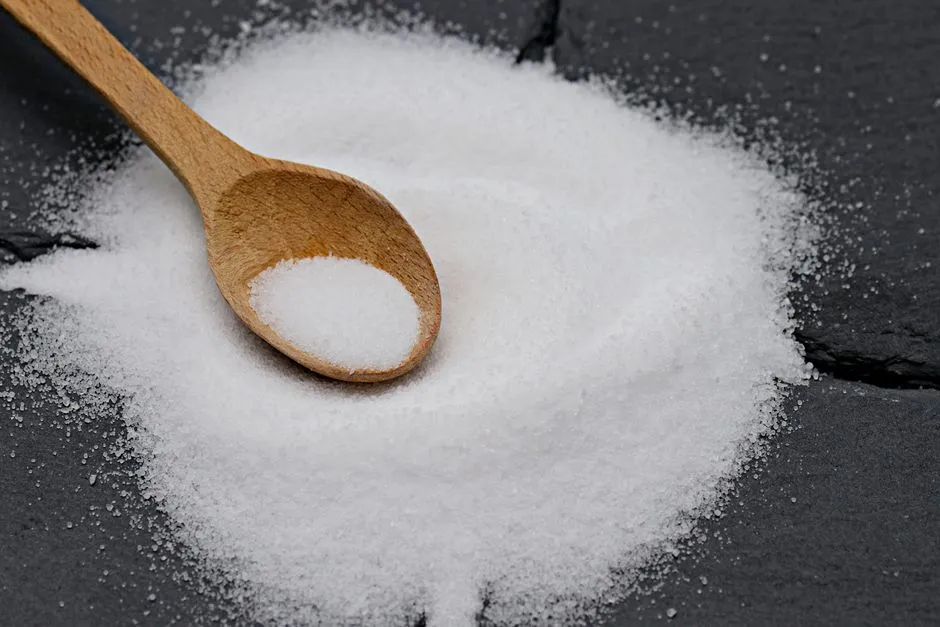
Before looking at solutions, it helps to understand the problem. Sodium, potassium, magnesium, carbohydrate intake, and overall hydration are some of the key factors that influence how your kidneys regulate the water in your body. When sodium intake rises or potassium intake dips, the body tends to retain more fluid.
Sodium is the single biggest dietary driver of water retention. When sodium levels in your blood rise, your body holds onto water to dilute it back to a safe concentration. Most of that sodium doesn’t come from the salt shaker at the table. Most people consume more than double the recommended amount, largely from processed and restaurant food. Bread, deli meat, canned soup, cheese, and condiments are common culprits.
Carbohydrates are stored as glycogen in the muscles and the liver, and glycogen binds water. When refined carb intake increases significantly, glycogen stores and associated fluid rise. Understanding these mechanisms makes the food choices below much easier to appreciate.
1. Bananas and Avocados: The Potassium Powerhouses
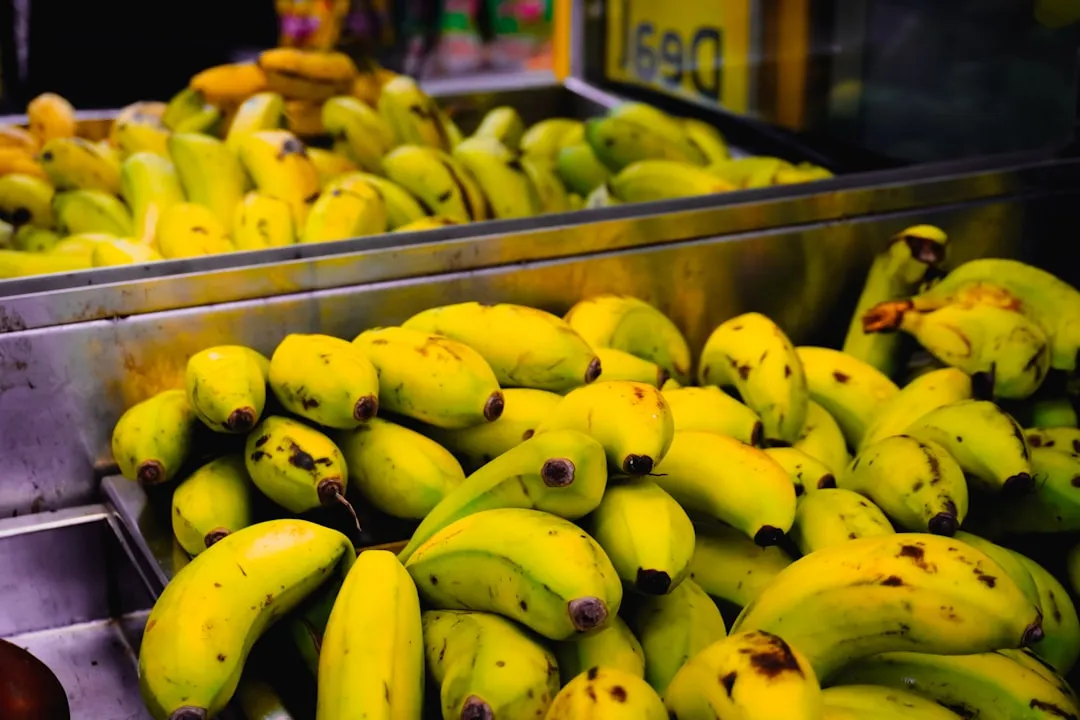
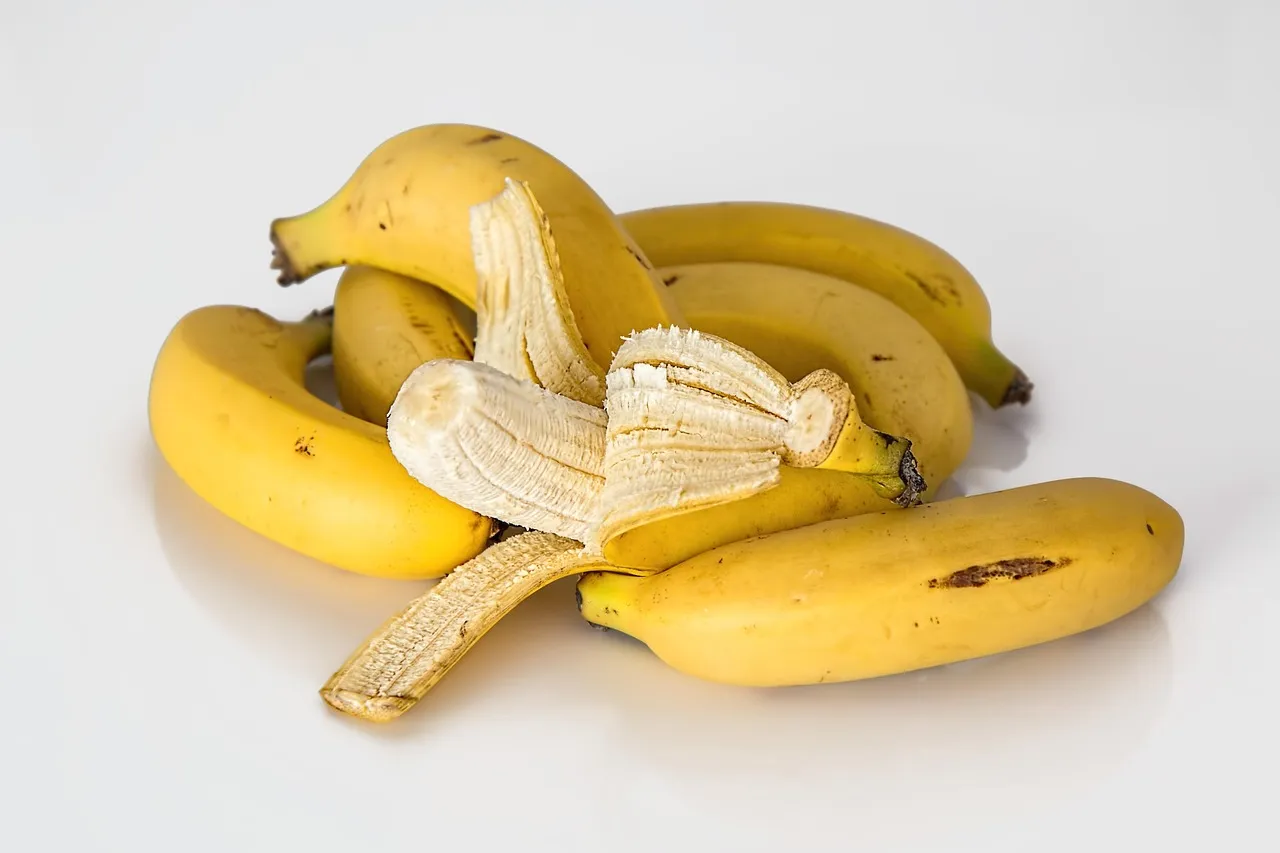
Potassium is a mineral that helps balance the amount of sodium in your body and helps reduce water retention. Eating potassium-rich foods can help your body flush out excess water. This isn’t just folk wisdom. The mechanism is well established in nutritional science.
Potassium regulates sodium levels. Salt, one of the main culprits behind water retention, traps water in our tissues and prevents it from being eliminated. Potassium directly counteracts that trapping effect. It supports healthy kidney function, which maintains the balance between the water we drink and the water we eliminate through urine, sweat and stools. It acts as a diuretic, meaning it promotes the elimination of urine.
A medium banana provides about 422 mg of potassium. One cup of cooked spinach offers approximately 839 mg. A medium sweet potato contains about 541 mg of potassium. A medium avocado has around 708 mg of potassium. Making these a regular part of meals, rather than an occasional treat, is where the real benefit lies.
2. Asparagus: The Amino Acid Advantage

Asparagus contains the amino acid asparagine, which stimulates kidney function. That’s the key mechanism behind its reputation as a natural diuretic. Asparagus contains asparagine, an amino acid that supports kidney function and encourages increased urination, helping the body naturally rid itself of excess fluid.
Asparagus helps naturally flush excess fluids from the body due to its high potassium content. It supports kidney health and assists in maintaining optimal fluid balance. This nutrient-dense vegetable is also rich in folate and vitamins A, C, and K, promoting overall health while aiding in weight management. The combination of asparagine and potassium gives asparagus a double mechanism that many other vegetables lack.
It’s worth noting that the asparagus effect is real but mild. This is a supportive dietary choice, not a pharmaceutical intervention. Consistency over days matters far more than eating a single serving.
3. Cucumber and Celery: Quiet, Effective Hydrators
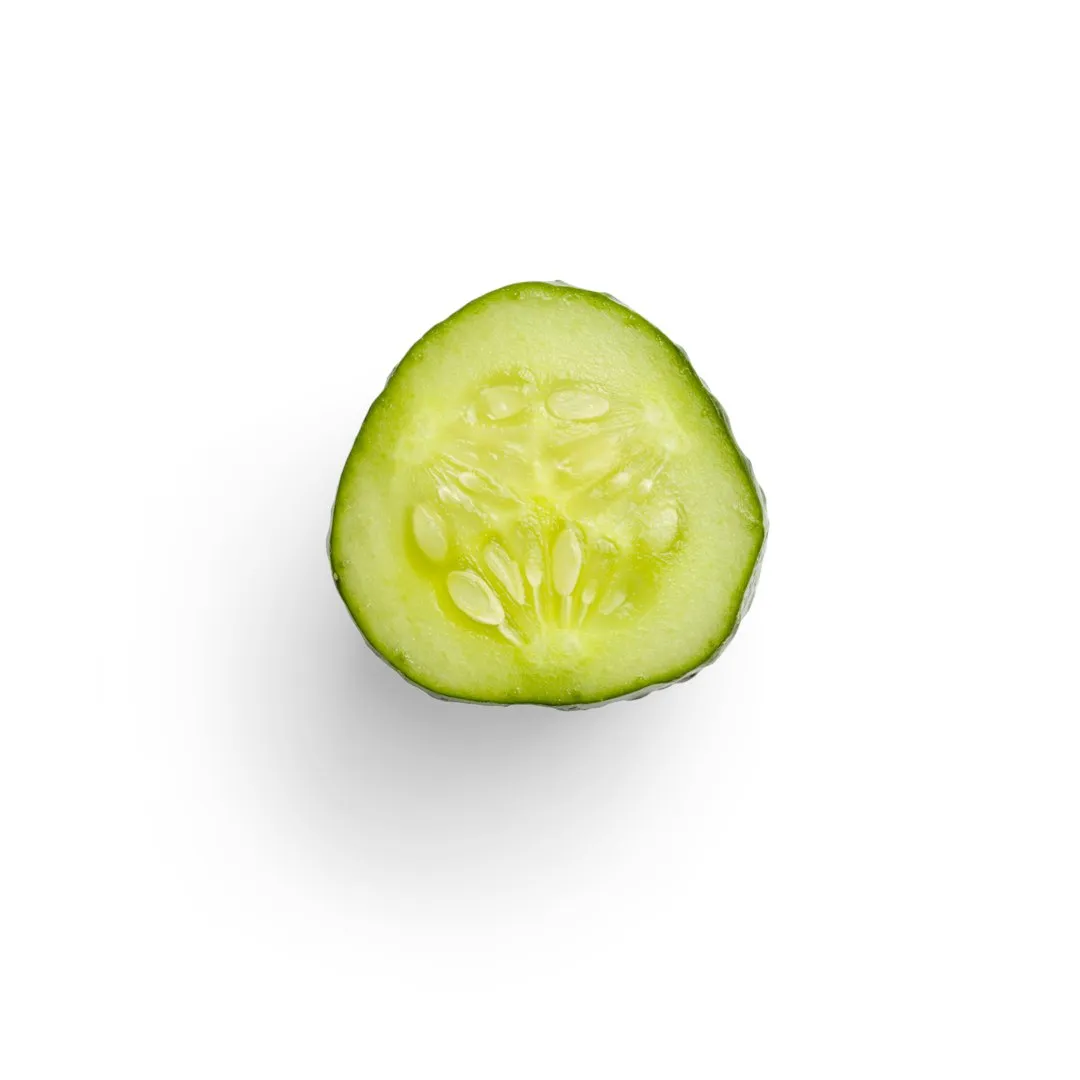
With a high water content, cucumber is an excellent diuretic food that is also low in calories and rich in fiber. Celery works through a similar pathway. Celery is known for its ability to help reduce swelling and fluid retention thanks to its diuretic properties. Both vegetables have been used across cultures for precisely this purpose.
Cucumber and celery, due to their high water and silica content, act as natural body filters. Silica is a mineral that supports connective tissue and has been associated with gentle tissue-level fluid regulation. These are also foods that support hydration in general, which is more relevant than it might seem.
Dehydration leads to fluid retention because the body starts to store water as a survival response. Eating foods with very high water content, like cucumber, directly addresses this. Incorporating hydrating foods like cucumbers, watermelon, and strawberries, which have high water content, also contributes to overall fluid balance. The simplest interventions sometimes work the best.
4. Watermelon: High Water, High Potassium
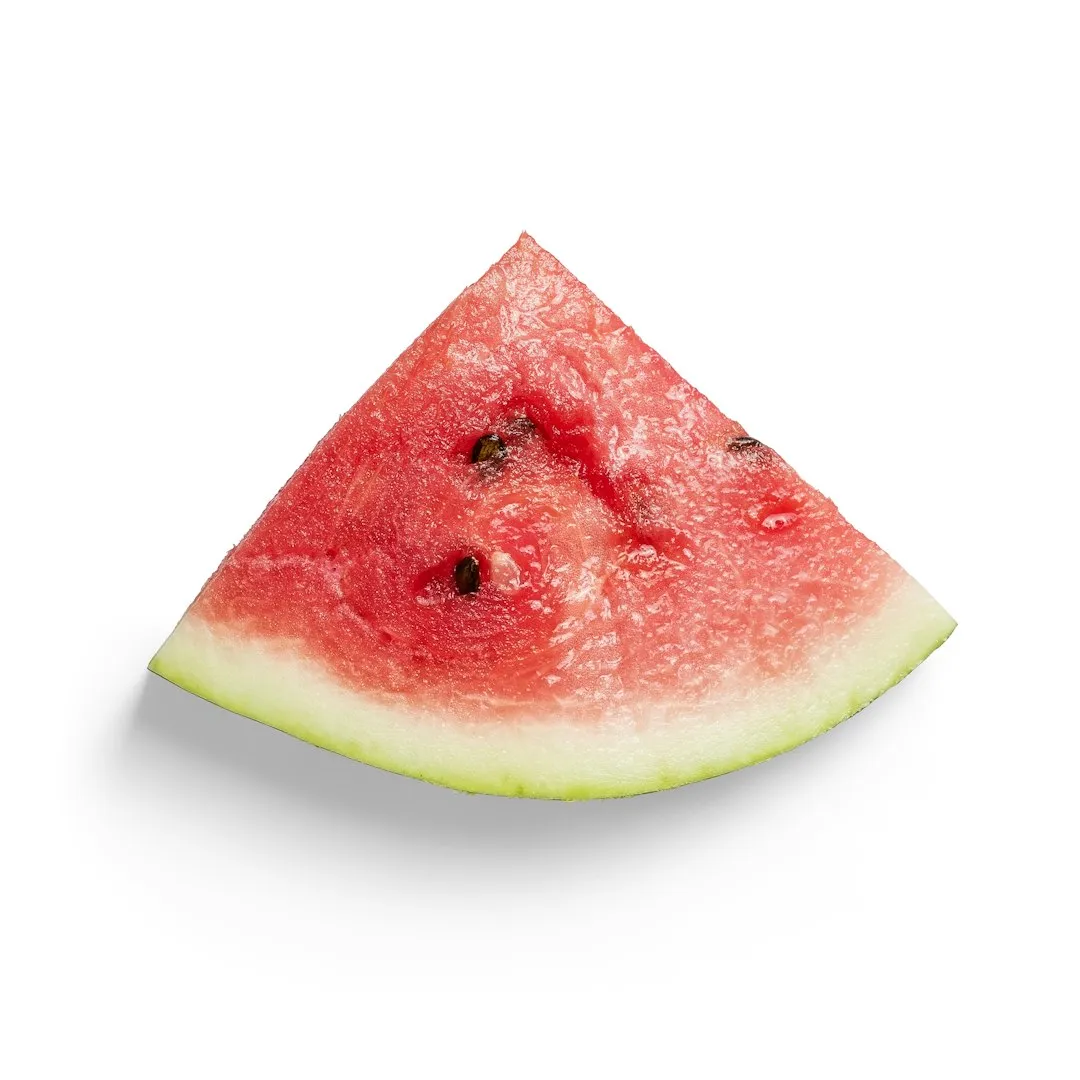
Watermelon is a powerful natural diuretic due to its high water and potassium content. It’s one of those foods that earns its reputation through straightforward nutritional composition rather than any exotic compound. Roughly ninety-two percent of watermelon is water, which keeps the body hydrated and directly supports the kidneys in flushing out excess sodium.
Incorporating water-rich, diuretic foods into your diet can help reduce water retention by promoting urine production and flushing out excess fluids. Watermelon fits this category well. Low water intake and dehydration can lead to fluid retention, as the body holds onto excess water to help dilute sodium. Drinking plenty of water helps flush out excess sodium and reduce fluid buildup. Eating watermelon essentially delivers hydration and a meaningful potassium dose in the same package.
For people who struggle to drink enough plain water during the day, incorporating water-dense fruits like watermelon is a genuinely practical approach to keeping fluid retention in check.
5. Pineapple: Bromelain and Its Anti-Inflammatory Properties
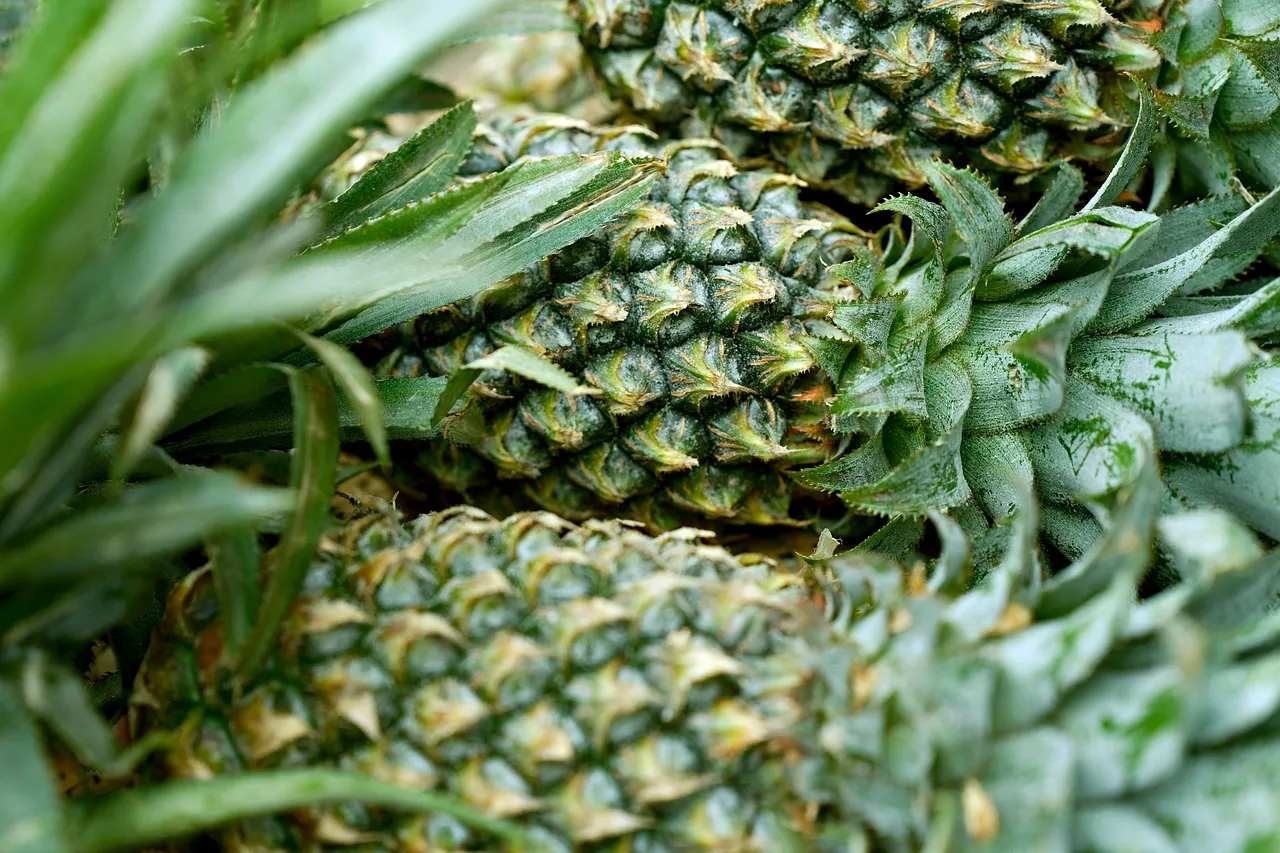
Bromelain is an enzyme mixture found in pineapples. It has various potential health benefits, including reducing inflammation and improving digestion. Its role in fluid retention specifically comes from its anti-edematous properties. Various in vivo and in vitro studies have shown that bromelain is anti-edematous, anti-inflammatory, anti-thrombotic, and fibrinolytic.
Several small clinical studies and animal models have suggested that bromelain may reduce swelling and bruising after surgery or injury, which are forms of localized edema. Bromelain supplementation has been used post-operatively in dental, nasal, and orthopedic surgeries to decrease swelling and improve recovery times. That’s meaningful, though it’s worth being honest about the limits of the evidence.
Although little research exists showing pineapples are a diuretic, there is research showing that bromelain, which is a group of enzymes found in pineapple, does significantly reduce swelling, pain, and arthritis symptoms. While there is some scientific plausibility and preliminary evidence, the use of pineapple and bromelain for edema is not strongly established and should be approached with caution. Pineapple is still worth including in the diet, but the realistic expectation is modest, supportive relief rather than a dramatic result.
The Role of Magnesium-Rich Foods
Magnesium is a key mineral involved in more than 300 enzymatic reactions that keep your body functioning properly. Some research suggests that increasing your magnesium intake may help reduce water retention. One study found that taking 250 milligrams of magnesium per day improved several symptoms of premenstrual syndrome, including water retention and bloating.
Magnesium-rich foods like dark chocolate, nuts, seeds, leafy greens, and whole grains contribute to your intake. Many people fall short of the recommended daily amount of around 310 to 420 mg depending on age and sex, so even improving dietary intake can help. Magnesium doesn’t work in isolation. It’s part of the broader electrolyte balance that governs fluid movement throughout the body.
How Sodium Intake Undermines Everything
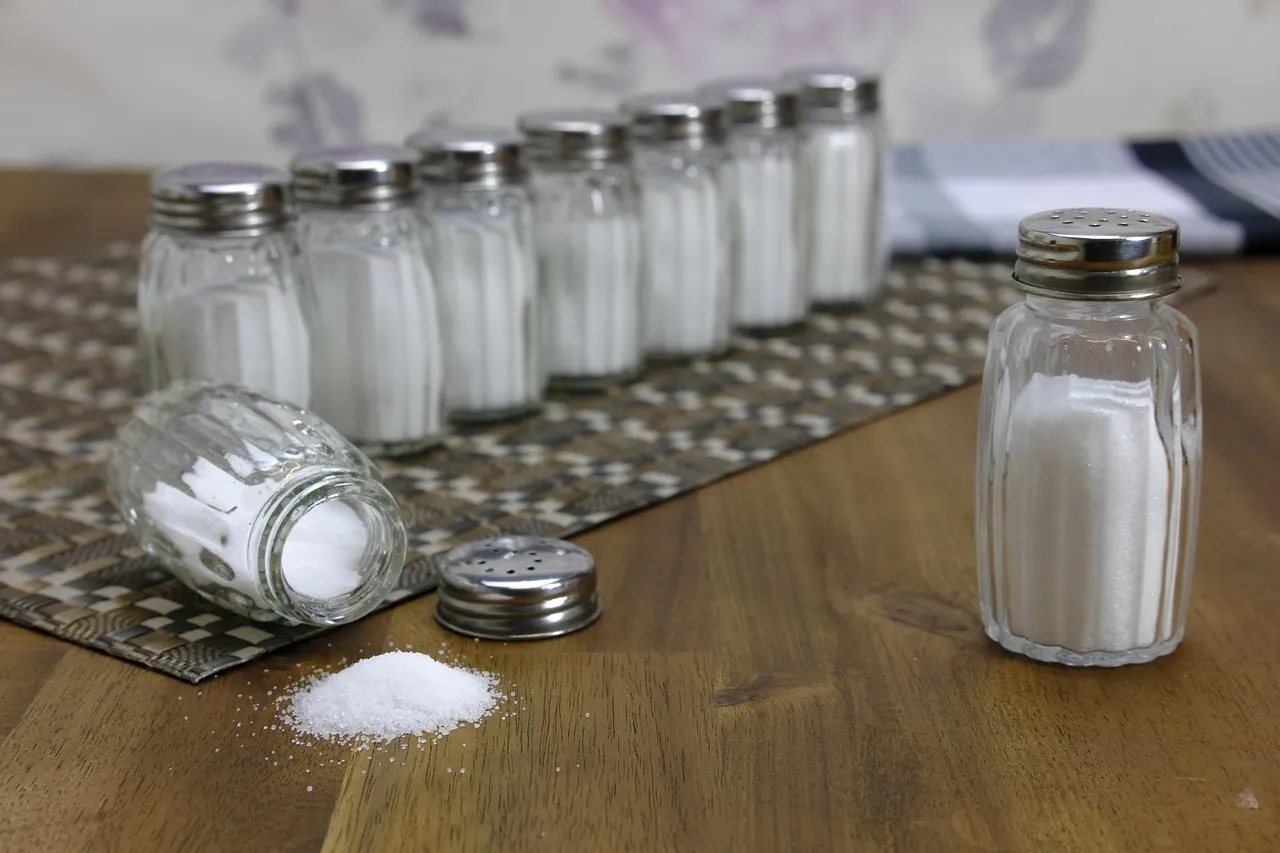
The World Health Organization recommends staying under 2,000 mg of sodium per day, which works out to just under a teaspoon of table salt. Most people consume well over that, largely from processed and restaurant foods rather than the salt shaker at the table. No food can fully compensate for a consistently high-sodium diet.
Sodium is one of the main contributors to water retention, as it causes your body to retain fluid to maintain the proper balance of sodium in your cells. Reducing salt in your diet is crucial to mitigate water retention and edema. Excessive sodium consumption can lead to immediate water weight gain due to the body’s need to maintain a sodium-to-water balance.
The five foods in this article work best when sodium intake is also being managed. Without that, you’re essentially bailing water from a leaking boat without fixing the leak.
Don’t Forget Hydration Itself
Increasing water intake is an often overlooked but surprisingly effective way to rapidly reduce water retention. When fluid intake is too low, the body may conserve water as a protective response. Drinking adequate water throughout the day supports kidney function and helps the body to release excess sodium.
It sounds counterintuitive, but drinking more water often reduces water retention. When you’re even mildly dehydrated, your brain detects the change through sensors that monitor the concentration of your blood. The body then conserves fluid aggressively, making the puffiness worse. Staying consistently hydrated removes that trigger entirely.
Combining These Foods for Practical Results
Dietary and lifestyle changes may help reduce water retention and promote fluid balance. You may consider eating more fruits, vegetables, and herbs and limiting processed foods and refined carbs. No single food is a silver bullet. The cumulative effect of consistently eating potassium-rich, hydrating, and anti-inflammatory foods is where real change happens.
Rather than obsessing over a precise ratio, aim to dramatically increase your vegetable and fruit intake while cutting packaged foods. Most people notice a difference in puffiness within two to three days of making this shift. That’s a relatively fast feedback loop, which makes it worth trying.
A balanced diet rich in essential nutrients, especially potassium, can help regulate fluid levels in the body and reduce water retention. Potassium, in particular, helps balance sodium levels and supports kidney function, aiding the body in flushing out excess water. Start there, and add the other foods around it.
When Food Alone Isn’t Enough

Edema could have several causes. Sometimes, fluid retention may be a symptom of a serious medical condition that could require medical treatment. Heart, kidney, and liver conditions can all manifest as fluid retention, and dietary changes won’t address those root causes. Certain medications may also lead to fluid retention as a side effect. These include antihypertensives and corticosteroids.
If swelling is sudden, persistent, or affects only one limb, that’s a reason to see a doctor rather than adjust a grocery list. The foods covered here are genuinely useful for mild, diet-driven retention, but they’re not a substitute for proper diagnosis when something more serious might be at play.
The Takeaway

Reducing water retention through food isn’t complicated in principle. Bananas and avocados bring potassium to counter excess sodium. Asparagus stimulates kidney function through asparagine. Cucumber and celery hydrate the body and support fluid filtering. Watermelon delivers both water and potassium together. Pineapple offers bromelain, an enzyme with genuine but modest anti-edematous effects backed by preliminary research.
None of these foods work in isolation, and none of them override a diet consistently high in sodium and processed ingredients. Reducing water retention through your diet involves making small, mindful changes over time. While you might need to limit some foods, there are also many healthy options you can add to your diet to help reduce fluid buildup.
The quiet truth about water retention is that the solution rarely involves a single fix. It’s a combination of eating more of the right foods, eating less of the wrong ones, and staying properly hydrated. The body responds to that combination faster than most people expect.
AI Disclaimer: This article was created with the assistance of AI tools and reviewed by a human editor.