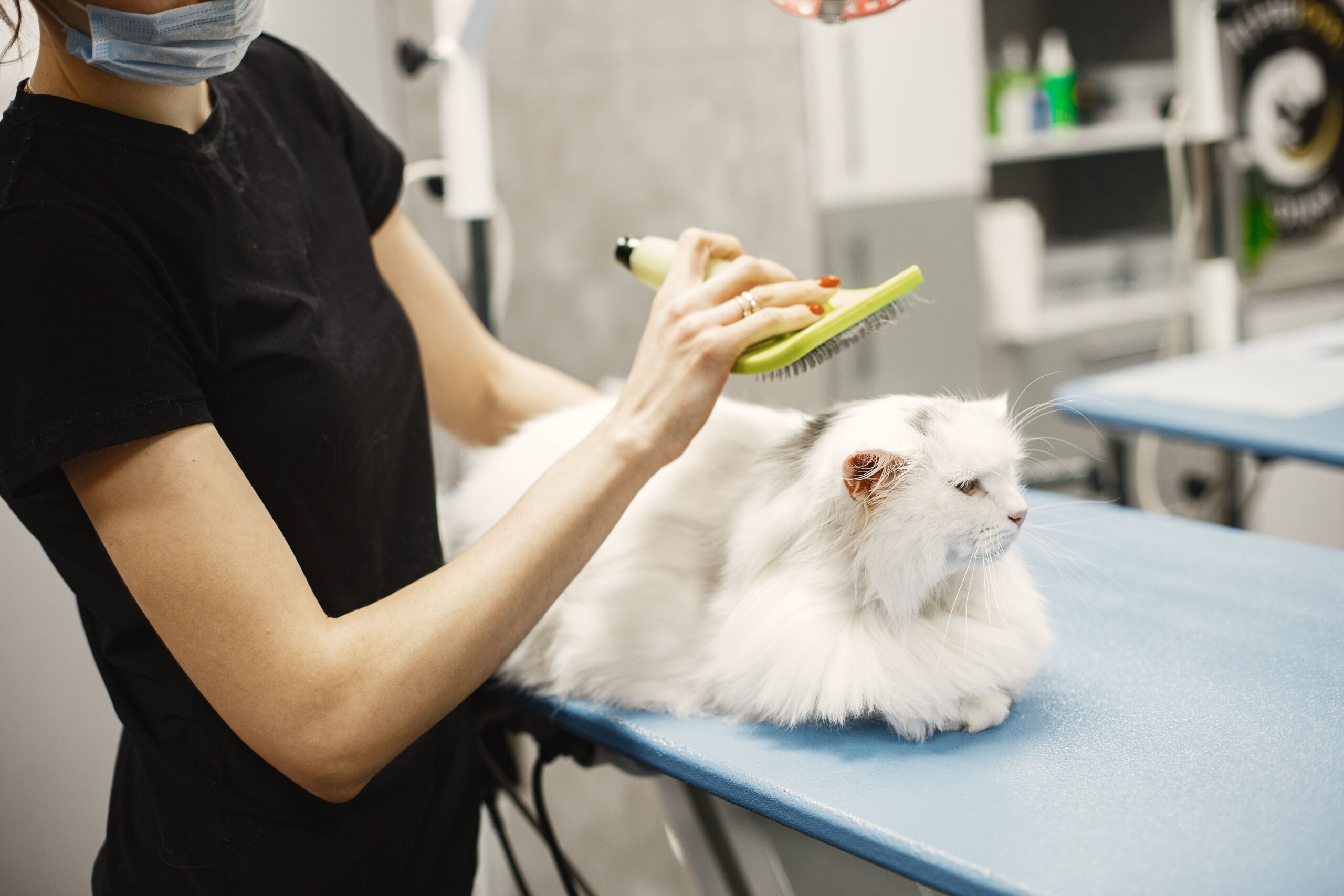

Most cat owners assume that as long as they’re doing something to groom their cat, they’re doing enough. It’s a reasonable assumption. Cats are notoriously tidy animals, after all. The problem is that well-meaning grooming habits, done the wrong way, can cause just as much harm as neglect.
The damage is often subtle at first. A little dullness here, some thinning fur there, maybe some irritated skin that you chalk up to the weather. By the time the issue becomes obvious, it’s usually been quietly building for weeks. Here’s what you need to know.
1. Over-Brushing Strips the Coat’s Natural Oils
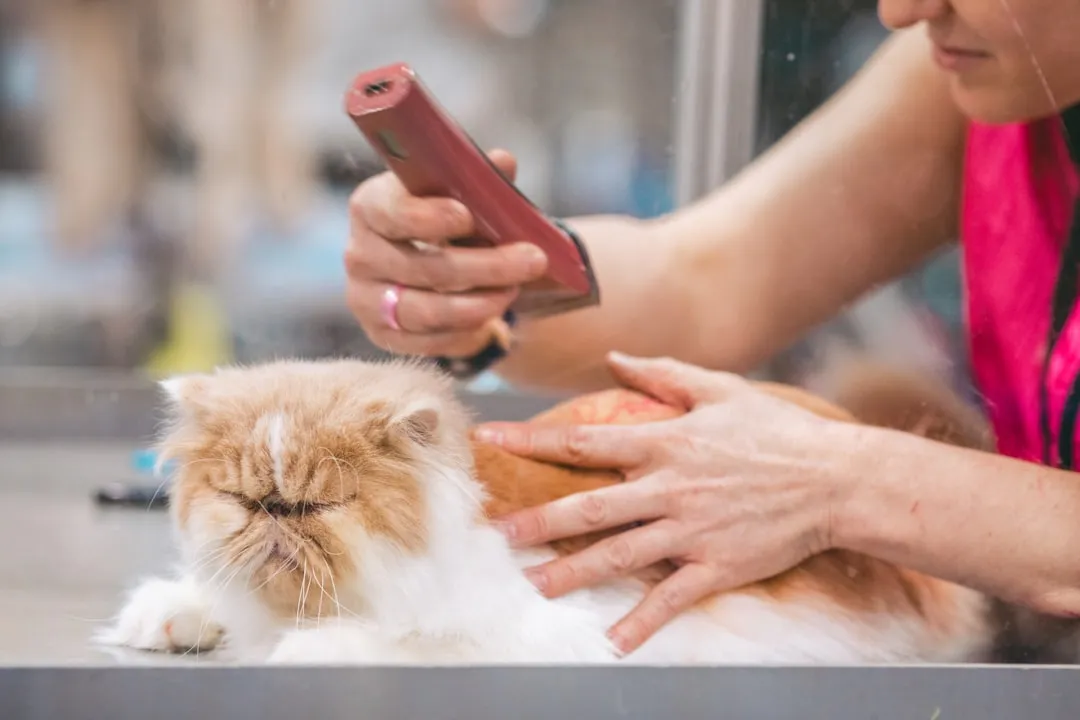
Over-brushing your cat can irritate its skin and cause discomfort. While regular grooming is necessary, too much can strip the natural oils from the coat, leading to dryness and irritation. This is one of the most common mistakes owners make, precisely because it comes from a place of care.
Using gentle strokes and avoiding spending too much time on one area is essential. Paying attention to your cat’s body language can help you gauge when they’ve had enough. Moderation is vital to keeping their skin and coat healthy.
2. Brushing Against the Grain Pulls and Damages Hair
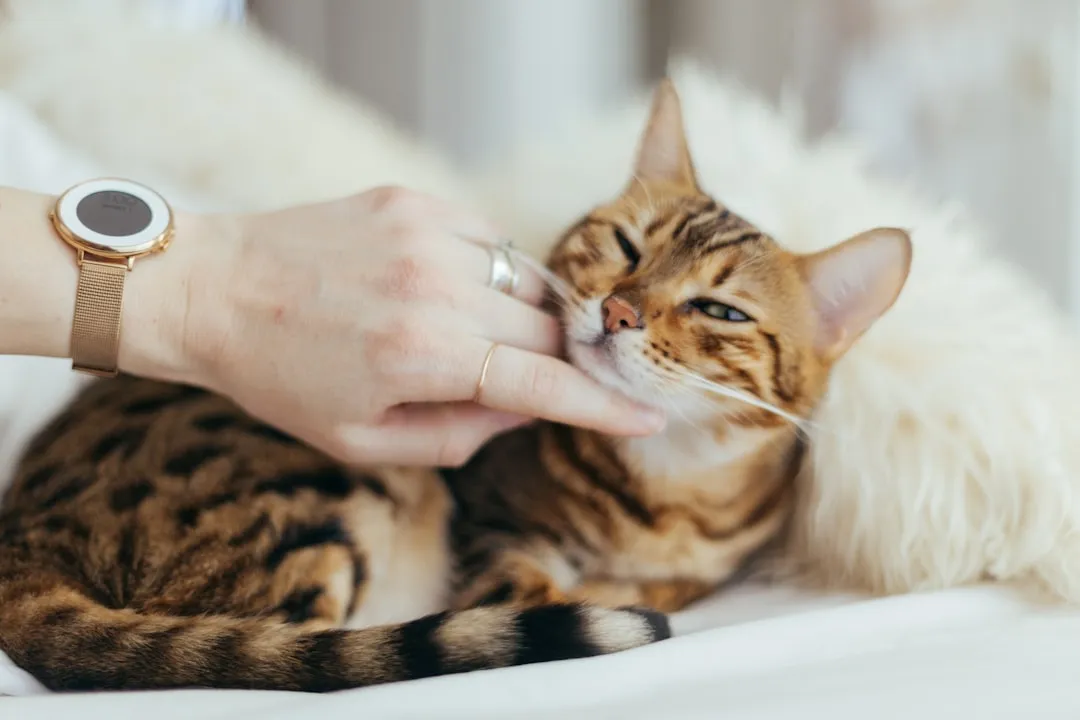
Brushing against the direction of your cat’s coat could hurt your cat. Some people, and even some groomers, say you should brush against the direction of the fur, but not so fast. The reality is that this approach does more harm than good for most cats.
It’s important to brush with the grain and in the direction of the fur. Going against the grain can be uncomfortable for your kitty and may cause you to pull their fur out. Repeated pulling weakens hair shafts over time and can lead to breakage that makes the coat look thin and uneven.
3. Ignoring Mats Until They Become Painful
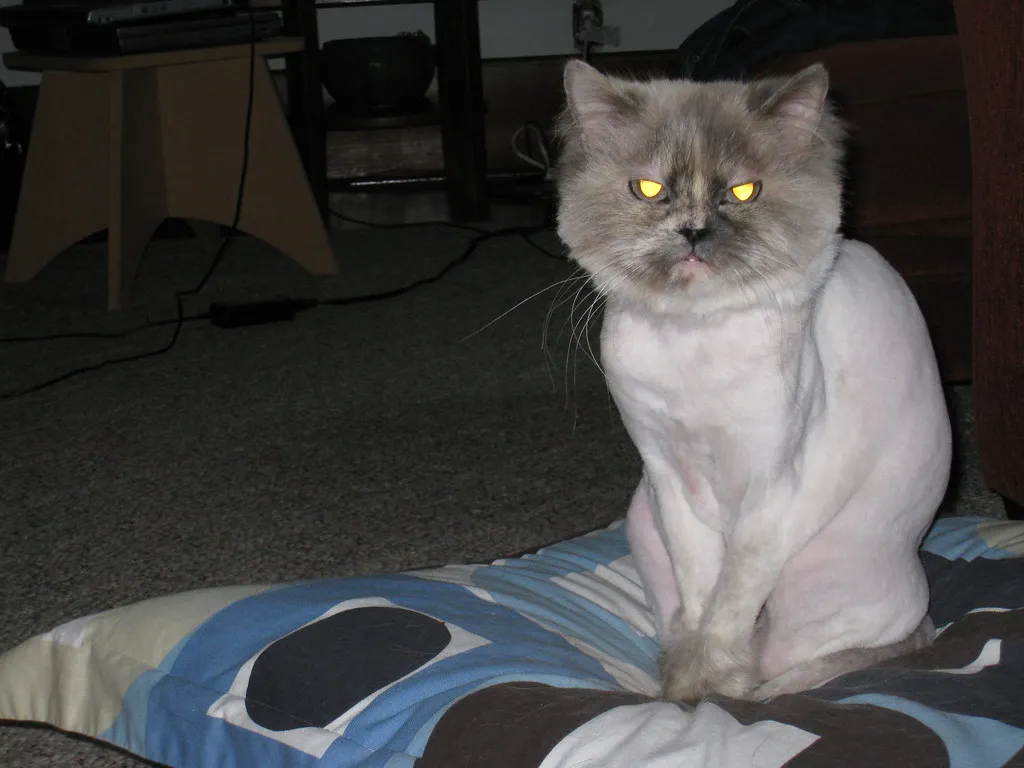
Ignoring mats in your cat’s fur can lead to severe skin issues and pain. Mats can form quickly, especially in long-haired breeds, and pull on the skin, causing irritation or infections.
Matted fur occurs when a pet’s coat becomes knotted and entangled. It can be extremely painful, especially once mats become firmly embedded. You should never try to pull out or remove tough mats, as this is very painful and distressing. If the mats are too stubborn to remove via light brushing, it’s time to call in the professionals: a vet or a professional groomer.
4. Using the Wrong Shampoo for Your Cat’s Coat
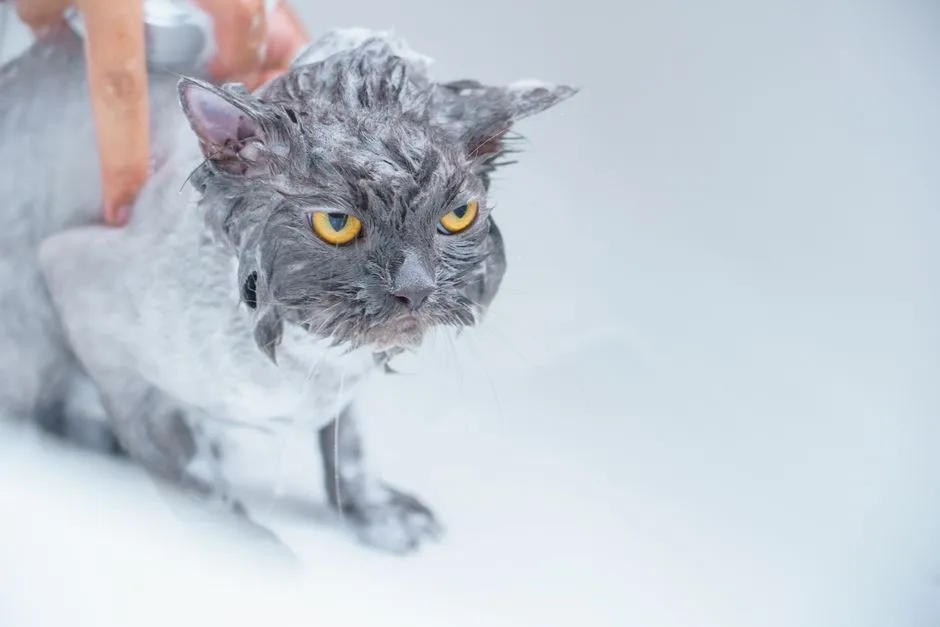
Human shampoo should not be used on cats as it can cause skin irritation and inflammation due to different pH levels and harsh chemicals. Using human shampoo on cats can lead to dryness, irritation, and potential long-term skin issues by stripping away natural oils that protect against infections.
Using the wrong shampoo can strip a cat’s coat of its natural oils, making it dry, brittle, and prone to matting. This can make grooming more difficult and painful for the cat. The altered pH balance can also disrupt the natural shedding process, leading to excessive shedding and the formation of hairballs. Repeated exposure to inappropriate shampoos can disrupt the skin’s natural barrier function, making it more susceptible to infections and other skin problems.
5. Bathing Too Frequently or Not Brushing Before a Bath
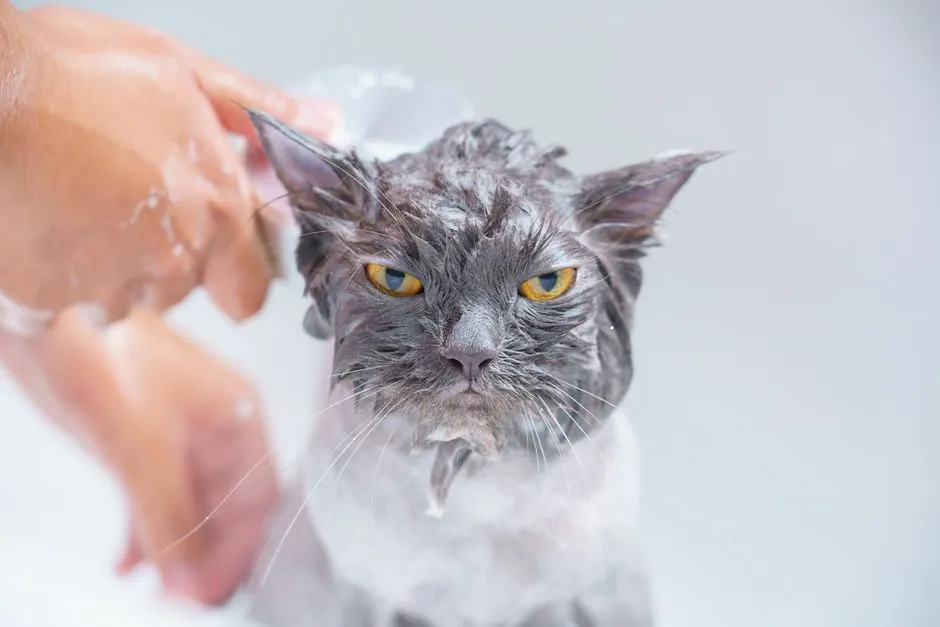
Sometimes pet owners make the mistake of never bathing a cat, while others do it too frequently. Both extremes can cause problems, though frequent bathing is the more common culprit when it comes to coat damage.
To avoid making a bad situation worse, brush out your cat’s fur before the bath and not after. When mats and tangles get wet, they get worse and often become impossible to untangle. When this happens, taking your cat to a groomer is often the only option to carefully demat the fur. Brushing before the bath avoids needing to cut out matted fur and risking agitating or cutting the skin by accident.
6. Using Tools That Were Designed for Dogs
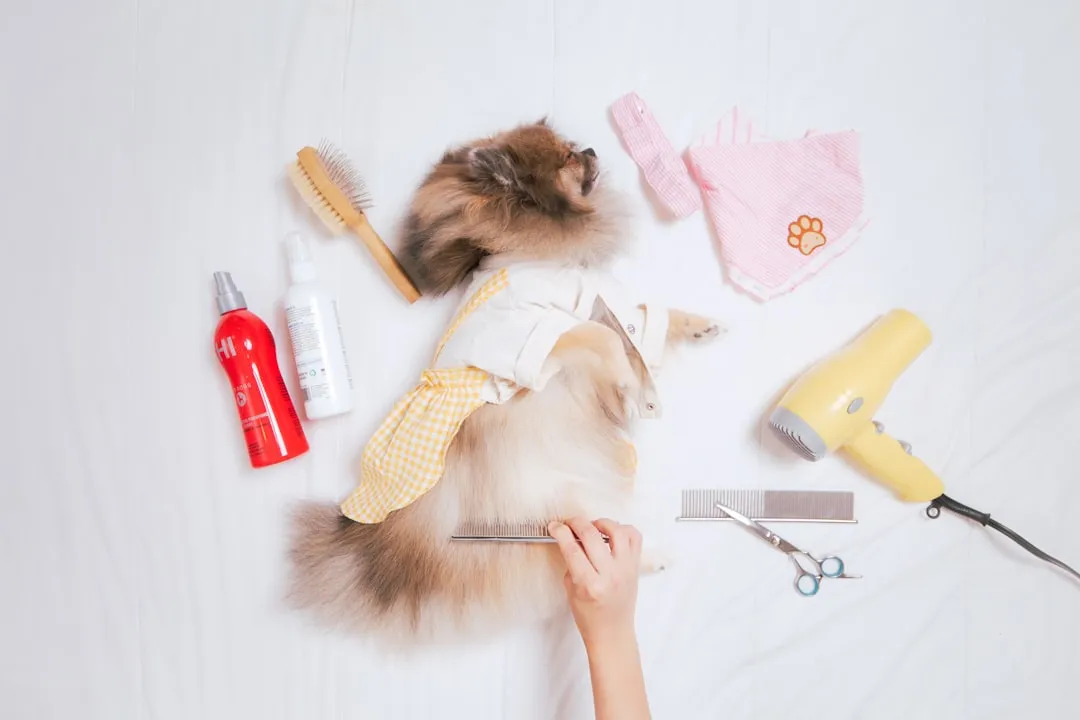
Long-haired and short-haired cats require different grooming tools to ensure fur health. For long-haired cats, groomers recommend a wide-toothed metal comb and a pin brush to collect loose fur afterward, while for short-haired cats, a grooming mitt or a fine-toothed comb works well.
Not all grooming tools are created equal, especially when it comes to cats. Using harsh brushes, noisy clippers, or low-quality grooming products can make your cat dread the entire experience. Worse, the wrong tools can actually cause physical discomfort, pulling on their skin or fur and triggering pain, fear, or overstimulation. Tools designed for dogs are often too large or too stiff for a cat’s more delicate coat structure.
7. Failing to Recognize the Signs of Feline Over-Grooming
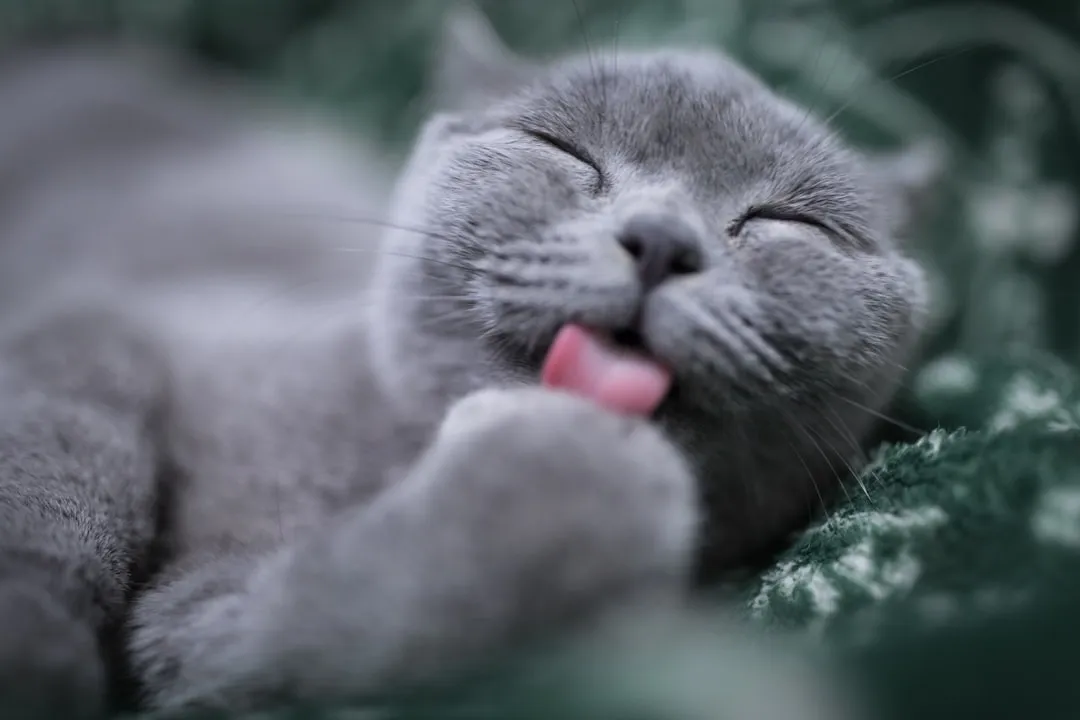
Cats typically spend up to 50% of their waking hours grooming, but excessive licking, biting, chewing, or scratching may mean that your cat’s self-grooming habits have become problematic. This is a line that’s easy to miss, especially since cats often over-groom privately.
Cat over-grooming is licking, chewing, or pulling at the coat enough to damage hair or skin, or a clear increase from your cat’s normal pattern. Warning signs include thinning fur, short broken hairs, bald patches, redness, sores, repeated attention to one area, or more hairballs alongside coat changes.
The Cornell Feline Health Center notes that owners may not recognize excessive grooming until hair loss or skin lesions appear. A cat may also groom privately, so you might see the result before you witness the behavior.
8. Assuming Coat Damage Is Always a Grooming Problem
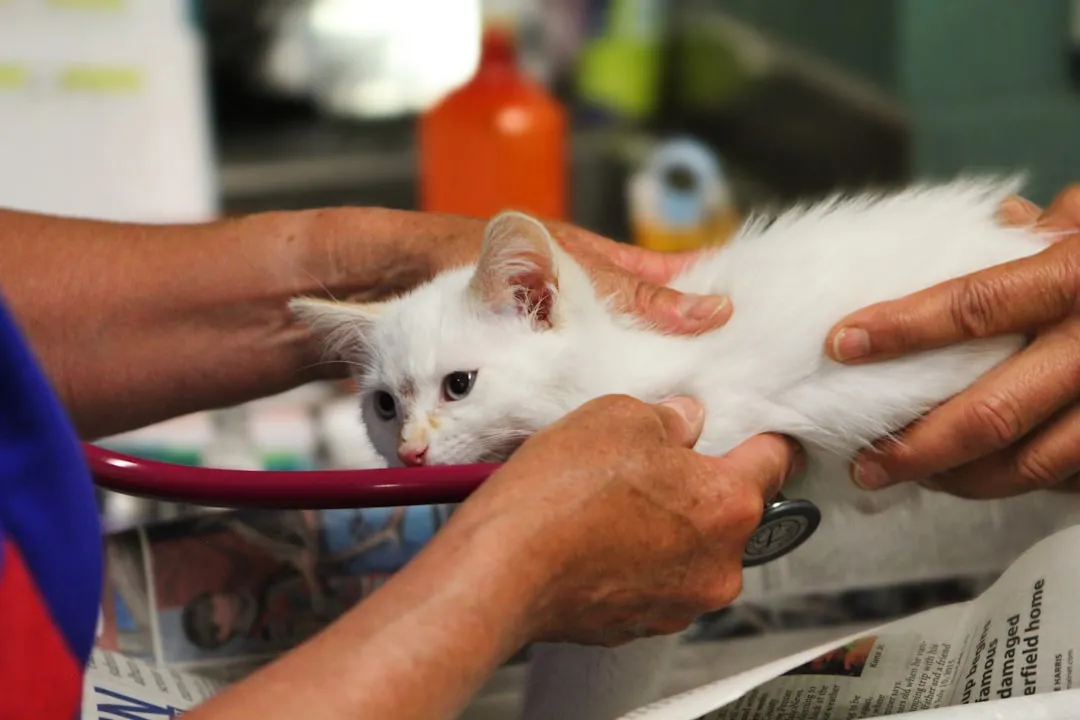
A coat can look dull even with perfect brushing if the skin underneath is irritated. Common culprits include fleas, environmental allergies, dry indoor air, and harsh grooming products. Rushing to change grooming products often misses the real issue entirely.
According to veterinary research, hyperthyroidism and skin infections are leading medical causes of feline fur loss globally, making early identification crucial for your cat’s health and comfort. Persistent dandruff, greasy texture, or sudden shedding deserves veterinary attention rather than endless product swapping.
9. Overlooking the Role of Nutrition in Coat Quality
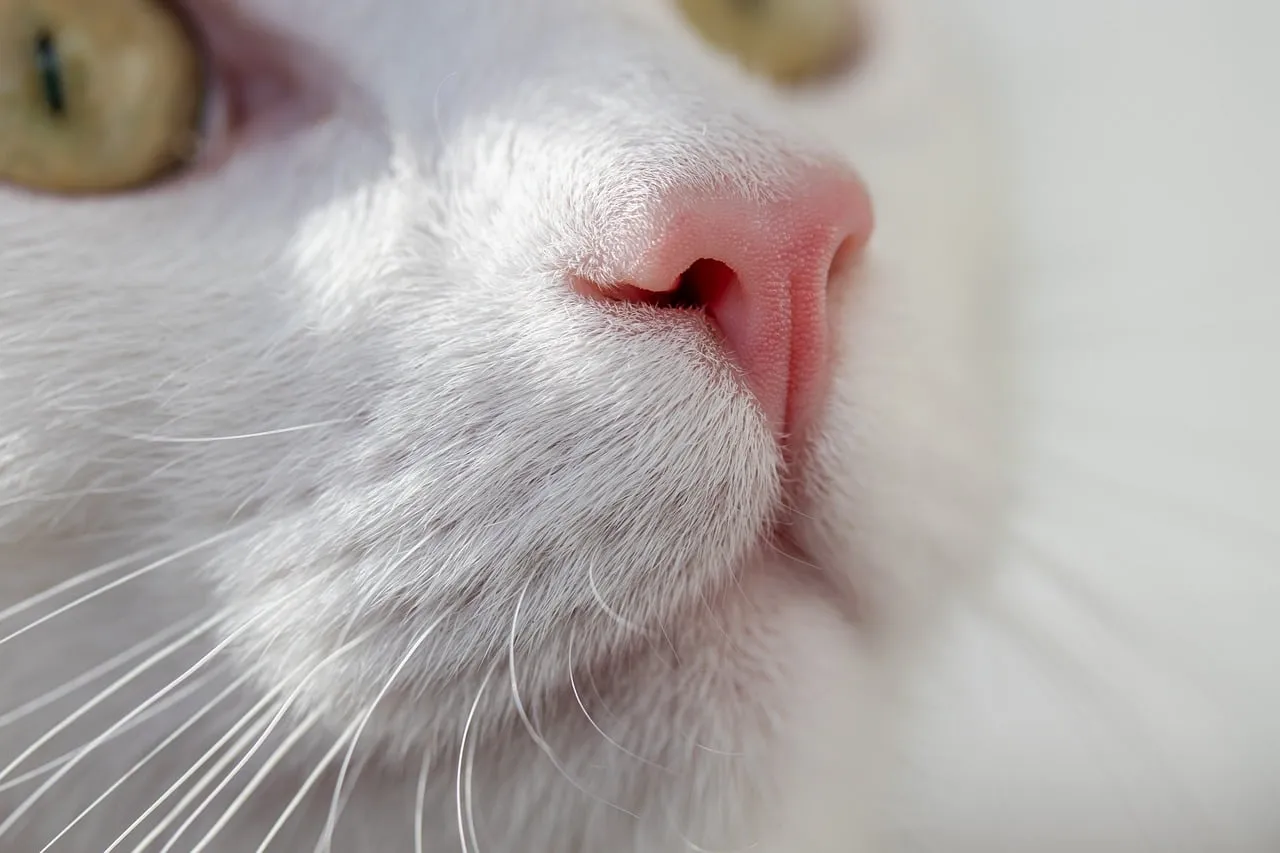
Nutrition shows up in the coat. Cats are obligate carnivores, and coat structure relies on protein building blocks, including essential amino acids. A diet that’s low in quality protein will show up in the fur before it shows up anywhere else.
Real-world coat polish is rarely just one ingredient. It’s grooming consistency, hydration, diet quality, and skin comfort working together. A supplement earns its place when it supports the whole presentation: skin that feels comfortable, fur that lies flatter, and less brittle breakage that makes the coat look thin.
10. Waiting Too Long to Seek Veterinary Advice
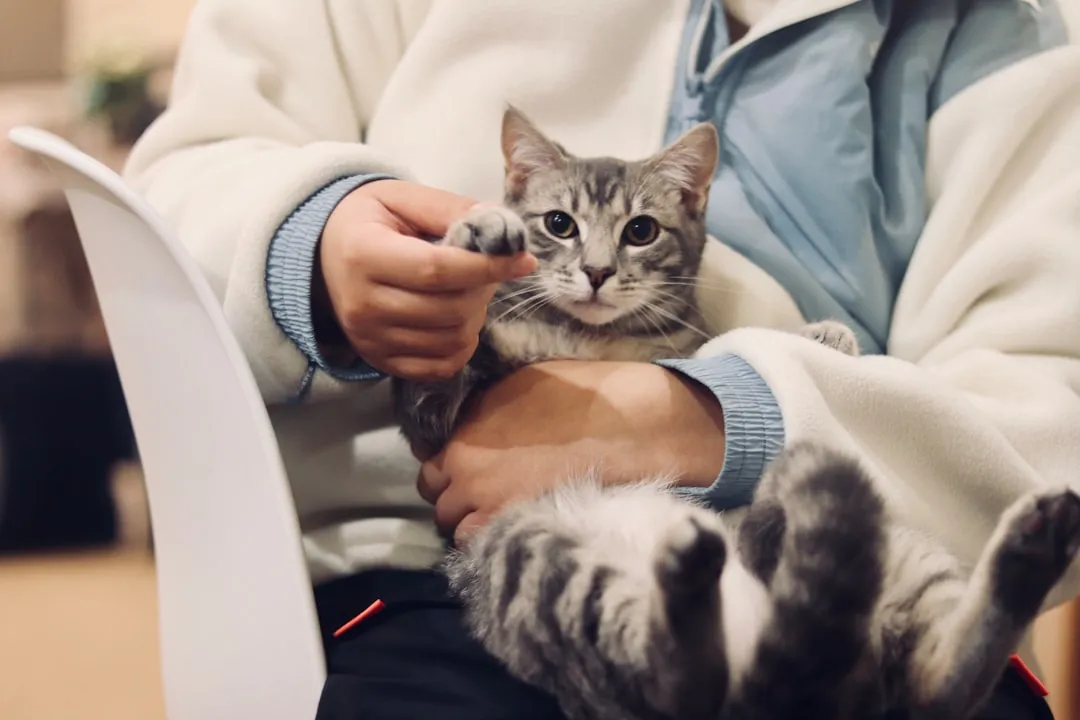
Underlying causes of poor coat condition can include thyroid problems, allergies, and arthritis. If your cat suddenly stops grooming or becomes extremely matted despite previous normal behavior, it could be a sign of pain or illness, not just a grooming issue.
Veterinarians urge immediate evaluation for sudden bald patches, sores, or changes in appetite and behavior, as these symptoms may signal serious underlying disease, according to US pet clinic guidelines from 2024. Early intervention often leads to better treatment outcomes and faster recovery.
The Merck Veterinary Manual advises determining the underlying cause of hair loss and investigating itching or pain. It is recommended to arrange a veterinary appointment when you notice new thinning, baldness, repeated focused licking, or another persistent grooming change.
The Takeaway
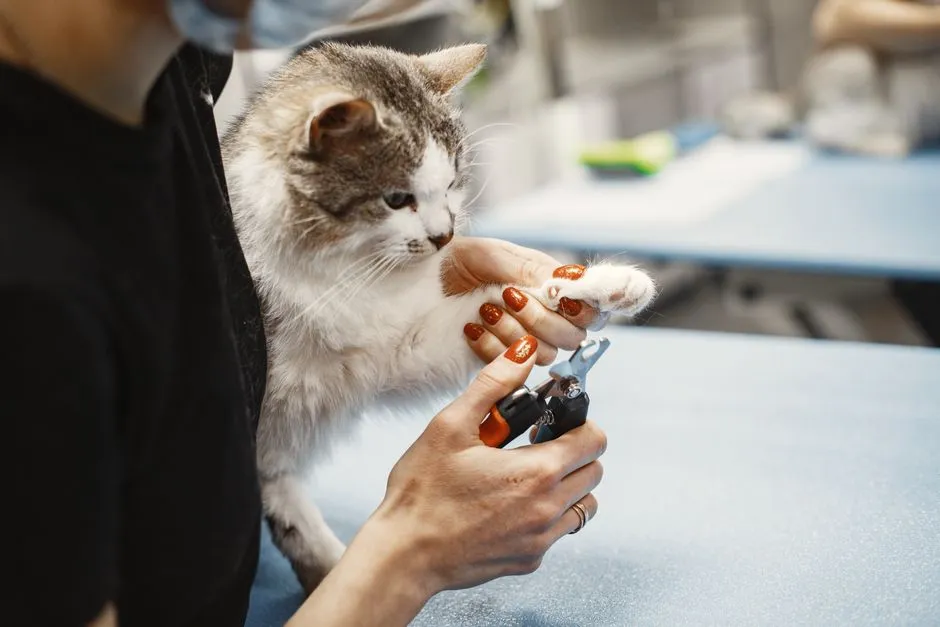
Grooming a cat well is less about doing more and more about doing the right things. The mistakes that quietly damage a coat aren’t dramatic. They’re the wrong brush used a little too hard, the wrong shampoo picked up in a rush, or the early warning signs of over-grooming that get explained away.
A coat in good condition is genuinely one of the clearest windows into a cat’s overall health. Treat any persistent change in texture, shine, or density as useful information rather than a cosmetic problem. The sooner you look into the cause, the easier it tends to be to fix.
AI Disclaimer: This article was created with the assistance of AI tools and reviewed by a human editor.