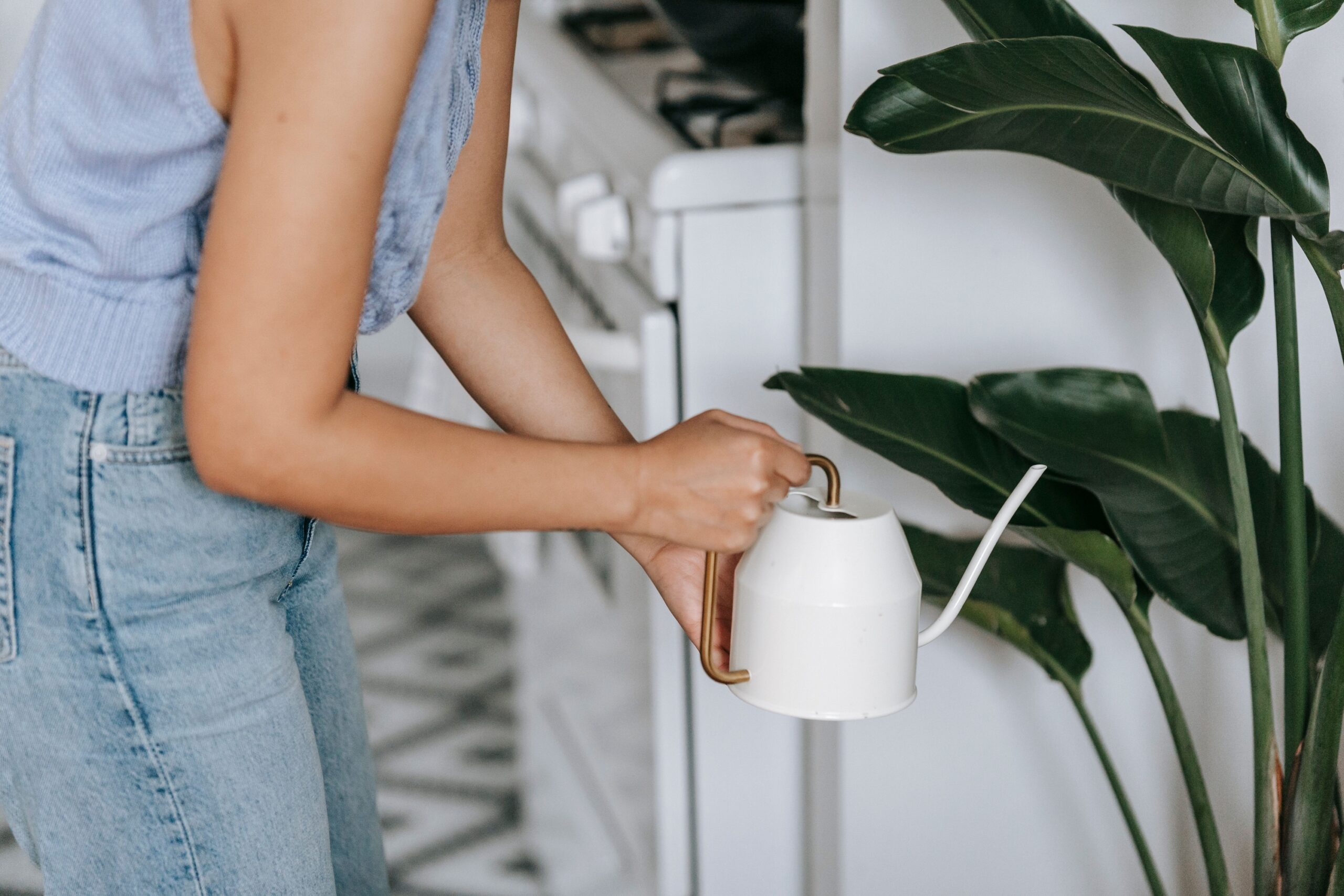

There’s a quiet tragedy that plays out in backyards and balconies all over the world, season after season. Gardeners do everything they’re supposed to do, they buy good soil, choose the right plants, follow planting guides, and then they reach for the hose and undo a good portion of it. Watering sounds simple. It’s anything but.
The mistake isn’t always obvious, which is part of why it keeps happening. Plants drowning in too much water can look almost identical to plants dying of thirst. Getting this wrong is far more common than most gardeners realize, and the consequences go deeper than wilted leaves.
Overwatering Is the Single Most Common Gardening Mistake
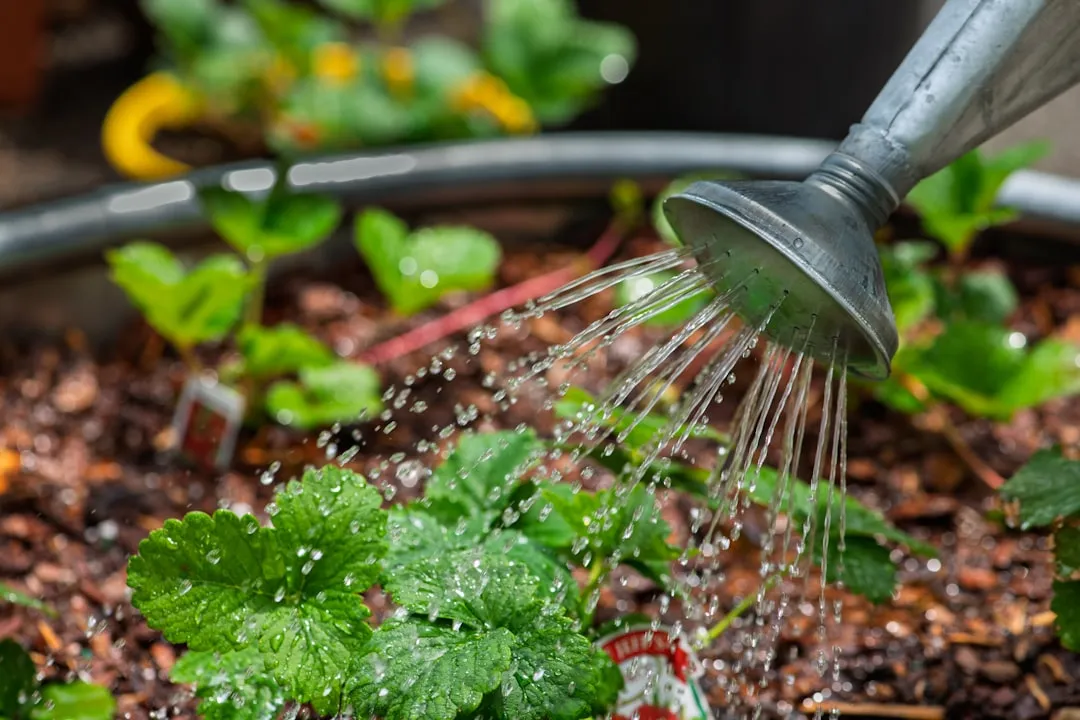
Overwatering is actually the number one mistake home gardeners make. That’s a striking fact, especially when you consider how counterintuitive it seems. Most people worry about forgetting to water, not about doing too much of it. Overwatering is one of the most common causes of plant death for both beginners and experienced gardeners, as excess moisture suffocates roots, triggers root rot, and invites fungal disease in everything from houseplants to outdoor shrubs and container gardens.
Though most people know that too little water can kill a plant, they are surprised to find out that too much water is often worse. Overwatering plants can lead to an increase in pathogens and disease and can rob your plant of available nutrients and oxygen.
Why Plants Look the Same Whether Overwatered or Underwatered
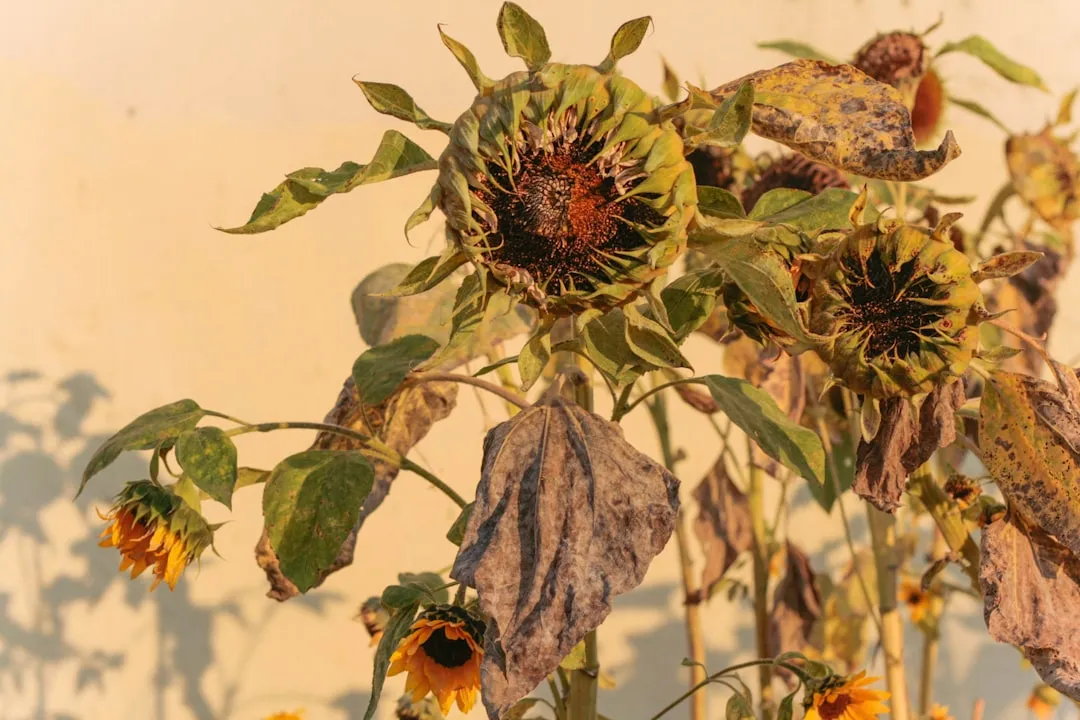
The danger is compounded because overwatered plants wilt and yellow just like underwatered plants, making it easy to add even more water and worsen the problem. This is the trap so many gardeners fall into. They see drooping leaves, assume the plant is thirsty, and pour on more water, accelerating the damage.
Excess water reduces oxygen in the soil, which damages fine roots and renders the plant unable to take up water. Plants exposed to excess moisture show the same symptoms as plants with root rots, crown rots, or drought stress. In other words, a plant starved of water and a plant drowning in it can look almost identical from the outside.
Most Plants Need Far Less Water Than You Think
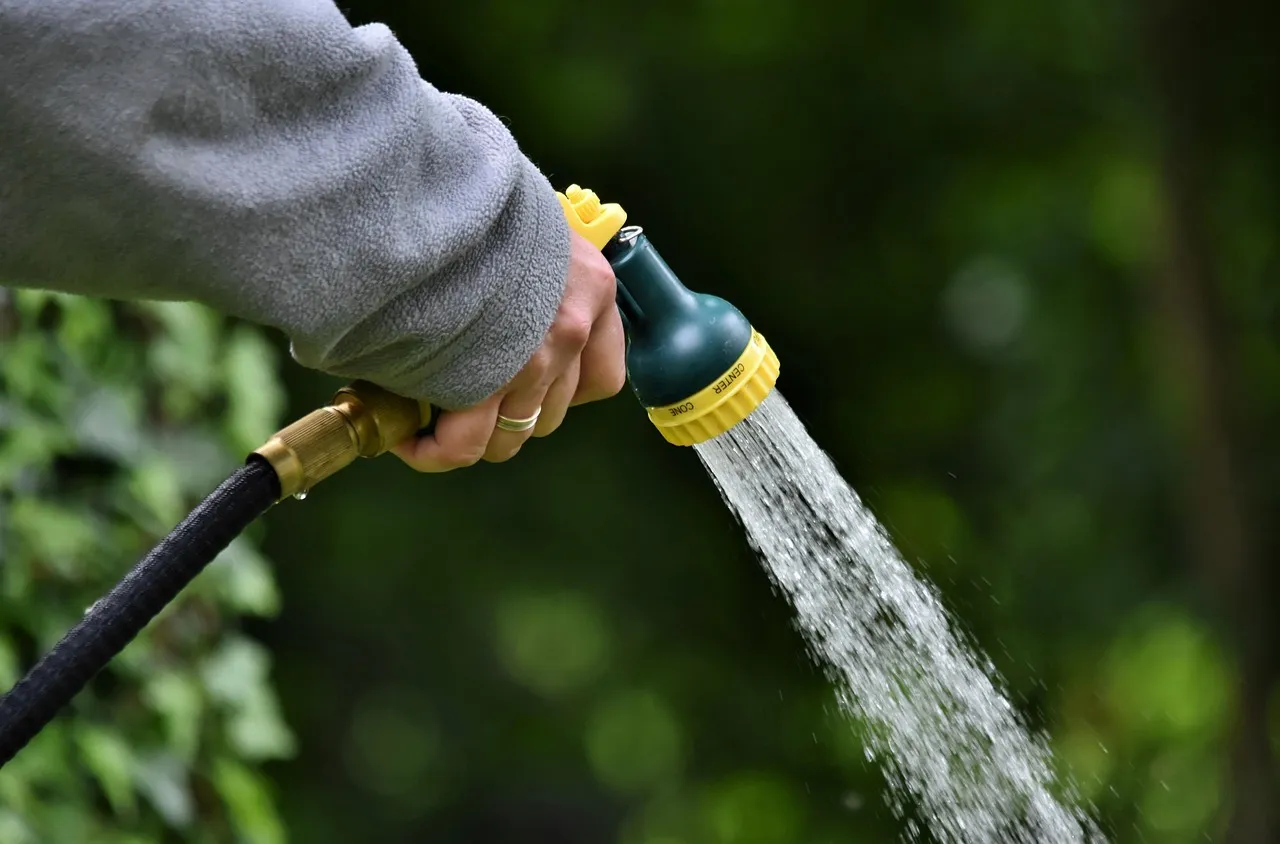
Many plants need much less water than most people expect. Research from the University of Georgia supports this idea with some surprisingly specific numbers. A substrate moisture content of twenty percent was enough to grow quality plants, and for a three week period, these plants received about sixteen ounces of water per plant. That works out to a little more than one tablespoon per day.
Although the question of how much water your plants really need sounds simple, the answer is not. Surprisingly, there is little information on plant water needs. That gap in knowledge is exactly why so many gardeners default to overwatering. When in doubt, people water. That instinct is often wrong.
Shallow, Frequent Watering Quietly Weakens Your Plants
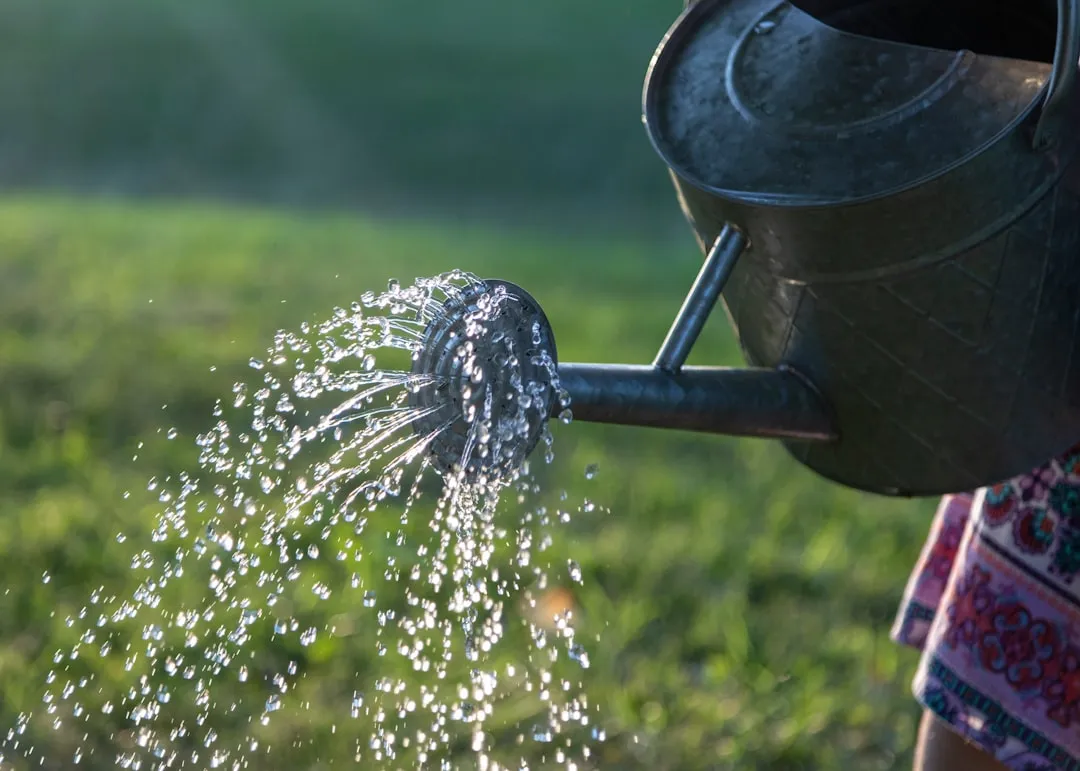
Applying small amounts of water frequently, typically less than fifteen minutes per watering zone, rarely exceeds the soil’s infiltration rate in clay or compacted beds. Instead of soaking in, water pools, runs off, or evaporates before penetrating past the surface crust. Many gardeners don’t realize their standard irrigation run isn’t actually reaching the roots at all.
Shallow watering saturates only the top few inches of soil, which leads to weak, surface-level roots. In contrast, deep watering penetrates much further, typically twelve inches or more, providing essential moisture to the deeper roots. That’s a meaningful difference when temperatures spike and the top layer of soil dries out in hours.
Deep, Infrequent Watering Builds Stronger, More Resilient Plants
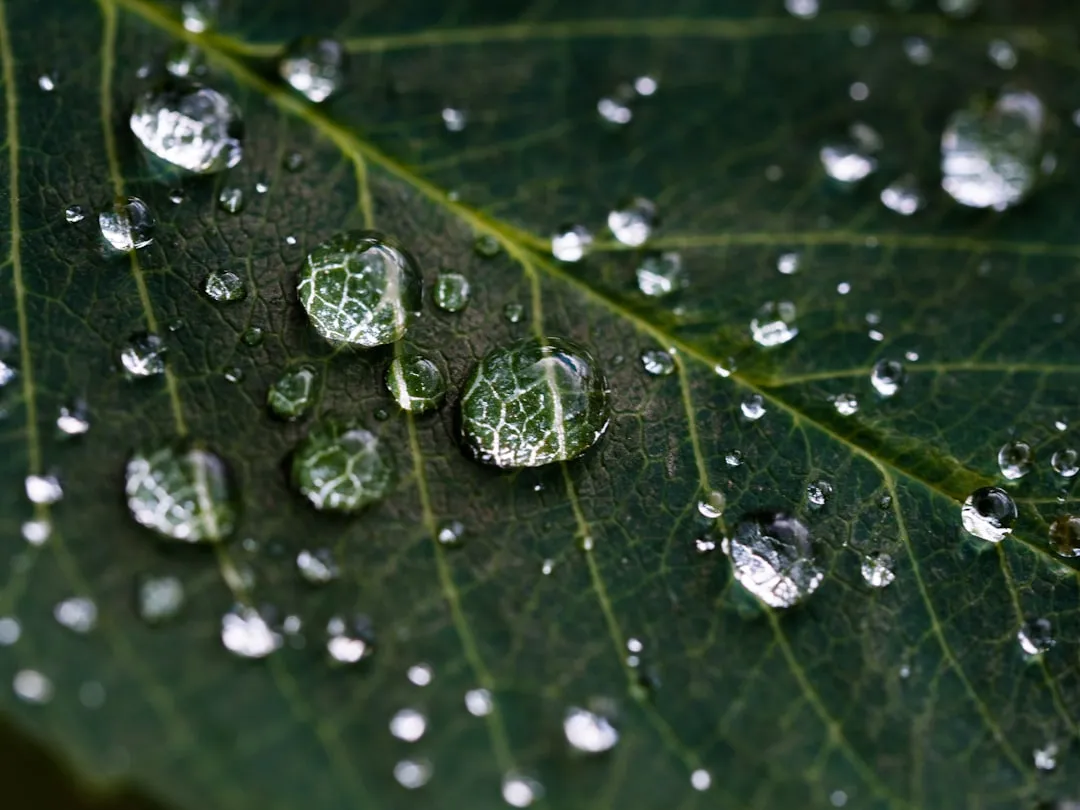
According to University of Maine Cooperative Extension, less frequent but deeper watering consistently builds stronger plants: roots that must reach downward to find water develop the deep zone that carries plants through dry stretches. It’s one of those gardening principles that sounds almost too simple to be important, yet it changes everything about how a plant performs in heat or drought.
Unlike shallow watering, which leads to weak surface roots, deep watering promotes a robust root system for better plant stability. Deep roots improve drought resistance, allowing plants to survive longer without frequent watering. The goal is to train the plant to reach down, not hover at the surface waiting for the next sprinkle.
The “One Inch Per Week” Rule Is More Complicated Than It Sounds
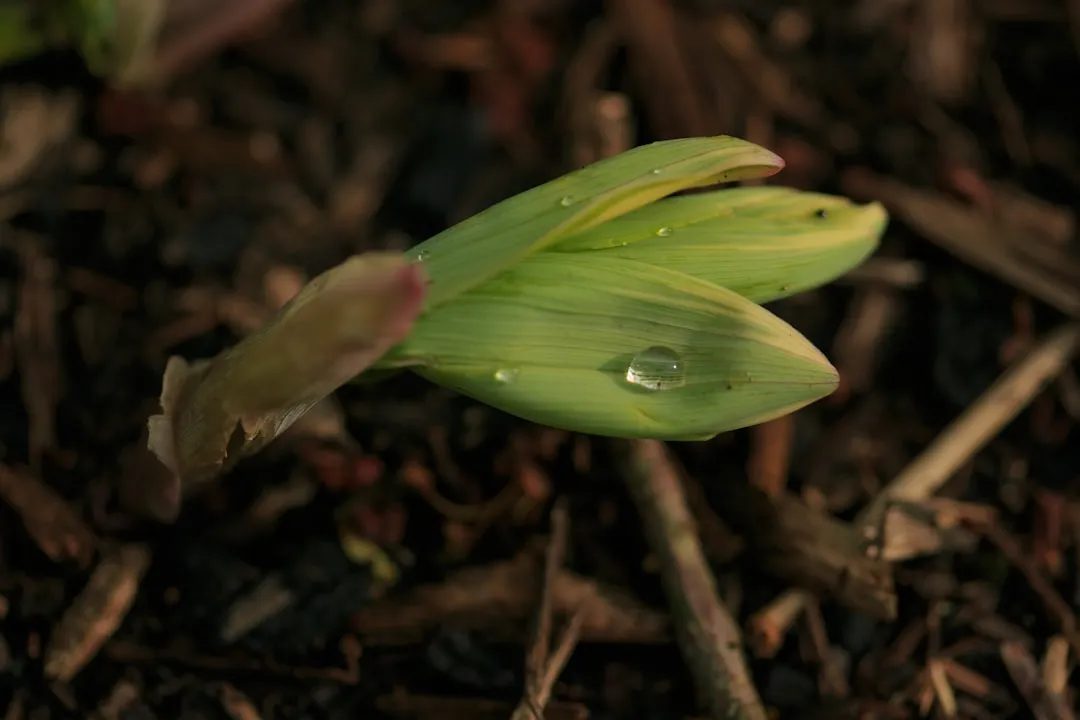
One inch of water per week equals roughly sixty-two gallons per one hundred square feet of garden bed. That’s a useful volume target, but the number says nothing about depth of penetration, and depth is what determines root behavior. Many gardeners follow the one inch rule faithfully and still water incorrectly because they focus on quantity while ignoring how far down the water actually goes.
The goal isn’t one inch sitting on the surface. It’s moisture reaching six inches below ground, where most vegetable roots feed. The practical rule is to water until the soil is moist to six inches, then let the top two inches dry before watering again. That wet-dry cycle matters more than hitting a calendar target.
Root Rot Is Closer Than Most Gardeners Realize
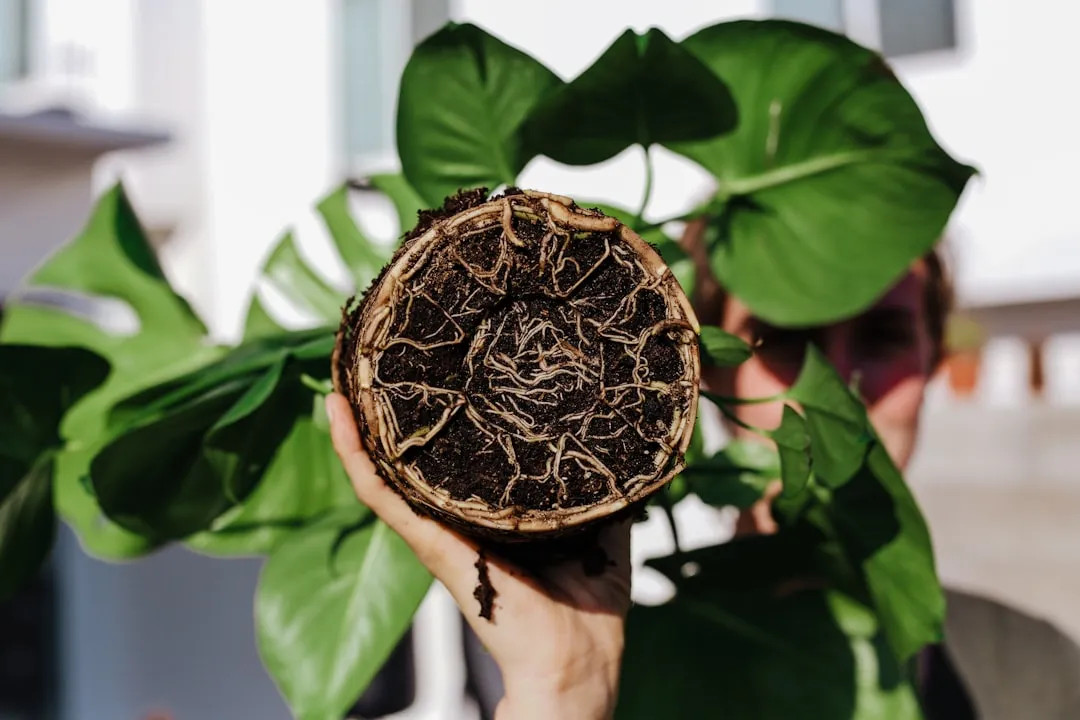
When the soil stays too wet for too long, the roots cannot breathe, they start to rot, and the plant looks droopy and yellow even though the soil is soaking wet. It’s a situation that catches people off guard. The visible part of the plant sends one signal, while the hidden root damage is already well advanced.
When plants get too much water too quickly, their leaves fill with fluid and the cells burst. Root rot may be harder to notice, but it can be fatal to plants. The best approach is to dig up the plant and try to clean out the roots by shearing off any dead and rotten sections. By the time most gardeners investigate the roots, the damage has been building for a while.
How Soil Type Changes Everything About Watering Amount
Soil type controls how much water your root zone can hold and how fast it drains, making it the biggest single driver of watering frequency. Sandy soil drains fast and dries quickly, so it needs more frequent attention. Clay soil holds moisture far longer, and watering it on the same schedule as sandy ground is a reliable path to root rot.
Plants should be watered when needed. Factors influencing plant watering include the type of potting media, stage of growth, type of pot, humidity and temperature. There is no universal schedule that works across all soils and climates. Context is everything, and ignoring it leads to predictable mistakes.
The Finger Test Beats Any Watering Schedule
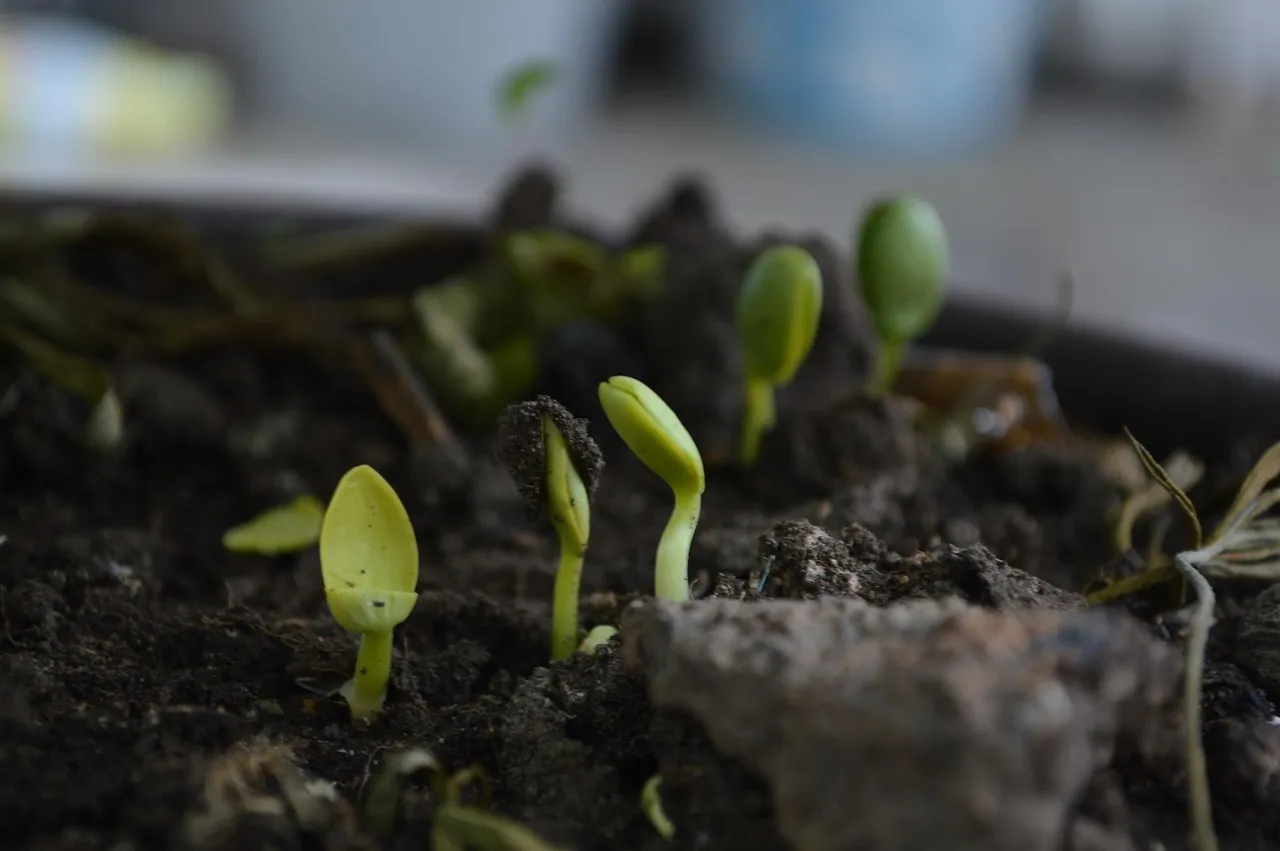
Sticking your fingers into the top two inches of your potted plant’s soil is a reliable method. If it is dry to the touch, it’s time to water. This simple check takes about five seconds and tells you more than any fixed schedule can. It accounts for weather changes, temperature swings, and the specific needs of each plant.
Always check soil moisture before watering, ensure pots have drainage holes, and never let roots sit in standing water. For container plants especially, trapped water creates anaerobic, bacteria-rich muck that leads to rot and foul smells. A simple finger test before every watering session removes most of the guesswork entirely.
Timing and Mulch Can Cut Your Watering Needs Significantly
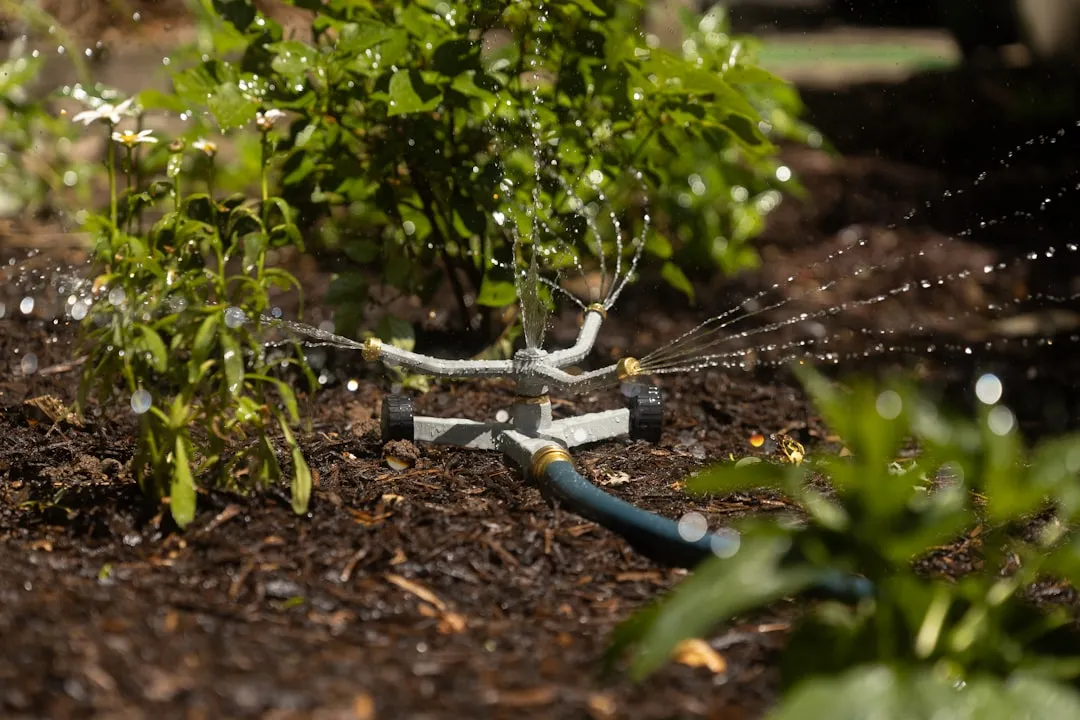
Shallow watering encourages surface-rooting, increases evaporation loss by up to forty percent, and triggers chronic stress responses that reduce flowering, fruiting, and pest resistance. Watering during the hottest part of the day makes this problem worse, since much of the water evaporates before it reaches the roots. Morning watering, before temperatures climb, gives moisture time to soak in properly.
Since shallow methods risk evaporation from the soil surface, applying straw mulch around crops like fruit trees, corn, lettuce, strawberries, and tomatoes helps the soil retain moisture. As a bonus, mulch will help suppress weeds and add fertility to the soil as it breaks down. A simple layer of mulch around your plants can meaningfully extend the time between waterings while protecting roots from temperature extremes at the same time.
The Takeaway
The most expensive mistake in gardening costs nothing extra in supplies. It just costs attention. Most beginner gardeners do not realize how easy it is to mess up watering. It is not just about frequency. It is about how much water your plants actually get each time. Getting this right doesn’t require elaborate tools or advanced knowledge.
Check the soil before you water. Water deeply when you do. Then let it dry a little before you water again. That rhythm, simple as it sounds, is what separates a struggling garden from a thriving one. The hose isn’t the enemy. Grabbing it out of habit, without checking what’s actually needed, is where most of the damage gets done.
AI Disclaimer: This article was created with the assistance of AI tools and reviewed by a human editor.