

Most people reach for a bandage when they get a cut or scrape, and that’s the right instinct. What happens after the bandage goes on, though, depends far more on what’s happening inside the body. Healing isn’t just about proper treatments and wound dressings – it also depends on the nutrients you provide your body, and the right foods can speed up tissue repair, lower the risk of infection, and even reduce scarring.
Healing is an energy-intensive process that requires your body to work harder than usual to repair damaged tissues, fight off infections, and restore strength. Without the right nutrients, this process can slow down, leaving wounds open to complications. The six foods below have meaningful evidence behind them, drawn from clinical studies and peer-reviewed research.
1. Citrus Fruits: The Vitamin C Powerhouses
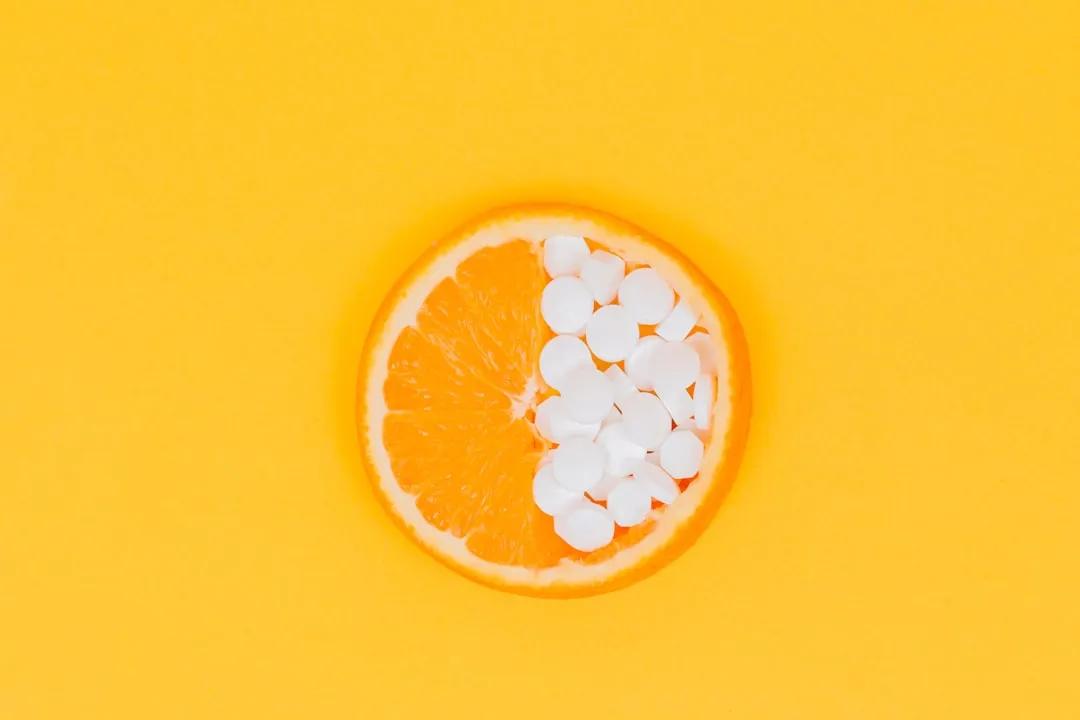
Vitamin C, or ascorbic acid, is one of the most well-studied nutrients in human physiology. It functions as a powerful antioxidant, neutralizing harmful free radicals that can damage cells and slow the healing process. Oranges, grapefruits, lemons, and limes are among the richest dietary sources available.
In the inflammatory phase of wound healing, vitamin C is required for neutrophil apoptosis and clearance. In the proliferative phase, vitamin C is involved in collagen synthesis, maturation, secretion, and degradation by acting as a cofactor for proline and lysine hydroxylation during collagen synthesis.
Evidence shows that vitamin C promotes wound healing by hastening recovery and attaining high leucocyte ascorbic acid levels, and it may have positive effects on improving quality of life and the recovery process. Still, researchers note that the available literature studying vitamin C in wound healing is inconsistent, with relatively few studies and a small number of participants across different clinical scenarios. Getting vitamin C regularly through whole foods remains a safe, low-risk approach for most healthy adults.
2. Lean Protein Foods: The Rebuilding Blocks
Protein is a major building block in wound healing because it builds muscle, skin, and other body tissues. One of the keys to wound healing is collagen, a protein in your body that provides structure and support to your skin, muscles, bones, and connective tissues.
Poultry and fish are high in lean protein, essential for muscle and tissue repair. Eggs are a versatile source of protein, along with vitamins like A and D. For those on plant-based diets, lentils, beans, and tofu are excellent alternatives.
A two-week protocol of optimized nutrition including adequate protein, supplemental vitamin C, and zinc combined with smoking cessation was shown to improve healing rates by roughly thirty-five to forty percent in clinical studies. Protein clearly stands out as a non-negotiable part of recovery nutrition, not an optional add-on.
3. Honey: More Than a Sweetener
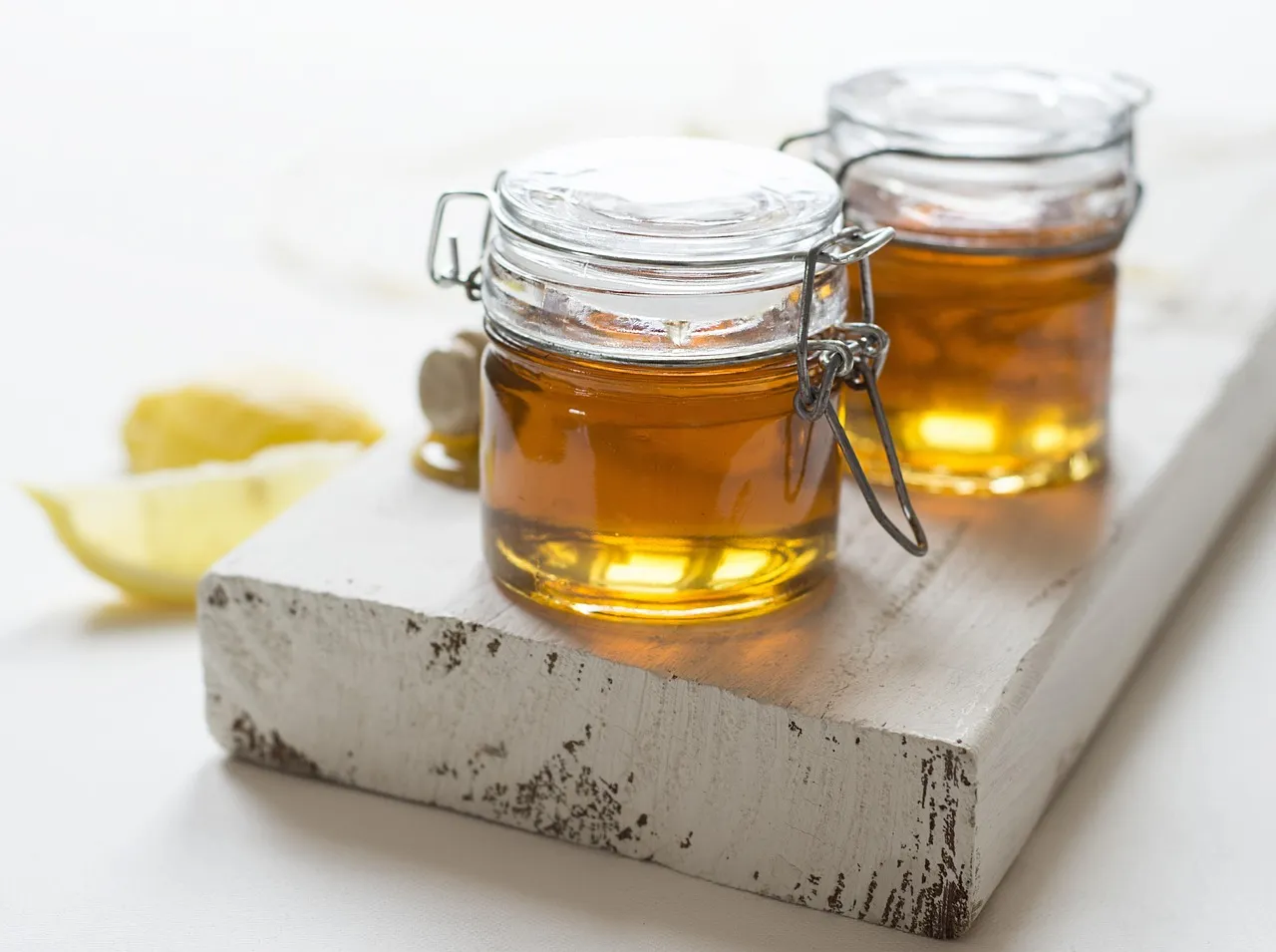
Treating wounds with honey significantly increases angiogenesis, re-epithelialization, and the formation of granulation tissue. The phenolic and flavonoid compounds in honey play a key role in wound healing. Manuka and Trigona honey varieties have drawn the most attention in clinical research.
An updated and comprehensive systematic review and meta-analysis published in 2024, drawing on nine electronic databases and incorporating eight studies including over 900 individuals, found a significant acceleration in wound healing time with honey dressings.
Clinical research shows medical-grade honey to be equally or more effective than some antibiotic ointments, and a systematic review found honey was roughly two and a half times more effective at rendering wounds sterile compared to silver sulfadiazine. Unlike antibiotic ointments, honey doesn’t contribute to antibiotic resistance and maintains a moist healing environment while providing antimicrobial protection. It’s worth noting that these findings relate primarily to topical application rather than eating honey directly.
4. Turmeric: The Anti-Inflammatory Spice
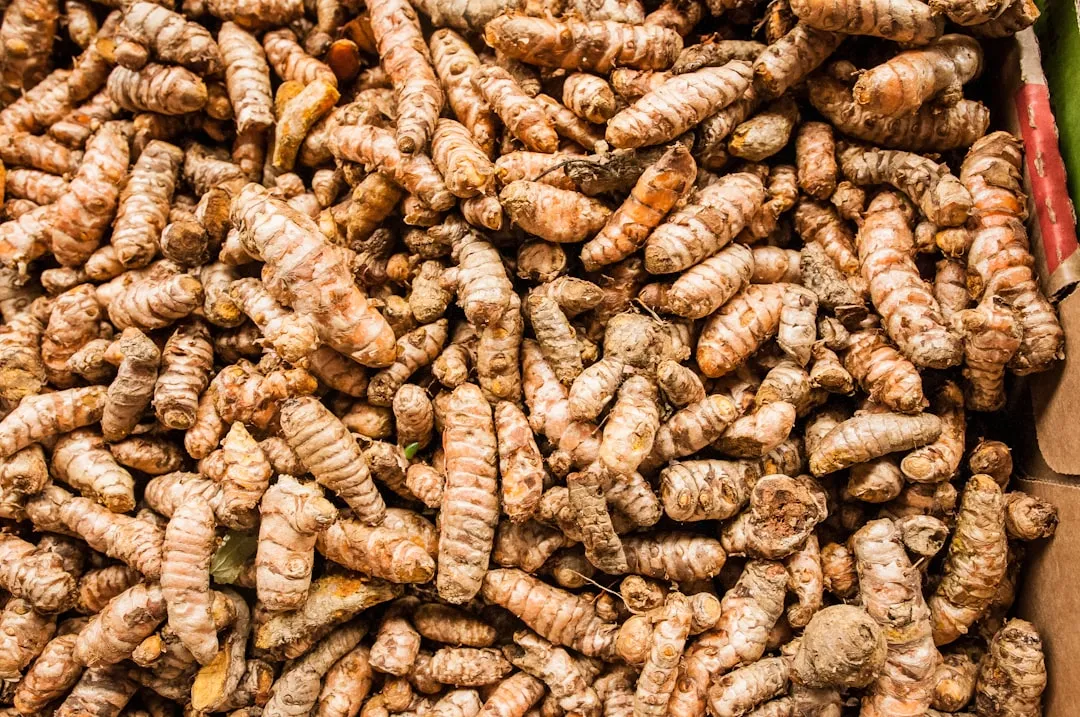
Turmeric is a yellow rhizome that is often used as a cooking spice. It contains active compounds known as curcuminoids and essential oils, with curcuminoids consisting of curcumin, desmethoxycumin, and bisdesmethoxycurcumin.
Research provides evidence of the ability of curcumin to reduce the body’s natural response to cutaneous wounds, including inflammation and oxidation. Recent literature on the wound healing properties of curcumin also provides evidence for its ability to enhance granulation tissue formation, collagen deposition, tissue remodeling, and wound contraction.
Preliminary evidence has confirmed the beneficial role of curcumin-based supplementation in wound and scar management. Adding turmeric to meals regularly is safe for most people, though the research is still developing and its bioavailability when eaten alone is known to be relatively low. Pairing it with black pepper, which contains piperine, is commonly recommended by nutritionists to improve absorption.
5. Zinc-Rich Foods: The Enzyme Activator

Zinc plays a fundamental role in cell growth, immune function, and enzyme activity, all of which speed up the healing process. Zinc is a trace mineral that is a component of many enzymes, including DNA and RNA polymerases, and is required for protein synthesis, DNA synthesis, mitosis, and cell proliferation. Approximately 300 enzymes need zinc for proper functioning, and many of these zinc-dependent processes, such as collagen synthesis and cell division, are required for wound healing.
For adequate zinc, good food choices include fortified grains and protein-rich foods such as beef, chicken, seafood, and beans. Oysters are one of the densest zinc sources available, with pumpkin seeds offering a solid plant-based option.
Protein, iron, zinc, and vitamins A and C all help wounds to heal quickly and well, according to guidance from the Cleveland Clinic. Zinc deficiency, even at a mild level, is enough to noticeably slow the healing timeline. Getting it from whole foods is generally preferable to high-dose supplementation unless a clinical deficiency has been identified.
6. Fatty Fish: Omega-3s and the Inflammation Balance
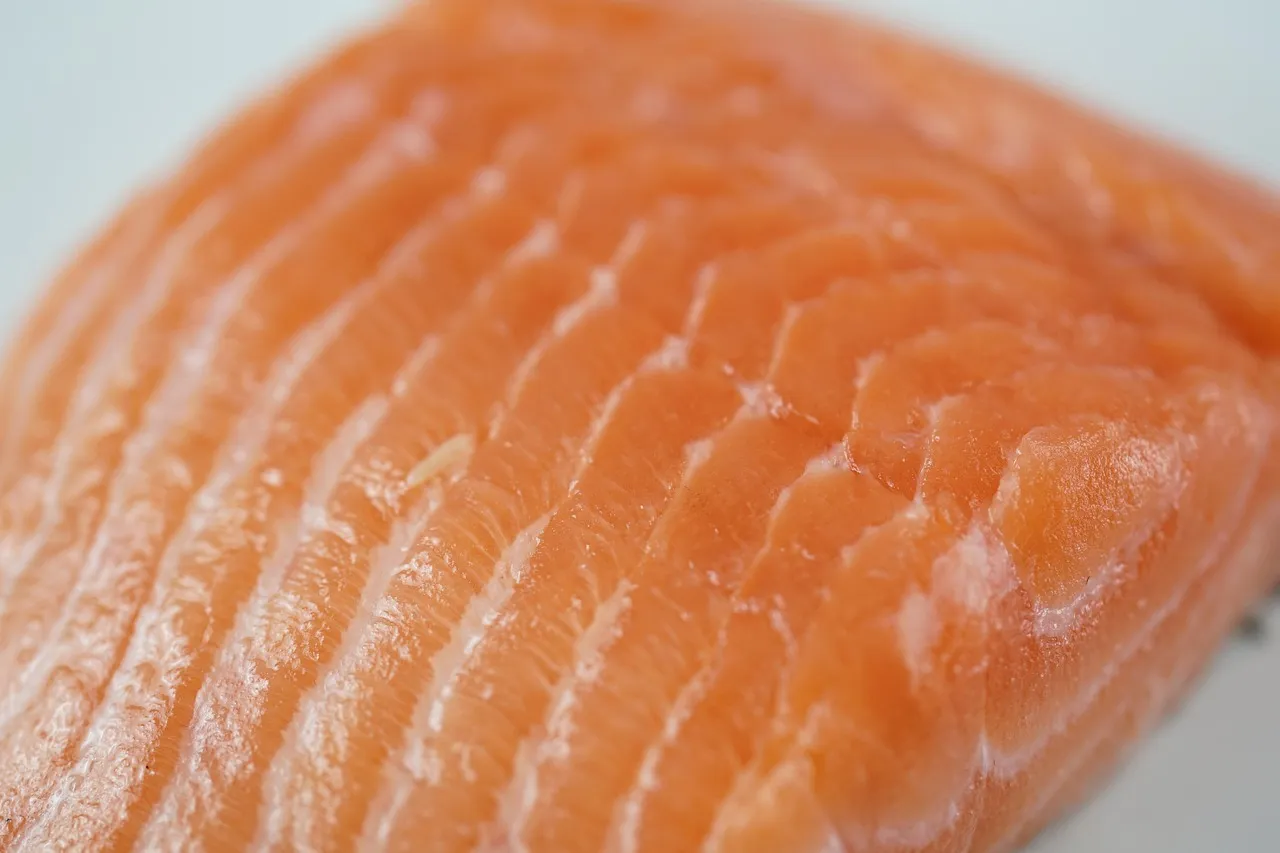
Omega-3 fatty acids help reduce inflammation, which is an essential part of the healing process. Salmon, mackerel, sardines, and trout are among the most accessible sources. Long-chain omega-3 polyunsaturated fatty acids are widely recognized as powerful negative regulators of acute inflammation, though the precise role these dietary compounds play during the healing process is still largely unknown.
Research found that EPA plus DHA oral supplementation given for four or eight weeks as an adjuvant to conventional therapy significantly increased plasma levels of both fatty acids and beneficially affected the ulcer microenvironment, predisposing ulcers to faster healing.
The science around omega-3s and wound healing is nuanced. Polyunsaturated fatty acids alter proinflammatory cytokine production, but how this phenomenon specifically influences wound healing is not clearly understood. While more research is needed to fully understand the potential benefits, there is evidence to suggest that omega-3 fatty acids may be a useful addition to standard wound care treatments. For most people eating a balanced diet, regular servings of fatty fish twice a week is a reasonable and well-supported habit.
How Nutrition Fits Into the Bigger Picture
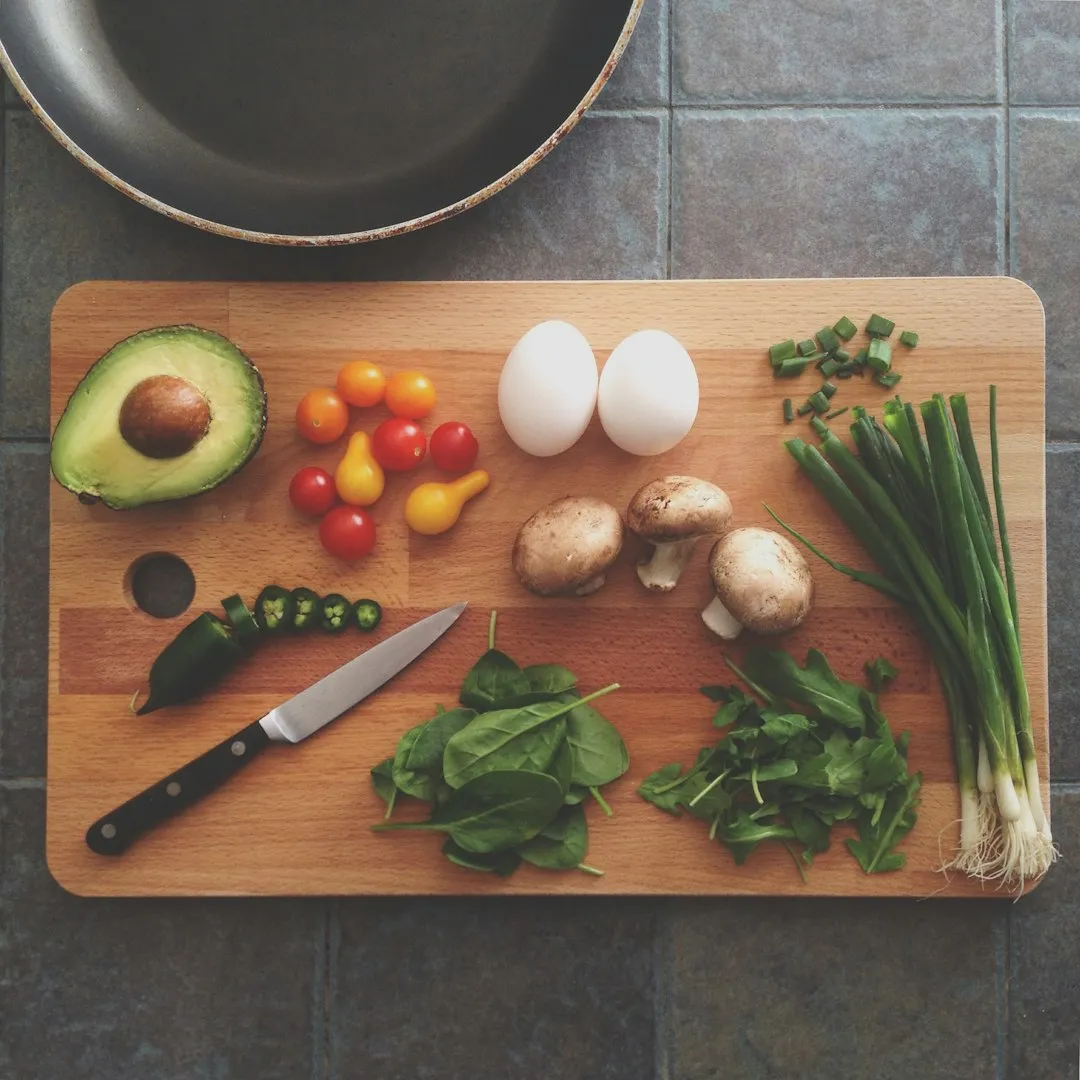
Research published in the peer-reviewed journal Recent Progress in Nutrition in September 2024 examined nutrition for healing acute and chronic wounds, covering current practice, recent research findings, and insights for improving care. The overarching takeaway from that body of work is that nutrition is rarely a standalone solution but consistently proves to be a meaningful supporting factor.
When recovering from a wound, the body requires more than just rest and proper wound care. The healing process is complex, involving inflammation, tissue repair, and regeneration, all of which are supported by a well-balanced diet.
Most nutritional interventions work best when combined with appropriate medical care, adequate hydration, and good sleep. What you eat impacts your energy levels, your immune system, your strength, and even how quickly your wounds heal. Treating food as an active part of recovery rather than a passive background factor is a shift worth making.
What to Eat and What to Avoid
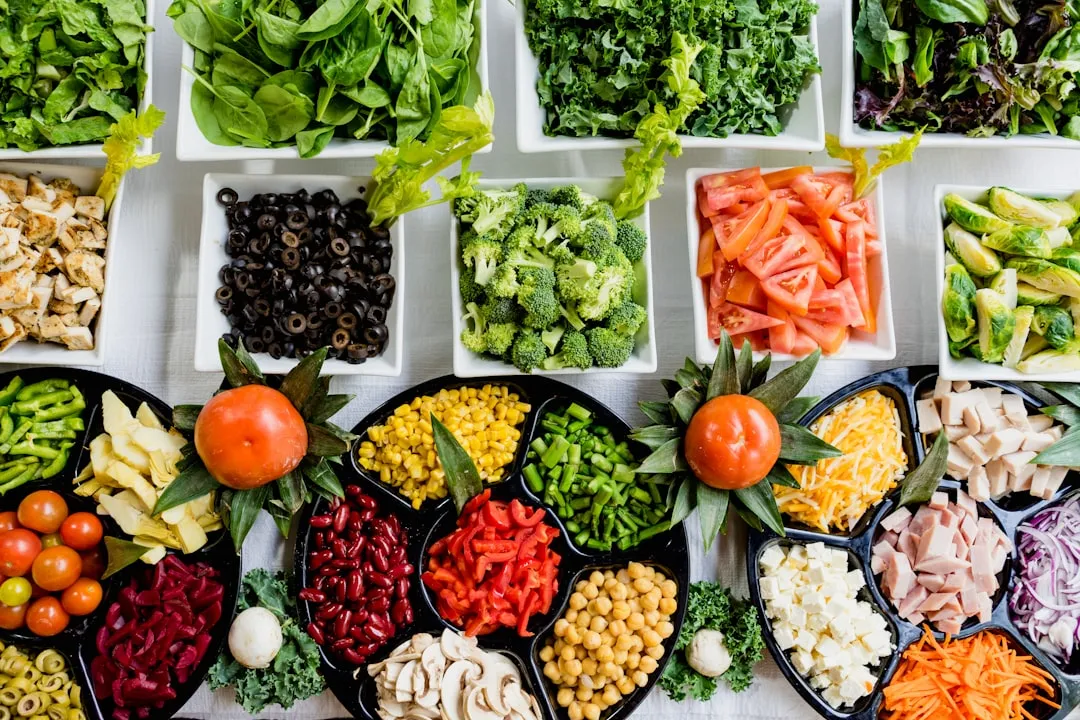
The key is getting the right amount of calories, vitamins, minerals, and protein to promote healing. Planning healthy, balanced meals and snacks that include the right amount of foods from all food groups, including protein foods, fruits, vegetables, dairy, and whole grains, gives the body what it needs.
On the other side of the equation, ultra-processed foods, excessive sugar, and alcohol can each interfere with the healing process. Without proper nutrition, even the most advanced medical care may not be enough to support optimal healing. Sugar, in particular, has been linked to impaired immune function and slower tissue repair in the context of wound management.
The goal isn’t a perfect diet overnight. Focusing on adding one or two healing-supportive foods each day – a handful of berries here, a portion of fish or legumes there – creates real momentum without requiring an overhaul.
When to Seek Professional Guidance
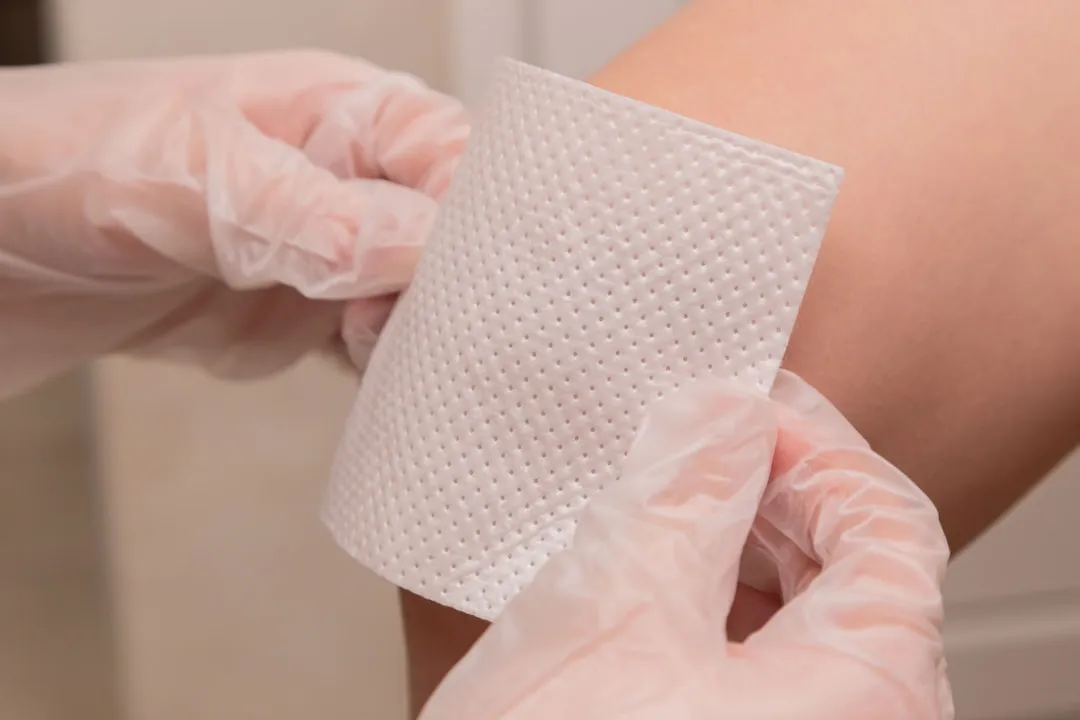
If you have a wound that isn’t healing as expected, is showing signs of infection, or has been present for several weeks without improvement, finding a wound care center is an important step. Chronic wounds, in particular, require specialized care that goes beyond what can be provided at home.
Some wounds may require a higher intake of certain vitamins and minerals to support healing, which is where working with a registered dietitian or wound care specialist becomes worthwhile. Conditions such as diabetes, vascular disease, or immune compromise can significantly change how nutritional strategies need to be applied.
The Takeaway
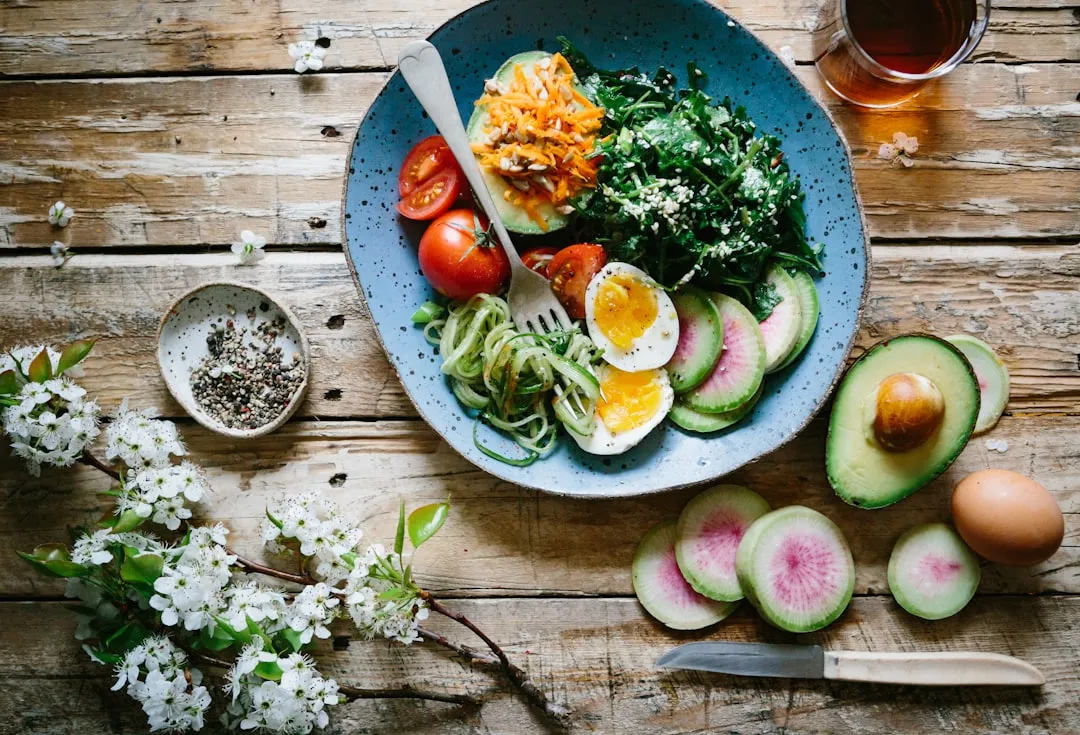
Food isn’t a substitute for medical treatment, but it’s far from irrelevant. The evidence supporting citrus, protein-rich foods, honey, turmeric, zinc-rich foods, and fatty fish as recovery allies is real, if still developing in some areas. Diet plays a crucial role in how quickly and effectively wounds heal, and this connection deserves more attention than it typically gets in everyday recovery conversations.
What ends up on your plate in the days and weeks after an injury matters. Treating that as a genuine medical decision, rather than an afterthought, may be one of the most practical things a recovering person can do.
AI Disclaimer: This article was created with the assistance of AI tools and reviewed by a human editor.