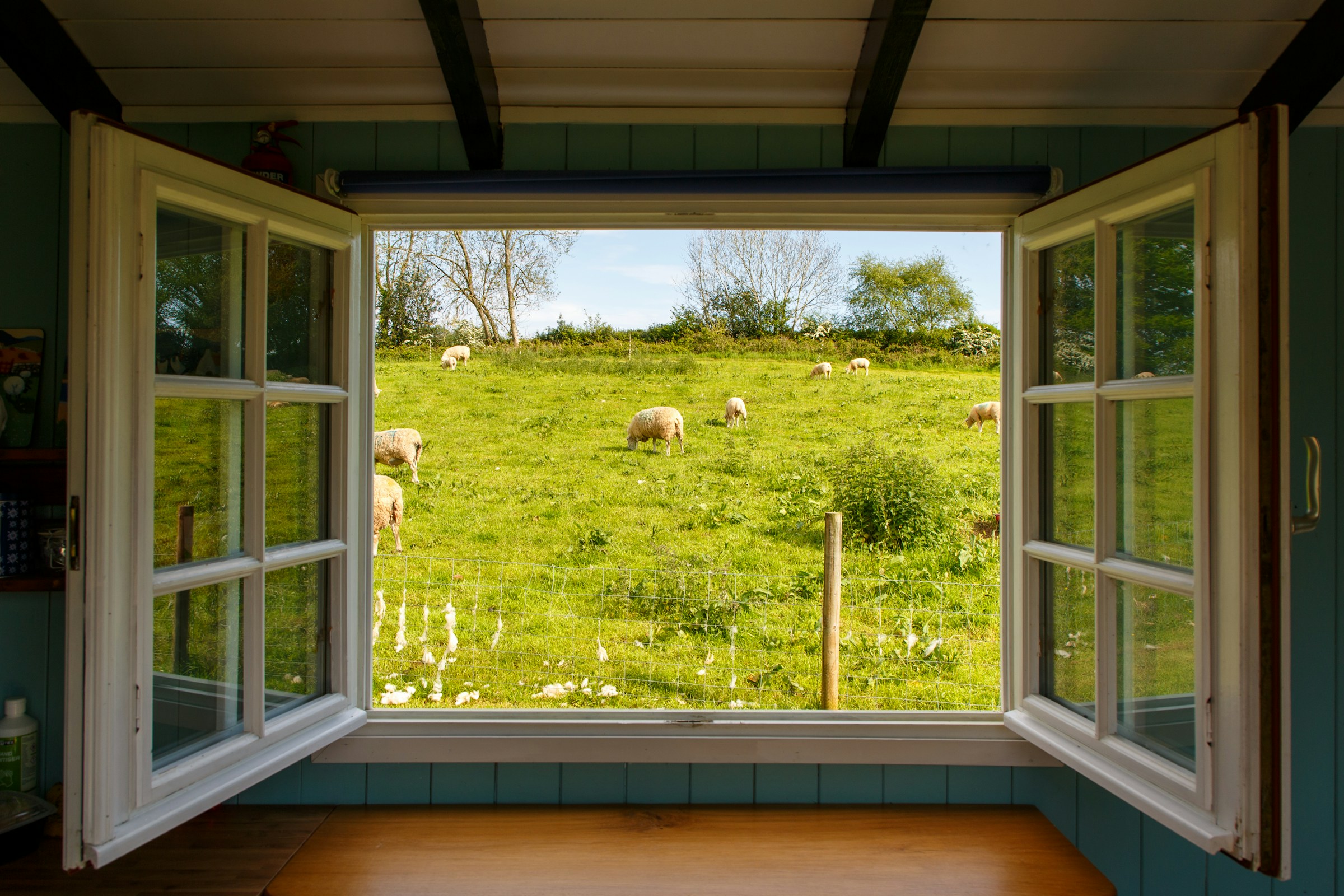

Most people assume that opening a window on a hot day is a harmless impulse, maybe even a helpful one. Fresh air feels good. It seems natural. What gets missed is that for much of the day, that open window is doing the exact opposite of what you intend, pulling warm air in and pushing cool air out, turning your home into something closer to a slow cooker.
The average annual temperature across the contiguous U.S. in 2024 was 3.5 degrees above the 20th-century average, ranking as the warmest year in NOAA’s 130-year climate record. Summers are getting harder to manage. With that reality in mind, the small decisions we make around our windows matter more than ever.
Opening Windows During Peak Heat Hours
The most widespread window mistake is also the simplest: opening windows while the outdoor temperature is already higher than the indoor temperature. Opening a window when the outside air is warmer than the inside air does not cool your home. It floods it with hot air, undoing whatever cool air you had retained.
When outdoor temperatures rise above indoor levels, keeping windows closed helps prevent warm air from entering your home. This sounds obvious, yet a huge number of people crack their windows open during the hottest part of the afternoon out of habit or a vague hope that a breeze will help.
If you open windows during hot periods of the day, the indoor temperature will rise to the temperature outdoors. There is no negotiating with thermodynamics. The warm air will find its way in.
Forgetting to Close Windows in the Morning
Opening windows overnight when temperatures drop is actually smart. The problem is forgetting to close them once the morning heat begins to build. Those using this strategy should be sure to close their windows in the morning before temperatures outside begin to climb. Otherwise, the cooler air inside will be quickly replaced by the building summer heat.
To maximize the effect of overnight ventilation, it is worth opening windows in the evening and closing them in the morning before the temperature rises again. This strategy helps maintain a pleasant indoor climate without the need for air conditioning.
A closed, well-shaded home acts like a cave. It holds onto cooler air built up from the previous night far longer than an open one. Most people underestimate how long that stored coolness can last if you simply keep the house sealed.
Leaving Windows Open While Running the Air Conditioning
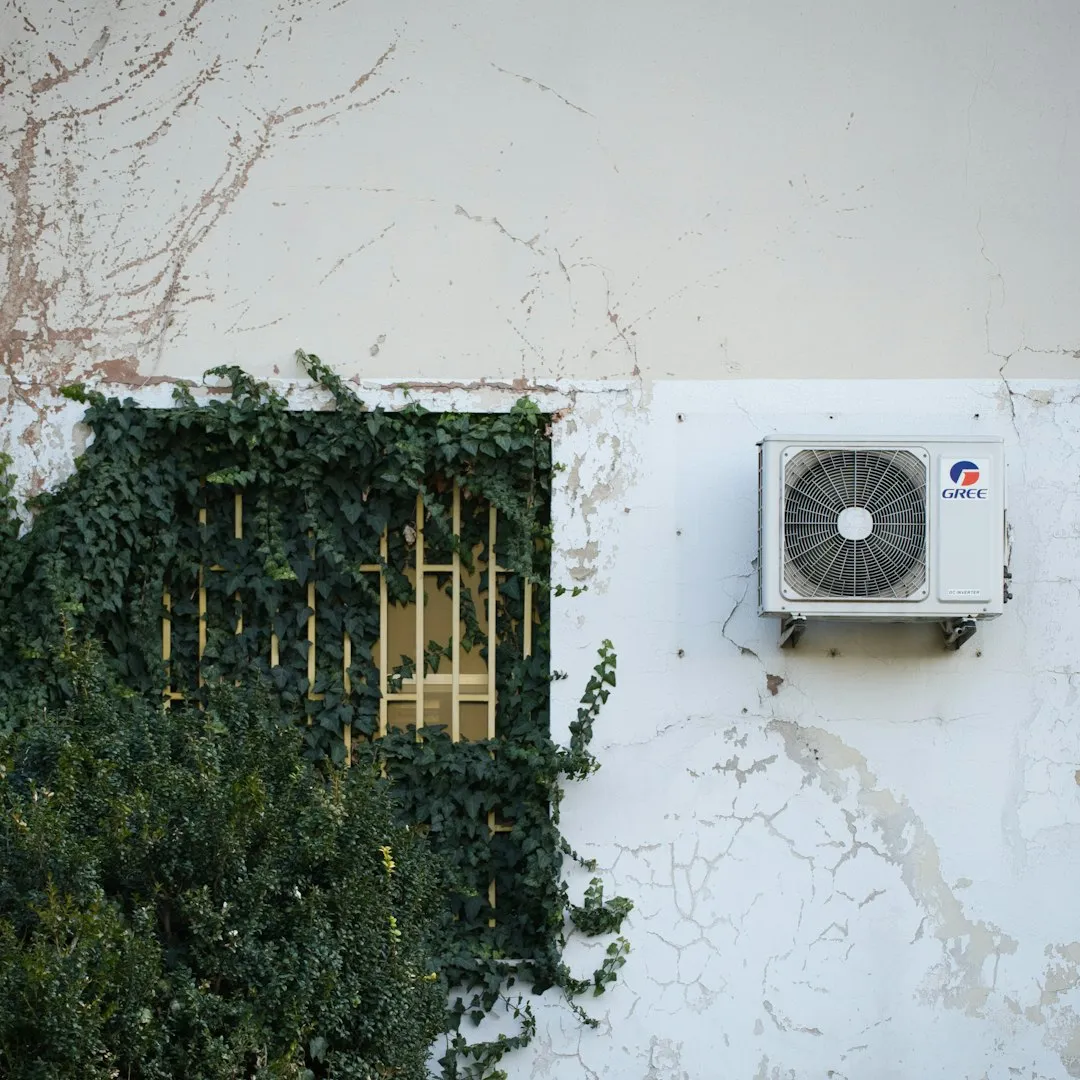
Running the air conditioner with the windows open is one of the more expensive mistakes a homeowner can make. If your air conditioner or heat pump is actively running, keep all windows closed. Every open window forces the system to work harder to compensate for the warm air entering the home, raising your energy bills and reducing the effectiveness of the cooling.
If you choose to open windows and run a cooling appliance simultaneously, you will use a lot of energy trying to tackle the heat that is continuing to enter your home. The two strategies simply cancel each other out.
It’s a bit like running a bath with the drain open. The system keeps working, the bills keep climbing, and the room never quite reaches the temperature you want. Closing the windows when the AC is on is one of the easiest, free efficiency gains available.
Ignoring West- and East-Facing Windows
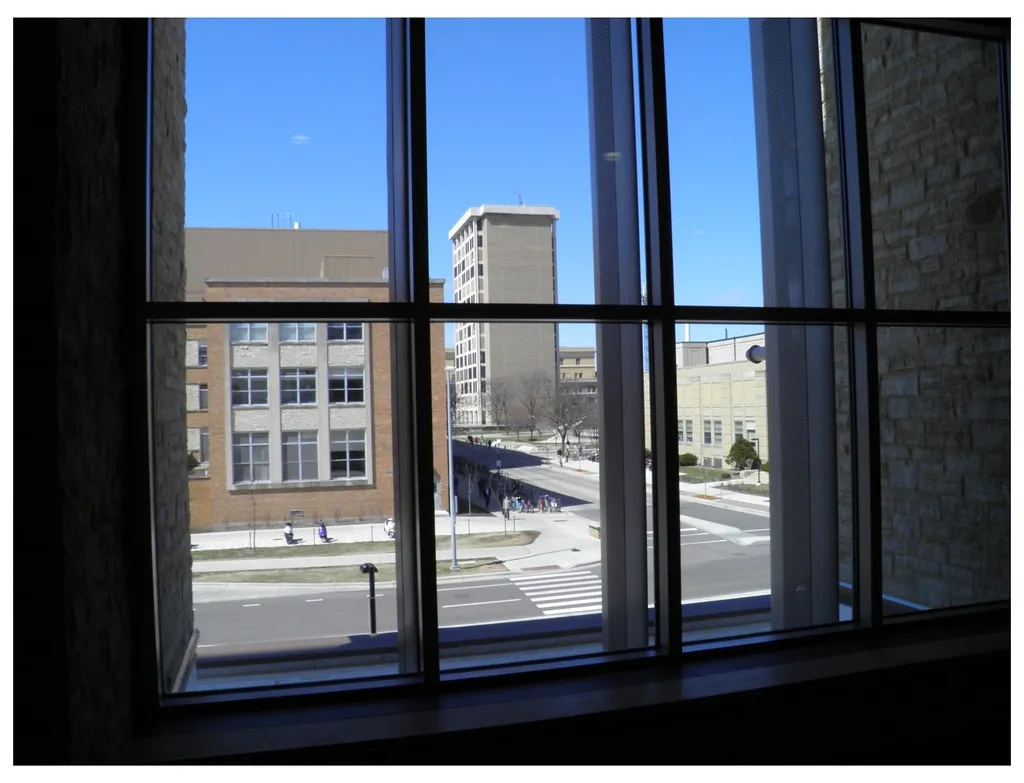
Not all windows perform the same throughout the day, and the direction they face matters a great deal. East and west-facing windows experience maximum heat gain in the mornings and afternoons respectively during the summer. These are the windows that deserve the most attention when temperatures climb.
The most common way windows raise room temperature is through the light they let in, especially if your windows are on the west or east sides of your home. Leaving these uncovered and open in the afternoon is essentially inviting the day’s most intense solar energy directly inside.
The lower angle of the sun makes east and west-facing windows more problematic compared to south-facing ones, because shade structures like overhangs are less effective at blocking a low-angle sun. Awareness of this is the first step toward managing it properly.
Leaving Blinds and Curtains Open During the Day
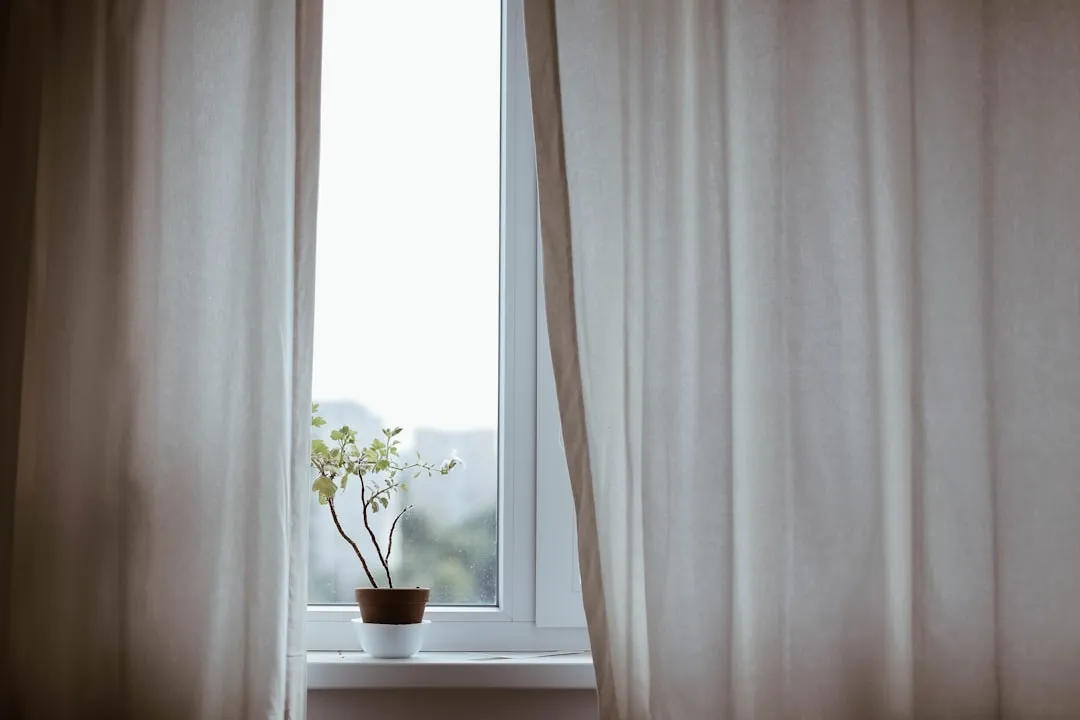
Even a closed window lets in a significant amount of heat if sunlight is streaming through unobstructed glass. Glazing surfaces are among the main entry points for heat into a home: when solar radiation passes through a window, the luminous energy is absorbed by walls, floors, or furniture, then converted into heat.
Throughout the day, keeping windows, shutters, blinds, and curtains closed, especially on sun-exposed façades, aims to preserve the freshness gained during the night and to prevent radiant heat from warming the glazing. This is a practice that communities in southern Europe have relied on for centuries.
During summer days, it’s best to close draperies on windows receiving direct sunlight to prevent heat gain. Studies demonstrate that medium-colored draperies with white-plastic backings can reduce heat gains by roughly a third. That is a meaningful reduction achievable with something most homes already have.
Underusing Cellular Shades and Window Coverings
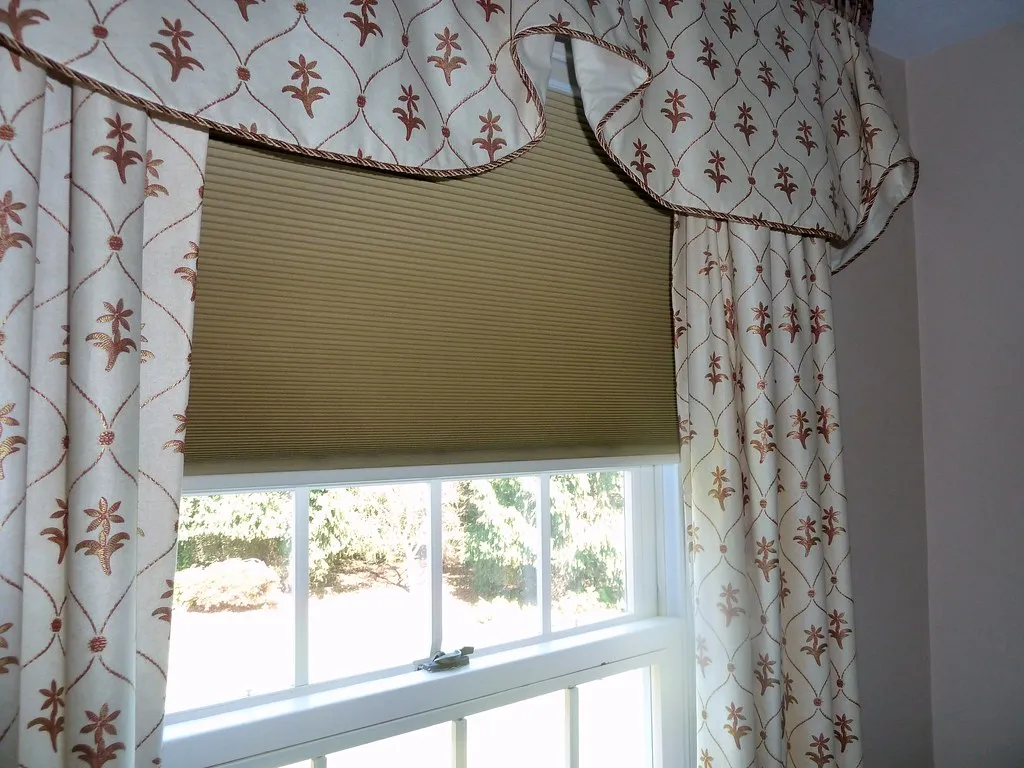
Many homeowners treat their window shades as decorative, raising them every morning without thinking about the thermal consequences. The U.S. Department of Energy has quantified just how much proper window coverings can help. The DOE estimates insulated cellular shades can reduce heat loss through windows by roughly forty percent or more. During warmer months, they can reduce unwanted solar heat by sixty percent.
Through the summer, cellular shades can reduce unwanted solar heat through windows by as much as eighty percent, reducing the total solar gain to fifteen percent or less when installed with a tight fit, according to Energy.gov. That is an enormous difference for something that requires almost no effort to use.
The habit of leaving shades up all day is deeply ingrained. Natural light feels welcoming, and many people associate bright rooms with comfort. The tradeoff, though, is real, and the shades are there to be used.
Not Accounting for Urban Heat Radiation at Night
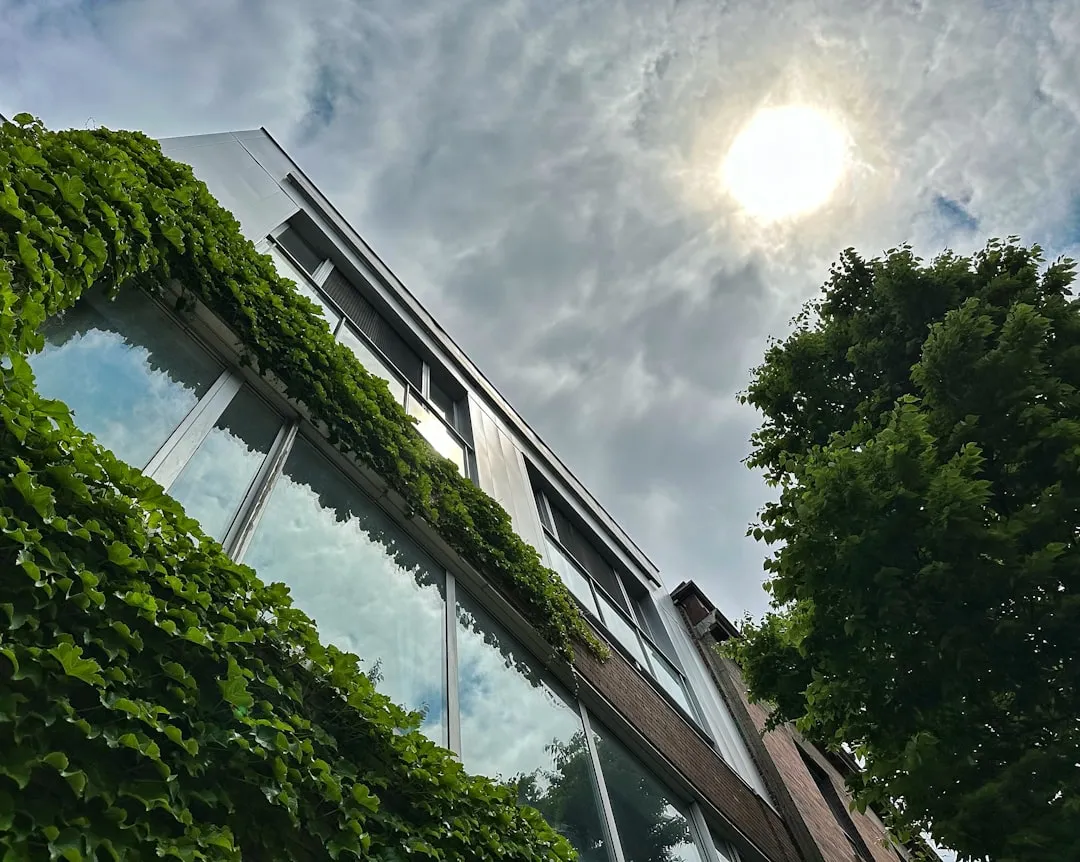
Opening windows after sunset is generally the right instinct, but in densely built urban areas, timing matters more than people realize. Asphalt on roads and dark façades can reach very high temperatures under summer rays and radiate heat for many hours after dusk. It is wiser to wait until the night air is truly cooler. Opening windows at nine in the evening in certain urban areas can still be counterproductive.
Cities retain absorbed heat from the day in their surfaces and release it slowly overnight, a well-documented effect known as the urban heat island. Suburban and rural homes cool down considerably faster once the sun sets. For urban dwellers, checking actual outdoor temperature rather than assuming it has dropped is the smarter move.
Neglecting Weatherstripping and Seal Gaps
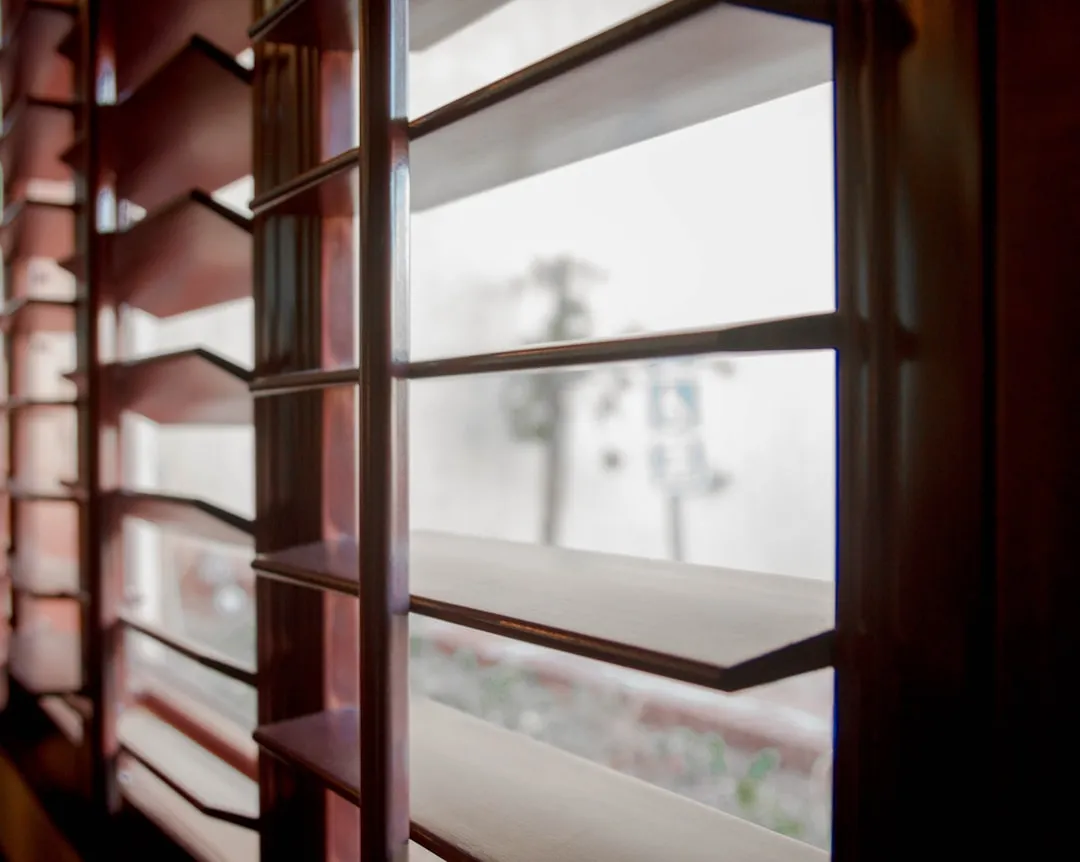
A habit that is less visible but just as consequential is neglecting the condition of the window seal itself. Even windows that appear fully closed can be leaking warm air around their edges if the weatherstripping has worn out. The Department of Energy has found that windows can account for as much as thirty percent of energy loss in a home, especially when they’re outdated, not properly sealed, or are damaged.
Window caulk and weatherstripping can age over time and need replacing. Both can help prevent air leaks and make windows more energy efficient. This is a fix that costs very little, yet it is something most households put off indefinitely.
Windows lose more heat per square foot of area in winter and gain more heat in summer than any other surface in the home. Keeping their seals in good shape is one of the more overlooked maintenance tasks in home upkeep.
Skipping Awnings on Sun-Exposed Windows

Awnings were a standard feature of homes in warmer climates for generations before air conditioning made them seem unnecessary. The data still supports their use. The DOE estimates awnings can reduce solar heat gain in the summer by up to sixty-five percent on south-facing windows and seventy-seven percent on west-facing windows.
Those are significant numbers, and external shading of any kind outperforms interior treatments because it stops the heat before it ever enters the glass. Shading might be possible using part of the building fabric such as eaves or proprietary shading devices, but an alternative might be landscape features such as trees. Planting a deciduous tree on a home’s west side is a long-term investment that pays off every summer.
Assuming Single-Pane Windows Are Good Enough
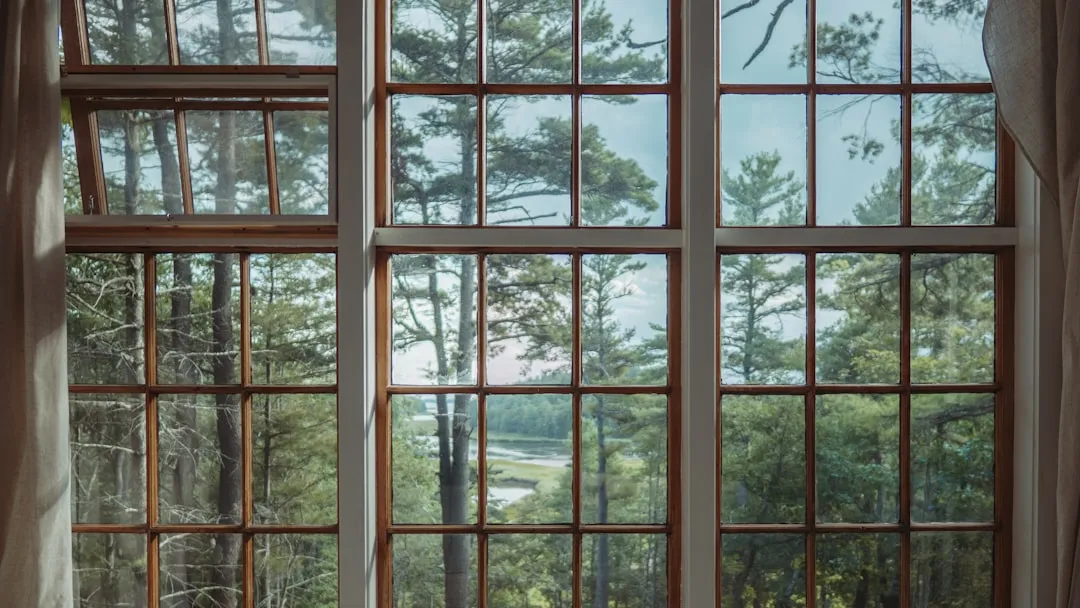
Many older homes still have single-pane glass, and the performance gap between that and modern glazing is substantial. In some climates, up to nearly nine in ten units of summer heat gain enter homes through the windows. This makes it harder to maintain a comfortable temperature inside.
Double-glazed and triple-glazed windows offer much better performance, reducing the need to use energy for heating and cooling. In some climate zones, they are one of the most cost-effective investments in energy efficiency you can make. The upfront cost is real, but so is the long-term reduction in cooling bills.
Even if walls are well insulated, if windows have poor performance values, most of the heat escapes or enters through the windows and the purpose of having a well-insulated wall is largely lost. Window quality and window habits are both part of the same equation. One without the other leaves significant room for improvement.
The Takeaway
Windows are not passive features of a home. They are dynamic surfaces that shift heat in and out depending on conditions, time of day, and how they are managed. The gap between good and poor window habits is wider than most people expect, and it shows up directly on energy bills and in how comfortable a home actually feels during a heat wave.
The fixes are rarely dramatic. Close windows before the morning heat builds. Keep blinds down during peak sunlight hours. Don’t run air conditioning with windows cracked open. Check weatherstripping once a year. These are small, consistent habits rather than expensive interventions. The frustrating irony is that the instinct to “let some air in” during summer is often exactly the wrong move, made at exactly the wrong time of day.
AI Disclaimer: This article was created with the assistance of AI tools and reviewed by a human editor.