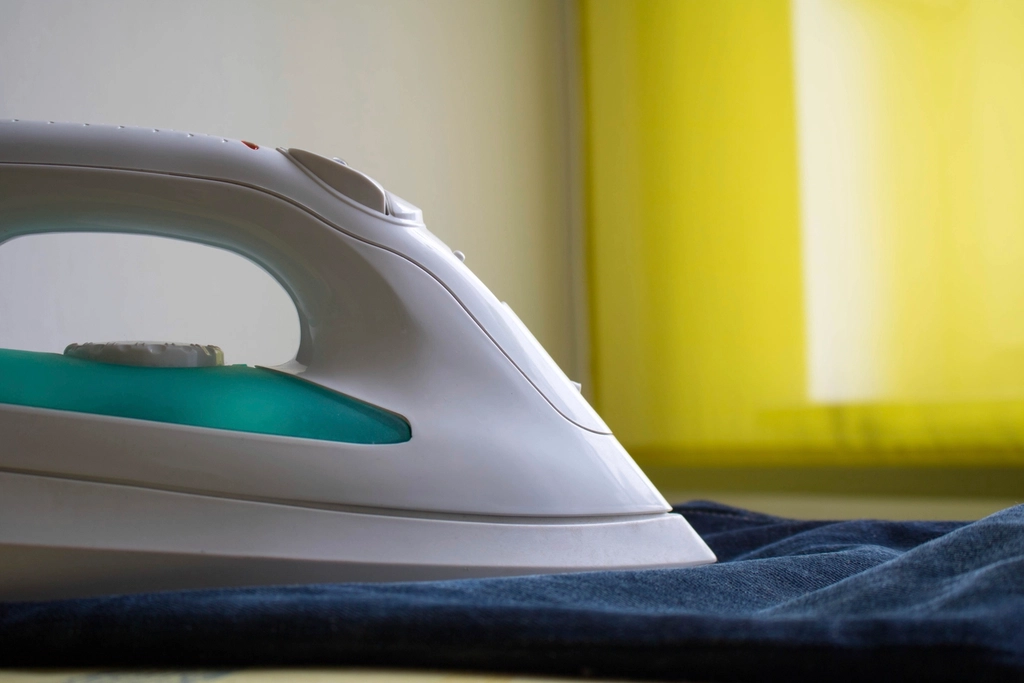

There’s something quietly impressive about the way older generations handled laundry. No elaborate appliances, no instruction manuals, and certainly no digital settings – just a damp cloth, a hot iron, and an instinct for what fabrics actually need. That combination, it turns out, was far more sophisticated than it looked.
The damp press cloth technique has been around for well over a century, documented in tailoring guides and household manuals going back to the early 1900s. Today, with garment steamers everywhere and modern steam irons packed with features, that old method is still being recommended by fabric experts and seamstresses who know their materials. It’s worth understanding why.
What the Trick Actually Is
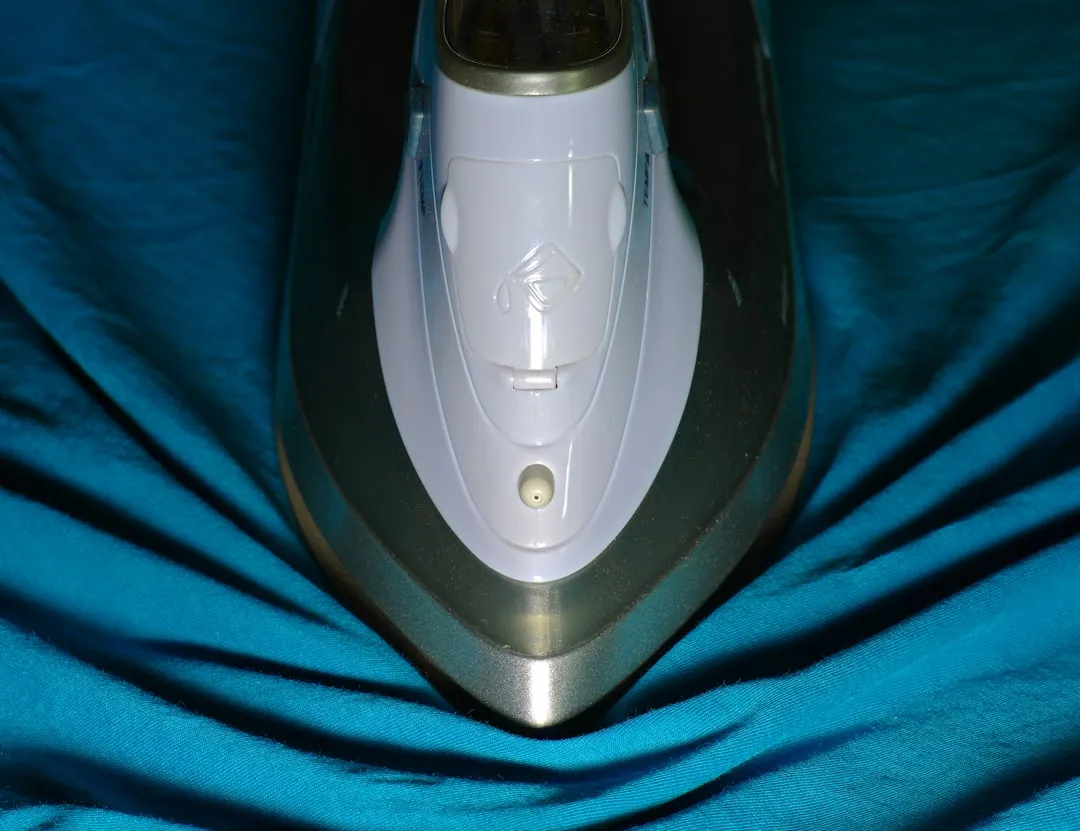
The method is simple: you dampen a piece of clean cotton fabric, wring it out, and lay it between your iron and the garment you’re pressing. A pressing cloth is a protective layer placed between the iron and the fabric to prevent direct heat contact, and this simple tool helps ensure that fabric doesn’t scorch, shine, or get damaged during the pressing process. You iron over the cloth, not directly on the garment itself.
In this technique, the material is placed face down on the ironing table, a wet cloth is laid over it, and a fairly hot iron is used. After enough pressing has been done to make the cloth nearly dry, it should be removed and the material itself pressed. The whole point is controlled moisture delivery – not a blast of steam from a nozzle, but a slow, even transfer of heat and humidity directly where it’s needed.
How the Science Behind It Works
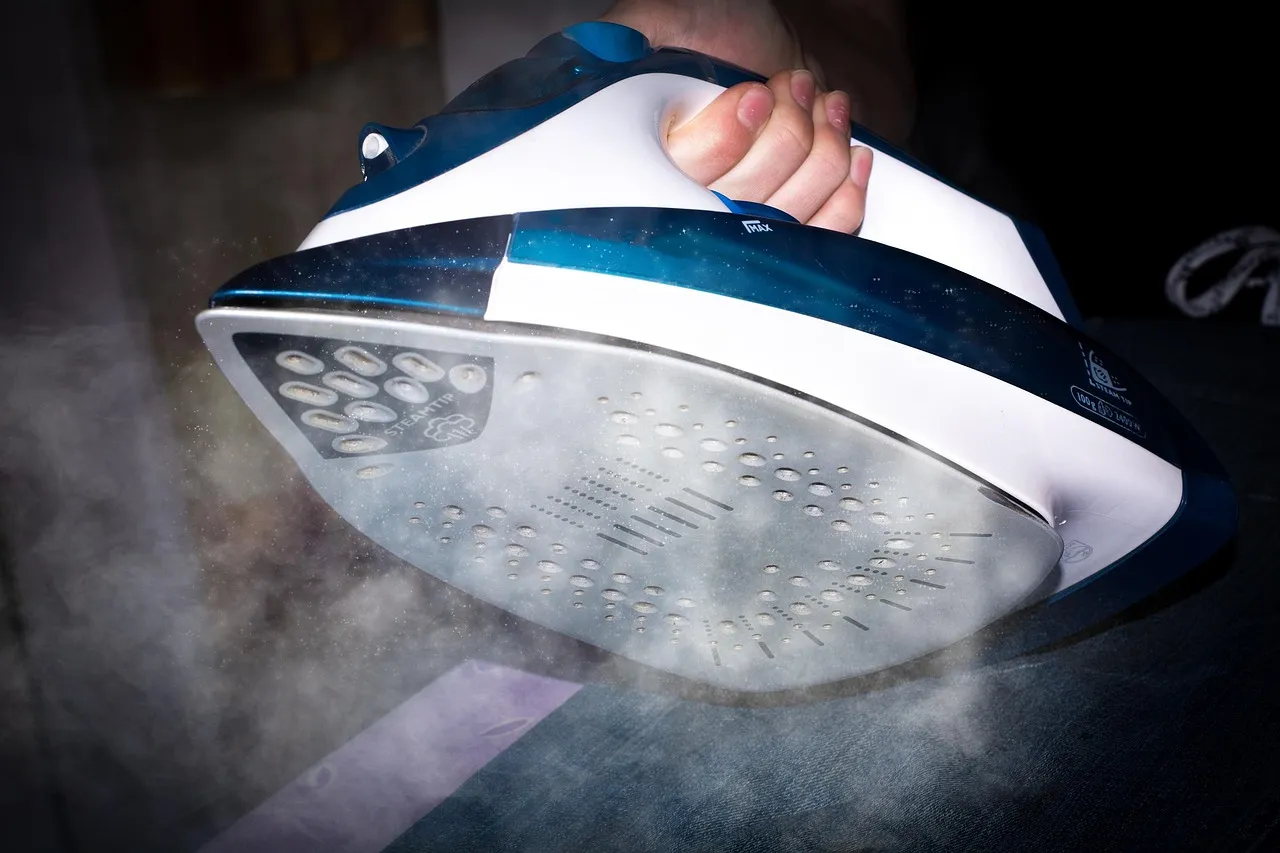
A typical modern iron heats liquid water into steam and introduces it to fabric through holes in the soleplate, causing fabric molecule bonds to loosen and stretch under the weight, heat, and motion of the iron, leading to flatter, more uniformly pressed fabric. The press cloth achieves something similar, but with more control over exactly how much moisture reaches the garment.
The pressing cloth diffuses the heat by spreading it more evenly across the surface, preventing hot spots that can lead to burns, scorch marks, or unwanted shine. Additionally, the pressing cloth allows steam to pass through, which helps relax fibers for easier shaping and smoothing without wetting or overheating the fabric. That balance – steam without saturation – is genuinely difficult to achieve with a handheld steamer alone.
Why a Damp Cloth Beats a Steamer for Sharp Results
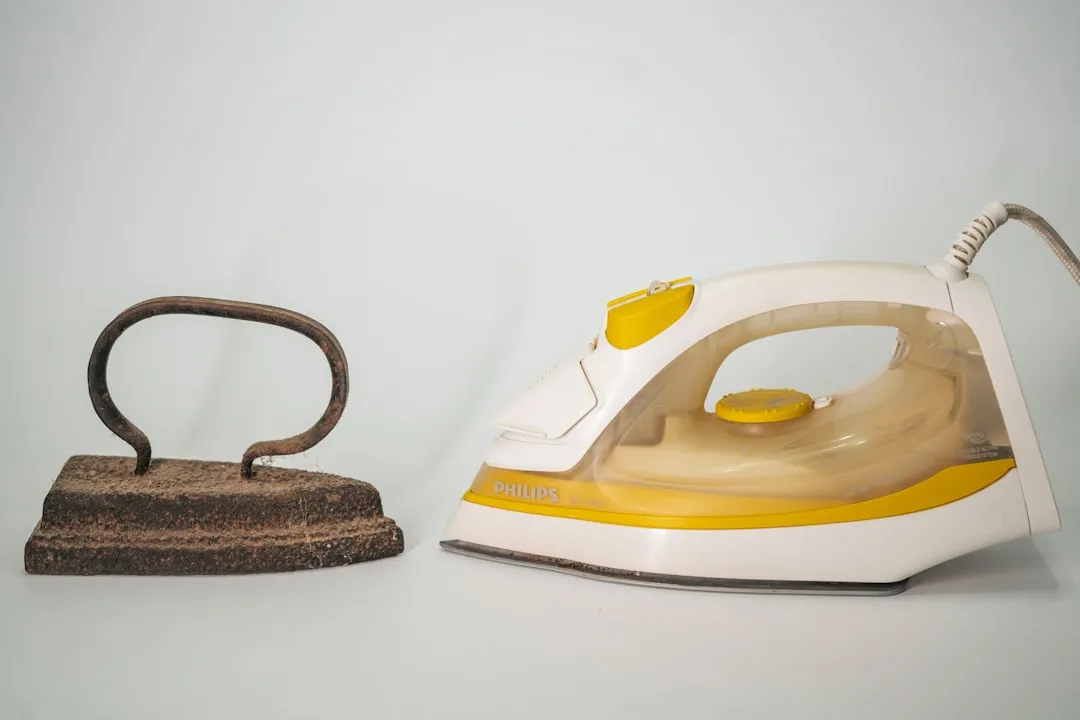
Without pressure, a steamer can relax wrinkles but can’t fully flatten them. For garments where sharpness matters – a dress shirt collar, a trouser crease, a pleated skirt – steam alone usually falls short. The press cloth method, by contrast, combines moisture with direct downward pressure, which is what actually sets a crisp line in place.
If you want a crisp, pressed finish on shirt sleeves or work slacks, an iron is the way to go, because its direct contact with the fabric allows you to press pleats and create sharp folds that are difficult to achieve with a steamer. Add a damp cloth into that equation and you get all the moisture you need without any risk of the iron running too hot for the fabric.
The Fabrics That Benefit Most
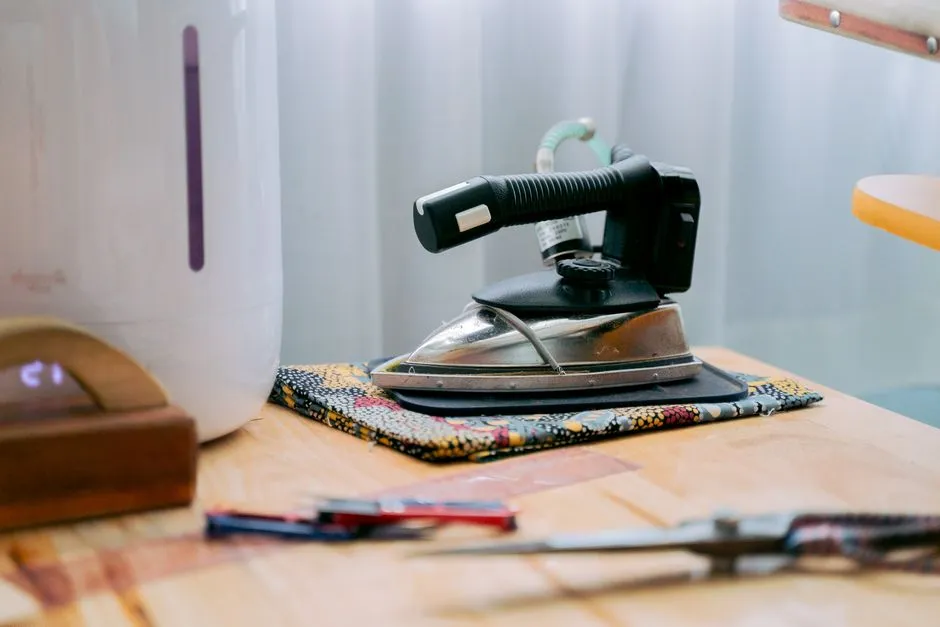
An ironing cloth should be used when working with delicate fabrics such as silk, wool, and mixed fabrics containing synthetic, man-made fibers that are more prone to scorching, shine, or melting. These are exactly the materials that trip people up with modern steamers, which can easily leave water spotting on silk or collapse the pile on certain wools.
Silk is usually pressed with a steam iron and you have to use a pressing cloth to prevent water stains. On wool, if you press without a pressing cloth you risk leaving a shine. Heavyweight materials like denim, canvas, and wool can also benefit from a pressing cloth to prevent shine and keep their structure intact during ironing. In other words, the trick works at both ends of the fabric spectrum.
What to Use as the Pressing Cloth
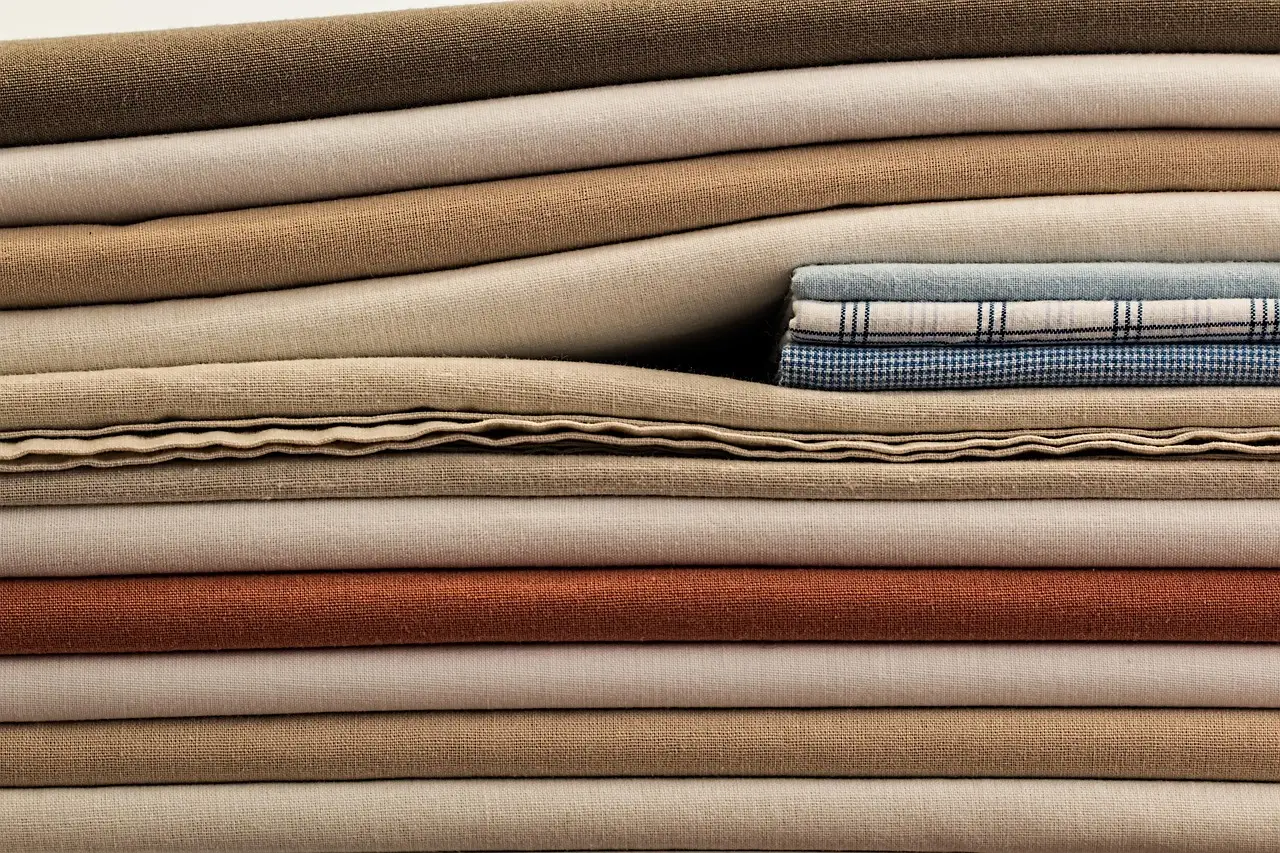
Typically made from materials like cotton, linen, or muslin, a pressing cloth allows steam to pass through while shielding the fabric underneath. A clean cotton handkerchief, a piece of muslin, or even a washed cotton pillowcase can all do the job – no special equipment required. That accessibility was part of what made it so popular in households long before fabric stores stocked dedicated pressing cloths.
Worsted wool is the best press cloth for woolen items. It can hold a large amount of water even if it feels dry, making it an ideal press cloth to deliver steam evenly. Avoid synthetic or polyester fabrics as pressing cloths because they may melt or transfer heat unevenly. Stick to natural fibers and you’ll rarely go wrong.
The Problem with Modern Steamers on Heavy Fabrics
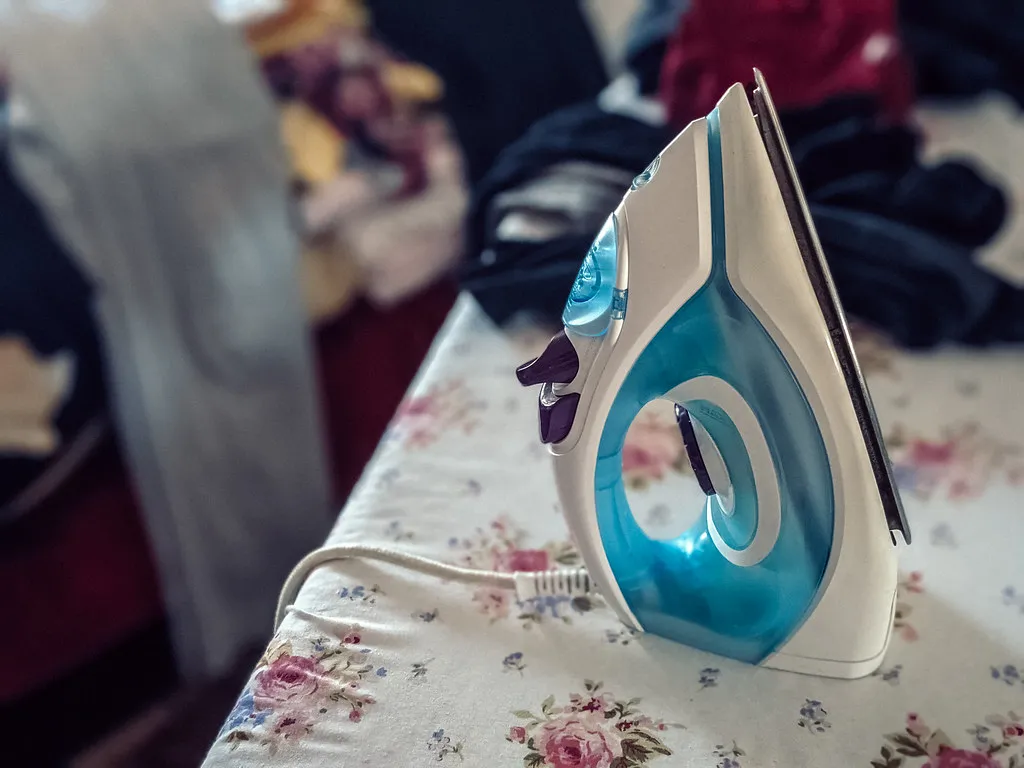
It takes longer to get wrinkles out of stronger fabrics like cotton when using a clothes steamer versus an iron. For heavy cotton shirts, dress trousers, or structured linen jackets, a steamer essentially works against time – you end up going over the same area repeatedly, which defeats the convenience argument. A damp cloth and a hot iron cuts through those wrinkles in a single firm press.
Ironing relies on direct contact with a heated metal plate that is pressed against the fabric, physically flattening the fibers and forcing wrinkles out through pressure and heat. That physical force is something no amount of steam alone can replicate. When you pair that pressure with a dampened cotton layer on top, you’re working with both heat and moisture simultaneously – precisely where the fabric needs it.
Preventing Shine and Scorch Marks
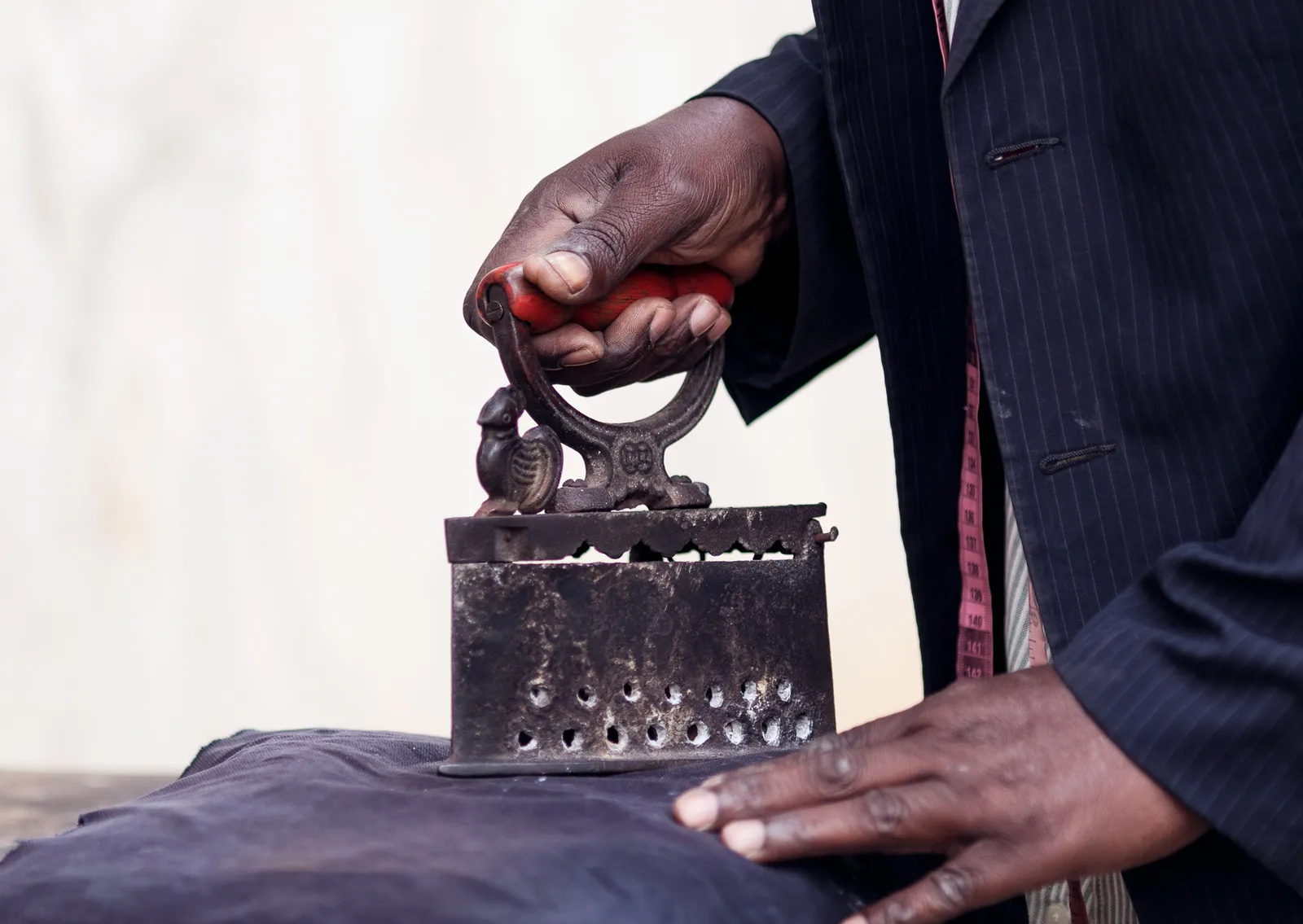
The textile material serves as an insulating medium preventing direct contact of the heated surface of the iron with the garment. The heat from the iron is transferred through the pressing cloth to the garment, but the surface of the garment is not scorched or pressed leaving a shiny surface appearance. This is the detail that professional dry cleaners and tailors have always understood.
Certain fabrics, especially wool, synthetics, and blends, are prone to developing shiny or glossy patches when ironed directly. This shine occurs because the heat flattens and compresses the fabric fibers unevenly. A pressing cloth prevents this by reducing direct contact and spreading the heat, preserving the natural texture and matte finish of your fabrics. Once a shine mark appears, it’s nearly impossible to reverse.
The Right Technique for Using a Damp Press Cloth
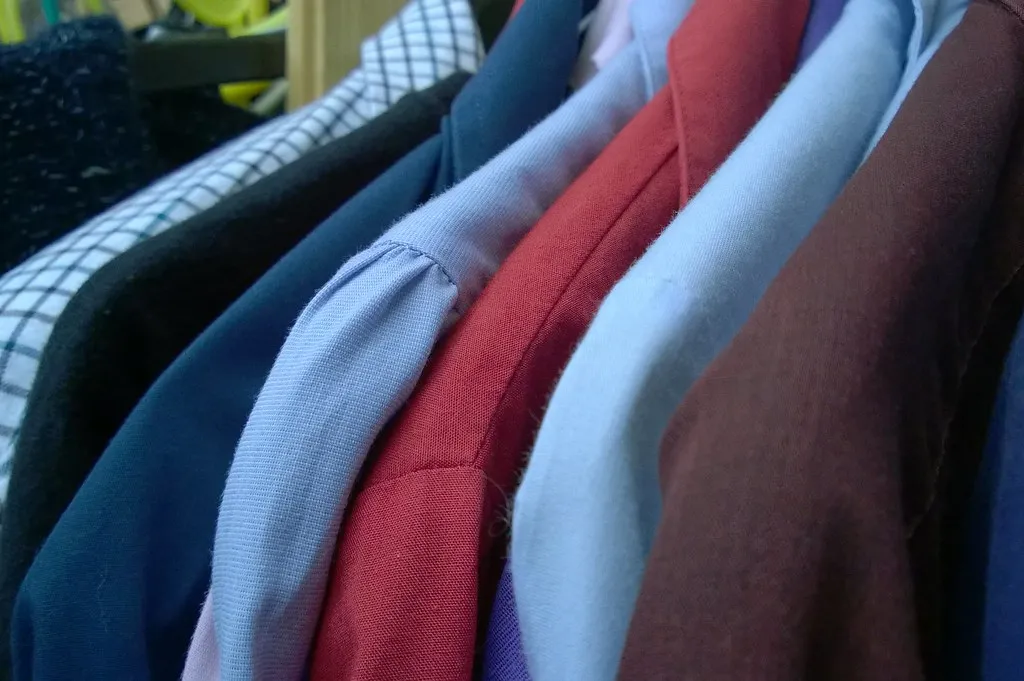
Throughout pressing, care must be taken not to rub the iron along the material in any direction, but in moving to lift it slightly, otherwise the material will follow it and wrinkle. If the material has a nap, the pressing must go with the nap. Only a small section of the material should be dampened and ironed at one time, as otherwise sections may dry before they can be pressed. Working in small sections is a discipline that pays off visibly.
Pressing means smoothing and shaping garments with heat, moisture, and pressure using an iron, and it gives items a smooth, well-made look. When performing the task of pressing, you lower and lift the iron. That lifting motion – rather than gliding back and forth – is the key difference between what grandmothers called “pressing” and ordinary ironing, and it’s why tailors still insist on it today.
Where Steamers Still Have Their Place
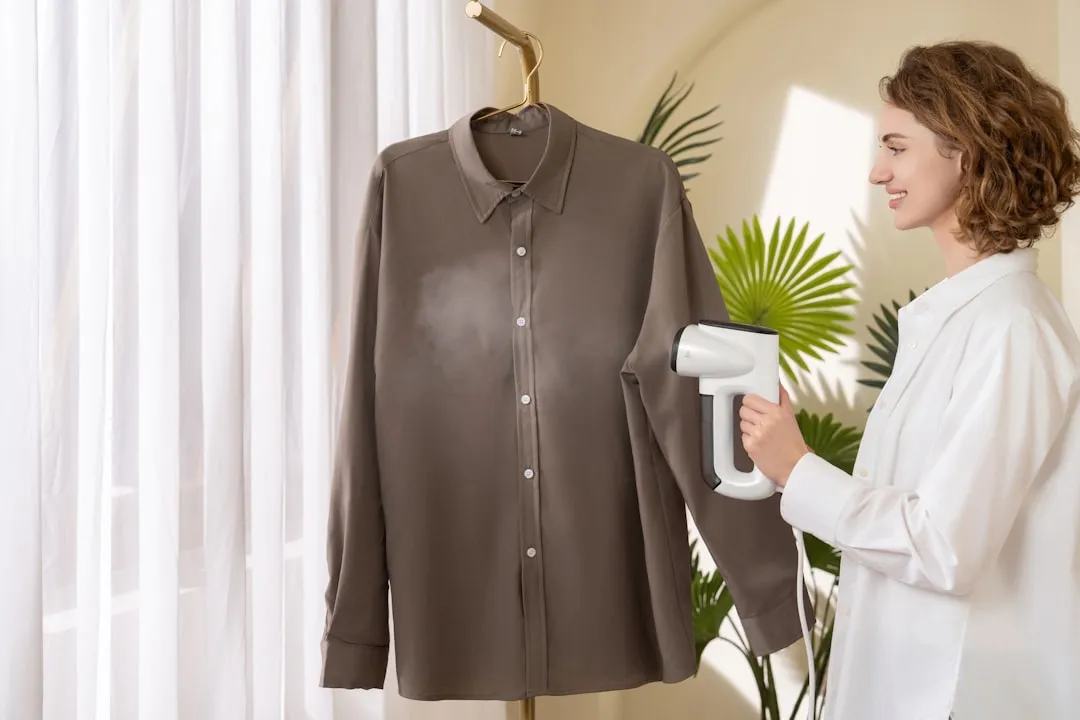
Steaming works indirectly, using hot steam to relax fibers, allowing them to swell and regain their natural shape without direct contact or pressure, making it the gentler, safer option for delicate fabrics such as silk, wool, and chiffon, as well as garments with pleats or additional embellishments such as beading. For hanging garments between washes or refreshing a jacket quickly before heading out, a steamer is genuinely useful.
If your priority is speed, convenience, and gentle care for a varied wardrobe, a handheld steamer covers most daily needs more efficiently than an iron. For refreshing garments between washes, handling delicates, or getting ready quickly without a full setup, it’s the more practical everyday tool. The honest position is that the two approaches solve different problems rather than competing directly.
Why the Old Trick Is Seeing a Quiet Revival
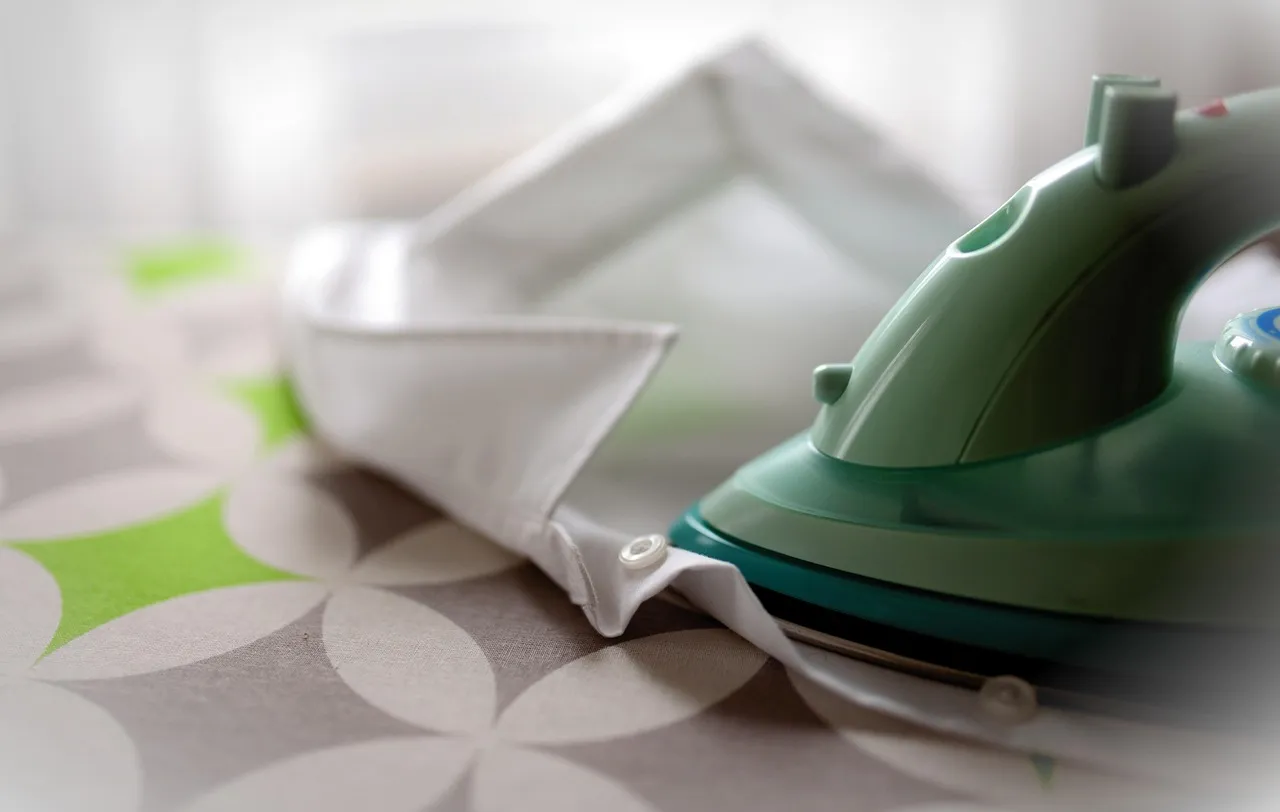
It is a traditional technique and many tailors still use this method to save the fabric from any marks. Beyond professional settings, home sewers and garment care enthusiasts have been rediscovering the damp press cloth as part of a broader interest in treating clothes well and making them last longer. In an era of fast fashion and disposable wardrobes, the economics of careful pressing suddenly look quite appealing.
The slight dampness helps the iron glide over stubborn wrinkles and press the fabric into crisp perfection without scorch marks. This technique not only enhances wrinkle reduction but also contributes significantly to proper garment care and longevity. A garment that gets pressed correctly over years simply holds its shape better than one repeatedly blasted with intense steam or ironed dry on high heat.
The Takeaway
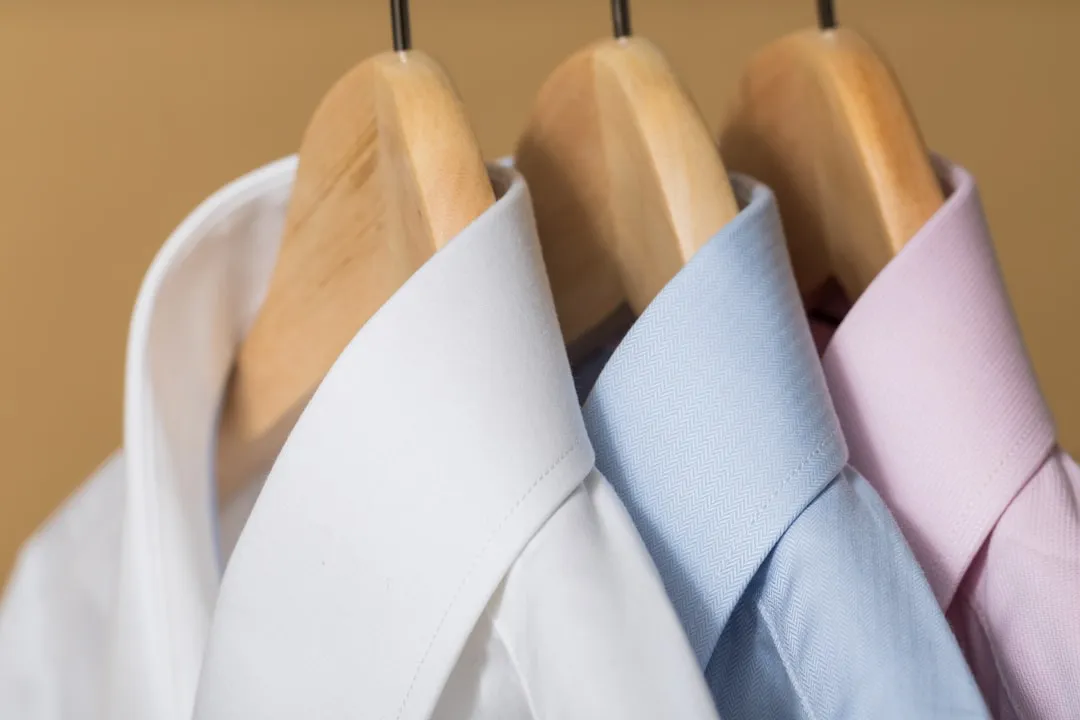
The damp press cloth isn’t a nostalgic quirk. It’s a technique that has survived because it works – because it gives you the combined power of heat, pressure, and controlled moisture in a way that neither a standalone steamer nor a dry iron can fully replicate. Fabric science has confirmed what grandmothers demonstrated in practice for generations.
Modern appliances are genuinely useful, and nobody is suggesting you abandon them entirely. The smarter approach is knowing when to reach for the old method instead. Sharp collars, wool trousers, structured linen – these respond to the press cloth in a way that feels almost immediate. That result, earned with a square of damp cotton and a firm hand, is hard to argue with.
AI Disclaimer: This article was created with the assistance of AI tools and reviewed by a human editor.