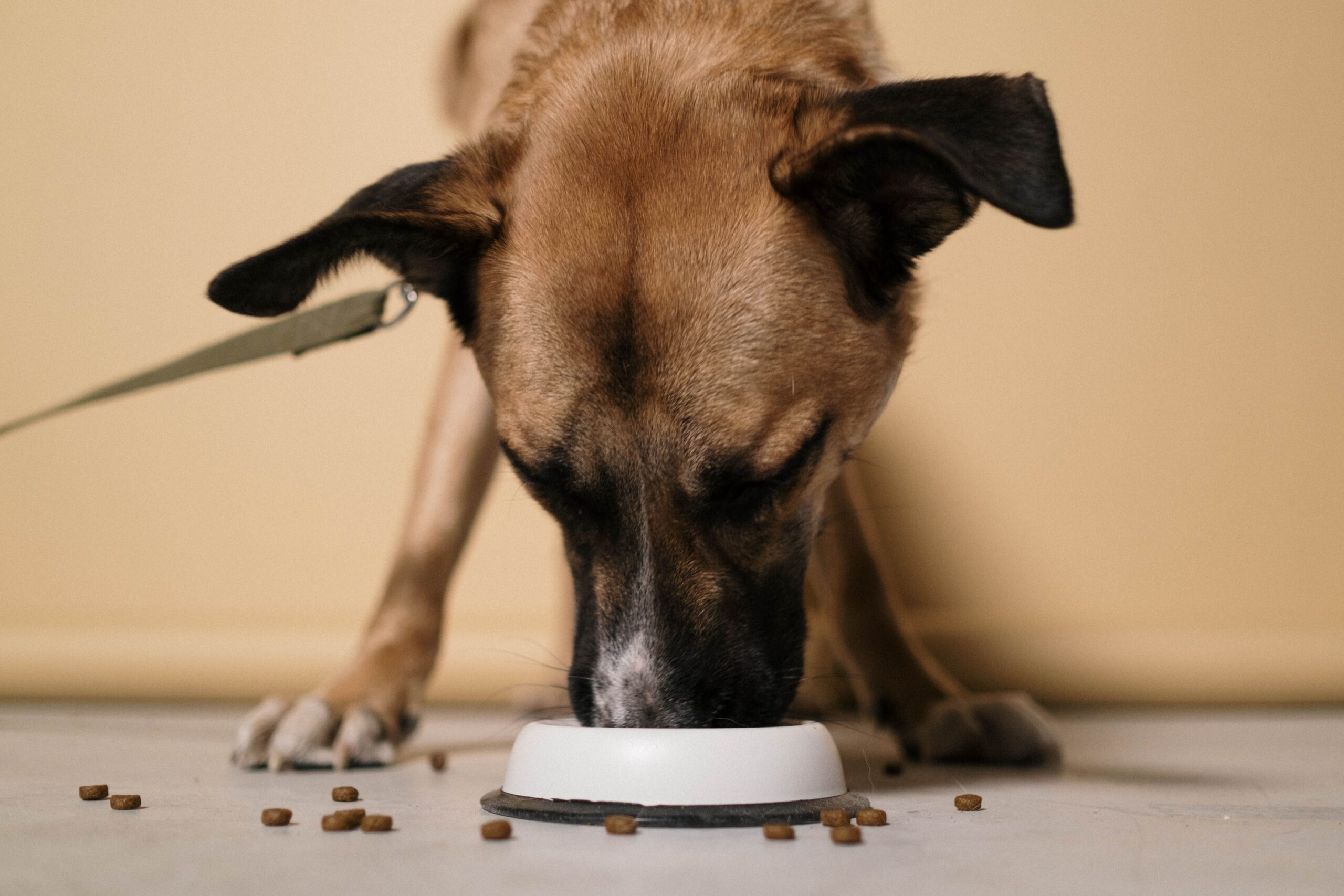

Most dog owners assume they’ve figured out mealtime. Two bowls a day, same spot, maybe a treat thrown in. Done. Yet what’s happening inside that routine, and how it actually affects a dog’s digestion, cognition, and long-term health, turns out to be more nuanced than most people realize.
The science of canine nutrition has moved faster than the average pet owner’s habits have kept pace with. Research from the last few years is now directly challenging some of the most common feeding assumptions, and the gap between what we think helps and what actually does has veterinarians paying closer attention.
The “Two Meals a Day” Default and Where It Came From

The most common recommendation has long been to feed your dog at least two meals per day, and there are a few reasons for this. For most households, breakfast and dinner simply mirror the owner’s own schedule. People often feed their dogs twice per day to mimic their own feeding times for breakfast and dinner, after all, dogs are part of the family.
That social logic isn’t wrong, but it isn’t based in canine biology either. The twice-daily norm became widespread mostly through habit and convenience rather than clinical evidence. Canine nutrition can feel like an impossible labyrinth to navigate, whether you’re a first-time dog owner or not.
What a Major Study on 24,000 Dogs Actually Found

A large-scale study conducted by the Dog Aging Project and led by researchers at the University of Arizona analyzed data from 24,238 companion dogs. The findings were striking enough to make headlines across veterinary and mainstream science media. According to the research, adult dogs that are fed only once per day tend to score significantly better across several indicators of health, compared with dogs that are fed more often.
The findings showed that adult dogs fed just once daily had better cognitive scores and were less likely to suffer from a range of chronic health conditions compared to dogs fed more frequently, specifically showing reduced risk across nine major health categories including dental and oral disease. Researchers found that dogs fed once daily performed better on cognitive function surveys and were also less likely to develop gastrointestinal, dental, orthopedic, kidney, or liver issues and diseases.
Why the Once-a-Day Finding Doesn’t Mean You Should Switch Tomorrow

A study that made headlines found an association between dogs who were fed just once a day and a lower likelihood of having a variety of health problems. However, one of the study’s authors, Matt Kaeberlein, Ph.D., Professor at the University of Washington School of Medicine, says this correlation should not spur owners to change their dogs’ feeding schedules.
While the findings suggest that the kinds of benefits seemingly delivered by time-restricted eating might also extend to companion dogs, the researchers emphasize that the results only show an association and do not demonstrate causality, meaning we can’t conclude that lower frequency of feeding actually causes better health in dogs. For example, dogs fed once a day may simply be less likely to be obese, and obesity is associated with a variety of health risks in both dogs and humans.
Free Feeding: The Habit That Can Quietly Cause Harm
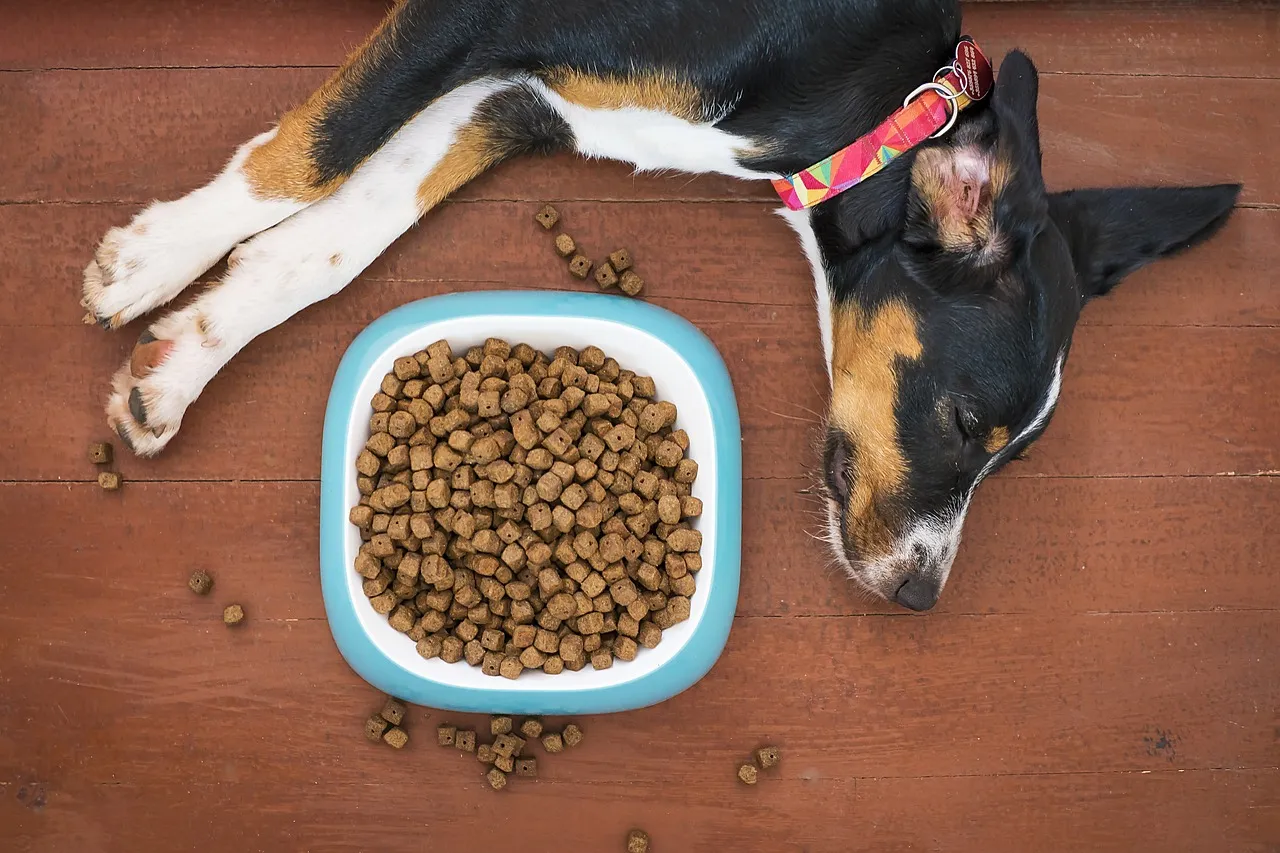
Free-feeding, which means leaving food out all day, can lead to overeating and obesity. You should only free-feed a dog if a vet specifically recommends it. The problem runs deeper than weight alone. The most underrated risk of free feeding is the diagnostic blind spot it creates. A healthy dog eats their meals consistently. When a scheduled feeder skips a meal, the owner knows within hours. When a free feeder skips a meal, the owner might not notice for a day or two because the bowl still has food in it.
Skipped meals are the earliest sign of many serious conditions including dental abscesses, pancreatitis, gastric dilatation volvulus, hepatic lipidosis, kidney disease, and various cancers. That early warning system simply disappears when food is always available.
Puppies Need a Completely Different Approach

Puppies need to eat two to four times a day until they reach a year old. Their nutritional demands and digestive capacity are genuinely different from those of adult dogs. Puppies need nutrients regularly to grow, but their bellies are smaller, so feeding several small feedings throughout the day is a good idea. This makes it easier for puppies to digest their food and helps keep energy levels consistent.
The most effective method for feeding growing puppies is providing food-restricted meals. This can help control a puppy’s growth and physical condition. Letting a puppy graze freely during their growth phase is one of the most common mistakes new owners make, and its effects can show up months later.
Senior Dogs Often Need the Schedule to Change Again

Older dogs may need to go back to smaller meals with more frequency, particularly if they develop sensitive tummies over time. Digestive efficiency tends to shift with age, and a schedule that worked well at three years old may not serve a ten-year-old dog as well. The underlying principle stays the same though: consistency matters at every life stage.
To feed dogs correctly, it is necessary to know how much energy they require each day. However, the standard energy recommendations found in textbooks and guidelines may not always match those observed in real-life clinical settings. Senior dogs are where that gap tends to show up most clearly.
Consistency in Timing Matters More Than Most Owners Realize
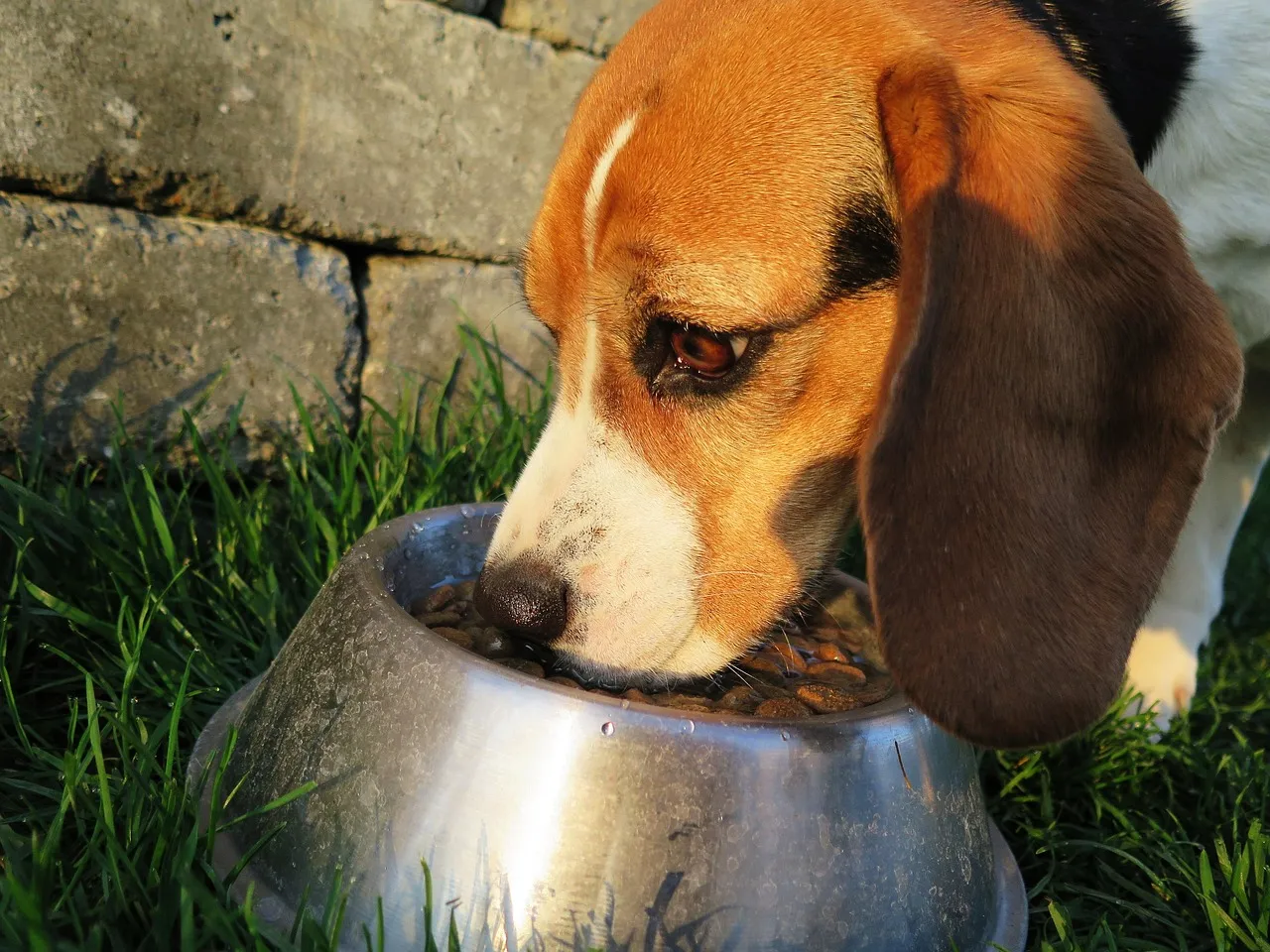
Feeding your dog at the same times each day helps regulate digestion and metabolism. Consistent schedules also reduce anxiety around food and support canine gut health. Dogs are remarkably tuned to time. Many will begin anticipating a meal fifteen to thirty minutes before it arrives, which tells you something about how deeply routine is wired into them.
Dogs are creatures of habit. We can use this fact to our advantage by creating a regular feeding schedule and sticking to it. A regular feeding schedule helps with house training puppies as well as adult rescue dogs who have not been taught household manners. The behavioral benefits of a fixed schedule are often overlooked entirely in conversations that focus only on nutrition.
Bloat, Meal Size, and Why Large Breeds Need Extra Thought

Commonly known as bloat, gastric dilatation-volvulus is a potentially life-threatening condition of dogs in which the stomach rapidly expands with gas, food and fluid and twists on itself, trapping stomach contents. It’s one of the most feared emergencies in veterinary medicine, and meal structure plays a genuine role for vulnerable dogs. The condition occurs most commonly in large, deep-chested dog breeds such as German Shepherds, Great Danes, and Doberman Pinschers, though even small and medium breed dogs with a deep chest conformation can develop GDV.
Two to three small meals should be fed daily, instead of one large meal, to reduce the volume of food in the stomach at one time. For these breeds specifically, a once-daily feeding approach could actually work against the dog’s safety, which is exactly why blanket advice about feeding frequency breaks down without knowing the individual animal.
Portion Size Confusion: How Much Is Actually Enough?
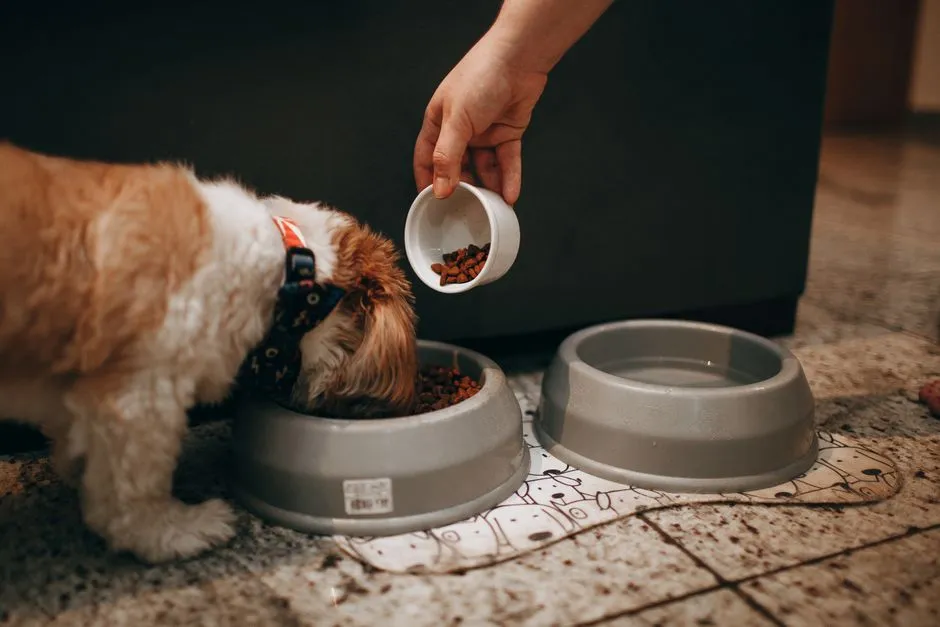
Veterinarians recommend feeding your dog when you can walk them shortly afterward. Ask a vet for dog food recommendations and portion sizes, as these will depend on your dog’s age, weight, activity level, and medical conditions. The bag guidelines on commercial food are a starting point at best, not a prescription.
Only about eight percent of pet parents reported feeding their animals once a day, while just under 75 percent fed them twice. That spread is significant, because it shows that the majority of dogs live on a twice-daily schedule by default, not by design. Every dog is unique, so an individualized approach is key. Consider your dog’s age, health status, lifestyle, and preferences when planning meals.
What Vets Actually Recommend Right Now
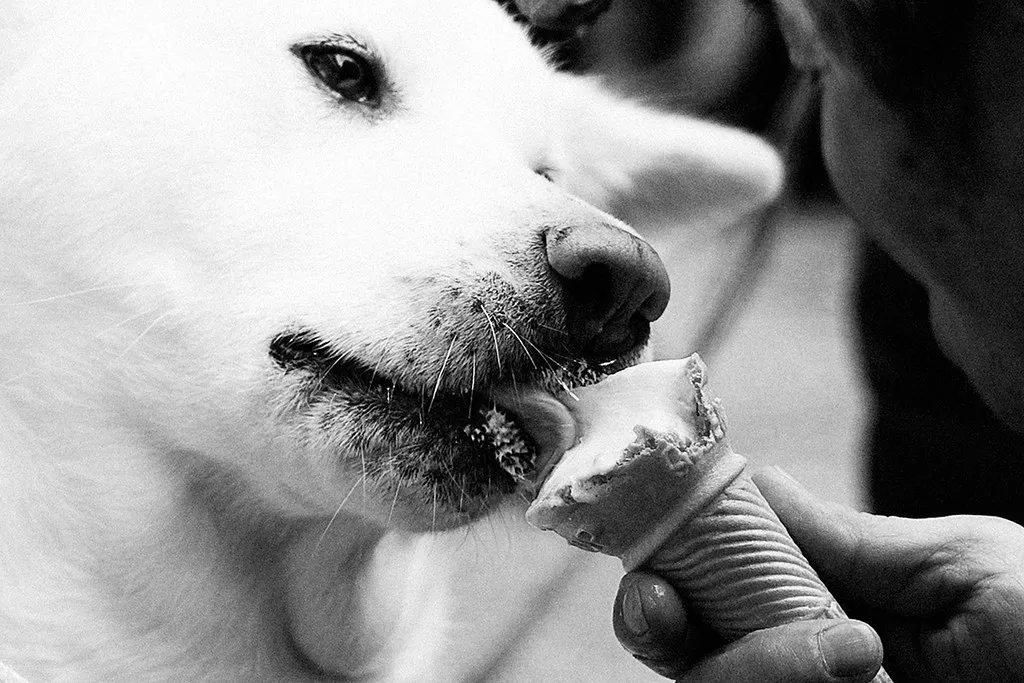
New research suggests there could be health, cognitive function, and longevity benefits to feeding a dog once a day. Although the large-scale project analyzing the findings is only in its preliminary stages, and changing your dog’s feeding schedule based solely on the initial research would be premature, it provides compelling food for thought.
Exceptions for twice-daily or more frequent feeding include situations where pills need to be taken multiple times a day with food, or to reduce risks associated with certain health conditions such as bloat, canine diabetes, and bilious vomiting syndrome, or to maintain the energy levels of high-activity sporting or working dogs. In other words, frequency is always secondary to the specific dog in front of you.
Consistency in meal timing, careful observation of your dog’s body condition and appetite, and incorporating veterinary guidance ensure that feeding supports both short-term wellness and long-term health. Dogs thrive when their diet and routine are predictable and balanced, and small adjustments can make a significant difference.
The Takeaway

The feeding schedule that confuses most dogs isn’t one single routine. It’s the inconsistent one, the one that shifts with the owner’s workweek, ignores life stage, or mistakes “always available food” for adequate care. The science points in a nuanced direction: structure matters, timing matters, and what works for one dog may genuinely not work for another.
The most useful thing any owner can do is treat their dog’s feeding routine as something worth reviewing, not just repeating. A conversation with a veterinarian, not a pet food label, is still the most reliable place to start that process.
AI Disclaimer: This article was created with the assistance of AI tools and reviewed by a human editor.