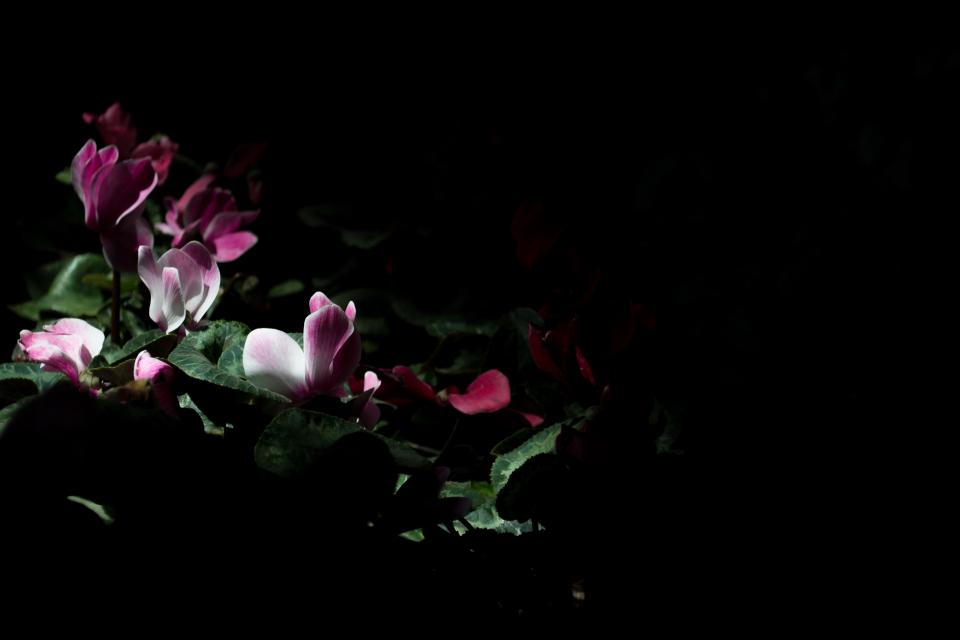

Walk through a garden at dusk and you might notice something strange: a scent that wasn’t there an hour ago. It arrives without warning, rich and sweet, drifting from a plant that seemed entirely unremarkable in daylight. This isn’t coincidence, and it isn’t your imagination.
The plants doing this have had millions of years to fine-tune the timing. What seems mysterious turns out to be one of nature’s more elegant pieces of engineering, rooted in chemistry, evolution, and a surprisingly precise internal clock.
It’s All About Who’s Awake
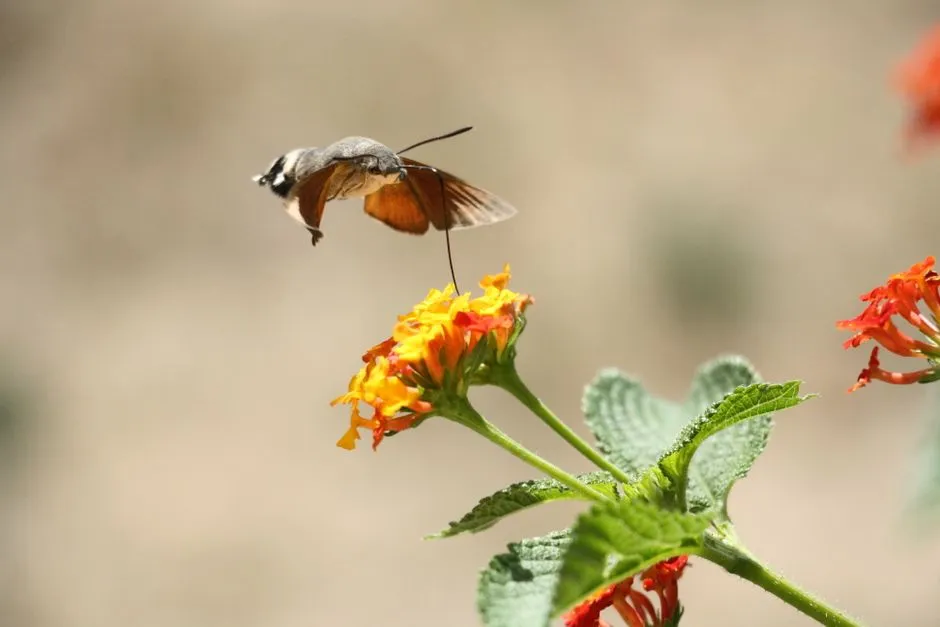
The most direct explanation is also the most compelling: flowers smell for their pollinators, not for us. Plants tend to emit the most fragrance during the time of day when the insects they use for pollination are active. That logic runs cleanly from cause to effect. Plants that maximize their output during the day are primarily pollinated by bees or butterflies, whereas those that release their fragrance mostly at night are pollinated by moths and bats.
This division of labor is sharper than most people realize. The strength and composition of a flower’s scent can change throughout the day, which is reflective of the activity patterns of their target pollinators. The scent isn’t constant. It’s scheduled.
The Chemistry Behind the Fragrance
The aroma of flowers is made up of various volatile organic compounds (VOCs), which are small, high-energy molecules that evaporate easily and can travel through the air to reach the olfactory receptors of pollinators. These VOCs include a range of chemical groups such as terpenes, benzenoids, and aliphatic compounds, each contributing differently to the overall fragrance of a flower.
Scent is typically a complex mixture of low molecular weight compounds emitted by flowers into the atmosphere. Although flowers can be identical in their color or shape, there are no two floral scents that are exactly the same because of the large diversity of volatile compounds and their relative abundances and interactions. The chemistry is genuinely intricate, and timing the release of these compounds is what separates a day-blooming rose from a night-blooming jasmine.
The Circadian Clock Inside the Flower
Plants have an internal biological clock, and it directly governs when scent is released. Research published in Frontiers in Plant Science confirmed that a clear 24-hour rhythm was observed, with scent occurring during the time periods corresponding with what would be night. This work clearly demonstrated that Cestrum nocturnum plants utilized the circadian clock to time floral scent emission.
To successfully recruit pollinators, plants often release attractive floral scents at specific times of day to coincide with pollinator foraging. This timing of scent emission is thought to be evolutionarily beneficial to maximize resource efficiency while attracting only useful pollinators. The plant isn’t just responding to darkness passively. It’s anticipating it. Plants maintain their side of this temporal relationship by emitting scent only during specific times of day, which corresponds with the activity periods of the pollinators.
How Light Suppresses Daytime Scent
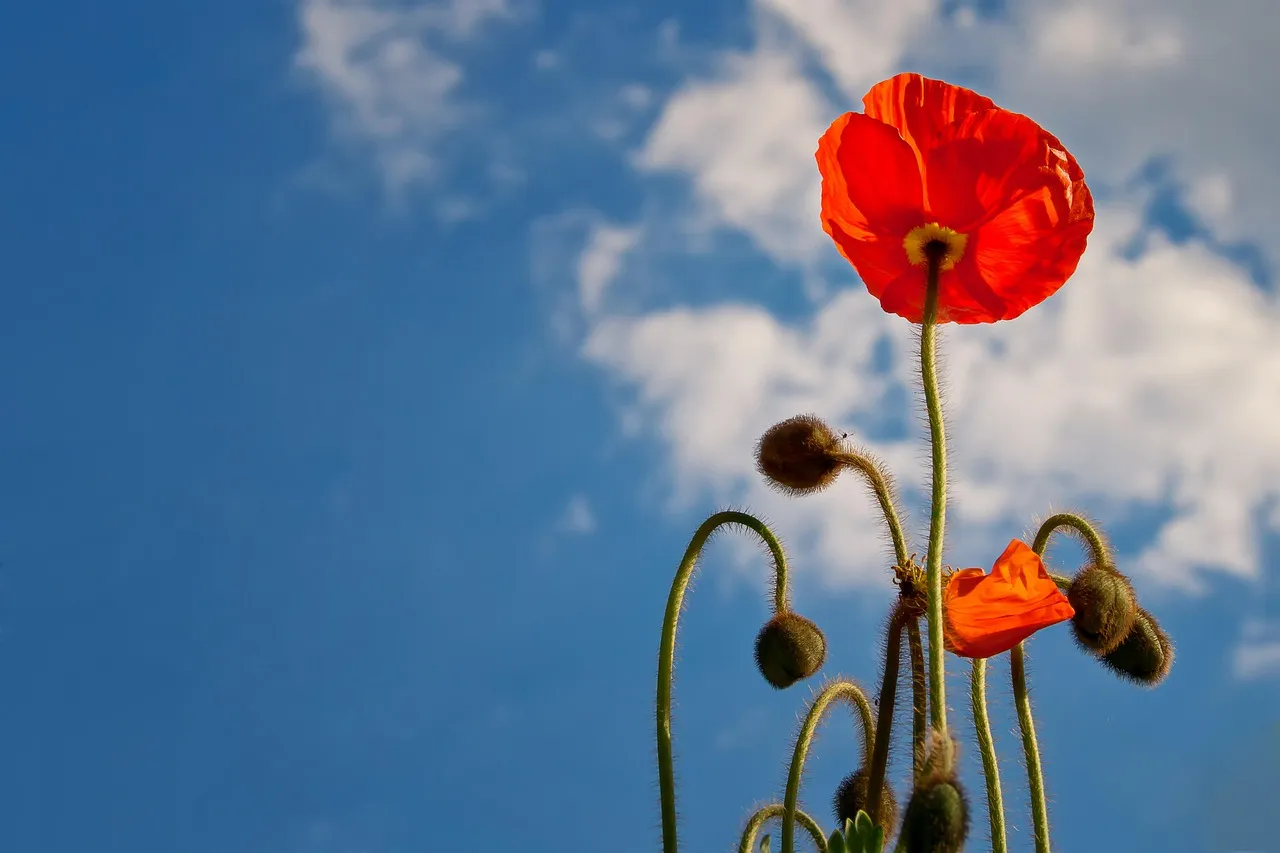
Light itself plays an active role in regulating fragrance. Light directly affects floral scent emission. Plants treated with various light intensities and light wavelengths show fluctuation changes of their volatiles. In other words, sunlight can effectively suppress or alter the release of certain aromatic compounds during the day.
Floral scent emission usually oscillates with the circadian rhythm in parallel with insect activity. For example, petunia emits fragrance mostly at night and less during the day, indicating a nocturnal rhythmic pattern. The removal of that daytime light signal is part of what triggers the evening surge in fragrance. It’s less that darkness “turns on” the scent, and more that daylight was holding it back.
Scent as a Long-Distance Navigation Tool
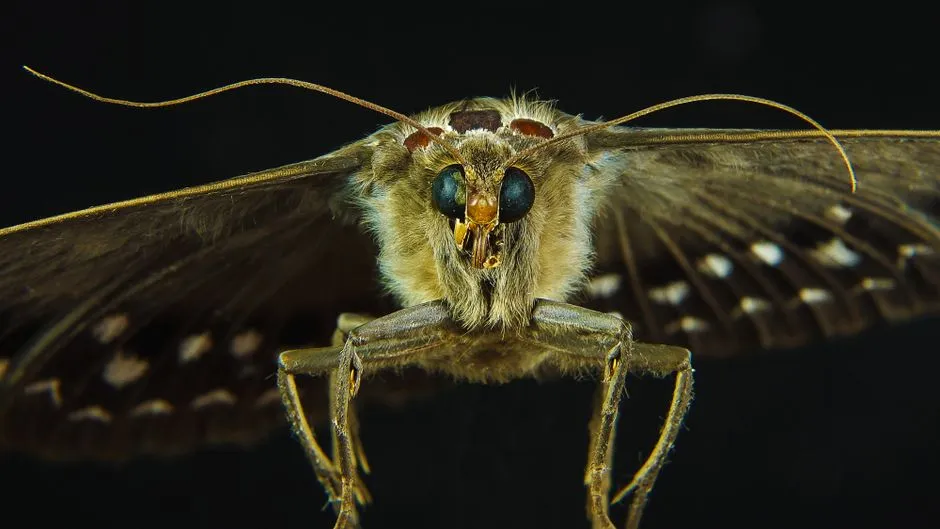
After dark, visual cues become nearly useless over any meaningful distance. This is where scent takes over as the primary communication channel between plant and pollinator. At night, visual cues become less effective over long distances, making chemical cues essential in attracting pollinators close enough that both senses can be used to determine the exact location of a flower.
Volatiles emitted from flowers function as both long- and short-distance attractants and play a prominent role in the localization and selection of flowers by insects, especially moth-pollinated flowers, which are detected and visited at night. Nocturnal insects including moths such as hawk moths and tobacco hornworms depend on the pleasant scents of gardenias, honeysuckles, lilacs, jasmine, and most night bloomers to guide them long distances to nectar sources.
The Pale Flower Strategy
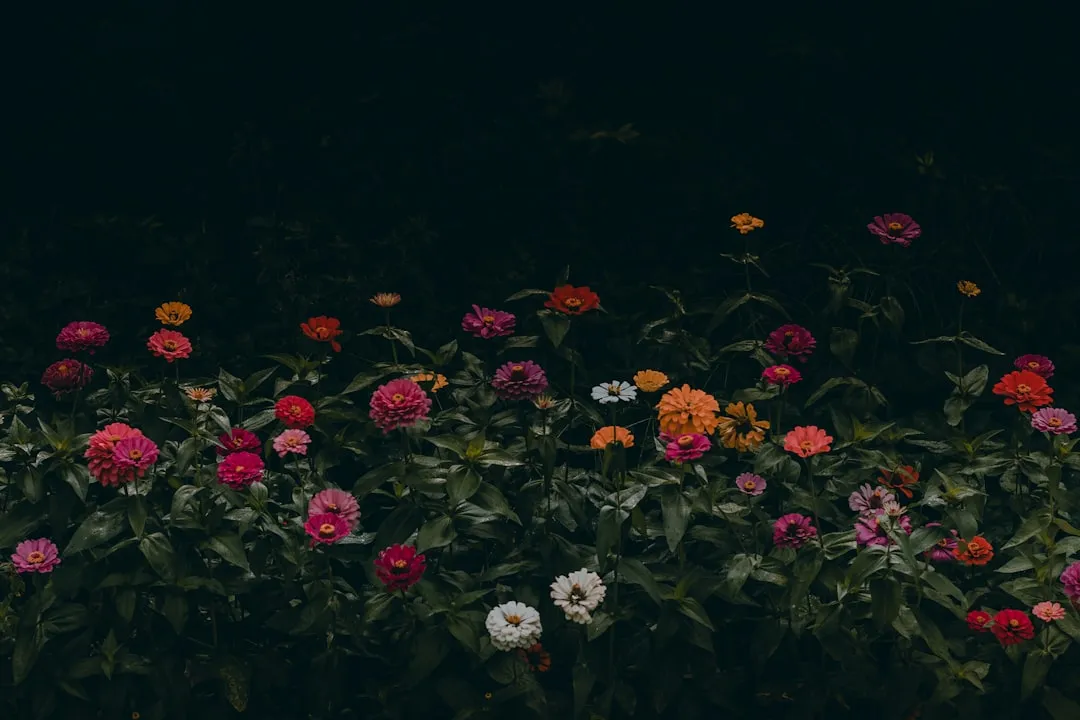
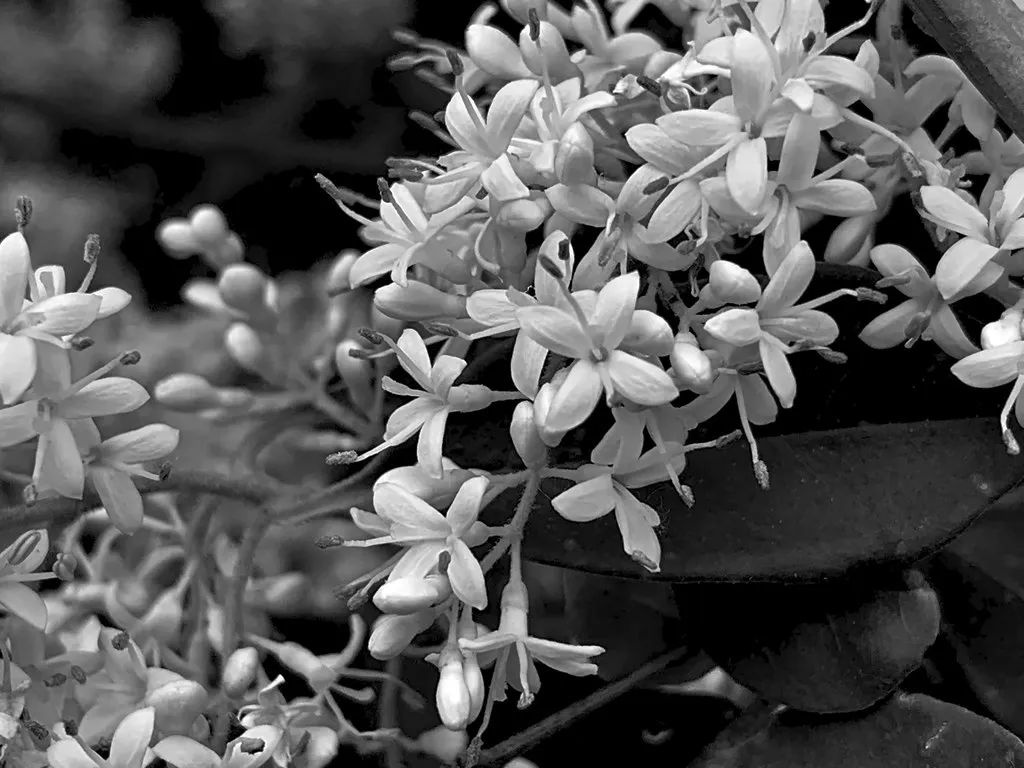
Nocturnal flowers don’t just smell differently from their daytime counterparts. They also look different, by design. These nocturnal flowers often feature pale or white blooms that reflect moonlight and emit strong, sweet fragrances to attract their nighttime visitors. Color and scent work together, even at night.
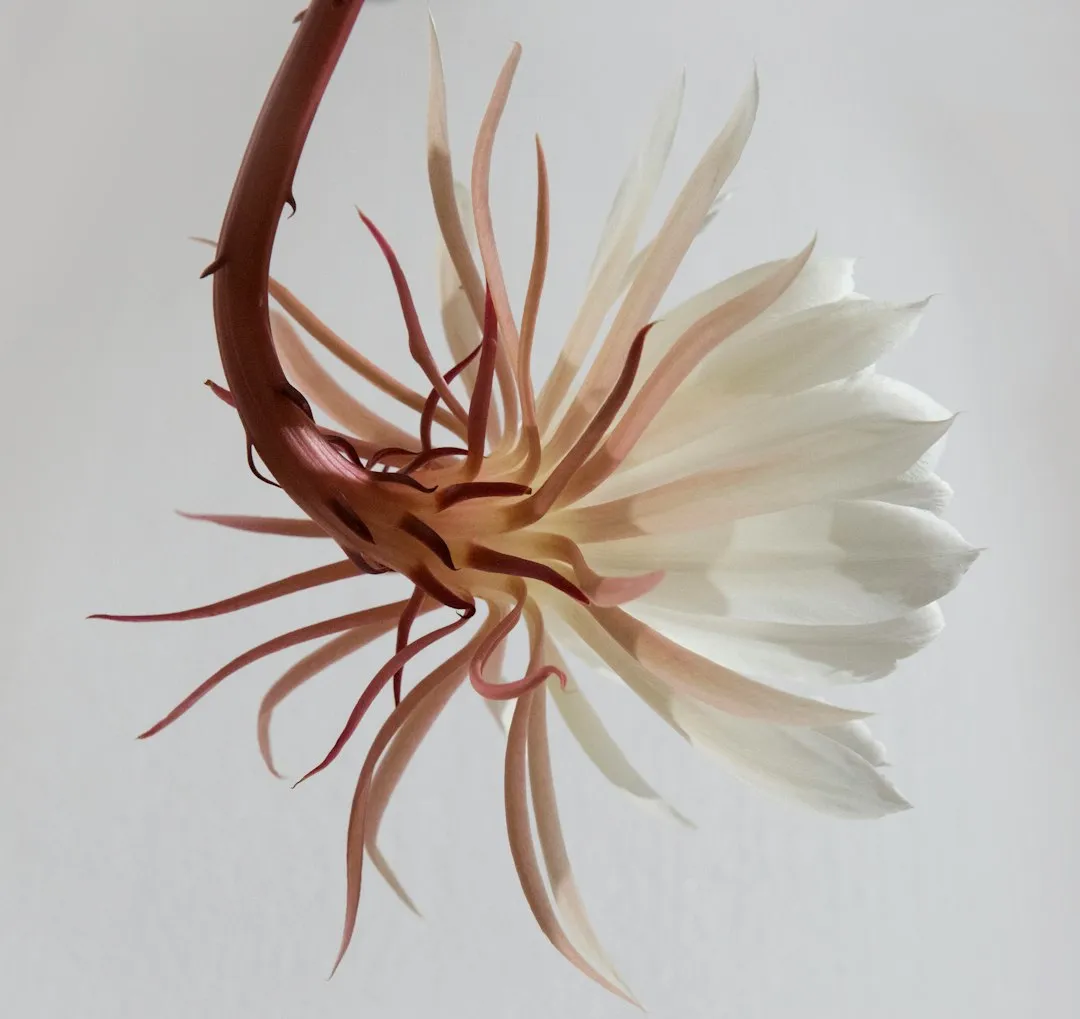
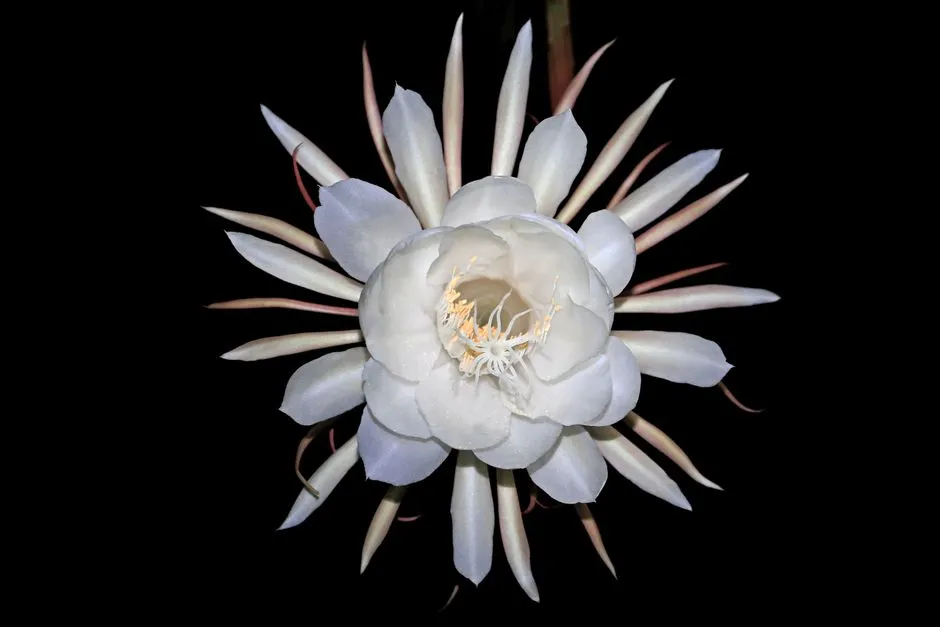
The paleness matters because it maximizes whatever ambient light is available. Moths tend to favor white or pale flowers with strong, sweet, nighttime scents, such as jasmine. Some notable examples include the night-blooming cereus, whose flowers open only once a year for a single night, and Angel’s Trumpet, which emits a sweet, intoxicating fragrance that intensifies after dark, strong enough that it lingers in the night air.
Co-Evolution Between Flowers and Their Nighttime Visitors
This intricate ecological interaction often leads to a high degree of specialization, where certain flowers are pollinated by only one type of animal, which in turn relies heavily on that flower for sustenance. That mutual dependence is what drives the evolutionary pressure for precise scent timing. A flower that releases its fragrance during the wrong hours simply doesn’t get pollinated.
The scent’s composition and strength often align with pollinator activity patterns, and this co-evolutionary relationship ensures the plant’s reproductive success by facilitating pollen transfer. Over generations, the plants that timed their fragrance best produced the most seeds. The ones that didn’t faded out. What we see today is the result of that long filter.
Scent Timing Also Conserves Resources
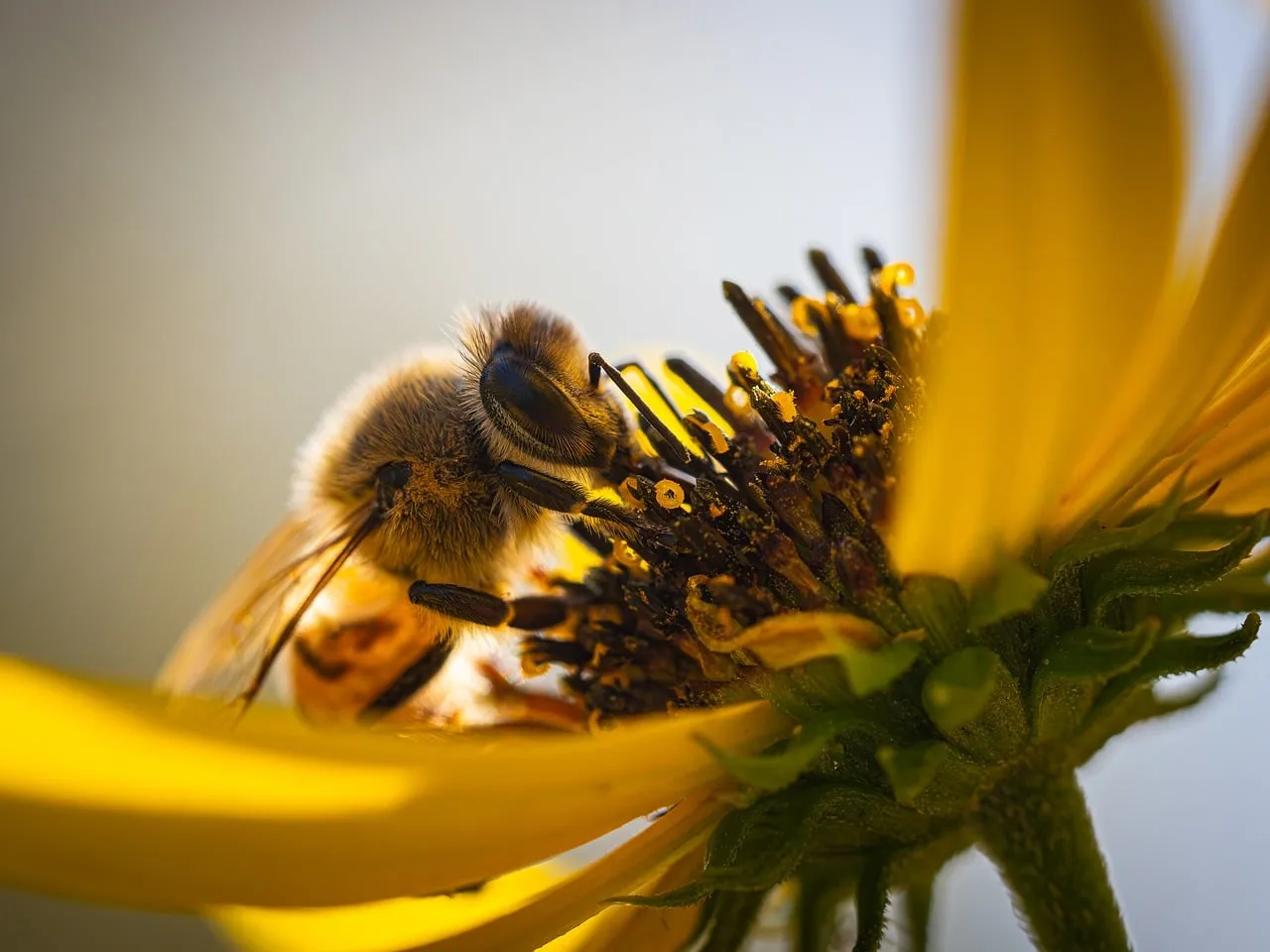
Producing aromatic compounds is metabolically expensive for a plant. It makes little sense to burn energy broadcasting a scent when none of its target pollinators are active. This timing of scent emission is thought to be evolutionarily beneficial to maximize resource efficiency while attracting only useful pollinators. Temporal regulation of scent emission is tied to the activity of the specific metabolic pathways responsible for scent production.
Plants maintain their side of this temporal relationship by emitting scent only during specific times of day, which corresponds with the activity periods of the pollinators. This timing of scent release likely allows for efficient resource utilization, as well as limiting the visibility of the plant to herbivores. That last point is worth noting: dialing down scent during the day may also reduce the plant’s attractiveness to insects that eat it rather than pollinate it.
Air Pollution Is Now Disrupting Nighttime Scents
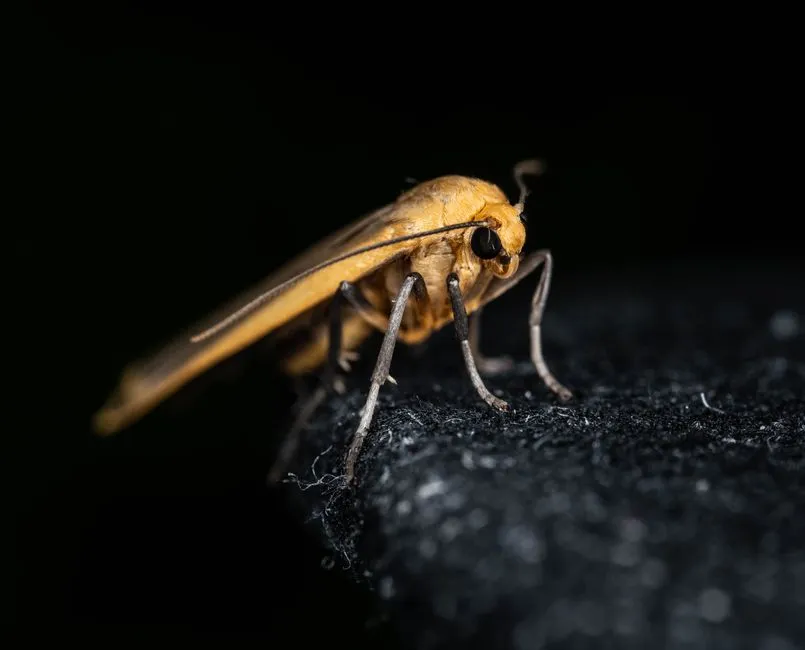
A landmark 2024 study published in the journal Science found a serious modern threat to this ancient system. Researchers discovered a major cause for a drop in nighttime pollinator activity. They found that nitrate radicals (NO3) in the air degrade the scent chemicals released by common wildflowers, drastically reducing the scent-based cues that nighttime pollinators rely on to locate the flower. In the atmosphere, NO3 is produced by chemical reactions among nitrogen oxides, which are themselves released by the combustion of gas and coal from cars, power plants, and other sources.
A subset of the chemicals known as monoterpene compounds were largely responsible for the scent, and further tests showed that nitrate radicals decimated the levels of these compounds. The consequence for pollinators is dramatic. In field experiments, the team showed that moths visited a fake flower emitting unaltered scent as often as they visited a real one. But if they treated the scent first with NO3, moth visitation levels dropped by as much as seventy percent.
Artificial Light Is Adding to the Problem
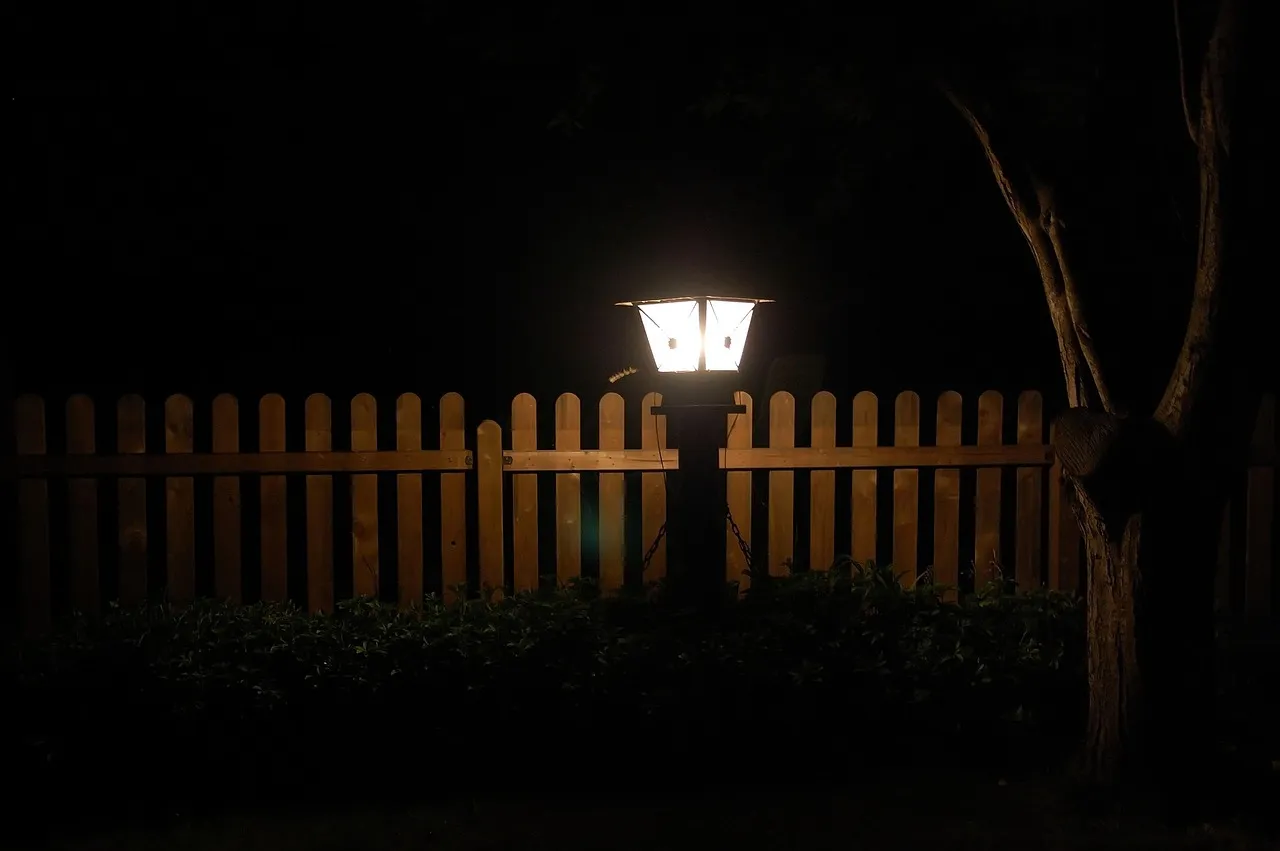
Air pollution isn’t the only modern pressure threatening nighttime pollination. Artificial light at night (ALAN) is compounding the disruption from a different angle. Research published in the Journal of Experimental Biology in 2026 found that diel patterns in floral scent emission, which are critical for guiding nocturnal foragers, can be disrupted by artificial lighting, diminishing flower detectability and attractiveness.
ALAN disrupts sensory and behavioural processes in nocturnal pollinators, reducing night-time pollination efficiency. Although diurnal species may continue to visit flowers, they often cannot compensate for the loss of nocturnal services. In many plants, nocturnal and diurnal pollinators serve complementary, not redundant roles. Losing nighttime pollination isn’t simply offset by daytime visitors picking up the slack. The two systems are distinct, and both matter.
The Bigger Picture Worth Sitting With
The story of why some flowers smell strongest after dark turns out to be a story about timing, chemistry, co-evolution, and increasingly, fragility. What plants and moths worked out over millions of years is now under pressure from forces that didn’t exist a century ago. Global atmospheric models of floral scent oxidation reveal that pollinators in certain urban areas may have a reduced ability to perceive and navigate to flowers.
The evening fragrance from a jasmine or a night-blooming cereus isn’t just pleasant. It’s a signal that has to travel through the right air, at the right hour, to the right creature. Every piece of that system is finely tuned. The next time a garden smells sweeter after sundown, that’s not magic, it’s millions of years of evolution doing its job, one dark, fragrant night at a time.
AI Disclaimer: This article was created with the assistance of AI tools and reviewed by a human editor.