

Standing Water: The Breeding Ground You Walk Past Every Day
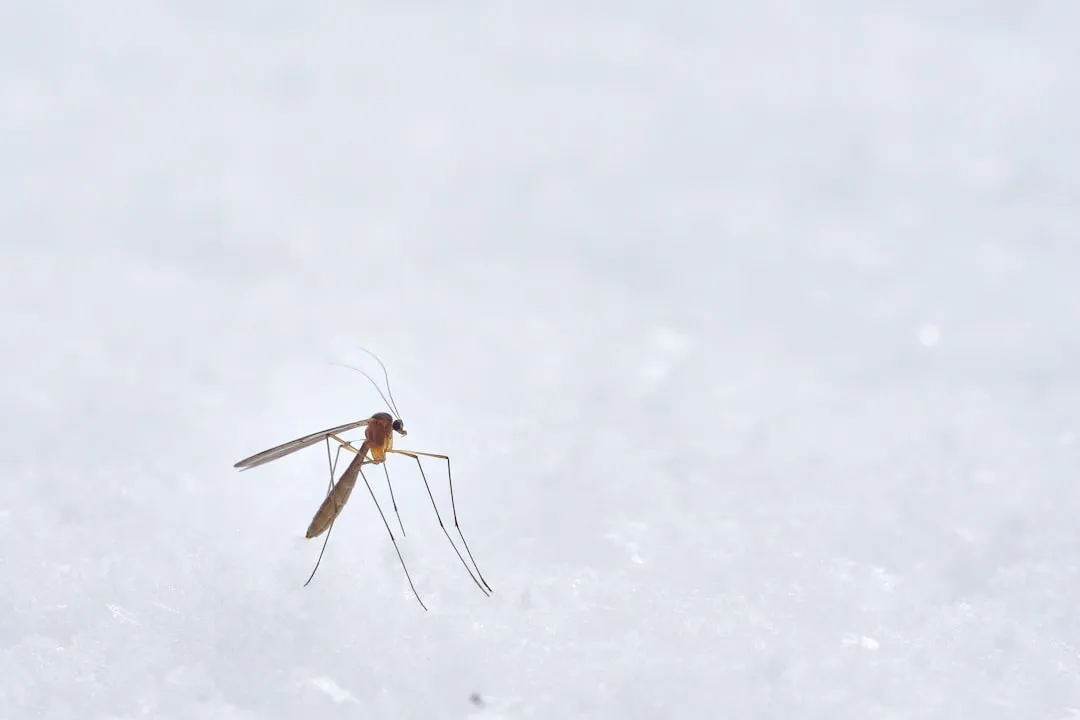
Mosquitoes need standing water to breed, but common urban-dwelling mosquito species known to carry heartworms can breed in something as small as a flowerpot holding an inch of water. That birdbath you refill every few days, the low spot in your lawn after rain, the forgotten saucer under a pot – all of these count.
Heartworm disease is caused by parasitic worms transmitted through the bite of an infected mosquito. When a pet is bitten, young heartworms invade the bloodstream, migrating to the heart, lungs, and associated vessels. The damage done before symptoms appear can be severe and is often permanent.
Climate change is also expanding the ranges of mosquito species northward, increasing heartworm risk in previously low-risk regions. The risk periods in many regions have extended, making consistent preventative measures essential regardless of season.
Check rain gutters for clogs that might create water pockets, and fill in low areas in your yard where water collects after rainfall. It is a straightforward step that takes ten minutes and makes a real difference.Toxic Plants Growing Right in the Garden
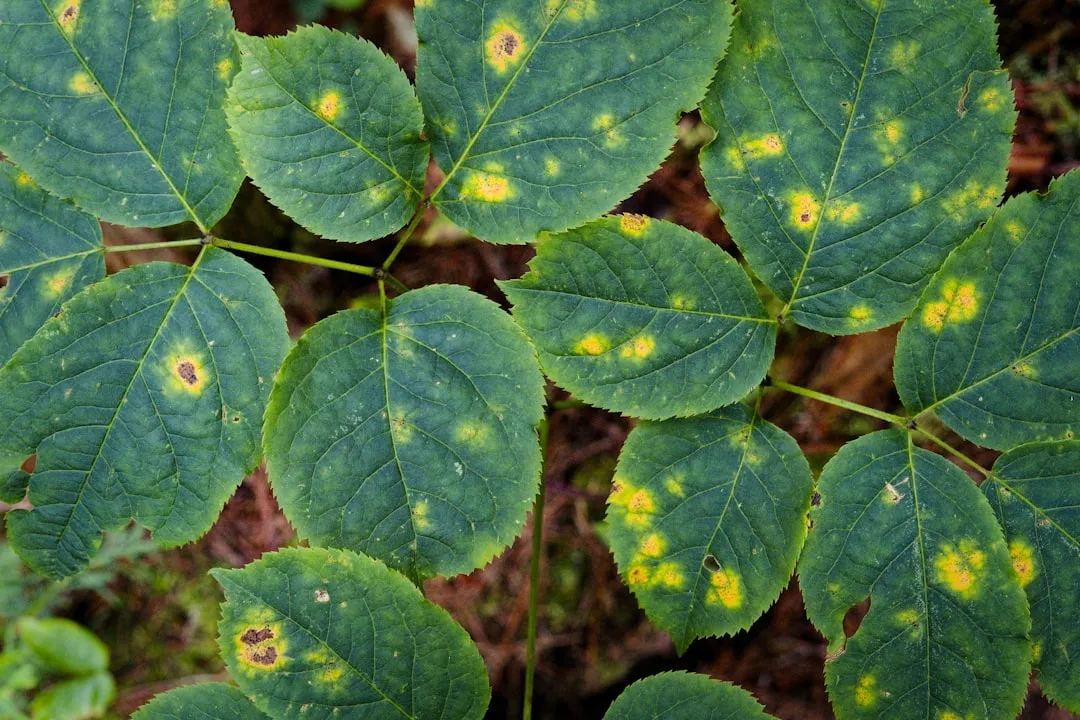
A beautiful garden can add color and life to your home, but some common plants can cause serious health problems if nibbled or chewed. Common toxic plants include lilies, daffodils, tulips, aloe, chrysanthemums, daisies, and peace lilies.
Young or new pets tend to nibble and taste plants as they explore and become familiar with their environment, but some garden and house plants are toxic. Symptoms may range from a mild upset stomach to a severe toxic response that can lead to death.
Common toxic plants include sago palms, lilies, azaleas, and tulips. The sago palm in particular is worth noting because it is widely used as an ornamental plant in warmer climates, yet even a small amount of any part of the plant can cause severe liver failure in dogs.
The ASPCA maintains a searchable database of toxic and non-toxic plants available at aspca.org. If you believe your animal has ingested a poisonous substance, contact either your local veterinarian or the ASPCA Poison Control’s 24-hour emergency poison hotline at (888) 426-4435.
Vegetable Gardens: A Hidden Risk Spot
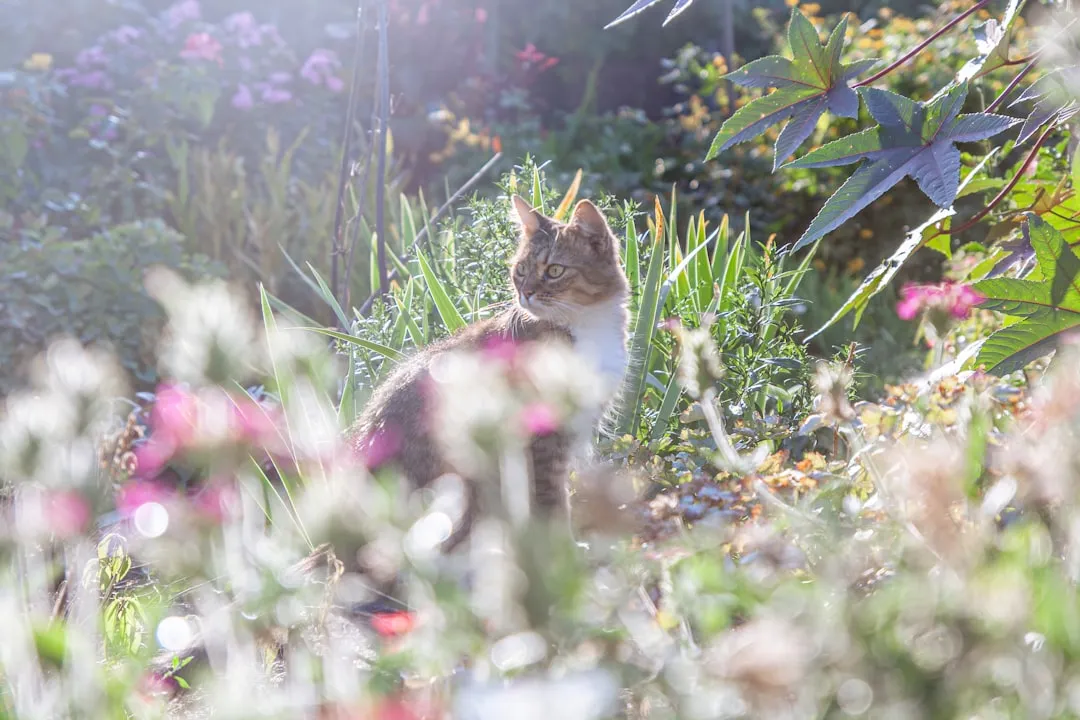
Onions, garlic, chives, and leeks, all members of the Allium family, can be toxic to pets. These plants can damage red blood cells and may lead to anemia, especially if consumed in larger amounts. Garlic is considered the most toxic of the group.
The tricky part is that the damage from Allium plants is cumulative. A small nibble here and there over time can build up to a level that causes real harm, particularly in cats and smaller dogs. Many owners grow these herbs freely in raised beds without considering that their pets can access them at ground level or dig around the base of the plants.
If your pet has access to a vegetable garden, consider fencing off planting areas and supervising outdoor adventures. Simple garden barriers are inexpensive and widely available at most home improvement stores.
Lawn Chemicals and Pesticides
Common lawn care pesticides contain chemicals that are known to pose a serious risk to your pet’s health, including several types of cancer, respiratory and reproductive problems, and endocrine disruption. The residue doesn’t just disappear once the lawn dries.
A six-year-long study conducted by Tufts University School of Veterinary Medicine found that dogs living in homes where professionally applied pesticides and herbicides were used had a seventy percent higher risk of developing canine malignant lymphoma. Similar results were seen in homes where homeowners used lawn care products containing insect growth regulators.
Several peer-reviewed studies show that dogs exposed to 2,4-D, a common herbicide, were thirty percent more likely to develop canine malignant lymphoma and had a significantly higher risk of developing bladder and testicular cancer. The risk increased with the number of applications.
Lawn chemicals like pesticides, herbicides, and fertilizers can cause vomiting, seizures, tremors, and organ failure in pets after contact or ingestion. You should wait 48 to 72 hours after applying any lawn chemical before letting your pet back into the treated area.
Fertilizers That Smell Irresistible to Pets

Organic fertilizers often contain bone, blood, or feather meal. Their scent can be irresistible to dogs, but if eaten, they can harden into a mass in the stomach, causing blockages, intense pain, or pancreatitis. Dogs are especially drawn to these products precisely because they smell like food.
Some fertilizers contain iron and can cause iron poisoning. Warning signs of fertilizer ingestion and toxic exposure include collapse, tremors, shaking, loss of appetite, yellowing of eyes, blood in stool, and lethargy.
When it comes to lawn care, herbicides and pesticides are the most frequent offenders causing issues in pets. The most common reaction is contact dermatitis. If a pet walks on a treated lawn before the product has fully dried, they can develop redness, itching, and even a rash, particularly on their paws, legs, and underside.
Cocoa Mulch: The Backyard Trap That Looks Harmless
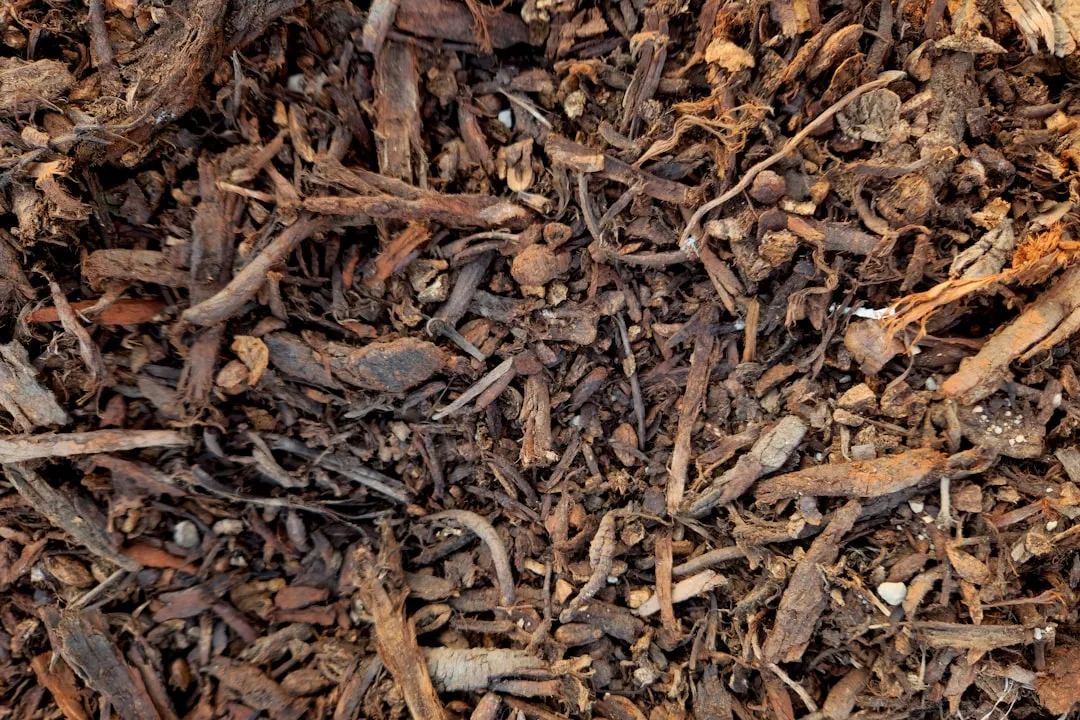
Mulch can pose problems. Cocoa bean mulch contains compounds similar to those found in chocolate and can be toxic if eaten. Additionally, any mulch may create a choking hazard or intestinal obstruction if large pieces are swallowed.
Cocoa mulch has a pleasant smell that many gardeners enjoy, which is exactly what draws dogs to it. The theobromine it contains is the same compound that makes chocolate dangerous to pets. Cocoa bean mulch is made from the hulls left behind after cocoa bean roasting, part of the process of making chocolate.
Safer mulch alternatives include cedar, pine bark, or untreated wood chip varieties. If you already have cocoa mulch in your garden beds and have a dog that likes to dig or chew, replacing it is worth the effort. It’s one of those risks that is easy to eliminate entirely once you know about it.
Blue-Green Algae in Backyard Water Features
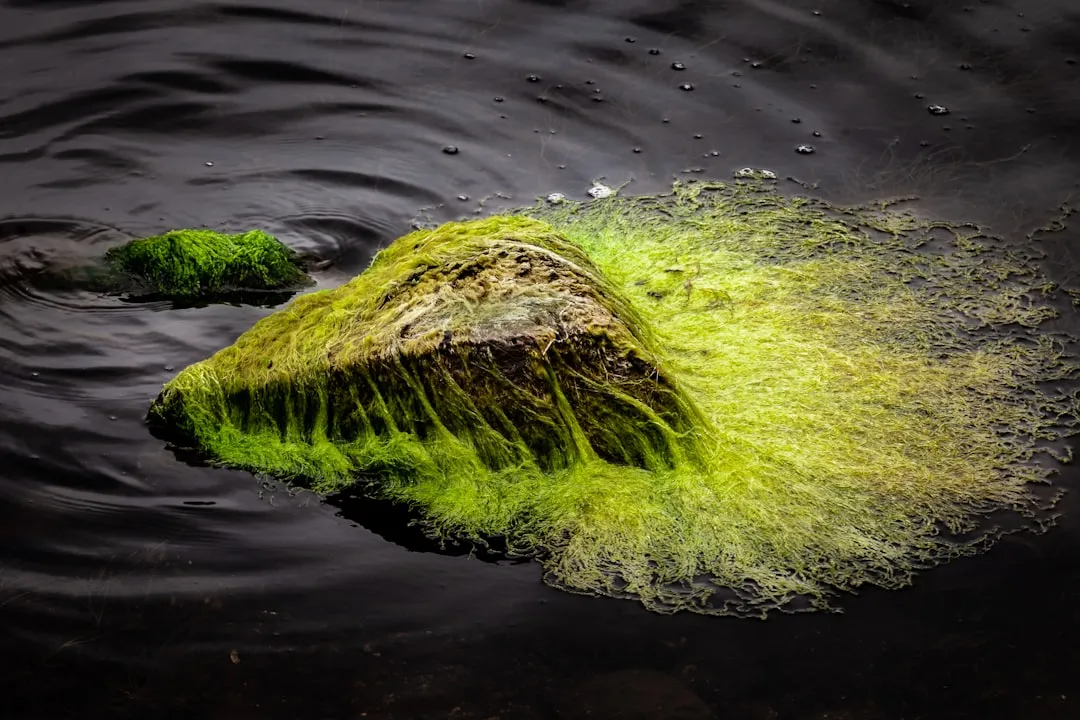
If your yard includes a pond or backs onto a lake, stream, or other body of water, keep an eye out for blue-green algae. These bacteria can produce toxins that affect the nervous system, skin, and liver. Exposure can lead to vomiting, weakness, tremors, seizures, breathing difficulties, and even death.
Blue-green algae blooms are not just a lake problem. Backyard ponds, decorative water features, and even large planters that hold standing water can develop algae growth, especially in warm weather. The toxins can act within minutes of ingestion, leaving very little time to seek treatment.
When in doubt, keep pets away from water that appears discolored or has a visible film or scum on the surface. That rule alone can prevent a life-threatening situation. The discoloration can look bluish, greenish, or even brownish, and the water may carry an unusual odor.
Ticks Carried In by Backyard Wildlife

Ticks hitch rides on mice, squirrels, deer, and other wildlife that pass through your yard. Both parasites are extremely small, and ticks can be as tiny as a poppy seed in early stages. A dog doesn’t need to wander into the woods to pick one up. A short trip across the lawn is enough.
Even if your dog just steps outside to go potty or sunbathe, they are still at risk. Lyme disease, ehrlichiosis, and Rocky Mountain spotted fever are among the tick-borne illnesses that can be transmitted through a single bite, and some symptoms don’t appear for days or weeks after exposure.
Keeping grass trimmed short, clearing leaf piles, and checking pets for ticks after every outdoor session are among the most reliable defenses. Veterinarians recommend testing dogs for heartworm disease and tick-borne illnesses every year, even if they are on prevention, just to be safe.
Slug and Snail Bait in the Garden
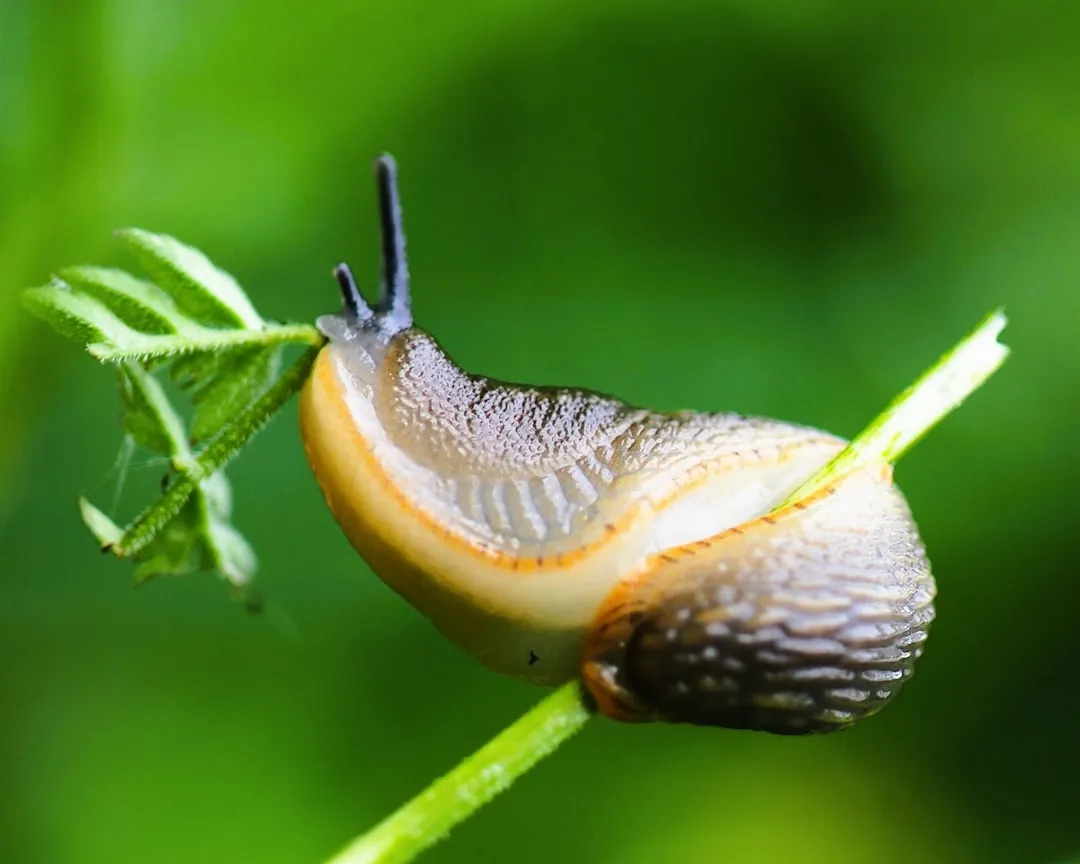
A common pesticide is slug and snail bait made with metaldehyde. This causes tremors, seizures, and even death in dogs. What makes this hazard particularly alarming is that the bait is designed to be attractive to mollusks, and it tends to appeal to dogs for the same reasons.
Slug and snail baits containing metaldehyde are extremely dangerous to dogs and cats, and can cause life-threatening symptoms such as tremors, seizures, or death, even with a small amount. Small dogs and puppies are especially vulnerable given their lower body weight.
Iron phosphate-based slug baits are a safer alternative for gardens where pets have access. They are widely available and considerably less toxic to mammals. If you live in a region with a lot of rainfall and slug activity, it’s worth reading the label of any garden product you use very carefully before setting it out.
Unsecured Compost Bins
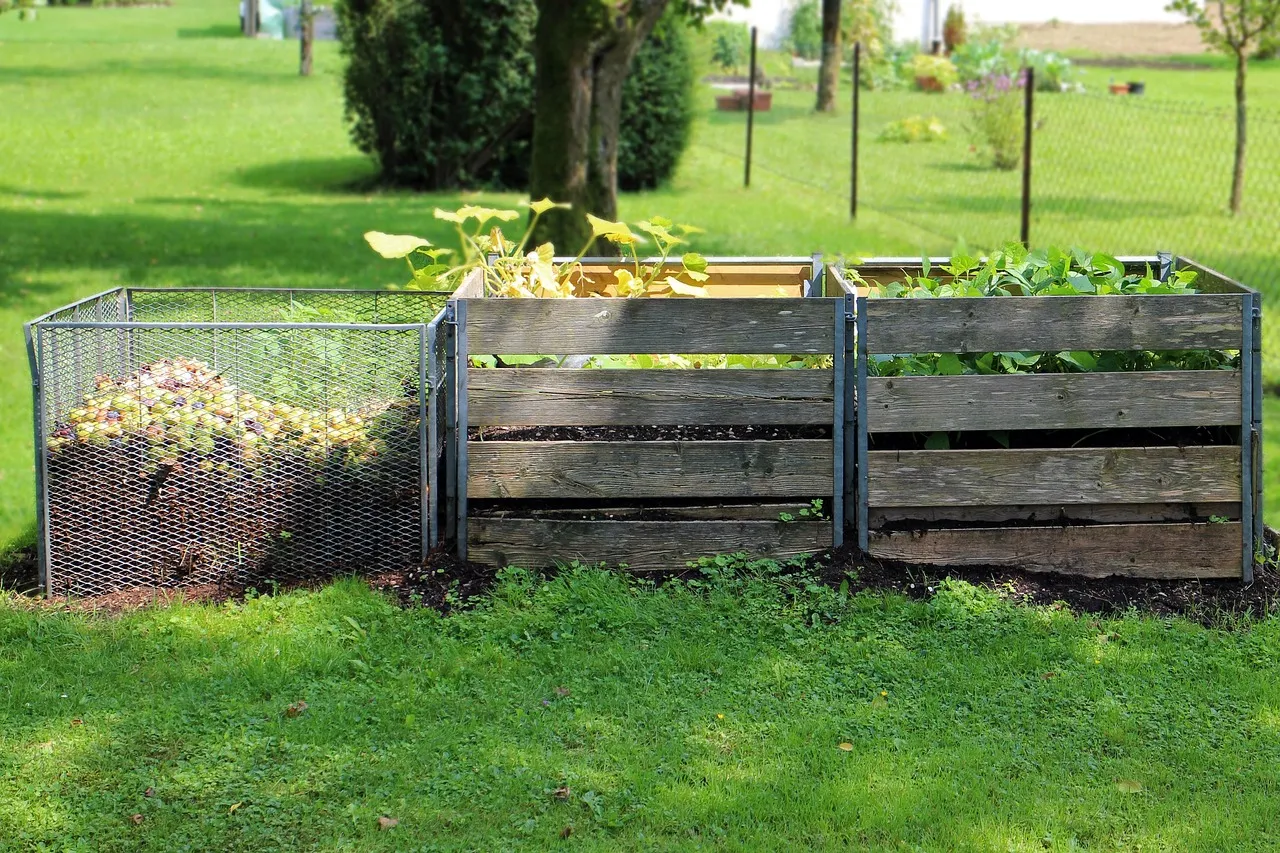
Compost bins are a great sustainability choice, but they present a real problem for curious pets. Decomposing organic material can develop mold, and certain molds produce tremorgenic mycotoxins, compounds that can cause rapid-onset neurological symptoms in dogs, including muscle tremors and seizures.
An estimated 232,000 cases of pet poisoning occur annually in the United States according to veterinary experts at WebMD Pet Health Center, and composting materials are among the less-discussed contributors to that number. Coffee grounds, onion scraps, grapes, and raisins are commonly composted household items, all of which are toxic to pets.
Pet poisoning is frequently an emergency, often caused by everyday items that owners may not recognize as dangerous. A latched, covered compost bin that a dog cannot nudge open is a simple but genuinely important safeguard. Keeping it in a fenced area or secured enclosure takes the risk off the table entirely.
The Takeaway
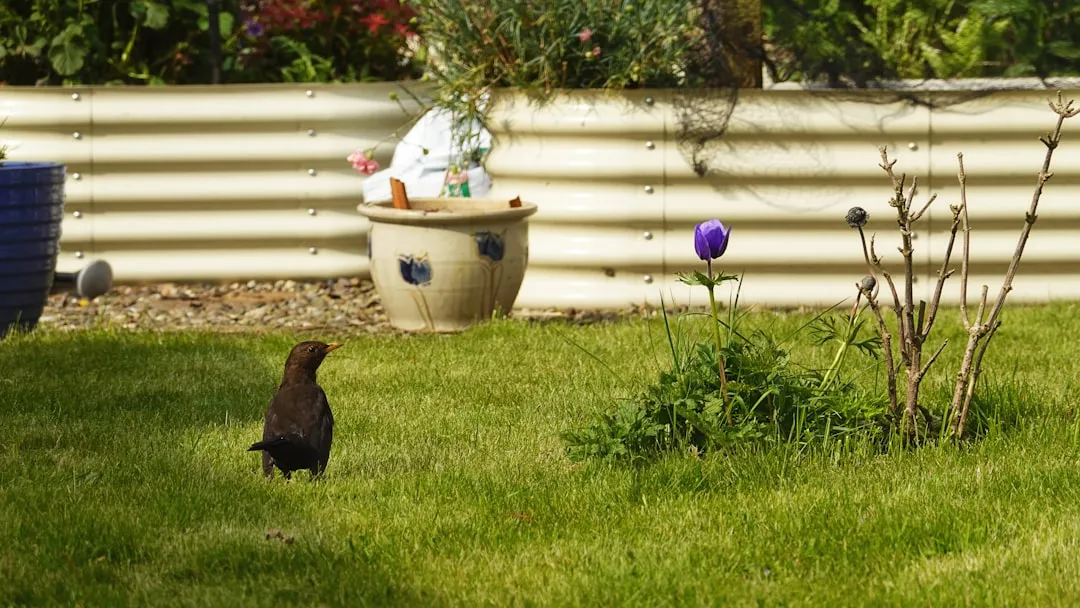
The backyard isn’t the danger-free zone it often feels like. Most backyard poisonings are preventable, which is the important thing to hold onto. None of the hazards listed here require major renovation or expense to address. They mostly require awareness.
Walking through your yard with a pet owner’s eye, rather than a gardener’s eye, tends to reveal things you had not noticed before. Which plants are within reach? Where does water collect? What products have you used on the lawn recently, and how long ago?
Pets live close to the ground, they investigate everything with their noses and mouths, and they rely entirely on the people around them to keep their environment safe. That’s a straightforward responsibility, and most of it starts with knowing what’s actually out there.
AI Disclaimer: This article was created with the assistance of AI tools and reviewed by a human editor.