

Hotel rooms can feel like a consequence-free zone. You’re away from home, someone else is cleaning up, and the whole point is to relax. That mindset is understandable, but it comes with a cost that most guests never see: the housekeeper who walks in after checkout. What they find often tells a story that’s very different from what guests think they’re leaving behind.
Housekeeping is quietly one of the most physically demanding and overlooked roles in hospitality. According to a survey fielded by the American Hotel and Lodging Association between December 2024 and January 2025, sixty-five percent of hotels reported active staffing shortages, with housekeeping the most frequently cited department at thirty-eight percent. These workers are already stretched thin. The things guests repeatedly get wrong make an already difficult job harder. Here’s what they actually say.
1. Leaving Trash Scattered Everywhere Instead of Using the Bin
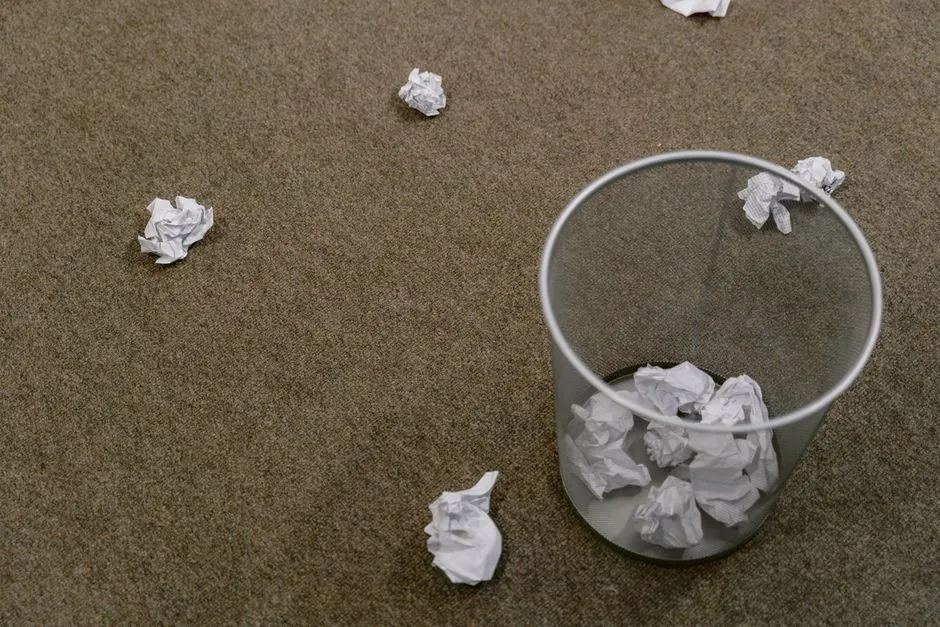
One of the most common complaints is guests scattering trash all over the room while the garbage can sits practically empty. Food containers, drink bottles, wrappers, and tissues left across tables and floors slow down cleaning and create unnecessary work.
Travel and Leisure’s January 2026 etiquette guidance is direct: guests should pick up their trash instead of leaving garbage around the room. A March 2026 piece from the same outlet, based on housekeeping interviews, says staff genuinely appreciate it when used cups, bottles, and other waste are gathered neatly or placed in the bin.
This doesn’t mean leaving the room spotless. A respectful middle ground works best: toss obvious trash into the bins, keep the floor reasonably clear, and avoid turning checkout into a mini disaster recovery project.
2. Spreading Wet Towels and Linens All Over the Room

Wet towels are a small detail that can create a bigger problem than guests realize. Housekeeping interviews cited by Travel and Leisure say staff appreciate it when damp towels and beachwear are hung up instead of left spread around the room.
The January 2026 Travel and Leisure etiquette piece also says wet towels should not be left on furniture or carpet because they can damage surfaces, leave stains, or contribute to mildew. The same March reporting says used linens are easier to handle when left in one obvious spot.
It genuinely takes ten seconds. Hang the towel, or drop used linens in a neat pile in the bathroom. That small act makes a real difference when a housekeeper has twenty minutes to turn a room.
3. Staining Towels and Linens with Food and Makeup
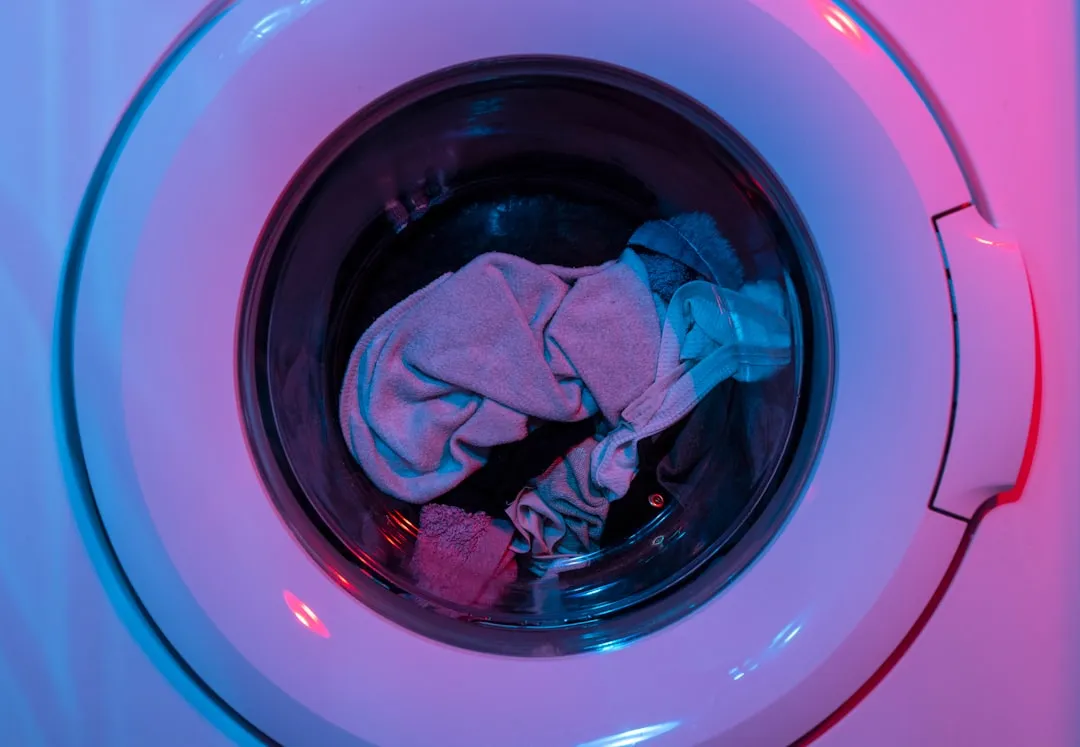
Housekeepers say guests often wipe greasy, food-covered hands on white towels, sheets, and comforters instead of using paper towels or napkins. BBQ sauce and makeup stains are especially common, and difficult to remove.
Hair dye stains on grout, wallpaper, sinks, and tubs were another frequent complaint. Many housekeepers say they don’t mind ruined towels nearly as much as permanent stains left throughout the bathroom.
The distinction matters. A stained towel goes in the laundry. A dye-stained tile or grouted surface may be permanent damage, and that can have real financial consequences for the property.
4. Overcrowding the Room with Clutter and Then Complaining It Wasn’t Cleaned
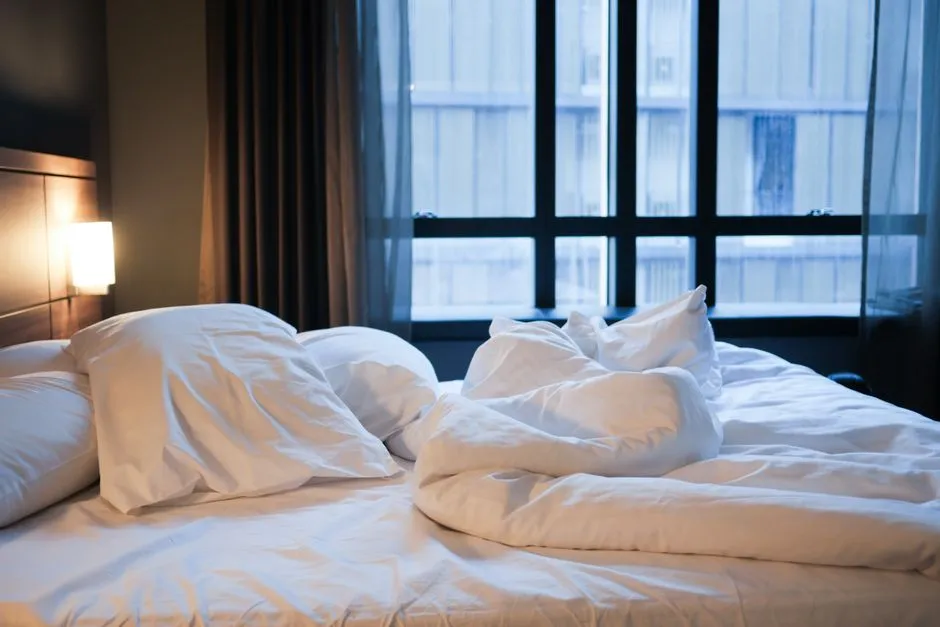
Cleaners say it becomes almost impossible to properly service a room when clothes, electronics, luggage, and food are covering every surface. Some guests also complain their room “wasn’t cleaned well” despite leaving no space to work.
It’s a frustrating cycle from the housekeeper’s side. They can’t move personal belongings, they can’t vacuum under a pile of luggage they aren’t permitted to shift, and they certainly can’t strip a bed buried under clothing. Yet the guest checks out and leaves a one-star review about cleanliness.
When tasks are overlooked, it can affect guest satisfaction, potentially leading to negative reviews and a drop in bookings. The irony is that the guest’s own habits often create the very problem they end up rating.
5. Misusing the “Do Not Disturb” Sign for Days at a Time
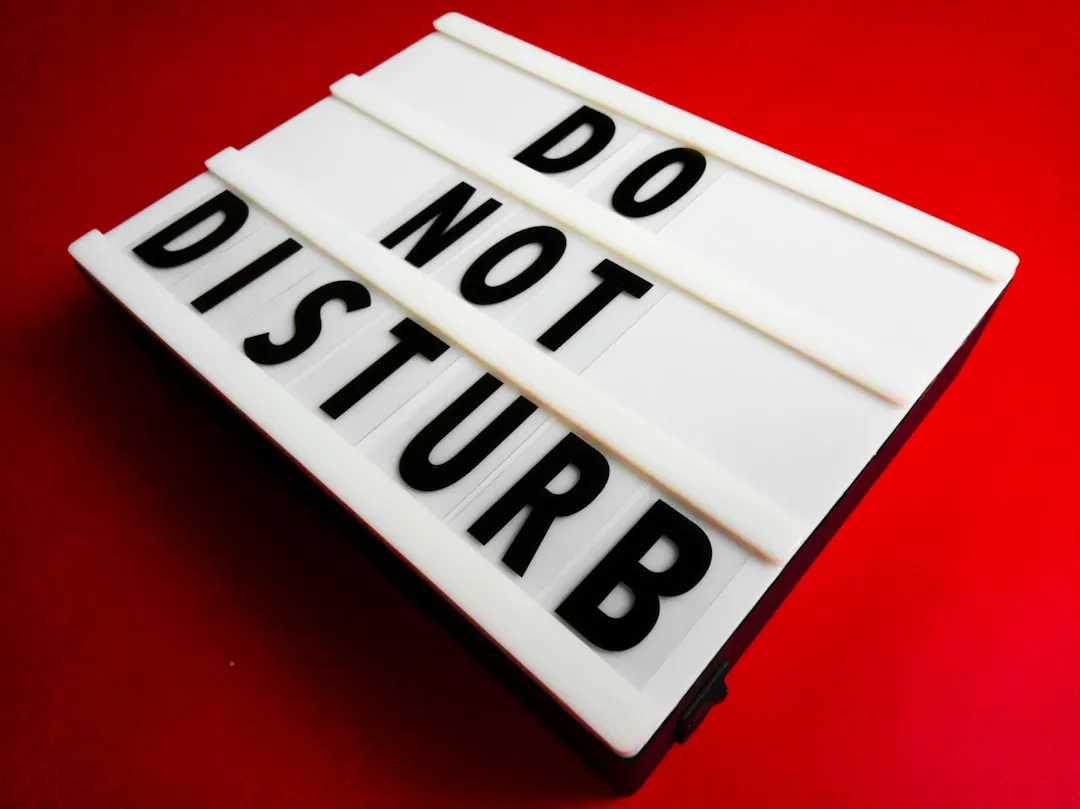
Using the “Do Not Disturb” sign for a full day or even an entire trip is a bad idea, according to hotel staff members. One housekeeper from the W Hotel shared that guests think skipping cleaning is easier for staff, but when a room has gone two or three days without cleaning, “it’s very dirty.”
Housekeepers are speaking up about this: rooms that haven’t been serviced in a few days are dirtier, forcing them to spend longer on each room, putting them behind schedule, and making their jobs harder.
Between thirty-nine and sixty percent of guests extend their stays, with room cleaning taking an average of about twenty minutes. Additionally, roughly seven percent of rooms are skipped due to refusals or “Do Not Disturb” signs. When those rooms finally do get serviced, the workload compounds quickly.
6. Stripping the Bed to “Help” When It Actually Slows Things Down
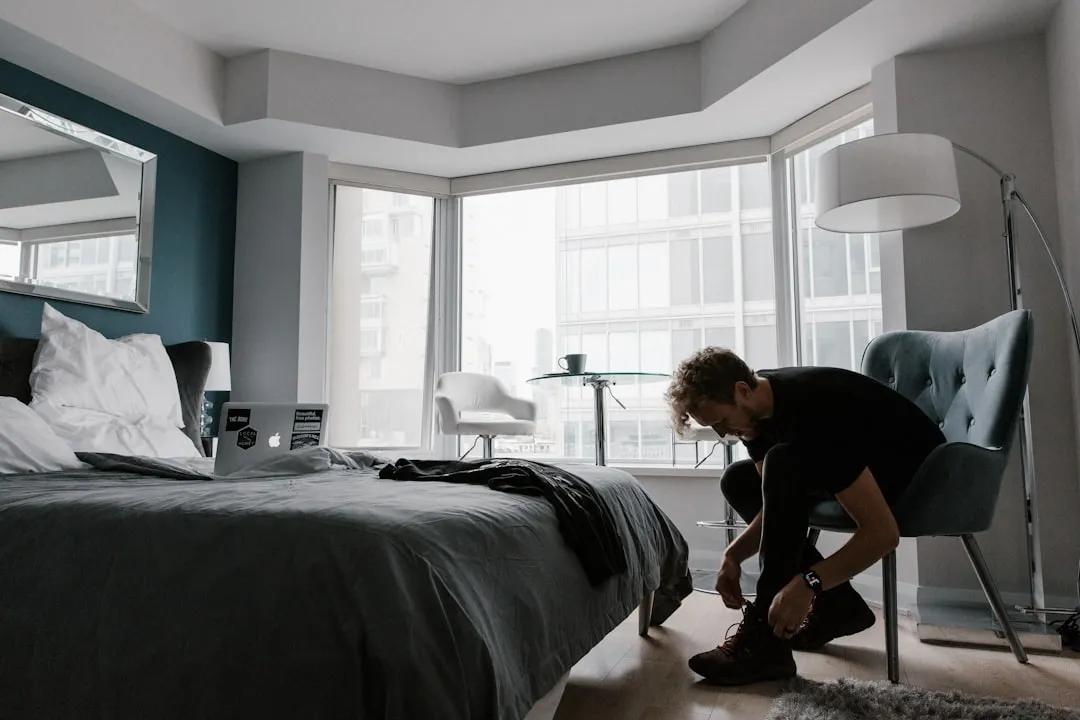
Some guests pull sheets off the bed before checkout, thinking they’re being considerate. Housekeepers consistently say the opposite is true.
According to a housekeeping trainer interviewed by HuffPost, guests think they are being helpful, and staff appreciate the thought. However, stripping beds tangles pillow protectors and duvet covers and makes it harder to inspect for stains, which actually slows the process down.
The best thing a guest can do is leave the bed as-is and let the trained staff handle it. They have a system, and working outside of that system means extra steps, not fewer.
7. Not Tipping, or Tipping Only at Checkout

Fewer than a third of hotel guests leave tips for housekeeping staff, according to reporting by The New York Times. Even those who do tip may not realize that it’s important to do so for each day of the stay.
Tipping housekeeping daily rather than waiting until checkout matters because the staff cleaning your room may change from day to day. A tip left at the end of a four-night stay almost certainly goes to whoever cleaned on the final day, not to everyone who worked the room throughout the visit.
Many hotel workers earn an hourly wage that is reliant on tips from guests as part of their income. UNITE HERE, a hospitality workers’ union, recommends at least five dollars per night, with higher amounts for suites or late checkouts that leave staff less time to clean.
8. Staying in the Room While Housekeeping Tries to Work
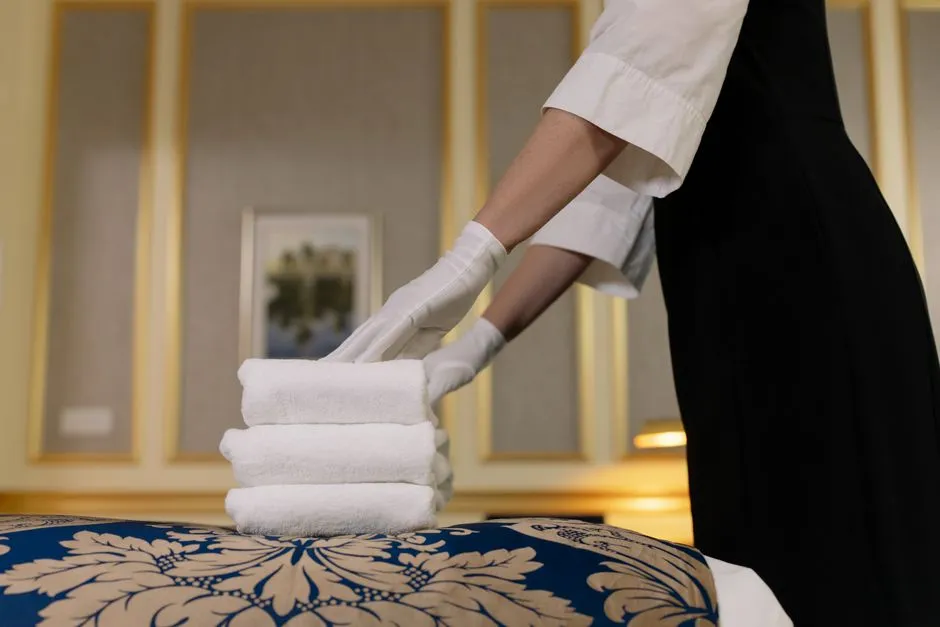
Housekeepers overwhelmingly say they dislike cleaning while guests sit watching them work. Many say they’d rather come back later than vacuum around someone attending Zoom meetings or lounging in bed.
This is less about rudeness and more about practicality. A housekeeper working around an occupied guest can’t fully clean the space, can’t move freely, and often feels uncomfortable. The result is an incomplete service and a time hit that ripples through the rest of their schedule.
If you need to stay in the room, a quick word with the front desk to schedule a later cleaning window is all it takes. Most hotels will accommodate that without any fuss.
9. Leaving Coffee Cups on Every Surface in the Room

One housekeeper at a large convention hotel told HuffPost that coffee cups turn up everywhere: nightstands, desks, bathroom counters, windowsills. Spilled coffee can stain furniture and linens, and dairy or sugar in the cup adds sanitation concerns.
It’s a small habit with outsized consequences. A forgotten cup with old milk sitting on a windowsill is not a neutral mess. It’s a hygiene issue that takes additional cleaning time and products to address properly.
Gathering cups in one spot near the coffee maker or on the room’s designated tray is a simple habit that takes no effort and makes a genuine difference. It’s the kind of small consideration that housekeeping staff actually notice and appreciate.
10. Assuming Cleanliness Is Always the Hotel’s Fault
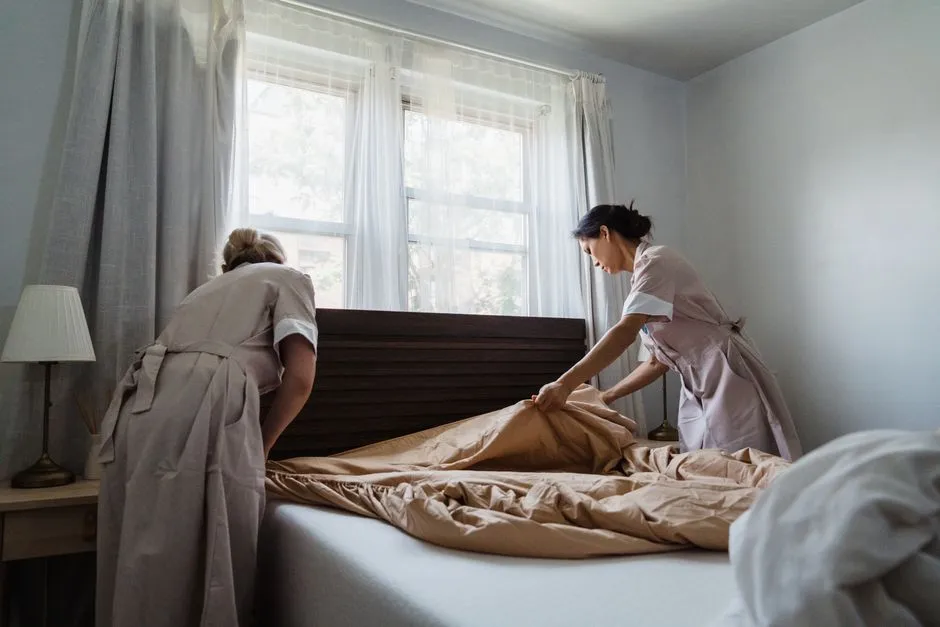
With ninety percent of travelers avoiding hotels described as “dirty,” maintaining high standards is critical to a hotel’s reputation. Housekeepers understand this better than anyone. What they also know, though, is that some cleanliness complaints originate with guest behavior rather than staff performance.
Cleanliness is the most basic expectation any guest has. When it isn’t met, the impact on the guest’s perception of the property is immediate and hard to reverse. Industry studies indicate that a single poor housekeeping experience can drop a hotel’s Net Promoter Score by more than forty points.
Rooms must be cleaned, carpets vacuumed, sheets changed, beds made, towels refreshed, bathrooms wiped, and trash cans emptied, all without disturbing guests or their belongings, in a short and often timed duration. When guests recognize that pressure, the relationship between guest and housekeeper shifts. A little awareness goes a long way.
The Takeaway
None of this requires turning your hotel stay into a chore. The gap between what guests assume and what housekeepers actually experience is mostly a matter of awareness, not effort. Toss trash in the bin. Hang a wet towel. Tip daily. Step out when the room needs to be cleaned.
These are genuinely small actions. To the person cleaning fifteen or more rooms a shift, they add up to something meaningful. A March 2026 AHLA survey confirms that more than half of hotel owners still report being understaffed, and rising labor costs have become the industry’s top operational concern alongside workforce shortages. The people keeping your room clean are working harder than the fresh-made bed suggests.
Treating a hotel room like a place someone has to care for, not just a space you’re passing through, is the simplest version of hospitality going both directions.
AI Disclaimer: This article was created with the assistance of AI tools and reviewed by a human editor.