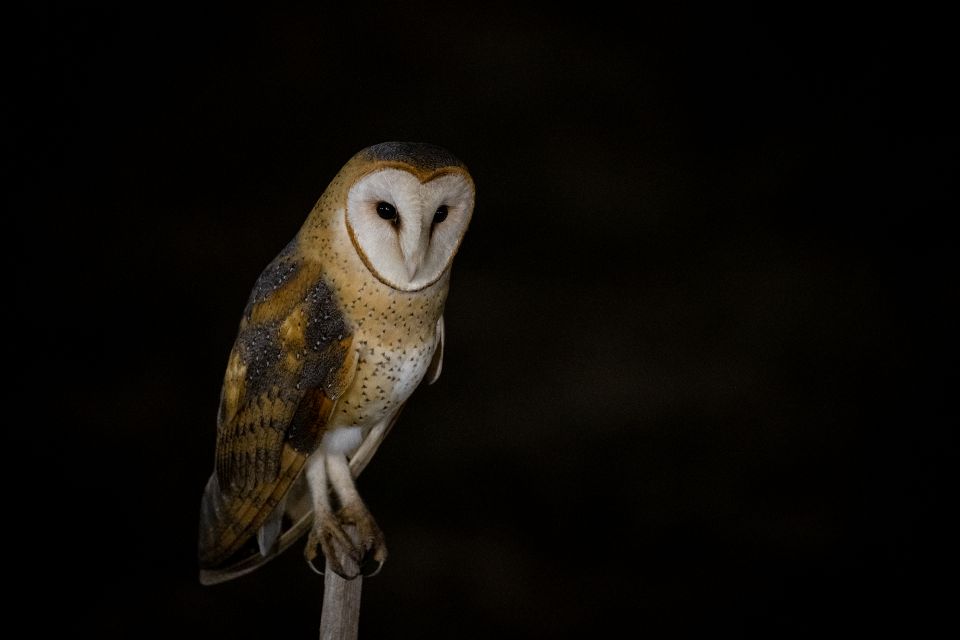

Few things in nature stop people in their tracks quite like watching an owl swivel its head. It moves with an almost mechanical smoothness, turning further and further until it seems like it should be physically impossible. Most of us grow up hearing that owls can spin their heads a full 360 degrees, which is actually a myth – but the truth isn’t far off, and the real explanation is genuinely remarkable.
What owls are doing when they rotate their necks isn’t just an impressive trick. It’s the result of millions of years of evolutionary pressure, layered anatomical adaptations, and a vascular system unlike almost anything else in the animal kingdom. Here’s how it all works.
The 270-Degree Reality
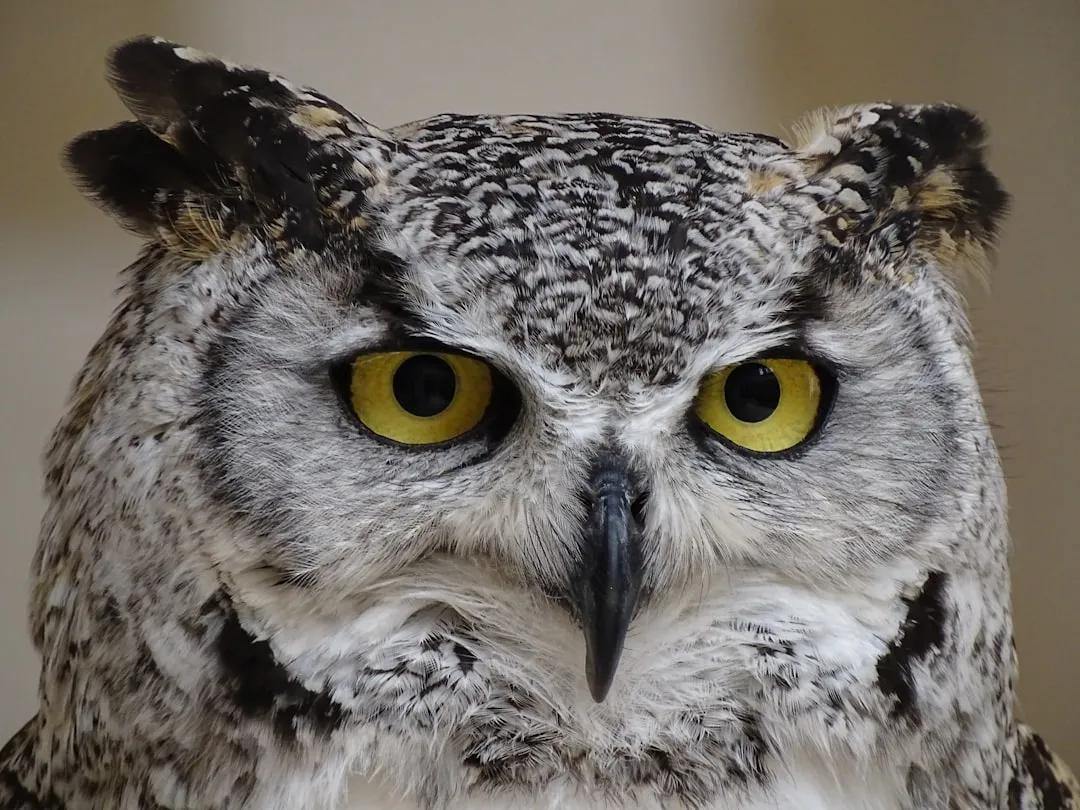
Owls can rotate their necks a maximum of 270 degrees without breaking blood vessels or tearing tendons – that’s three quarters of a full rotation. The popular belief that they spin their heads all the way around overshoots reality by nearly 100 degrees, but the actual number is still jaw-dropping.
Many owl species are capable of turning their heads 270 degrees in either direction, meaning they can look to the left by rotating all the way to the right, or vice versa. They can also position their necks so that their heads are almost upside down while their bodies are still facing forward.
Humans, by comparison, can only turn their heads about 80 degrees to either side. That gap between what we can do and what an owl can do points to some very fundamental differences in anatomy.
Why Owls Can’t Simply Move Their Eyes
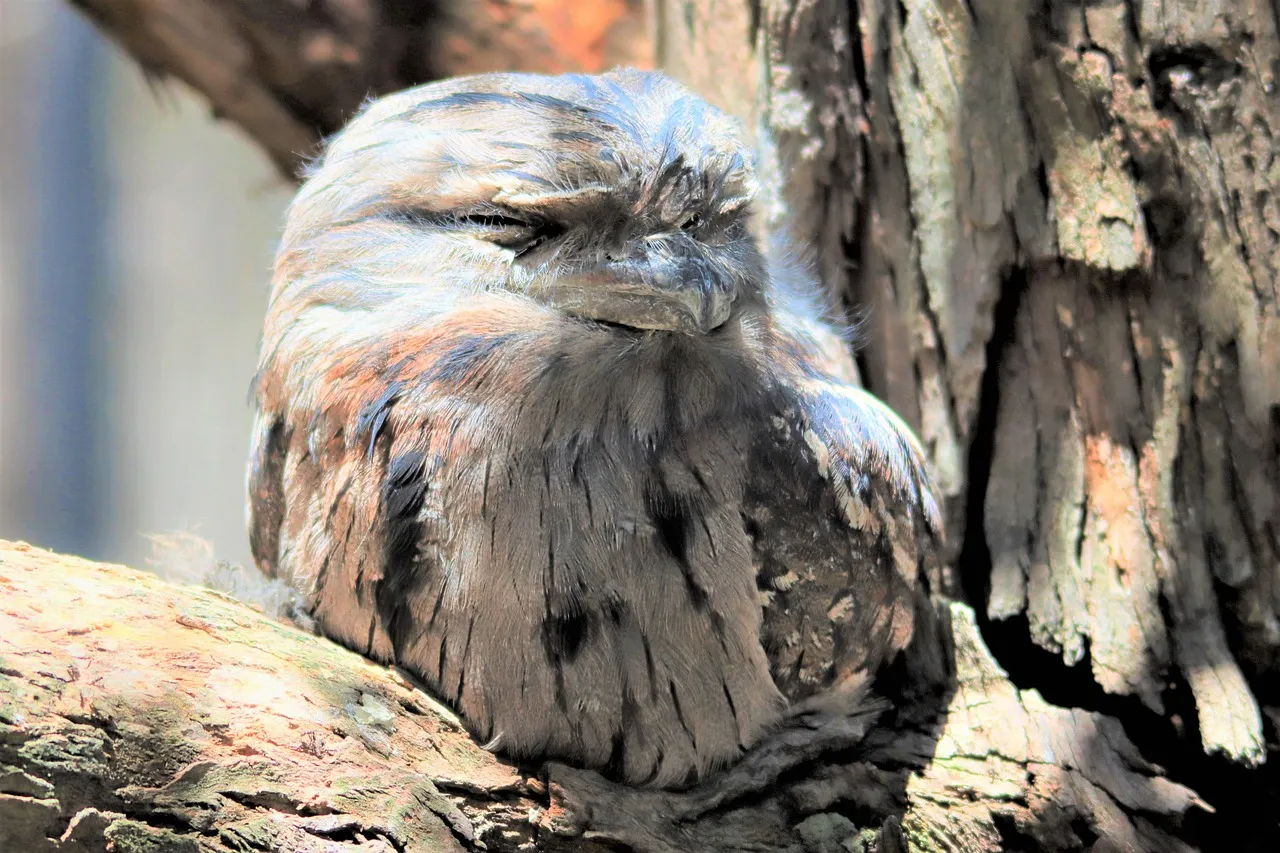
Whereas people and other animals can simply move their eyes to follow an object or use peripheral vision to scan a room, owls must turn their heads for the same effect. These birds have fixed eye sockets, which means their eyeballs can’t rotate, forcing them to stretch their necks.
Unlike the spherical eyes found in humans and many other mammals, an owl’s eyes are distinctly tubular and fixed rigidly within the skull. This unique structure is supported by bony plates known as the scleral ring, which transforms the owl’s gaze into powerful light-gathering lenses.
This seemingly limiting design actually serves a critical purpose: it creates space for an enlarged retina that captures more light. The tubular shape also creates a longer focal length, functioning similar to a telephoto lens in a camera, providing greater visual magnification of distant objects. So the owl trades eye mobility for extraordinary night vision – and compensates with its neck.
The Narrow Field of View That Drives It All
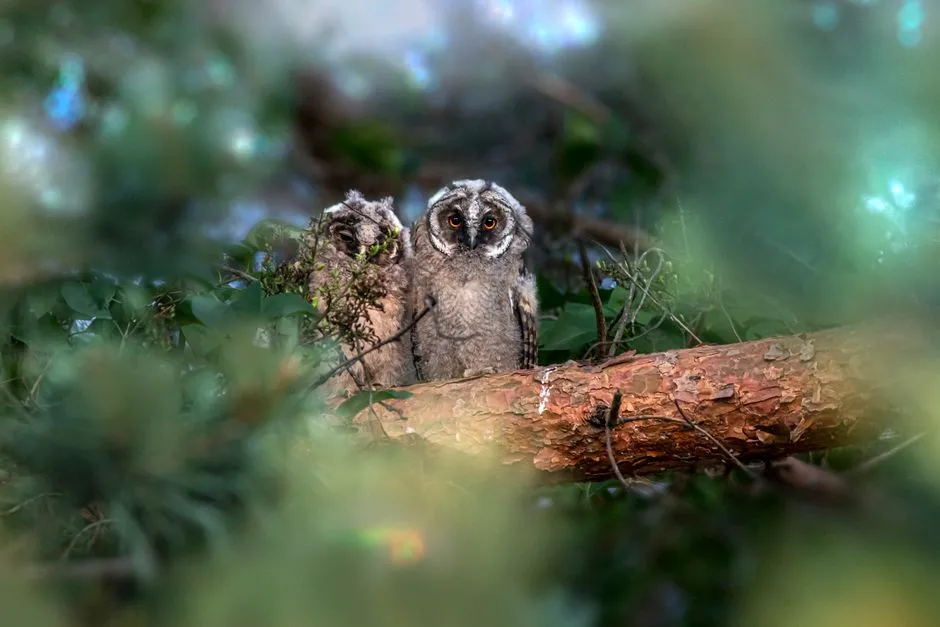
The owl’s large, forward-facing eyes allow for considerable binocular vision, giving an excellent but fairly narrow field of view of 110 degrees, with an overlap of approximately 70 degrees. By comparison, humans have a field of view of 180 degrees with an overlap of 140 degrees.
Owls possess a significant blind spot due to the fixed, forward-facing orientation of their eyes. This anatomical arrangement allows for a high degree of binocular overlap, which is essential for the depth perception required to strike moving prey. The trade-off for this superior frontal vision is a lack of peripheral awareness; owls cannot move their eyes within their sockets and must rotate their entire heads to see objects to the side or behind them.
With such a narrow field of view, many species resort to that very distinctive behavior of owls: head bobbing, to accurately judge distance and position. The constant head movement you see in owls isn’t restlessness – it’s their way of building a three-dimensional picture of the world around them.
Twice the Vertebrae: The Skeletal Advantage
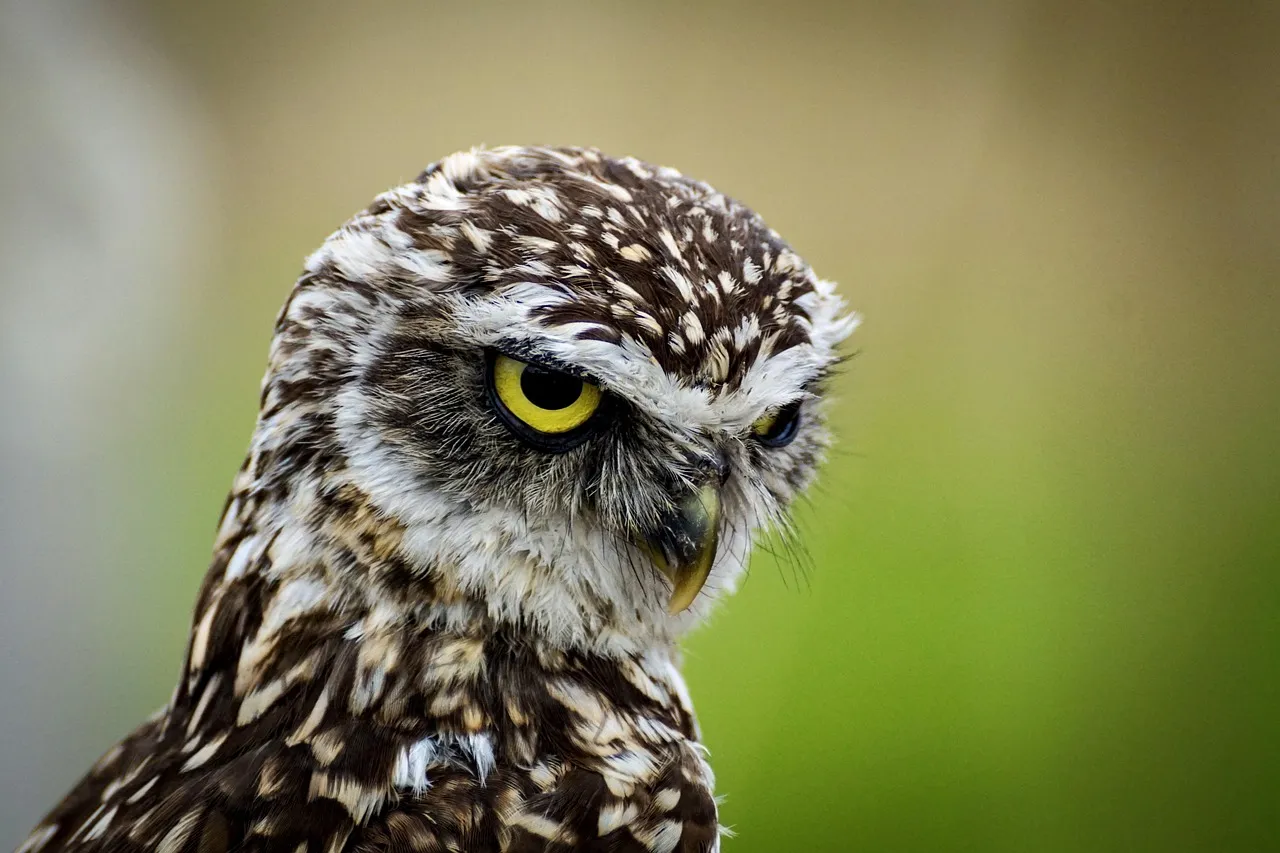
The anatomical secret behind an owl’s remarkable head rotation lies in its neck bones. Unlike humans, who have seven cervical vertebrae, owls are endowed with 14, providing the additional flexibility to turn the neck so far around.
Owls are more flexible than humans because a bird’s head is only connected by one socket pivot. People have two, which limits our ability to twist. That single pivot point is a key piece of the puzzle, and it works in combination with all those extra vertebrae.
The extra space in the vertebral canal allows for movement without compressing or damaging the delicate spinal cord when the owl turns its head to extreme angles. The vertebrae also connect via specialized ball-and-socket joints rather than the more restrictive saddle joints found in human necks, permitting greater rotational freedom.
The Blood Vessel Problem
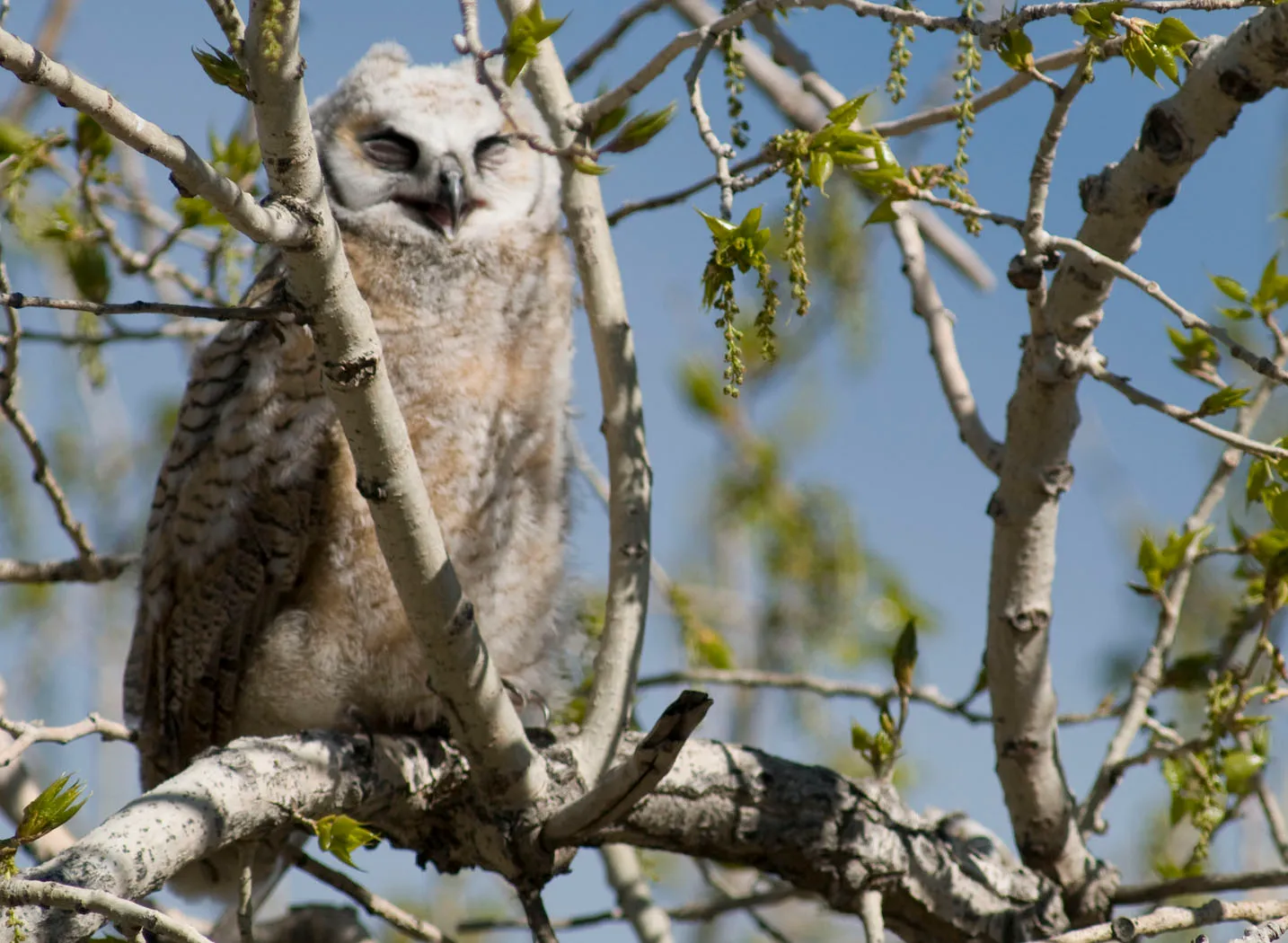
The carotid and vertebral arteries in the neck of most animals, including owls and humans, are delicate and fragile structures. They’re highly susceptible to minor tears and stretches of vessel linings. In humans, even a moderately forceful twisting motion can cause damage to these vessels.
Such injuries are dangerous. Blood vessel tears caused by sudden twisting motions produce clots that can break off, sometimes causing an embolism or stroke that could prove fatal. Yet owls do this kind of rotation casually, constantly, and with zero apparent ill effect.
If humans attempted to rotate their heads as far as owls do, we would sever our blood vessels, cutting off blood flow to the brain and causing a stroke. Owls have evolved specialized adaptations to prevent this potentially fatal outcome.
The Johns Hopkins Discovery
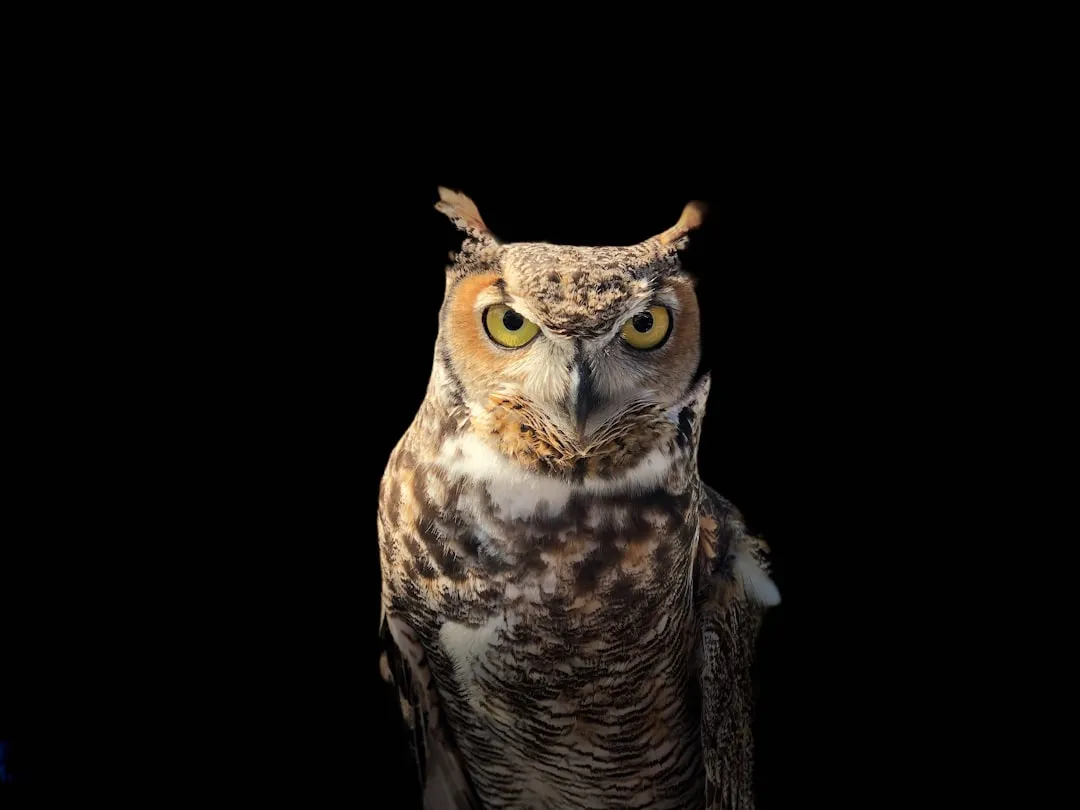
Medical illustrators and neurological imaging experts at Johns Hopkins figured out how night-hunting owls can almost fully rotate their heads – by as much as 270 degrees in either direction – without damaging the delicate blood vessels in their necks and heads, and without cutting off blood supply to their brains.
The researchers analyzed the insides of the owls by conducting CT scans and angiography, whereby they injected the owls’ blood vessels with dye and then performed X-rays. Through medical imaging, researchers were able to study the bone and vascular structure in the heads and necks of a dozen owls that had died from natural causes, finding a complex network of blood vessels that adapt to an owl’s movement.
The researchers say these so-called anastomoses, including a vessel connection called a patent trigeminal artery, allow for uninterrupted blood flow to the brain, even if one route is blocked during extreme neck rotation. The findings were considered significant enough to win recognition in a major scientific visualization competition.
Pooling Blood Like a Reservoir
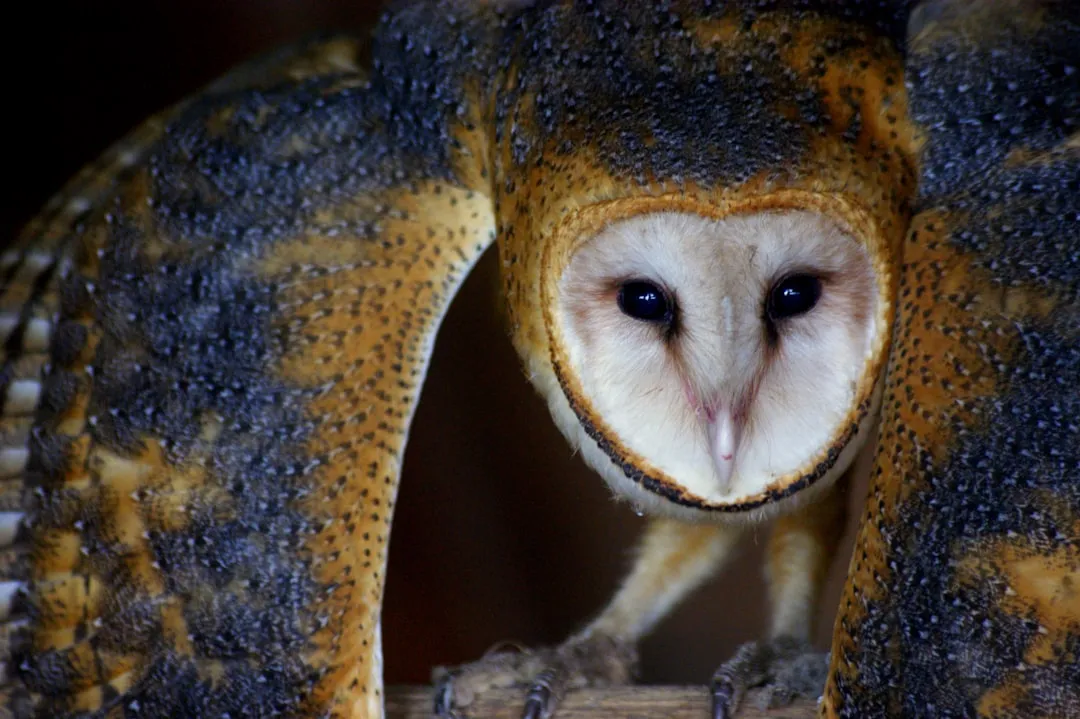
Unlike a human whose arteries tend to get smaller and smaller as they branch out, the owl’s blood vessels at the base of the head get larger and larger so that blood reservoirs form, allowing the owl to meet the energy needs of their large brains and eyes while they rotate their heads.
While human arteries tend to constrict during head rotations, researchers discovered that blood vessels at the base of the owls’ heads continued to expand, allowing the imaging dye which mimicked blood to continue to flow and eventually pool into tiny reservoirs. These reservoirs, researchers believe, minimize the restriction of blood flow and maintain eye and brain function while the owls’ heads are turning.
While they twist their heads back and forth, the owls’ reservoirs allow the birds to pool blood to sustain the function of their eyes and brain, which are both relatively large compared to the size of their heads. This interconnected vascular network helps minimize interruption of blood flow.
Extra Wiggle Room in the Vertebral Artery
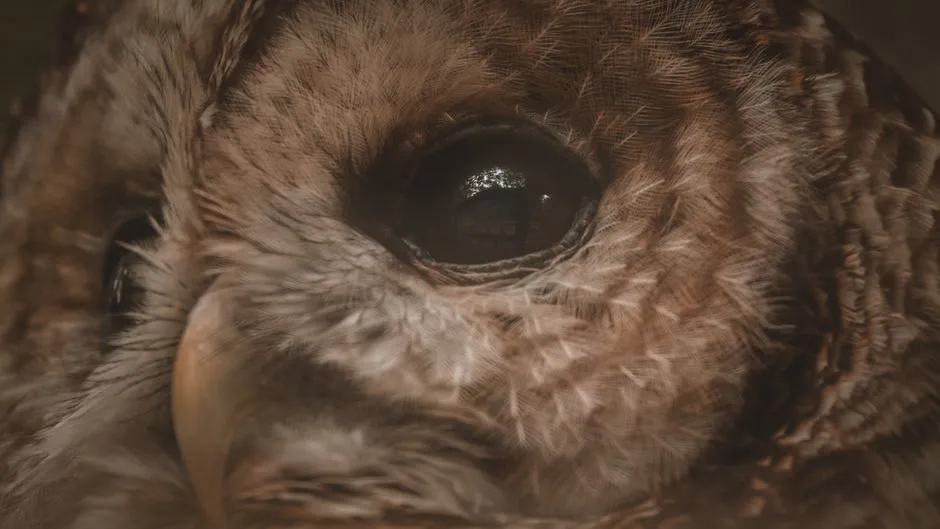
One key adaptation is found in the transverse foramina – the holes in the vertebrae through which the vertebral artery is threaded. In owls, these holes were ten times bigger than the artery itself. The researchers suggest that the extra space may give the artery some extra wiggle room and provide a protective air cushion.
The owl’s vertebral artery also has some slack because it enters the base of the neck at a higher point than in most birds. And the arteries under the jaw are expandable. Together, these features create a system that absorbs and accommodates stress rather than transferring it directly to the vessel walls.
As researchers noted, this study reveals precisely what morphological adaptations are needed to handle such head gyrations and why humans are so vulnerable to injury. Extreme manipulations of the human head are really dangerous because we lack so many of the vessel-protecting features seen in owls.
A Hunting Advantage Like No Other
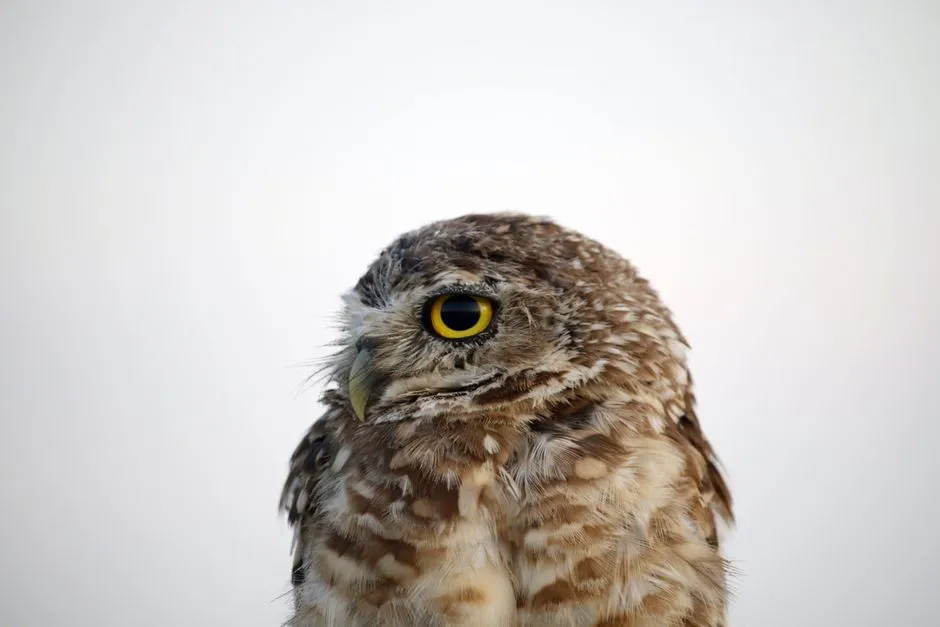
This unique adaptation enables owls to have a wide field of vision, essentially giving them the ability to observe their surroundings in almost every direction, without the need to move their entire body. This capability is crucial for spotting potential prey or identifying threats in their environment, particularly during the night, when visibility is low and owl vision excels.
Owls are mostly nocturnal hunters. Their ability to turn their head lets them see prey from almost any angle without moving their body. A barn owl perched on a branch can listen for mice and turn its head without moving its wings – and this stealth is a big reason why owls are such successful hunters.
The pay-off for having such immovable but specialized eyes is light-gathering capacity two to three times better than a human’s, depth perception four times better, and visual acuity at night that no other bird matches. The neck rotation isn’t just compensating for a limitation – it completes an entire sensory system.
Not All Owls Are Equal Rotators
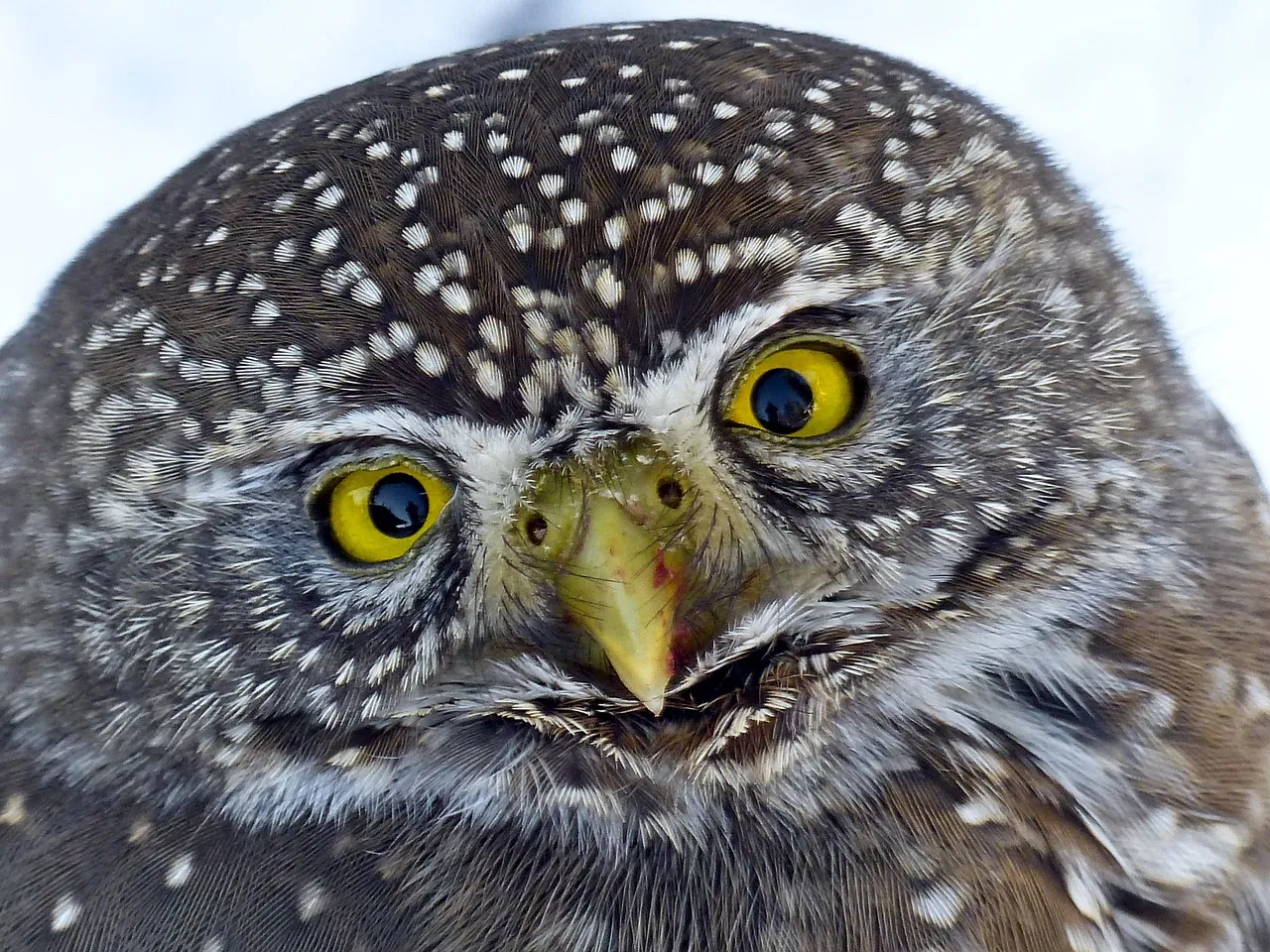
All owls share the 270-degree limit, but some can turn slightly more or less based on neck length and muscle strength. Large owls like the great horned owl and snowy owl show the most dramatic head turns. Smaller owls, like the elf owl, have shorter necks but still use the same rotational range. The difference is more about speed and smoothness than the actual angle.
Most birds can turn their heads more than humans, but owls are still champions among them. Pigeons and gulls can turn their heads about 180 degrees. Plenty of birds have a similar ability to look behind them – red-tailed hawks, for example, are almost as flexible as their nocturnal cousins.
What This Means for Human Medicine
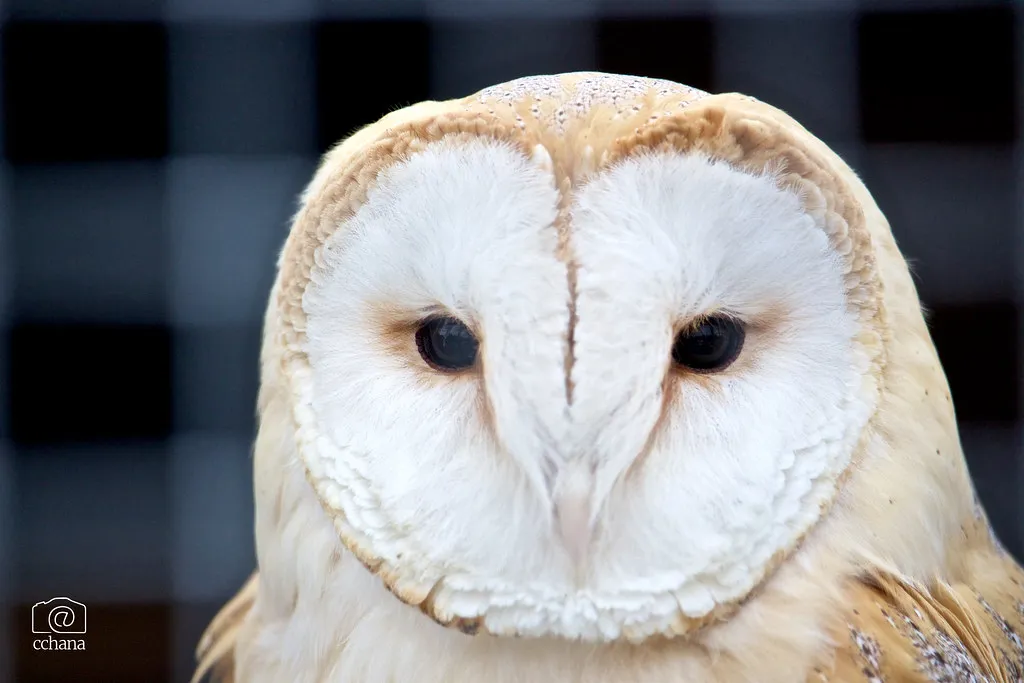
After their initial findings, researchers planned to examine hawk anatomy to see if other bird species possess the same adaptive features for head rotation. The broader hope is that understanding how owls protect their blood vessels during extreme movement can inform how we understand human vulnerability to neck injuries.
Owls have a complex, adaptive network of protective blood vessels that makes the structures in our necks look puny – a network that researchers dissected, mapped, and illustrated for the first time. Brain imaging specialists who deal with human injuries caused by trauma to arteries in the head and neck have long been puzzled as to why rapid, twisting head movements did not leave thousands of owls lying dead on the forest floor from stroke.
The owl’s anatomy, it turns out, offers a kind of blueprint for what a neck built to handle extreme stress actually looks like. That knowledge has real implications for understanding spinal injury, arterial trauma, and the limits of the human body.
The Bigger Picture
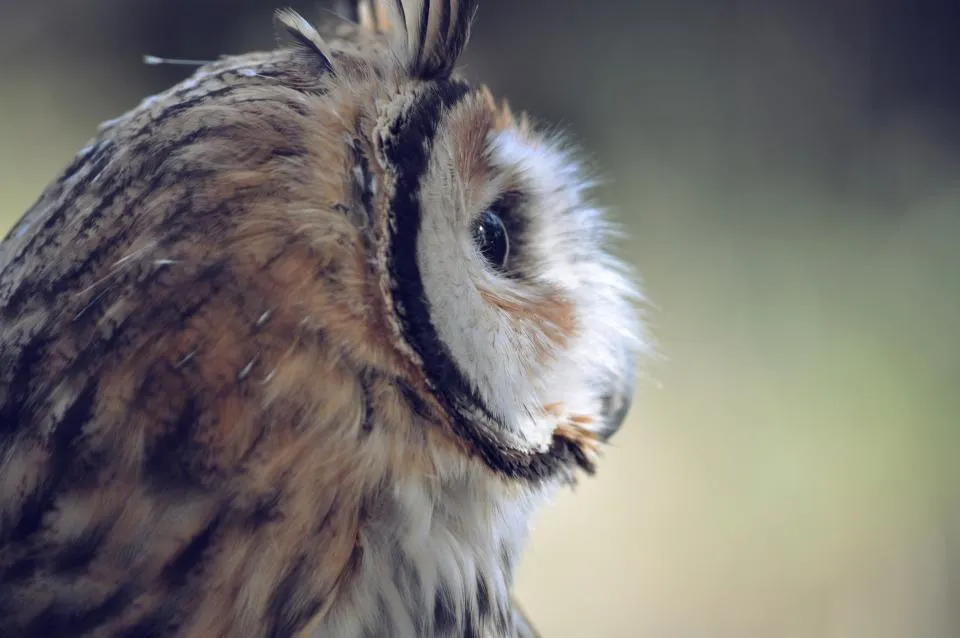
The owl’s ability to rotate its head nearly all the way around isn’t one trick. It’s the result of at least half a dozen separate anatomical innovations working in concert – extra vertebrae, single-pivot skull joints, oversized arterial tunnels, expandable blood reservoirs, and a web of backup pathways for blood flow. Each adaptation addresses a specific problem that would otherwise make the whole system fail.
What makes the owl’s case especially compelling is that the limitation driving all this evolution was the eye itself. By developing a tubular eye that gathers extraordinary amounts of light, the owl essentially locked itself into needing a radically flexible neck. Evolution didn’t give owls their remarkable rotation as a bonus – it gave them no other choice.
There’s something quietly instructive in that. Constraints, pushed far enough, can become the engine of ingenuity. The owl didn’t overcome its fixed gaze. It built an entirely different kind of vision around it.
AI Disclaimer: This article was created with the assistance of AI tools and reviewed by a human editor.