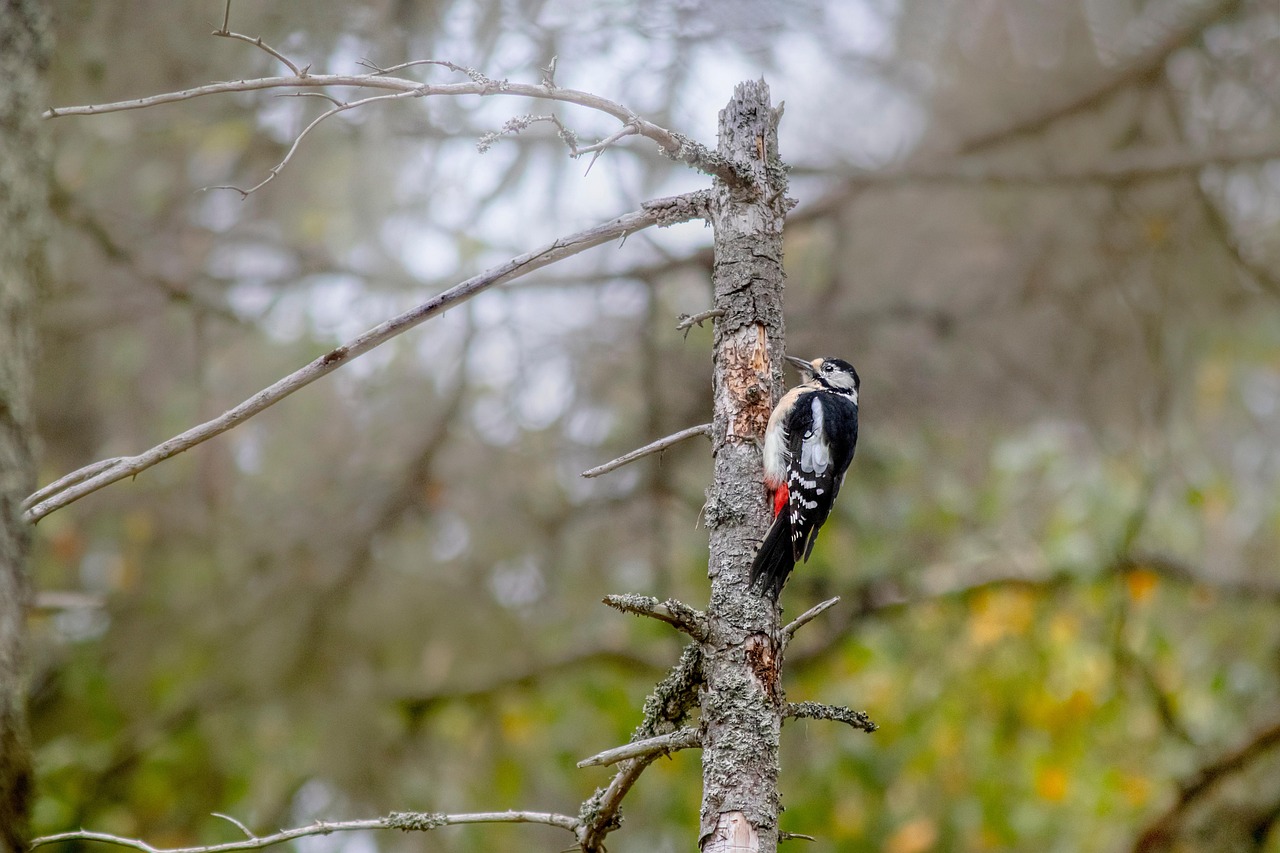

There’s a bird out there that hammers its head into solid wood thousands of times a day, at forces that would hospitalize a human, and simply carries on without skipping a beat. That bird is the woodpecker. It’s one of nature’s most quietly astonishing engineering achievements, and scientists have spent decades trying to fully understand how it works.
What makes this question more than just interesting trivia is that the answers have real implications for human medicine. Researchers studying concussions, sports injuries, and protective helmet design have all looked to the woodpecker as a biological blueprint. The story, it turns out, is more layered and surprising than anyone initially thought.
The Scale of the Problem: What Woodpeckers Actually Endure
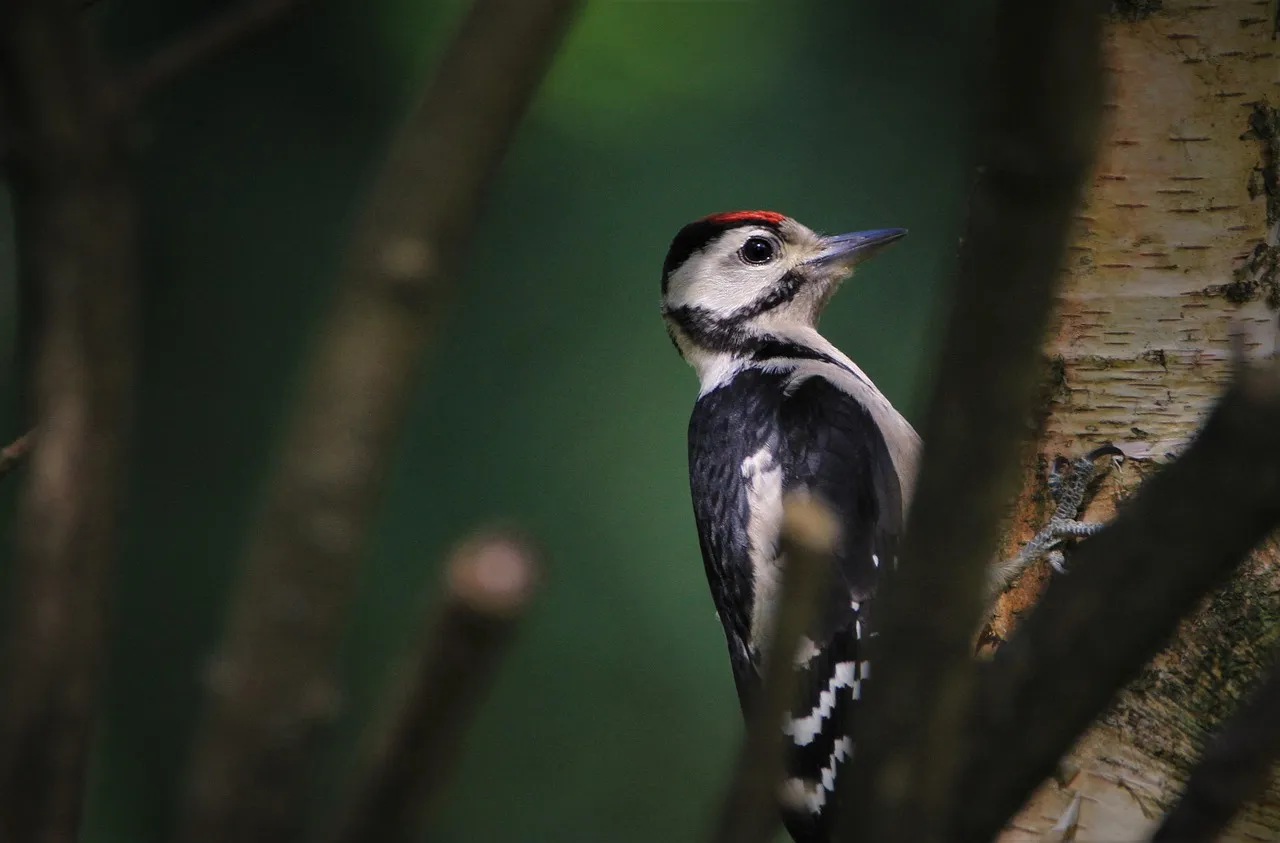
Woodpeckers can peck a tree up to 20 times per second, and they typically rack up as many as 12,000 pecks in a single day. To put that in perspective, that is sustained mechanical impact delivered to the skull, repeatedly, from dawn to dusk. Pecking puts enormous force on a woodpecker’s brain – force that is roughly 10 times greater than what would cause a concussion in humans.
Woodpeckers drum into trunks at a speed of about 6 to 7 meters per second and experience a deceleration of around 1,000 g. For comparison, fighter pilots need specially designed g-suits just to avoid losing vital biological functions at only a fraction of that. The fact that a small bird endures this thousands of times daily and functions normally is, scientifically speaking, remarkable.
A Skull Built for Impact

Research has revealed that the woodpecker’s skull is extraordinarily sturdy compared to most birds, whose skulls are fragile by comparison. It’s made of extremely strong yet compressible sponge-like bone. That structural toughness alone sets woodpeckers apart from virtually every other bird species.
CT scans of woodpecker heads have revealed a sponginess of the bone at different places in the skull, along with unequal lengths of the upper and lower parts of the beak. Studies have confirmed that the woodpecker has the highest skull volume fraction among comparable bird species, which could increase its head’s structural strength and provide more space to distribute impact stress. This combination of density and sponginess plays a central role in what protects the brain.
The Hyoid Bone: Nature’s Seatbelt
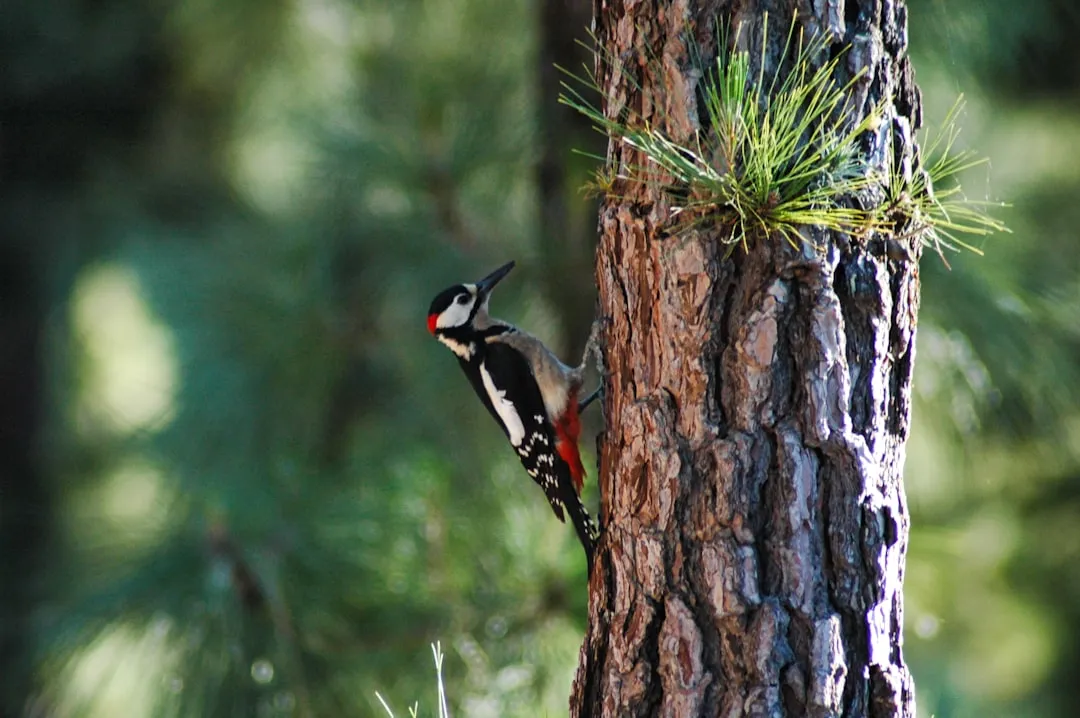
The hyoid bone in woodpeckers is far more developed than in other birds. It begins as an attachment to the nostrils in the upper beak, splits into two between the eyes, and wraps completely around the head before rejoining in the neck. Nothing quite like this structure exists in other bird species.
During pecking, the tongue thrusts forward as far as it can go while still inside the beak. This pulls the bone taut around the head, acting as a kind of seatbelt to the cranium, spine, and brain, minimizing brain movement inside the skull during each deceleration event. This configuration allows the tongue and its bone to act as a spring, dampening the physical force and related vibrations.
The Clever Asymmetry of the Beak

A woodpecker’s upper beak is longer than its lower beak from the outside, but inside the lower beak actually has a longer bone. That lower beak bone ends up taking on the majority of strain during impact. This asymmetry is not accidental – it’s a finely tuned shock management system.
The higher beak length fraction of the woodpecker also provides more space for elongated keratin scales to dissipate mechanical impact and slow down shock waves, thanks to the viscoelastic properties of the beak material. Simulated results show that the stress wave propagates through both the upper and lower beak of the woodpecker to ensure enough structural strength to absorb fierce impact. The beak, in other words, does a lot of the heavy lifting before impact even reaches the skull.
A Small, Tightly Fitted Brain

Woodpeckers also have a narrow subdural space with very little cerebrospinal fluid separating the brain from the skull bone, as well as a relatively small and smooth brain that is specifically oriented to allow larger contact areas within the skull. This tight fit is counterintuitive but effective.
One structural adaptation is achieved through an increased accumulation of minerals in the bones, making them stiffer and stronger than those in other birds. Surprisingly, the skull bone itself is very thin, and there is less fluid separating the brain from the skull bone than in other birds and animals. Less fluid means less room for the brain to slosh around on impact, which is actually what causes much of the damage in human concussions.
Varying the Peck Path to Spread the Load

High-speed cameras have revealed that woodpeckers vary the paths of their pecks constantly. As they continuously move their heads and beaks around, so fast it is impossible to see with the naked eye, the birds essentially minimize the number of consecutive impacts at the same skull contact point. This behavioral adaptation is easy to overlook but scientifically significant.
Woodpeckers are notably better than related bird species, such as hoopoes, at varying the path of their pecks. By moving their beaks around more, woodpeckers minimize brain damage in specific areas. It’s the difference between wearing down one spot and distributing wear evenly across a surface. The brain benefits from that distribution in a very direct way.
The Skull as a Hammer, Not a Cushion

A major and genuinely surprising finding published in Current Biology and then supported by further research has challenged a long-held assumption. In-vivo quantification of impact decelerations during pecking in three woodpecker species and biomechanical models now show that the cranial skeleton is used as a stiff hammer to enhance pecking performance, and not as a shock-absorbing system to protect the brain.
Woodpeckers smack into trees with accelerations three times the human concussion threshold, and yet they seem to escape unharmed. Numerical simulations of the effect of braincase size and shape on intracranial pressure indicate that the woodpeckers’ brains remain safely below the threshold of concussions known for primate brains. The protection, it turns out, comes more from brain geometry than from any cushioning effect of the skull itself.
Energy Dissipation and Cooling Bursts
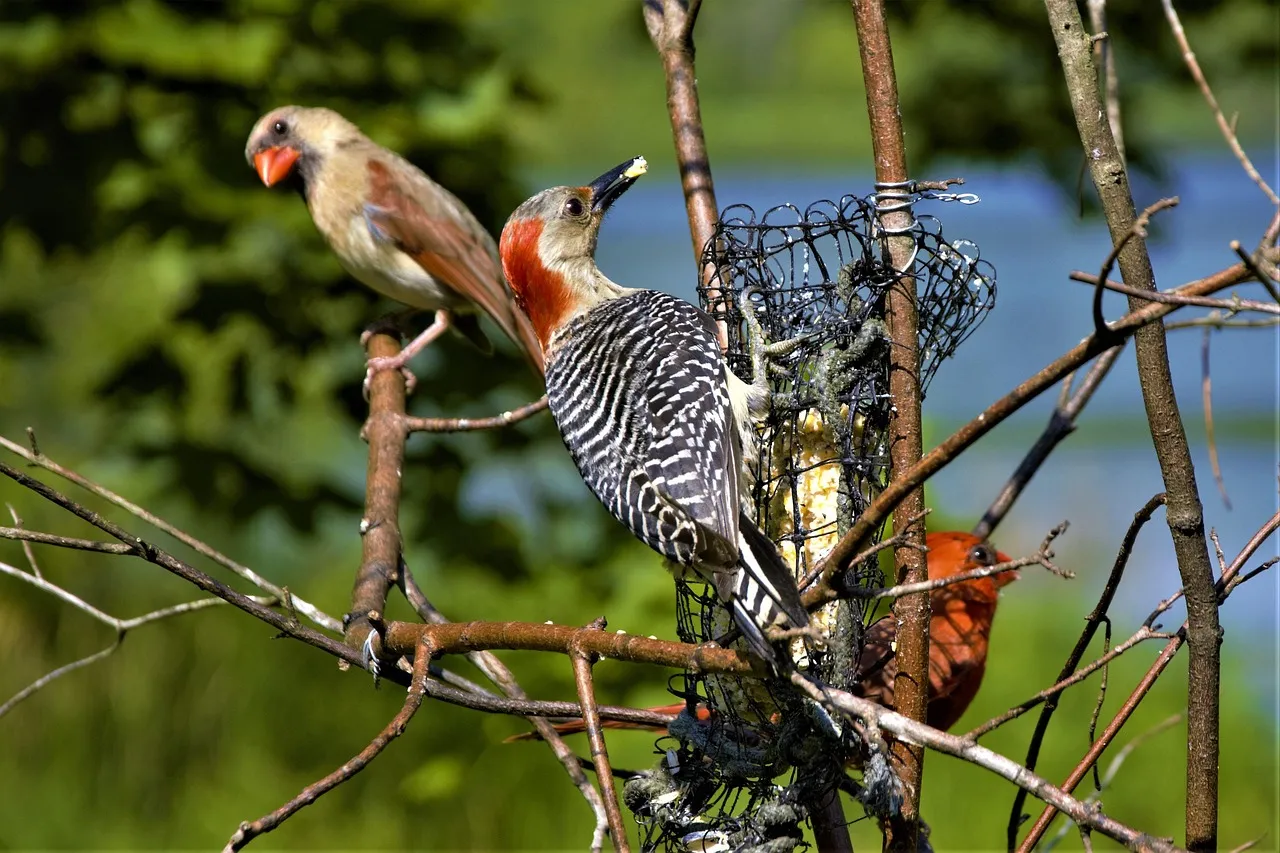
Researchers have found that nearly all of the energy from striking a tree is absorbed by the woodpecker’s body, with only a small fraction actually reaching the brain. This energy mostly generates heat in the brain, so woodpeckers typically peck in short bursts with breaks in between, which researchers believe serves to cool the brain.
Woodpeckers combine specialized cranio-mandibular articulations, a cranial configuration adapted for impact resistance, and strategic muscle arrangements to maintain stability and prevent joint dislocation during repeated high-force pecking. They also have strong tail feathers and claws that help them keep their balance as their head moves toward the tree trunk at 7 meters per second. The whole body participates in managing the physics of impact.
The Tau Protein Twist: Are Woodpeckers Entirely Unharmed?

The story gets more complicated here, and science has not yet fully resolved it. Research has found that woodpecker brains actually show an abnormal accumulation of tau proteins, while control bird species do not. In humans, abnormal tau protein accumulation in the brain is a major signifier of damage associated with CTE, which is believed to be triggered by concussions and repeated head impacts.
However, researchers have noted that there are different types of tau proteins. It is also possible that the tau proteins found in woodpecker brains actually protect the brain rather than harm it. The neurobiological response of woodpeckers to repetitive head acceleration and deceleration remains vastly underexplored, and it is not known with any certainty whether woodpecker brains experience neurotrauma in association with their pecking behavior. This remains an open and actively studied question.
What New Research in 2025 and 2026 Is Adding
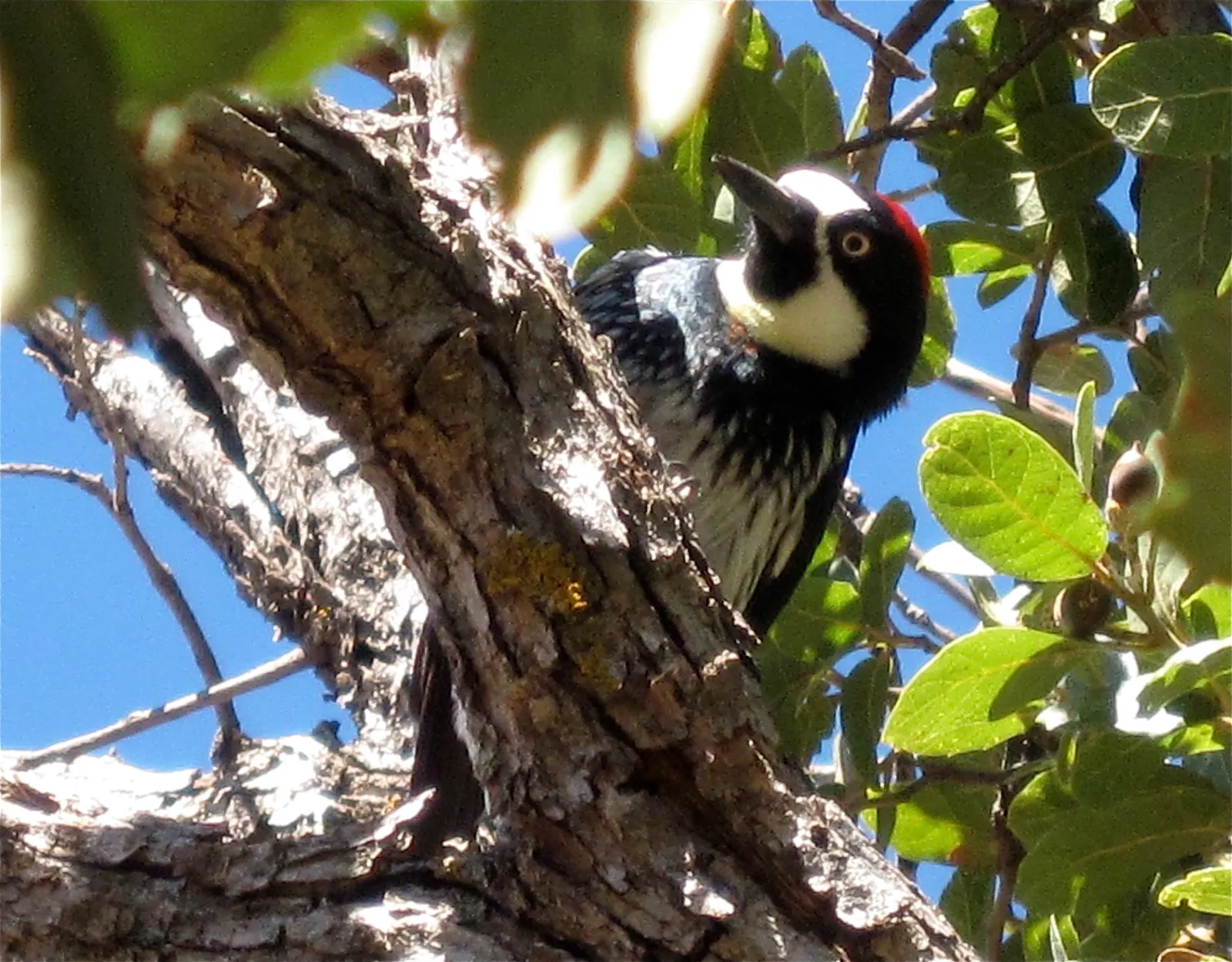
A 2026 study published in the Journal of Anatomy found that woodpeckers combine specialized cranio-mandibular articulations, cranial configurations adapted for impact resistance, and strategic muscle arrangements to maintain stability and prevent joint dislocation during repeated high-force pecking. This work focuses on the joint system, an area that had received less attention in earlier research.
These morphological traits, together with evolutionary decoupling from general craniofacial evolutionary trends, allow increases in skull and brain size without compromising delicate structures. The biomechanics of woodpeckers have captivated researchers for decades, and their unique ability to withstand repeated impacts has sparked interest across multiple disciplines, including the development of woodpecker-inspired safety equipment. The research pipeline continues to grow.
What This Means for Human Head Injury Research
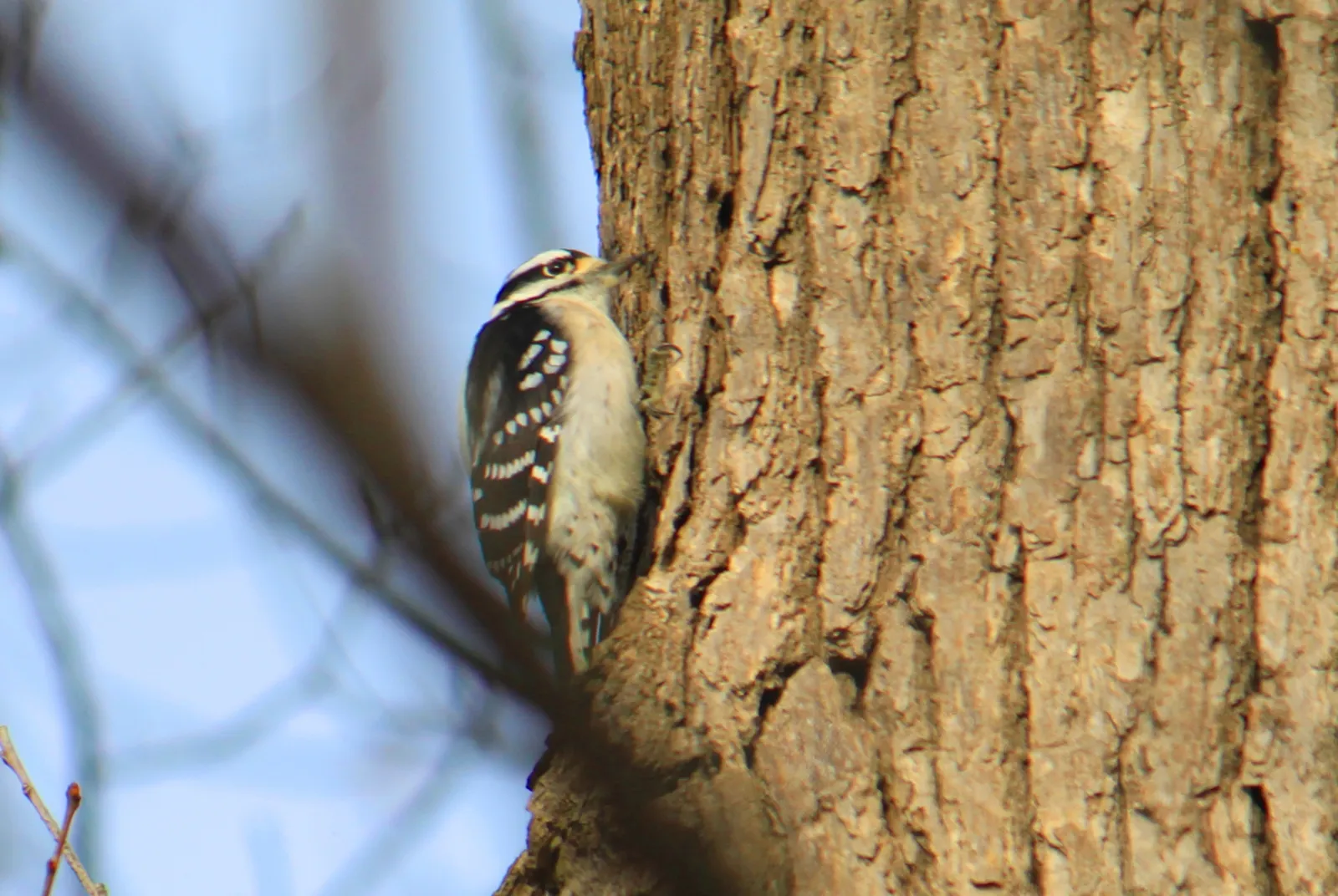
This biomechanical analysis of woodpecker pecking may inspire new approaches to the prevention and treatment of human head injury. That potential has drawn serious attention from engineers and neuroscientists alike, especially those working on concussion prevention in sports and military settings.
Research suggests that the woodpecker’s unusual skull and tongue bones are examples of impact-resistant structures essential for protecting the brain during pecking. Biologists and neuroscientists are actively studying the woodpecker’s brain for pathological evidence of brain injuries similar to CTE in humans, with the hope that findings will reveal how to protect and heal human brain injuries. The woodpecker, in that sense, is not just an evolutionary curiosity – it may be a practical guide.
The Takeaway
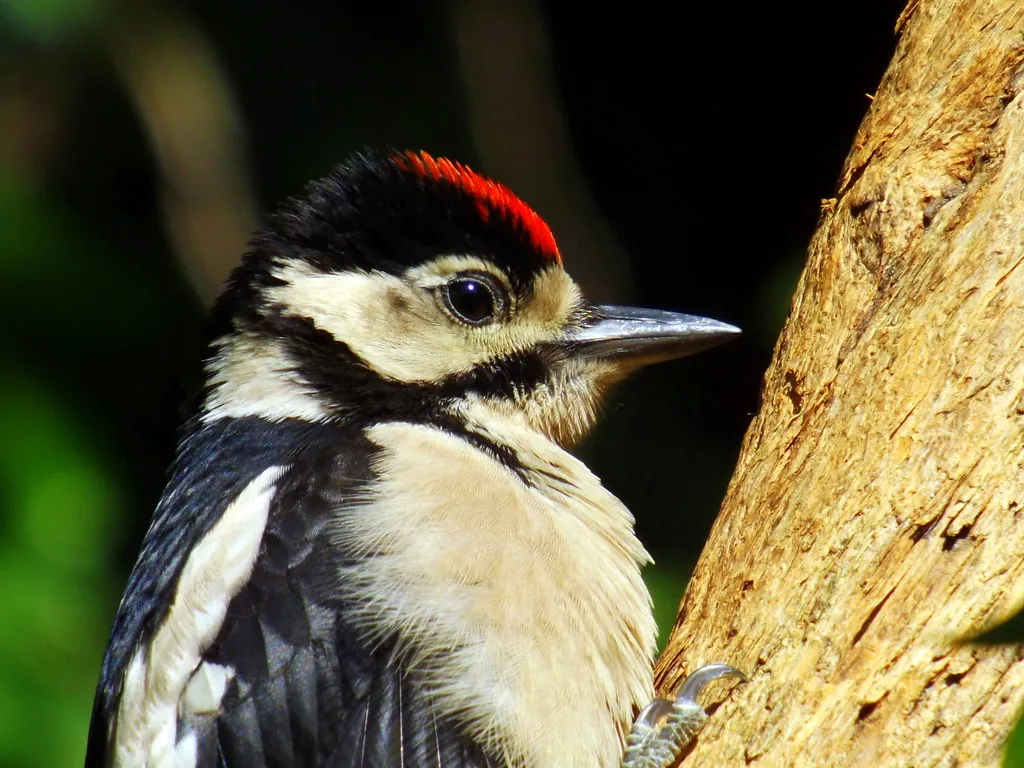
The woodpecker’s ability to endure thousands of head impacts daily without apparent debilitation is not explained by any single mechanism. It’s a system – built of asymmetric beaks, spongy bone, a remarkable tongue apparatus, a tightly fitted brain, and behavioral habits that together distribute and absorb force across the whole body. Each element on its own would be insufficient. Together, they produce something extraordinary.
What’s equally striking is that science is still refining this picture. The tau protein findings have introduced a note of genuine uncertainty: woodpeckers may not be entirely immune to the effects of constant impact, only uniquely equipped to cope with them. That nuance makes the research even more valuable, because the honest complexity of biology is almost always more useful than a clean, simple answer.
AI Disclaimer: This article was created with the assistance of AI tools and reviewed by a human editor.