

Most people treat their clothes dryer like it’s indestructible. You toss in a load, press start, and walk away. It’s one of those appliances that just runs in the background of daily life, rarely noticed until something goes wrong.
The trouble is, the habits that wear a dryer down are almost invisible. They happen slowly, cycle after cycle, until one day the machine runs hot, takes twice as long, or stops working entirely. Here’s what’s actually happening inside your dryer, and what you might want to change starting today.
Skipping the Lint Trap – the Single Most Damaging Habit
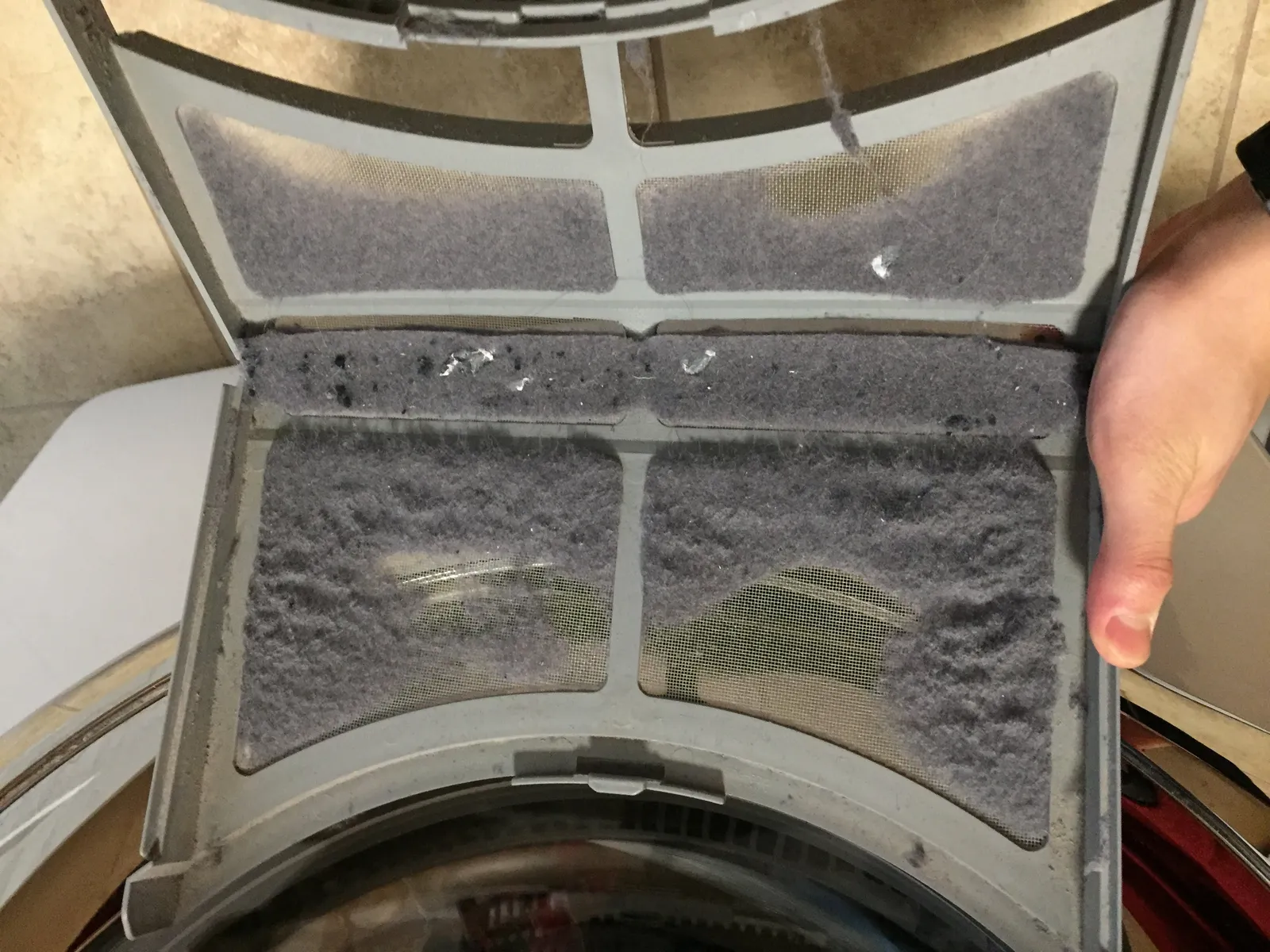
You should be cleaning the lint out of your lint catcher every single time you run the dryer. Leaving lint in the filter slows down the drying process and lowers efficiency. It can also cause the dryer to overheat, and in serious cases, catch fire.
According to CPSC studies, lint accumulation causes roughly nine out of ten dryer fires. NFPA data further shows that failure to clean the lint screen is a factor present before the vast majority of dryer fires.
Keeping the lint screen clean goes a long way toward helping your clothes dryer work efficiently and last longer. It’s a ten-second task that most people simply forget to do.
Overloading the Drum
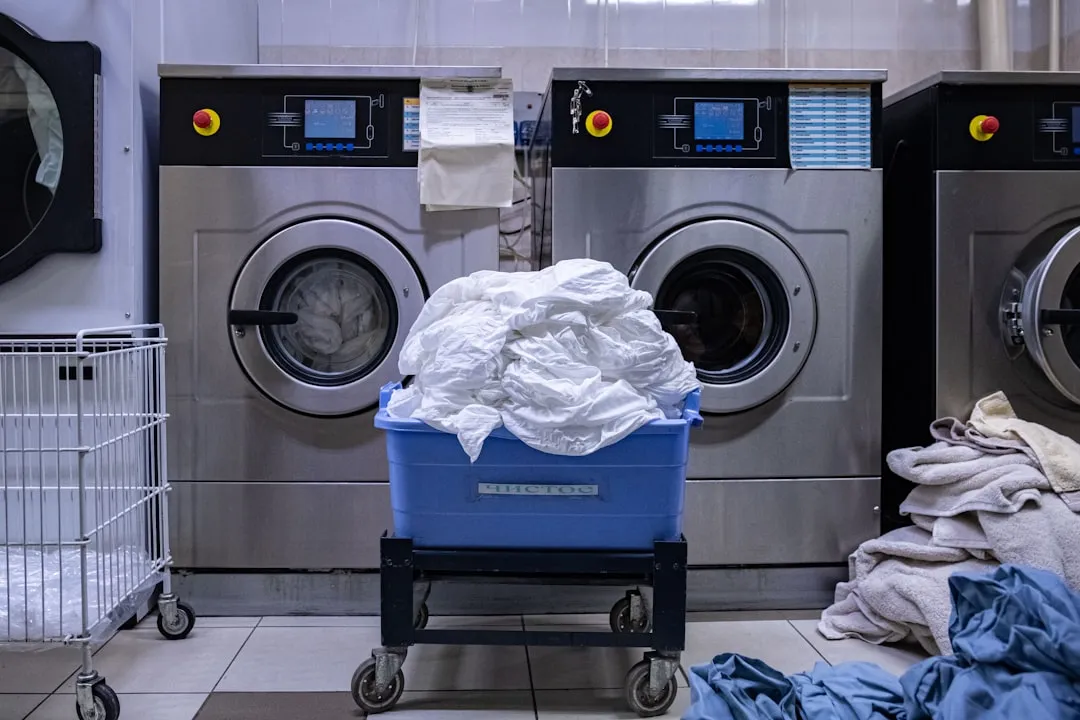
Overloading the dryer puts extra strain on the drive belt and motor. The motor and belt wear out faster when you frequently overload the machine. The dryer also has to run longer because air can’t flow through properly. Those longer run times, combined with that extra strain, directly shorten the dryer’s life.
Only fill the dryer with reasonable-sized loads. Most dryers can handle a load the size of eight to ten bath towels or six to eight pairs of jeans at a time.
For optimal performance, make sure you’re not filling more than three-quarters of the drum. That extra space isn’t wasted. It’s what lets the hot air actually circulate and do its job.
Neglecting the Exhaust Vent

Exhaust ducts are places where lint can gather, causing clothes to dry more slowly and using more energy than necessary. Vacuuming the duct every few months prevents lint buildup, which is also a fire hazard.
Lint builds up in the dryer vent over time, gradually obstructing airflow. When airflow is restricted, hot air has nowhere to go, causing the dryer to overheat. Combine that excessive heat with flammable lint, and the conditions for a fire are set.
At minimum, dryer vents should be professionally cleaned once per year. High-use households or those with longer duct runs may benefit from cleaning every six months.
Running the Dryer on High Heat Every Single Time
High-heat cycles, frequent overloading, and clogged vents accelerate wear. A dryer’s life depends on its design, how you use it, and how well you maintain it.
Electric dryers rely on a heating element that is prone to failure if airflow is consistently restricted by lint blockage. Running high heat on already-blocked vents creates a compounding problem that most people don’t notice until performance drops noticeably.
High-heat settings increase lint ignition risk significantly according to lab tests. Choosing a lower or medium heat setting for everyday loads is a simple adjustment that reduces stress on heating components considerably.
Using the Wrong Duct Material
Flexible foil vents are implicated in roughly a third of lint buildup fires. These accordion-style ducts trap lint in their ridges and kinks far more readily than smooth, rigid metal alternatives.
You protect your dryer by avoiding overloaded cycles, deep cleaning the lint screen quarterly, and replacing flexible hoses with rigid metal ones. The duct material alone can make a meaningful difference in how well airflow is maintained over years of use.
Kinked vents trap lint, leading to a significant share of fires according to fire marshals. A straight, short, rigid metal duct run is always the better setup if your installation allows for it.
Never Having the Dryer Professionally Serviced
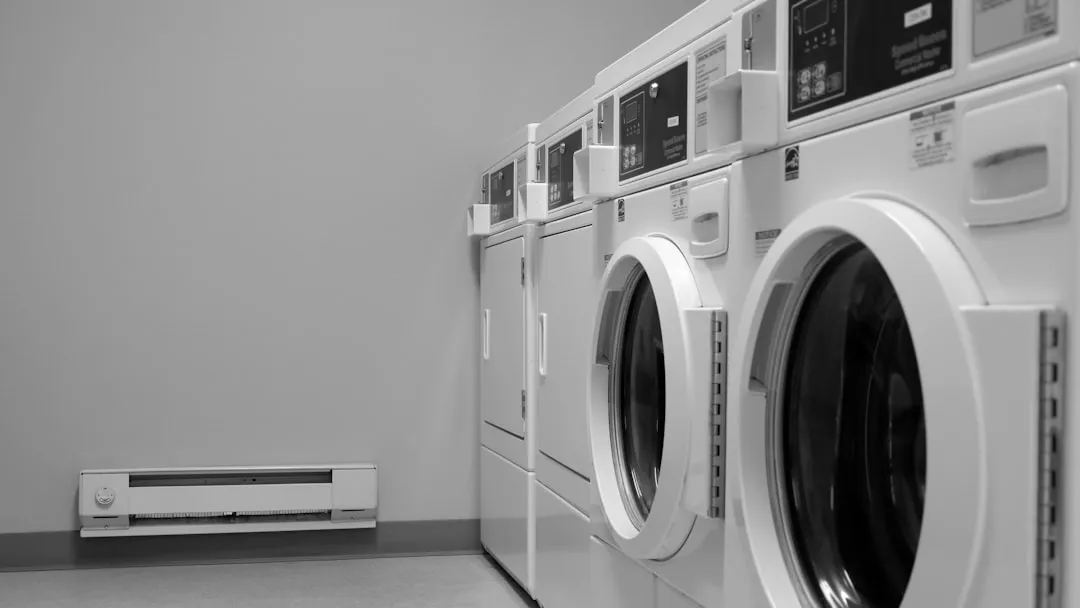
Skipping professional maintenance is a common problem. Most homeowners never have their dryer inspected, even though periodic service can catch wear issues before they become failures.
Scheduling an annual preventive maintenance check goes a long way toward making your dryer last longer. A technician can spot a worn belt, a failing thermal fuse, or a partially blocked vent that you’d never detect on your own.
The most frequently replaced components include the drive belt, heating element, thermal fuse, drum bearing, and door latch. Most of these are relatively affordable repairs when caught early.
Running Load After Load Without a Break
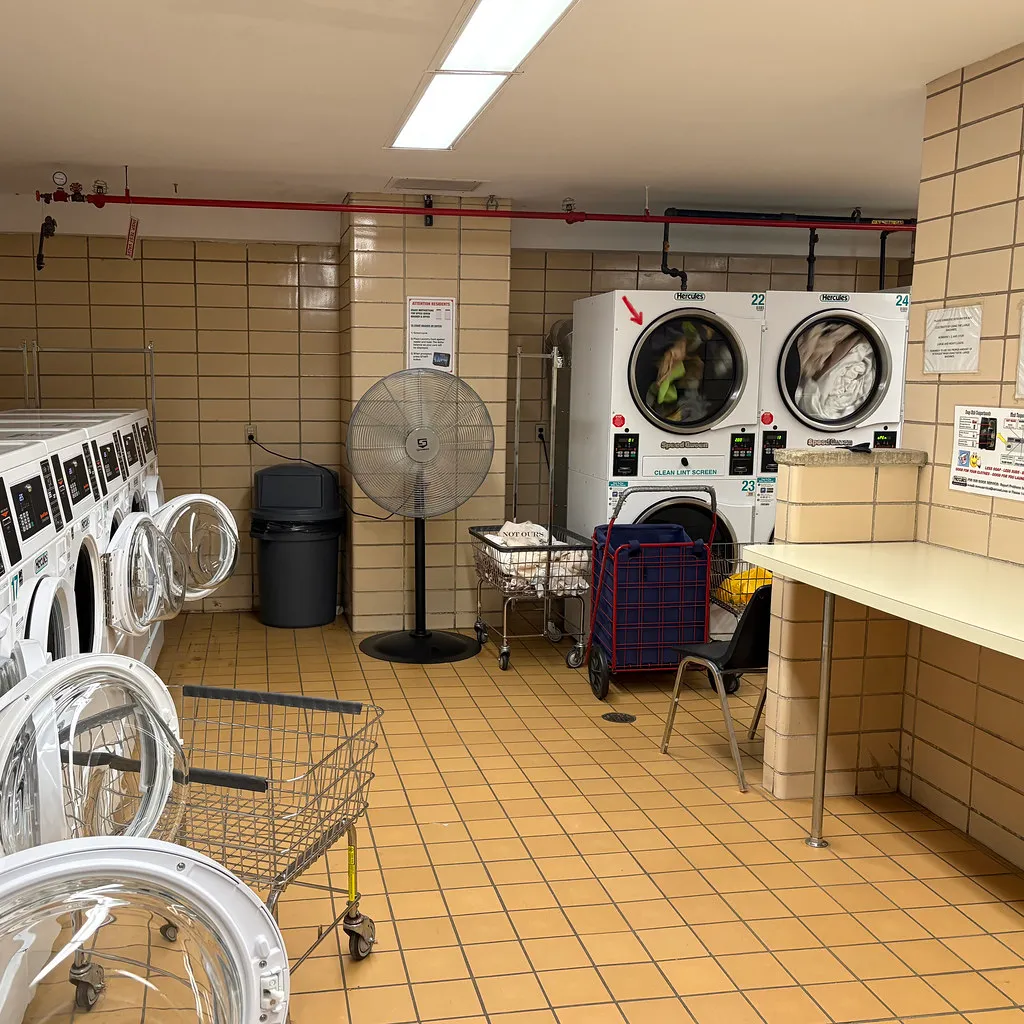
A practical way to lengthen the lifespan of your dryer is simply by giving it a break once in a while. Instead of using your dryer for every single load, consider air-drying occasionally. Hanging up certain items can not only prolong the life of your clothes, it will also extend the lifespan of your dryer.
Giving your hardware a break here and there will allow it to weather more usage overall, as overuse can kill its lifespan just as easily as improper maintenance.
Sticking to around eight loads per week or fewer is considered a reasonable threshold that will yield a low double-digit life from a laundry machine, regardless of type. That’s a useful benchmark for households that tend to run the machine daily.
Ignoring Dryer Sheet Residue on the Lint Screen
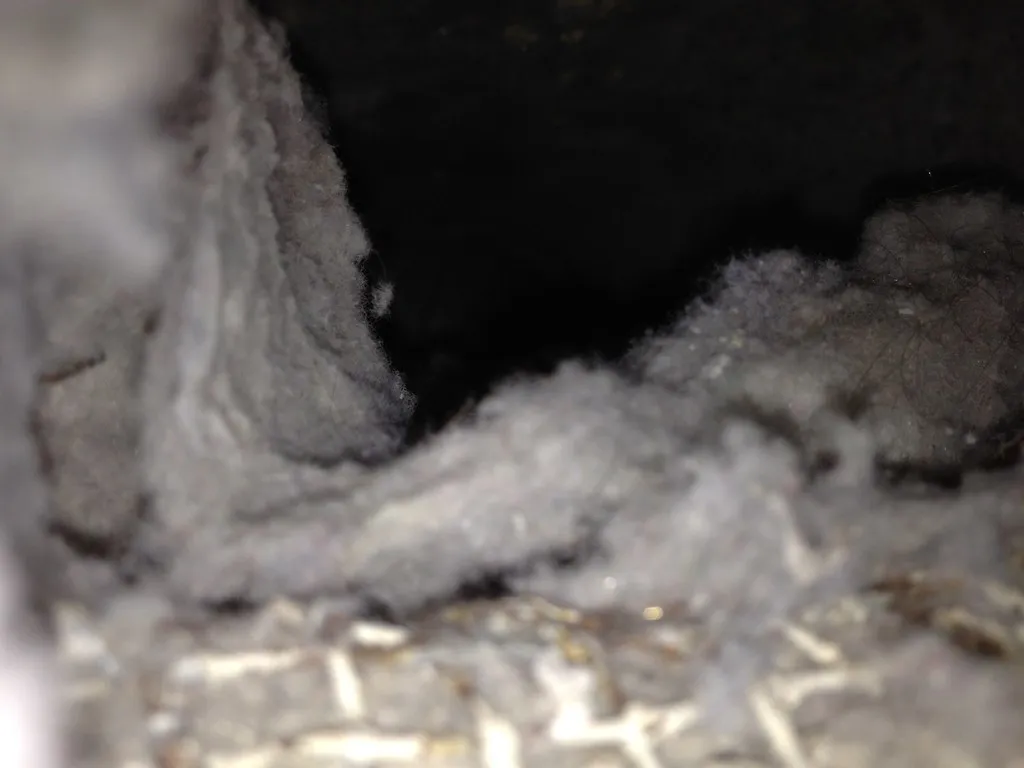
No matter how many dryer sheets you use, you need to be cleaning your lint trap on a regular basis. Not just removing lint, but actually taking out the lint trap and soaking it in sudsy water every couple of months, or more often.
Fabric softener sheets contribute to a portion of lint fires via the residue they leave behind. That invisible waxy film coats the mesh screen over time, effectively blocking air even when the screen looks clean to the naked eye.
A simple way to check this: hold the dry lint screen under running water. If water pools on the surface instead of passing through, the mesh is coated and needs to be scrubbed. It’s a detail that most dryer owners never think to check.
Poor Installation Environment
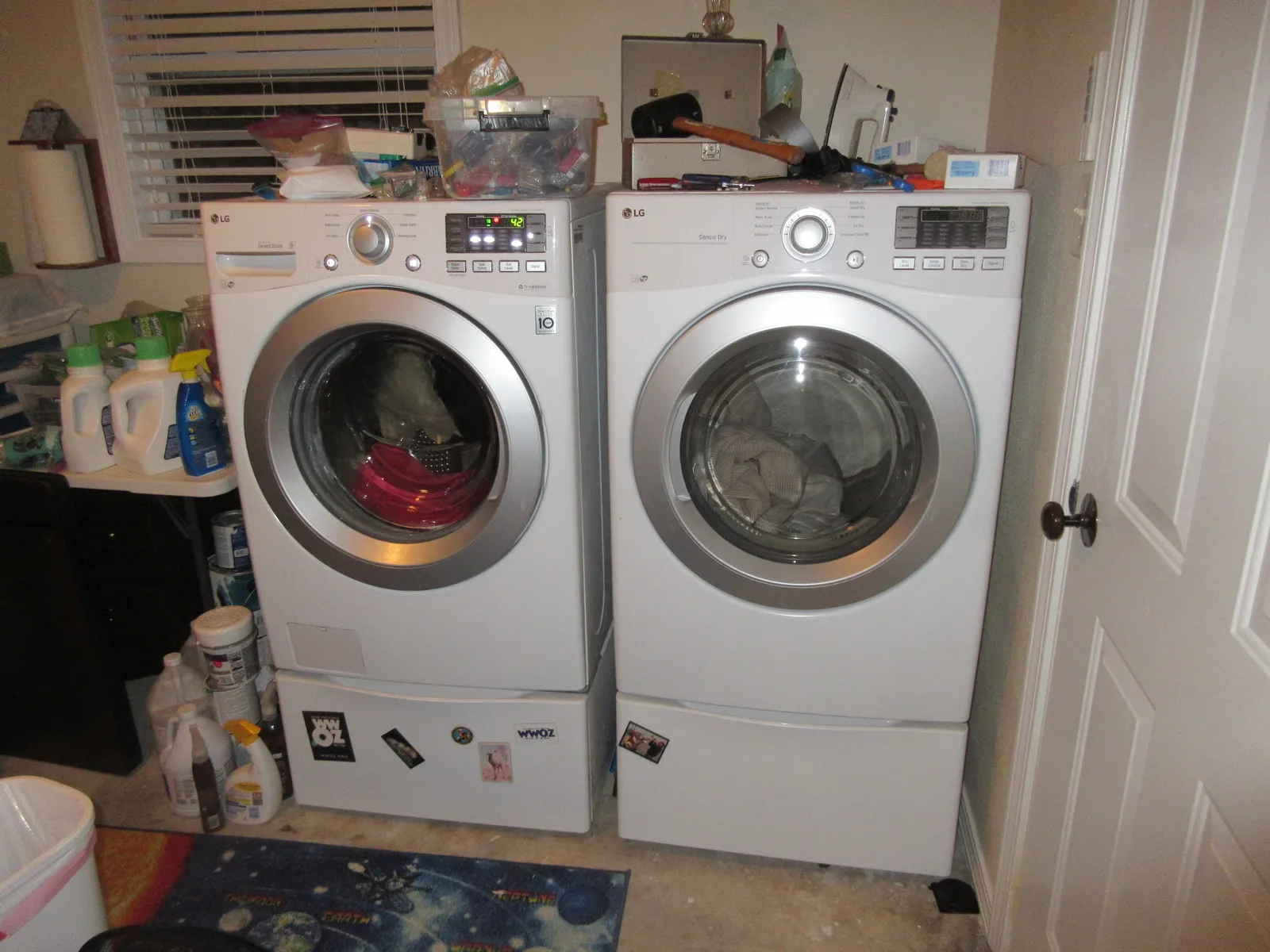
A dryer placed in a dusty garage or a humid basement may experience accelerated corrosion or premature failure of electronic components. The location matters more than most homeowners realize when the machine is first set up.
Humidity and temperature fluctuations in laundry spaces can affect the longevity of internal components. A well-ventilated, temperature-stable laundry room simply places less background stress on the machine over its lifetime.
Improper leveling, poor venting, or incorrect hookups can cause vibration, overheating, and mechanical stress that shortens appliance life. Getting the installation right from day one is one of the most overlooked factors in long-term durability.
Waiting Too Long to Replace Worn Parts
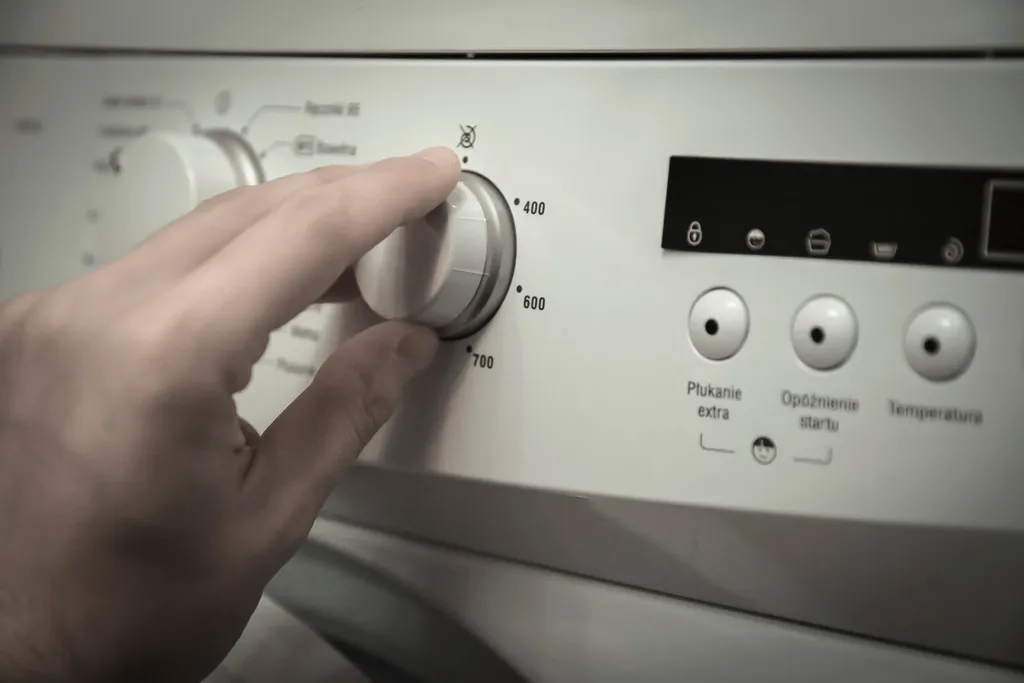
Replace worn belts or rollers promptly. Keeping the drum seals intact and ensuring the heating element is not overloaded can preserve efficiency and reduce wear.
If you consistently notice that a full cycle isn’t drying your clothes completely, it may be a sign of a dying appliance. Acting on that signal early, rather than pushing through it, can be the difference between a simple part replacement and a full machine breakdown.
If the fix is minor and costs less than half the price of a replacement, it’s still worthwhile. For major repairs on a unit past its average lifespan, replacement is usually the smarter investment.
The Takeaway
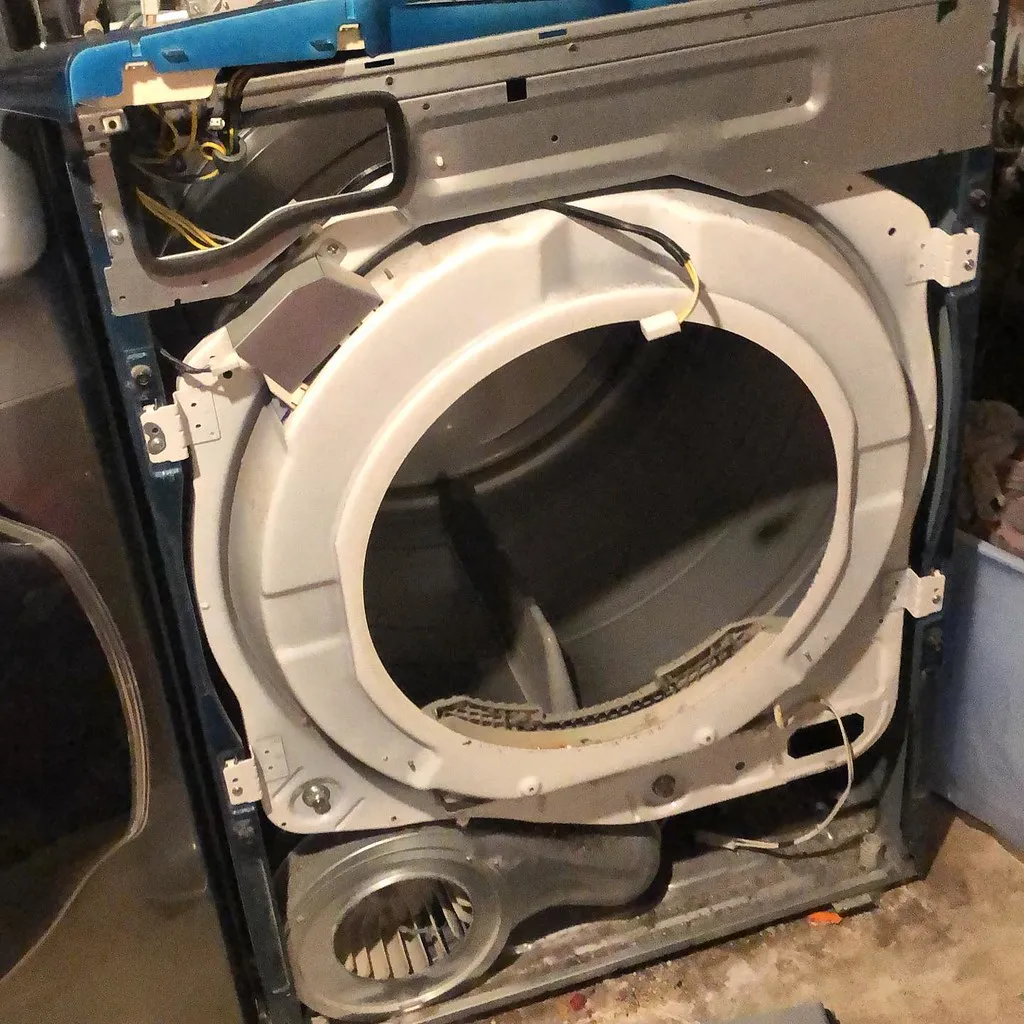
The average lifespan of a dryer is about 13 years, according to Consumer Reports. The shorter end of that range is around 8 years, while well-maintained units can push toward 25 years.
Most of the habits described here are easy to change. Cleaning the lint trap takes seconds. Switching duct material is a one-time job. Running smaller loads is simply a matter of habit. None of these changes demand much effort.
What’s worth remembering is that a dryer doesn’t break dramatically or all at once. It wears down quietly, load by load, until the cumulative neglect finally shows. A little routine attention now is genuinely worth more than a large repair bill or an early replacement later.
AI Disclaimer: This article was created with the assistance of AI tools and reviewed by a human editor.