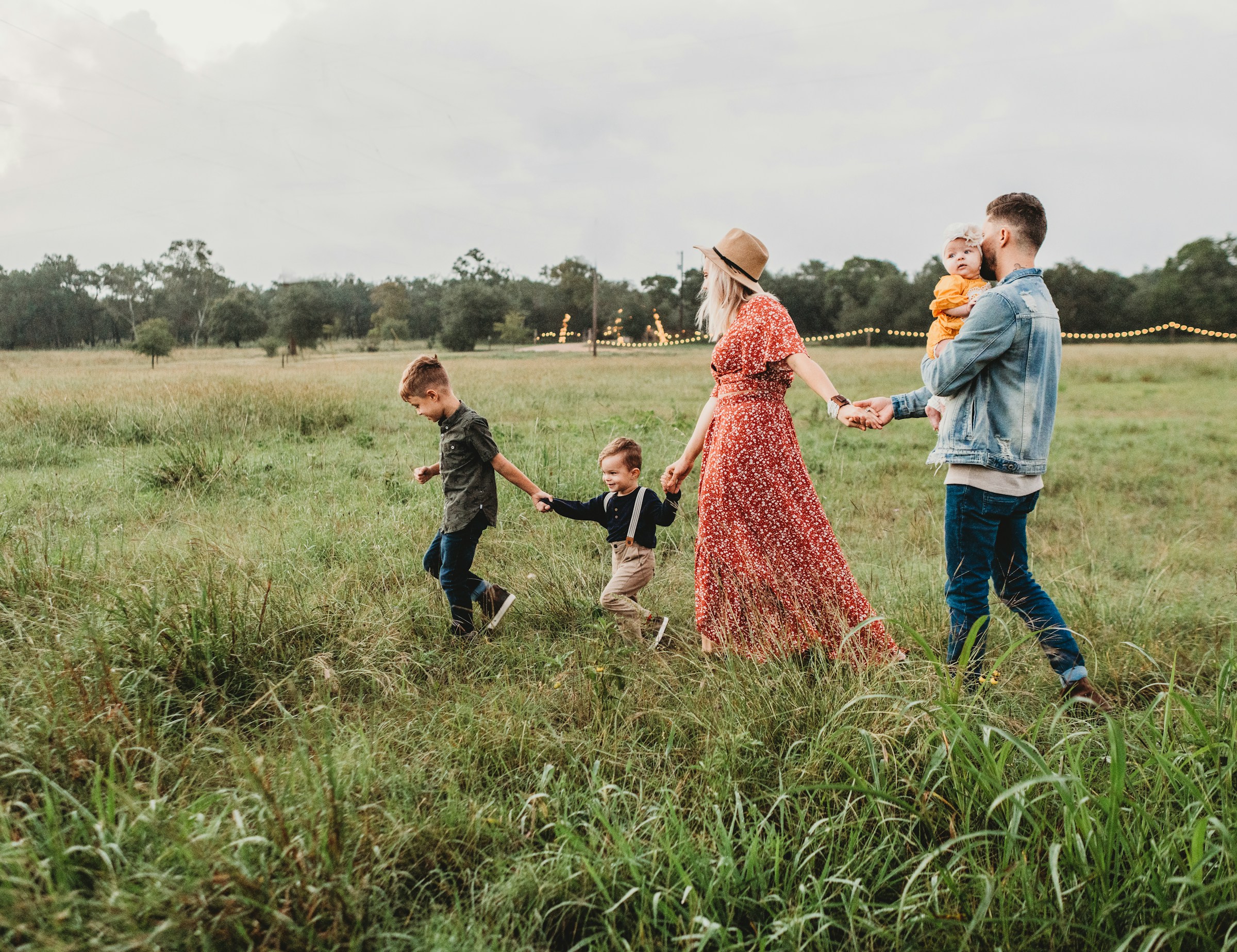

Sit two siblings down at a family dinner and ask them to describe growing up in the same house. Chances are, you’ll hear two stories that barely seem to overlap. One remembers a warm, safe home. The other remembers tension and pressure. Neither is lying.
This isn’t about faulty recollection or deliberate revisionism. It gets at something much more interesting: the way human memory is built, stored, and shaped by who we are at the moment we experience something. The science behind it is rich, and the implications reach further than most people expect.
Memory Is Constructive, Not a Recording

The most important thing to understand about memory is that the brain doesn’t store events the way a camera records video. There are three important aspects to memory: encoding, storage, and retrieval. Each of these stages is vulnerable to distortion. Differences in each or a combination of these aspects help explain why memories differ from person to person, with encoding starting through the organization and interpretation of sensory information from the environment.
Perceptual inputs are not raw data; they are interpretations of selective input, with each uniquely wired brain guiding its guesses and judgmental interpretations of every experience. These interpretations, our own fabricated virtual realities, are then recorded into memory. Two children in the same room are, in a very real neurological sense, experiencing slightly different events from the start.
Birth Order Changes the Actual Parenting Each Child Receives
The oldest child experienced one version of parents: younger, less experienced, often more anxious and rigid about rules. By the time the youngest came along, those same parents might have been more relaxed, more financially secure, or completely burned out. The youngest was raised by people who had learned to let things go; the oldest was raised by people still trying to get it right.
Firstborn children serve as rough drafts for parents, but they also serve as mentors to younger siblings. Parents are more anxious and push harder for better performance with this child than with later siblings. This means the emotional atmosphere of the household genuinely shifts between children, even when the address, the income, and the cast of people all stay the same.
Attention Is Selective – and Siblings Pay Attention to Different Things
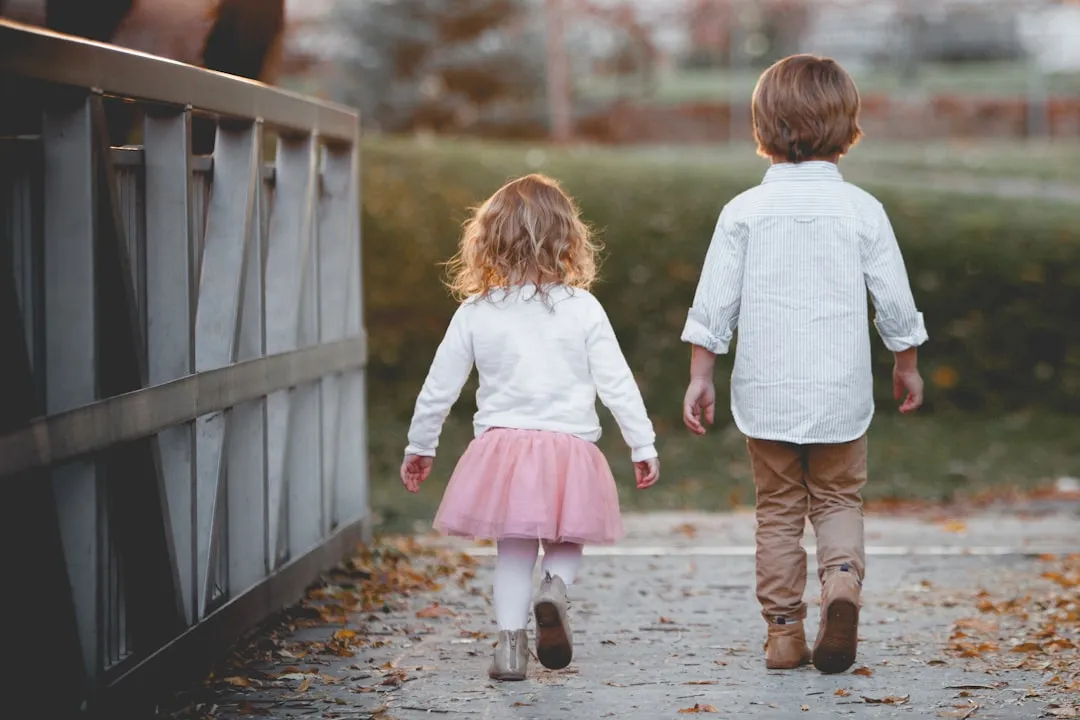
Each child attends to different aspects of the same scene – toys, parental mood, physical sensations. Memories reflect what was salient to the individual at the time. A younger child absorbed in play may have no memory of a tense conversation happening nearby, while an older sibling who understood the stakes recalls it vividly.
Some siblings may not even pay attention when their parents argue, while others linger around the corner and listen to every word. It’s especially easy for siblings of widely different ages to have contrasting recollections because their ability to grasp a situation won’t likely be the same. What you notice is ultimately shaped by what you’re capable of noticing, emotionally and developmentally, at that moment.
Emotional Intensity Drives What Gets Remembered
Emotional intensity directs encoding: an event mildly interesting to one child but frightening to another will be remembered differently. The brain prioritizes and consolidates emotionally charged experiences, which is why two siblings can share the same afternoon and walk away with completely different levels of recall about it.
Memory and conclusions about an event depend upon previous experience with that kind of situation and how frightened each person was. When siblings reminisce, each story is somewhat different – one may discount severity while the other maximizes it. Neither version is a lie; both are the honest output of differently calibrated emotional systems responding to the same stimulus.
Age at the Time of an Event Matters More Than People Realize
Age at the time of an event matters: even a few months’ difference changes verbal ability, attention span, and understanding. One child may have encoded an event verbally and conceptually, while another encoded it sensorily or not at all. A three-year-old and a seven-year-old witnessing the same moment are operating with fundamentally different cognitive tools.
Older or more verbal siblings form richer narrative cues, making their memories easier to retrieve later. Younger siblings, lacking language to anchor what they experienced, may retain only a vague emotional residue rather than a clear narrative. This alone explains much of the disagreement between siblings with a meaningful age gap.
Parental Differential Treatment Shapes Each Child’s Reality
Most parents would swear they don’t have a favorite child, but favoritism can still creep in unconsciously. Psychologists even use the term “parental differential treatment” to describe the emotional impact it has on each child and their relationship with one another. When one child consistently receives more praise or more discipline than another, each child builds a different emotional map of what home felt like.
It’s easy to subjectively feel like you’re the odd one out and can never measure up to your perfect sibling, while they might feel the exact same way about you. Both children are responding to real, lived experiences, yet those experiences diverge precisely because differential treatment, even when subtle, creates genuinely different realities within the same household walls.
Family Storytelling Reshapes the Memory Over Time
Family retellings often reshape everyone’s recollection. Source monitoring errors occur when people remember a detail but misattribute whether it came from the event itself, a later conversation, a story, or imagination. Over years of holiday dinners and family reunions, the stories told about childhood quietly rewrite the originals.
Social conformity and reputational motives also play a role: people sometimes, consciously or unconsciously, align their account with family narratives, emphasize certain roles such as hero, victim, or peacemaker, or downplay embarrassing facts. The result is that the version of events a sibling tells at age forty may have been gradually rebuilt from multiple sources, not from a single clean memory.
Each Sibling Occupies a Different Role in the Family System
Birth order can influence relationships, making it an important issue to examine scientifically. Alfred Adler was one of the first theorists to connect birth order with an individual’s understanding. He highlighted psychological birth order, focusing on children’s perceptions of their family roles rather than their ordinal positions. Those roles – caretaker, rebel, peacemaker, achiever – color how each child moves through family life and what they pay attention to.
People play different roles around family. The youngest may joke and defer at family dinners while being the serious, decisive one at work. Personality tests measure patterns that hold across situations; the family living room is one situation, and an unusual one. Old roles switch on there and switch off elsewhere. The memory each sibling carries is partly a memory of the role they inhabited, not just the events they witnessed.
The Brain Actively Edits Memories to Match a Personal Narrative
The brain tries to preserve its predictions, meaning some memories of events are rewritten to fit a broader personal meaning. We often remember things that are very close to our interpretation of reality and reject elements that don’t match it, because we need to make sense of our lives. This isn’t deception; it’s the brain doing what it’s designed to do.
While siblings were growing up, they had the same experiences but frequently came to different conclusions about them. They come to such conclusions in an effort to make sense of events, but they did not always make sense of them in the same way. Once a conclusion is formed, the brain tends to shore it up with supporting memories and quietly let contradictory ones fade. Each sibling ends up with a coherent personal story – they just happen to be different stories.
Research on Sibling Memory Concordance Reveals Genuine Gaps
Studies of socioeconomic determinants of health often rely on recalled information about childhood, despite limited evidence of the validity of this information. One study at the National Institutes of Health examined concordance between siblings of recalled measures of childhood socioeconomic position, assessing the validity of recall by adults comparing responses between sibling pairs in a large national sample. The findings showed meaningful disagreement even on seemingly objective facts about their shared upbringing.
A 2024 study published in the journal Memory took a closer look at how young adults recall family and self-related events. Researchers investigated the phenomenological and narrative characteristics of young adults’ self- and other-related memories within the context of significant relationships, also examining whether gender and gender concordance between siblings were associated with autobiographical memory characteristics. The study reinforced that even among closely bonded siblings, the personal framing of shared events diverges considerably.
The Takeaway
There’s a quiet comfort in understanding why siblings remember childhood so differently. It’s not about who was paying attention or who is telling the truth. When one sibling or a parent says “that’s not the way I remember it,” it is not necessarily an oppositional statement, but an honest recall of how the individual came to a conclusion about the experience and stored it away in their mind.
Each sibling grew up in a family that was, in measurable ways, not quite the same family. Different ages, different roles, different levels of parental anxiety, different emotional stakes. Before arguing about the details, it’s worth pausing to reflect – perhaps both siblings are right and wrong to varying degrees. Memory isn’t a verdict. It’s a reconstruction, and every reconstruction is shaped by the person doing the building.
AI Disclaimer: This article was created with the assistance of AI tools and reviewed by a human editor.