
The EPA estimates that indoor air can be two to five times more polluted than outdoor air. Many conventional air fresheners contribute to that pollution through volatile compounds rather than clearing the underlying issue. Persistent odors often remain because the real sources sit deeper than surface sprays can reach.
The Limits of Masking Scents
Most people reach for aerosols, plug-ins, or candles when a room feels off. These options add fragrance on top of existing smells without addressing what created them in the first place. The result is a cycle where the original odor returns once the added scent fades. Over time this approach can worsen indoor conditions. Volatile organic compounds released by many scented products linger in enclosed spaces and may irritate respiratory systems. Shifting focus from covering smells to removing them changes the outcome.
Where Odors Actually Originate
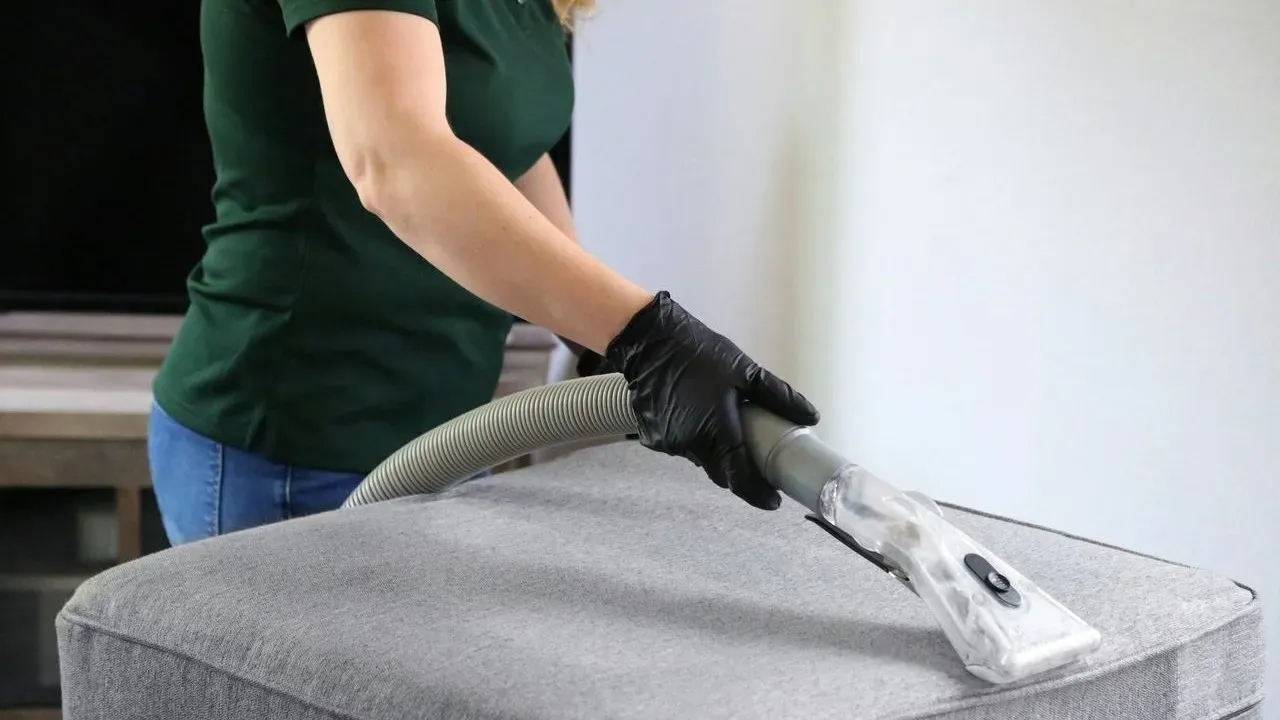
Household smells rarely come from obvious spots alone. Musty dampness builds in basements and bathrooms where humidity meets poor airflow. Pet dander and accidents settle into carpets and upholstery over months. Cooking oils and spices cling to fabrics and cabinet surfaces long after meals end. Enclosed closets and storage areas develop staleness from limited ventilation. These sources compound when left untreated. Surface cleaning removes visible residue but leaves microscopic particles embedded in fibers and porous materials. Identifying the category of odor first makes the next steps more effective.
Neutralizing at the Source
Effective removal targets the compounds causing the smell rather than overwhelming them with new aromas. Natural active ingredients such as tea tree oil have shown odor-neutralizing properties through traditional use and modern formulations. They interact with airflow to break down odor molecules instead of simply adding scent.
Continuous passive products placed where air circulates provide steadier results than one-time sprays. This method works with the home’s existing ventilation instead of fighting it. The difference appears in how long freshness lasts between treatments.
Room-by-Room Adjustments
Kitchens benefit from dedicated pods inside refrigerators and surface sprays on counters that handle both airborne and residue odors. Bathrooms respond better to ongoing neutralizers than reactive aerosols used after each visit. Basements and storage spaces improve with centrally placed passive units that allow air to move around them.
Pet zones require formulas that handle stronger organic smells through additional bioactive agents. Laundry areas and closets need treatments that reach fabric fibers, such as dryer additives or small closet units. Matching the method to the space prevents wasted effort on mismatched solutions.
| Common Approach | Typical Result |
|---|---|
| Fragranced sprays or candles | Temporary cover that fades |
| Source neutralization | Longer-lasting removal |
A home that smells genuinely clean carries no added perfume at all. Air moves freely once the original causes have been addressed. That standard becomes reachable with consistent attention to sources rather than symptoms.
AI Disclaimer: This article was created with the assistance of AI tools and reviewed by a human editor.