
Most home cooks spend real money on good spices. They seek out smoked paprika, fresh turmeric, quality cumin. Then they slide them into a rack above the stove, or line them up in pretty clear jars on the counter, and wonder six months later why their cooking tastes flat.
The problem isn’t the spices. It’s where and how they’re being kept. Flavor loss in spices is gradual, quiet, and almost entirely preventable – once you understand what’s actually happening inside that little jar.
Storing Spices Above the Stove Is the Single Biggest Mistake
The biggest mistake most people make is storing spices above where they cook – above a microwave or oven. Heat kills them. It takes away their flavor, their color, and shortens their shelf life considerably. The problem is that this spot feels so convenient. It’s right there when you need it. That convenience is costing you real flavor.
Heat from cooking degrades volatile oils roughly 2.3 times faster – even in glass containers. Storage tests show spices near stoves lose flavor about half as fast compared to spices stored in cool, dark places. You should never store them above the sink or oven.
Light Is Breaking Down Your Spices Faster Than You Think
Light, especially sunlight, can cause degradation of pigments and essential oils in spices, leading to loss of color, flavor, and aroma. Storing spices in opaque or dark containers helps protect them from this light exposure.
Light-sensitive spices like turmeric and paprika lose color roughly twenty percent slower in amber glass versus clear plastic. Countertop storage under LED lighting accelerates terpene loss by forty-four percent in under a month. That’s not a slow fade – it’s a rapid decline happening right in plain sight.
Research highlights that clear jars on open racks are among the errors that most destroy spice potency, since sunlight degrades flavor compounds in as little as thirty days. The fix is simple: transfer spices to opaque containers.
Humidity Is the Silent Destroyer Most People Ignore
Humidity is the most dangerous factor in spice storage because it causes clumping, moulding, and dulling of flavor compounds. When exposed to humidity, flavor losses and lumpiness are actually the least troubling concerns. Humid air, particularly when it’s warm like in a kitchen, promotes mold growth.
As humidity levels in spices rise, the risk of self-heating increases. Mold not only spoils spices, but it may also produce mycotoxins that are genotoxic, carcinogenic, or lead to food-borne illnesses. Most people assume a dusty old spice is just “weak.” In some cases, it may be genuinely unsafe.
According to Polygon Group, spices are hygroscopic, meaning they actively absorb moisture from the surrounding air, which leads to flavor changes, weight gain, and ultimately spoilage. Storing spices near a sink, dishwasher, or boiling pot speeds this process up dramatically.
Oxygen Is Eroding Flavor Every Time You Open the Jar
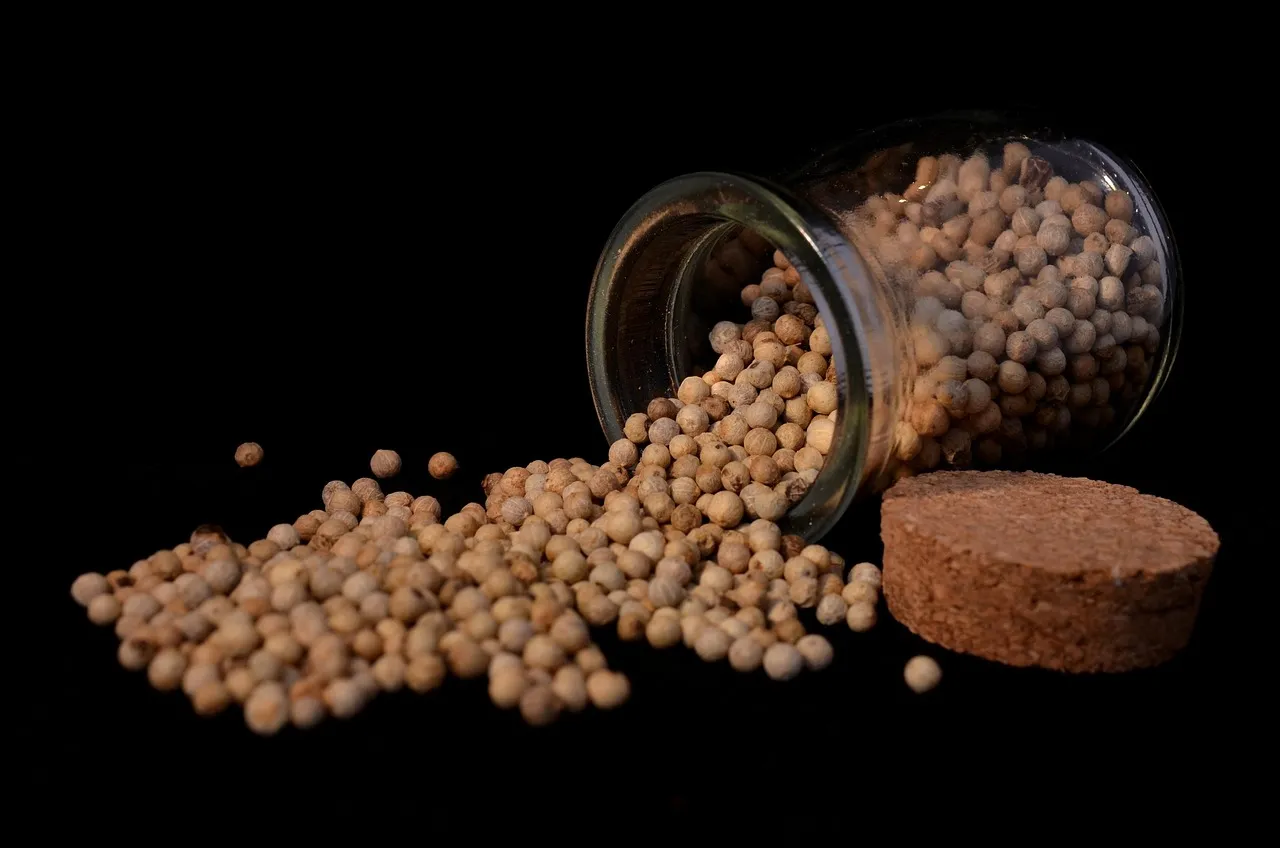
Each time you open a spice container, oxygen enters and begins oxidizing the essential oils. This is precisely why ground spices have a shorter shelf life than whole versions – the increased surface area exposes more compounds to air.
Oxidation is the dominant pathway for flavor loss. Whole spices lose oxygen at roughly 0.05 percent per month in sealed containers, while ground spices lose it at 0.8 percent per month due to twelve times greater surface area. The difference is significant and measurable.
One of the biggest mistakes you can make is leaving your spices exposed to air. Spices lose their essential oils and flavors much faster when stored in containers that aren’t airtight. This includes the original store packaging, which is often neither airtight nor opaque.
Ground Spices Lose Their Power Far Sooner Than Most People Realize
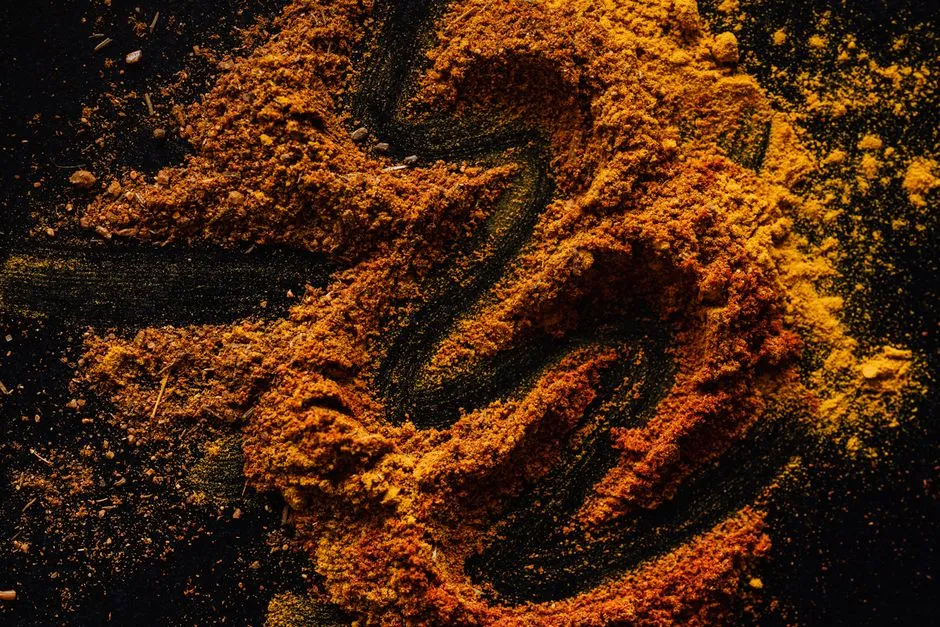
The moment you grind a spice, you shatter its cell walls and expose the volatile oils to air. Oxidation begins immediately. Within hours, measurable amounts of essential oil have evaporated. Within weeks, a significant percentage is gone. By six months, pre-ground spices have lost forty to seventy percent of their volatile oil content, depending on the spice and storage conditions.
Studies show that ground spices can lose up to seventy-five percent of their essential oils within six months under poor storage conditions. Ground spices last around six months for peak flavor but remain technically safe for up to three years. Safe and flavorful are two very different things.
Whole Spices Are a Dramatically Better Investment
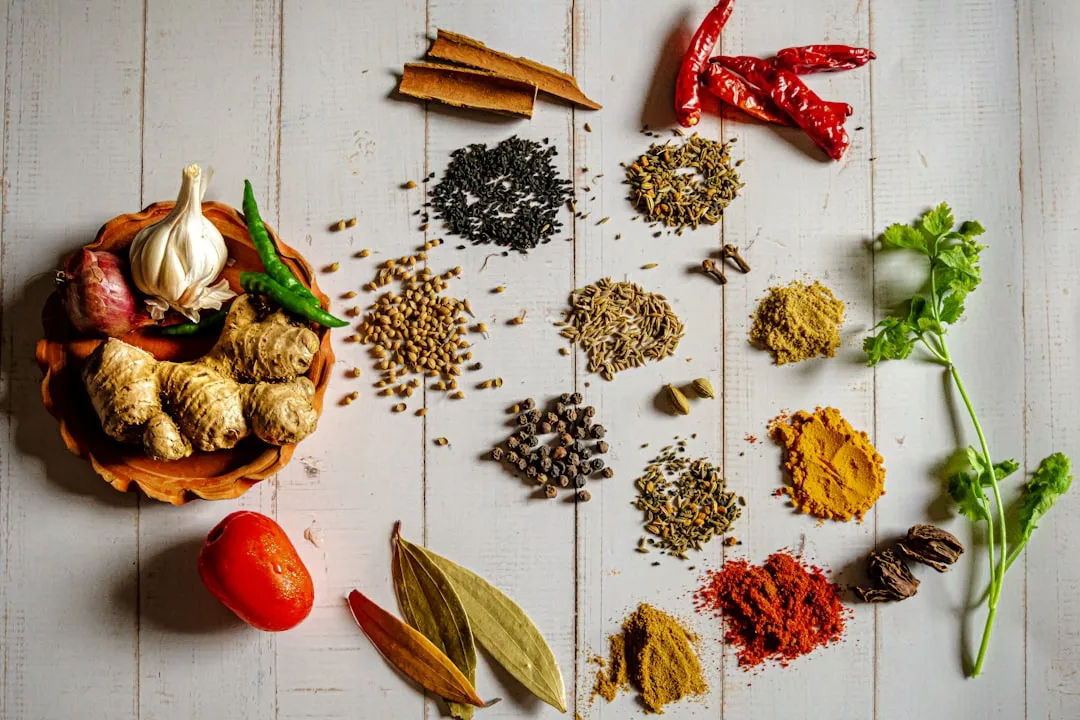
Whole spices retain potency far longer than ground because their essential oils remain protected inside intact seed or bark structures. Once ground, surface area increases exponentially – and so does oxidation.
A whole cumin seed, stored in a sealed jar away from light, retains over ninety percent of its cuminaldehyde – the primary flavor and bioactive compound – for two to three years. Whole spices such as cinnamon sticks, cardamom pods, and black peppercorns have a shelf life of up to three to four years when stored properly, because their protective outer layer shields the essential oils inside. Grinding them just before use ensures maximum flavor and nutrient retention.
The Refrigerator Is Not the Answer You’re Looking For
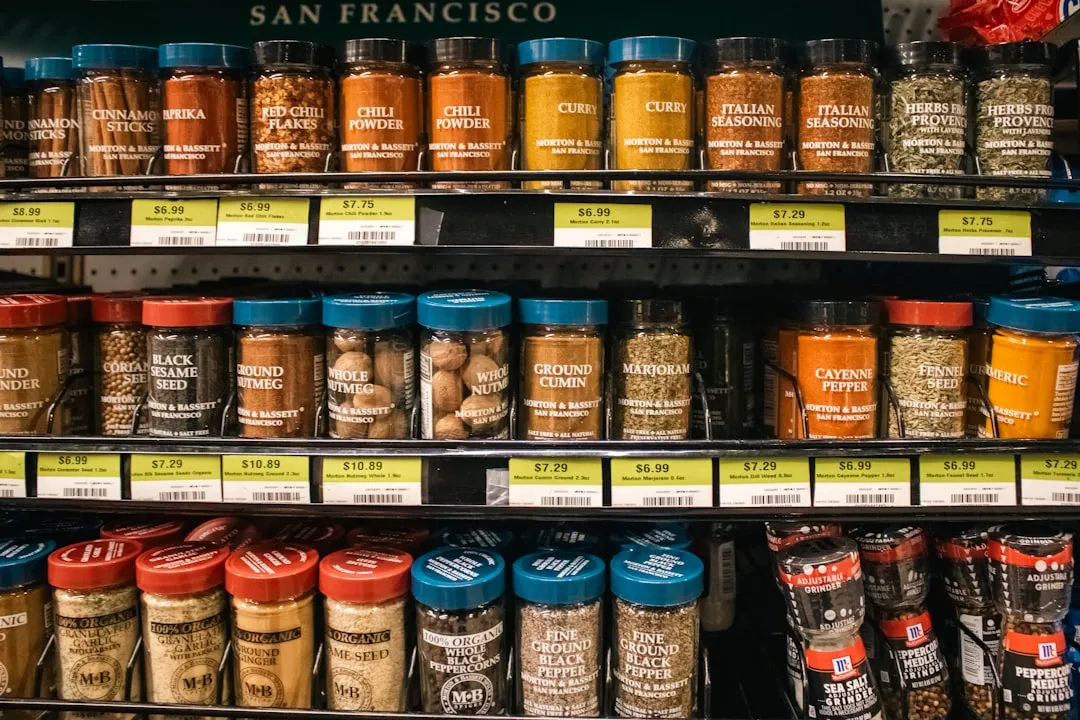
Refrigerators cycle through humidity levels ranging from thirty to seventy percent relative humidity, causing condensation inside jars. Testing has documented one hundred percent clumping in ground ginger stored in the refrigerator for more than fourteen days, even in sealed jars. Cold also dulls aroma perception during cooking.
Eurofins Scientific notes that high temperatures accelerate the chemical reactions that degrade essential oils, while low temperatures can trigger condensation when the storage area warms again. The refrigerator creates a cycle of temperature swings that actively harms most ground spices.
The freezer is a different story for whole spices. Freezing whole spices at minus eighteen degrees Celsius reduces degradation to less than one percent per year, while countertop storage under LED lighting accelerates terpene loss by forty-four percent in under a month. The key word there is “whole” – not pre-ground.
Paprika and Turmeric Are Among the Most Vulnerable Spices
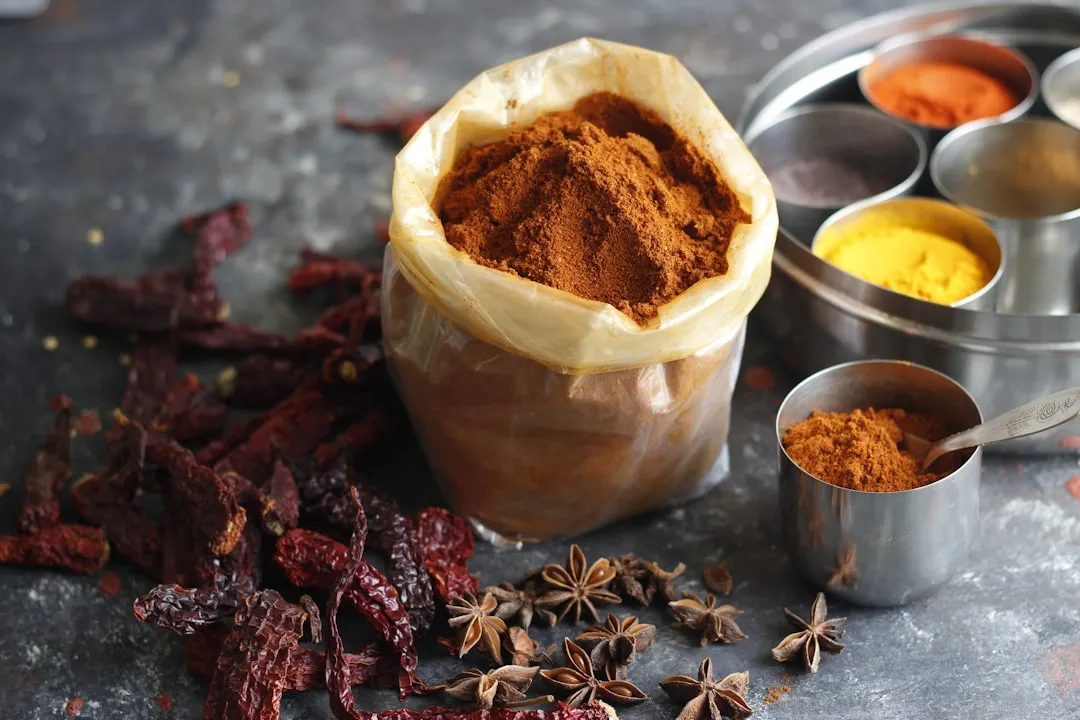
Most home cooks don’t realize that paprika loses up to seventy percent of its flavor compounds within just six months of opening, according to research published by the American Spice Trade Association in 2024. Heat, light, and air exposure break down the volatile oils that give paprika its distinctive taste, leaving you with a shadow of what it once was.
Exposure to heat, light, moisture, and air accelerates the breakdown of bioactive compounds. Turmeric’s curcumin, a powerful anti-inflammatory agent, degrades when exposed to sunlight. Ground turmeric loses roughly forty-two percent of its curcumin content within ninety days at room temperature, according to the Journal of Food Science.
Ground ginger’s volatile oils, particularly gingerol compounds that provide its characteristic heat and aroma, deteriorate within four to six months after grinding, according to spice industry research from 2024. These are the spices many cooks rely on most heavily – and they’re also the ones degrading fastest.
The Container You Choose Matters More Than Most Labels Suggest
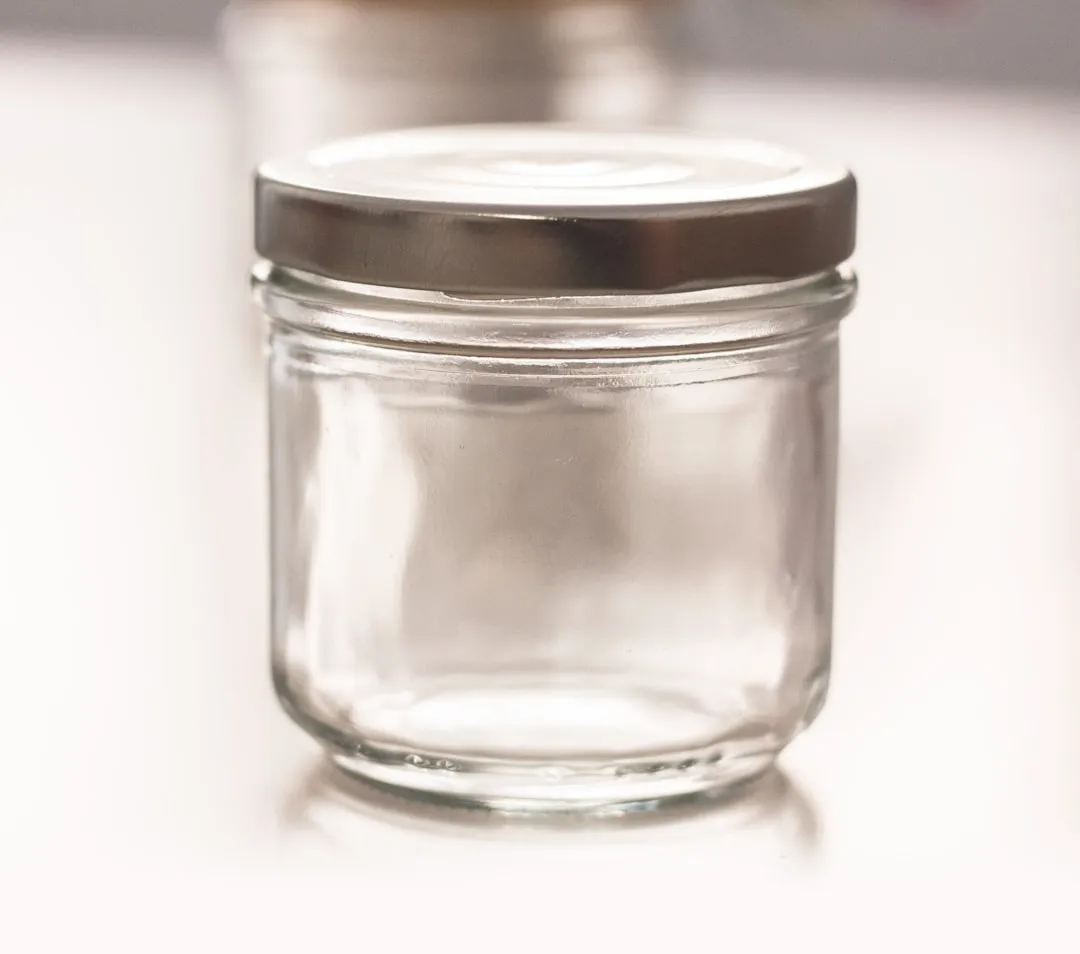
The choice of packaging material matters considerably. Glass and metal containers are non-porous, resistant to humidity, and do not allow light penetration when opaque, making them superior to paper or thin plastic for spice storage. Airtight, dark-colored glass or metal containers are the recommended standard for preventing both oxidation and moisture ingress.
A ScienceDirect study proves porous packaging causes thirty to fifty percent faster quality loss. For home cooks, this means bland curries; for producers, it represents billions in annual global losses. The original store packaging is often the worst offender – thin, semi-porous, and frequently clear.
Airtight packaging materials such as glass jars, metal tins, or vacuum-sealed bags help preserve freshness by minimizing exposure to moisture, oxygen, and light. Transferring spices into proper containers right after purchase is one of the most impactful things you can do.
How to Actually Test Whether Your Spices Are Still Good
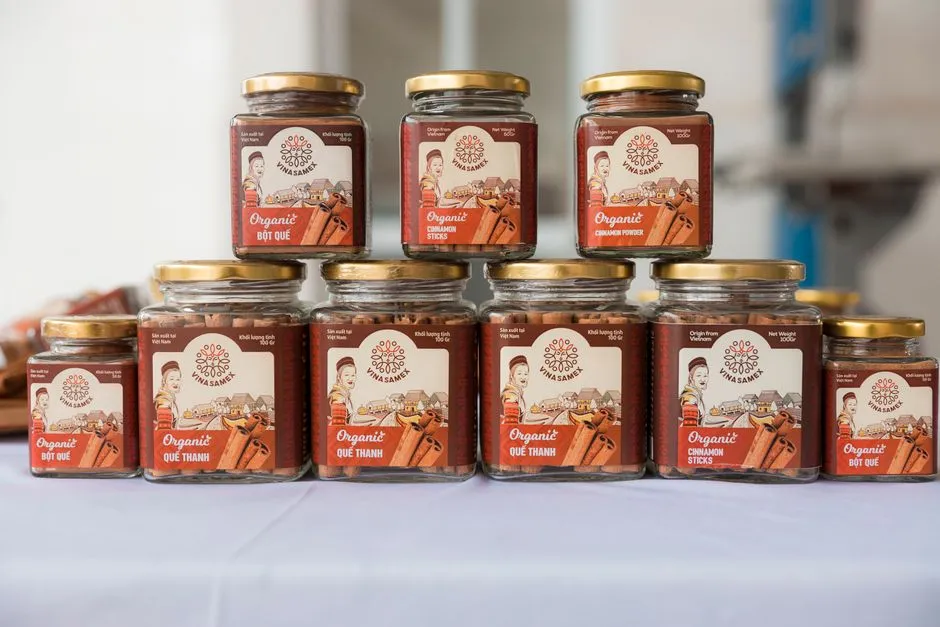
Food science research shows that the loss of volatile compounds with no aroma when rubbed indicates more than seventy percent flavor degradation, according to the Journal of Food Science. Significant color fading – like paprika turning from vibrant red to pale orange – indicates a seventy to eighty percent flavor loss.
A practical three-step sensory check works well: crush and sniff – it should be strong; check the color against a fresh spice – there should be no fading; then taste a pinch – it must pop, not taste dusty.
Research from the Journal of Food Science confirms that proper storage can extend shelf life by up to fifty percent compared to standard pantry conditions. That’s a meaningful difference – and it doesn’t require any special equipment, just the right location, the right container, and a little attention.
The Takeaway
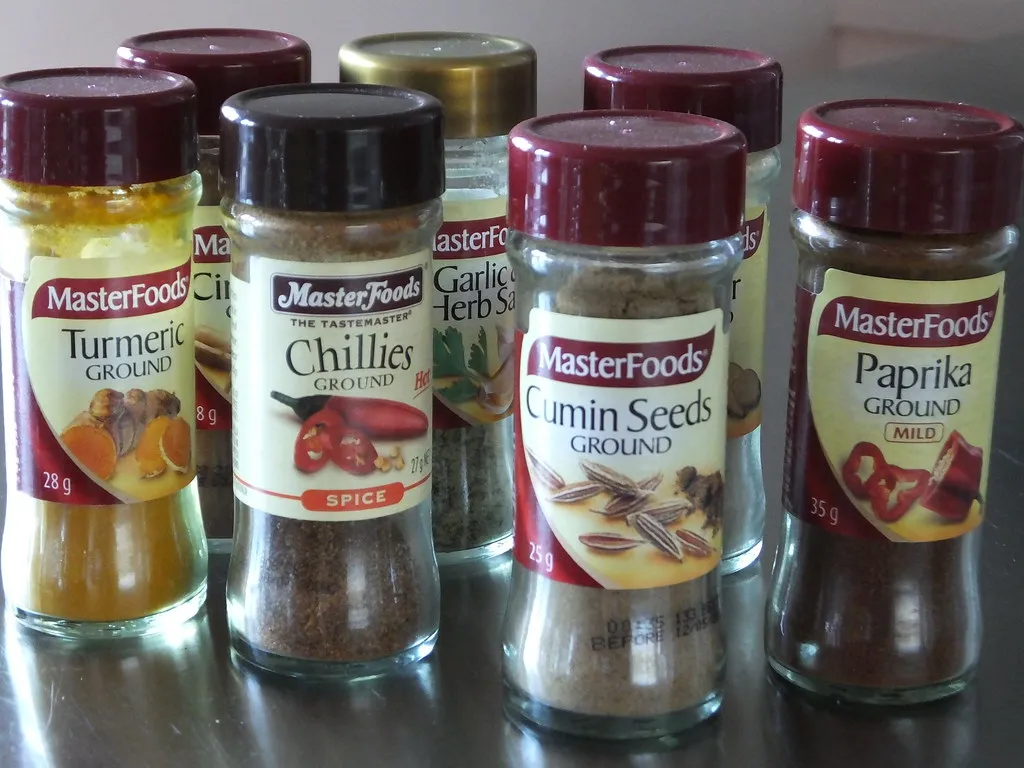
Spice degradation is one of those things that happens so slowly you barely notice until the dish tastes wrong and you can’t quite figure out why. The jars look fine. The labels say they’re still within date. Yet the flavor has quietly slipped away.
The fix isn’t complicated. Keep spices away from heat, light, and moisture. Use opaque, airtight containers. Buy whole where you can and grind as needed. According to 2024 USDA food safety guidelines, spices don’t technically expire but lose potency over time – and that potency is exactly what you’re paying for.
A spice rack on the counter looks great. A drawer full of flavor-intact, properly stored spices cooks even better. That trade-off is worth making.
AI Disclaimer: This article was created with the assistance of AI tools and reviewed by a human editor.