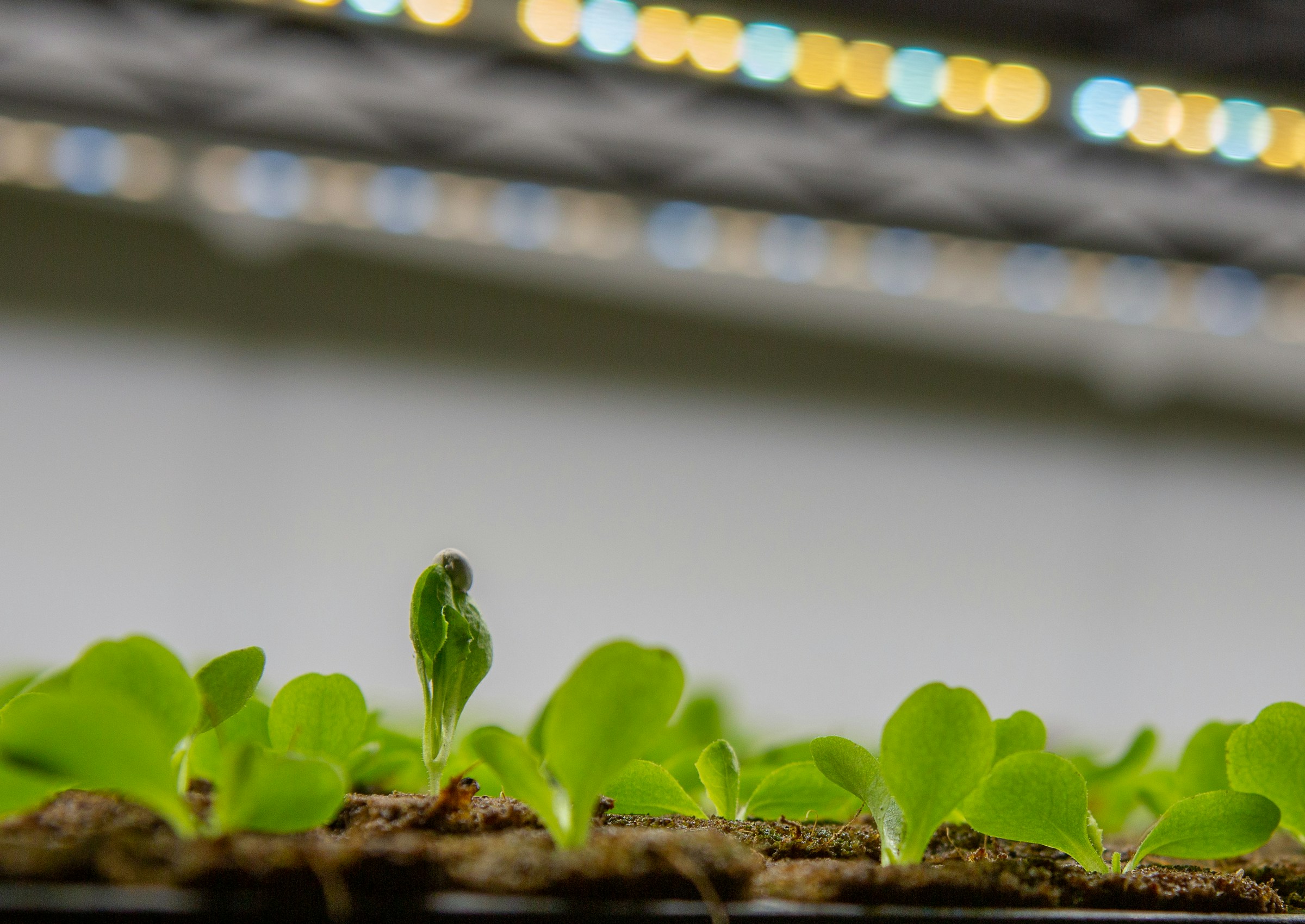

Most growers who lose seedlings to stretching never actually turn off their lights. The grow light is on, the timer is running, and everything looks fine from the doorway. The problem isn’t the absence of light. It’s distance, and distance alone can be the difference between a compact, transplant-ready seedling and a pale, floppy stem that collapses the moment you touch it.
This particular mistake is easy to miss because the damage accumulates gradually over days. By the time you notice the seedling leaning and reaching upward, the damage is largely done. Understanding exactly what happens inside the plant, and why distance plays such an outsized role, makes the solution much clearer.
What Etiolation Actually Is
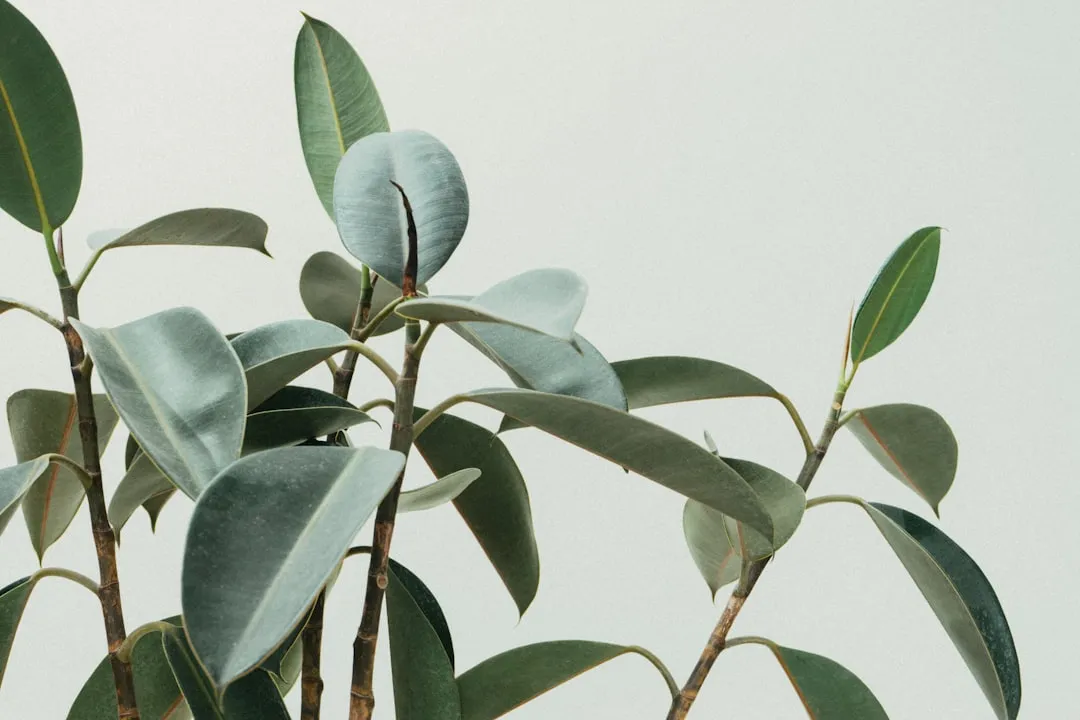
Plants grown under insufficient light develop elongated stems, lose their green color due to a lack of chlorophyll, and produce unusually small leaves. This phenomenon is called etiolation, and it functions as a survival mechanism designed to push the plant upward toward a better light source.
Etiolation is not a defect in the plant. It’s an evolutionary emergency response in which the plant sacrifices stem thickness, leaf development, and structural stability in an attempt to reach unshaded sunlight above the forest canopy. In nature, that strategy occasionally works. Inside a grow tent with a mispositioned LED panel, it simply produces a ruined seedling.
Plants need light not only for photosynthesis but also as a signal that controls their shape and development. When a plant receives too little light, it changes its growth strategy. Instead of producing compact stems and well-developed leaves, it redirects energy toward stem or internode elongation in an attempt to reach a better light source.
The Physics Behind the Problem: The Inverse Square Law
LED grow light intensity follows the inverse square law: doubling the distance from the light reduces the PPFD at canopy level by a factor of four. Halving the distance quadruples the intensity. That’s not a gradual change. It’s a dramatic one that most growers underestimate.
When your light is at 12 inches, moving it to 24 inches doesn’t cut the intensity in half. It drops to just 25 percent of the original value. This is precisely why moving a light up by just a few inches to fix a burn problem can turn into a stretching problem overnight. Small adjustments compound fast.
Light follows strict laws of physics. The inverse square law means that even a few inches of difference can exponentially change the amount of energy your plants receive. Growers who rely on eyeballing distance without measuring PPFD are essentially guessing, and the plant will make the consequences visible within a few days.
Why Seedlings Are Especially Vulnerable
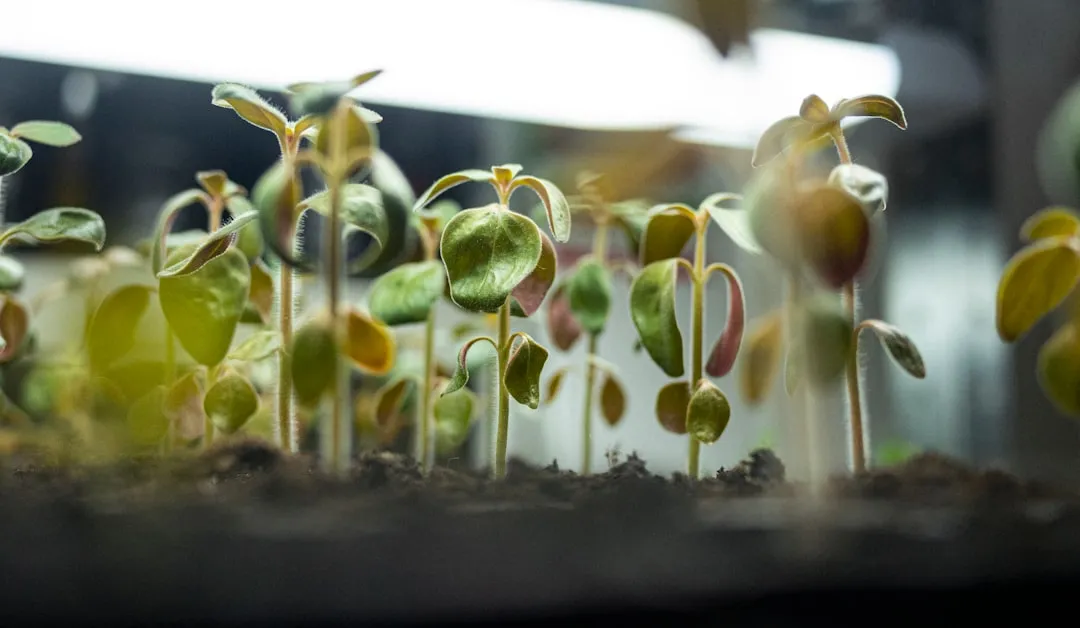
Seedlings are fragile. Their cotyledons, or seed leaves, lack the protective wax cuticle that mature leaves develop, which means high PPFD can bleach them white and stunt growth. The challenge is that the tolerable range is relatively narrow at this stage.
Unlike mature plants that can handle 600 to 1,000 micromoles per square meter per second, seedlings are fragile. Too much intensity bleaches their cotyledons, and too little triggers etiolation and stretching.
Seedlings are the most common casualty of wrong LED distance. They either get burned by a too-close flagship light or stretch under a too-far LED. Neither outcome is good, and both stem from the same lack of attention to distance management during the earliest and most sensitive stage of growth.
What the Right PPFD Range Looks Like for Seedlings
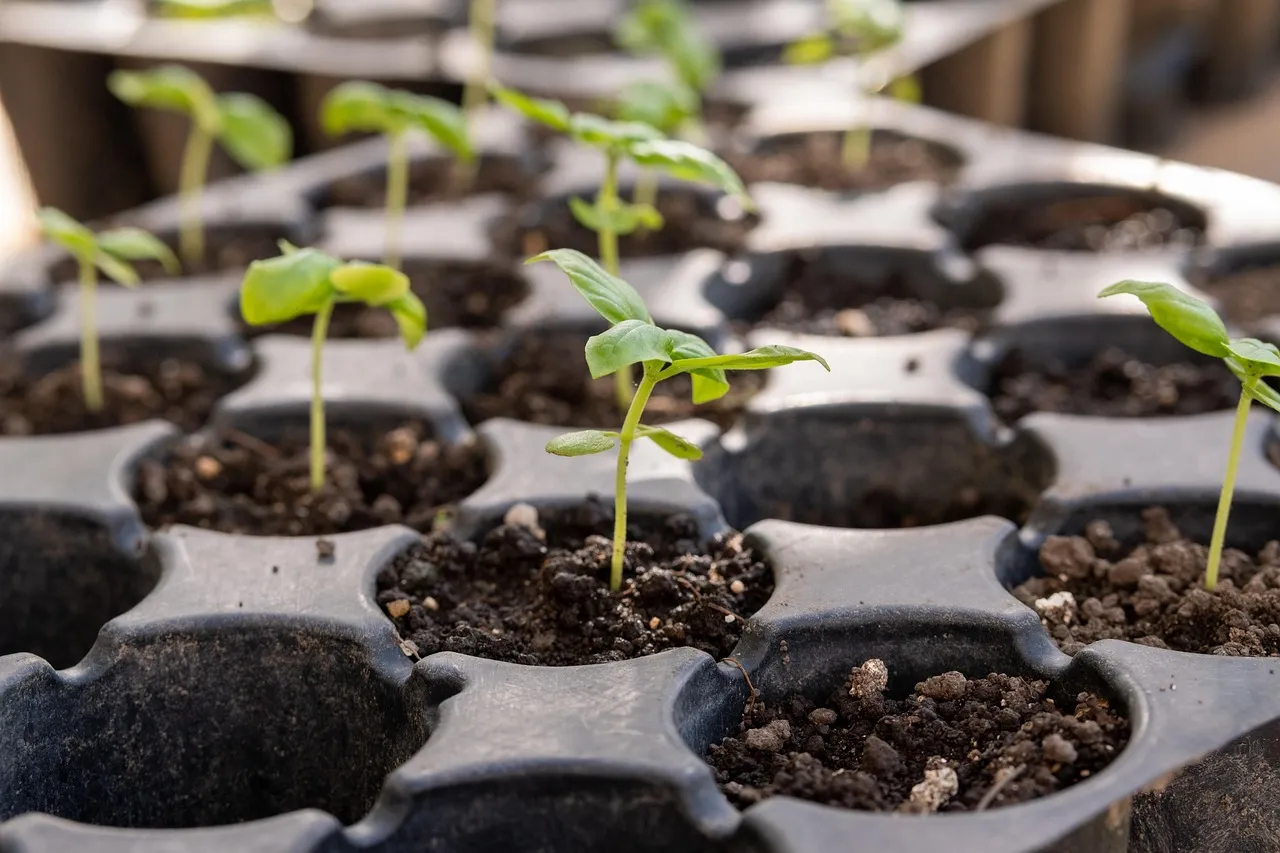
Different growth stages require specific PPFD levels, and seedlings specifically need a PPFD in the range of 100 to 300 micromoles per square meter per second. Anything significantly below that range will trigger the stretching response.
The recommended PPFD targets by growth stage are roughly 100 to 300 for seedlings, 400 to 600 for vegetative plants, and 600 to 900 for flowering plants. Seedlings sit at the low end deliberately. Their root systems and vascular structures are not yet capable of supporting high rates of photosynthesis.
Too little PPFD triggers etiolation, causing the plant to stretch upward hunting for brighter light it cannot find and producing thin, weak stems that collapse at transplant. The sweet spot is a moderate, steady PPFD that rises gradually as the plant matures.
Recommended Distance Ranges by Light Type
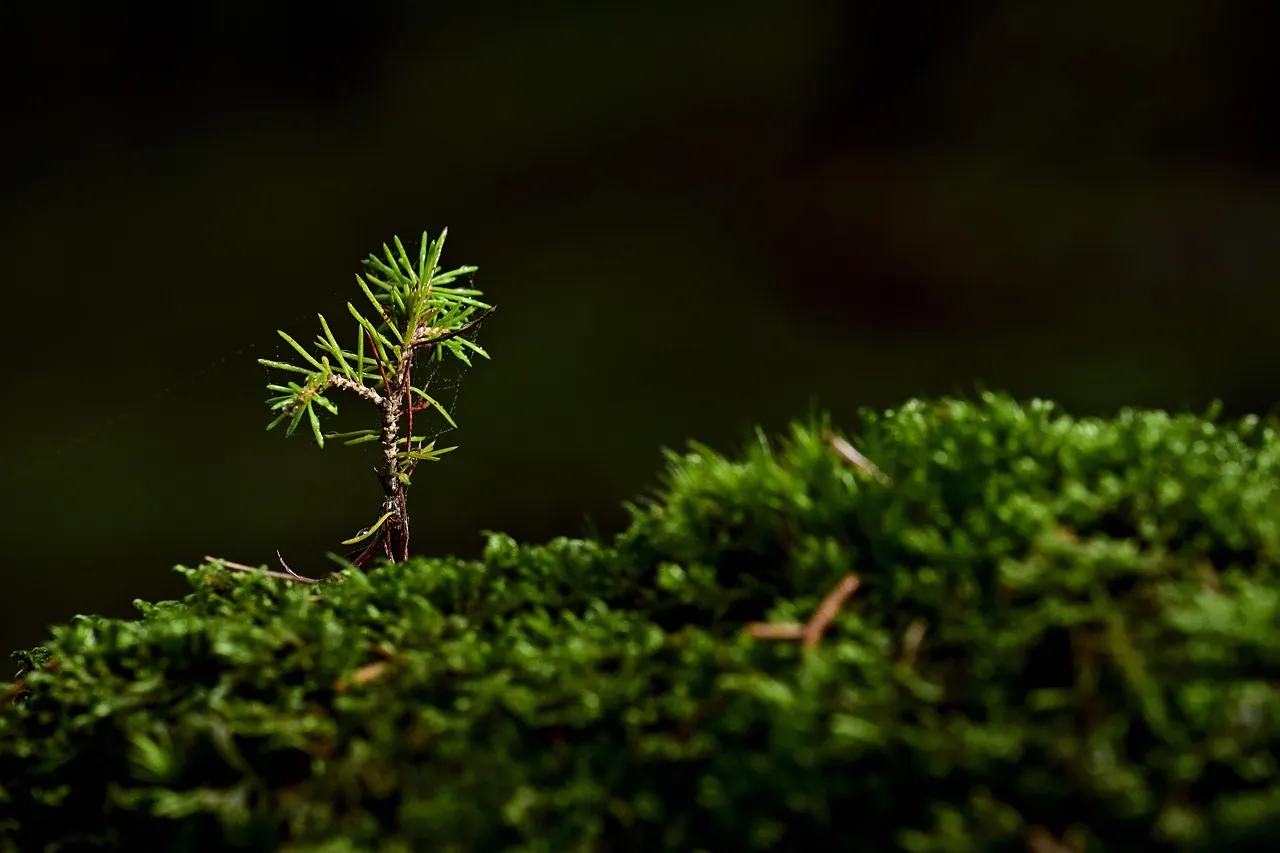
For most consumer-grade LED panels, start seedlings 18 to 24 inches away and gradually move them closer to 12 to 18 inches as they develop true leaves. High-powered professional LEDs may require even greater initial distances.
There is no single distance that works for every grow light. Different fixtures can produce vastly different light intensities at the exact same height. These distances are starting points, not fixed specifications. A 100-watt LED bar and a 400-watt quantum board are simply not comparable at the same height.
For common T5 fluorescent tubes or standard LED strip lights, fixtures should be positioned approximately two to four inches above the tops of the seedlings. Light intensity decreases dramatically with distance, making the placement of the light source critical for successful growth.
The Role of Photoreceptors and Auxin in Stretching
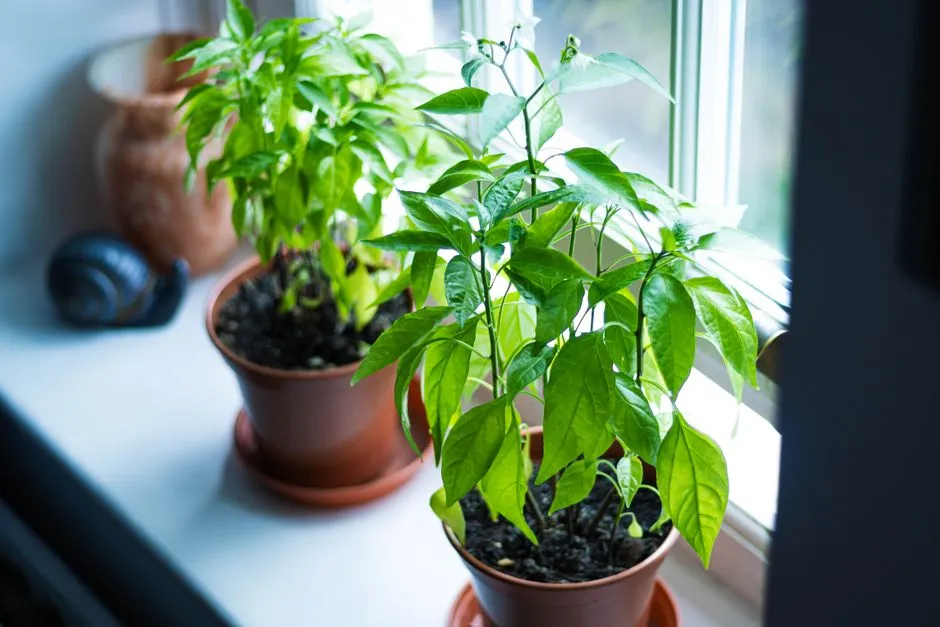
Light and temperature are prominent growth-controlling cues in seedlings, using shared signaling elements. The mechanisms controlling hypocotyl elongation in etiolated seedlings reaching the light differ from those in seedlings that are already growing in adequate light.
In etiolated seedlings, red light activates phytochrome and initiates signals that generate major changes at molecular and physiological levels. These changes include the inhibition of hypocotyl growth and the promotion of primary roots, apical hooks, and cotyledons. When light is too weak or too distant, this inhibition signal is simply never triggered.
The modifications in growth rates during phototropism correlate with the redistribution of the plant hormone auxin, where elongation is promoted by auxin accumulation on the shaded side of the stem. This is why seedlings that are too far from a grow light don’t just grow tall uniformly. They also lean and curve toward whatever small gradient of light exists in the space.
The Permanent Nature of the Damage
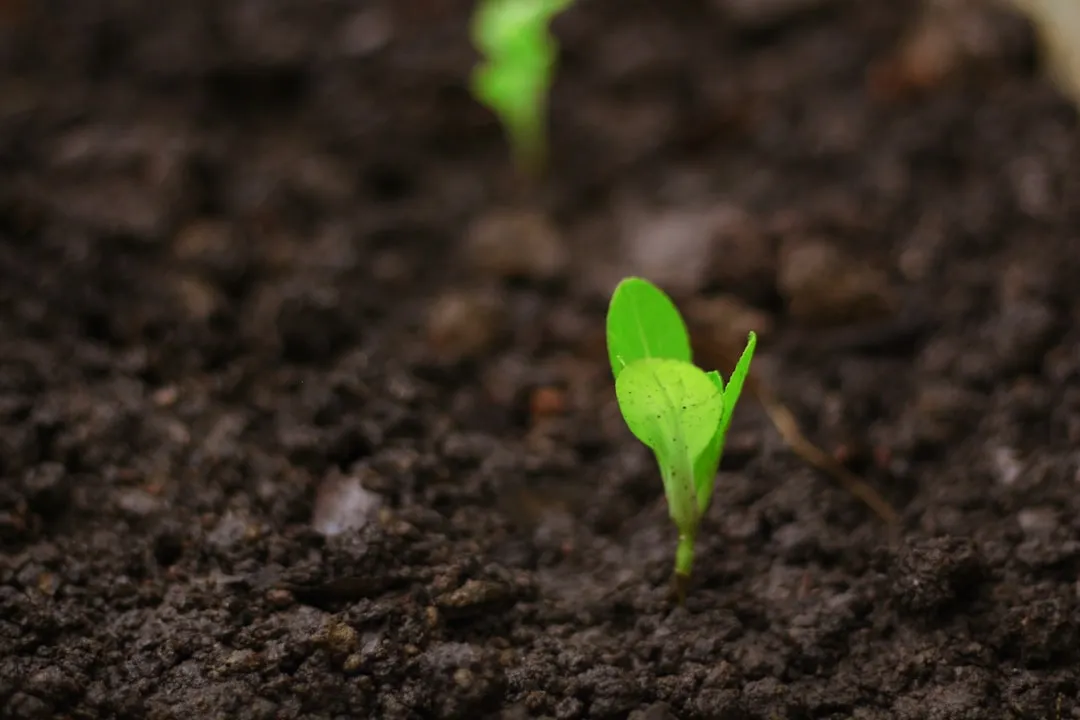
If the problem is detected early and better lighting is provided, new growth can become greener, stronger, and more compact. However, portions of the plant that have already stretched will generally not become short again. The elongated stem cell walls are permanently fixed.
Etiolation produces structurally weak plants because the stem tissue lacks the necessary lignin and cellulose development for proper support. These elongated, spindly stems are highly susceptible to breaking under their own weight or during handling, compromising the plant’s long-term health.
That’s the quiet part of this mistake. The seedling can survive the initial stretching phase and still fail weeks later at transplant simply because the stem never built the internal structure it needed during those first critical days.
Dimming vs. Raising: Which Adjustment Actually Works
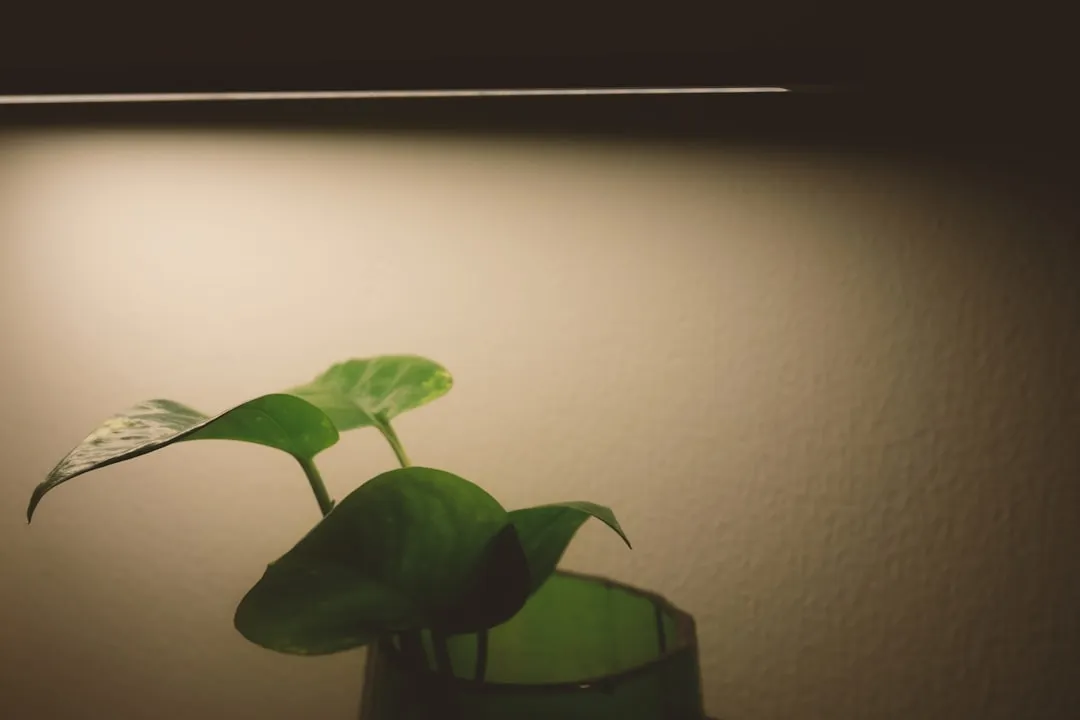
Ramping intensity via dimming, rather than changing distance, is how one LED can serve every stage of plant growth effectively. Most modern LED grow lights include dimmer controls precisely for this reason. They allow growers to keep a consistent, manageable distance while still adjusting the energy delivered to the canopy.
For seedlings in a grow tent, the approach is to hang the light at a set distance and run it at a lower dimmer setting. As plants mature, raise the dimmer output progressively. The distance stays constant while intensity ramps up with growth.
When adjustments to distance are necessary, lower lights gradually, no more than two inches every few days. Sudden changes stress plants. Monitor new growth for signs of light stress at each step.
How to Measure Light Instead of Guessing
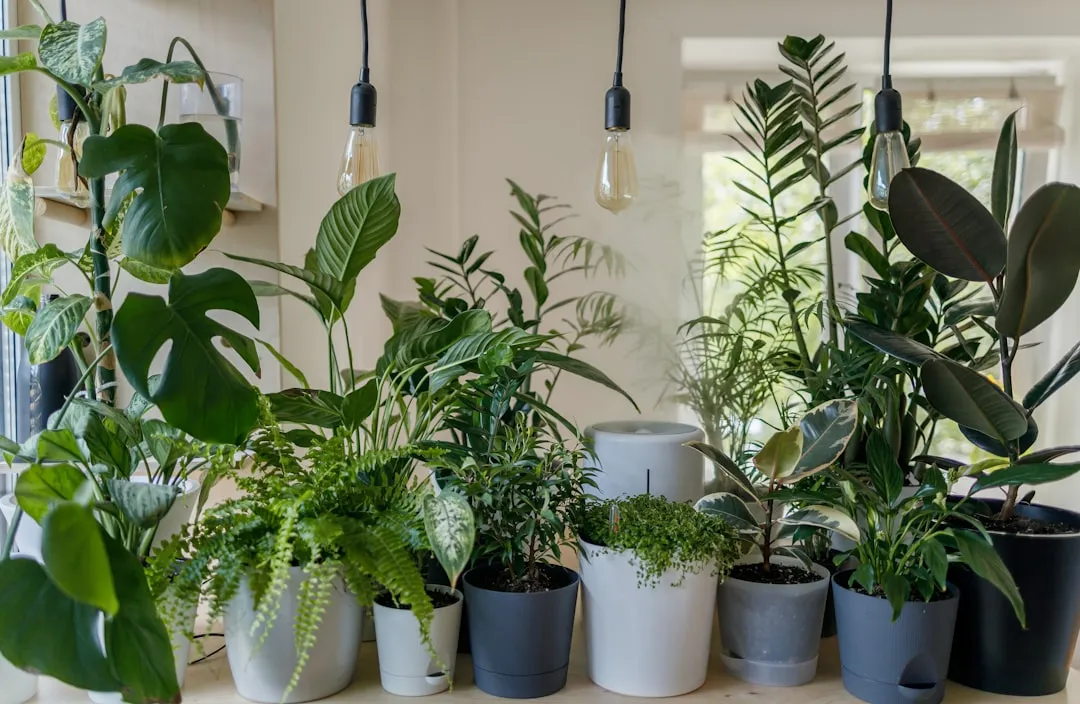
PPFD measures how many photons of photosynthetically-useful light hit a square meter per second, in micromoles. It is the only light metric that truly matters for plant growth. Lumens, watts, and lux measure things relevant to human eyes, not photosynthesis.
Using tools like PAR meters and PPFD sensors, growers can accurately measure light intensity and adjust grow light distance accordingly to ensure optimal plant growth. Consumer-grade PAR meters have dropped considerably in price in recent years, making this kind of measurement practical for hobbyist growers.
Grow light distance is governed by the inverse square law, where doubling the distance reduces light intensity to one quarter of its original value. Using a dedicated PAR meter or professional-grade apps can help maintain optimal PPFD levels, since distance directly dictates whether plants suffer from light burn or sparse, spindly growth.
Reflective Surfaces and Multi-Angle Coverage
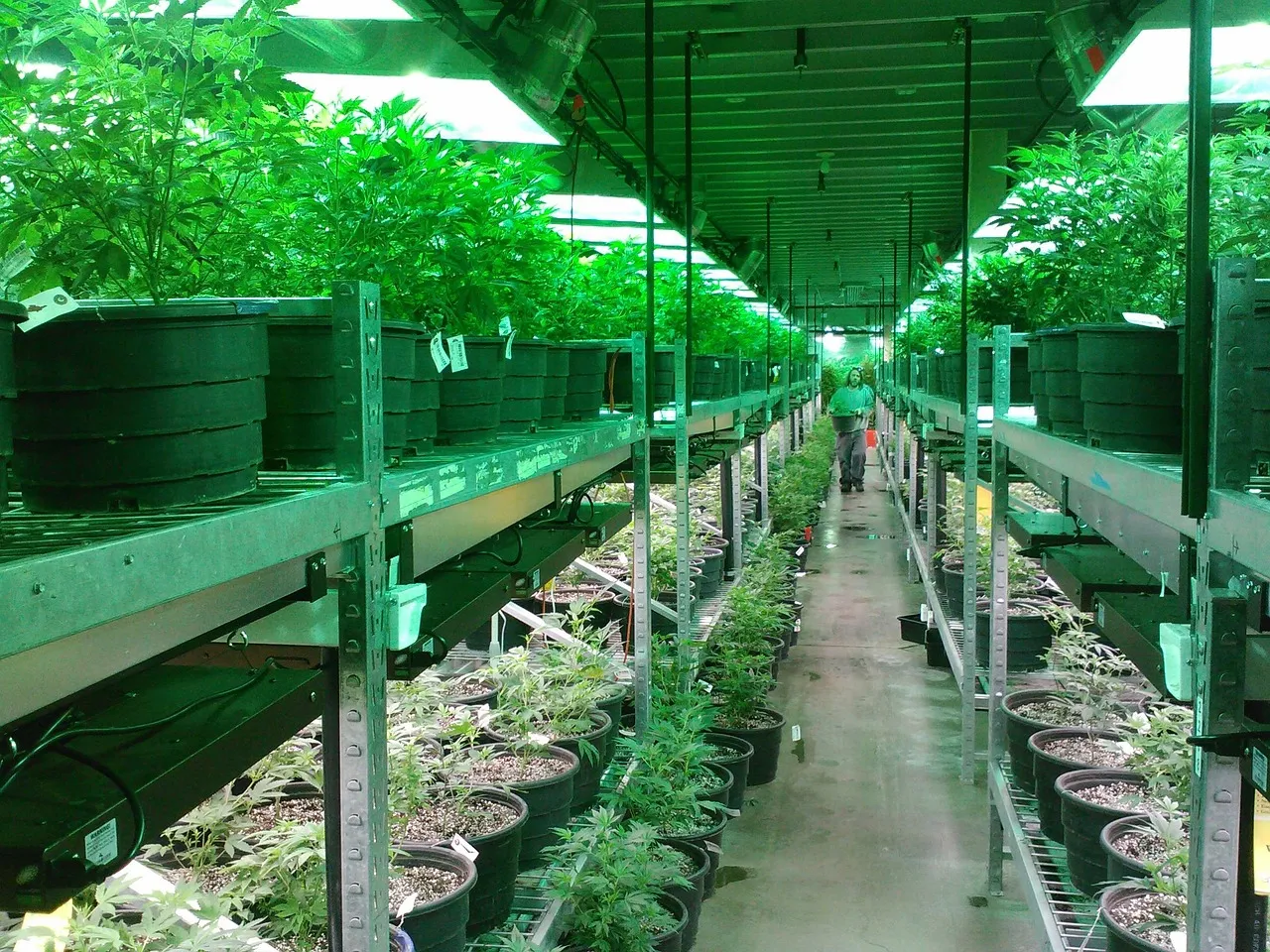
Surrounding the growing area with reflective materials, such as white paint, Mylar sheeting, or aluminum foil, can significantly increase light distribution. These reflective surfaces bounce stray photons back onto the lower leaves and stems. Delivering light from multiple angles further discourages one-sided stretching toward a single light source.
In leafy crops like lettuce, excessive stretching is especially noticeable because a healthy plant should maintain a compact, dense rosette. For hydroponic growers, simply having a grow light does not automatically mean the plant is receiving adequate light. The important factor is the actual light intensity, meaning PPFD, reaching the plant canopy.
As seedlings grow taller, the light fixture must be constantly raised to maintain the correct, fixed distance above the canopy. Failing to do this is one of the most overlooked follow-through errors. The light is set correctly on day one and then never adjusted again as the plant grows toward it.
The Takeaway
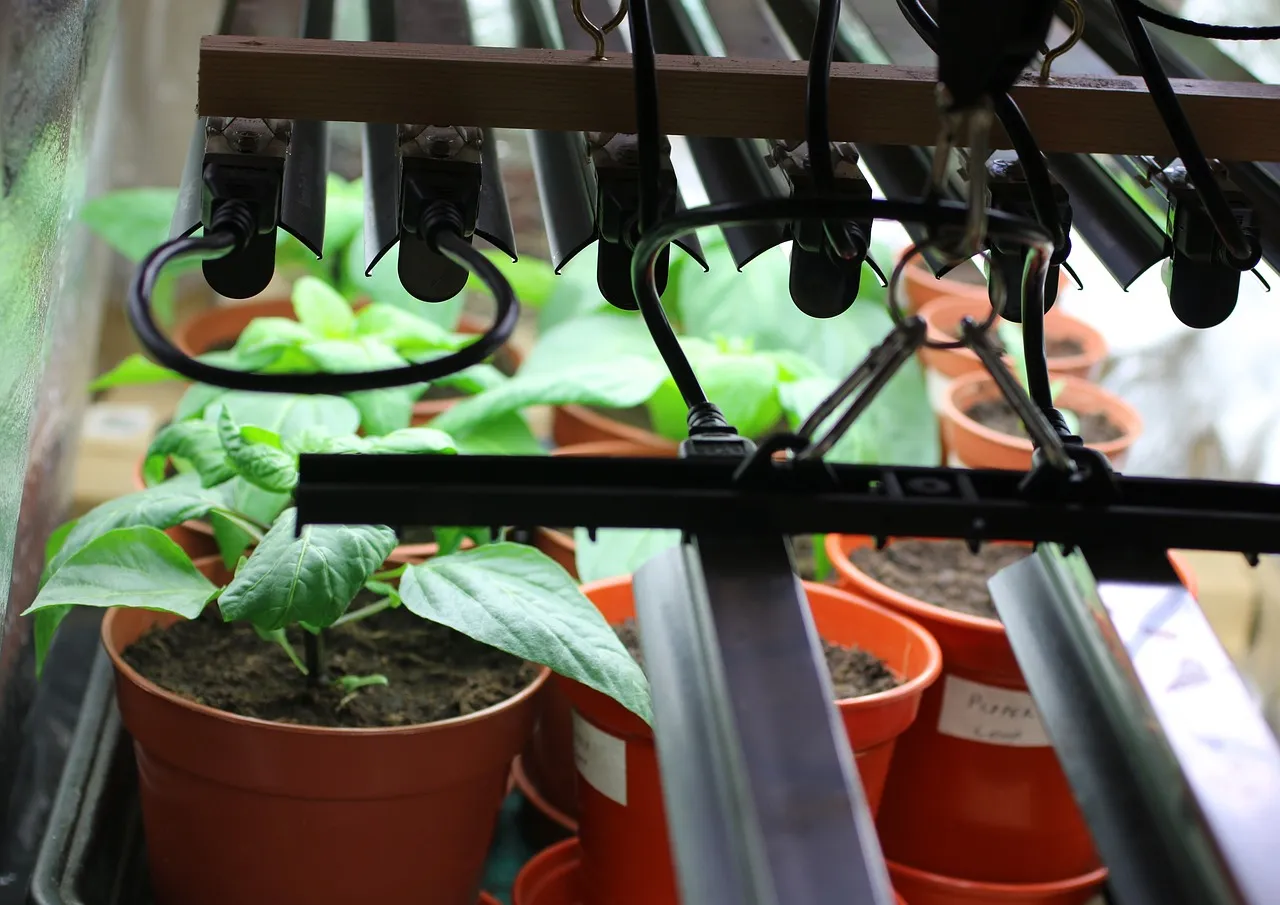
Distance mistakes with grow lights are genuinely easy to make because the consequences arrive slowly. There’s no alarm, no obvious error message. The seedling just quietly reaches upward, cell by cell, building a stem it will never be able to support properly.
The fix is straightforward once you understand the physics. When LED grow lights are too far away during the seedling stage, plants will stretch as much as possible to get closer to the source. The result is tall, lanky, thin stems, which also prevent the lower parts of the plant from receiving enough light to develop well. Moving the light closer, or dialing up the dimmer, solves the problem before it starts.
Measure PPFD rather than estimating distance. Adjust gradually. Keep reflective walls around the grow space. These small, consistent habits separate growers who get compact, transplant-ready seedlings from those who keep wondering why theirs always look so thin.
AI Disclaimer: This article was created with the assistance of AI tools and reviewed by a human editor.