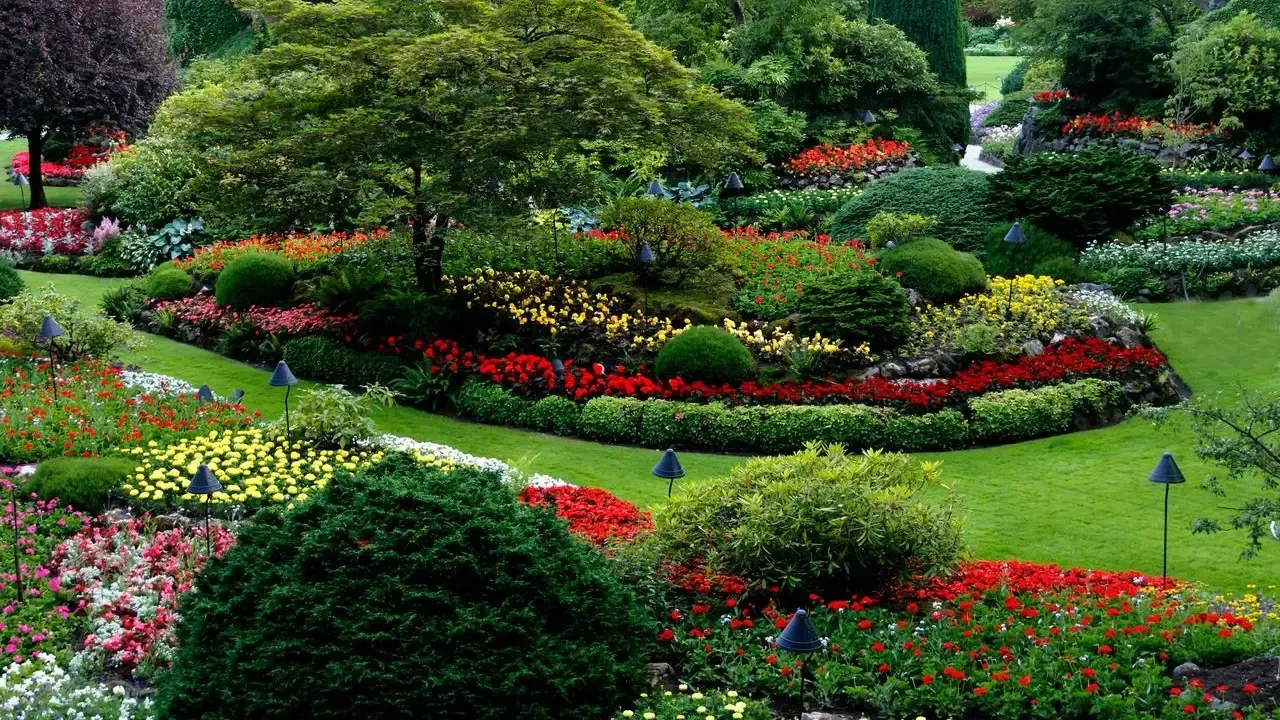

Large properties hold tremendous potential for thoughtful outdoor living, yet they frequently begin as unruly stretches of land that resist easy management. Owners often face a mix of overgrown vegetation, uneven terrain, and shifting seasonal conditions that make daily enjoyment difficult. A deliberate planting strategy can convert these challenges into assets by balancing visual appeal with practical needs such as erosion control, privacy, and low ongoing maintenance.
Recognizing the Demands of Expansive Sites
Properties spanning several acres introduce complexities that smaller gardens rarely encounter. Wind exposure, varying soil depths, and distant sightlines all influence how plants establish and perform over time. Designers typically begin by mapping drainage patterns, sun exposure, and existing vegetation to identify areas that require stabilization before any new planting occurs.
Without this early assessment, efforts can lead to repeated interventions that increase costs and frustration. A measured approach focuses first on structural elements such as windbreaks or ground covers that address immediate functional gaps. This groundwork creates conditions where subsequent layers of planting can thrive with less intervention.
Selecting Plants That Serve Multiple Roles
Effective plant choices on large sites rarely prioritize appearance alone. Species are evaluated for their ability to deliver shade, screen views, support pollinators, or reduce runoff while remaining attractive across months. Evergreen shrubs, for instance, can anchor winter views and provide year-round screening, while deciduous trees offer summer canopy and autumn color before dropping leaves that enrich the soil.
Native or well-adapted varieties often prove most reliable because they align with local climate patterns and require fewer resources once established. Layering plants by height and bloom time further extends the period of interest without demanding constant replacement. The result is a planting scheme that performs steadily rather than peaking only in one season.
Building Continuity Across the Calendar
Year-round interest emerges from careful sequencing rather than isolated showpieces. Early spring bulbs and flowering shrubs give way to summer perennials and grasses that hold structure into autumn. Winter interest then relies on bark texture, persistent seed heads, and the silhouettes of evergreens or ornamental trees.
Designers frequently group plants into repeating modules that read coherently from a distance yet reward closer inspection. This repetition reduces visual clutter across wide vistas while allowing seasonal shifts to register clearly. Maintenance routines stay manageable because the same plant communities recur in different zones of the property.
Measuring the Value of a Cohesive Plan
Properties that receive this level of planning tend to require less frequent redesign and deliver consistent enjoyment for residents and visitors alike. Functional elements such as accessible paths, seating areas integrated with plantings, and wildlife corridors add daily utility that purely ornamental schemes often overlook. Over several years, the initial investment in soil preparation and plant selection typically yields lower long-term costs compared with piecemeal approaches.
What matters now is recognizing that scale amplifies both the rewards and the risks of landscape decisions. Properties transformed through integrated planting plans demonstrate how beauty and utility can reinforce each other when choices are guided by site conditions and seasonal cycles rather than fleeting trends. Such landscapes continue to evolve gracefully, offering renewed interest with each passing year.
AI Disclaimer: This article was created with the assistance of AI tools and reviewed by a human editor.