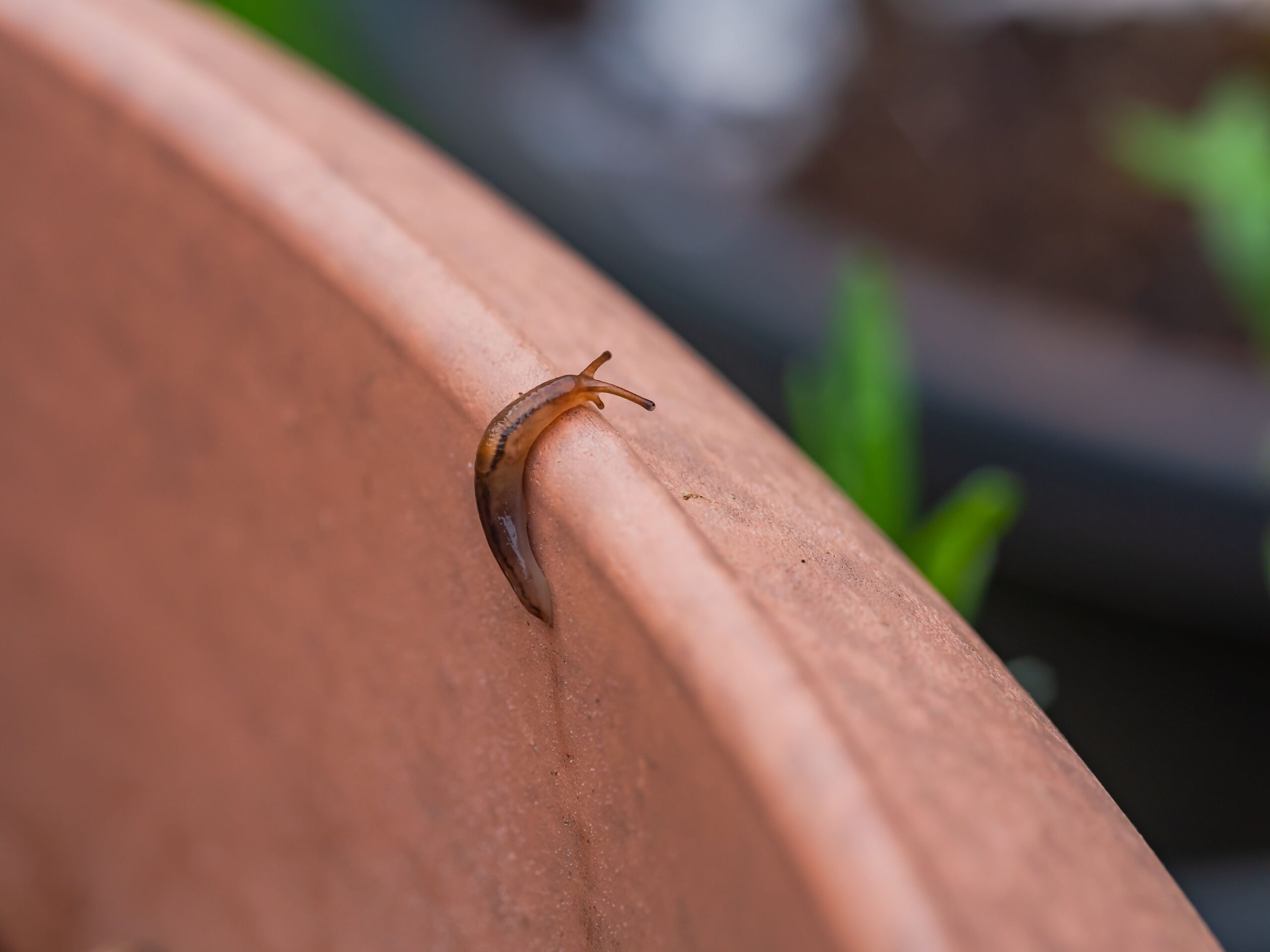

Most gardeners know the evidence before they ever see the culprit: ragged holes chewed through lettuce leaves, silvery trails dried onto the patio by morning. Slugs are soft-bodied mollusks closely related to snails, and their mastery of the night isn’t simply a preference. It’s a matter of survival, because their bodies are essentially water-filled and incredibly vulnerable to drying out.
What makes them genuinely remarkable isn’t the damage they cause, though. It’s the sensory toolkit they use to move through complete darkness with surprising precision. The way a slug “reads” a garden at midnight is strange, layered, and far more sophisticated than the creature’s slow, unassuming appearance would ever suggest.
Why Darkness Is Their Natural Home
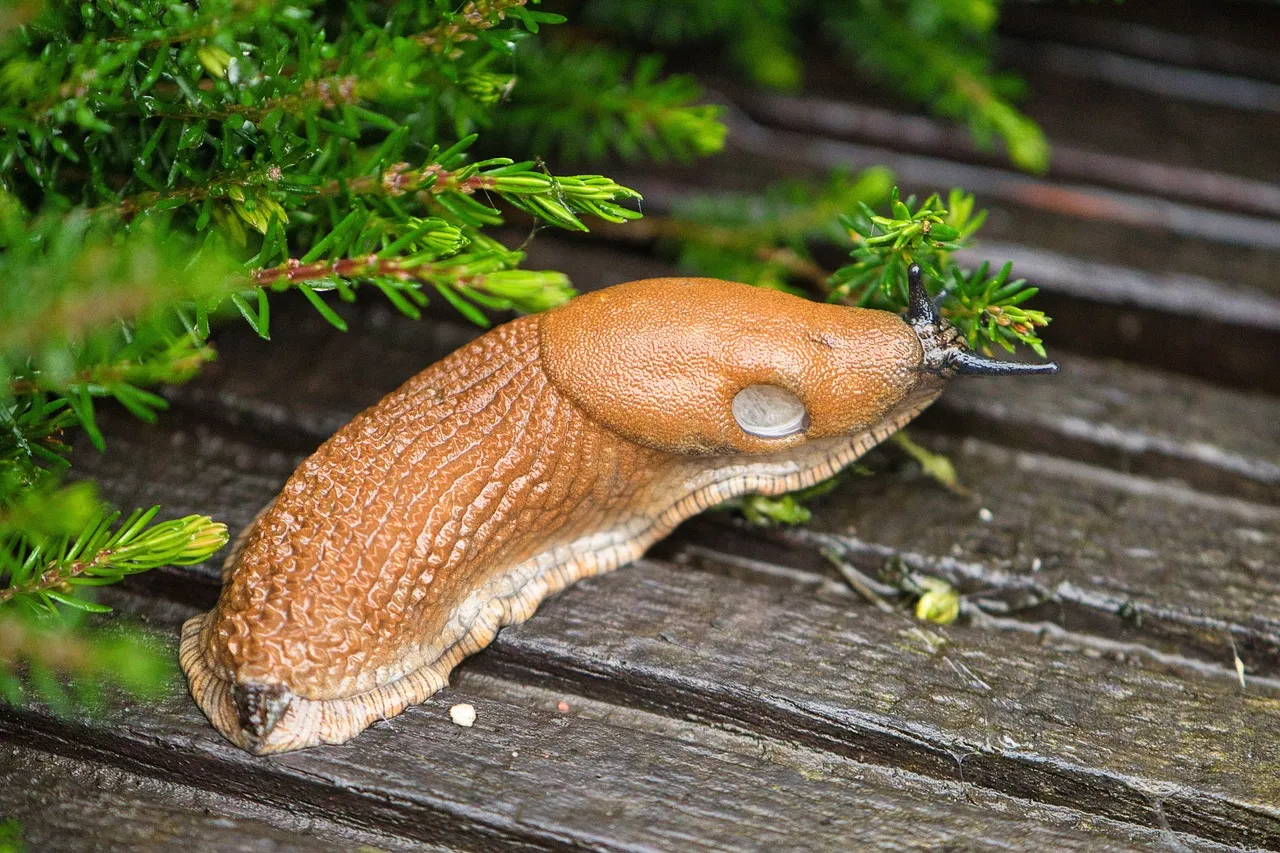
In temperate regions, most slugs are nocturnal, and this is consistent with the fact that environmental conditions during the night, including higher humidity, lower temperatures, and the absence of direct sunlight, are ideal for terrestrial gastropods. Darkness isn’t just cover from predators. It’s the environment their whole physiology is built around.
Wet weather is a slug’s best friend, softening the soil and making slime trails more effective for travel. Calm nights are also preferred, as wind can dry them out and disrupt the scent trails they use to navigate and find mates.
Eyes That Don’t Really See
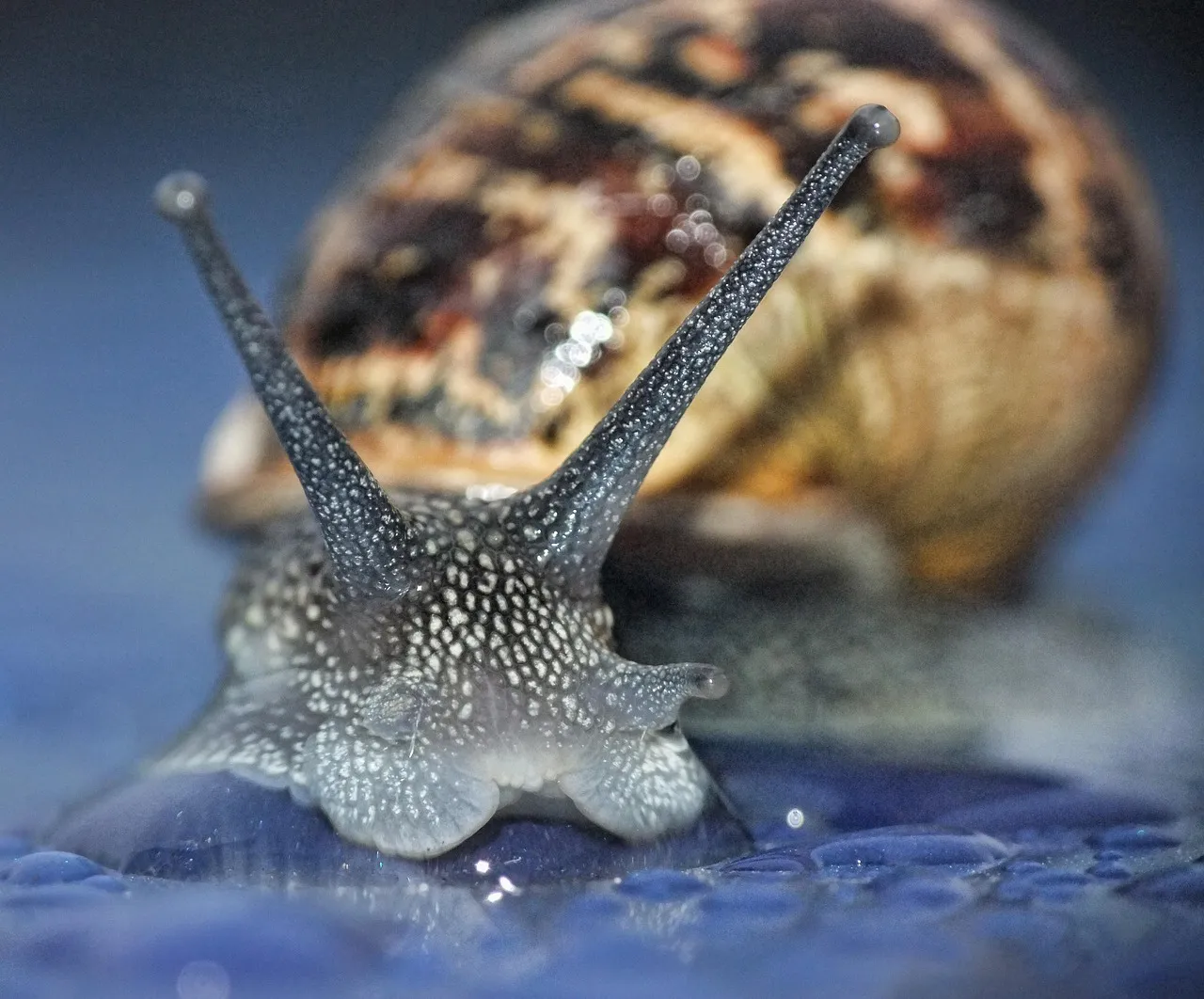
Slugs perceive their surroundings primarily through light and dark detection, lacking the ability to discern colors or fine details. Their vision is akin to a blurry, black-and-white impression of the world, and this limited visual input is just one facet of their sensory toolkit, as they rely heavily on other senses like smell and touch to navigate.
Slug “eyes” are not the complex image-forming organs we associate with sight. They lack the intricate structures, such as a lens capable of focusing light onto a retina, that allow for sharp vision. Instead, they possess simple photoreceptor cells that detect the presence or absence of light. Their ability to detect changes in light intensity helps them avoid bright areas that could lead to dehydration, moving instead toward dark, damp places like under rocks or leaves.
Four Tentacles Acting as Noses
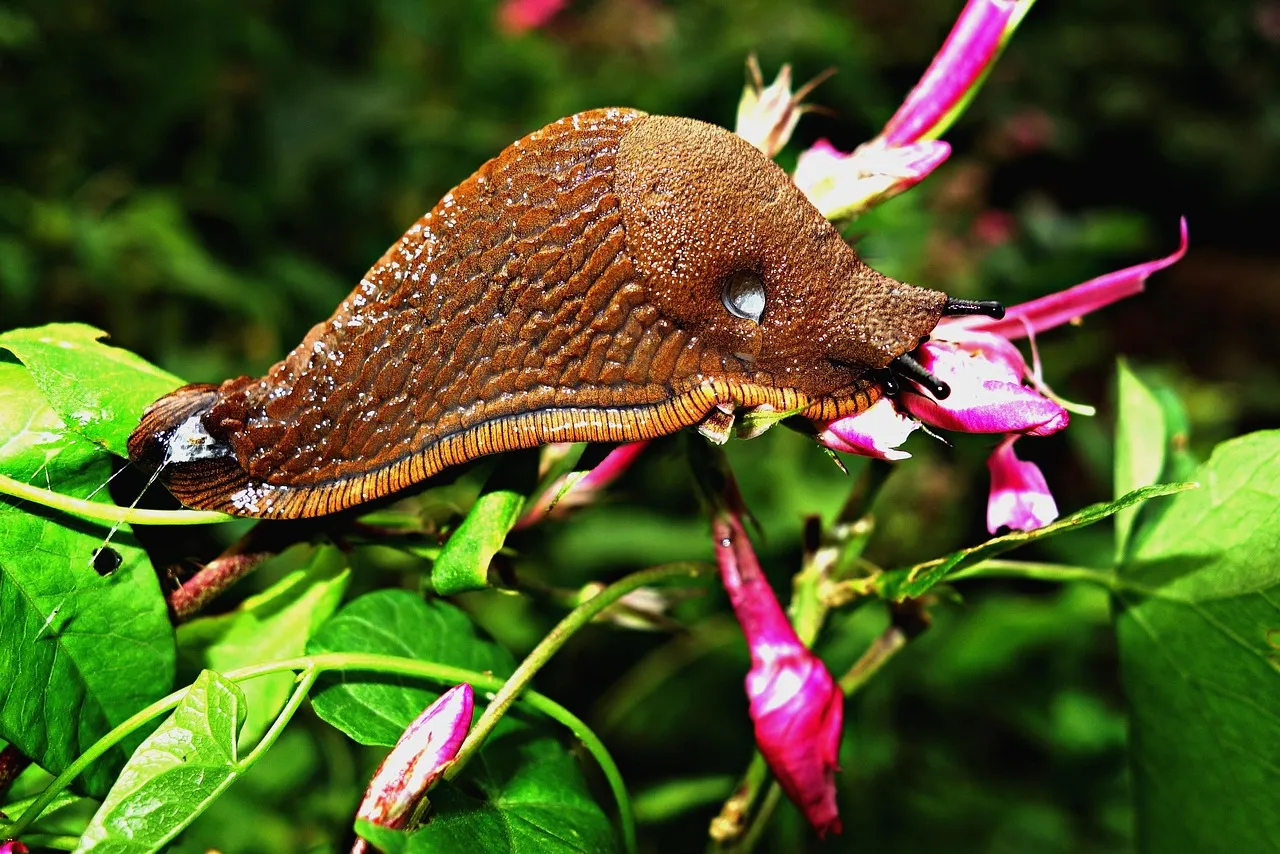
Slugs have two pairs of tentacles on their head. The upper pair is usually longer and involved in detecting light and dark, helping the slug navigate toward or away from light sources. The lower pair is shorter and primarily responsible for smell, or chemoreception. These tentacles are covered with sensory receptors that can detect a wide range of chemicals, from potential food sources to pheromones released by other slugs for mating.
The superior tentacles are more linked to orientation toward airborne volatile cues, while the inferior tentacles are used for trail following or contact gustatory cues. In other words, one set of tentacles scans the air ahead, while the other reads the ground below, a division of labor that works remarkably well at zero visibility.
The Slime Trail as a Chemical Map
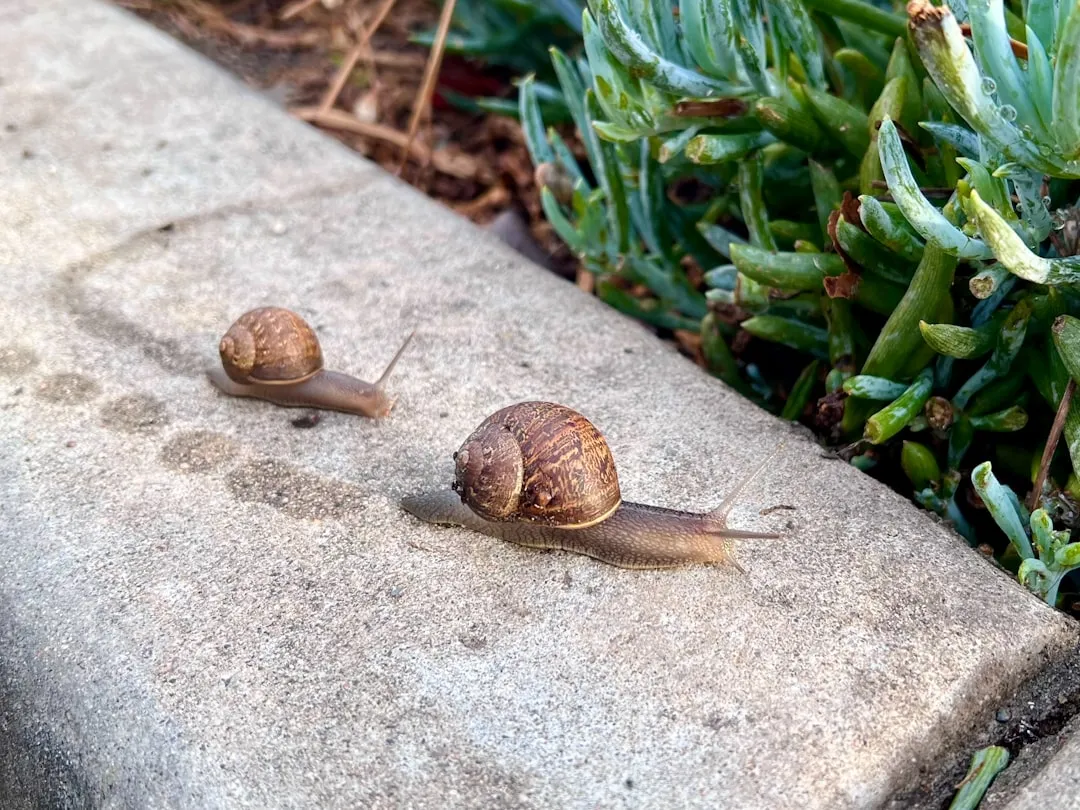
As slugs move, they leave behind slime trails that help them navigate. This mucus isn’t just the mess we scrub off the patio. It’s a form of chemical communication and a positional record simultaneously.
Research reviewed in the Journal of Experimental Biology indicates that mucous trail following to find conspecifics may sometimes involve olfactory navigation. This highly developed olfactory system is very important for chemoreception involved in food finding, assessing the risk of predators, and as a homing strategy to navigate back to specific locations. The slime trail is, in a real sense, a living map laid into the garden floor.
The Whole Body as a Sensory Organ
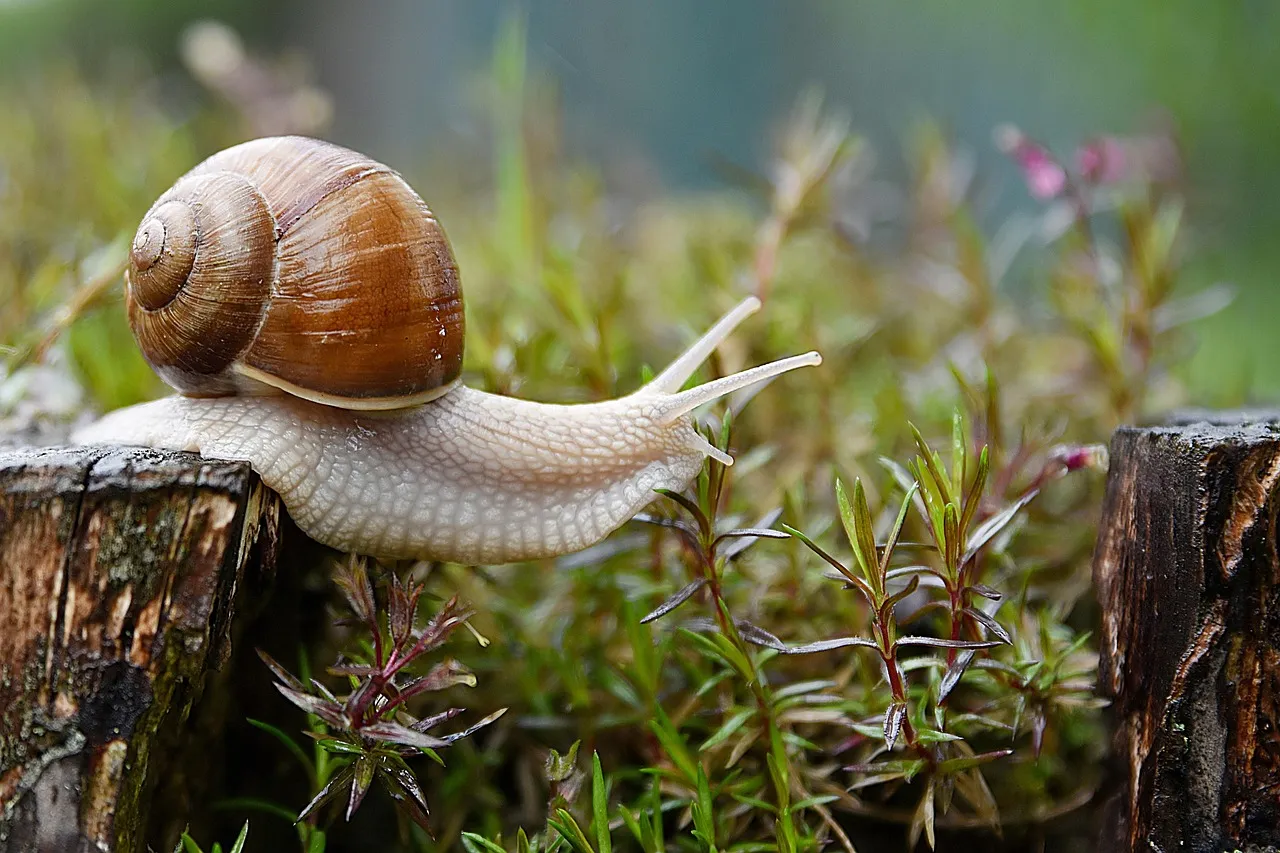
A slug’s entire body is covered in nerve endings, allowing it to respond to subtle environmental changes, including temperature, moisture, or even chemical signals left by other slugs. This means navigation is never solely reliant on the tentacles.
Their entire body surface is sensitive to touch, and this sense allows slugs to detect obstacles, changes in texture, and vibrations. The combination of chemoreception and touch compensates for their limited vision, allowing them to effectively find food, escape danger, and move across diverse terrains, even in complete darkness.
A Brain Wired for the Dark
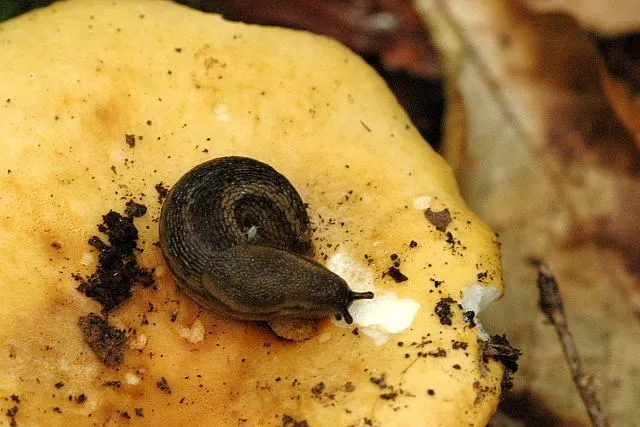
A slug’s brain is surprisingly complex, with a large proportion of neurons dedicated to processing sensory information from its numerous tentacles. This enables them to navigate and find food in complete darkness. For an animal most people consider simple, the neural investment in sensory processing is genuinely substantial.
Slugs navigate their surroundings using a variety of sensory organs and systems. One key system is the statocysts, which are small balance organs located within the head. These statocysts help slugs maintain their spatial orientation and balance, allowing them to move efficiently through tight spaces. Even their inner-ear equivalent, it turns out, serves nocturnal navigation.
Smelling Food From a Distance
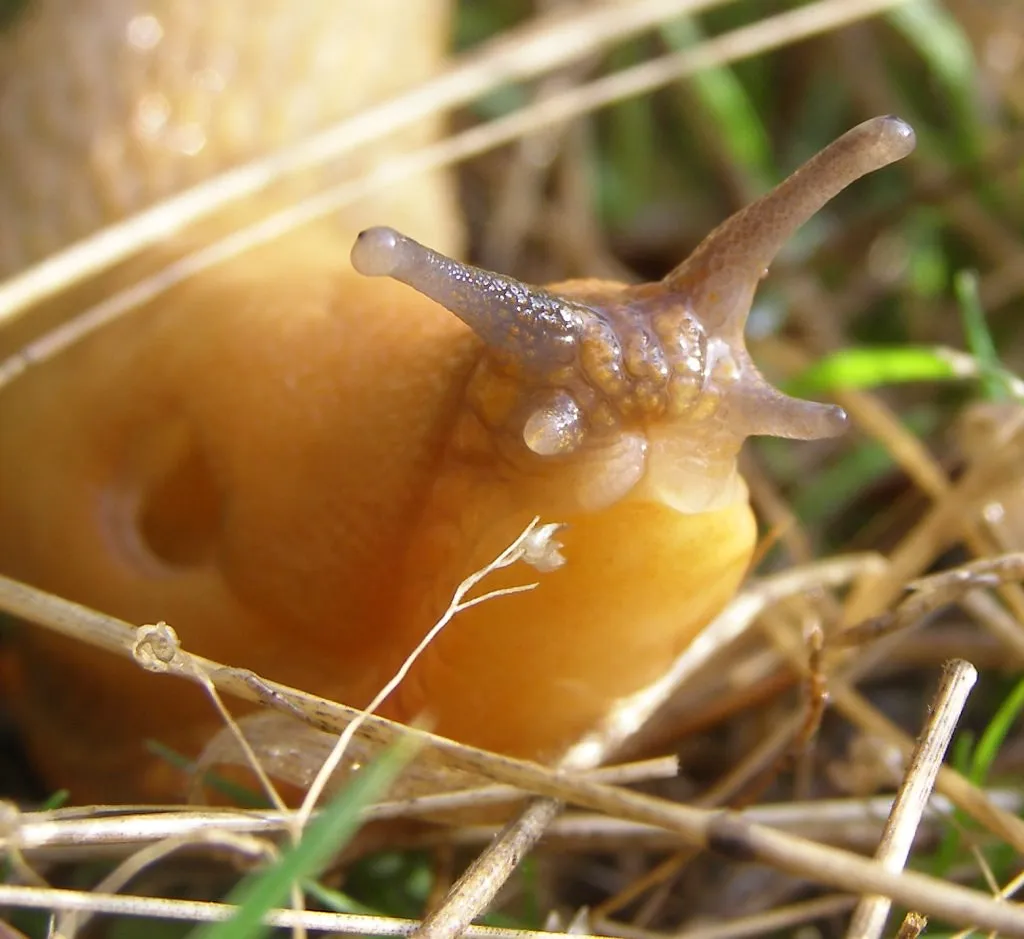
Slugs use their chemosensory organs to detect the presence of potential food sources, such as decaying plant matter or fungi, and they can even distinguish between different types of plants based on their chemical makeup. This capacity to chemically profile plant life at a distance gives them a significant advantage when foraging blind.
Research published in the Journal of Experimental Biology found that trail following is exclusively dependent upon the inferior tentacles, whereas orientation toward a distant odor source relies on the superior tentacles. These two systems function in concert, drawing a slug toward dinner from well across a garden bed before it even makes contact with the plant.
Memory Plays a Surprising Role
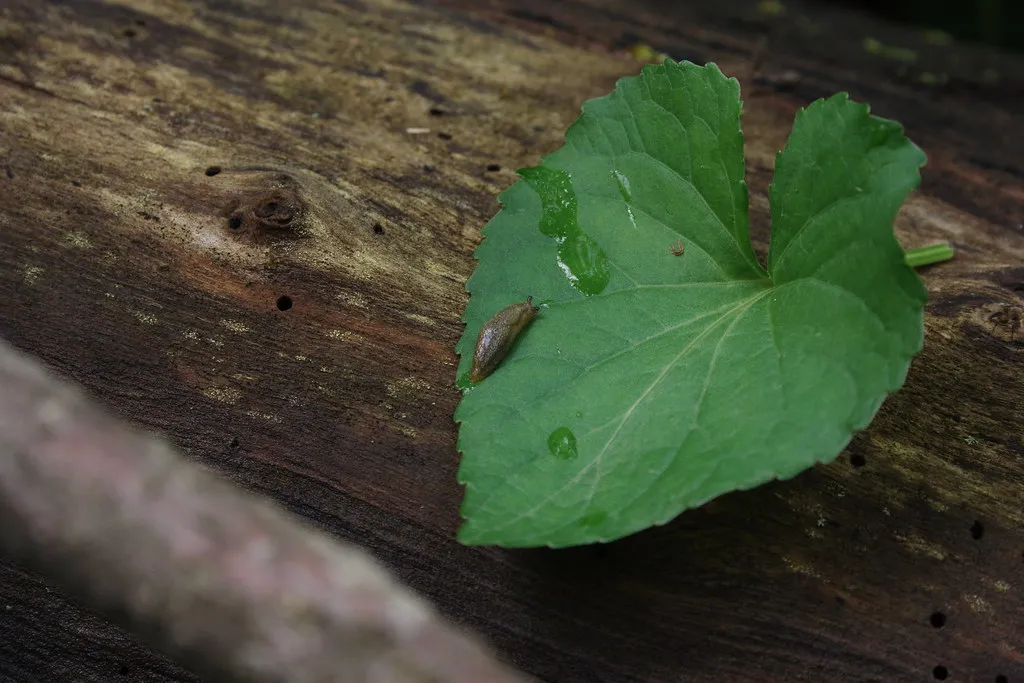
Slug tentacles aren’t just simple smell detectors. They’re actually part of the memory storage system itself. Research on conditioned odor aversion in slugs has shown that the animals retain and act on learned chemical cues.
Studies have demonstrated that slugs use both pairs of tentacles to acquire olfactory cues which are then recalled from memory, and this has been observed even after surgical amputation on slugs previously conditioned with specific repellent odors. The implication is striking: slugs don’t just react to what they detect in the moment. They compare it against a chemical memory.
How Artificial Light Disrupts Everything
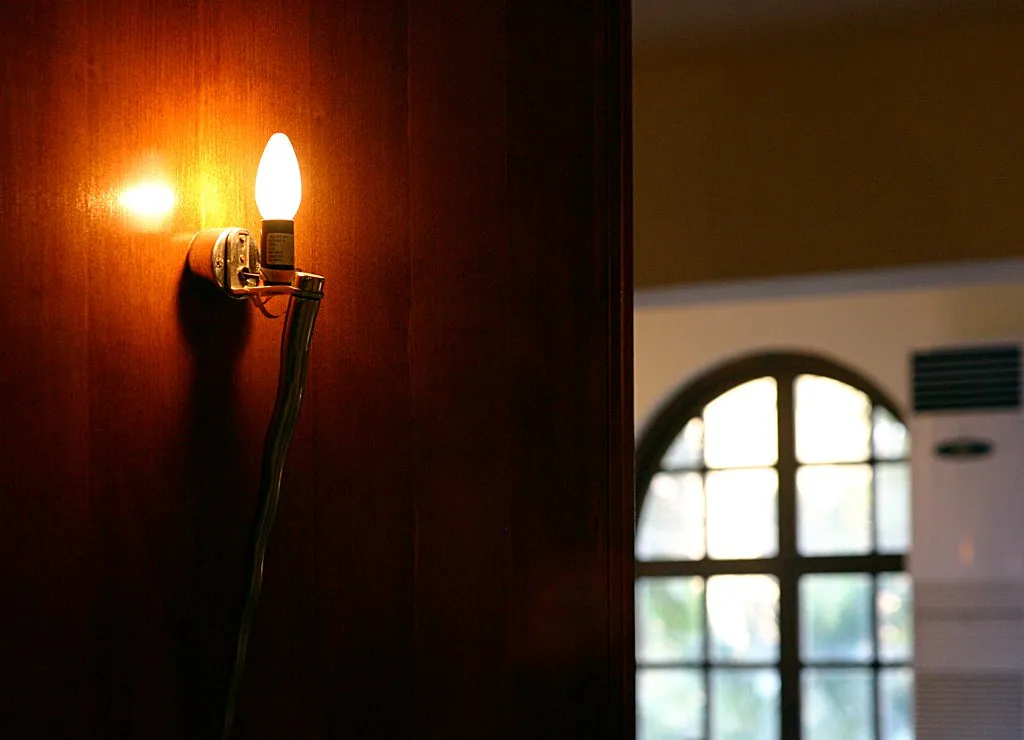
A 2025 study published in iScience by researchers at the University of Zurich and Agroscope investigated how artificial light at night affects slug behavior. Slugs have sophisticated sensory systems that detect environmental brightness and trigger defense mechanisms in response to predator-cast shadows. Researchers noted they likely also use light cues to align their circadian activity with the natural 24-hour day-night cycle, although direct evidence is still developing. As a result, artificial light at night may interfere with their perception of day and night, disrupting circadian rhythms.
In one of the two illuminated slug species studied, researchers found that artificial light at night reduced nocturnal activity, juvenile growth, and survival rate. At the community level, feeding activity of slugs was reduced in artificially illuminated sites, and this was related to reduced herbivory. The researchers concluded that artificial light at night affects the fitness of slugs and disrupts their activity, with consequences for herbivory.
What This Means for Your Garden
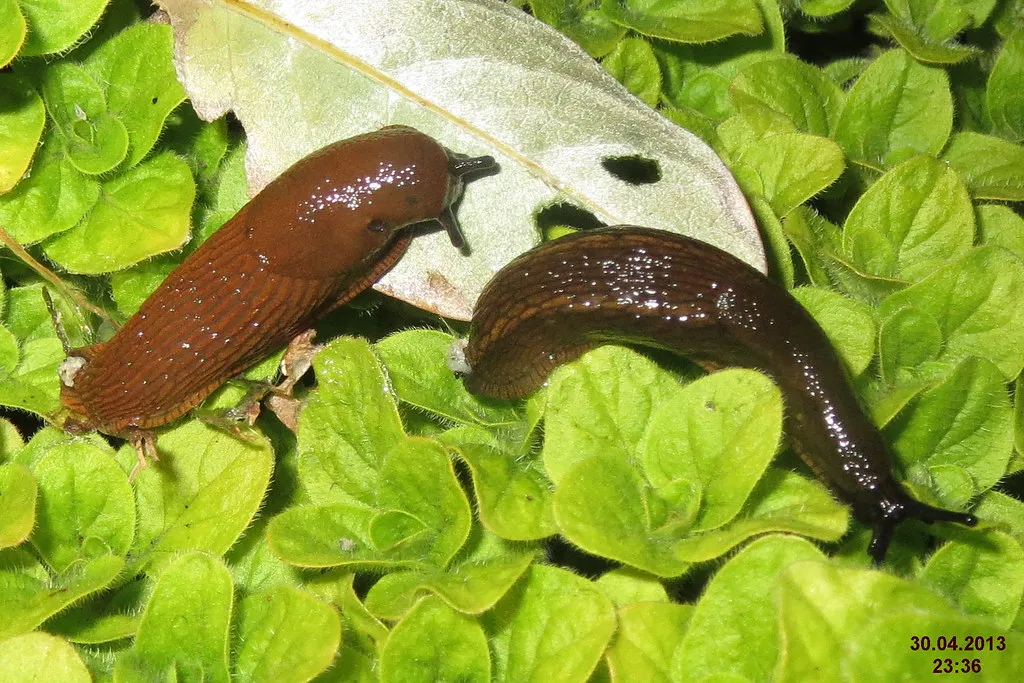
Understanding how slugs navigate at night has practical value for any gardener. Slugs are attracted to gardens by moisture, darkness, and a readily available food supply, and they are particularly fond of tender plants and decaying organic matter. Reducing any of those three things consistently makes a garden less hospitable.
Some research even hints at increased slug activity during darker moon phases, perhaps to avoid detection by nocturnal predators. Timing interventions accordingly, working with the natural rhythms of slug behavior rather than against them, tends to be more effective than reactive methods. The slug’s uncanny ability to navigate in total darkness is ultimately a story about chemistry, not vision. It’s a sensory world built from mucus, molecules, and memory.
The Takeaway
Slugs are easy to underestimate. Slow, soft, and seemingly unremarkable, they move through complete darkness guided by a layered sensory system that involves chemical memory, whole-body touch sensitivity, balance organs, and a division of labor between their four tentacles. They may move slowly, but their perception of the world is deeply tuned.
Recent research, particularly the 2025 iScience study out of the University of Zurich, is also revealing how fragile that system is in the face of modern disruption. Artificial light alone can suppress slug activity, reduce growth, and alter garden ecosystems in ways we’re only beginning to measure. The creature most famous for leaving a silver trail behind it turns out to be navigating by a far richer map than anyone gave it credit for.
AI Disclaimer: This article was created with the assistance of AI tools and reviewed by a human editor.