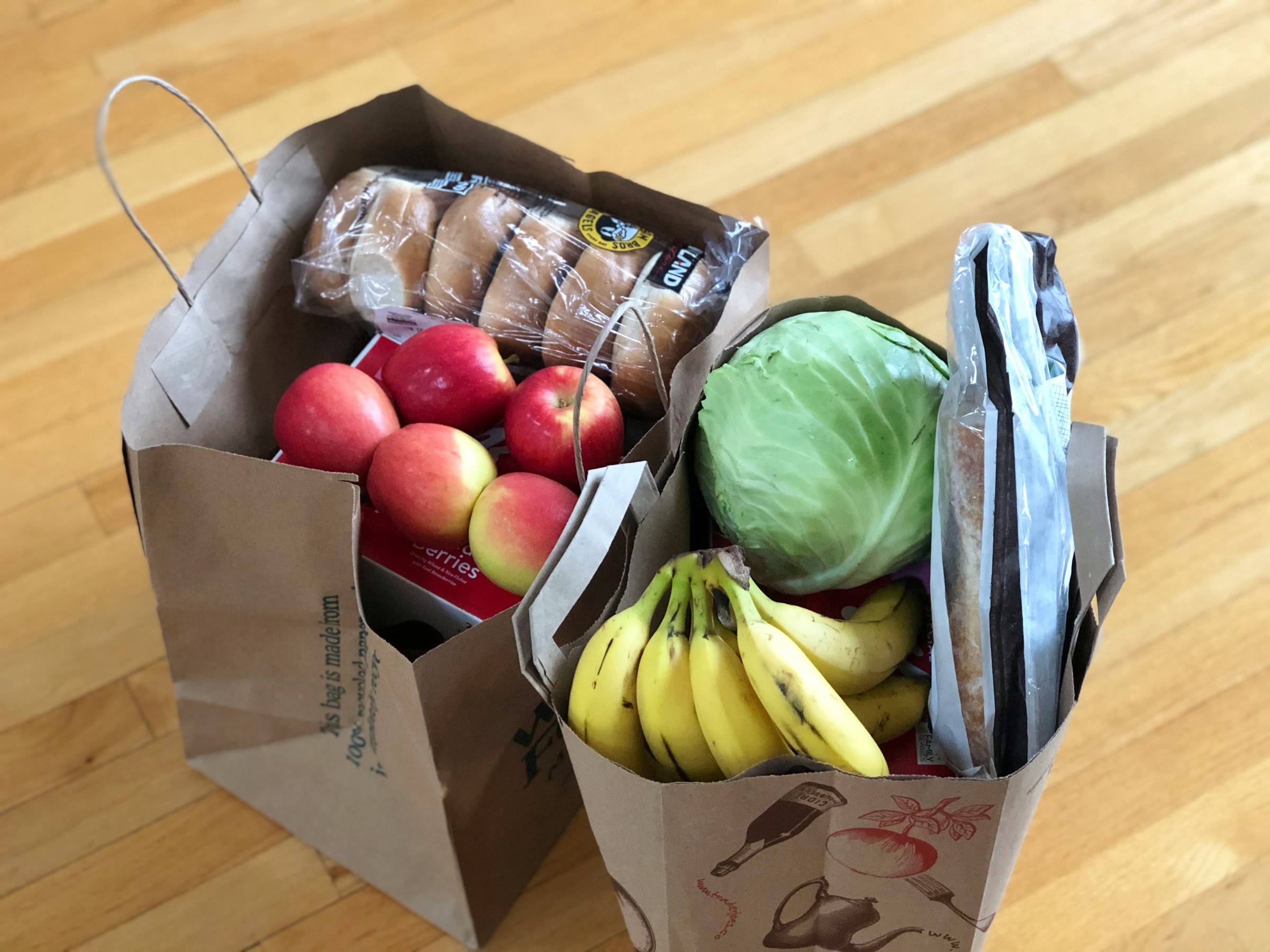

Grocery budgets are one of those things people stress about quietly. You set a number, hit the store with good intentions, and somehow still walk out spending forty dollars more than planned. It’s not a discipline problem – it’s a planning problem.
That’s exactly what made handing the whole experiment over to ChatGPT feel worth trying. Not as a gimmick, but as a genuine test of whether an AI could do what most of us never actually do: plan a full week of meals before a single item ends up in the cart.
The Starting Point: What Americans Actually Spend on Groceries
The average American household spends $6,224 a year on groceries, according to the BLS Consumer Expenditure Survey for 2024 – that works out to roughly $519 a month. That number sounds manageable until you realize it doesn’t include what gets thrown out. On top of the grocery bill itself, the EPA estimates Americans waste around $728 per person per year on food that gets bought and never eaten. Going into this experiment with those figures in mind made it feel less like a curiosity and more like a real financial opportunity.
Setting Up the Prompt: Being Specific Matters More Than You’d Think

AI tools like ChatGPT can analyze the contents of your refrigerator when prompted and provide recipe ideas regardless of your dietary restrictions. The key is being precise. Vague requests produce vague plans. A prompt that names a dollar amount, a household size, a store preference, and any dietary needs gives ChatGPT enough structure to return something genuinely usable. ChatGPT adjusts the shopping list accordingly, ensuring you don’t run short. Getting that setup right is more than half the job.
The Impulse Buying Problem – and Why AI Sidesteps It

One of the most underappreciated advantages of AI-planned grocery lists is that they cut out unplanned spending before you even walk through the door. Capital One Shopping reports that roughly half of consumers impulse buy at the grocery store, and impulse purchases account for up to 62% of grocery sales revenue. A concrete, meal-anchored list changes that dynamic completely. This approach not only reduces impulsive purchases but also makes grocery shopping less stressful overall.
How ChatGPT Handles What’s Already in Your Pantry
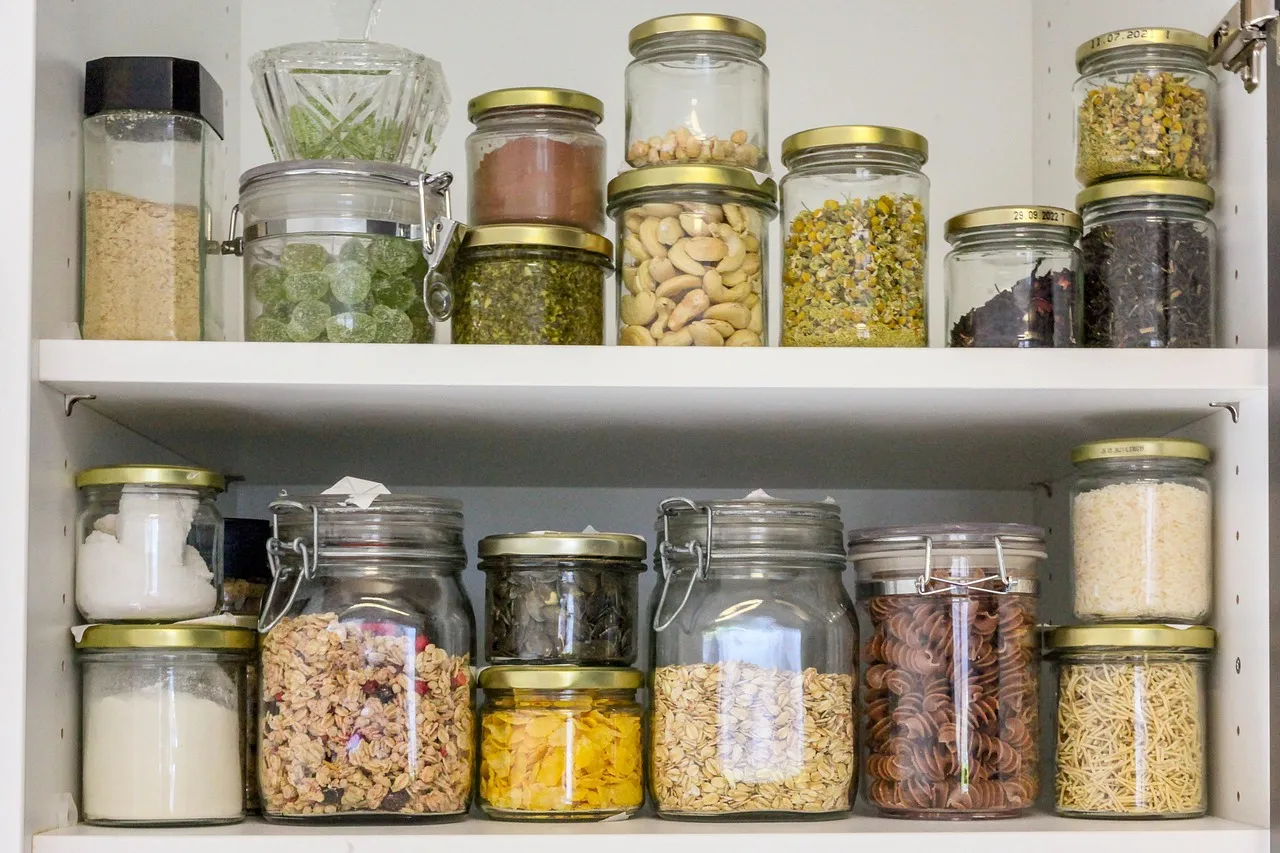
One of the most useful features is ChatGPT’s ability to work with ingredients you already own. You can input what’s in your fridge or pantry and ask for meal ideas, and it will generate creative, nutritious recipes using those exact ingredients, minimizing waste and unnecessary grocery trips. That pantry-first logic is surprisingly effective in practice. Pasting in a list of your current fridge and pantry contents and asking it to build as many meals as possible around those ingredients first – then flagging only what still needs to be bought – keeps the shopping list lean.
The Food Waste Numbers Are Harder to Ignore Than You’d Expect
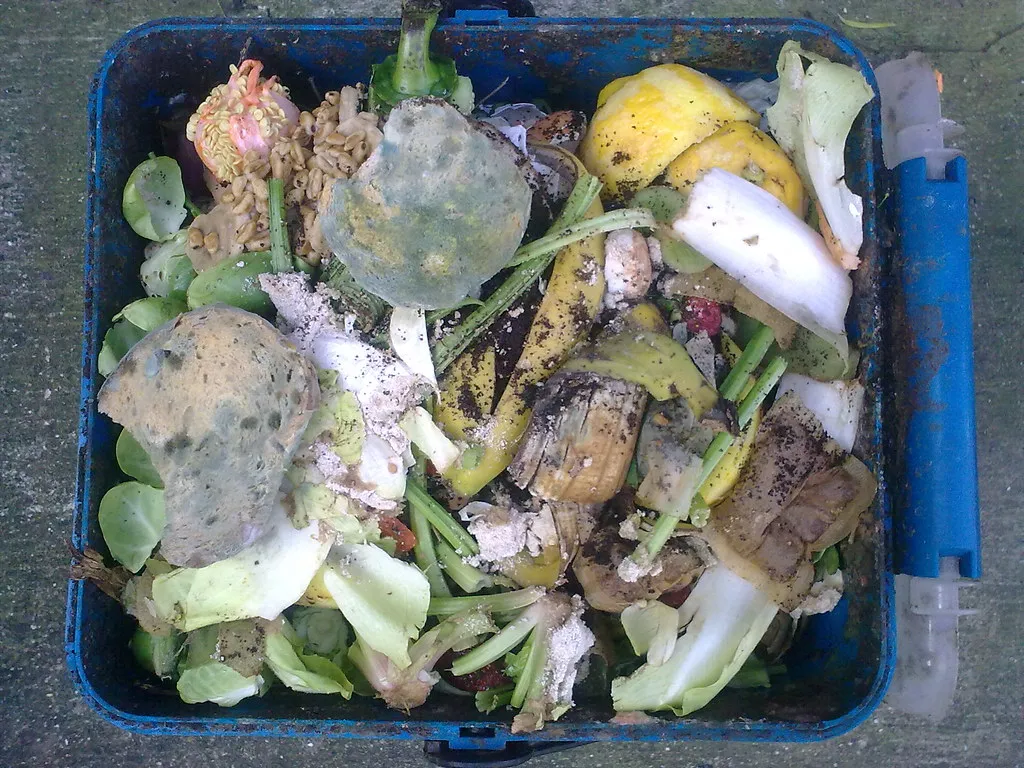
ReFED’s 2025 residential data found that U.S. consumers spent $141 billion on food that was never eaten in 2024, roughly 13% of all grocery spending going straight into the trash. Planning your meals around perishables before they expire is one of the most direct ways to recover that loss. The average household wastes between 30 and 40% of the food they buy, and a fridge-first meal plan done once a week before grocery shopping can reportedly save significant amounts monthly. ChatGPT, when prompted correctly, prioritizes expiring ingredients first.
What a Realistic Week of AI Meal Planning Actually Looks Like
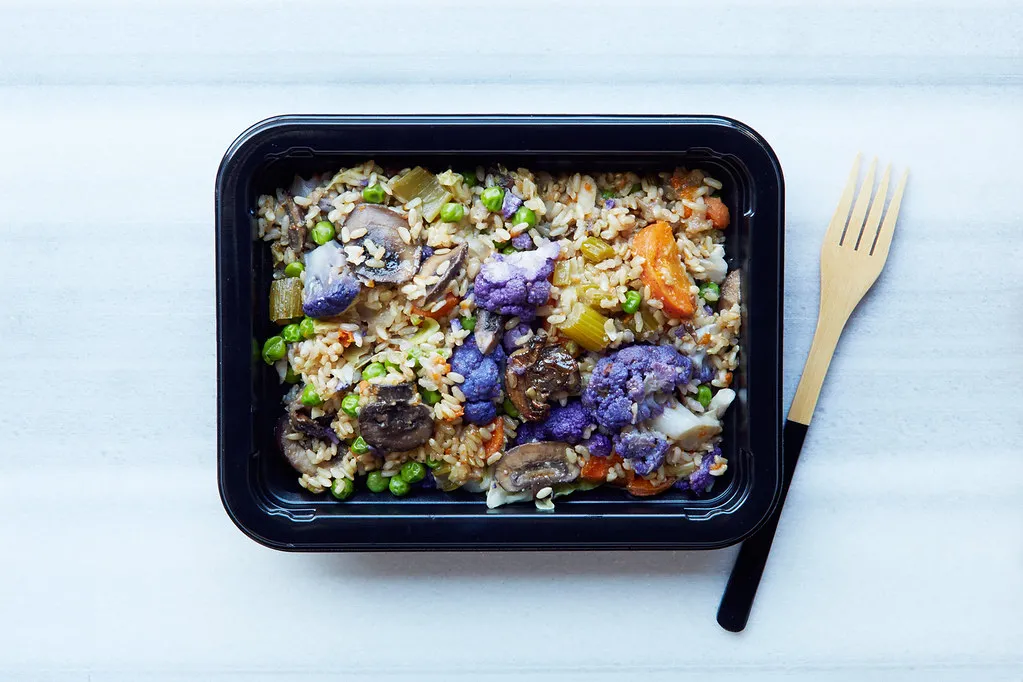
AI tools can help shoppers create strategies to set a budget, generate shopping lists and recipes, find substitutions for expensive ingredients, and even compare value. In practice, a basic weekly prompt returns a seven-day plan organized by breakfast, lunch, and dinner, along with a categorized shopping list. You can ask ChatGPT to create a complete grocery list for the meal plan organized by store section – produce, dairy, meat and fish, frozen foods, and pantry staples – and include approximate quantities for each item. That kind of organized output makes the actual store trip noticeably faster and more focused.
Swapping Expensive Ingredients Without Sacrificing the Meal
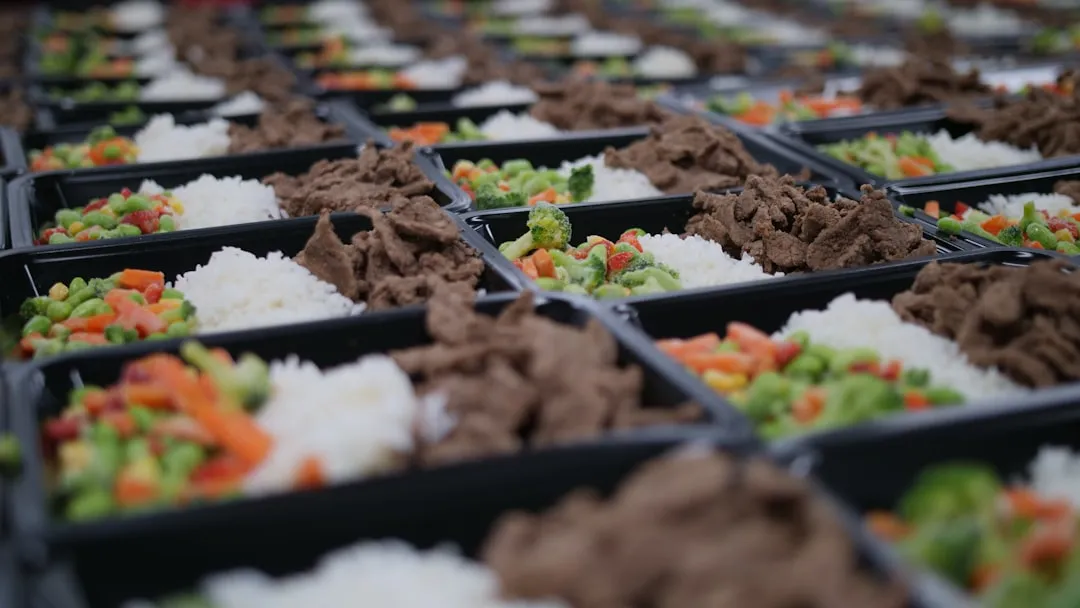
You can paste in the week’s grocery store sales or weekly circular deals and ask ChatGPT to suggest meals that take advantage of discounted produce or proteins. Asking for cheaper ingredient swaps – “What’s a budget-friendly substitute for salmon this week?” – gets you a concrete alternative in seconds. This is where the tool genuinely earns its keep for budget-conscious households. Text-based tools like ChatGPT, Google’s Gemini, or Claude can all provide this kind of real-time substitution support.
Dietary Needs Don’t Complicate the Process
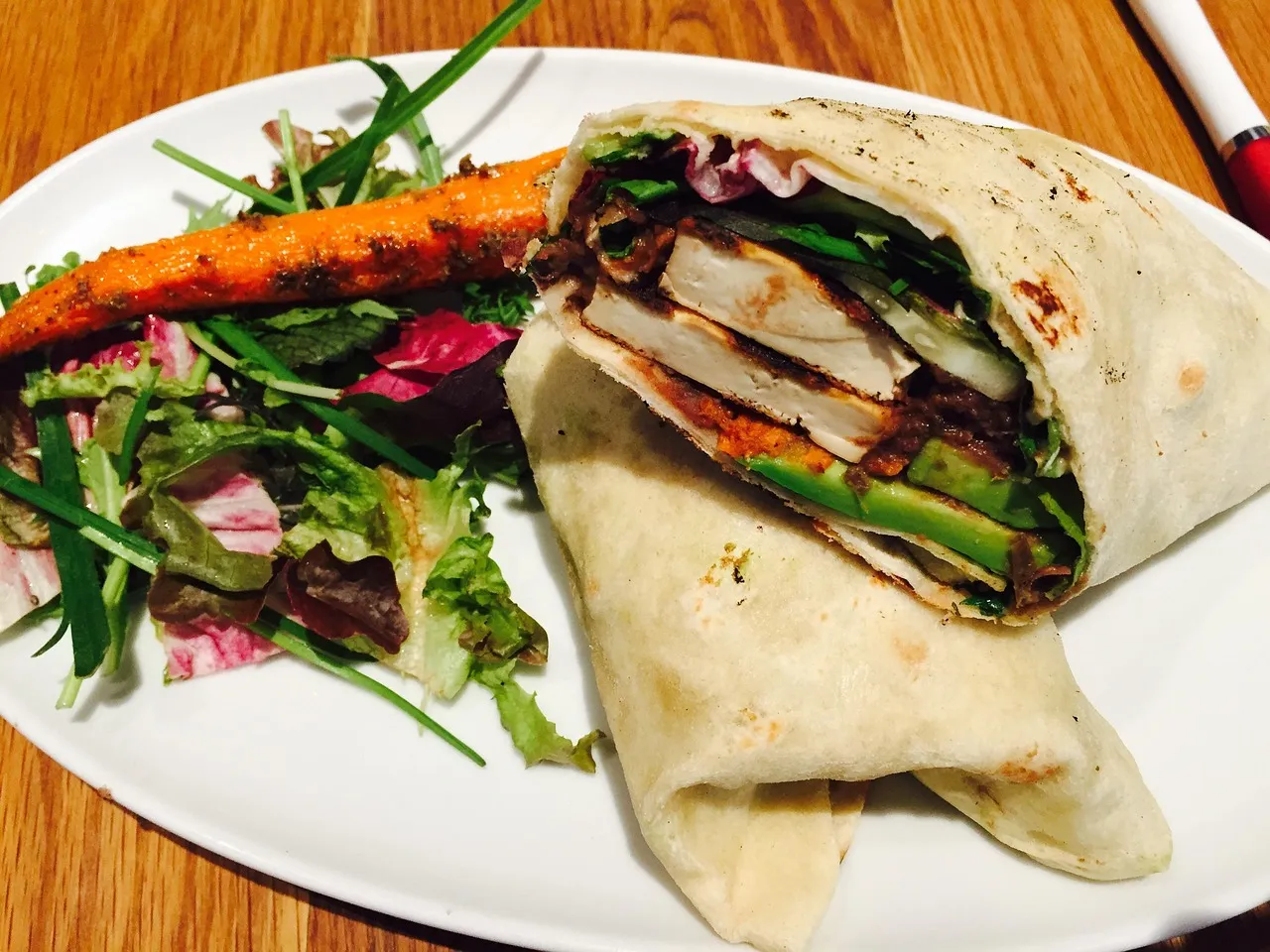
If you have food or dietary restrictions, ChatGPT will also create a meal plan and a grocery list built around your specific requirements. Whether someone in the household is avoiding gluten, eating high-protein, or keeping things plant-based, the AI adjusts without making the planning feel like a puzzle. For families feeding larger portions or teenagers, ChatGPT can account for bigger appetites by suggesting more generous quantities or additional meals throughout the week. The flexibility is genuine rather than forced.
The Benchmarks Worth Knowing Before You Set Your Number

A single adult should budget between $250 and $400 per month on groceries depending on the USDA plan tier – from Thrifty to Liberal – while a family of four typically spends between $830 and $1,310 per month. Having a realistic baseline matters because ChatGPT works better when you give it a grounded number rather than a wishful one. Most people underestimate their grocery spending by somewhere between 20 and 30%, which means the first week of AI planning often involves a quiet recalibration of expectations alongside actual savings.
Where ChatGPT Still Falls Short

The tool is not perfect. It is not yet a flawless algorithm. The recipes it provides tend to be easy to make, nutritious, balanced, and filling, but suggested quantities – like buying a single ounce of seasoning – are sometimes impractical for real-world shopping. Prices in the AI’s suggestions also don’t update in real time, meaning local store differences or sudden price spikes won’t be reflected unless you supply that information yourself. Used as a framework rather than a gospel, though, it holds up well.
What Actually Changed After One Week
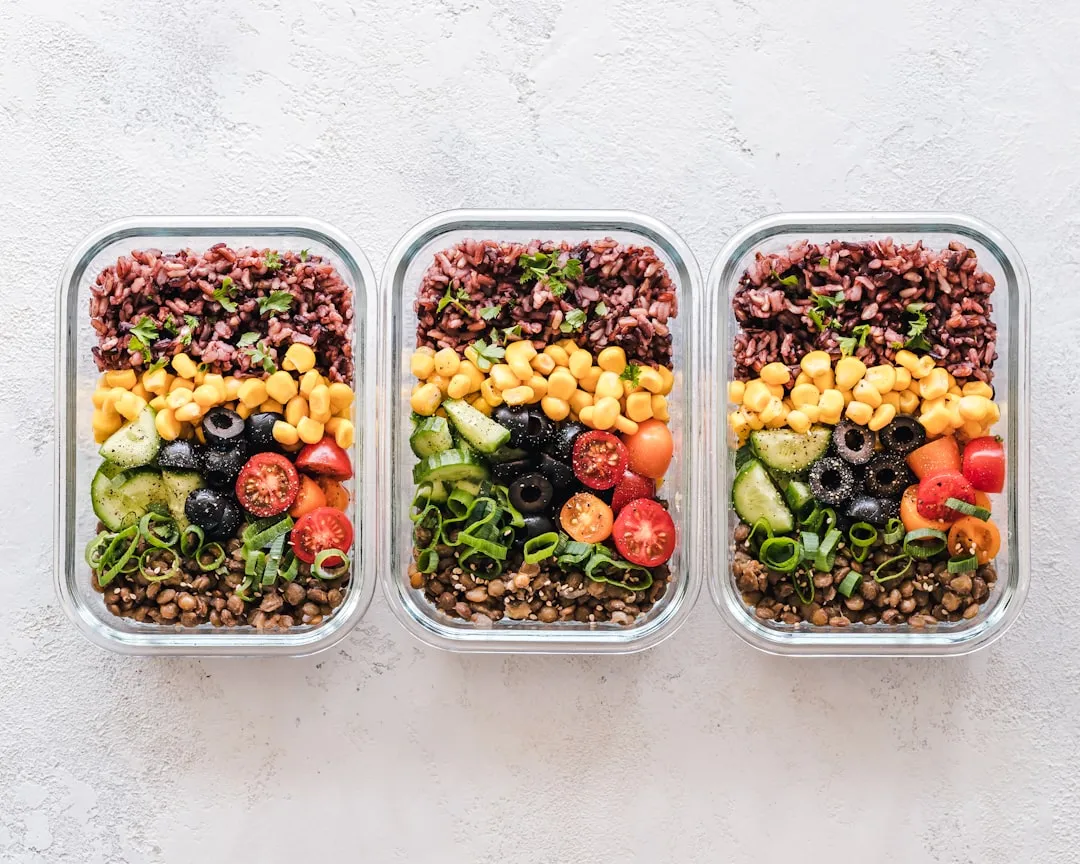
The clearest shift wasn’t in the dollar total, though that improved. It was in the decision fatigue – that low-grade daily exhaustion of figuring out what to cook, what to buy, and whether the budget can handle it. On Reddit, users have shared how using ChatGPT for meal planning has been life-changing, describing it as relieving a significant amount of ongoing stress around food. The financial benefit is real, but the mental relief may be the larger win. Replacing even two delivery orders per week with home-cooked meals planned in advance saves over $1,400 per year – not a small number by any measure.
The Takeaway
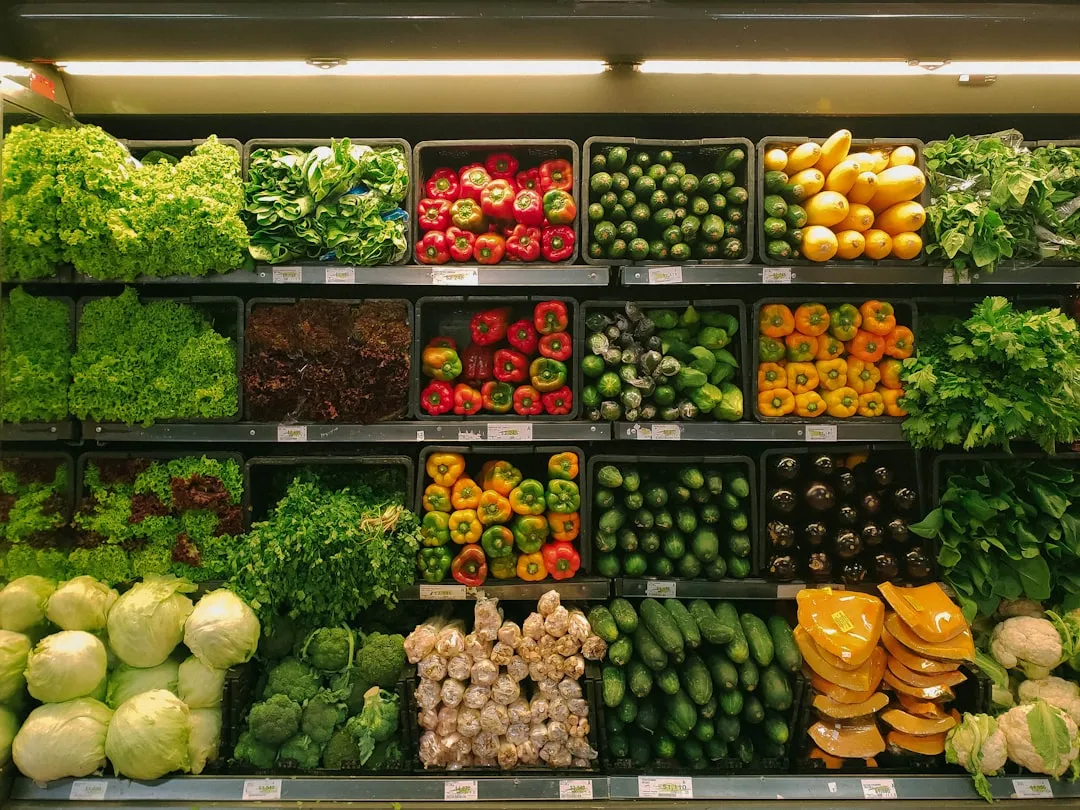
Handing your grocery budget to ChatGPT won’t automate your life or turn you into a frugal genius overnight. What it does is close the gap between what you intend to spend and what you actually spend, by doing the planning work that most of us skip. The real cost of not planning isn’t just money – it’s the stack of wilted vegetables, the third takeout order that week, and the vague sense that the numbers never quite add up. AI doesn’t solve grocery budgeting. It just makes it harder to avoid.
AI Disclaimer: This article was created with the assistance of AI tools and reviewed by a human editor.