
Most people assume that dry goods are nearly indestructible. Flour, rice, oats, spices, and pasta sit in the pantry and seem fine indefinitely. The packaging says they last a year or two, so it’s easy to assume the job is done once they’re off the grocery bag and onto the shelf.
The reality is considerably less forgiving. Plenty of pantry items go stale or spoil well before their printed expiry dates, usually thanks to humidity, temperature swings, and poor storage that speed up spoilage. The problem often isn’t age; it’s the air and moisture in our kitchens working against us. Understanding exactly which storage habits trigger this early decline can save a meaningful amount of money and frustration.
Leaving Dry Goods in Their Original Packaging After Opening
Once a bag of flour, a box of cereal, or a packet of oats is torn open, the original packaging rarely provides a reliable seal. Leaving dry goods in original packaging after opening is one of the most common storage mistakes. Each of these shortfalls shortens shelf life and leads to food being thrown out before it should be.
Air is the biggest culprit for spoilage when it comes to many dry pantry staples. For the most part, packaging like cardboard boxes is not exactly airtight. Oxygen gets in, moisture follows, and degradation begins faster than most people expect.
Oxygen speeds up the breakdown of fats and accelerates spoilage. For items like whole wheat flour, nuts, or oat-based products that contain natural oils, this process can turn a pantry staple rancid well ahead of any printed date.
Storing Food Near the Stove or Oven
Keep foods in the coolest cabinets in the kitchen, not near the oven, stove, or refrigerator exhaust, in particular oils that are subject to turning rancid from heat. This guidance from New Mexico State University Extension applies just as much to dry goods as it does to bottles of oil.
Heat accelerates oxidation. Every 10 degrees Fahrenheit of temperature increase roughly doubles the spoilage rate of many dry goods, according to university food science research. The stove, oven, dishwasher, and even the refrigerator motor all generate heat that flows into adjacent cabinets.
Keep your containers away from anything warm: ovens, dishwashers, sunny windows. Even a few hours of heat can undo months of careful storage. It’s a surprisingly easy mistake to make, and one that the kitchen’s layout practically encourages.
Ignoring Temperature Fluctuations in the Pantry
If your pantry heats up during the day and cools off at night, that’s a recipe for spoilage. Try to keep pantries under 70°F and away from heat sources. Consistent temperature matters as much as the average temperature itself.
The optimal temperature range for dry food storage is in the cool to moderate range, approximately 40 to 70 degrees Fahrenheit. Research at Brigham Young University on long-term storage has shown that wheat retained an acceptable quality for 25 years stored cold and only 5 years stored hot, as in a garage or attic. That difference is striking and applies in some proportion to everyday pantry staples too.
Grain germination rates will decline and vitamin breakdown rates in all stored foods will increase as the temperature increases. Thermal swings throughout the day create exactly the kind of unstable environment where spoilage accelerates quietly and invisibly.
Allowing Too Much Moisture into the Storage Area
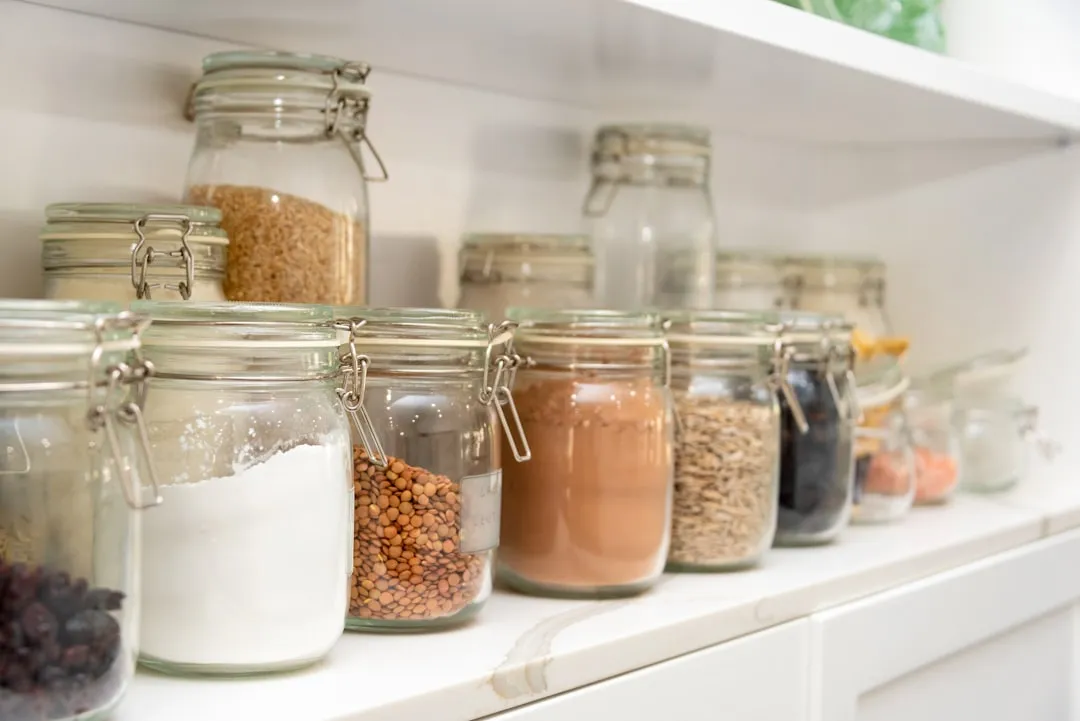
Moisture and temperature are the two critical factors in optimal food storage. The humidity in the storage environment should be low. If dried foods pick up moisture from the storage area, molds and bacteria can grow. This guidance comes directly from Utah State University Extension, which has studied long-term food storage conditions extensively.
Dried foods such as grains, breakfast cereals, and dehydrated milk require a low humidity of 50 to 60 percent to prevent rancidity development, molding, and excessive caking or lumping. Storing these items in a kitchen that routinely steams up from cooking raises the ambient moisture level well beyond that threshold.
Sugar and salt suck up humidity and turn into hard lumps. Even coffee beans or tea leaves can go stale or taste musty if they sit in a moist kitchen. Items that seem resilient are often the first to show the effects of a consistently humid pantry environment.
Exposing Dry Goods to Natural or Artificial Light
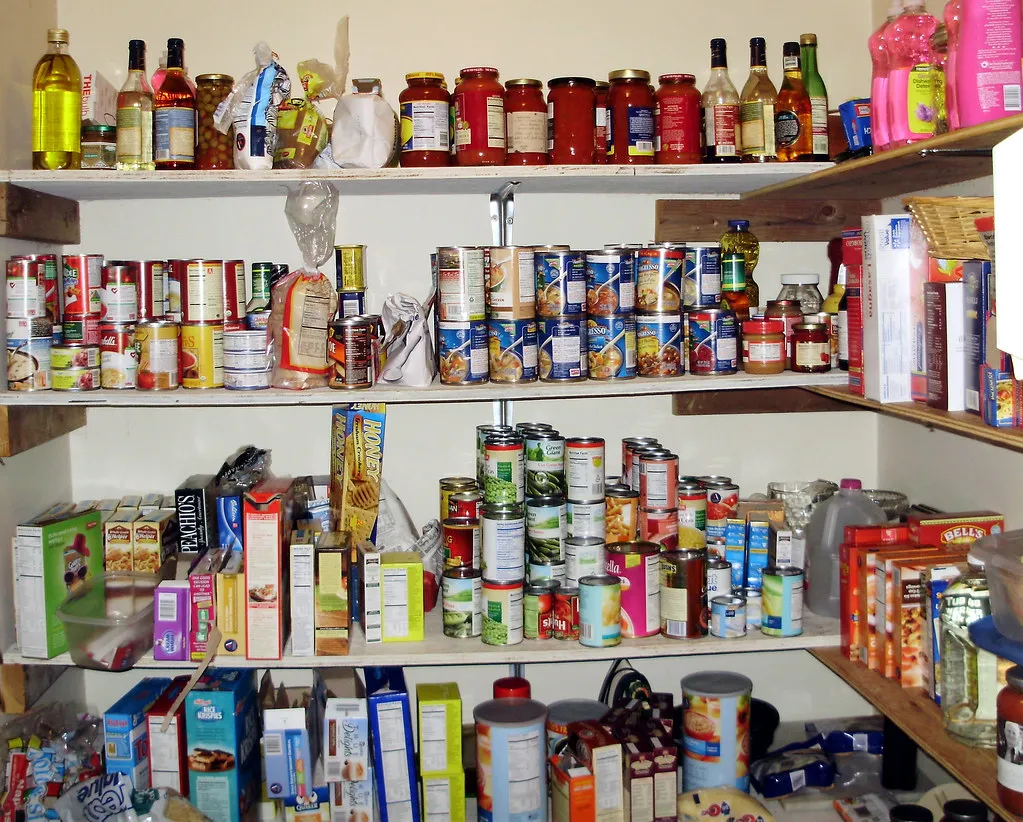
Both natural and artificial light causes food to discolor. Natural light can cause vitamin loss and change the flavor of the food. Open shelving has become a popular kitchen aesthetic, but from a food preservation standpoint, it’s genuinely problematic.
Exposure to sunlight or fluorescent lighting accelerates vitamin loss and color changes in dried goods. Spices lose their potency, oils in nuts go rancid faster, and grains begin to degrade nutritionally before they show any obvious visual sign of spoilage.
Light zaps nutrients and makes fats and oils go bad faster. Storing bulk goods in dark cupboards or pantries, away from windows and bright lights, is the right approach. Selecting jars that are darker in color helps protect contents from sunlight.
Using Containers That Aren’t Truly Airtight
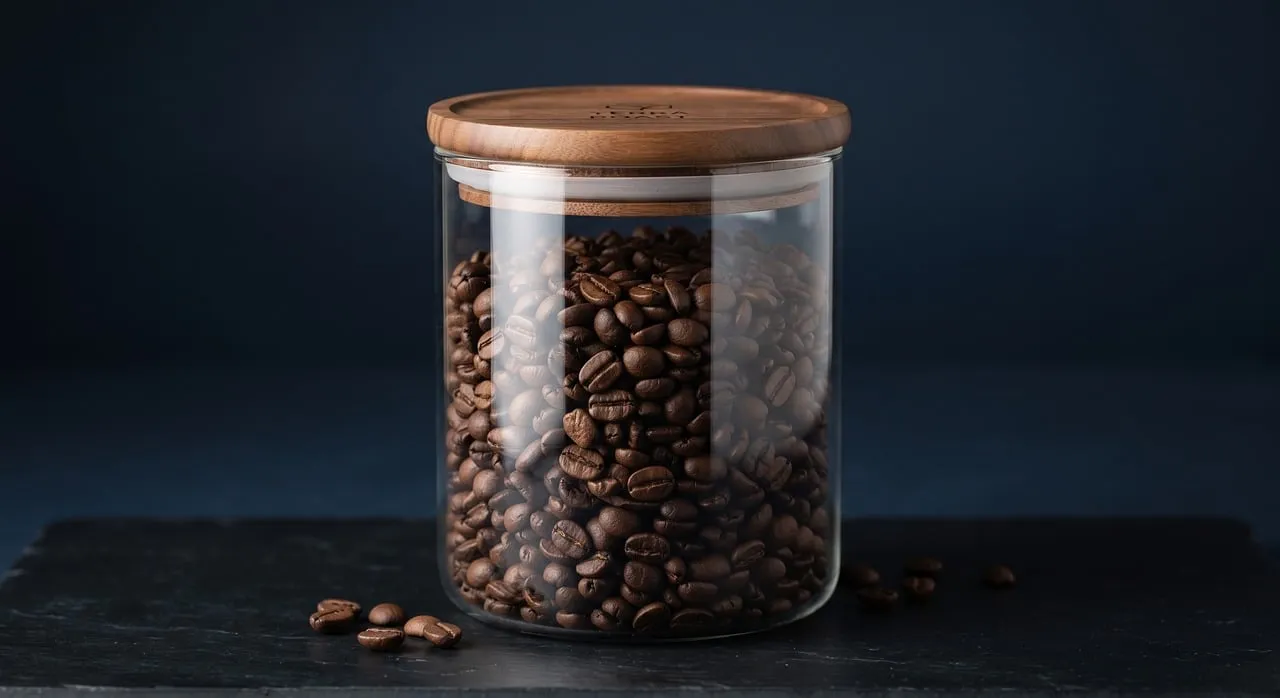
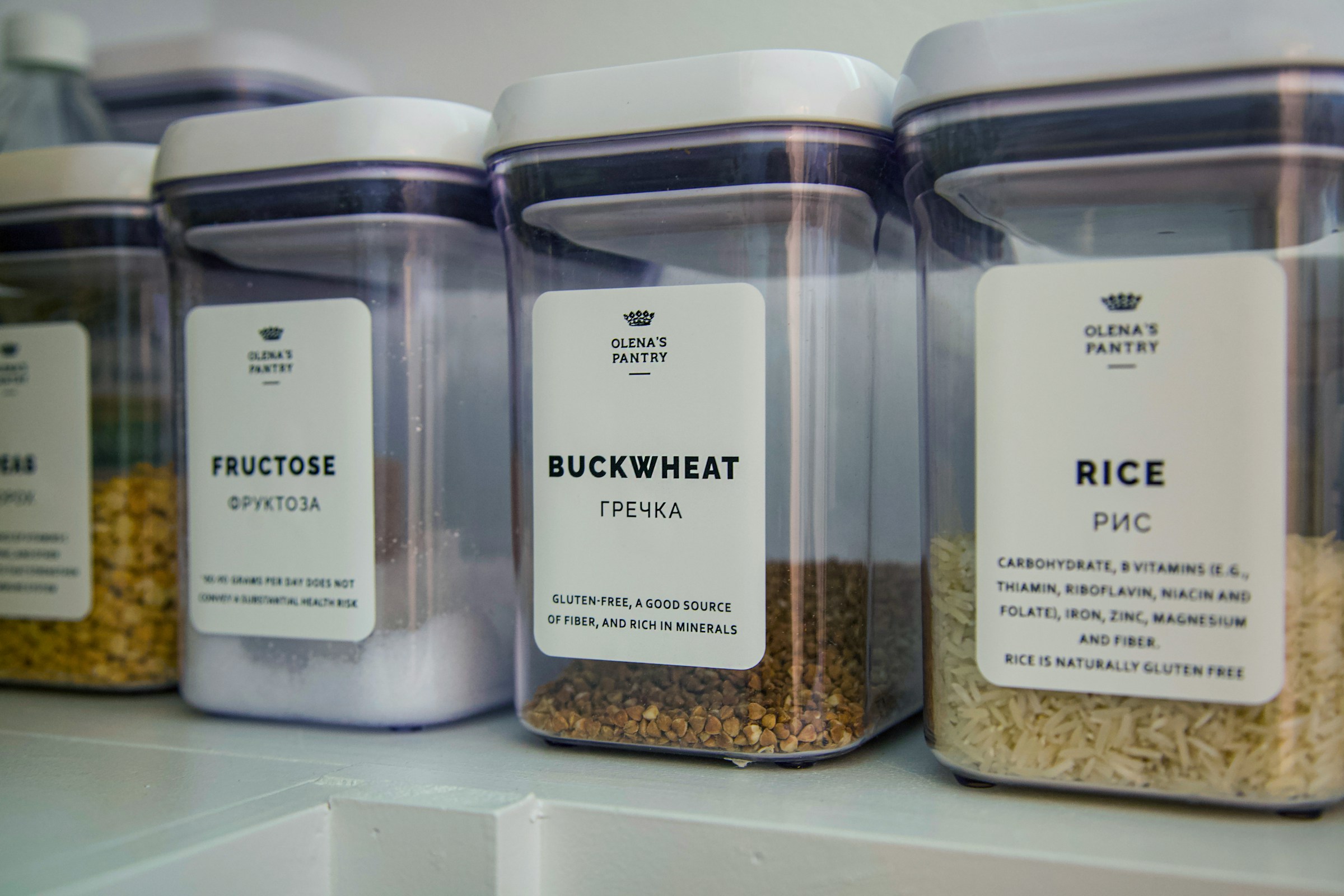
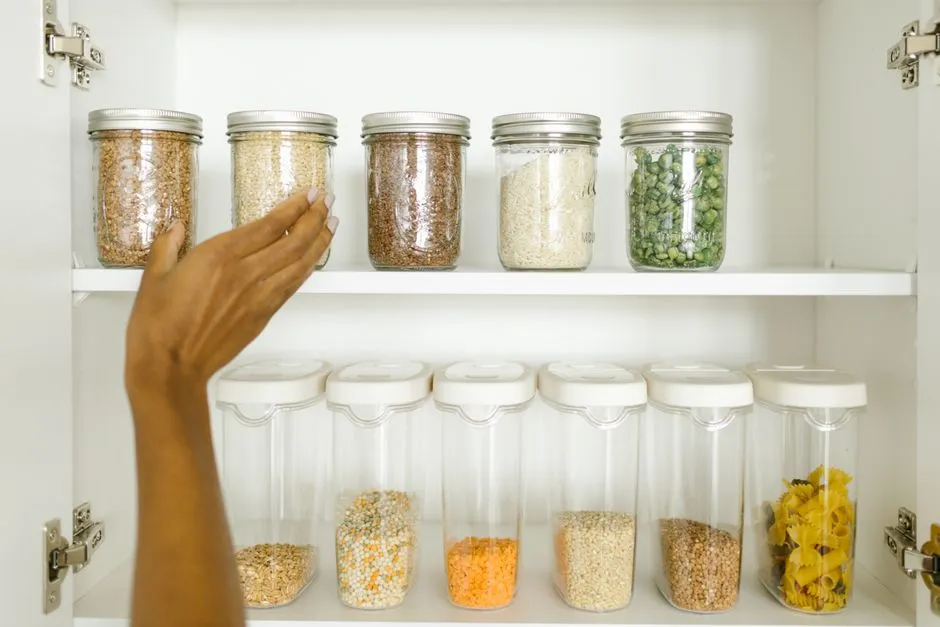
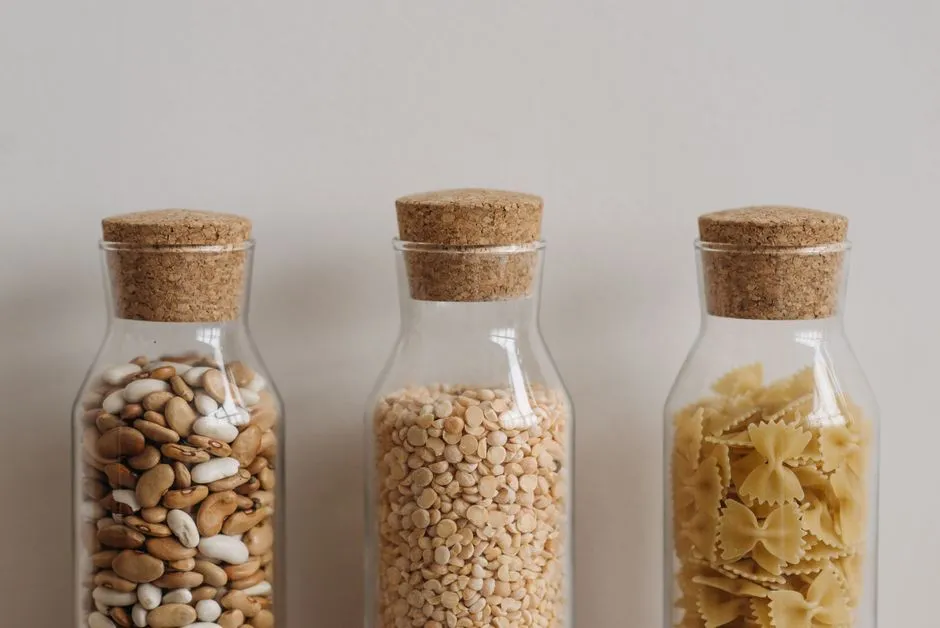
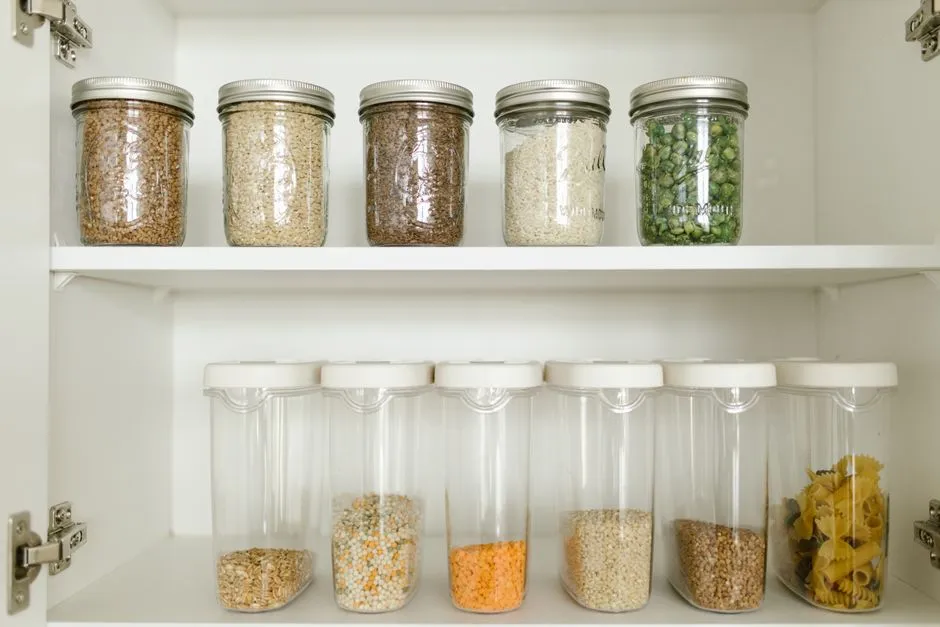
Not all containers marketed as storage solutions are created equal. Many decorative pantry jars have lids that sit loosely or use rubber gaskets that lose their seal over time. Use airtight containers for sensitive foods like flour, sugar, and cereal. They block out humidity and stop spoilage.
Store opened spices in airtight glass jars that are appropriate in size. If there is too much air space inside the container, the spice will spoil faster. Smaller jars are therefore ideal. This principle extends across almost every dry category: matching container size to content volume reduces the trapped air that accelerates degradation.
Vacuum sealing removes almost all the air out of storage bags, which really slows down spoilage from oxygen and moisture. For longer-term storage of bulk grains, coffee, or nuts, vacuum-sealed containers represent a meaningful upgrade over standard pantry jars.
Stacking New Stock on Top of Old Stock
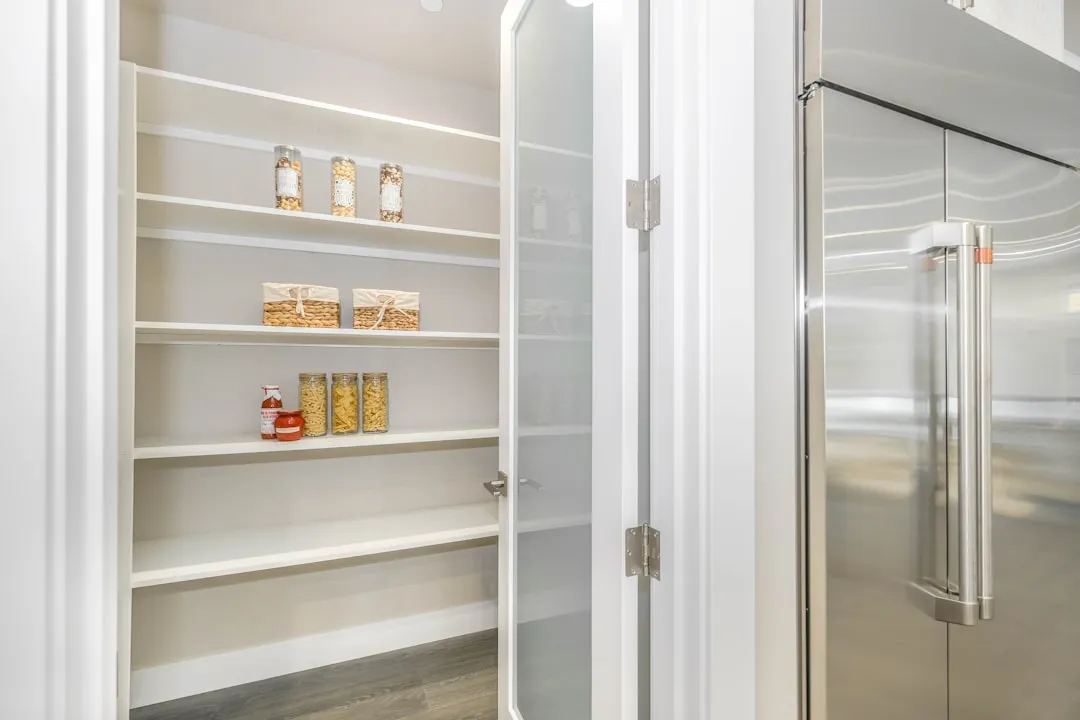
When a new bag of rice or oats arrives from the shop, it’s tempting to drop it straight into the container or onto the shelf. The older supply ends up buried underneath, forgotten until the new batch is gone. By that point, the older portion may already be past its best.
FIFO, or “first in, first out,” is a method where older stock is used before newer stock. This ensures stored items are consumed while still fresh, reducing spoilage and waste. Proper shelving systems that place older items at the forefront make FIFO easy to follow.
The fix is FIFO: first in, first out. When you add new stock, move the old to the front or top. This is exactly how grocery stores manage their shelves, and it works just as well in a home pantry. It takes an extra thirty seconds and makes a measurable difference over months of use.
Skipping Desiccants in High-Humidity Kitchens
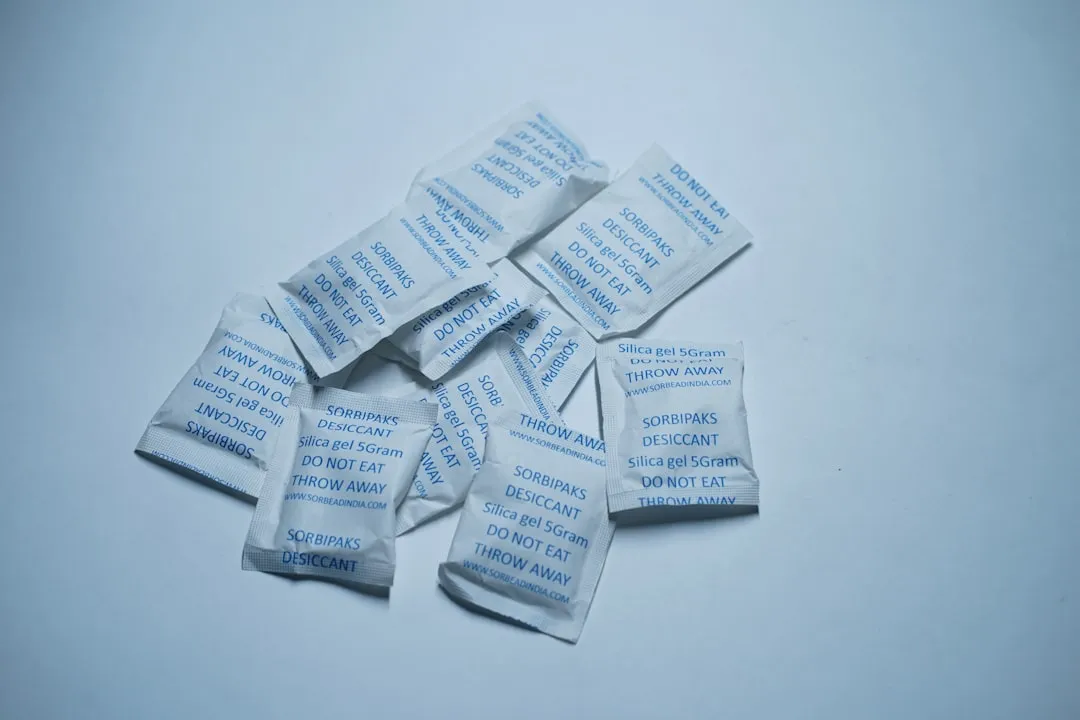
In many homes, especially during summer or in coastal areas, ambient kitchen humidity can stay elevated for extended periods. Under those conditions, even well-sealed containers may eventually allow moisture to creep in, particularly if they’re opened frequently during meal preparation.
Most dry goods prefer humidity levels of 15 percent or less. In muggy places, adding silica gel packets into containers helps soak up extra moisture. They keep flour from clumping, rice from getting musty, and nuts from turning.
Desiccants are the low-tech heroes of moisture control. Silica gel packets suck up water vapor, up to roughly 40 percent of their own weight, and stay dry to the touch. They’re inexpensive, reusable, and genuinely effective for anyone dealing with a warm or humid kitchen environment.
Failing to Check Pantry Stock Regularly
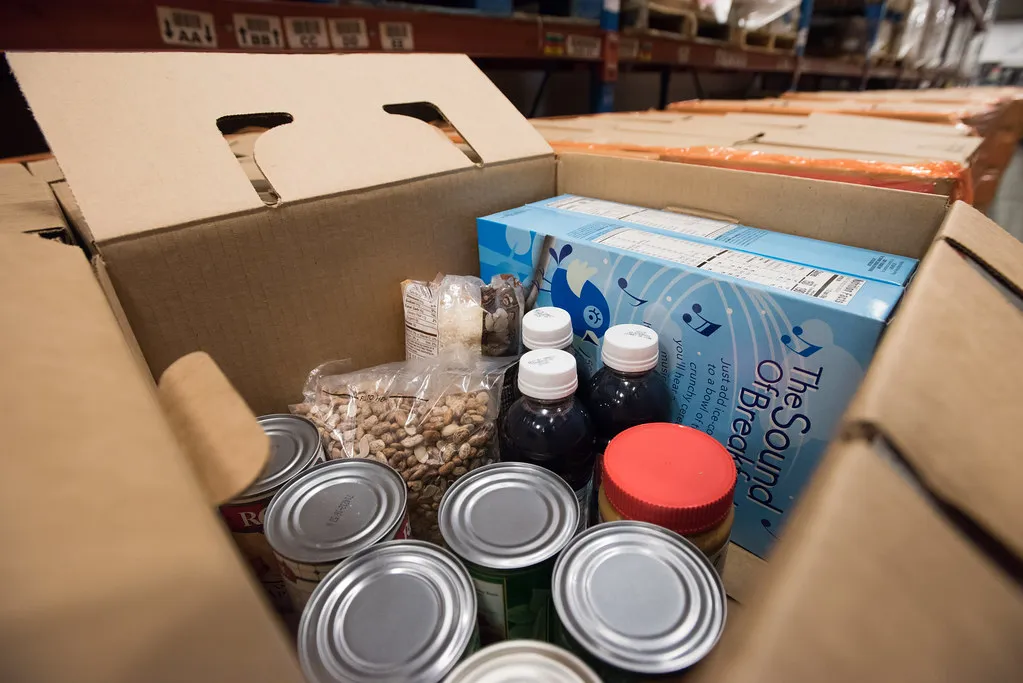
Dry goods can deteriorate gradually without any obvious visual cues at first. A bag of whole wheat flour can smell slightly off before it ever looks problematic. Spices can lose all meaningful potency while still looking perfectly normal in their jars. Without periodic checks, spoilage goes undetected until the food is actively unpleasant to use.
Periodic checking of inventory shelves for expired or near-expired items prevents the accidental misuse of spoiled food. Implementing barcode or labeling systems can simplify the auditing process. At home, a simple label with a transfer date achieves the same outcome without any technology at all.
Check your containers and storage spots at least weekly. Every time you grab something, glance for condensation, water drops, or any signs of spoilage. According to the USDA, American families lose an average of $1,500 per year to food waste. Dry goods that are stored incorrectly account for a meaningful share of that loss.
Trusting the Printed Expiry Date Without Accounting for Storage Conditions
Printed best-before dates are calculated under assumed ideal conditions. Manufacturers base those dates on storage in cool, dry, dark environments. When the actual pantry conditions differ significantly from those assumptions, the food can degrade well before the date on the label.
Spoilage in dried goods happens when conditions become favorable for microbial growth, chemical degradation, or both. The three primary causes are microbial contamination, oxidation, and improper storage. Each of these factors can act independently or together to reduce the quality, safety, and shelf life of dried products.
From a safety and spoilage standpoint, low moisture, low acidity, heat treatment, and sealed packaging are powerful barriers. When even one of those barriers is compromised by poor pantry conditions, the effective shelf life shrinks considerably. The date on the box is a ceiling, not a guarantee.
The Simple Reality Behind Pantry Spoilage
There’s no single catastrophic mistake that ruins a pantry full of dry goods. It’s usually a combination of smaller habits: the cabinet above the stove, the loosely sealed jar, the forgotten bag buried under new stock, the humid kitchen that never quite dried out after a weekend of cooking. Each one shaves time off shelf life in ways that aren’t immediately visible.
Most of us trust sealed packaging to keep food safe until the date on the box, but that’s just not how things play out. Cereal gets soft, spices go bland, and flour can smell funky, all while technically still “in date.” The conditions inside your kitchen drive that outcome far more than any printed number.
The habits worth building are straightforward: airtight containers, consistent cool temperatures, dark storage, rotation of stock, and the occasional check for signs of moisture. None of it requires a pantry overhaul. Small, consistent adjustments tend to compound over time into significantly less waste.
AI Disclaimer: This article was created with the assistance of AI tools and reviewed by a human editor.