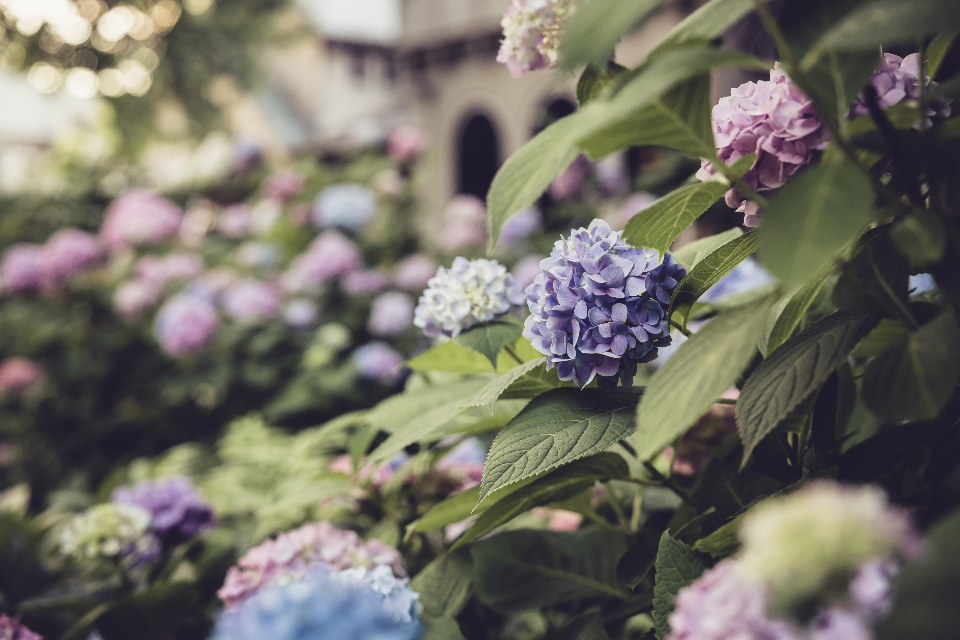

You did everything right, or so you thought. You watered, you fertilized, you even moved the pot to a sunnier corner of the yard. Yet come summer, your hydrangea sits there lush and green and completely, stubbornly flowerless. The frustration is real, and more common than most gardeners realize. The real culprit is almost never what people assume it is.
Most hydrangea blooming problems come down to a few common causes: pruning at the wrong time, winter or spring frost damage, not enough sunlight, too much nitrogen, or growing the wrong type for your climate. Understanding which one applies to your plant is everything.
The Pruning Timing Trap (The Mistake Nobody Talks About)
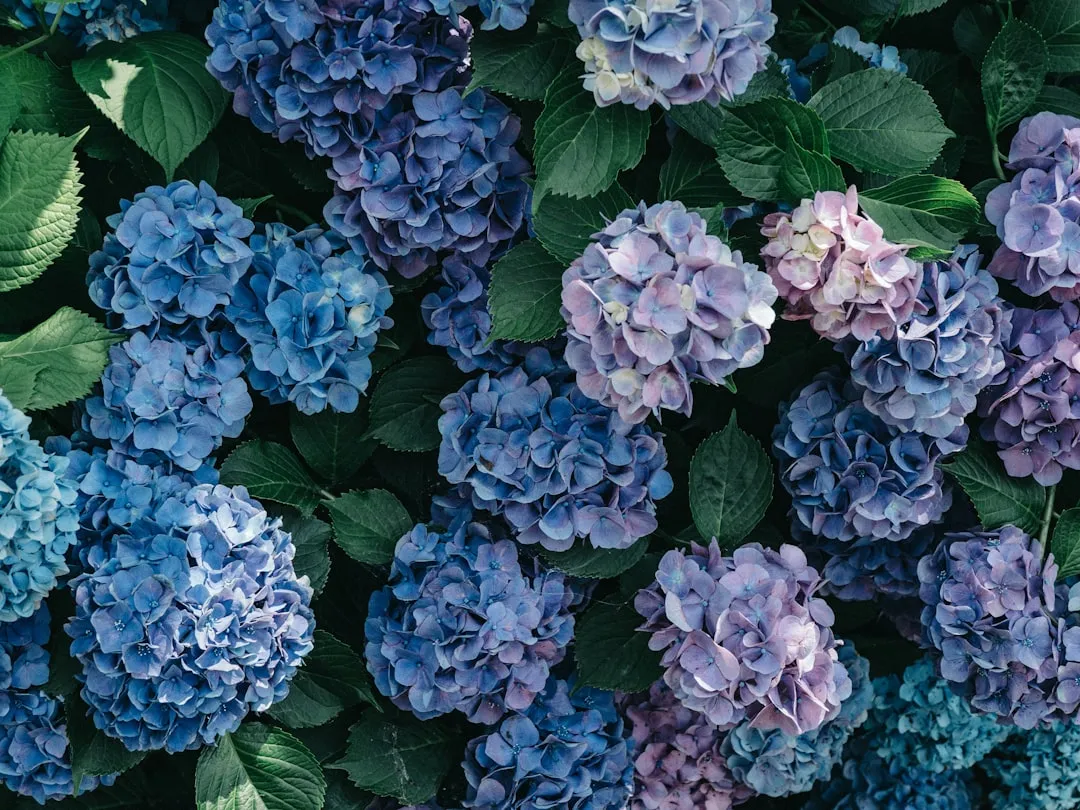
Pruning at the wrong time is the central culprit. One misplaced cut can eliminate next year’s entire flower display, turning anticipation into disappointment. This is the mistake most gardeners never even realize they’re making, because the plant still looks perfectly healthy afterward.
Most hydrangeas fail to bloom because the flower buds were removed or damaged before they had a chance to open. This is especially common with bigleaf hydrangeas, mophead hydrangeas, lacecap hydrangeas, mountain hydrangeas, and oakleaf hydrangeas that bloom on old wood.
If you cut back a hydrangea between autumn and early spring, and it blooms on old wood, you have trimmed off all the future flowers. The plant grows back perfectly fine. The flowers just never show up.
Old Wood vs. New Wood: Why This Distinction Changes Everything
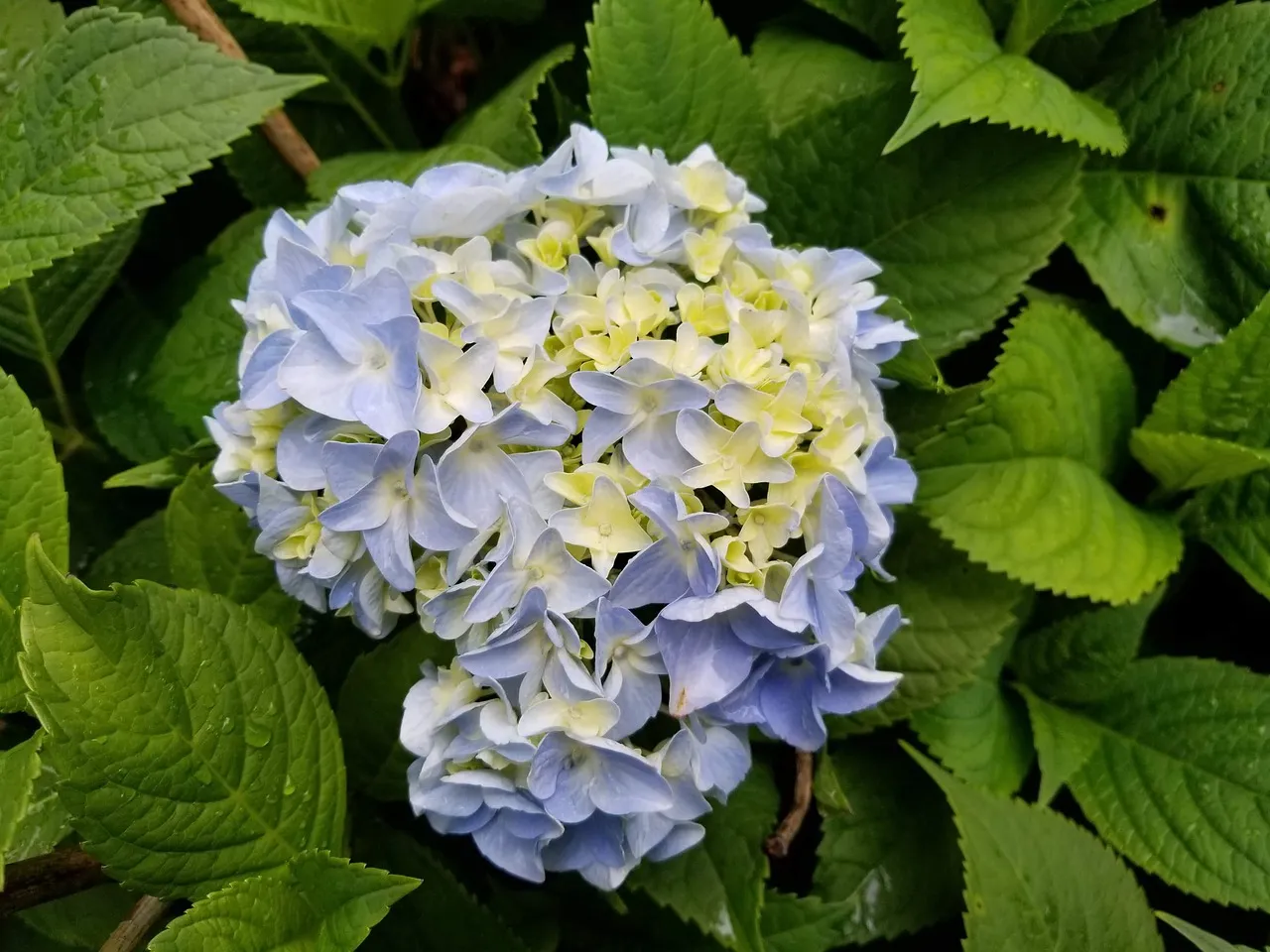
Not all hydrangeas bloom on the same wood, and that’s the single most important factor in pruning timing. Misidentifying your plant leads to accidental removal of flower buds. Most people have no idea there’s even a difference.
Bigleaf hydrangea and oakleaf hydrangea bloom on old wood. That means they set next year’s flower buds on the current season’s stems by late summer. Prune these types in fall, winter, or early spring and you cut off the very growth that would have flowered.
Panicle hydrangea and smooth hydrangea, including the popular Annabelle type, bloom on new wood. These flower on growth produced the same spring, so late winter pruning does not cost you a single bloom. Knowing which category your shrub falls into is step one, and it should happen before you pick up any tool.
When to Prune: The Right Window for Each Type
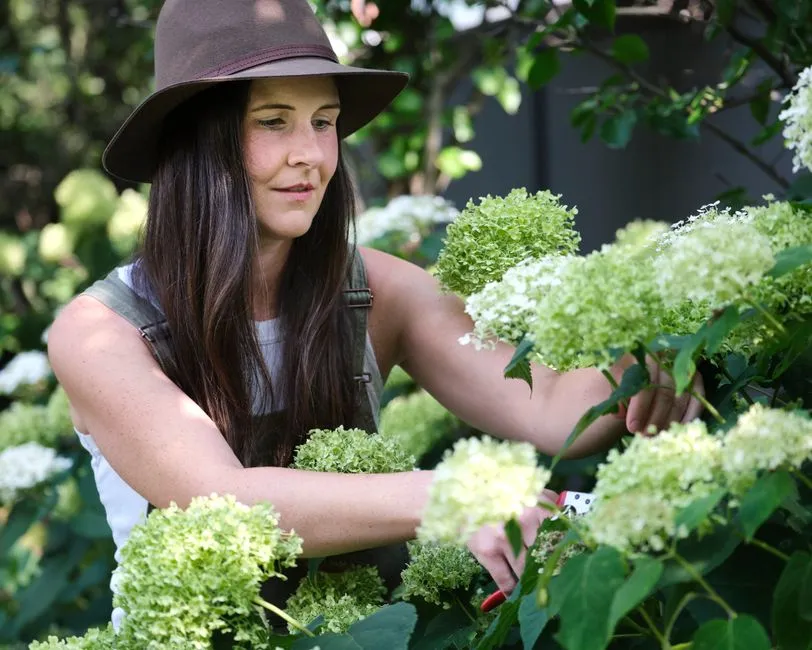
Old wood hydrangeas should be pruned right after flowering, while new wood types can be pruned in late winter or early spring. When in doubt, skip pruning for a year. That one season of restraint could be the difference between a bloomless shrub and a spectacular display.
Bigleaf hydrangea forms flower buds on old wood between mid-July and early September. Buds overwinter and open the following June through August. The correct approach is to prune only in late summer, immediately after flowering ends, no later than mid-August.
Prune within four to six weeks after blooming ends for old wood types, then leave the plant alone for the rest of the season. Any cut made after that window risks removing the buds that are quietly forming for next year.
Frost Damage: When Winter Does the Pruning for You
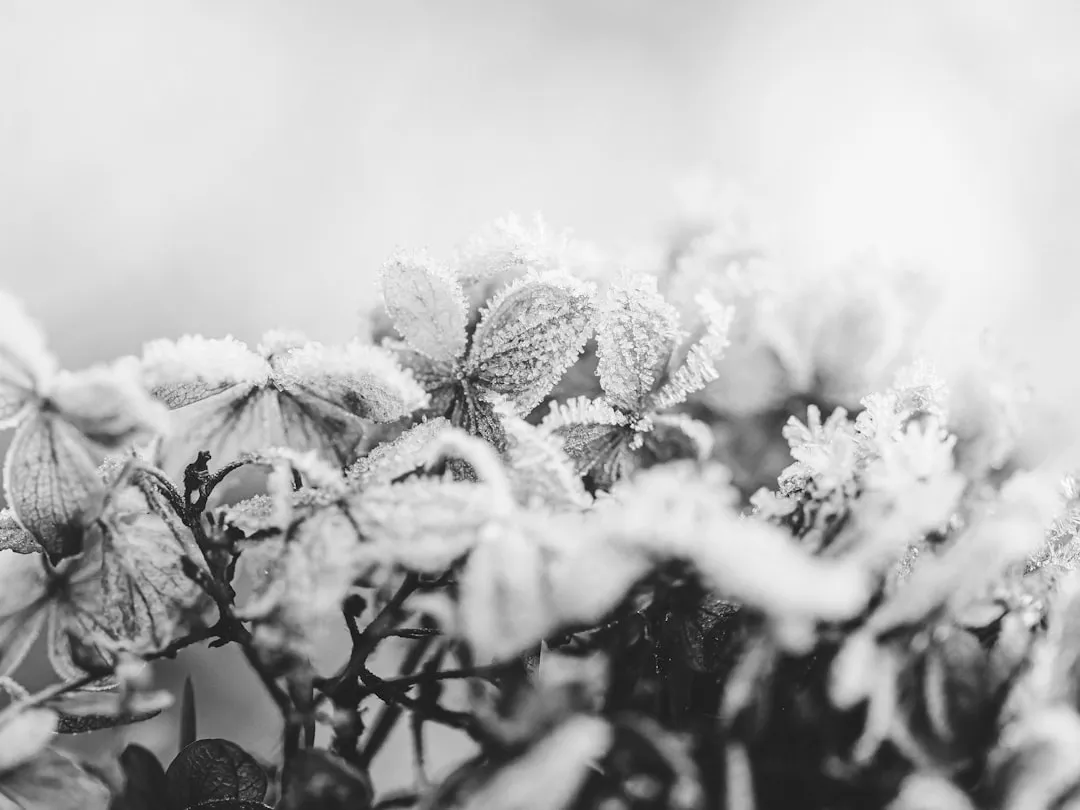
A late spring freeze can damage flower buds even if the plant survives. This often happens after a warm spell causes the hydrangea to start growing, followed by freezing temperatures. The leaves emerge normally and the plant looks fine, but the buds are already gone.
Hydrangeas that bloom on old wood can be vulnerable to winter damage or late spring frosts, which can kill the buds. This issue is common in colder climates where temperature swings are frequent.
Protect vulnerable hydrangeas by covering them with burlap during winter or early spring cold snaps. This simple step takes ten minutes and can save an entire season of flowers. It’s worth building into your fall garden routine.
Too Much Shade, or Too Little
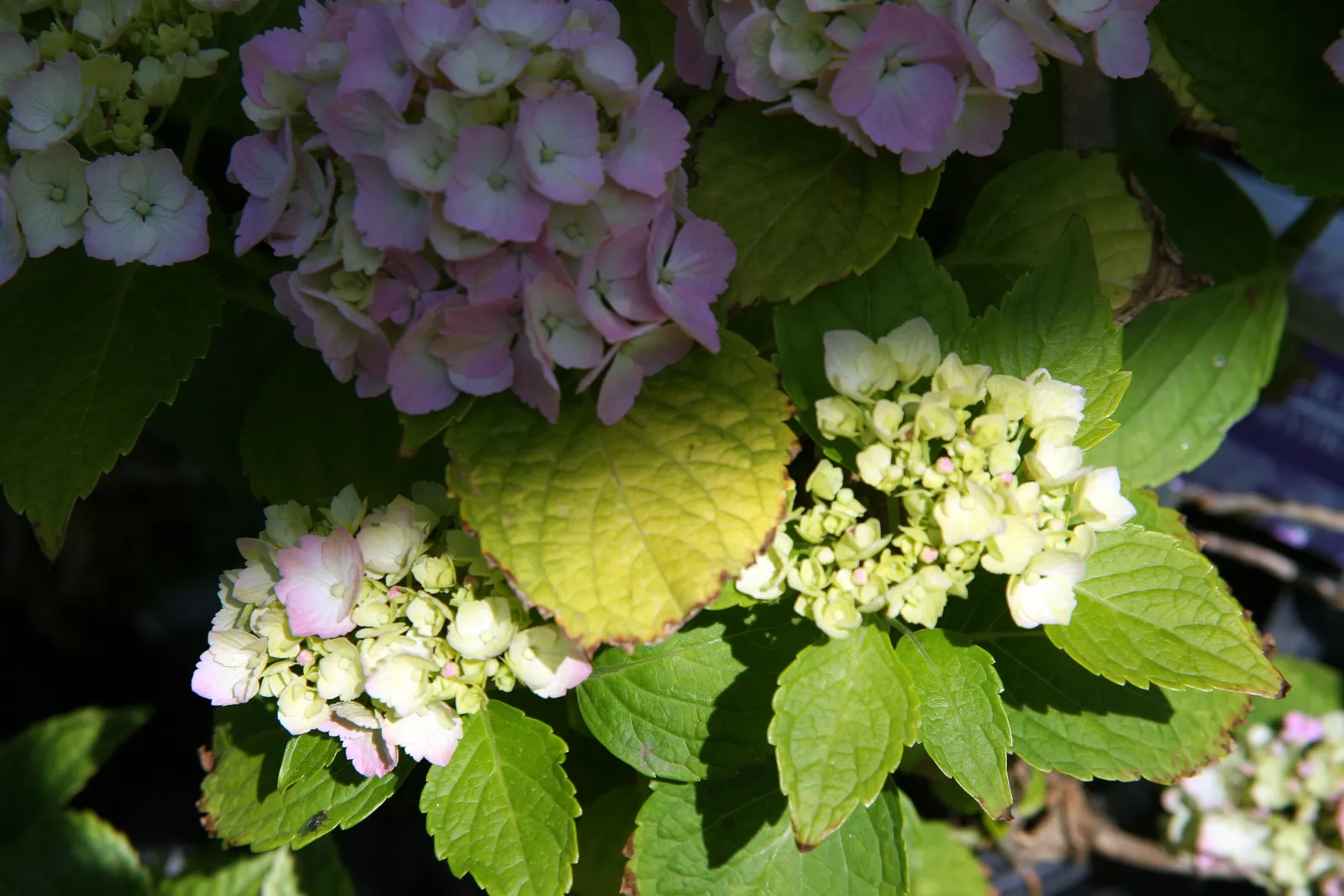
Though hydrangeas prefer protection from hot direct sun, too much shade can prevent them from forming flower buds. This surprises many gardeners who assume hydrangeas are shade plants through and through.
Ideal light conditions for hydrangeas are several hours of direct morning sun with afternoon shade, or dappled shade that allows plenty of bright indirect light. The morning sun is especially important, as it drives photosynthesis without the scorching intensity of the afternoon.
Too much direct sun may stress hydrangea plants, which can force them to conserve energy by not forming flowers. Some types such as panicle hydrangea can tolerate more direct sun than others and can even thrive in full sun in northern climates. The ever-popular bigleaf hydrangeas need protection from hot afternoon sun, especially in warmer climates.
The Nitrogen Problem Most Gardeners Create Themselves
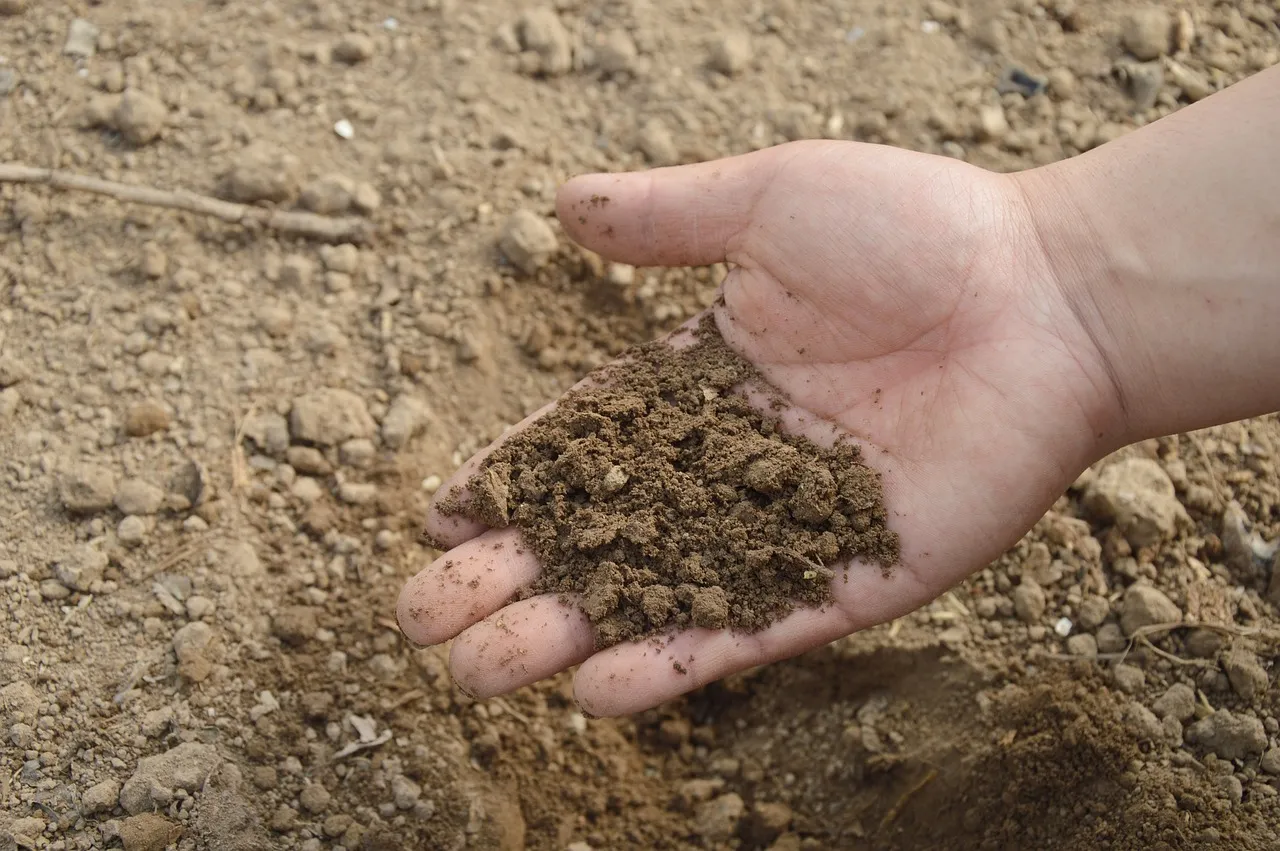
When hydrangeas grow lots of leaves but no flowers, it is often due to excessive nitrogen in the soil, which encourages foliage over blooms. A thriving, leafy hydrangea that refuses to bloom is a classic sign of this imbalance. It looks healthy, but it’s essentially growing in the wrong direction.
This issue is common when hydrangeas are planted near lawns that receive regular applications of high-nitrogen fertilizers. The runoff seeps into the soil without anyone realizing it, and the shrub just keeps pushing out more leaves.
Using fertilizers with more phosphorus, like a 10-30-10 formula, supports flower development. Hydrangeas typically don’t need frequent fertilizing. Apply a bloom-focused fertilizer once in early spring and again in mid-summer if needed, avoiding overuse.
Water Stress Quietly Kills the Bloom Cycle
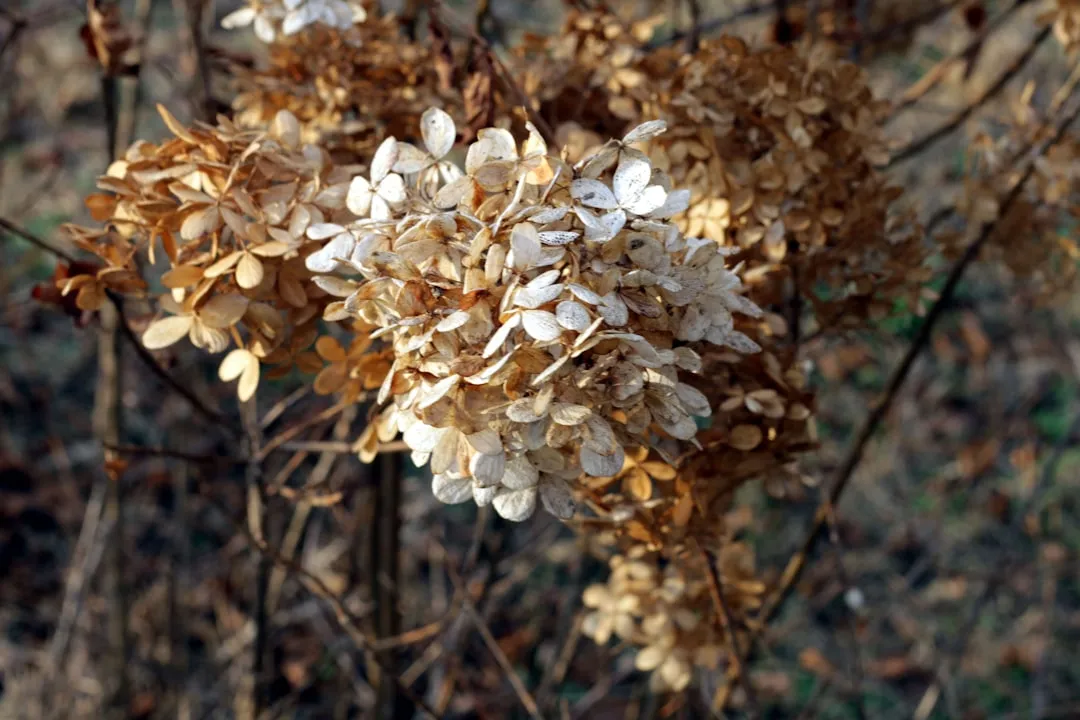
Hydrangeas are water-loving plants that require consistently moist soil to thrive. When they experience prolonged periods of drought stress, their energy shifts to survival rather than bloom production. Irregular watering is easy to overlook because the plant doesn’t necessarily look sick.
Too little water can result in stunted growth and failure to develop flower buds. A drought in the previous growing season can also affect flowering the following year. Plants need consistent moisture, about two inches of water per week.
Keep the soil evenly moist but well-drained. Use mulch around the base to retain moisture and protect the roots from temperature fluctuations. A two to three inch layer of organic mulch around the base makes a real, measurable difference.
Planting the Wrong Variety for Your Climate
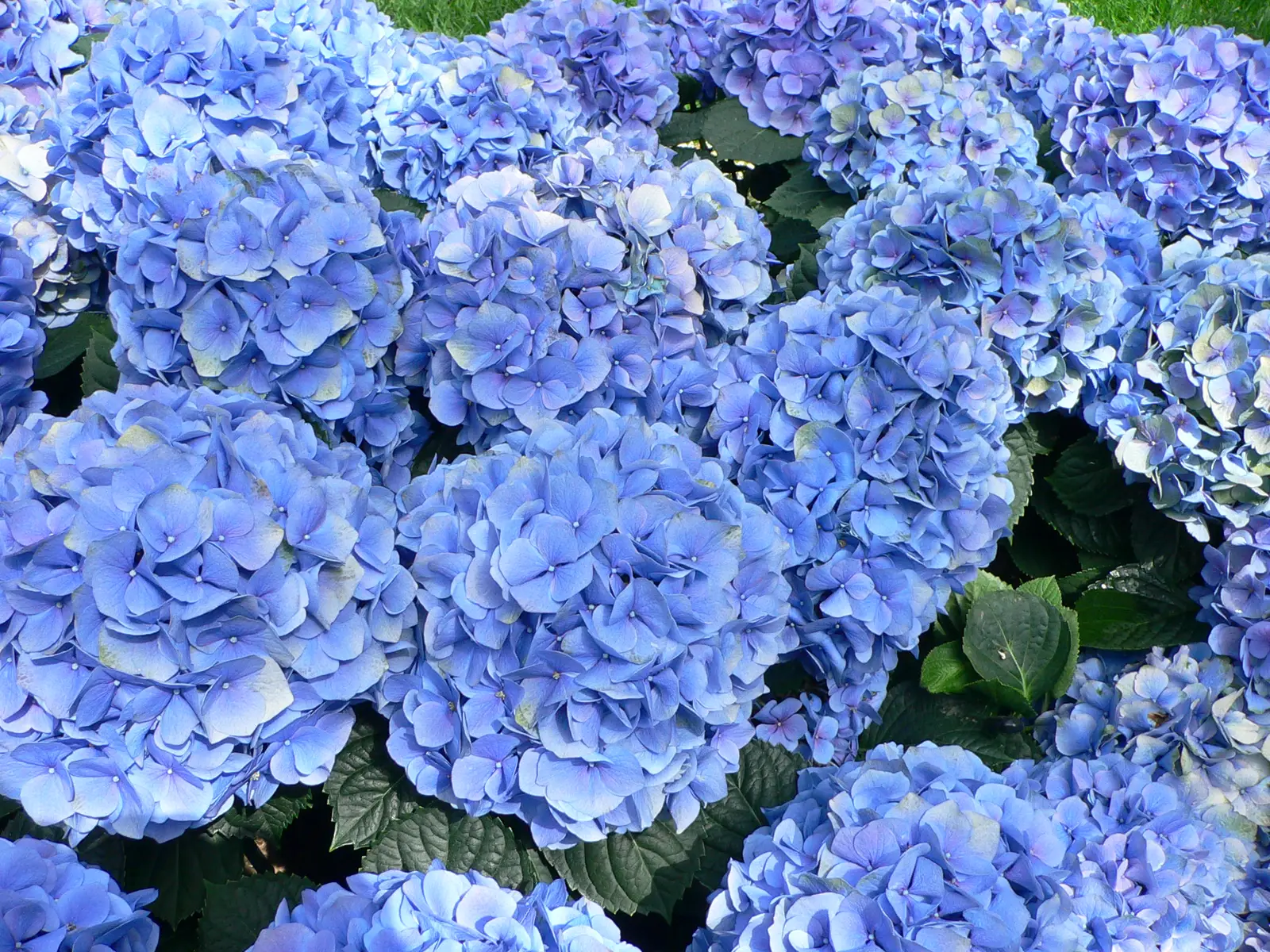
There are a lot of different varieties of hydrangeas, and they differ in levels of hardiness. The bigleaf hydrangea is the least hardy, while the panicle hydrangea is the most tolerant to cold. Getting this wrong from the start means fighting an uphill battle every single season.
A “florist’s” or “gift” hydrangea is simply not winter hardy in many areas. Mother Nature freezes the flower buds and the stems each year, destroying the future flowers. These plants are grown in highly controlled greenhouse conditions and forced into early bloom, and because of this they often struggle once planted outdoors.
Before buying any hydrangea, confirm its USDA hardiness zone range. Choosing a variety suited to your local winters eliminates one of the most common and avoidable sources of bloom failure entirely.
New Plants Need Time Before They Bloom
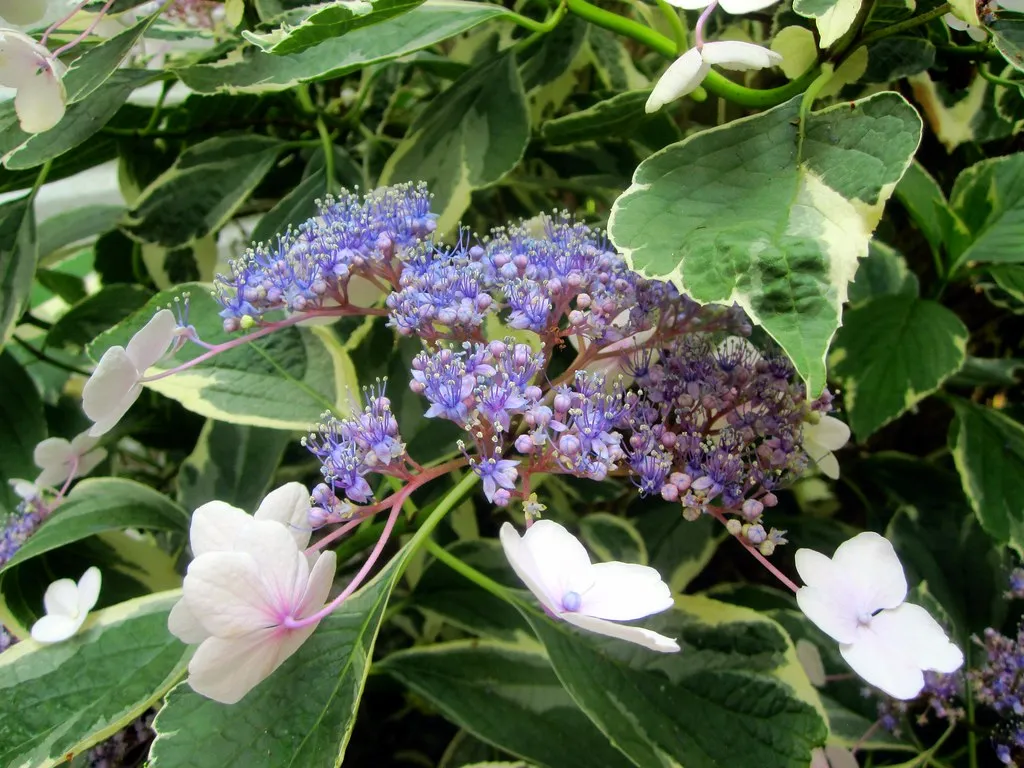
Most hydrangeas need two to five years after planting to build a root system large enough to support a full bloom season. Larger container specimens tend to bloom sooner than small starter plants because they arrive with more established roots already in place.
New hydrangeas often skip a year or two of blooming while they establish roots. This is completely normal. Keep the soil evenly moist, avoid fertilizing the first year, and give the plant time to settle in.
If your plant is healthy, growing well, and within that first window, the lack of flowers is very likely just a timing issue rather than a problem with care. Patience, in this case, genuinely is the fix.
The pH Myth That Wastes Gardeners’ Time
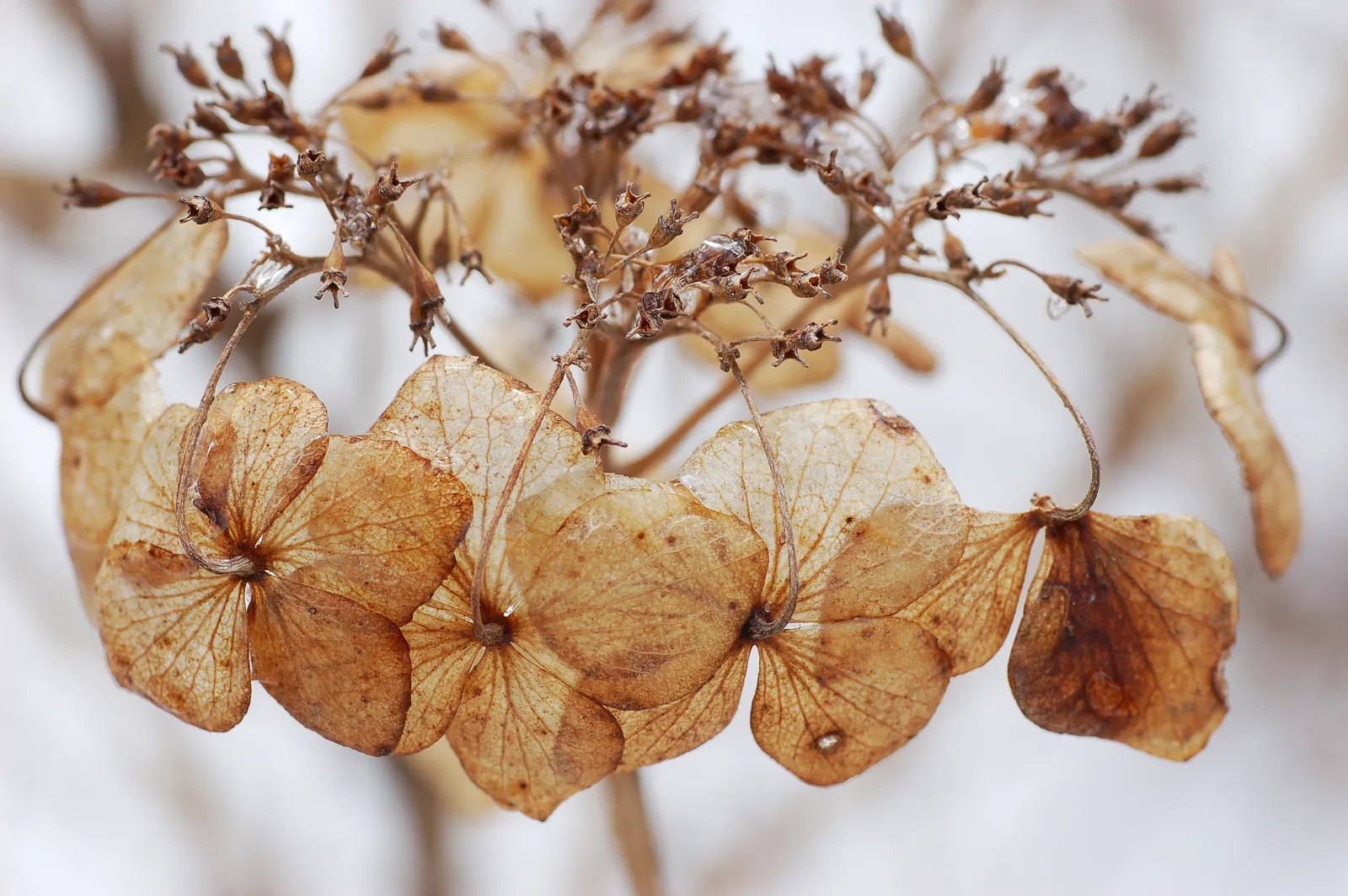
Soil pH does not affect whether hydrangeas bloom, only flower color in macrophylla and serrata. Acidic soil yields blue flowers; alkaline yields pink. Neutral pH produces purple or mixed hues. This is one of the most widely misunderstood facts in hydrangea care.
Adjusting pH is irrelevant to bloom production, and can even stress roots if done aggressively with aluminum sulfate or lime. Many gardeners spend years chasing a pH fix for a bloom problem that pH has nothing to do with.
Bloom failure is usually caused by pruning, sunlight, or winter damage, not pH. Still, balanced soil and proper nutrients are important for healthy growth. Focus your energy on those proven factors first, and the flowers will follow.
What to Do Right Now to Get Blooms Back
A missed bloom season caused by pruning timing, frost damage, or excess shade does not usually harm the plant’s long-term health, only that year’s flowers. Correct the underlying cause, whether that means adjusting when you prune, adding winter protection, or increasing sunlight, and the shrub typically resumes flowering the following season without any lasting damage.
Most hydrangeas will recover with proper care and should bloom again the following season. The key is diagnosing the right problem rather than guessing and applying multiple changes at once, which makes it impossible to know what actually worked.
Start by identifying your hydrangea type, then check your pruning timing, your fertilizer, your light levels, and your watering consistency. Work through that list one factor at a time, and next summer’s display could look very different.
Final Thoughts
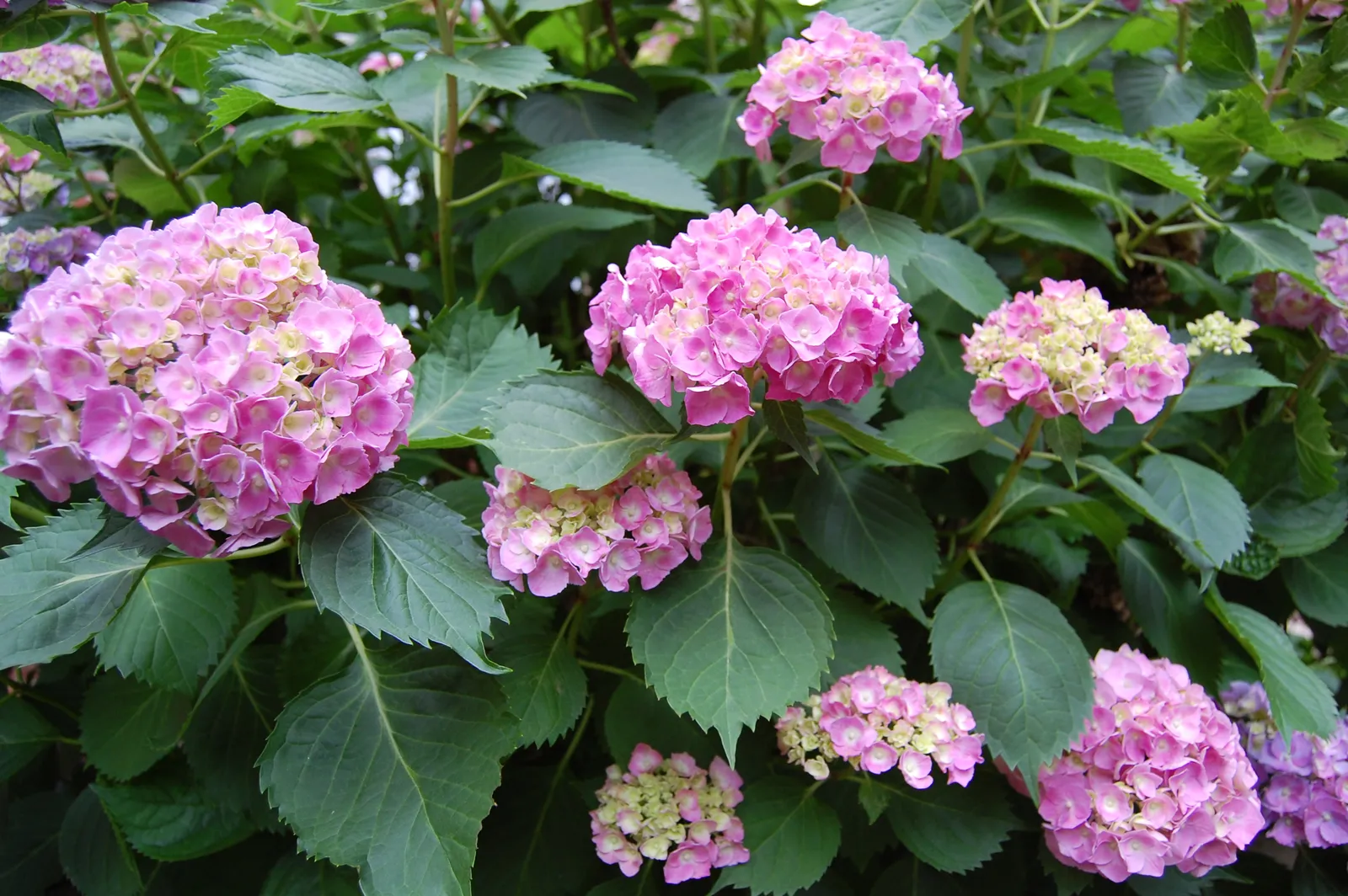
Hydrangeas are resilient plants. They rarely fail to bloom because of some mysterious disease or irreversible damage. In most cases, the answer traces back to one misstep, usually pruning at the wrong moment, and one that’s entirely correctable once you know what to look for.
The information is out there, supported by university extension programs like Penn State and Purdue as well as experienced horticulturists, and it consistently points to the same handful of fixable causes. The plant isn’t the problem. The approach usually is.
Give your hydrangeas the right timing, the right light, and a bit of restraint with the fertilizer, and the blooms will come. Sometimes the best gardening decision is simply knowing when not to cut.
AI Disclaimer: This article was created with the assistance of AI tools and reviewed by a human editor.