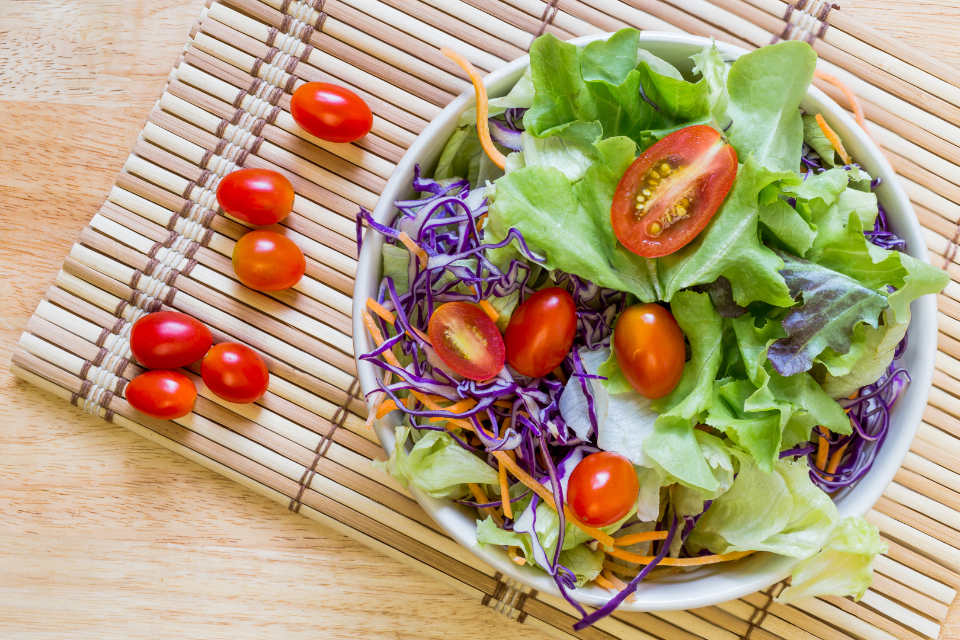

Seasonal allergies affect an enormous number of people. They are one of the most common chronic inflammatory conditions in the world, impacting over 50 million people globally, and they can impair quality of life, lower productivity, and disturb sleep. For many, the default response is to reach for antihistamines. That works, but there’s a growing body of research suggesting that what’s already on your plate might play a meaningful supporting role.
Diet and lifestyle modifications can be an effective part of the prevention and treatment of seasonal allergies, and dietitians are increasingly playing a role in helping individuals find the most appropriate nutrition support for symptom management. None of these foods are miracle cures, but the evidence behind some of them is genuinely compelling.
1. Onions and Apples: Nature’s Quercetin Delivery System
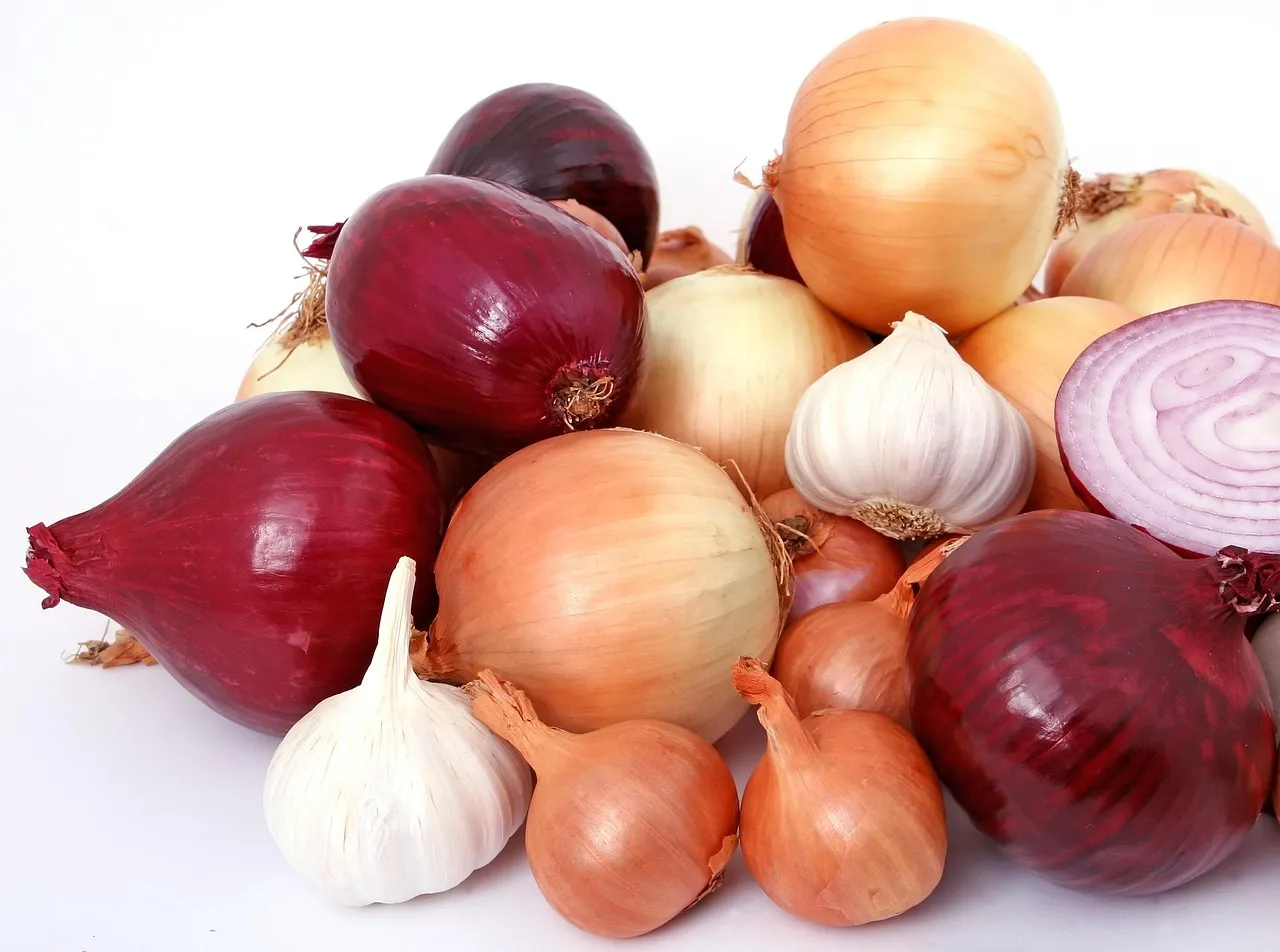
One of the most important natural compounds with high immune modulation and anti-inflammation potential is quercetin, found in various fruits and vegetables, namely onions, shallots, apples, and berry crops. Quercetin sits at the center of a lot of the research on diet and allergy management, and for good reason.
Quercetin’s beneficial effects have been attributed to its anti-cancer, anti-viral, anti-oxidant, and anti-inflammatory activities, and also a decrease in pro-inflammatory cytokines, leukotrienes production, inhibition of histamine release, and suppression of interleukin IL-4 production. That histamine-blocking action is especially relevant during allergy season, since histamine is the key chemical behind most of your worst symptoms.
Quercetin is known for its antioxidant activity in radical scavenging and anti-allergic properties characterized by stimulation of the immune system, antiviral activity, and inhibition of histamine release. It can improve the Th1/Th2 balance and restrain antigen-specific IgE antibody formation. Eating more raw onions and whole apples is one of the simplest ways to bring more of this compound into your daily diet.
2. Fatty Fish: Omega-3s That Calm the Immune Response
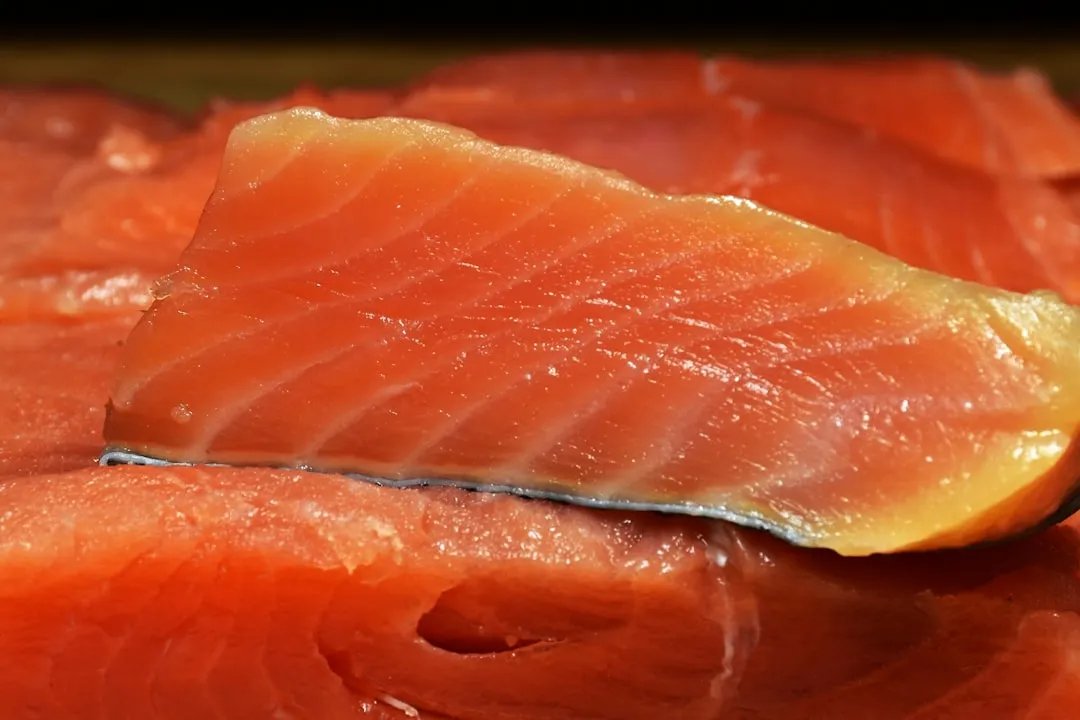
Studies show that fatty acids, specifically DHA omega-3, have natural anti-inflammatory effects which help to support the immune system. During allergy season, that anti-inflammatory effect matters a lot, since allergic reactions are fundamentally an overactive immune response.
Omega-3 fatty acids modulate Th2 responses, promote regulatory T cells, and generate specialized pro-resolving mediators, with modest clinical benefits observed in pregnancy and early life. This suggests their protective effect may be most significant when consumed consistently over time, not just during a single sneezing episode.
The 2020-2025 Dietary Guidelines for Americans recommend consuming 3-4 ounces of fish at least two times each week. Examples of omega-3 rich food sources include salmon, mackerel, sardines, tuna, and trout. Those following a vegan lifestyle can ensure adequate intake of omega-3 fatty acids by consuming a marine algae supplement.
3. Yogurt and Fermented Foods: The Gut-Immune Connection
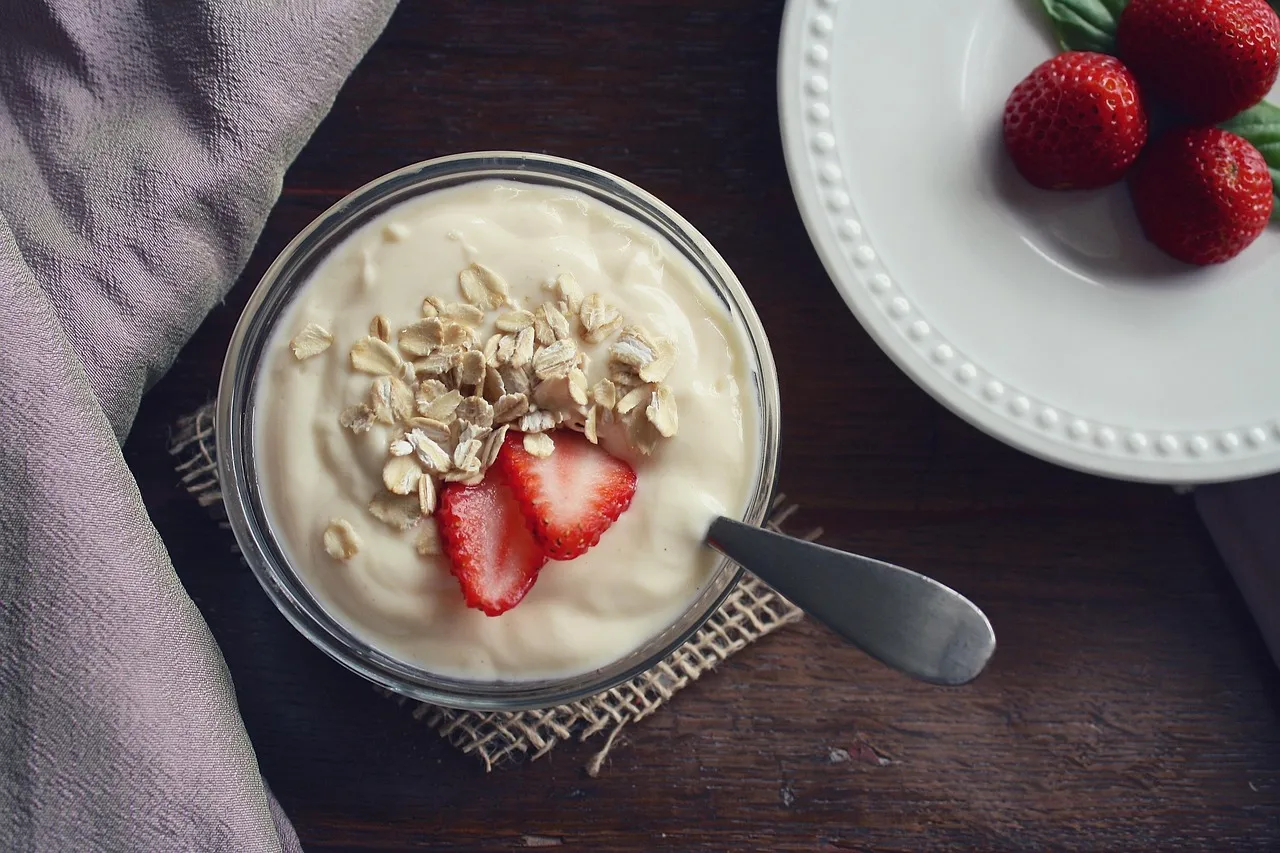
Yogurt and other fermented products such as kefir, tempeh, and kombucha are bountiful in healthy bacteria known as probiotics. Probiotics thrive within our gastrointestinal tract to support a myriad of physiological functions. The link between gut health and allergy response has become one of the more interesting areas of nutrition research in recent years.
Research shows that probiotics may directly play a role in regulating genes and proteins that impact the immune system. A study in the journal Clinical and Experimental Allergy found that allergy sufferers who consumed a probiotic drink had significantly lower levels of the antibodies that trigger allergy symptoms.
It’s worth noting one practical caveat here. In some individuals, certain proteins in dairy as well as the natural histamines present in fermented foods may actually exacerbate allergy symptoms, so it may take a little trial and error to see which camp you fall into. If dairy-based yogurt doesn’t agree with you during peak allergy season, coconut-based or oat-based alternatives with live cultures are worth trying instead.
4. Citrus Fruits and Bell Peppers: A Vitamin C Boost When It Counts
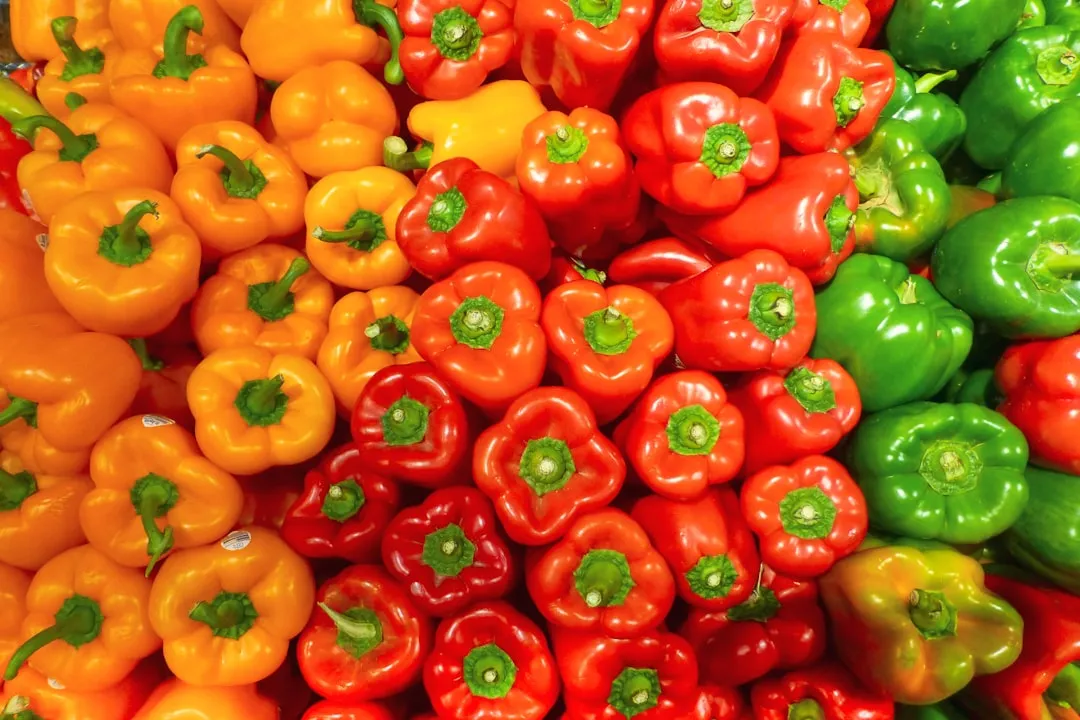
Eating foods high in vitamin C has been shown to decrease allergic rhinitis, the irritation of the upper respiratory tract caused by pollen from blooming plants. That’s a meaningful connection given that allergic rhinitis is the hallmark symptom for so many people each spring and fall.
Vitamin C supports immune function and participates in pathways involved in histamine metabolism. Good food sources include bell peppers, citrus, strawberries, broccoli, kiwi, and fresh fermented vegetables. Bell peppers are actually one of the highest vitamin C sources in the produce aisle, frequently outpacing oranges per gram.
Though citrus tends to get all the glory when it comes to vitamin C, tomatoes are another excellent source of this essential nutrient. One medium-size tomato contains roughly a quarter of your recommended daily value of vitamin C, and additionally contains lycopene, another antioxidant compound that helps quell systemic inflammation. Variety across these sources is the smarter play.
5. Turmeric: Curcumin and the Histamine Question
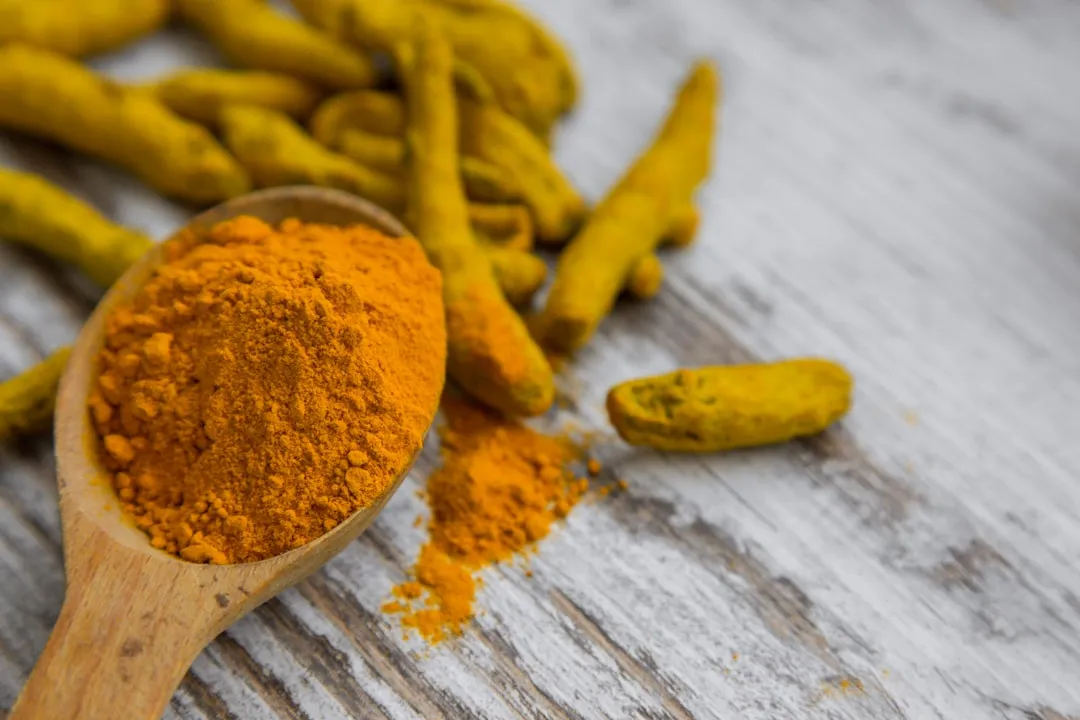
Turmeric contains curcumin, which is reported to have antiallergic properties with inhibitory effect on histamine release from mast cells. Mast cells are essentially the ground troops of an allergic reaction, so anything that keeps them calmer is worth paying attention to.
A comprehensive review of dietary bioactive compounds summarized evidence on curcumin, among other compounds, in allergy prevention and management. The thinking is that curcumin may act as an antihistamine, reducing symptoms of runny nose and sneezing in people with allergies. The research is still evolving, and there is currently no consensus on how much turmeric is needed to improve allergy symptoms, since research is ongoing.
One practical tip that the evidence does support: whether you take turmeric as a supplement or use it in cooking, be sure to pair it with black pepper, since black pepper increases the bioavailability of curcumin by up to 2,000 percent. That’s a simple habit that makes turmeric dramatically more useful.
6. Ginger: A Natural Antihistamine Worth Reconsidering
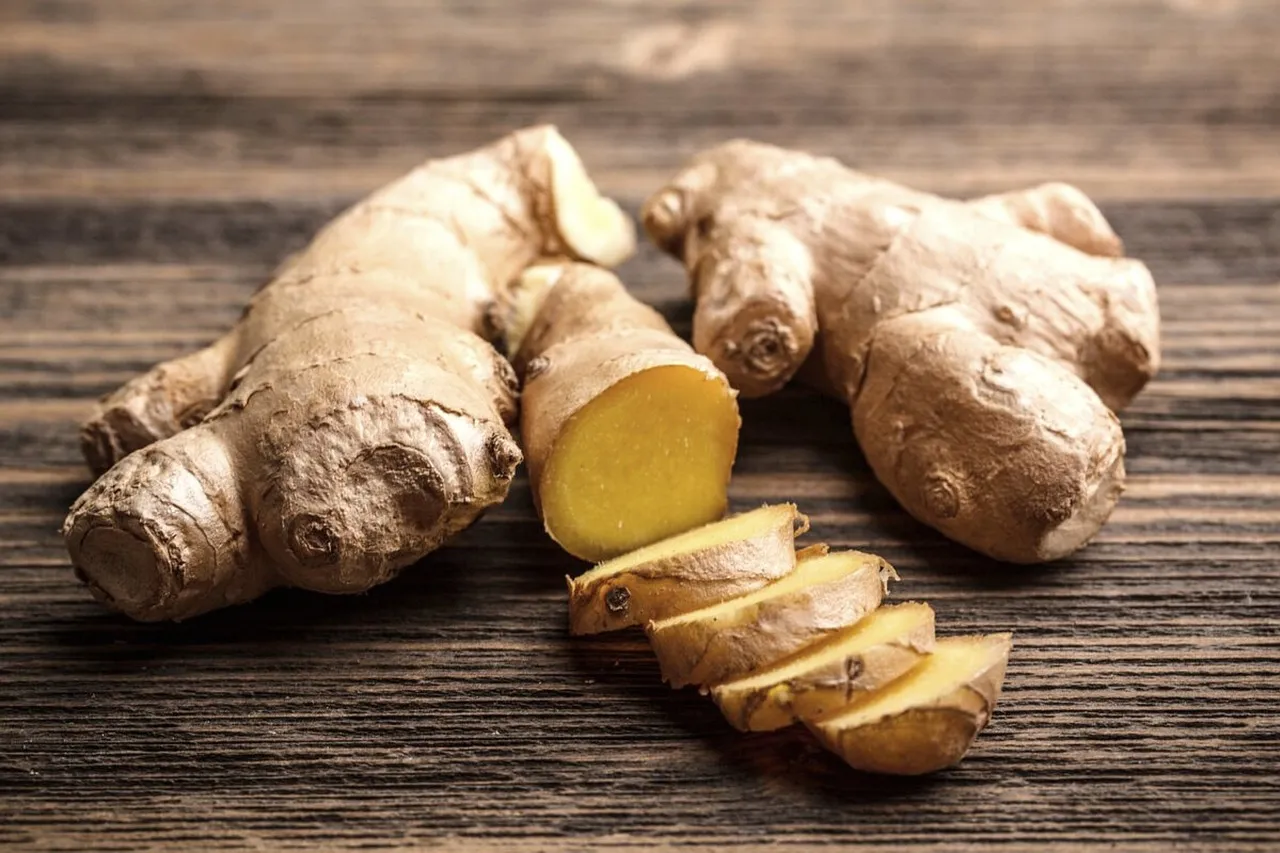
Ginger works by reducing inflammation and inhibiting histamine release, helping ease symptoms like itchy eyes and nasal congestion. It’s one of the most accessible anti-inflammatory foods available, and it’s been used medicinally across cultures for centuries.
A comprehensive literature review up to July 2025 specifically examined ginger bioactives alongside omega-3 fatty acids, vitamin D, curcumin, quercetin, and other compounds in allergy prevention and management. Its inclusion alongside those better-known compounds signals that the scientific community is taking ginger’s mechanisms more seriously than it once did.
Garlic, onions, ginger, and turmeric provide a variety of antioxidant and anti-inflammatory plant compounds. Combining ginger with these other allergy-supportive foods in your cooking, soups, stir-fries, or warm teas, is probably the most practical and consistent way to work it into a daily routine without thinking about it too much.
What the Research Says About Diet and Allergy Prevention Overall

The Western diet, in contrast to the Mediterranean diet, is defined by many researchers as containing lower levels of antioxidants and higher levels of saturated fats, processed meats, added sugar, and omega-6 fatty acids relative to omega-3s, with lower dietary fiber. Researchers suggest these dietary patterns may contribute to greater immune reactivity.
Current allergy therapies mainly alleviate symptoms without addressing underlying immune dysfunction, which has increased interest in nutritional bioactive compounds as preventive or modulatory agents. That distinction matters. Medications manage what’s already happening; food-based strategies may help shape how your immune system responds in the first place.
Still, context is important. None of these foods will replace medical treatment for people with serious or severe allergies. They work best as part of a broader, consistently healthy diet rather than as short-term seasonal fixes. The evidence points toward patterns of eating, not single superfood interventions.
The Quercetin-Rich Foods Worth Prioritizing First
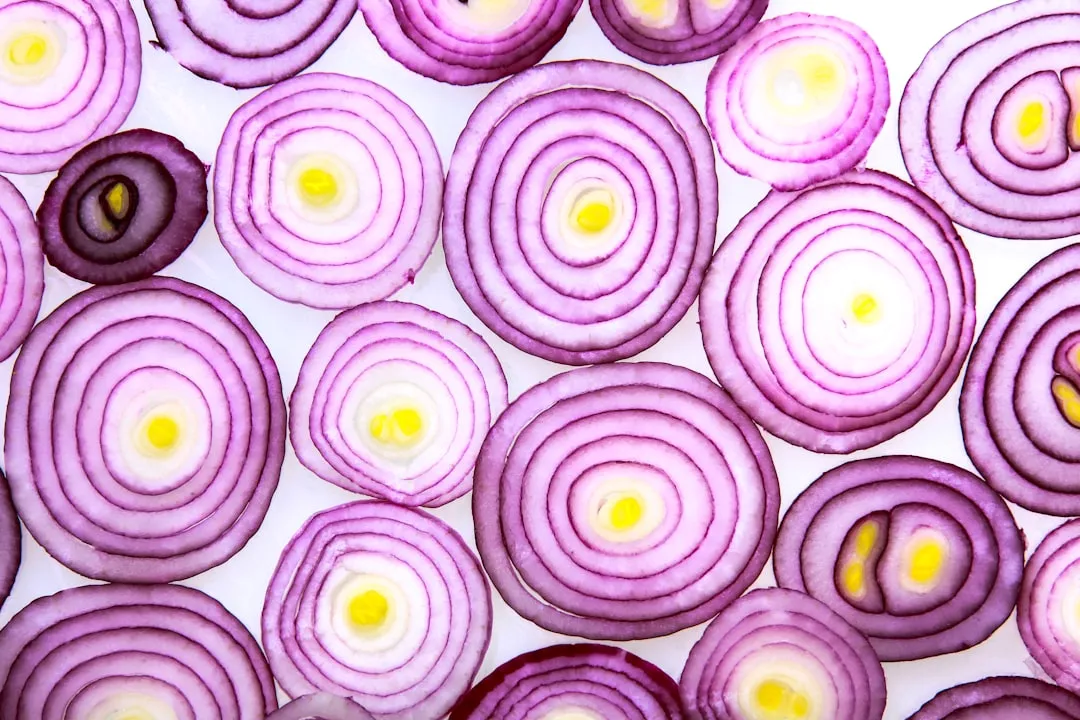
Quercetin significantly suppresses total IgE levels. IgE is a central mediator in the pathogenesis of allergic diseases and plays a critical role in type I hypersensitivity reactions, which are involved in roughly one third of the world population. That’s an enormous share of people potentially affected by a mechanism that quercetin-rich foods may help modulate.
Quercetin, a naturally occurring flavonoid, demonstrates promising antioxidant and anti-inflammatory properties that may benefit allergic rhinitis management. In vivo studies, particularly in murine models of allergic rhinitis, have confirmed its efficacy in relieving symptoms such as nasal itching, sneezing, rhinorrhea, and congestion, and dampening type 2 mucosal inflammation.
Quercetin belongs to the most frequently studied flavonoids and is the most ubiquitous in plant foods, although generally presented at relatively low concentrations except in several vegetable varieties with extensive content, such as onions and shallots. This is worth knowing practically: it means that raw onions and shallots are among your best dietary sources, not just a minor footnote.
Fermented Foods and the Microbiome’s Role in Allergy Defense
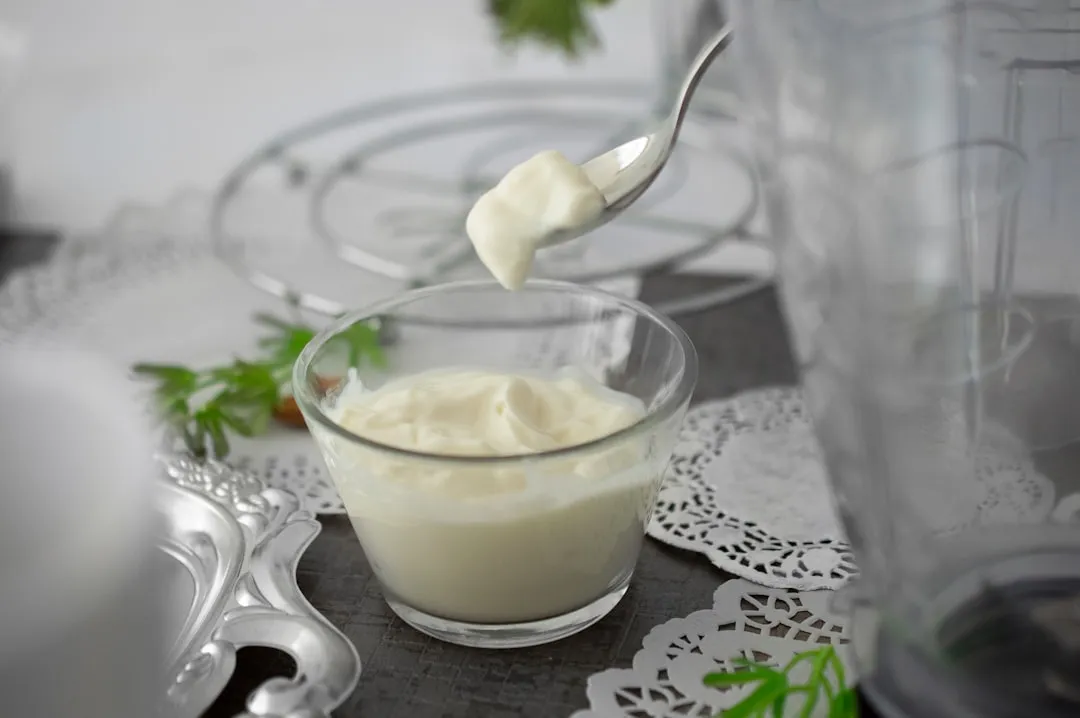
Yogurt and other fermented products such as kefir, tempeh, and kombucha are bountiful in healthy bacteria known as probiotics. Probiotics thrive within our gastrointestinal tract to support a myriad of physiological functions. Gut microbiome research has expanded rapidly, and its connection to allergy outcomes is now one of the more active areas of investigation.
Recent studies suggest that consuming adequate omega-3 fatty acids, prebiotics, and probiotics may help to relieve the runny nose and watery eyes experienced during certain times of the year. Fermented foods tick the probiotic box, while prebiotic-rich foods like apples, onions, bananas, and legumes help feed those beneficial bacteria once they’re in your system.
The combination of probiotics from fermented foods and prebiotics from plant foods creates what researchers sometimes call a synbiotic effect. Getting both from your diet, rather than only from supplements, is generally considered the more sustainable and food-forward approach to supporting gut-mediated immune balance.
How to Actually Build These Foods Into Your Day
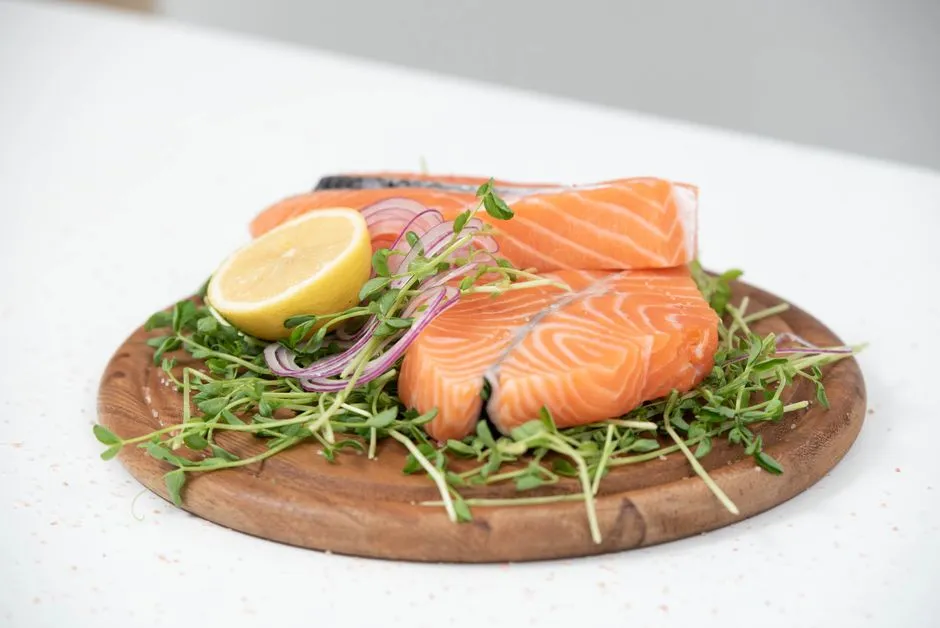
Knowing which foods help is one thing. Making them a regular habit is another. Adding raw sliced onions to salads, cooking with fresh ginger and turmeric most evenings, snacking on apples, and eating fatty fish twice a week covers a surprisingly wide range of the evidence-backed options discussed above, all in very ordinary meals.
Fermented foods like kefir or plain yogurt can double as breakfast staples, and bell peppers work well raw as a snack or chopped into almost any dish. The overlap between these foods and a generally anti-inflammatory eating pattern is substantial, which means improving your allergy resilience doesn’t require a separate strategy from eating well overall.
Timing matters too. Consuming adequate omega-3 fatty acids, prebiotics, and probiotics consistently may help relieve seasonal allergy symptoms, suggesting these benefits build over time rather than arriving overnight. Starting a few weeks before your typical allergy season peak is a reasonable, practical approach.
Final Thoughts
Food won’t eliminate seasonal allergies. The evidence is clear on that. What it does suggest, through a growing body of research into quercetin, omega-3 fatty acids, probiotics, vitamin C, curcumin, and ginger bioactives, is that your diet can meaningfully influence how reactive your immune system becomes when pollen fills the air.
The six categories explored here, onion-family and apple quercetin sources, fatty fish, fermented foods, vitamin C-rich produce, turmeric, and ginger, aren’t exotic or expensive. They’re ordinary foods with real biochemical mechanisms behind their effects. That’s a rare combination in nutrition, and it’s worth taking seriously.
If you’re already relying on antihistamines every season, you don’t have to choose between medication and food. The two can work in parallel. A plate built around these ingredients won’t make pollen disappear, but over time, it just might make the season a little more manageable.
AI Disclaimer: This article was created with the assistance of AI tools and reviewed by a human editor.