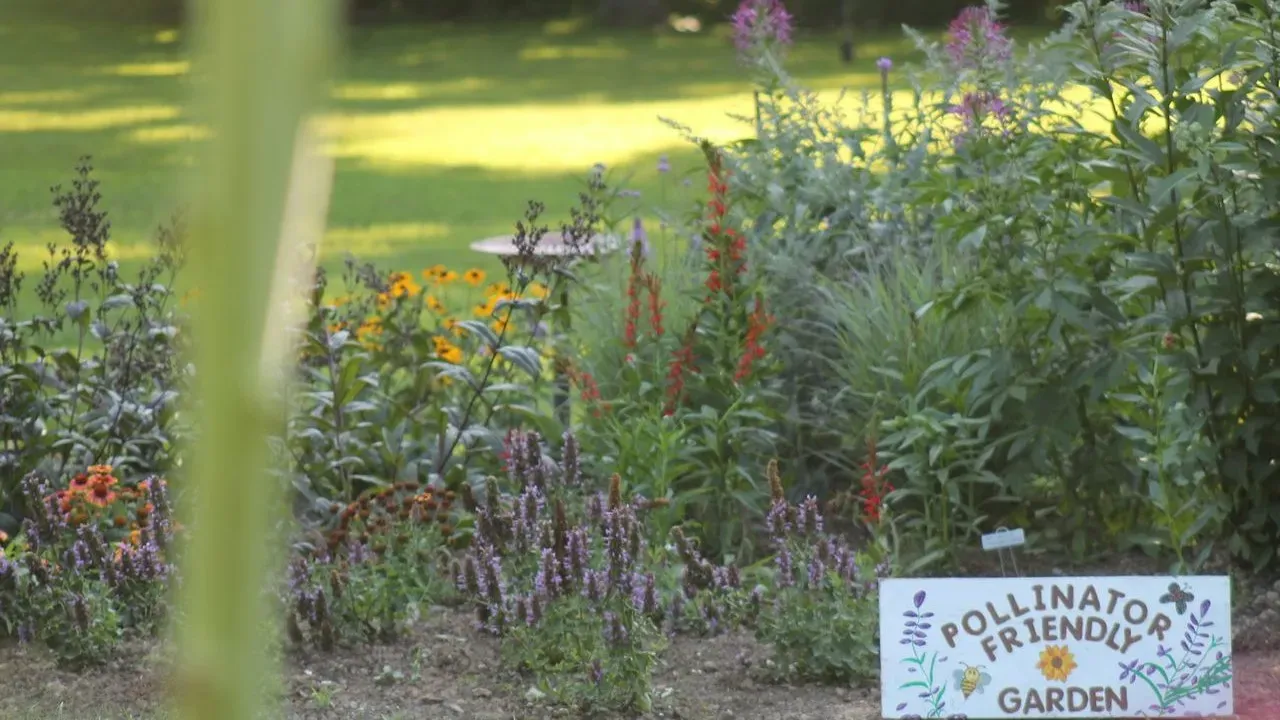

Family separation often leaves children without words for their feelings, yet the changes show up in sleep patterns, behavior, and a need for extra closeness. A garden corner designed with their comfort in mind can offer steady ground when other parts of life feel uncertain. The approach draws on simple outdoor design rather than elaborate projects, focusing on safety, choice, and quiet routines that grow alongside the child.
Starting With a Shared Plan
The first step involves watching how sunlight moves across the yard and choosing a spot that stays comfortable through the day. Morning light often feels gentler, while afternoon heat may call for added shade from taller plants or a basic parasol. Involving the child in these early choices gives them a small measure of control at a time when much else feels decided by others.
Safety comes next. Soft seating, rounded edges, and non-toxic plants reduce everyday risks and keep the area welcoming. The goal remains modest: a tidy patch that invites use without demanding perfection or high expense.
Building Zones for Calm and Senses
A low bench, padded mat, or bean bag creates an inviting place to sit and simply be. Adding a few lavender plants or other gentle herbs brings subtle scent without overwhelming the space. Too many bright colors or busy features can add pressure instead of relief, so restraint matters here. Children who feel unsettled often benefit from fewer stimuli rather than more. The result is a pocket of the garden that slows the pace and lets the mind settle on its own terms.
Room for Movement and Free Play
Not every moment needs to stay quiet. A small patch of soil for digging, a chalk-friendly wall, or open grass for running gives children outlets to release tension through action. These areas carry no fixed outcome, allowing a child to mix colors freely or shape a rock without judgment. Such open-ended tasks restore a sense of agency. When a child decides the next step in their own small project, the garden becomes one place where their choices count.
Growth That Lasts Beyond the Moment
A garden changes with the seasons and with the child, turning a single pot into a larger bed or a quiet seat into a reading spot over time. Families sometimes mark positive days by adding a new plant or noting wildlife sightings, creating simple rituals that tie good memories to the space. The garden cannot remove the difficulties of separation.
Yet it supplies a reliable setting for small tasks, fresh air, and moments of ease that can matter on difficult days. Over months or years, that steady presence may become one of the steadier elements in a shifting family landscape.
AI Disclaimer: This article was created with the assistance of AI tools and reviewed by a human editor.