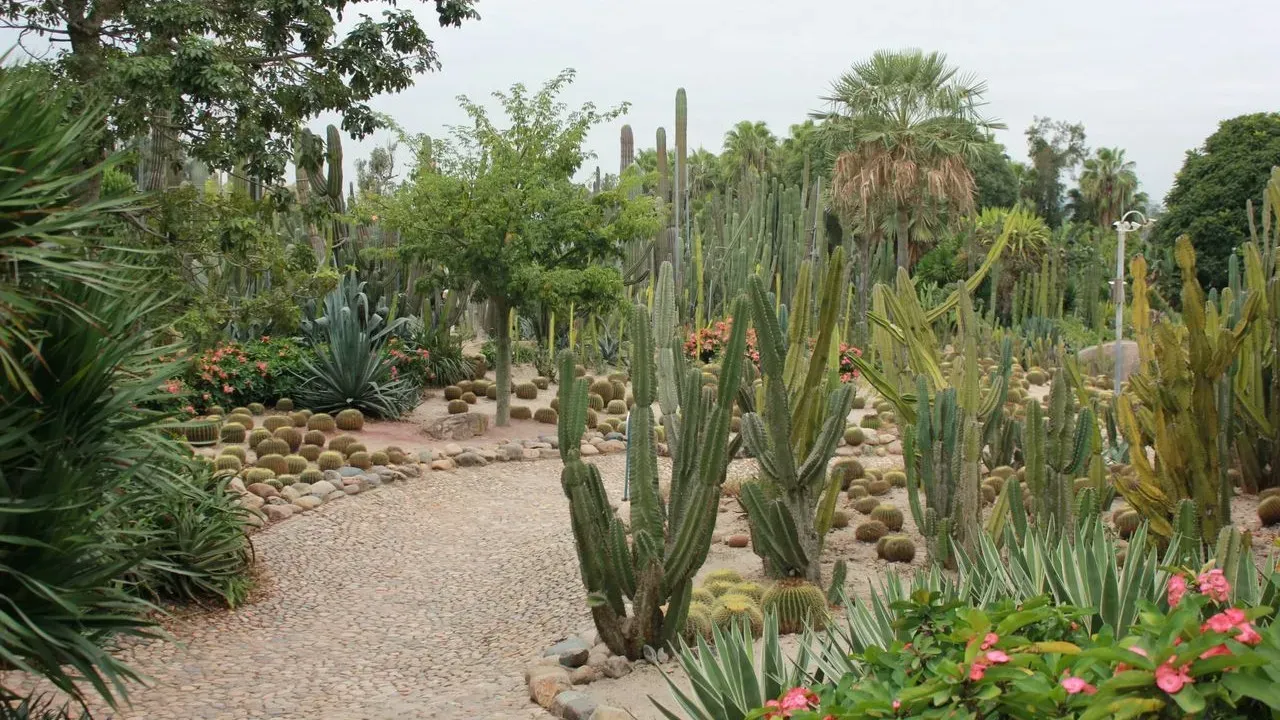

Masurian region, Poland – A garden designer named Magda has launched an expansive planting project in the Masurian region that focuses on climate adaptation. The effort involves thousands of perennials and grasses arranged to examine how gardens might endure shifting weather patterns. This initiative stands out for its scale and its intent to serve as a practical test of resilient design methods rather than a conventional ornamental display.
Why the Project Matters Now
Climate pressures have already altered growing conditions across many parts of Europe, including Poland. Warmer temperatures, irregular rainfall, and more frequent extreme events prompt designers to reconsider traditional plant selections and layouts. Magda’s work responds directly to these changes by prioritizing species that can tolerate variability without heavy irrigation or chemical inputs.
The Masurian setting provides a useful backdrop because its mix of lakes, forests, and open land already experiences seasonal swings. By establishing the garden here, the project captures real-world performance data under local conditions. Observers note that results could inform both private gardeners and larger landscape efforts facing similar pressures.
The Planting Approach and Scale
The core of the garden consists of thousands of perennials paired with ornamental grasses. These choices emphasize deep root systems and drought tolerance while supporting biodiversity through varied bloom times and textures. Magda has arranged the plants in patterns that mimic natural communities rather than formal beds, allowing them to interact and self-regulate where possible.
Grasses add movement and structure that persist through winter, reducing the need for seasonal replanting. Perennials selected for the site include varieties known for resilience in fluctuating moisture levels. The overall layout avoids monocultures, which helps limit pest outbreaks and improves soil stability over time.
Lessons for Broader Garden Practice
Early observations suggest that mixing species with complementary needs can buffer against weather extremes. For instance, plants that thrive in wetter spells can coexist with those adapted to drier periods, creating a more stable overall planting. This layered strategy contrasts with single-species lawns or borders that often require more maintenance when conditions shift.
Gardeners elsewhere may draw from these methods by focusing first on soil health and plant diversity. The project also highlights the value of observing performance across multiple seasons before declaring success. While the full outcomes remain under study, the approach offers a template for adapting existing gardens without complete redesigns.
Looking Ahead
The Masurian garden continues to evolve as plants establish and respond to ongoing conditions. Its value lies in providing concrete examples rather than abstract recommendations. As more regions confront similar climate realities, such living experiments supply evidence-based guidance that can be adjusted locally.
Ultimately, the work underscores that resilient gardens emerge from thoughtful selection and observation rather than rigid formulas. Continued monitoring will clarify which combinations perform best and where adjustments prove necessary.
AI Disclaimer: This article was created with the assistance of AI tools and reviewed by a human editor.