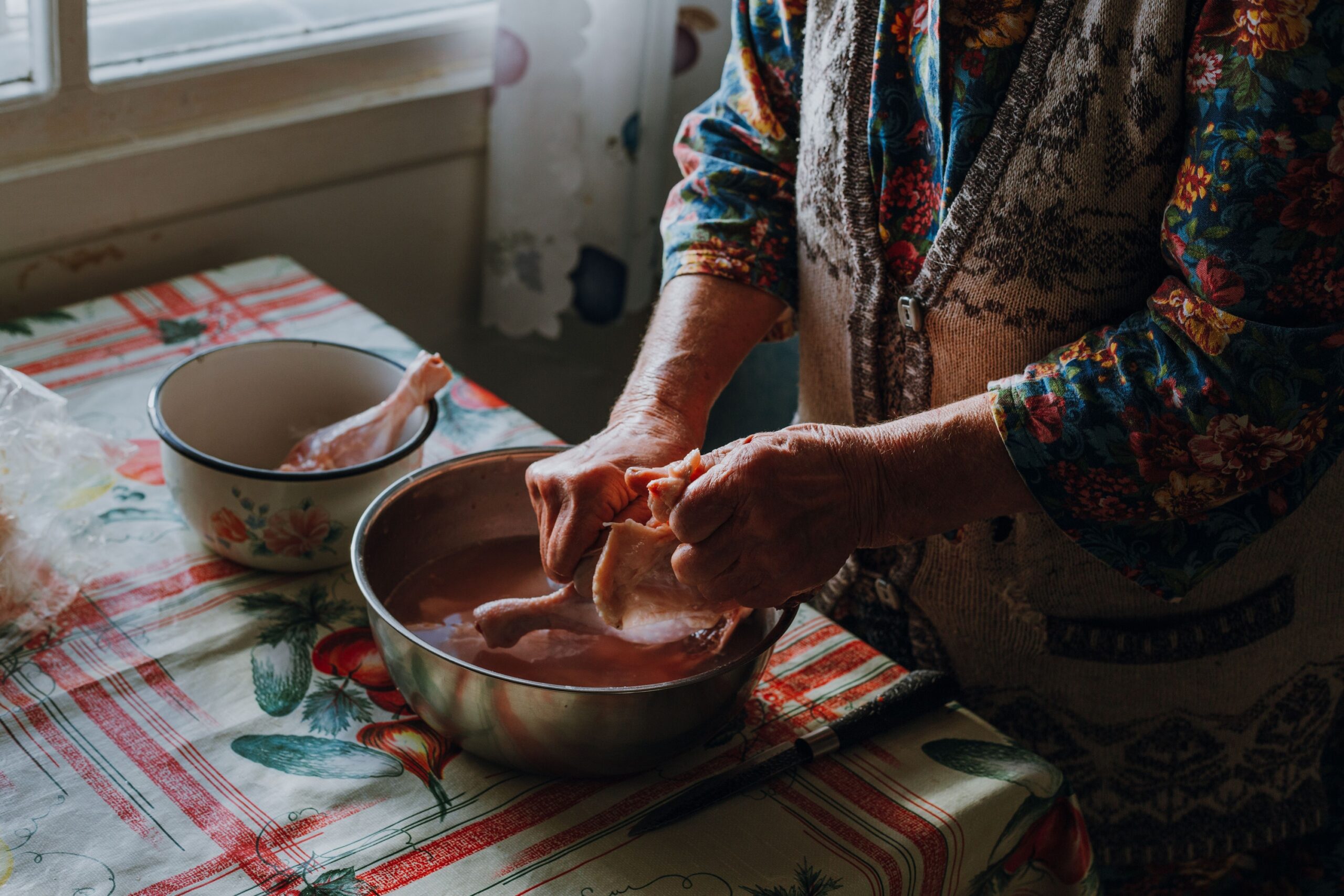

Most of us learned to rinse chicken at the sink from a parent or grandparent. It feels like the right move, a reasonable hygienic reflex before something goes into the pan. The problem is that science has spent decades dismantling that instinct, and the evidence is now overwhelming.
Food safety agencies from the CDC and FDA to the UK’s National Health Service and Australia’s Food Safety Information Council all agree: washing raw chicken makes your kitchen less safe, not more. Here’s why, point by point.
The Bacteria on Chicken Are Far More Resilient Than Running Water
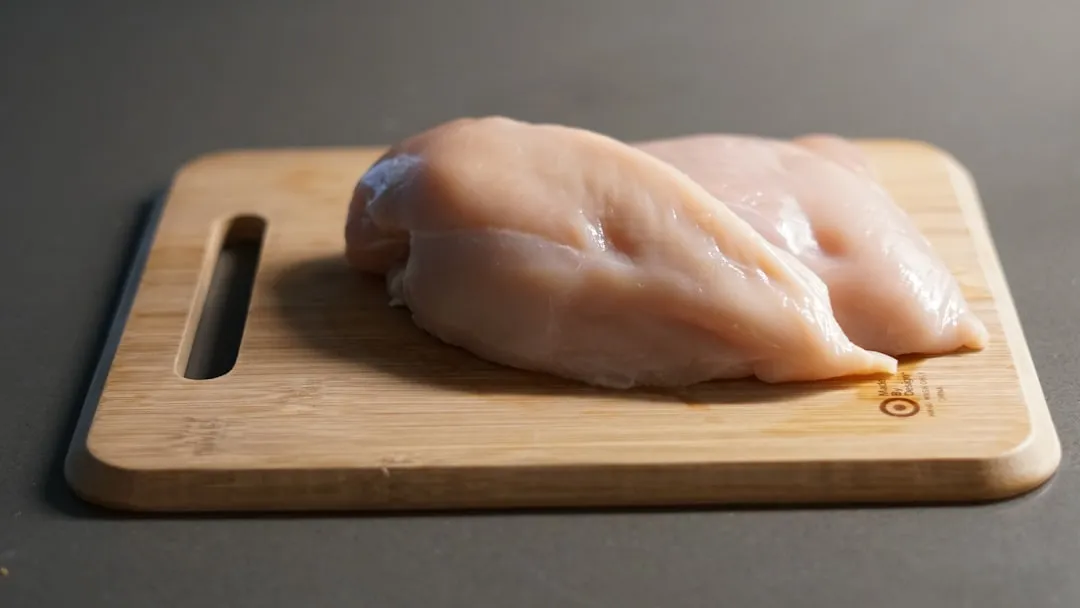
Salmonella, Campylobacter, and other harmful bacteria live on raw chicken, and washing or rinsing doesn’t remove them. Worse, it actually helps them spread. The logic that water washes things clean works well for vegetables. It simply doesn’t apply to poultry.
Researchers inoculated chicken pieces with Campylobacter jejuni, a human pathogen, and tried to rinse the bacteria off with water. Even after rubbing each segment by hand for two minutes, almost no bacteria were removed from the surface. The bacteria don’t lift off the way dirt does. They cling.
Research has shown that bacteria readily stick to poultry meat and skin and can hide in the many cracks and crevices on a poultry carcass, making it difficult to remove any type of bacteria just by rinsing. Running water over the surface is essentially pointless for decontamination purposes.
Washing Spreads Bacteria Through a Process Called Aerosolization
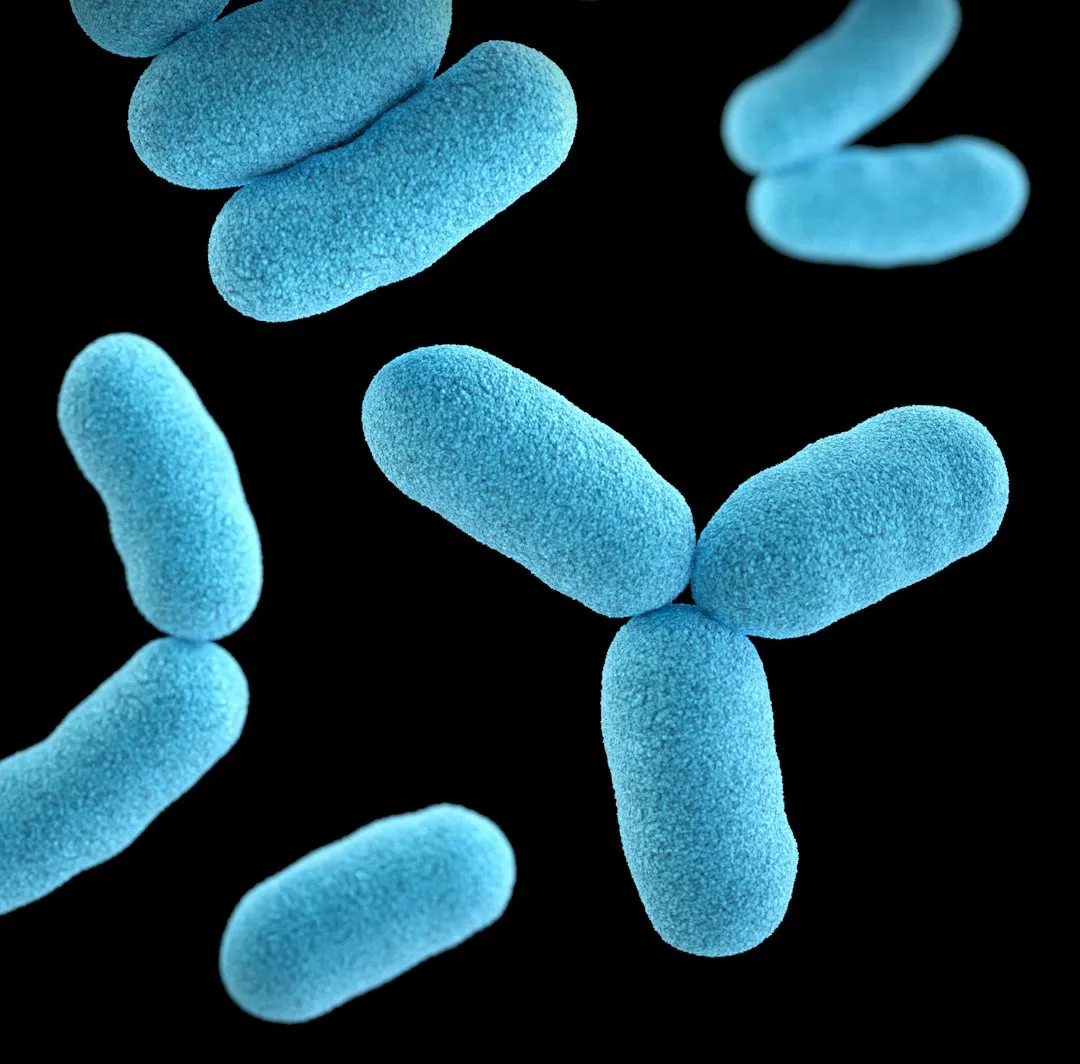
The USDA says bacteria on raw chicken, like Salmonella, ride misting water droplets out from the sink in a process known as “aerosolization,” splattering the food-prep area in a two-to-three-foot radius. That’s a surprisingly large zone of contamination from what feels like a harmless rinse.
When water hits raw chicken, it creates tiny droplets that carry bacteria outward from the sink. A study published in Physics of Fluids measured exactly how far these contaminated droplets travel and found that the height of the faucet above the chicken significantly increases the spread. Chicken rinsed at a typical kitchen faucet height of 40 cm produced far more bacterial contamination on surrounding surfaces than chicken rinsed at 15 cm.
Bacteria land on your countertop, your faucet handle, your dish towel, and the salad you’re prepping nearby. Items you’ll touch or eat without a second thought, all potentially contaminated in a matter of seconds.
The Contamination Reaches Foods You Won’t Cook
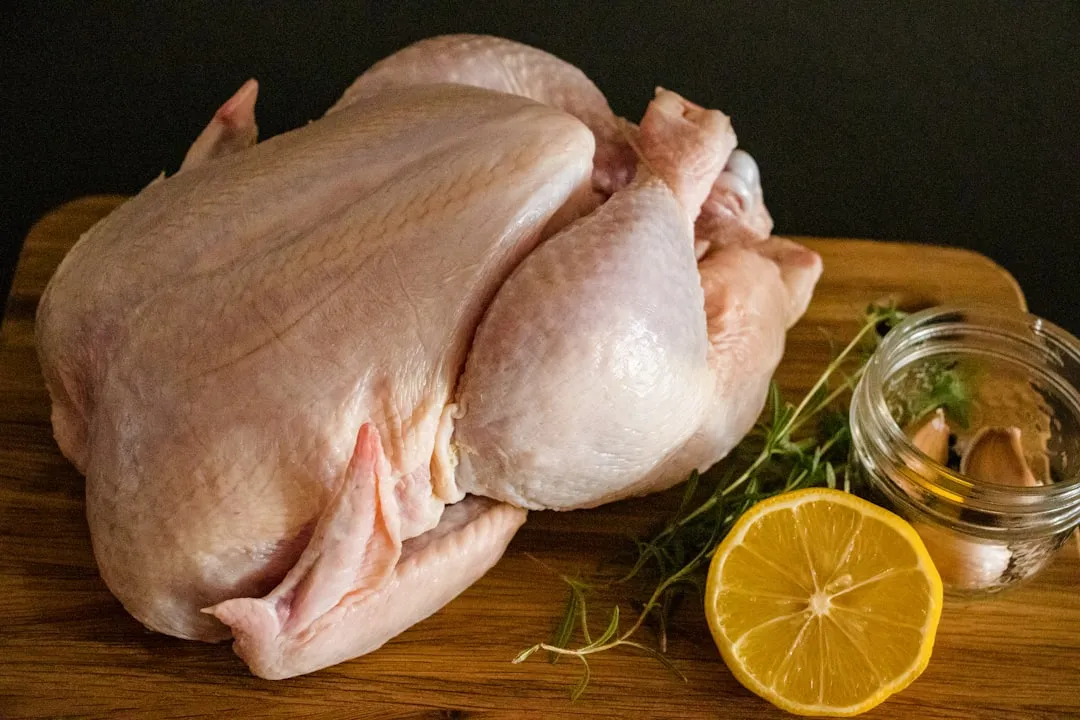
A USDA study found that of the participants who washed their raw poultry, 60% had bacteria in their sink after rinsing the poultry and 14% still had bacteria after they attempted to sanitize it. Even more concerning, 26% of participants who washed raw poultry transferred bacteria from that raw chicken to their ready-to-eat salad lettuce.
High levels of the bacterial tracer were detected in the sink and on the salad lettuce in a separate controlled observational study published in the Journal of Food Protection. Salad doesn’t get cooked. Whatever lands on it goes straight to the table.
Washing chicken increases the risk that harmful bacteria could spread to the sink and surrounding surfaces through aerosolization. If people eat any food being prepared on those surfaces, they could become sick through cross-contamination, and there’s simply no need to wash the chicken because cooking it to a proper temperature will kill the bacteria.
Campylobacter and Salmonella Are the Primary Culprits
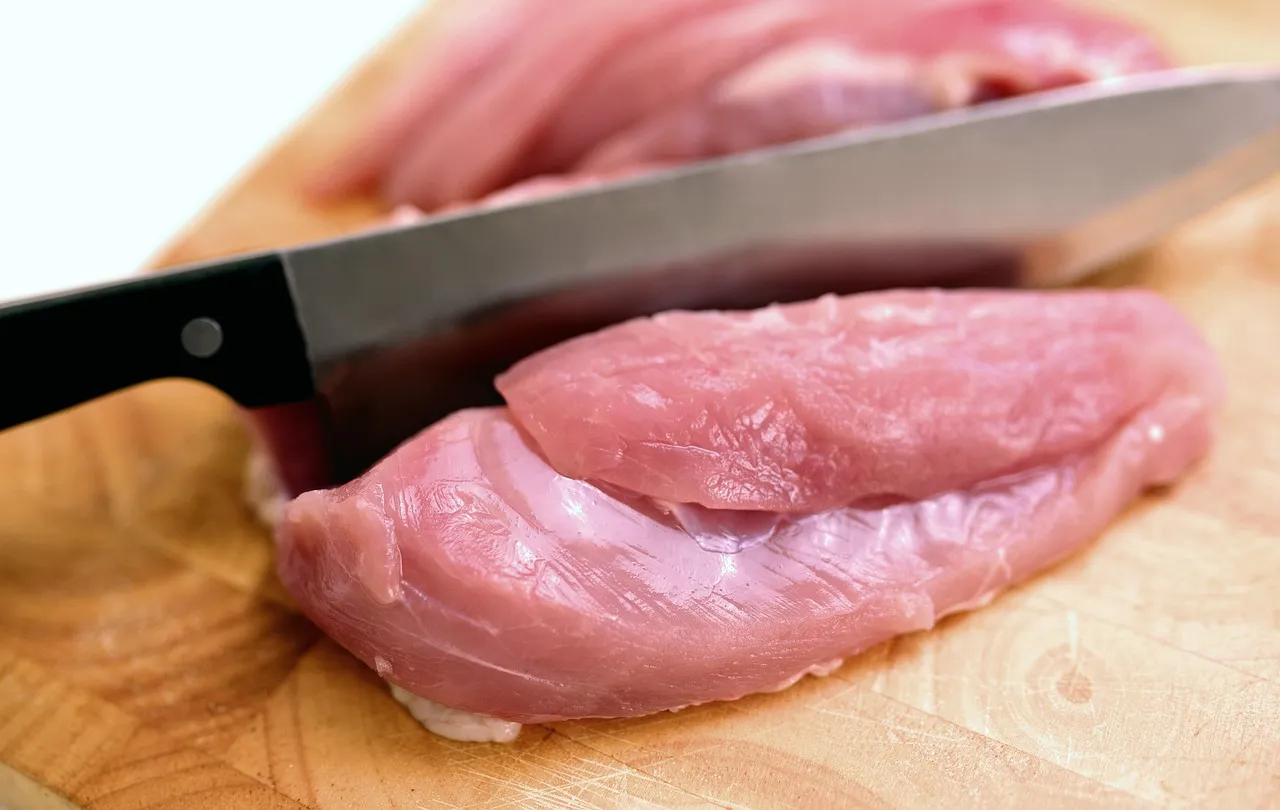
Raw chicken and its juices can carry harmful bacteria like Salmonella or Campylobacter. Both can lead to foodborne illness and the uncomfortable symptoms, including diarrhea, stomach pain, and vomiting, that often follow. These aren’t minor inconveniences for vulnerable populations.
Campylobacter is responsible for most cases of food poisoning, with around 280,000 people affected in the UK each year, and four out of five of those cases are caused by contaminated chicken. In severe situations, it can lead to irritable bowel syndrome, reactive arthritis, and Guillain-Barré syndrome, a serious condition of the nervous system.
Salmonella causes 1.35 million infections, 26,500 hospitalizations, and 420 deaths in the United States every year, according to the CDC. The scale of this problem is not trivial, and poor kitchen practices, including washing chicken, contribute to those numbers.
Shockingly, Most People Still Do It Anyway
In 2022, an online survey found that among 1,822 consumers in the US, 73 percent of respondents said they washed their raw poultry. Only 30 percent of that group were aware that the practice is inadvisable. That gap between behavior and knowledge is striking.
A survey conducted by Australia’s Food Safety Information Council found that chicken is washed before cooking in about half of Australian homes. Dutch research found that about one quarter of consumers wash their chicken repeatedly or almost always. This habit spans cultures and continents.
Many people say that they wash poultry to remove blood and slime, to remove germs and bacteria, or because that is how a relative prepares poultry. Tradition, in this case, is working against them.
Modern Commercial Chicken Doesn’t Need Washing
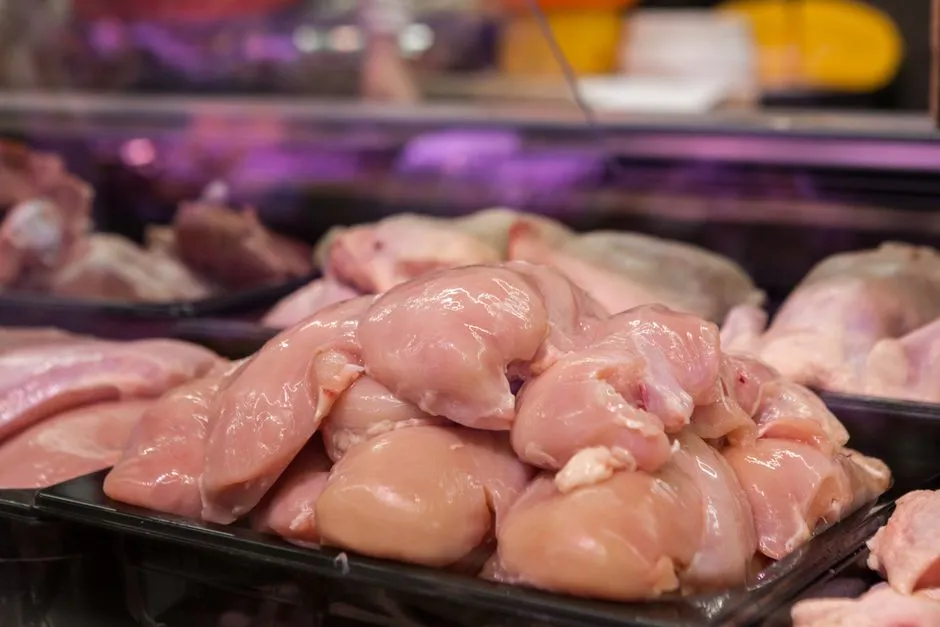
Today’s poultry is already pretty clean. Older generations may have been cooking chicken that had feathers or waste on it. Today’s manufacturing cleans the chicken, so there is no filth, feathers, or anything else on it that needs to be washed off. The original reason for rinsing has essentially been eliminated by modern processing.
Poultry may have a coating of water and protein, but this gets cooked off, or you can remove it with a clean paper towel. Anything that is on the chicken will get cooked off. The sliminess some people find off-putting is not a safety issue at all.
Raw chicken is ready to cook and doesn’t need to be washed first. That’s the straightforward position of the CDC, and it’s backed by the science of how modern poultry processing actually works.
Bacteria Are Found Deep Inside the Meat, Not Just on the Surface
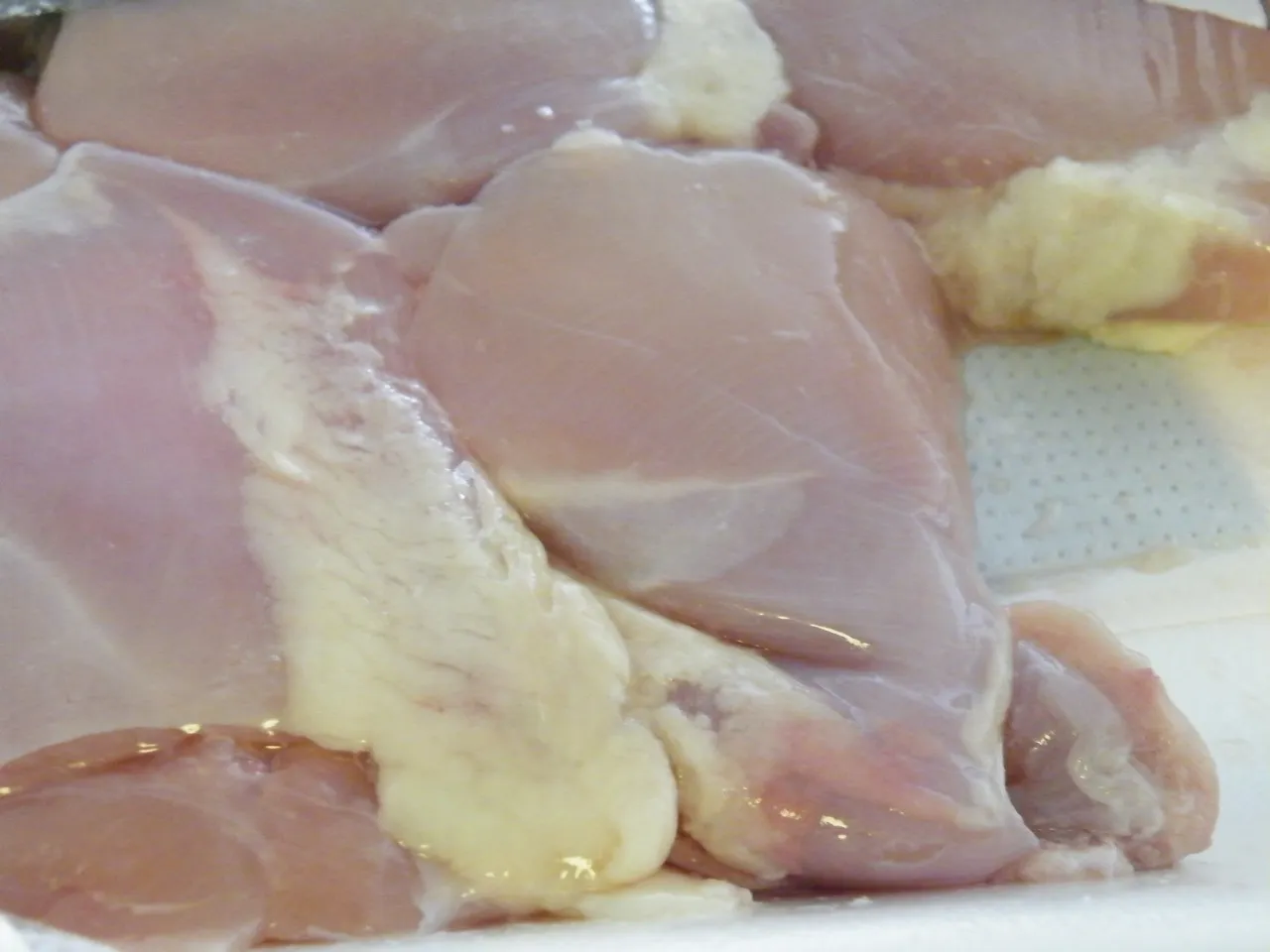
Raw chicken is a common vehicle for harmful microorganisms like Salmonella and Campylobacter. These microbes are not just present on the surface of the bird’s skin. They are also found deep inside muscle fibers, well beyond the reach of even the most thorough rinse. Washing the outside does nothing for what’s inside.
This is a critical point that undermines the entire logic of rinsing. Even if water could lift surface bacteria cleanly away without spreading them, which it can’t, it still wouldn’t address the bacteria residing within the meat itself. Only heat can do that.
Washing poultry does not remove bacteria. The way to kill these bacteria is by cooking poultry to the proper temperature. That’s the beginning and end of it from a food safety standpoint.
Cooking to the Right Temperature Is the Only Real Solution
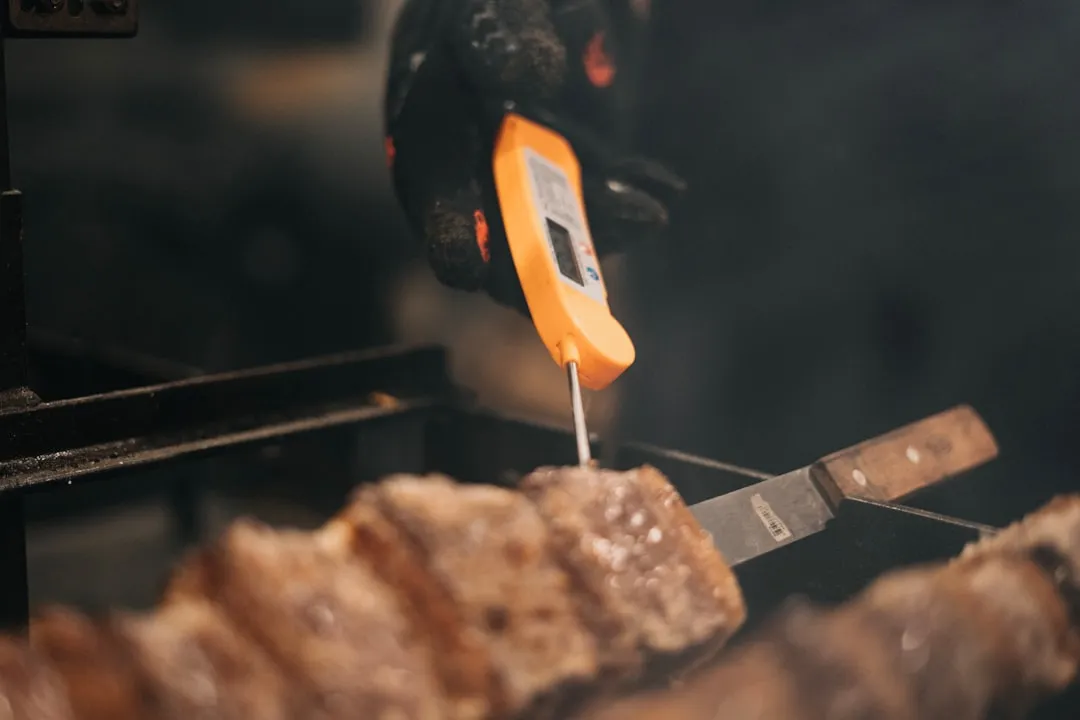
A food thermometer should be used to ensure that cooked foods reach a safe internal temperature: 165°F for poultry, 145°F for whole meats allowing the meat to rest for 3 minutes before carving or consuming, and 160°F for ground meats. These numbers are where the real protection lives.
Cooking chicken to an internal temperature of 75°C, which is 165°F, is the only way to kill Salmonella and Campylobacter. A reliable meat thermometer is therefore far more useful than any pre-cook rinse at the sink. It costs very little and removes the guesswork entirely.
Illness can also come from cooked chicken not reaching a high enough temperature of 165°F to kill any germs that might be inside it. Undercooking is its own danger, which is another reason proper thermometer use matters so much.
The Sink Itself Becomes a Contamination Zone
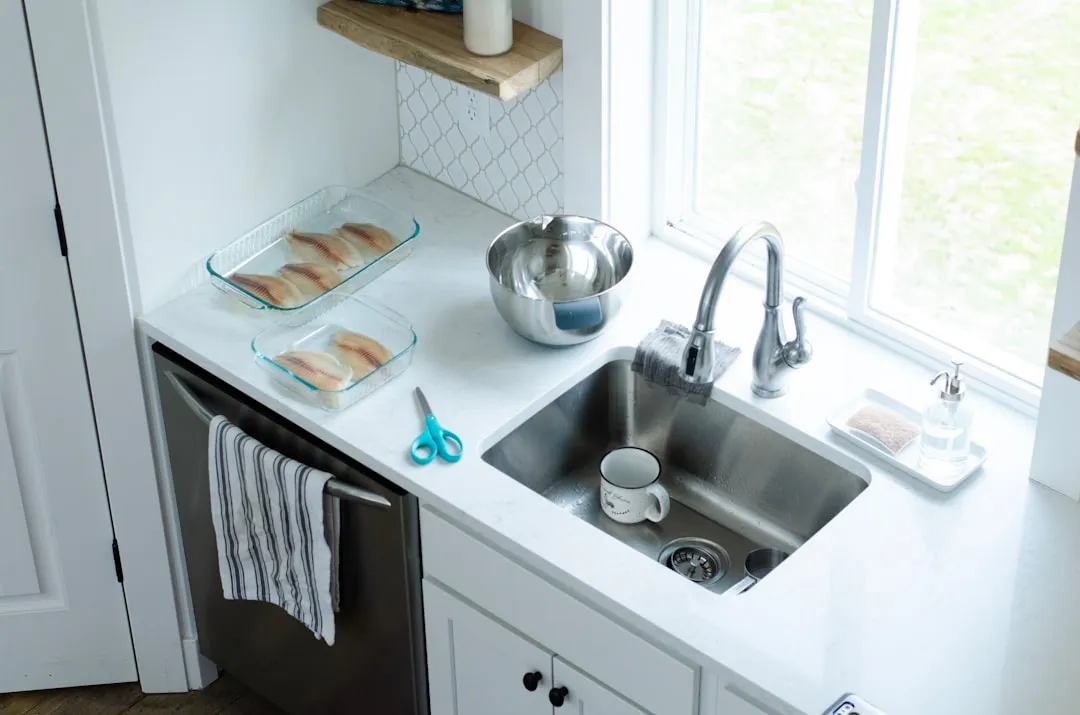
Studies have shown that washing raw poultry can easily spread bacteria to sinks, countertops, and other kitchen surfaces or utensils. Even after attempting to clean the sink, bacteria can still be present, posing a risk of further contamination. Your sink is already one of the most bacteria-laden spots in your kitchen under normal conditions. Washing chicken makes it considerably worse.
Illnesses linked to poultry are frequently tied to poor poultry handling practices and subsequent cross-contamination. Washing or rinsing raw meat and poultry products can result in cross-contamination because the juices and wash water contact other foods, surfaces, and utensils.
After rinsing chicken, the average home cook reaches for the faucet handle, a dish towel, or a cutting board without thinking twice. Each of those objects can then become a vector that carries bacteria to everything it touches afterward.
What You Should Actually Do Instead
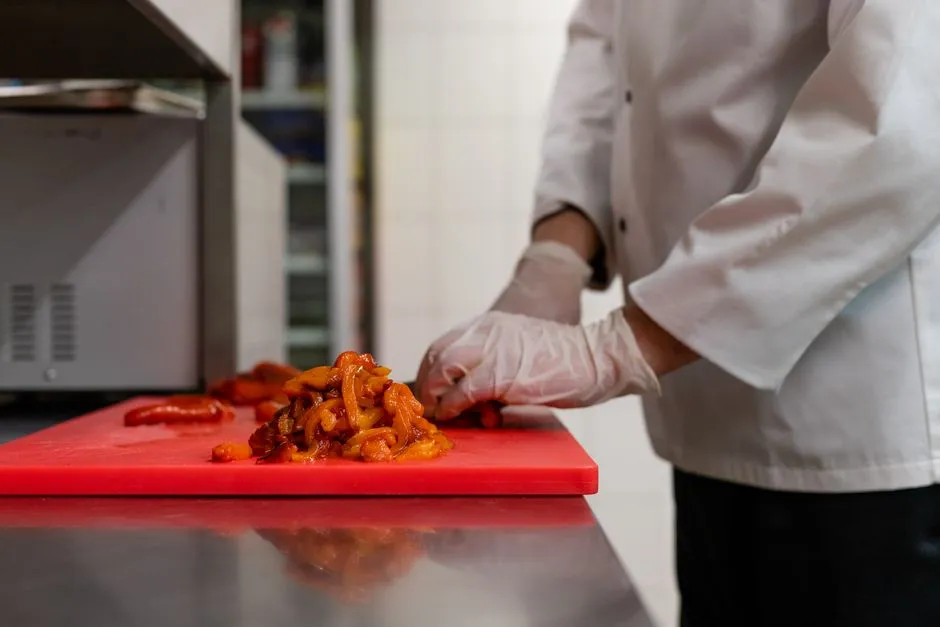
A safer way to remove slime, if desired, is to wipe gently with a paper towel and then throw the towel away. This avoids introducing any water at all, which means no splash, no aerosol, and no cross-contamination to surrounding surfaces.
Always keep raw chicken or other meat stored on the lowest shelf of your freezer or refrigerator so none of the juices carrying bacteria can drip out of the packaging and onto other food. Use a separate cutting board for your raw chicken and avoid using it for other food. These are the habits that genuinely reduce risk.
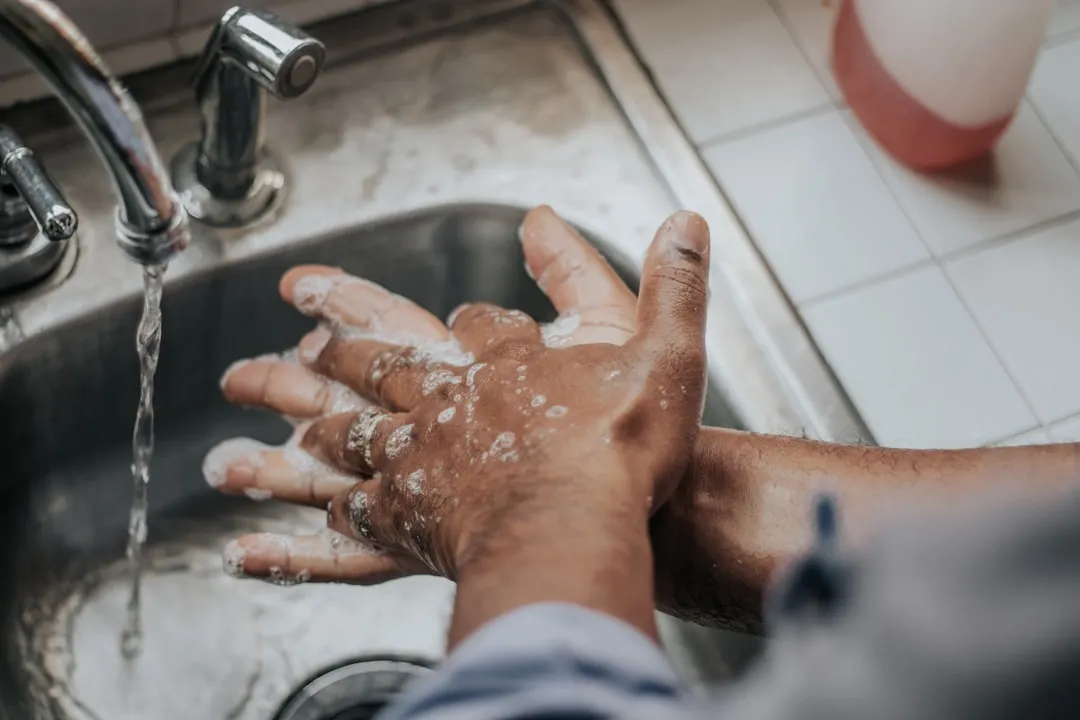
Food safety messaging should focus on hand washing and cleaning and sanitizing surfaces rather than rinsing the chicken itself. Washing your hands thoroughly after handling raw poultry, before touching anything else in the kitchen, remains one of the most effective protective steps you can take.
The Takeaway
The chicken-washing habit is one of those deeply embedded kitchen traditions that feels sensible but isn’t. The science is consistent across countries, agencies, and research institutions: rinsing raw chicken spreads dangerous bacteria around your kitchen without removing a meaningful number of them from the bird itself.
Each year in the US, there are an estimated 47.8 million cases of foodborne illness, and the most common single food responsible is raw poultry. Changing one kitchen habit won’t eradicate that number on its own, but it’s a concrete, evidence-based step that costs nothing to implement.
Skip the sink. Use a thermometer. Wash your hands instead of the bird. The safest kitchen isn’t the one where the chicken gets rinsed. It’s the one where the cook understands why that rinse was never necessary in the first place.
AI Disclaimer: This article was created with the assistance of AI tools and reviewed by a human editor.