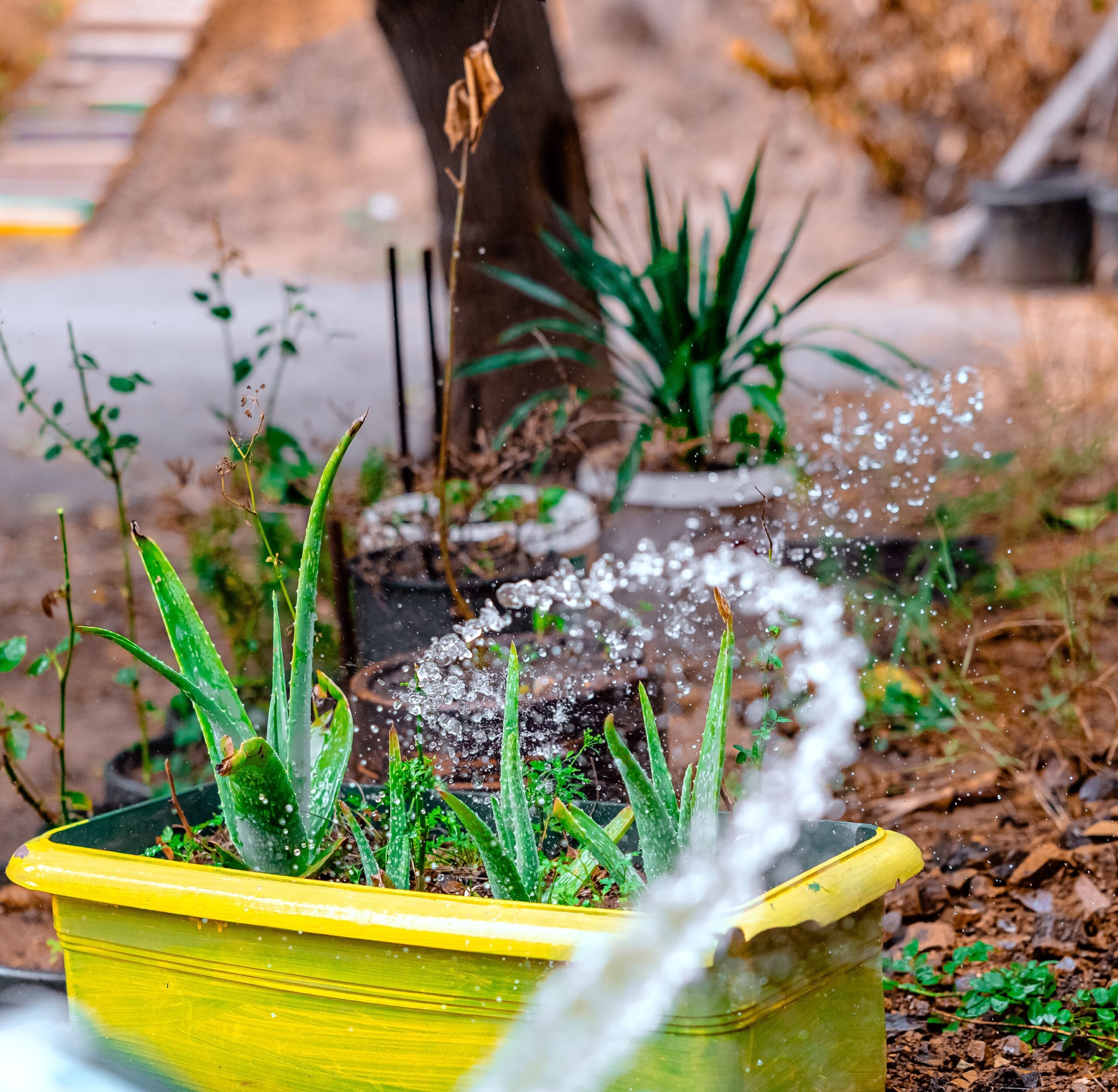

Most gardening mistakes don’t announce themselves. They creep up slowly, leaf by yellowing leaf, until one morning you’re standing over a drooping tomato plant that looks nothing like the thriving crop you imagined. That was me, earlier this season, staring at soggy soil and wilted foliage, wondering if I had simply loved my plants to death with a garden hose.
Out of frustration, I typed my symptoms into ChatGPT. What followed surprised me, not because AI is magic, but because the advice was grounded, sequential, and surprisingly hard to argue with. Here’s what I learned, step by step.
The Symptoms That Confused Me First
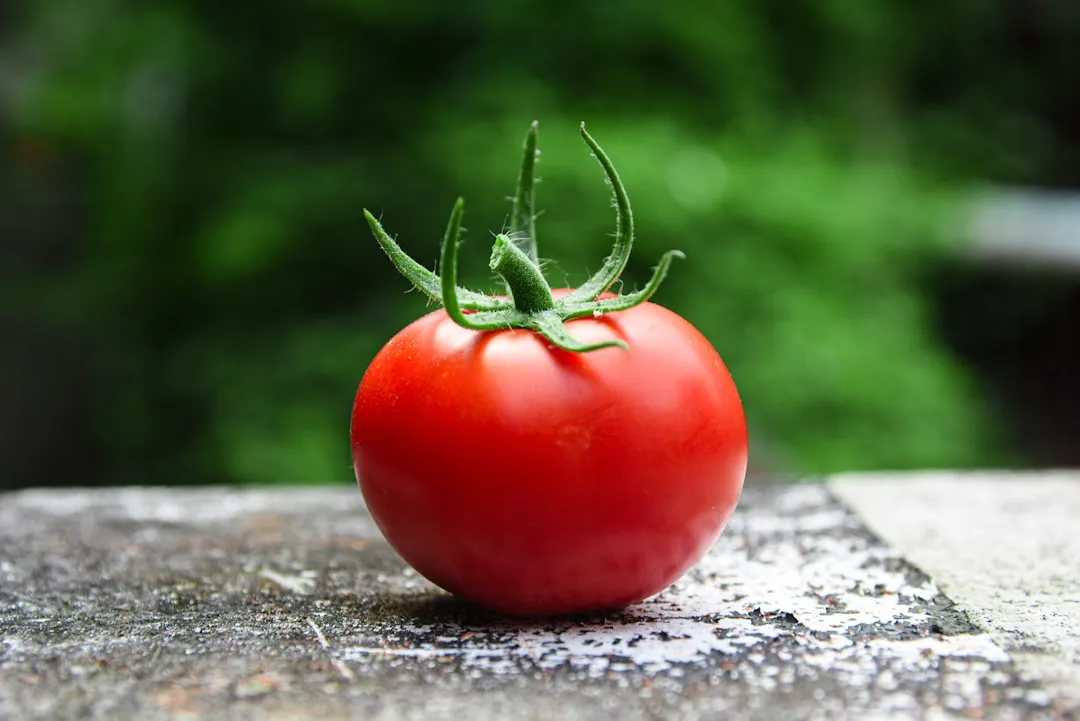
The symptoms of an overwatered tomato plant can be genuinely misleading. Initially, the leaves begin to wilt, which is often confused for dehydration. That’s exactly where I went wrong. I saw drooping and reached for the watering can, which made everything worse.
Upon closer examination, especially if the soil feels moist to the touch and there’s no improvement after watering, it becomes clear that excess moisture is the issue. Wilting in this context signals overstressed roots struggling to function properly.
Early signs of overwatering in tomato plants also include cracked fruit and blisters or bumps on the lower leaves. If the overwatering continues, those bumps or blisters on the leaves turn corky. I had dismissed those bumps as a minor oddity. They weren’t.
What ChatGPT Said When I Described the Problem

ChatGPT, powered by advanced natural language processing, can provide personalized recommendations for gardening tips and plant care. By analyzing the information you provide about your garden, such as plant species, soil type, and environmental conditions, it can offer tailored suggestions to help you achieve optimal plant health and growth.
If you have a problem or question in the garden, ChatGPT can most likely answer it or provide possible solutions. When I described yellowing lower leaves, wet soil, and wilting despite no drought, it identified overwatering quickly and walked me through a logical recovery plan.
Using ChatGPT effectively in the garden is all about starting a conversation and feeding it the details it needs to stimulate ideas. Don’t expect a perfect answer based on one question you ask. The more you engage with it, the better gardening information it will give you. That back-and-forth turned out to be the most valuable part.
Why Overwatering Actually Suffocates Roots
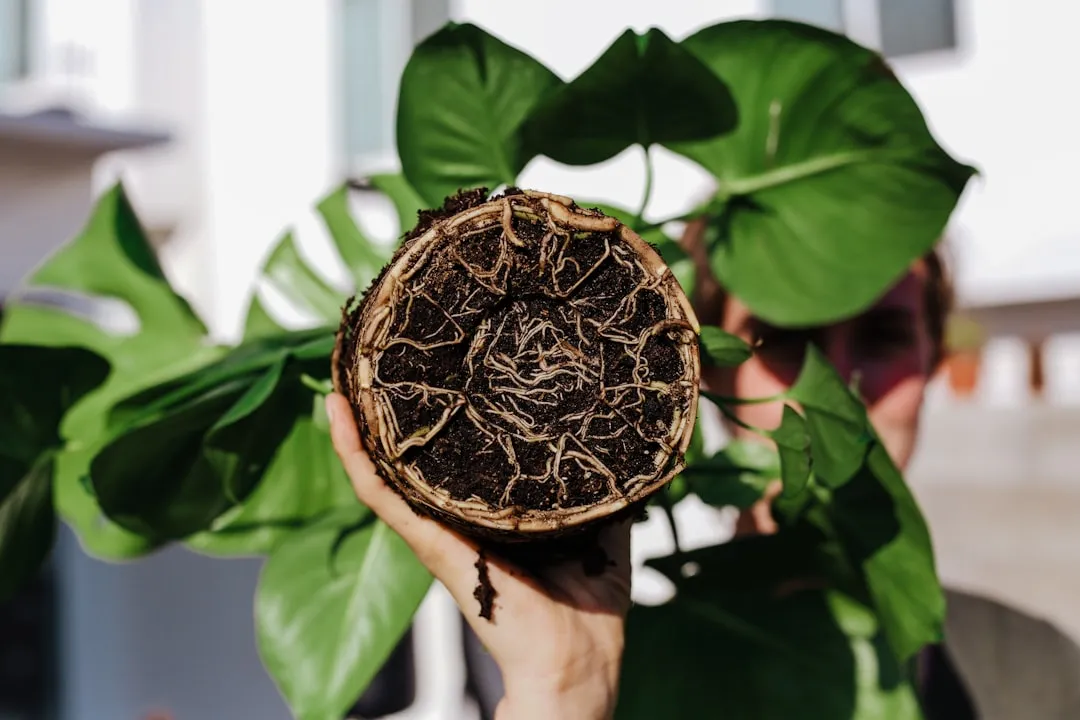
The issue lies in root health. When you overwater, you limit the amount of airflow around the roots, essentially suffocating them. The excess moisture can encourage fungal growth that spreads throughout the plant, killing tissues and impacting moisture uptake.
Yellowing leaves caused by overwatering begin from the bottom and move upward. This happens because of oxygen deprivation in the roots. That bottom-up yellowing pattern was exactly what I had been watching, and misreading, for days.
Overwatering effectively suffocates the roots by reducing the amount of airflow surrounding them. An overabundance of moisture can promote the growth of fungi, which can destroy plant tissues and affect the plant’s ability to absorb moisture. Once I understood the mechanism, the fix made much more sense.
The First Thing ChatGPT Told Me to Do: Stop Watering Immediately
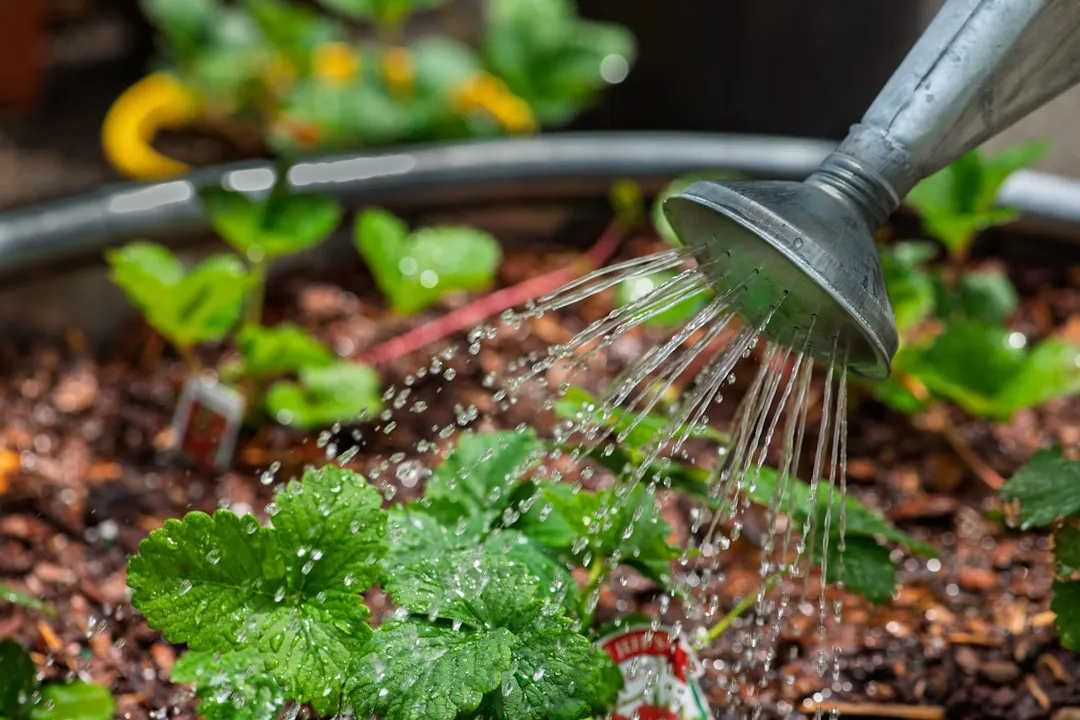
The most urgent action you can take is to stop watering. If the soil is soggy, stop watering immediately to allow the soil to dry out. Simple advice, but it cuts against every gardening instinct when you’re watching leaves droop on a hot day.
In cases of overwatering, the leaves typically curl downwards and under rather than upwards, as they would when underwatered or overheated. Leave the soil to dry out for a few days to see if the leaves return to normal. If they don’t, fungal disease may be spreading.
Allowing the soil to dry out and changing your watering routine may fix the problem, but if wilting continues, you may have a bad case of root rot. Watching for that distinction, whether the plant bounces back or keeps declining, is genuinely important.
Checking the Roots: What to Look For
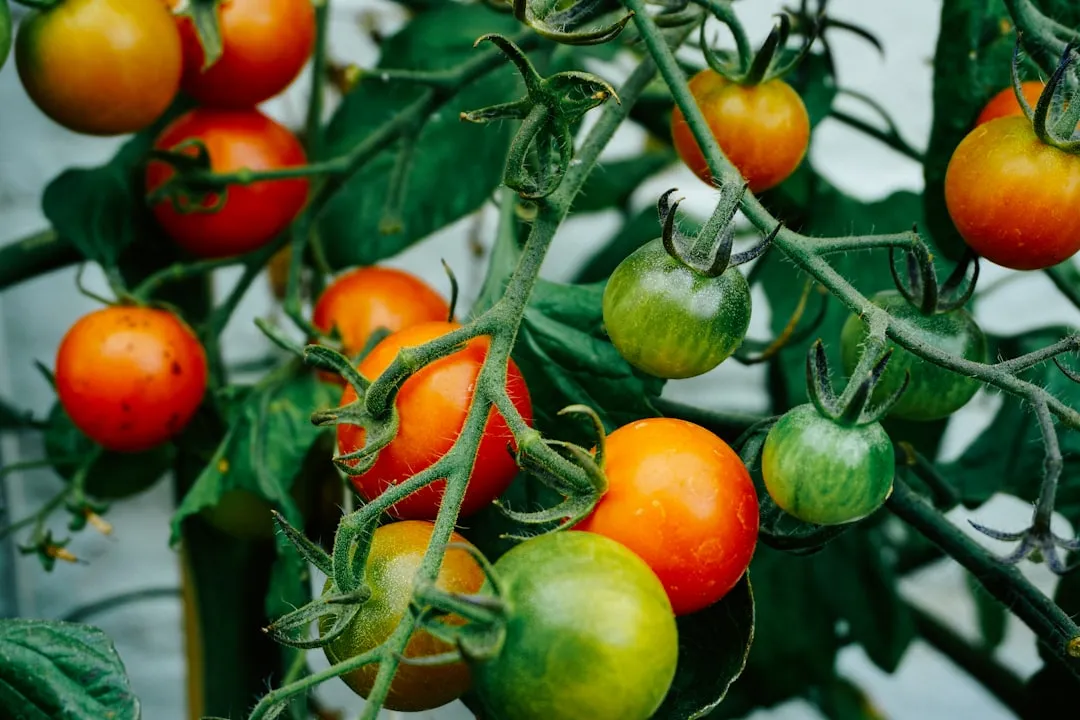
Tomato plants can fully recover from overwatering if you take action as soon as you spot the signs. To save your tomato plant, remove it from the soil using a garden fork or trowel. Then, clear as much dirt away from the roots as possible, using your hands or running the root system under the faucet.
The plant is salvageable if there are discolored roots, but you can still see healthy white roots. However, if the entire root system is mushy, the plant is past saving. That detail was critical. I checked mine and found a mix of dark and white roots, which meant there was still something worth rescuing.
Root rot strikes when the roots of tomato plants become waterlogged and infected with soil-borne fungi, leading to a deterioration of the plant’s health, often resulting in wilted leaves, stunted growth, and ultimately, plant death. Catching it before the whole system collapsed made all the difference.
The Fungal Threat Hidden in Wet Soil
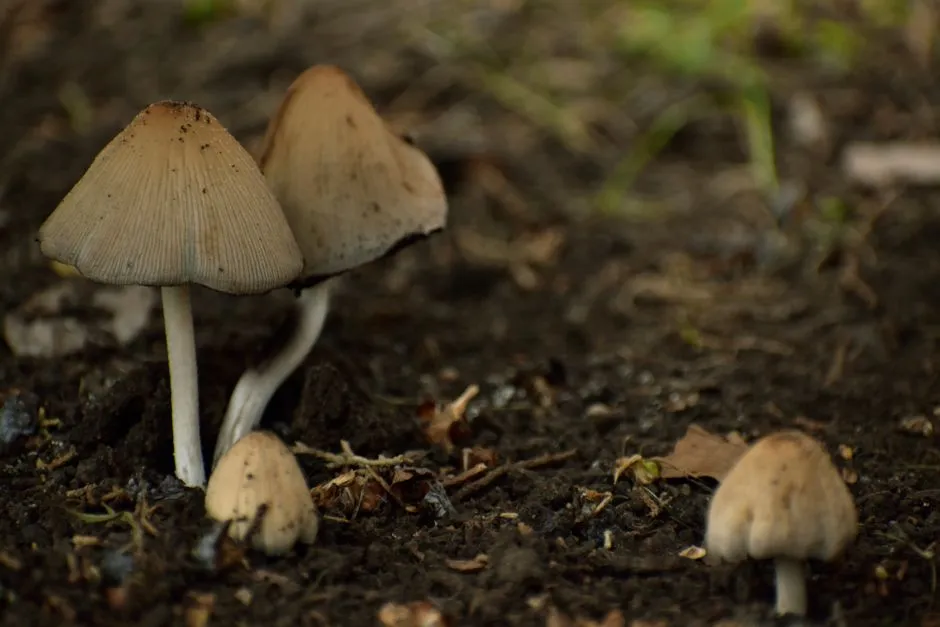
Fungal diseases are a significant factor in root rot. Common fungi such as Pythium, Phytophthora, and Fusarium thrive in warm, moist environments, making it essential to monitor your plants closely. These pathogens don’t need an invitation; wet, oxygen-poor soil is enough.
Fusarium is a common fungal disease that causes browning of the roots and may lead to significant wilting and yield loss. Crop rotation and the use of resistant varieties are effective strategies against it.
Anaerobic overwatering has the best prognosis. If drainage is restored before more than half the roots are lost, adventitious roots often rebuild an adequate system within a few weeks. That timeline gave me something to work toward rather than panic about.
How to Amend the Soil So It Doesn’t Happen Again
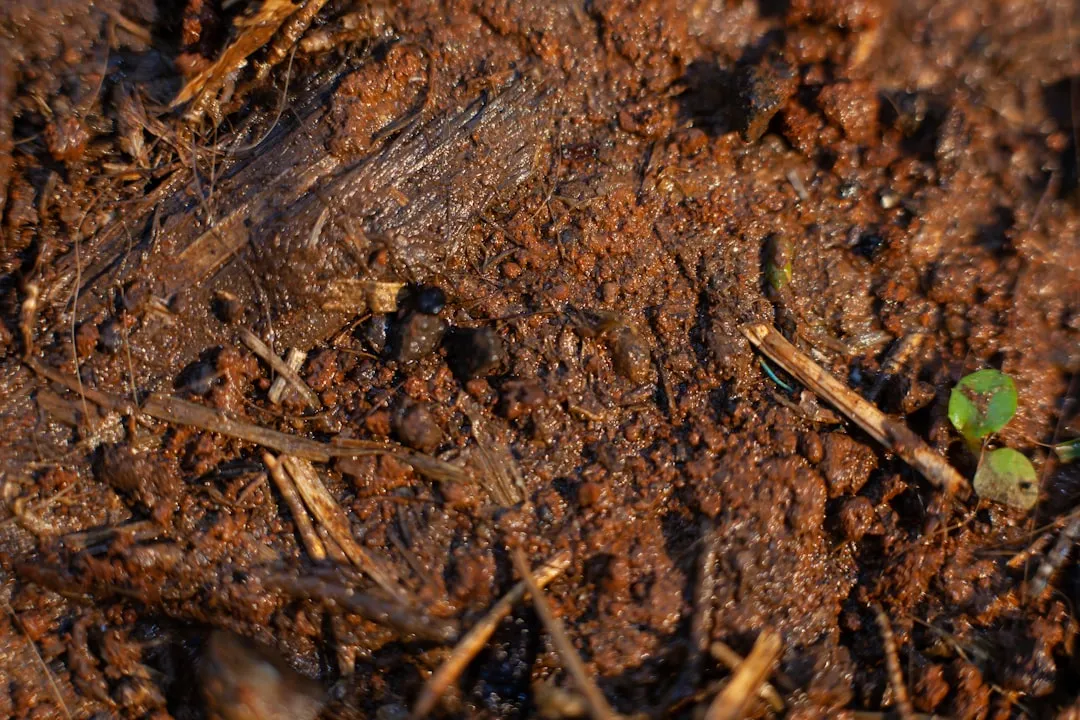
To keep your tomato plants thriving, start with the right soil composition. A mix of loamy soil with perlite or sand enhances drainage, preventing water from pooling around the roots. ChatGPT pointed me directly to this combination, and it’s backed by straightforward horticultural reasoning.
Good drainage can be achieved by mixing in organic materials like compost or peat moss, which help the soil retain moisture without becoming waterlogged. The goal is moisture that moves, not moisture that sits.
If you have heavy clay soil, incorporate plenty of organic matter like compost, well-rotted manure, or perlite. This improves soil structure, drainage, and aeration. Aim for a soil texture that drains well but still retains some moisture. That balance, draining freely while not drying out instantly, is what tomatoes actually need.
Pruning and Fertilizing After the Damage
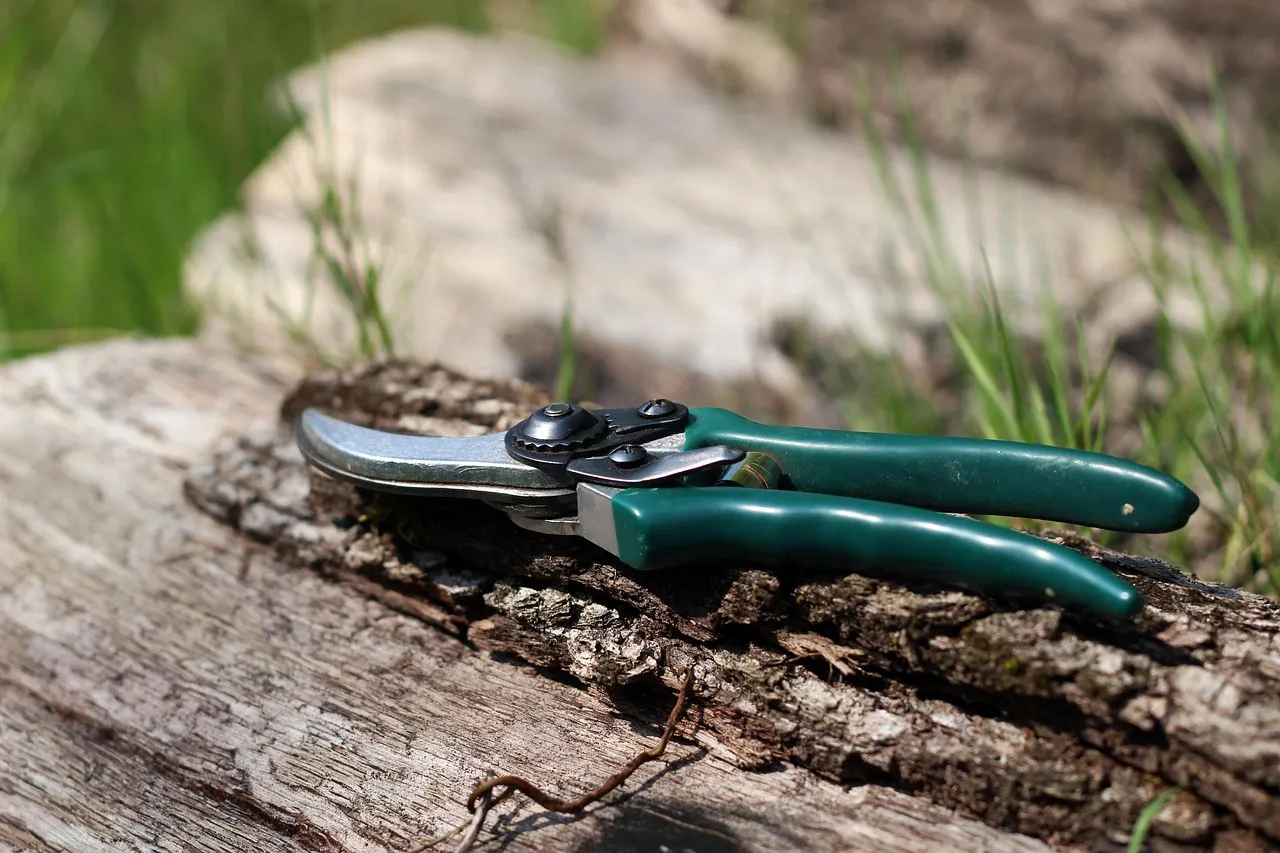
Another step to fix overwatered tomato plants is to prune the plant and remove any damaged or diseased parts. This helps the plant focus its energy on the healthy parts and recover faster. You can prune the lower leaves that are yellowing or wilting, as well as any cracked or split fruits.
You can also thin out some branches to improve air circulation and reduce the risk of fungal infections. This was one of those recommendations that felt counterintuitive but made logical sense once I thought about how the plant was spending its energy.
Following sufficient drying of the soil and roots, water-damaged tomatoes should be fertilized with a balanced NPK fertilizer, such as 10-10-10. Although foliar spray can be used to treat leaves, it is not recommended for badly wilted foliage. Timing matters here. Fertilizing too soon, before the roots have stabilized, can do more harm than good.
Building a Smarter Watering Routine Going Forward
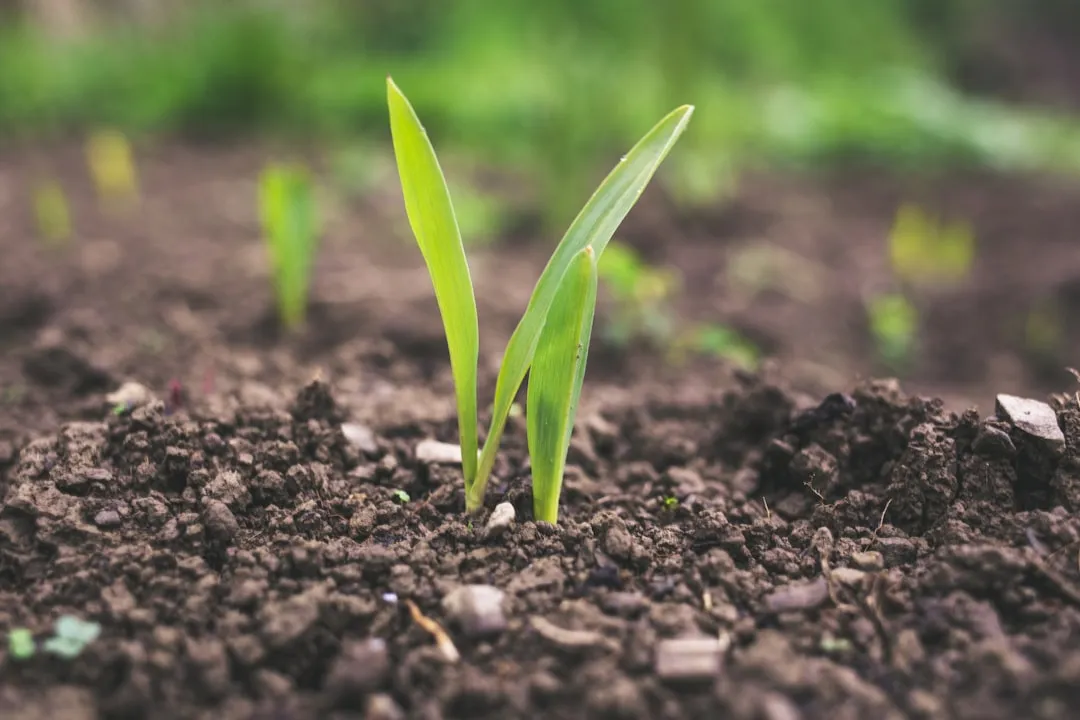
Always check the soil moisture level by sticking your finger into the soil up to the first knuckle. If it feels dry, it’s time to water. No gadget required. That simple finger test, easy to ignore, turns out to be one of the most reliable tools available.
Water tomatoes deeply but less often. Let the soil dry a bit between waterings. Use drip irrigation or soaker hoses to keep leaves dry, since wet leaves invite disease. Water early in the day to let the soil dry by evening.
ChatGPT can provide recommendations on the ideal watering frequency and quantity based on plant type and soil moisture levels. Feeding it context about your soil type and sun exposure gets you much more useful output than a generic question ever would.
How Long Recovery Actually Takes
Tomato plants are quick to recover with treatment. You can expect to see results in as little as one to two weeks. That was roughly my experience, though the timeline depends heavily on how much root damage occurred before intervention.
In one to two weeks, the plant should recover, depending on the extent of the damage. During that window, patience matters more than action. The biggest mistake is jumping back in with extra water or fertilizer before the plant has stabilized.
You can recover tomatoes from overwatering because these plants are relatively resilient and can adapt to changing conditions. That resilience isn’t unlimited, but it’s real, which is why catching the problem early is worth so much.
What AI Gets Right About Plant Diagnosis, and What It Doesn’t
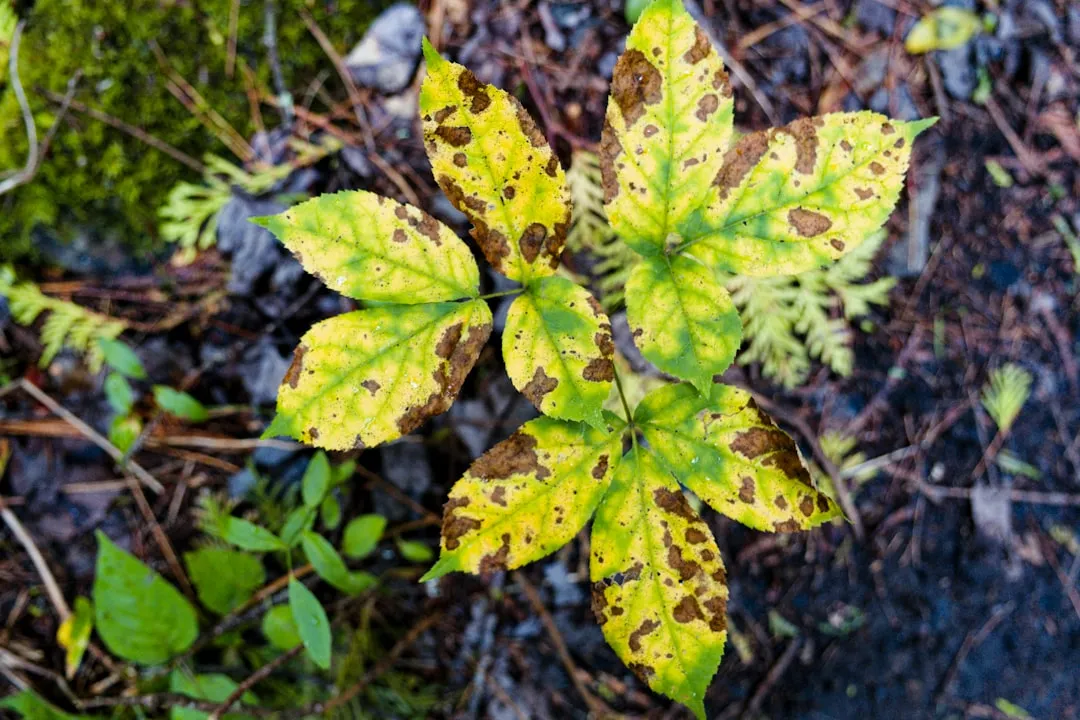
One real-world experiment with ChatGPT in plant care concluded that the AI can provide effective, practical advice, and combining its insights with personal gardening experience makes all the difference. That framing feels exactly right. It’s a tool, not a replacement for observation.
ChatGPT is far from perfect as a gardening tool. You might find that the landscape design it creates is more fantasy than reality. Another issue is the quality of the information. You cannot depend 100% on its expertise or accuracy. Knowing that going in shapes how you use it.
Overwatering is not always the culprit when tomato plants are wilting. Some wilting during the hottest part of the day is normal, and plants usually recover by evening. If the wilting persists, however, viruses like verticillium or fusarium wilt or pests like the stalk borer might be to blame. ChatGPT flagged these alternative causes too, which is what made the diagnosis feel trustworthy rather than one-dimensional.
The Takeaway
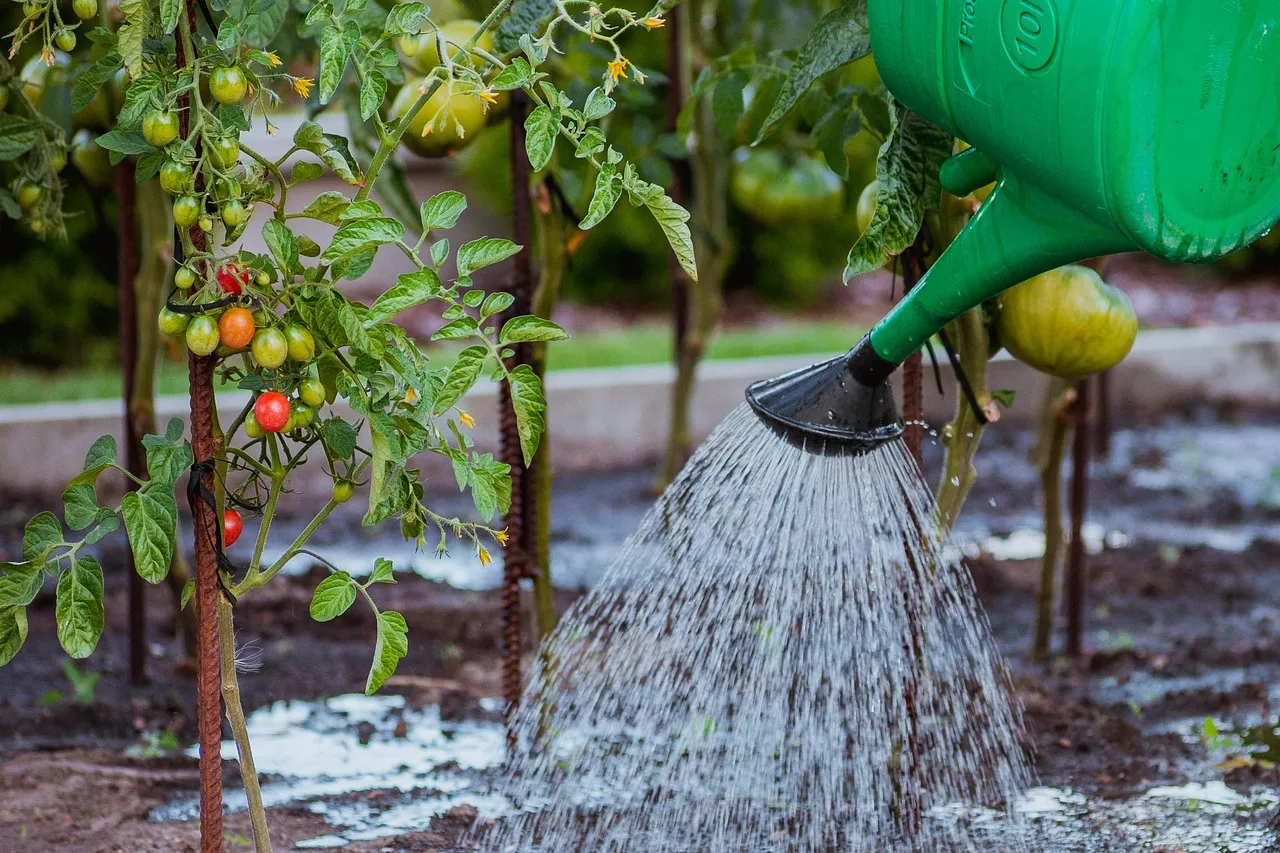
Overwatering tomatoes is one of the most common and quietly devastating mistakes in the home garden. The fact that it mimics drought stress makes it especially tricky to catch early. Having an AI tool that can walk you through a differential diagnosis, one that considers soil conditions, symptom patterns, and fungal risk, turns out to be genuinely useful.
That said, ChatGPT works best when you treat it as a knowledgeable conversation partner rather than an oracle. The more specific detail you give it, the more grounded its suggestions become. Combine that with your own observation of the plant, the soil, the roots, and the recovery arc, and you have a reasonably solid approach to a problem that trips up even experienced growers.
My tomatoes are back. The recovery wasn’t dramatic. It was just consistent, patient, and informed. Sometimes that’s enough.
AI Disclaimer: This article was created with the assistance of AI tools and reviewed by a human editor.