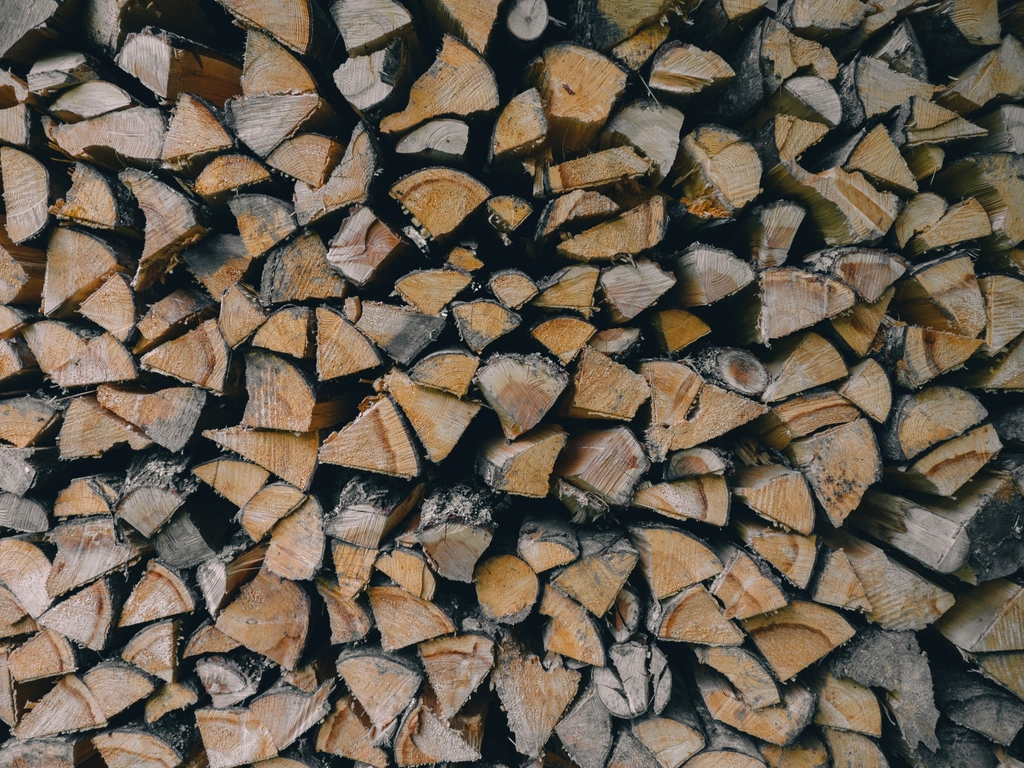

There’s something reassuring about a neat stack of firewood right outside the back door. It’s close, it’s convenient, and when a cold night hits, you don’t have to wander far. But that pile leaning against the siding may quietly be working against you in ways that go well beyond a termite or two.
The problems that come with poor firewood placement tend to build gradually, which is exactly why so many homeowners miss them until the damage is already done. From structural moisture to rodent highways and fire risks, the case against storing wood against the house is a lot more serious than most people realize.
The Termite Bridge Problem Is Very Real
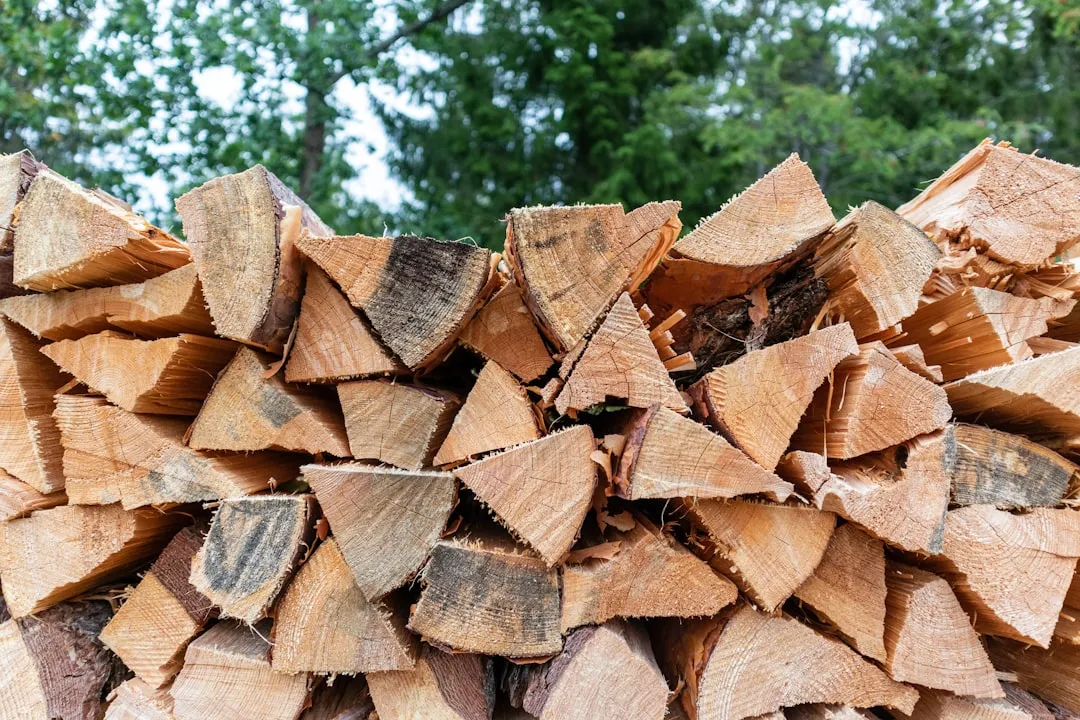
If you stack firewood against the side of your house, you’re effectively building a bridge for termites. They can travel from the soil, through the woodpile, and straight into your home’s siding or foundation. This isn’t a theoretical concern. It’s a documented pathway that pest professionals see repeatedly.
Termites must have contact with their nest in the soil to survive, and they can wreak havoc on your home if you store your wood against your house or close to your foundation. The danger isn’t that a few termites hitched a ride on a log. It’s that the pile gives them a continuous, sheltered route right to your home’s structure.
Because the woodpile hides the foundation, you won’t see the mud tubes – the telltale sign of termites – until the damage is already done. Termite damage can cost thousands of dollars to repair and is rarely covered by homeowner’s insurance.
Moisture Builds Up Faster Than You Think
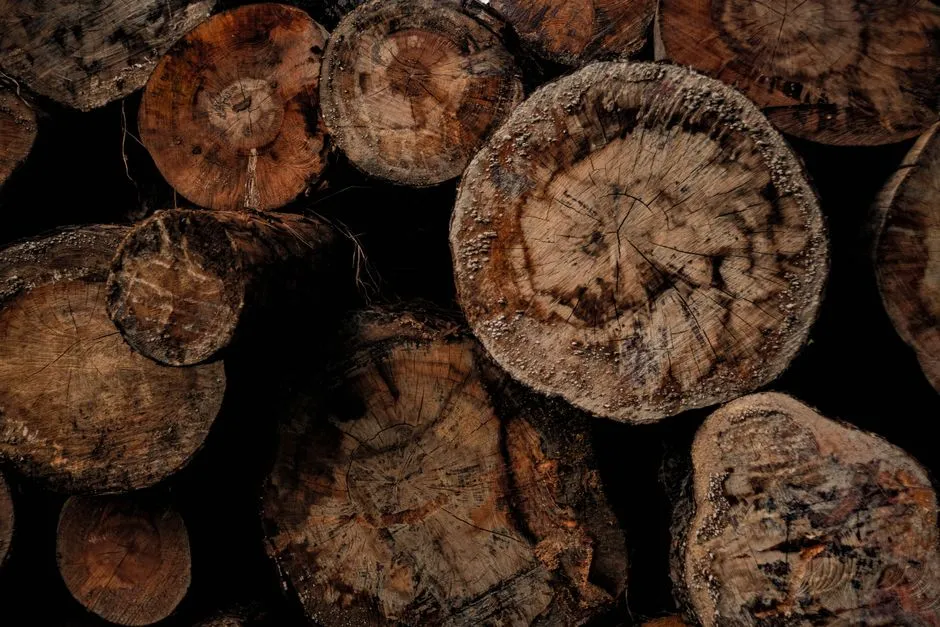
Firewood stored too close to your home can retain moisture, especially if the ground near the foundation is not properly sloped or if there’s inadequate airflow. When firewood stays damp for too long, it can start to rot and develop mold, which can spread to your home’s exterior. This moisture buildup can also weaken the integrity of your home’s siding or foundation, leading to costly repairs down the line.
Wet wood rots faster, and rotting wood is a beacon for pests. Damp conditions also encourage the growth of mold and fungi, which attract insects like springtails and pillbugs. This creates a cascading problem where the moisture attracts pests, which in turn cause more damage, creating even more attractive conditions for additional infestations.
Rodents See Your Wood Stack as Prime Real Estate
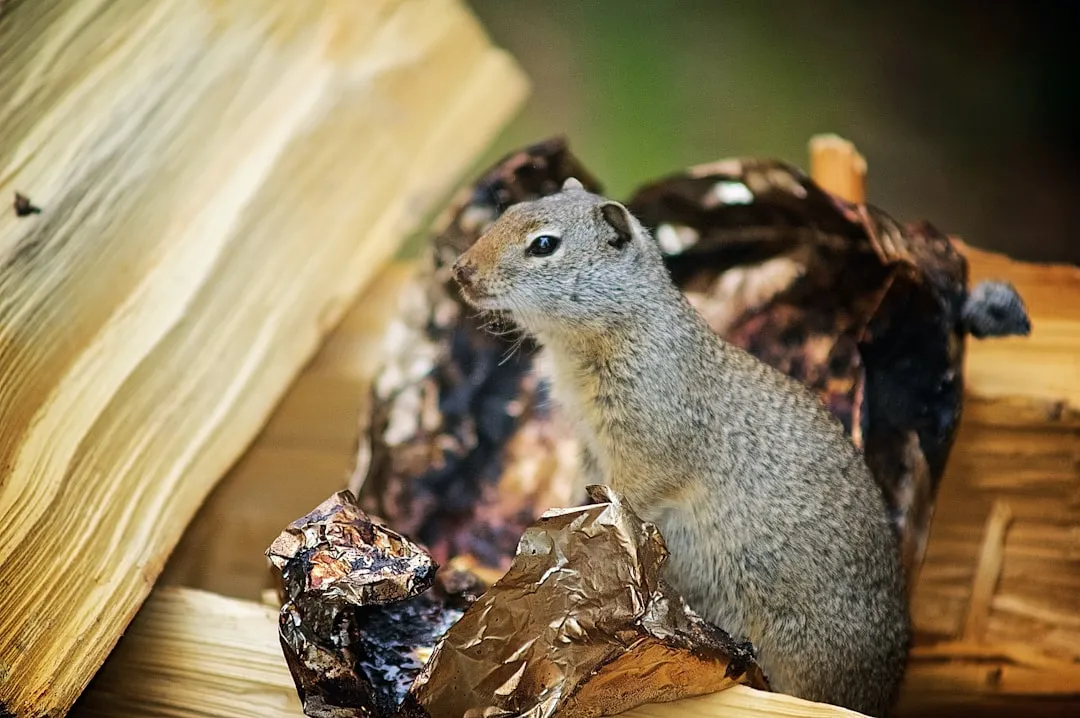
The gaps between logs provide safe tunnels for spiders and beetles, while the pile itself offers insulation against the cold wind and snow. Mice and rats see a woodpile as a fortress – secure, warm, and often close to other food sources.
Mice and rats find firewood stacks to be excellent nesting sites, providing protection from predators and proximity to food sources. These pests not only chew through wood but also leave behind droppings that can spread diseases. When the stack is right against the wall, that nesting site is essentially adjacent to your living space.
Carpenter ants and termites can cause severe structural damage, while mice can cause house fires by chewing wires. That last detail is one that rarely gets mentioned in the firewood conversation, but it’s a genuine and serious risk.
It’s a Fire Hazard, Not Just a Pest Problem

Storing firewood directly next to your house presents a serious fire risk. If the wood is dry, it’s highly flammable. In the event of a stray spark or ember from your chimney, having a large pile of firewood nearby can ignite and spread the fire to your home’s exterior.
Fire safety guidance from the City of Columbus Fire Department recommends stacking firewood outdoors at least 30 feet away from your home. That’s a significant distance compared to where most homeowners actually store it. Heating fires account for 36% of residential home fires in rural areas every year.
Improperly stacking your firewood can lead to a variety of problems, including mice infestations, mold, fungus, termites, and wood that does not burn as well as it could. Firewood that has been stacked too close to your home can also pose a significant fire hazard.
Carpenter Ants Are a Closer Threat Than You’d Expect
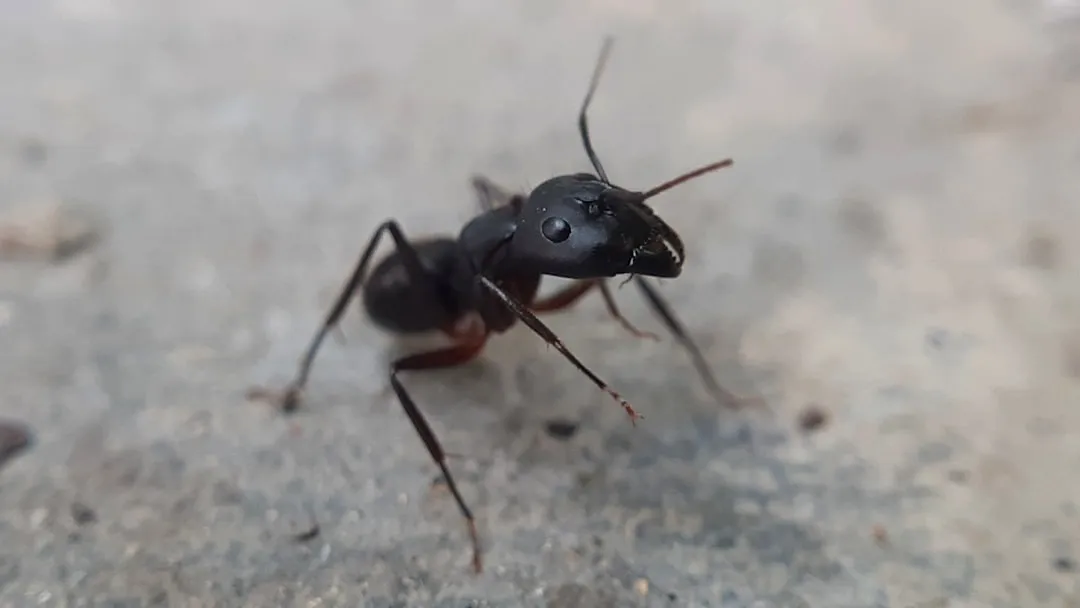
Every time you carry an armful of wood inside, you risk bringing hitchhikers with you. Carpenter ants can wake up in the warmth of your home and start foraging for food in your kitchen, potentially establishing a new colony in your walls.
Carpenter ants are attracted to moist wood and can easily transition from infesting the firewood to targeting wooden elements of your home. Unlike termites, carpenter ants don’t eat wood, but they excavate it to build galleries, which still compromises structural integrity over time.
Carpenter ants don’t eat the wood, but they’ll tunnel through it to build their nests. If you’re seeing large black ants near the baseboards or around the fireplace in winter, a firewood pile against the exterior wall is a likely culprit worth investigating first.
The Wood Itself Suffers, and So Does Your Fireplace
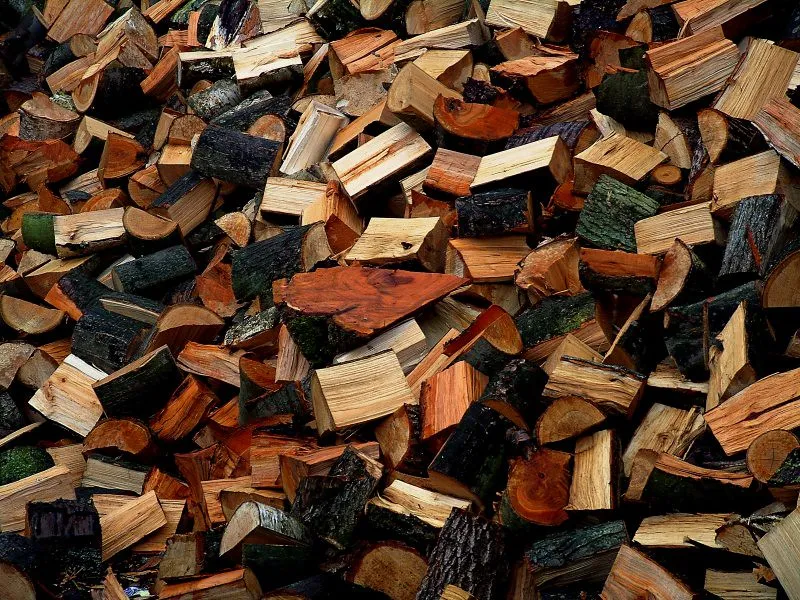
Firewood that’s exposed to moisture or pests can become moldy, rotten, and hard to burn. Worse, it can attract termites or other bugs too close to your home. Good firewood storage helps prevent bug infestations and rodent problems, avoid mold growth and rot, keep moisture levels low for cleaner burning, and maximize the lifespan and efficiency of your firewood.
Wet or damp firewood burns inefficiently, creating excessive smoke and creosote buildup in your chimney. Creosote is not a minor nuisance. These oils can condense on the pipe and become a serious fire hazard. As the creosote builds up, it can ignite, causing a chimney fire.
Three of every ten house fires caused by home heating are due to poorly maintained fireplaces and dirty chimneys, according to data from the National Fire Protection Association. Burning damp, improperly stored wood accelerates that buildup considerably.
The Hidden Inspection Problem
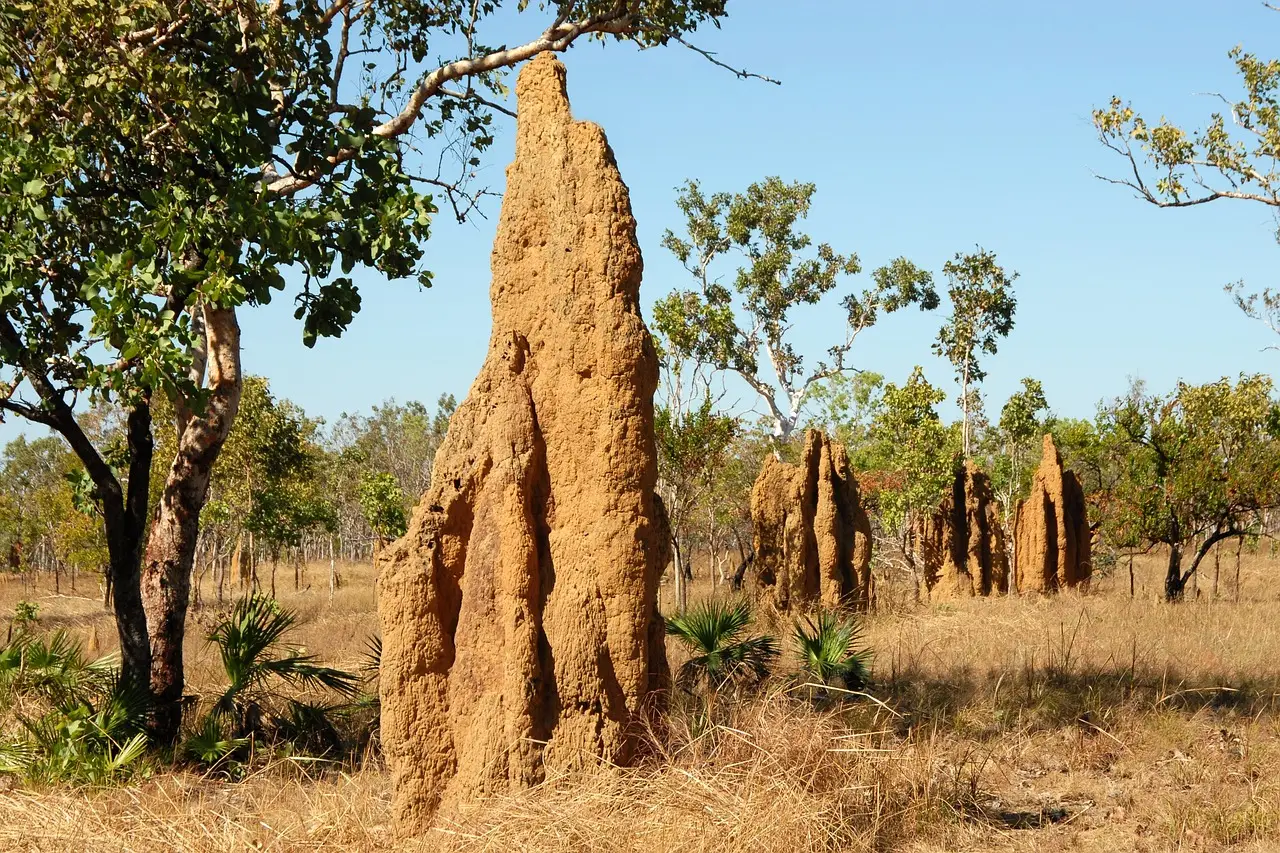
If you stack firewood against the side of your house, you’re effectively building a bridge for termites. They can travel from the soil, through the woodpile, and straight into your home’s siding or foundation. Because the woodpile hides the foundation, you won’t see the mud tubes – the telltale sign of termites – until the damage is already done.
A wood stack pressed against an exterior wall also blocks your ability to spot cracks in the foundation, water intrusion, rotting siding, or other structural issues that catch most homeowners’ attention early during routine walkarounds. What you can’t see, you can’t fix. Keeping the perimeter of your home visible isn’t just good practice for pest control.
Pest professionals routinely note that some of the most advanced termite damage they encounter is found behind or beneath firewood piles that had been sitting undisturbed for multiple seasons. Out of sight genuinely means out of mind, and that can get expensive.
Never Treat Firewood With Pesticides
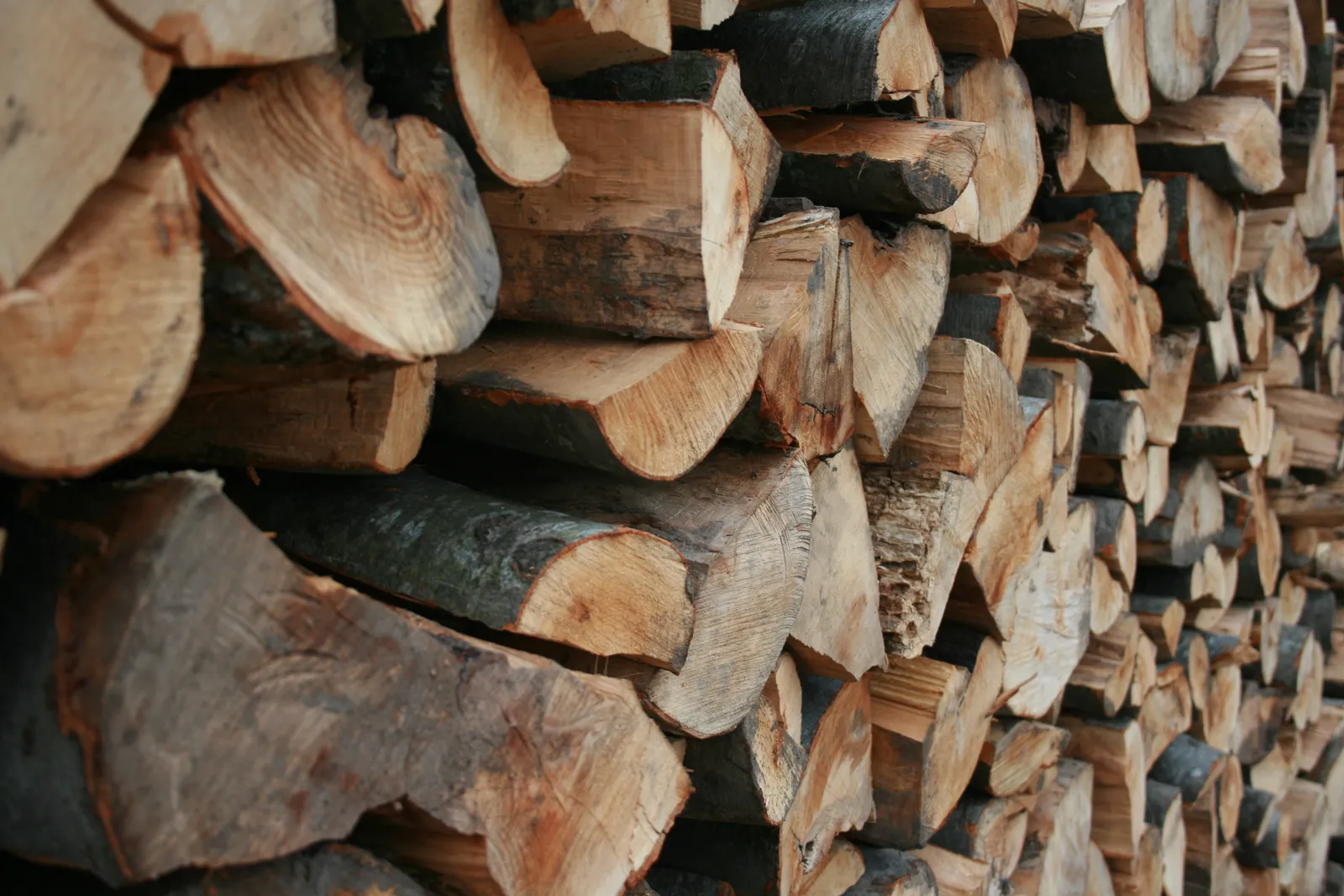
If you find termites in firewood, do not spray, soak, or otherwise treat the pile with pesticide. The reason is simple: firewood gets burned. Chemically treated wood releases hazardous compounds into the air when it combusts – into your home through the fireplace, and into the air your neighbors breathe. The U.S. Environmental Protection Agency advises burning only clean, dry, untreated wood and specifically warns against burning treated or chemically contaminated wood.
The correct response is entirely non-chemical: move the pile away from the structure, raise it off the soil, and burn the affected wood normally. Fire resolves the termites in that wood completely.
Pesticides can’t penetrate deeply enough in wood to kill the termites, and burning that wood later can release toxic fumes that are dangerous to breathe. It’s a remedy that creates an entirely new problem, which is why no reputable pest control professional recommends it.
How Far Away Is Actually Far Enough?

Pest control experts recommend that firewood stacks be at least 5 feet away from the house. However, you should stack the wood about 30 feet away if your home is located in a forest fire area. Recommendations do vary by source, and they depend on context – but the consistent message across pest control and fire safety guidance is that “right against the wall” is never acceptable.
Store firewood at least 20 feet away from your home’s foundation to prevent termite and rodent migration. Raise the stored wood 8 to 12 inches off the ground. Those two steps address most of the core risks at once, covering both the soil contact that termites need and the proximity that rodents exploit.
The real risk is when wood is stored against your foundation, giving termites a bridge to your home. Store firewood at least 3 feet from structures, raised off the ground, with only the top covered. Even a modest increase in distance makes a meaningful difference in how appealing the pile is as a pest corridor.
Smart Daily Habits That Actually Protect Your Home
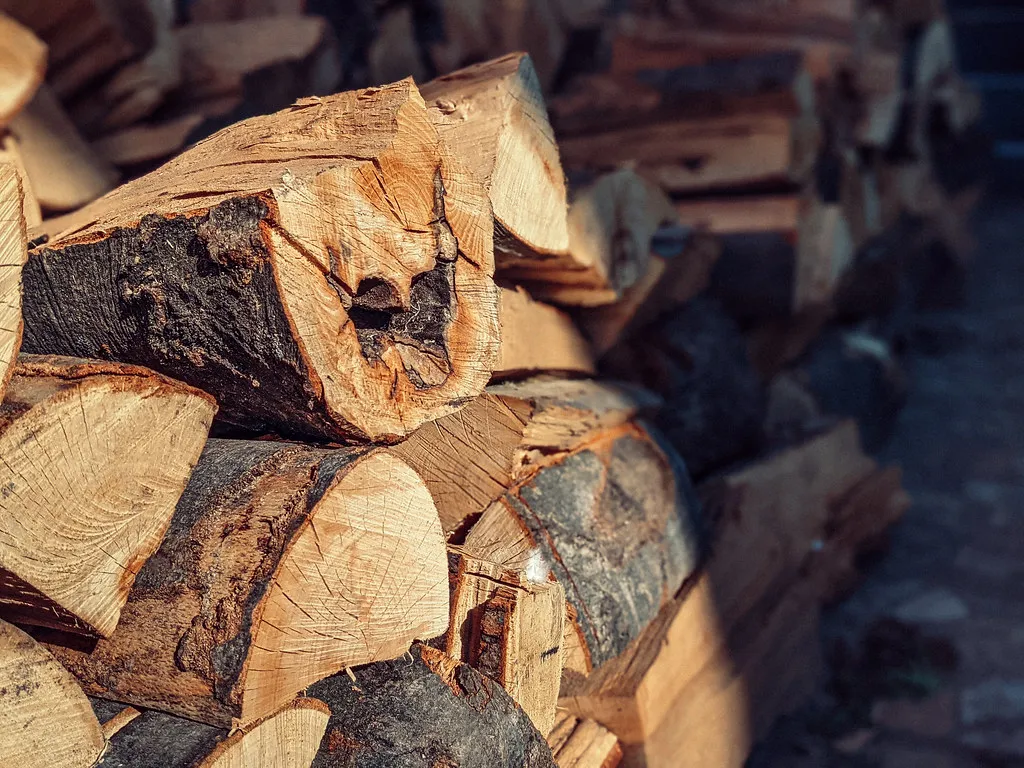
Only bring in a small amount of wood – just enough for your fire that evening. Avoid large indoor stacks that sit for days or weeks. Use a container or rack to keep it off the floor and contained. This habit alone eliminates much of the indoor pest risk that comes with winter firewood use.
Always burn the oldest wood first. This ensures nothing sits too long and reduces the risk of pest activity. Rotating your stock regularly keeps the pile from becoming a long-term insect habitat, which is exactly what happens when the same logs sit undisturbed through an entire season.
Inspect weekly for ants, earwigs, or rodents. If you see activity, move the pile farther away and address grading issues. It takes a few minutes, but a routine check around the wood stack is one of the simplest ways to catch a pest problem before it reaches your walls.
The Bigger Picture
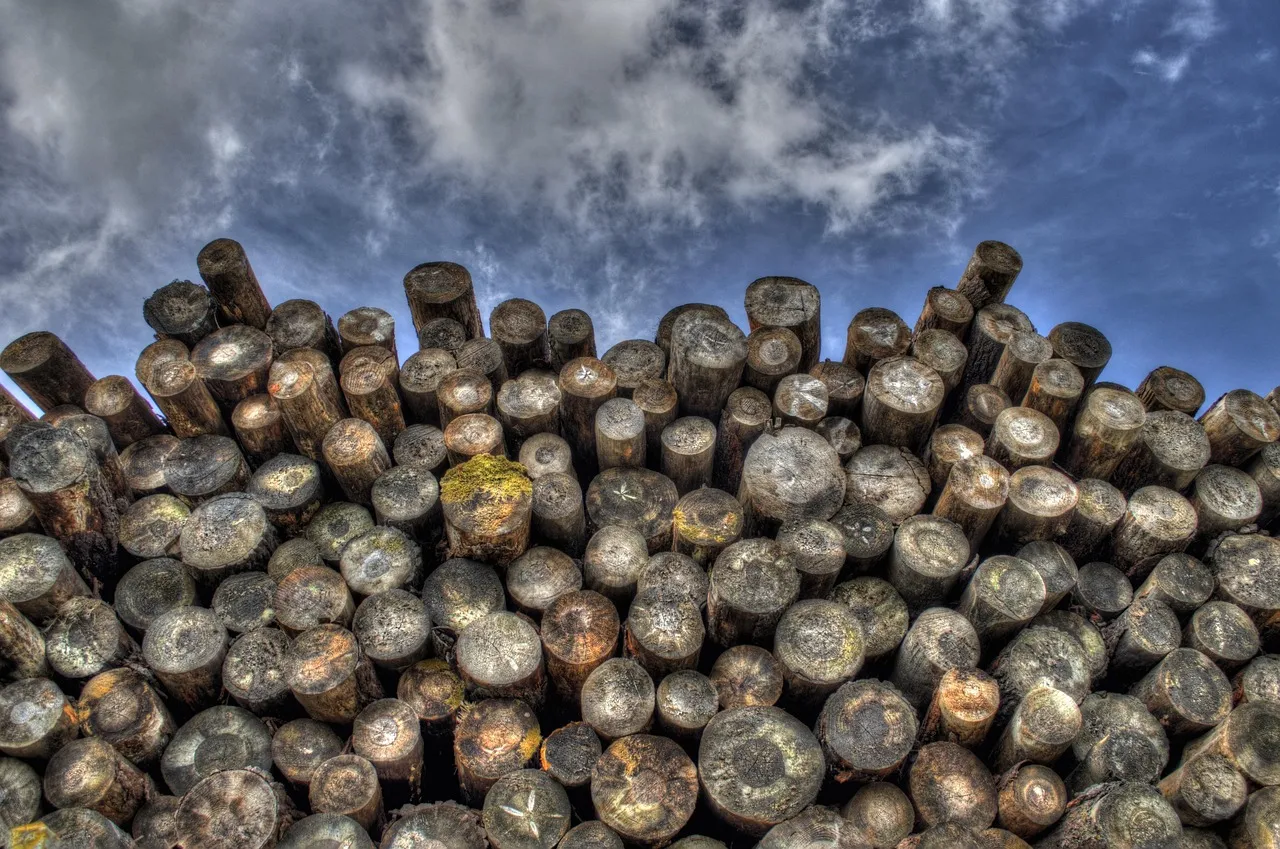
Firewood is a practical, time-tested fuel source, and there’s nothing wrong with keeping a healthy supply on hand. The issue isn’t the wood itself. It’s the assumption that convenience should override placement.
When a woodpile sits flush against the house through fall and into winter, it quietly creates conditions that benefit pests, trap moisture, and obscure structural warning signs – all at once. The good news is that the solution is genuinely simple. Distance, elevation, and airflow are all it takes to make that stack a resource rather than a liability.
The firewood will burn just as well from twenty feet away. What changes is everything around it.
AI Disclaimer: This article was created with the assistance of AI tools and reviewed by a human editor.