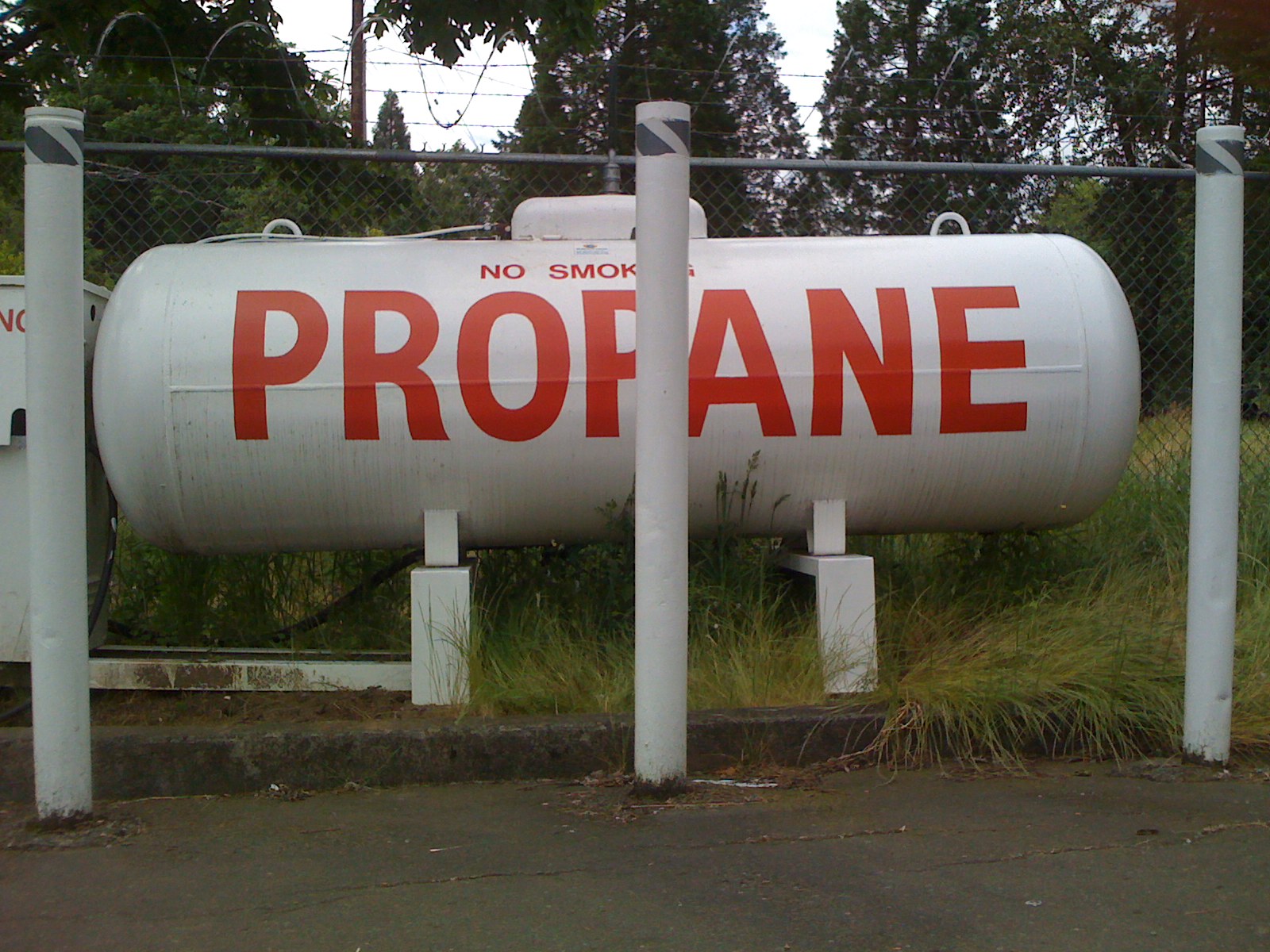

Most people treat a faint whiff of rotten eggs near the grill as a minor annoyance, something to wave off and deal with later. That instinct is exactly where things go wrong. A slow, quiet propane leak doesn’t stay small on its own. Under the right conditions, it grows, migrates, and builds up in ways that most homeowners never anticipate.
The gap between “nothing to worry about” and “serious hazard” is narrower than it looks. Understanding what actually makes a small leak escalate is the most practical safety step you can take.
Ignoring the Smell Instead of Acting on It
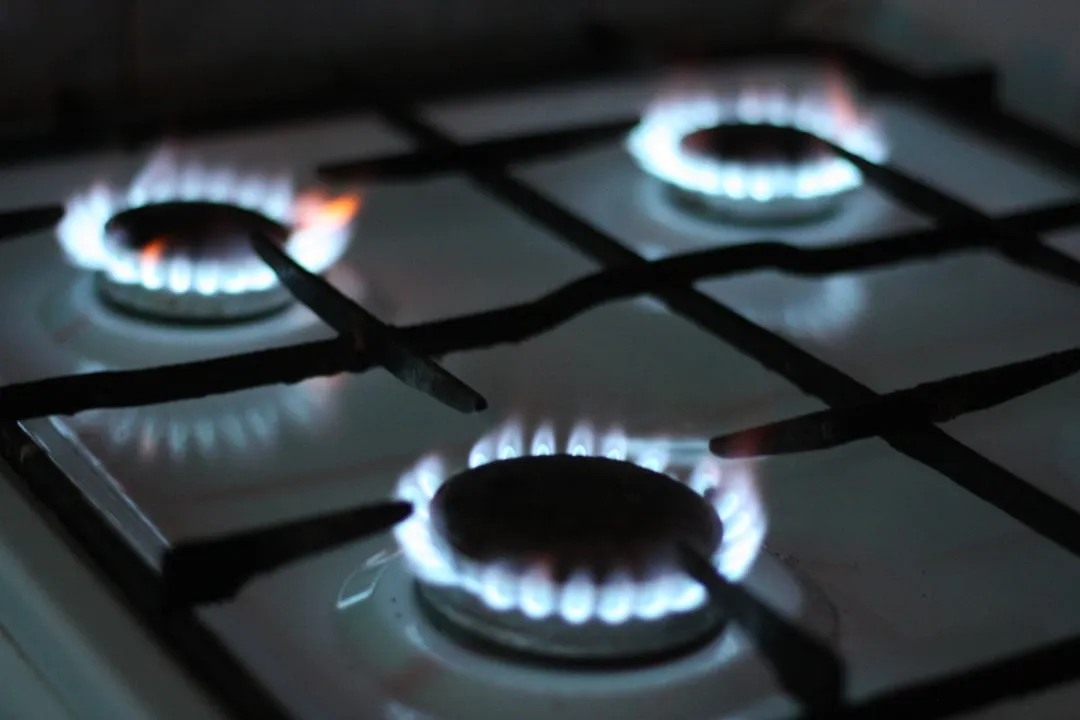
Propane carries a strong “rotten egg” smell, thanks to an added chemical called ethyl mercaptan, which makes identifying leaks easier. The problem is that many people catch the smell briefly, assume the tank is just “off-gassing” normally, and move on. That’s a compounding error.
Since LP gas is stored under pressure in a liquified state, even a small leak can create the possibility of significant gas explosion and fire. Waiting to see if the smell disappears on its own gives the gas time to accumulate, especially in low-lying areas where it tends to pool.
If you smell gas or suspect a leak, the right move is to act immediately and leave the area right away, ensuring that everyone else does the same.
Storing the Tank in an Enclosed Space
Keeping your tank outdoors in a well-ventilated area helps prevent the buildup of potentially dangerous propane fumes in the unlikely event of a leak. Storing a tank in a garage, shed, or basement removes that buffer entirely. What would have safely dispersed in open air instead concentrates in a confined space.
Basements are common sites for propane accumulation in residential homes. Home heating systems, hot water tanks, and kitchen appliances that use propane are often located in or near the basement. If a leak occurs and is not addressed promptly, it poses a risk of both explosion and suffocation.
Even a partially enclosed patio or a covered deck can create enough of a pocket for gas to gather. The risk scales quickly once the leak has somewhere to settle and no air movement to break it up.
Overfilling the Tank
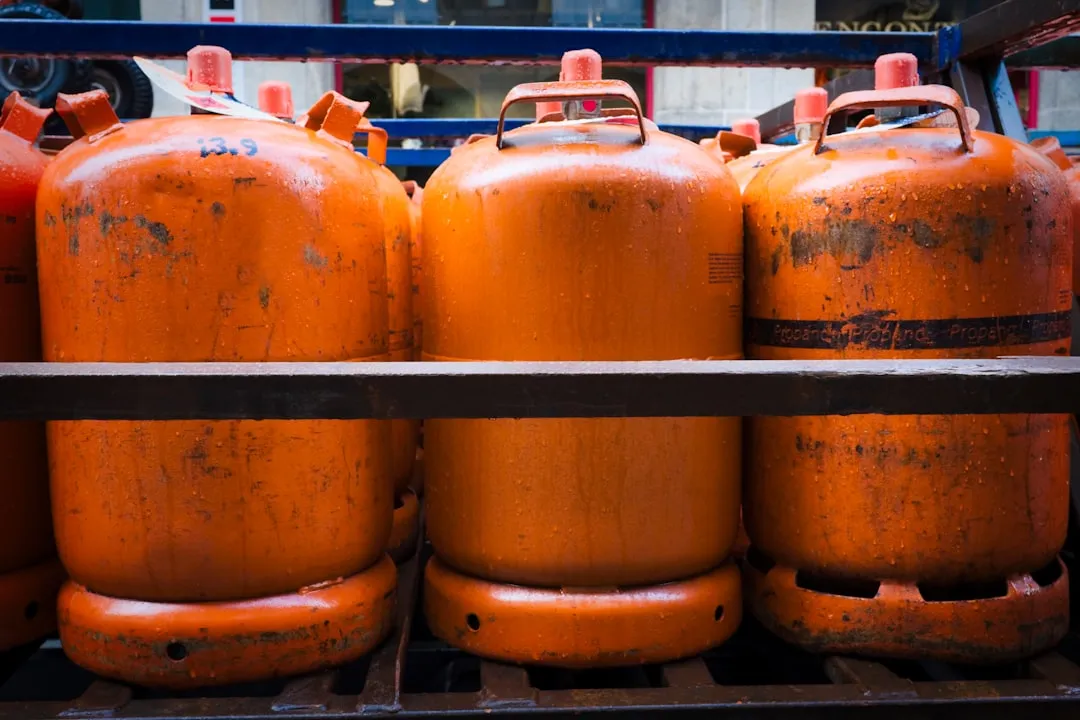
When you overfill a propane tank, you cause too much pressure to build up inside. This can lead to leaks around the valve. Propane expands rapidly when subjected to heat. When overfilled, that excess pressure can cause leakages if not an explosion.
The proper fill level for a propane tank is typically 80 percent, according to Amerigas. That remaining space isn’t wasted room. It exists specifically to allow for the natural expansion of propane gas as temperatures rise during warmer months.
A certified and licensed propane supplier knows to leave enough empty space in a propane tank for expansion. When a propane tank has been overfilled, it puts the tank, and you, at risk of leaks or explosion.
Running the Tank Until It’s Completely Empty
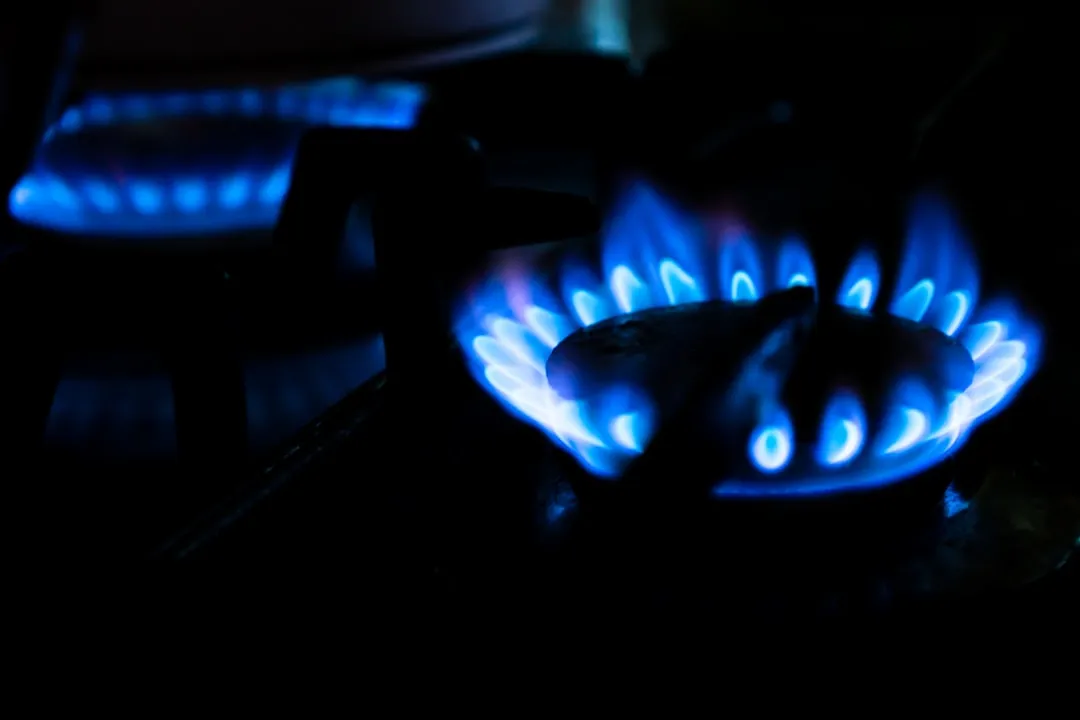
Letting your propane tank run empty isn’t just a hassle. When your tank is empty, air and moisture can creep in, leading to rust and corrosion over time. Once that happens, your tank is more likely to leak or rupture, creating safety hazards.
Proper propane tanks should maintain a specific pressure, but that pressure drops when a tank runs empty. If you refill your tank without addressing the pressure change, the system can malfunction and cause gas leaks.
Avoiding refilling from nearly empty tanks matters because open lines when a tank runs out can leak, and moisture can cause rust and other hazards. It’s an easy rule to forget during a busy grilling season, but the consequences compound quietly over time.
Using the Wrong or Damaged Fittings
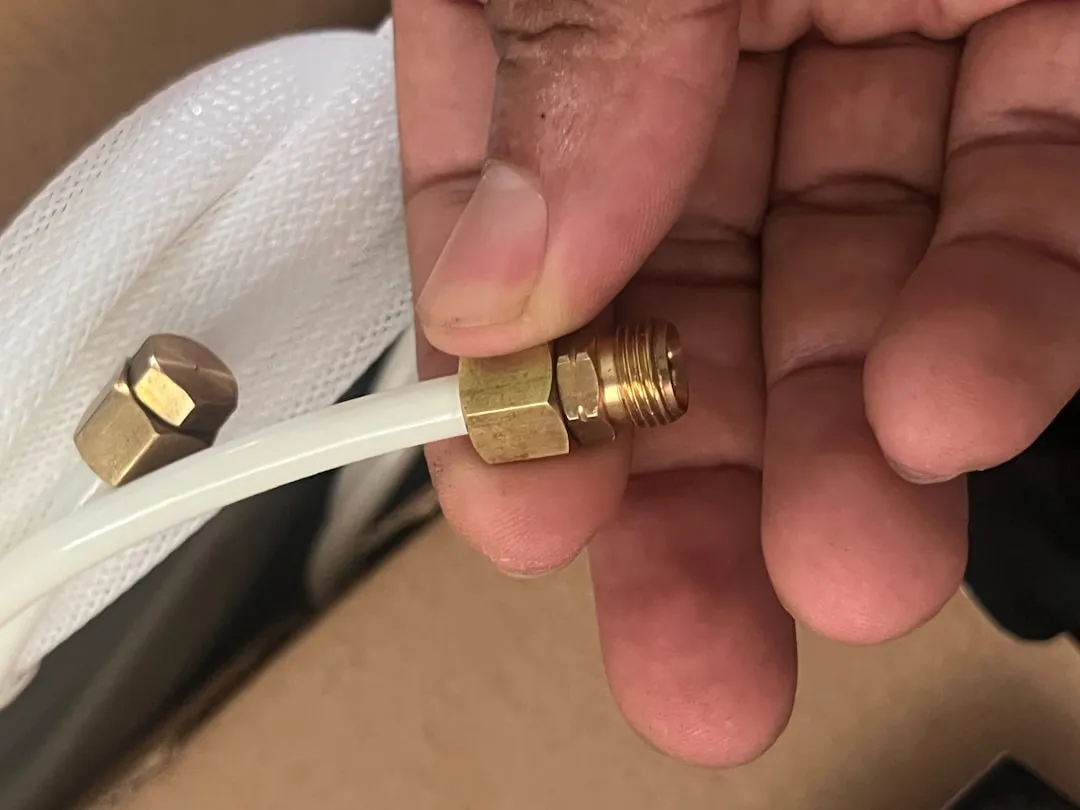
Using correct fittings is essential because wrong or damaged connectors can leak. Only fittings made specifically for propane systems should be used. This is one of the most overlooked sources of leaks, especially when people swap out hoses or regulators on their own without verifying compatibility.
A propane leak can occur for various causes, including a faulty device, a damaged gas line, or a worn-out connection. An improperly threaded or deteriorated connector creates a point of failure that may not be visible to the eye but will release gas under pressure.
Real-world recalls underscore this risk. Engineered Controls International recalled certain RegO propane service valves because, due to incorrect thread depth, the service valves on LPG tanks may not connect properly and can cause a propane leak. A propane leak in the presence of an ignition source can increase the risk of a fire.
Skipping Regular Inspections and Maintenance
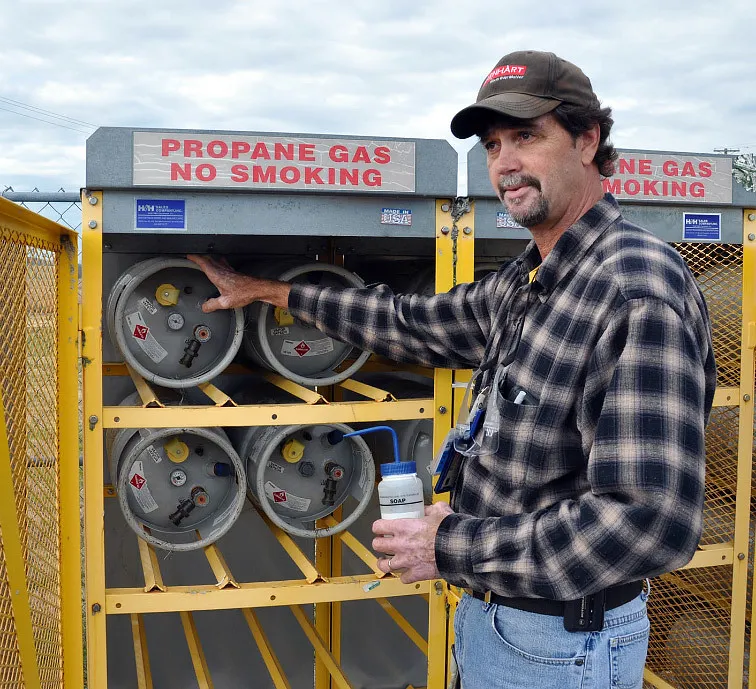
Propane tanks are designed to withstand the test of time, but they can start to lose their strength once weather elements get beneath the surface. This often leads to valves wearing out, hoses cracking, seals drying up, and the tank itself corroding, all of which increase the chance of dangerous leaks.
Propane tank safety depends enormously on proper production and handling, from design and manufacturing free from defects to installation, filling, maintenance, and regular inspection. Skipping even one season of inspection creates a window where small, repairable problems silently become serious ones.
Risks of regulator dysfunction or failure due to age, damage, freezing, or corrosion can result in unsafe pressure above what home appliances can handle without leaking. A quick visual and sniff check before each use costs nothing. A missed regulator failure can cost everything.
Tipping or Laying the Tank on Its Side
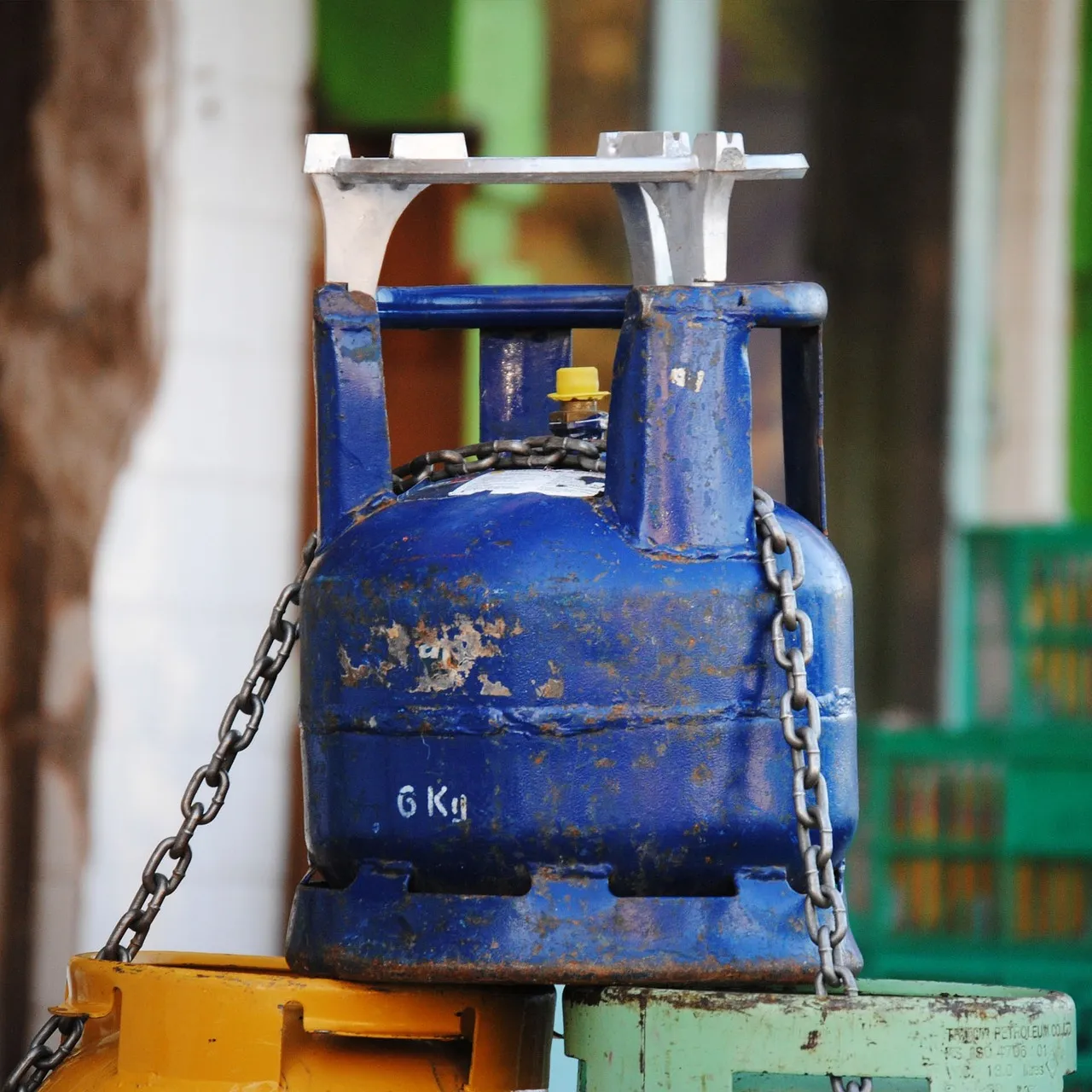
Tanks should always be kept upright and secure. A relief valve can release liquid propane if a tank is on its side. Many people tip portable tanks when transporting them in a vehicle or trunk, not realizing this can trigger the relief valve and result in a direct release of liquid propane rather than just vapor.
Always storing and using your propane tank in an upright position is a firm safety rule. Liquid propane released in a confined car interior or SUV trunk is an entirely different level of hazard compared to vapor leaking outdoors. The concentration can reach dangerous thresholds in minutes.
Bringing the Tank Indoors After Noticing a Leak
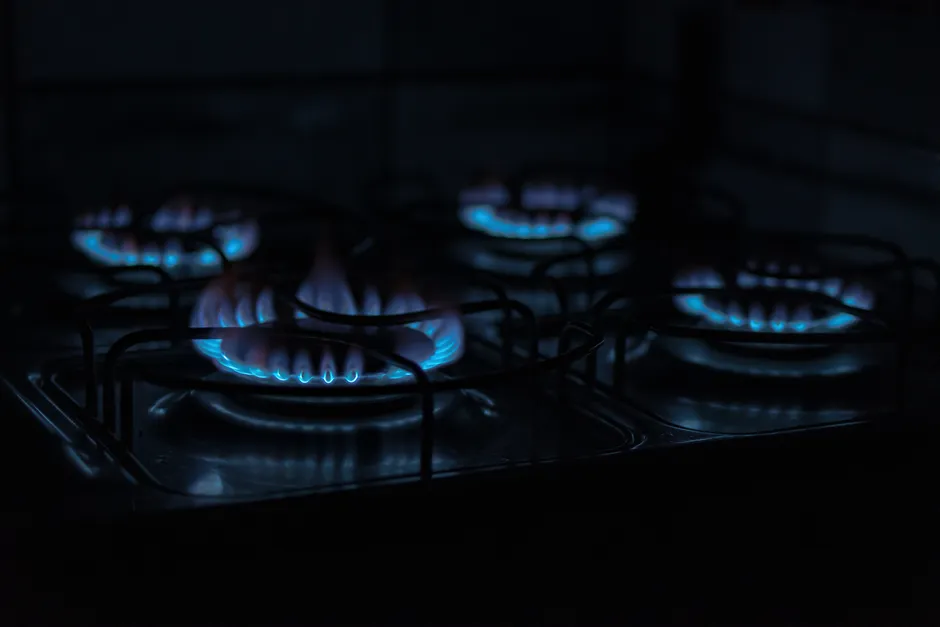
If a leak is suspected inside your home, open all the windows and doors to let air circulate. You’ll also want to avoid fans and any electronic devices, such as phones and electrical switches, that can create accidental sparks. Moving a leaking tank indoors to “check it more carefully” is a mistake that dramatically raises the risk.
Propane is heavier than air, meaning it sinks to the floor and collects in low spaces. When the lower flammable limit is reached, an ignition source can come from something as seemingly innocuous as flipping the switch to turn on an appliance.
Leave the area immediately if you smell propane, hear a rising sound from venting safety devices, or see discoloration or deformation of the tank. No amount of curiosity about where the leak is coming from is worth staying inside with accumulating gas.
What the Scale of the Problem Actually Looks Like
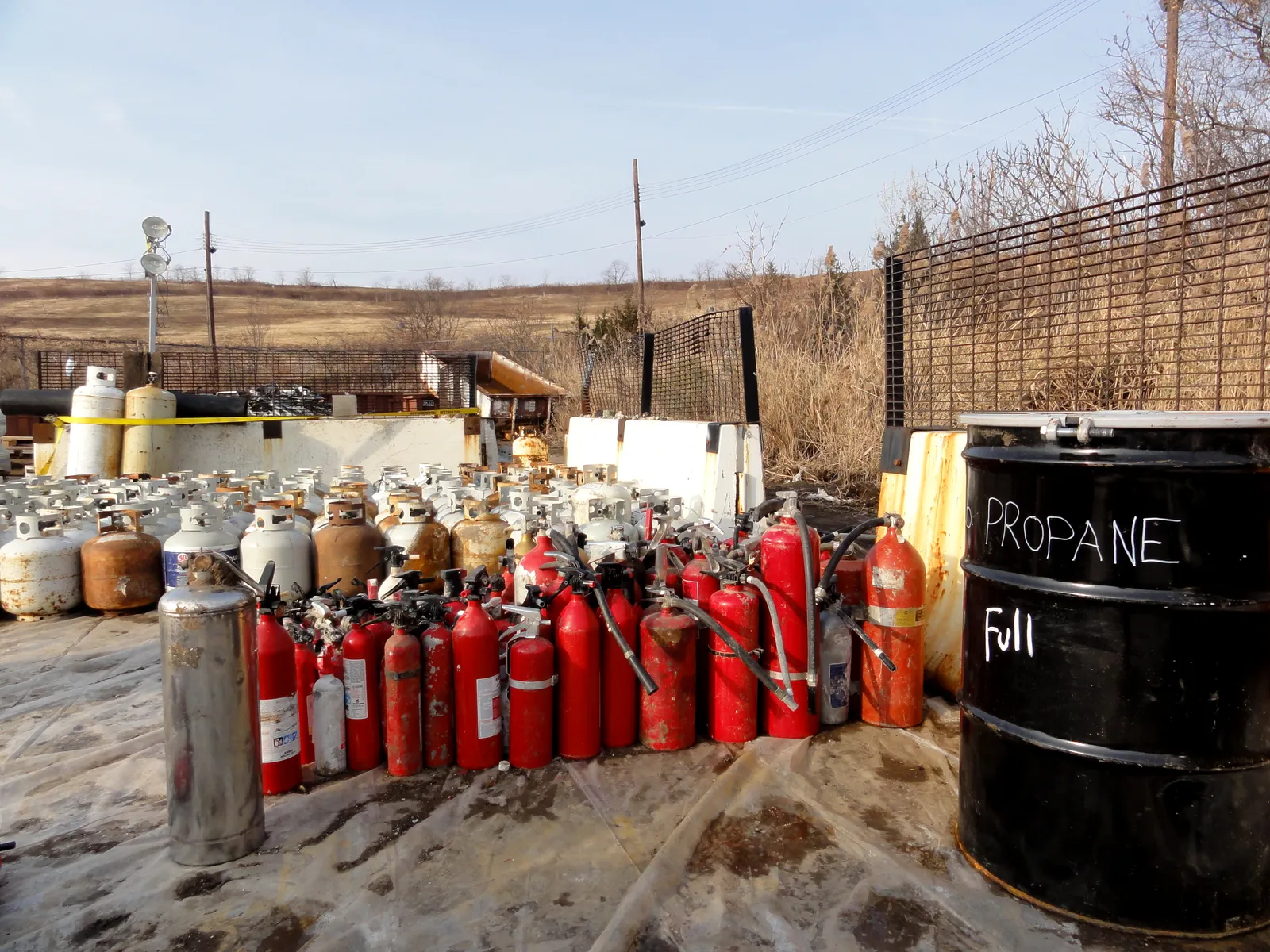
The National Fire Protection Association released a report identifying propane safety statistics for years 2012 through 2016. It estimated an average of 2,900 residential fires with propane as the first material ignited, roughly 155 civilians injured per year due to propane-related fires, and around 25 civilian deaths reported annually related to propane fires.
From 2003 to 2018, a total of 2.4 million gas leak-coded incidents required fire department responses. Reported gas leak incidents steadily increased nationwide, nearly quadrupling from 2003 to 2018. Those numbers cover all gas types, but they reflect a clear pattern: leaks are not being caught and addressed early enough across the board.
According to the U.S. Department of Energy, 14 million Americans have propane delivered to their homes for fuel purposes, and nearly half of these Americans use propane as their primary heating fuel. That’s a large population of people who live with propane systems daily and need reliable habits to stay safe.
The Right Response When You Suspect Even a Minor Leak
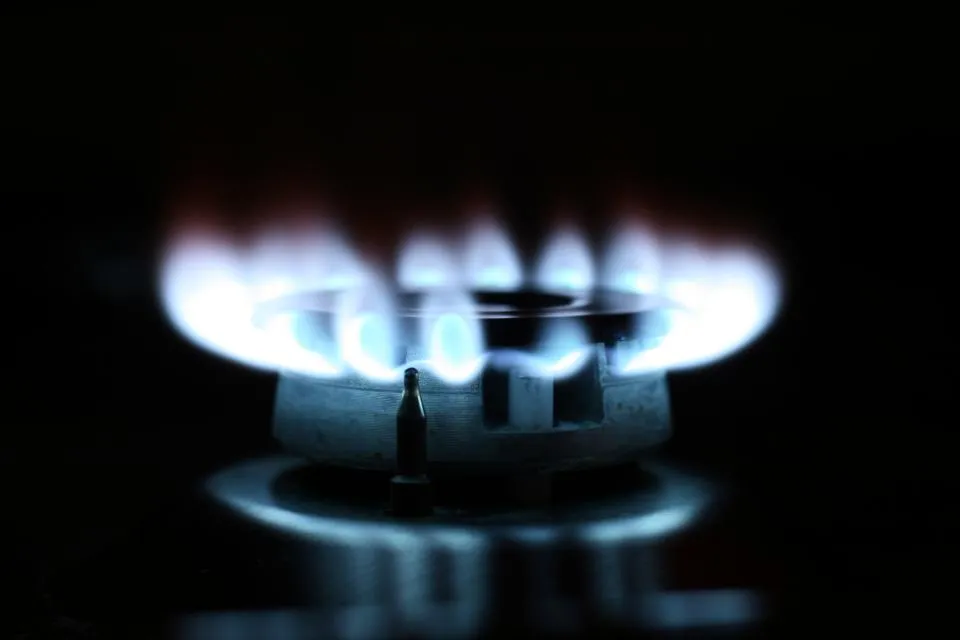
A propane tank valve stem leak should be addressed immediately. If you smell gas, turn off the main valve and vacate the area, as propane gas leaks can be very dangerous. That sequence matters: close the valve first, then leave, then call for help from a safe distance. Reversing those steps costs critical time.
Homeowners should install propane detectors and ensure proper ventilation to mitigate these risks and maintain safety. A propane detector is inexpensive relative to what it protects. Unlike the human nose, which can become desensitized to the odor of ethyl mercaptan over time, a detector stays alert.
Checking tank dates and noting manufacture and recertification dates is also important. Expired tanks can be unsafe. It’s one of those checks that takes ten seconds and is easy to overlook until the tank fails at the wrong moment.
The Takeaway
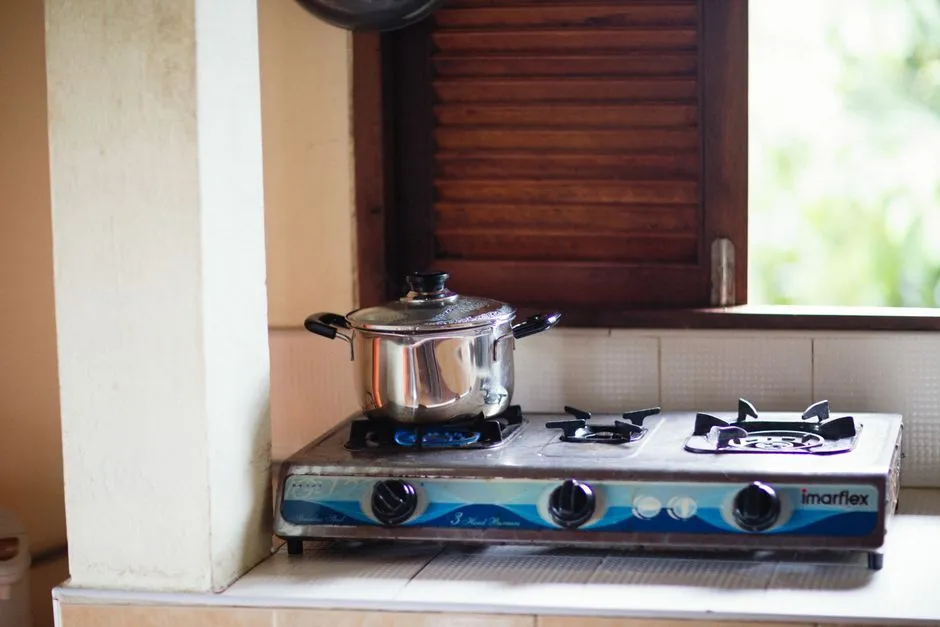
Small propane leaks rarely fix themselves. They wait for the right conditions: an enclosed space, an ignition source nearby, a valve left slightly open. The gap between “barely noticeable” and “serious incident” is mostly a matter of what happens in the minutes and hours after the first warning sign is ignored.
Most of the mistakes that turn minor leaks into major problems are the same each time: a familiar smell dismissed, a tank stored indoors, a fitting never checked, a tank tilted during transport. None of these feel like emergencies in the moment. That’s precisely why they need to be taken seriously before something forces the issue.
The best approach with propane is to be slightly overcautious in a way that costs almost nothing. Treat every faint smell as meaningful, keep tanks where air can move freely, and let certified professionals handle anything that goes beyond a basic visual check.
AI Disclaimer: This article was created with the assistance of AI tools and reviewed by a human editor.