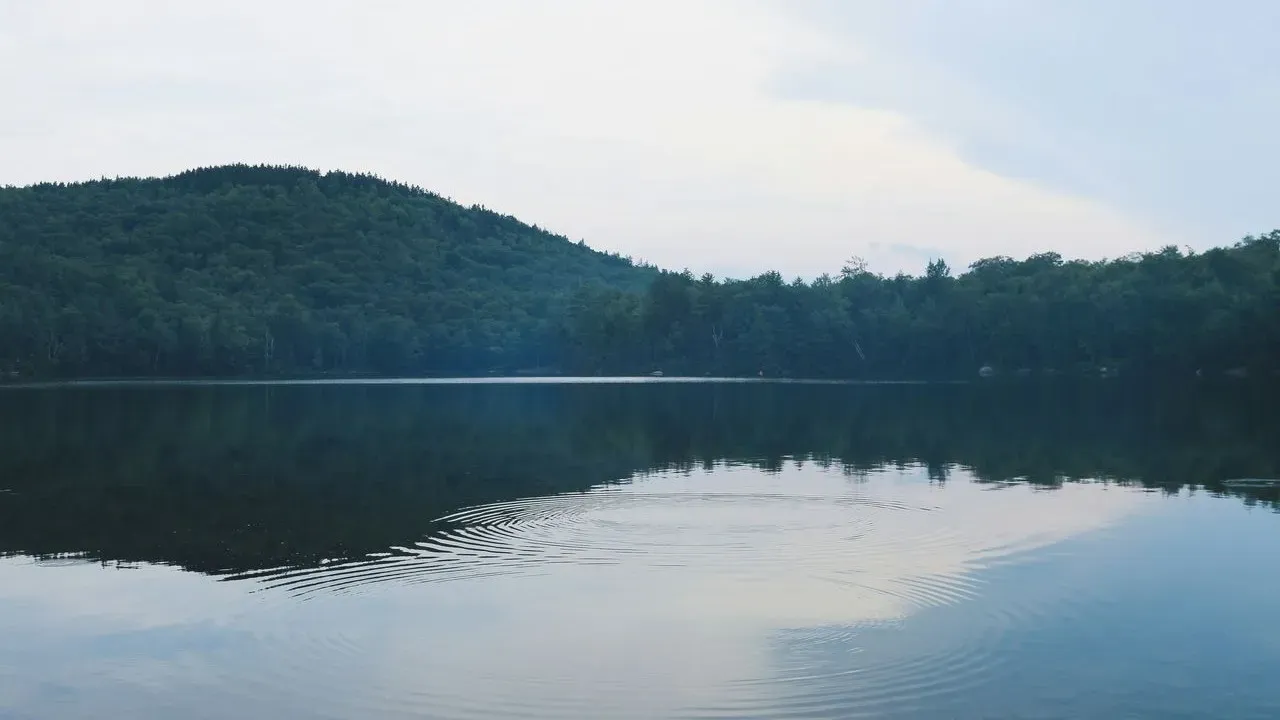

Residents and visitors around Lake Travis often notice shifts in water clarity and fishing conditions at certain times of year. These changes stem from a natural process in which the lake’s layers of water exchange places. The event occurs twice annually and depends entirely on how water density responds to temperature. Understanding the pattern helps explain why the reservoir behaves differently from one season to the next.
Practical Effects on Daily Use of the Lake
Boaters, anglers, and waterfront property owners experience the turnover through changes in surface conditions. When deeper water rises, it can carry nutrients and lower oxygen levels upward, sometimes clouding the water or altering where fish gather. Local water utilities that draw from the reservoir monitor these periods closely because mixing influences treatment needs and overall quality. The cycle repeats without human intervention, yet it directly shapes recreational planning and resource management around the lake.
Property owners along the shoreline have long observed that certain times bring more visible debris or altered algae patterns. These observations align with the twice-yearly mixing rather than random events. The process remains predictable enough that experienced users adjust expectations for water sports and fishing accordingly.
How Temperature Creates the Layered Structure
During warmer months, surface water absorbs heat and becomes less dense, forming a distinct upper layer that sits atop cooler, heavier water below. This separation limits the exchange of oxygen and nutrients between depths. As air temperatures drop in fall, the surface cools and eventually matches the density of the water underneath. The layers then equalize and mix thoroughly from top to bottom.
A similar reversal occurs in spring when warming surface water again reaches a point of equal density with deeper layers. The result is another complete circulation. In both instances, the driving force remains the physical property that water reaches its maximum density near 39 degrees Fahrenheit. No external force is required beyond the seasonal temperature cycle.
Timeline of the Two Annual Events
The fall turnover typically begins once nighttime temperatures consistently lower the surface layer. Full mixing can take days or weeks depending on wind and continued cooling. Spring turnover follows the reverse pattern as daytime warmth gradually erases the winter density differences. Both periods are relatively brief compared with the stratified summer and winter months that bracket them.
Observers around Lake Travis can track the progression by monitoring surface temperature readings and noting when the water column becomes uniform. The events do not require special equipment, though professionals use temperature profiles to confirm the timing. The pattern holds steady from year to year because it follows the same seasonal temperature rhythm.
Who Monitors and Responds to These Changes
State and local agencies responsible for water quality collect data during turnover periods to assess impacts on aquatic life and drinking water supplies. Fishing guides and marina operators adjust recommendations for clients based on where fish are likely to concentrate after mixing redistributes food sources. Homeowners with private docks sometimes report temporary differences in water odor or appearance that resolve once circulation stabilizes.
These groups share an interest in the lake remaining healthy and usable. The natural turnover supports long-term balance by replenishing oxygen at deeper levels and distributing nutrients. Continued observation helps ensure that any unusual deviations receive prompt attention from the appropriate authorities.
The twice-yearly reversal at Lake Travis illustrates how a simple physical response to temperature maintains the reservoir’s overall health. Property owners, recreational users, and water managers all adapt to the same underlying cycle. The process continues regardless of other developments in the region, providing a steady reminder of the lake’s connection to broader seasonal patterns.
AI Disclaimer: This article was created with the assistance of AI tools and reviewed by a human editor.