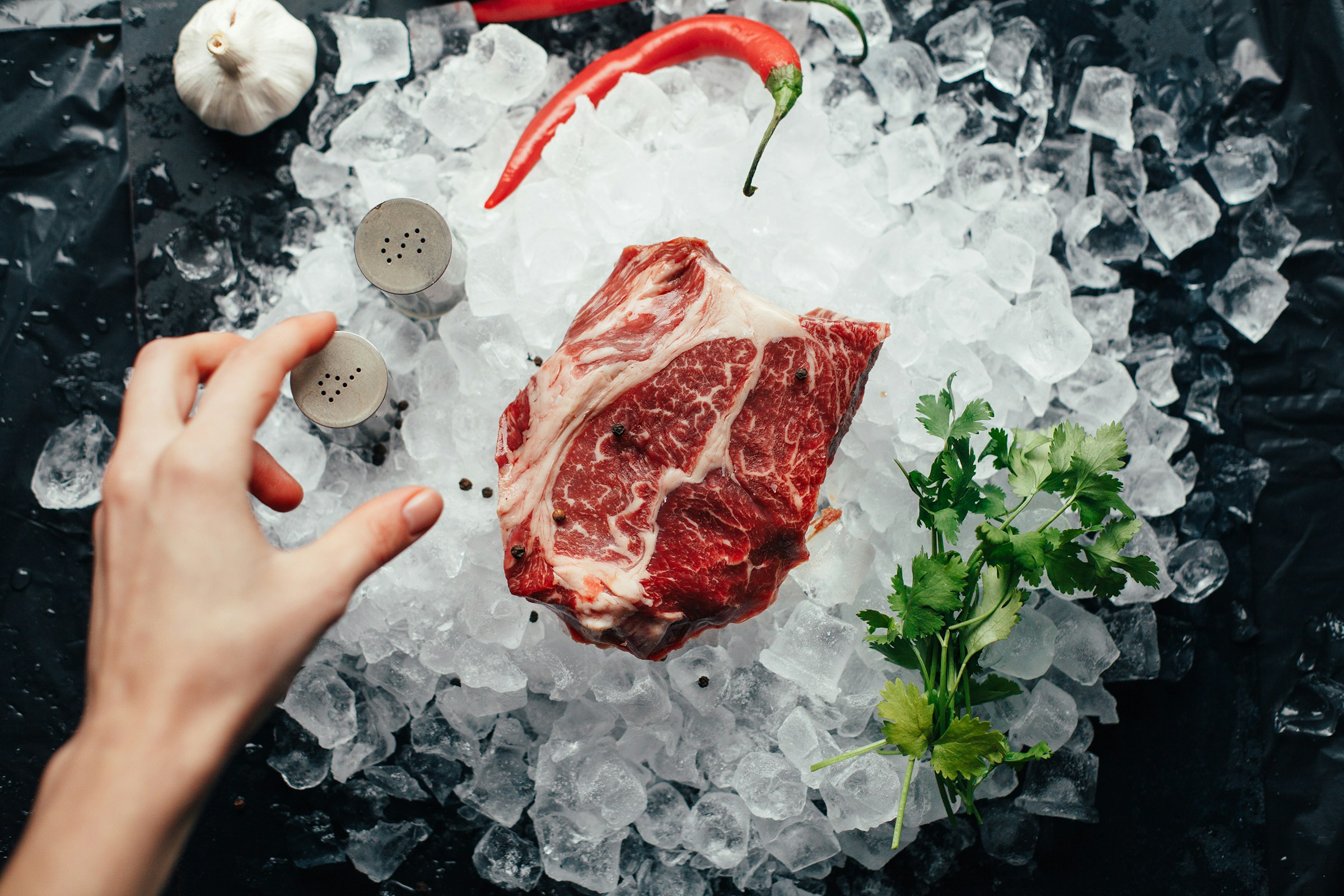

Most people give very little thought to where exactly raw meat lands in the fridge. You get home from the store, open the door, and slide the package onto whatever shelf has space. It feels harmless enough. The trouble is, that casual habit is one of the most common ways harmful bacteria spreads in a home kitchen, often without anyone realizing it until someone gets sick.
The CDC estimates that 48 million people get sick from a foodborne illness every year in the United States, with 128,000 hospitalizations and 3,000 deaths annually. A meaningful portion of those cases trace back to the kitchen, including the refrigerator itself. Where you store raw meat inside your fridge matters far more than most people expect.
The Shelf Most People Get Wrong
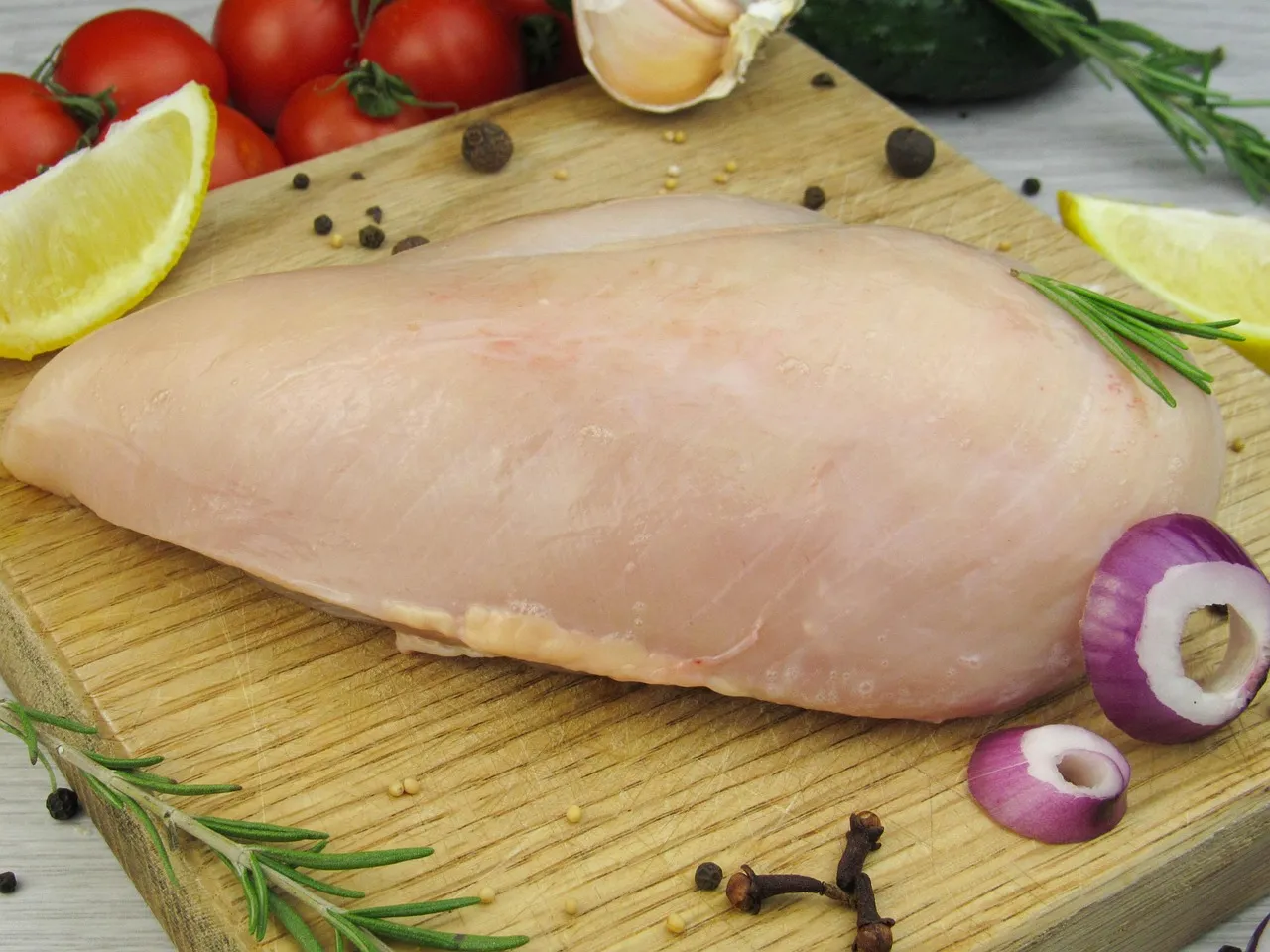
Walk into almost any household and you’ll find raw chicken, ground beef, or pork chops sitting on a middle or upper fridge shelf, usually wherever there happens to be room. It looks fine. The packaging is sealed. Nothing seems off. The problem, however, is invisible.
Raw meats should be stored on the bottom shelf of the refrigerator to prevent any juices from dripping onto other foods and causing cross-contamination. That drip risk is not theoretical. Packaging loosens, trays flex, and liquids find their way out, especially once a package has been handled a few times.
Juices from meats could potentially leak and drip onto the foods below. If lettuce leaves have chicken juice on them, they are contaminated and could make you very sick. Moving meat to the bottom shelf is one of the simplest changes a household can make.
Why the Bottom Shelf Is Colder, Too
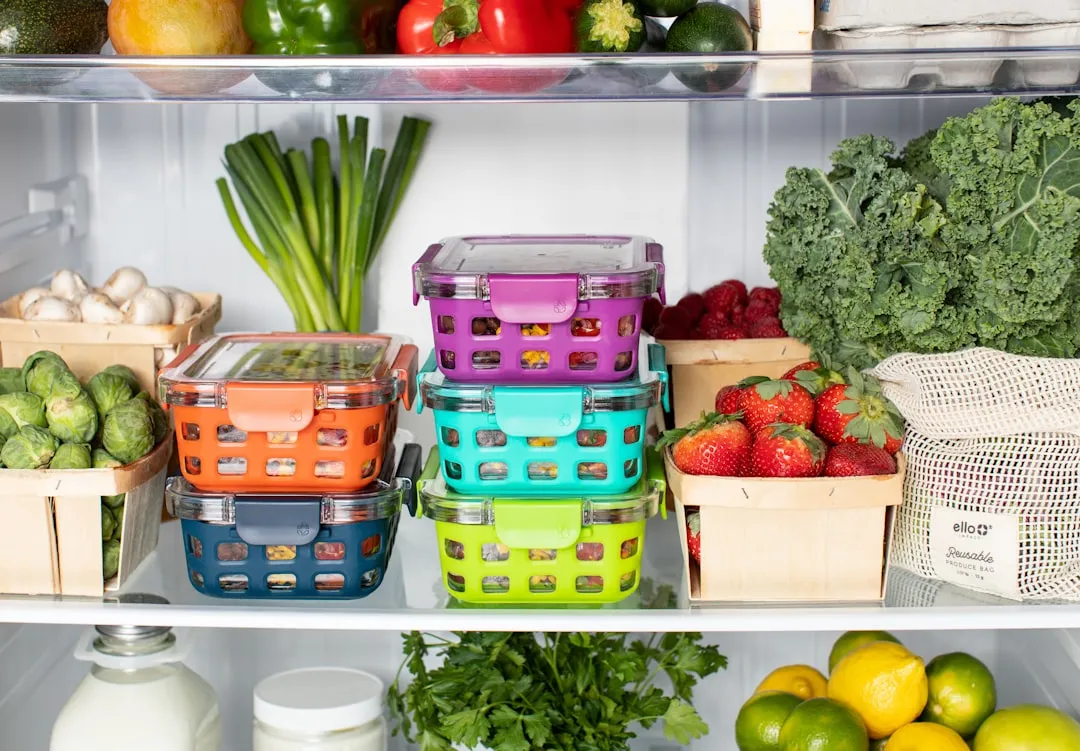
Raw meats belong on the bottom shelf of your refrigerator or walk-in cooler. This placement serves a vital purpose as the first defense against cross-contamination. The bottom shelf stays the coldest and prevents any drips from contaminating other foods.
Meat stored in a refrigerator should be kept between 32°F (0°C) and 40°F (4°C) in order to slow pathogen growth without actually freezing the meat. The natural temperature gradient inside most refrigerators means that the bottom section, furthest from the door, holds the most stable cold. That’s exactly what raw protein needs.
The Danger Zone Bacteria Love
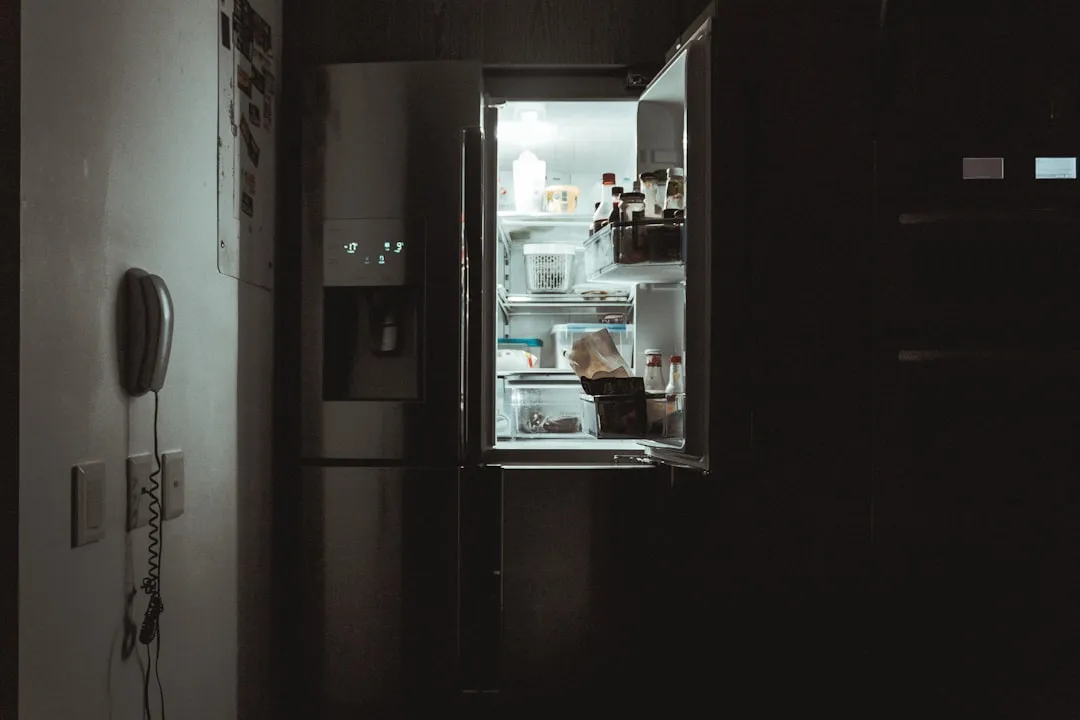
Raw meat, by its very nature, can harbor bacteria like Salmonella, E. coli, and Campylobacter. These pathogens thrive in the “danger zone,” temperatures between 40°F (4°C) and 140°F (60°C). A middle shelf near the door, which opens and closes repeatedly throughout the day, can fluctuate into that danger zone more easily than most people realize.
Fluctuating temperatures can compromise food safety. Avoid overcrowding your refrigerator, as this can restrict airflow and create warm spots. Overpacking the fridge, something nearly everyone does at some point, makes this problem significantly worse.
The Correct Order: A Refrigerator Hierarchy
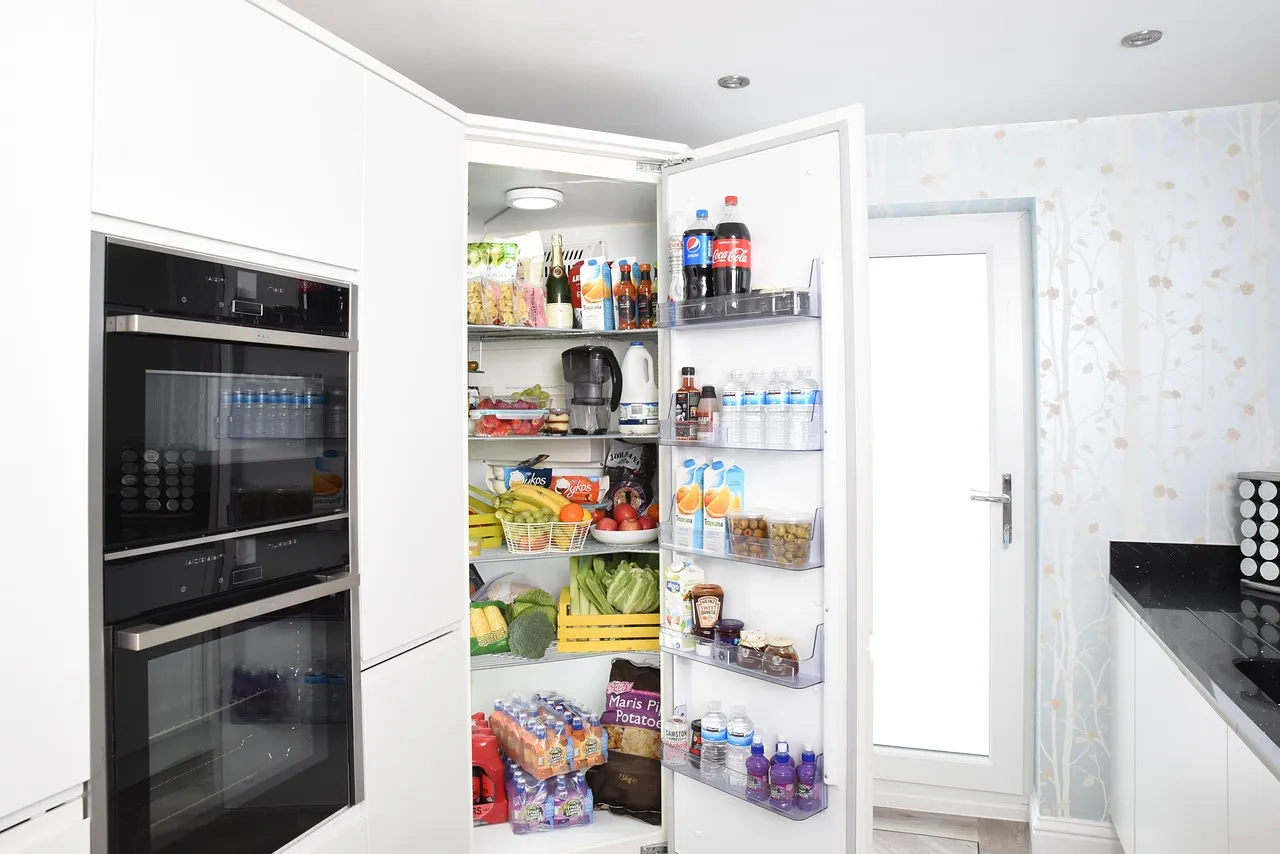
Food safety guidelines establish a clear stacking order inside a refrigerator, one organized around cooking temperatures, not convenience. A general rule of thumb to follow is that the lower the finished cooking temperature, the higher the shelf it should be stored on. Ready-to-eat and cooked food should go on the top shelf and be securely wrapped to prevent cross-contamination. Any ready-to-eat meats should be placed on the shelf below and should also be securely wrapped or in a sealed container. The bottom three shelves should hold raw food products.
Veal, raw beef, and pork products belong below foods requiring lower cooking temperatures to prevent cross-contamination. Ground beef, ground meats and fish, and shell eggs sit lower still, with raw poultry placed at the very bottom. This hierarchy mirrors required internal cooking temperatures, keeping the highest-risk items furthest down.
Raw Poultry Goes Lowest of All
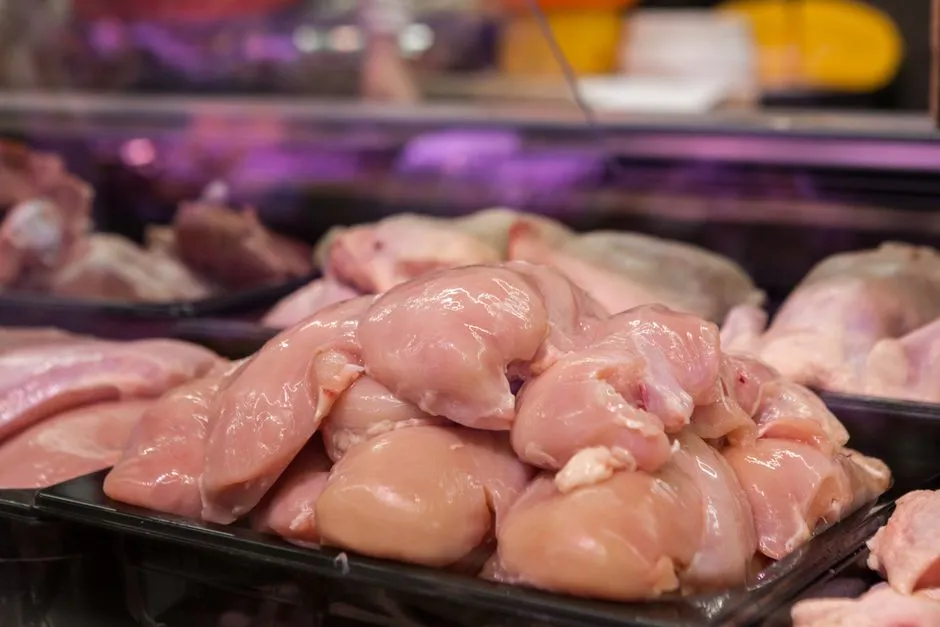
Raw poultry should be stored on the lower shelf of the refrigerator. This is non-negotiable from a food safety standpoint. Chicken in particular is strongly associated with Campylobacter and Salmonella, two of the most common causes of bacterial food poisoning in households.
Raw poultry stored above prepared and ready-to-eat food is a serious error. If stored in the same refrigerator, raw poultry should be stored on the bottom shelf, below any prepared or ready-to-eat items. Even a small drip of raw poultry juice onto a prepared salad or a piece of fruit can introduce enough bacteria to cause illness.
Containers and Packaging Matter Just as Much
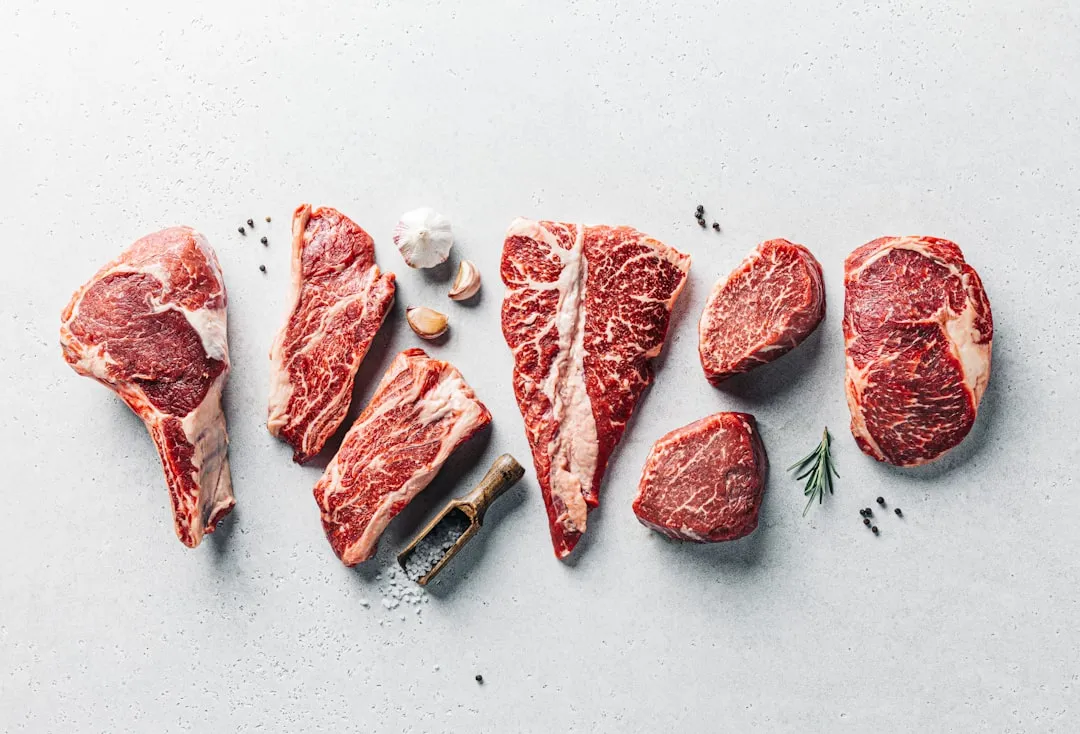
Store raw meat, poultry, and seafood on the bottom shelf of the refrigerator so juices don’t drip onto other foods and cause cross-contamination. When thawing meat in the refrigerator, meat should be placed on a plate or in a container to prevent juices from contaminating other foods. The container or plate acts as a physical barrier that packaging alone often can’t guarantee.
When storing raw meats, it is essential to use airtight packaging to prevent leakage and cross-contamination with other foods. Vacuum-sealed packaging or resealable plastic bags can effectively minimize exposure to air and bacteria, extending the shelf life of raw meats. Repackaging meat into a sealed bag or placing it in a shallow dish before refrigerating is a straightforward habit worth building.
How Long Raw Meat Actually Lasts
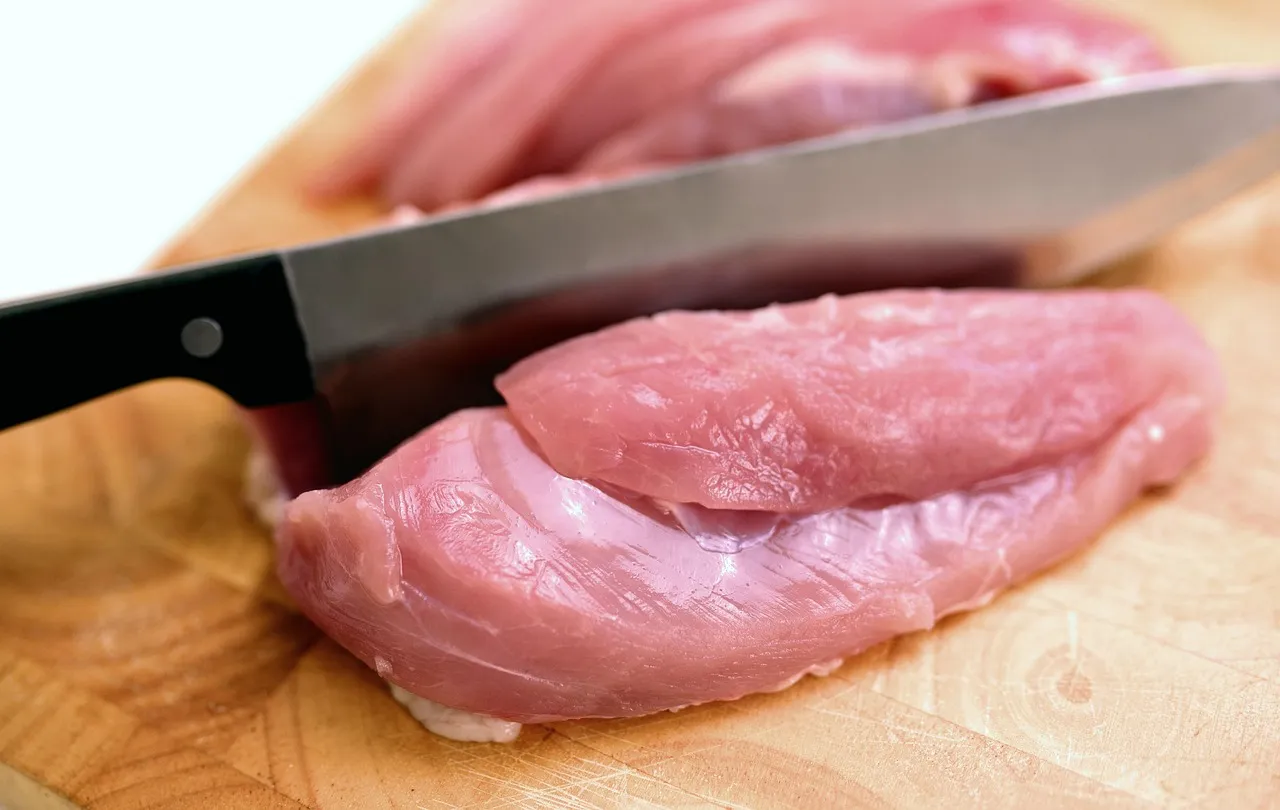
Keep uncooked ground meat and poultry in the refrigerator only one or two days before cooking or freezing. That window is shorter than many people assume. Whole cuts of beef, pork, or lamb last a bit longer.
Raw beef cuts such as chops, roasts, and steaks will last up to five days if wrapped tightly. Ground meat is a different story because the grinding process exposes far more surface area to bacteria. To ensure that raw meats remain safe to eat, it’s advisable to use or freeze them within a few days of purchase. If the meat won’t be consumed within this timeframe, it should be promptly frozen to maintain its quality and safety.
Cleaning the Refrigerator After a Drip
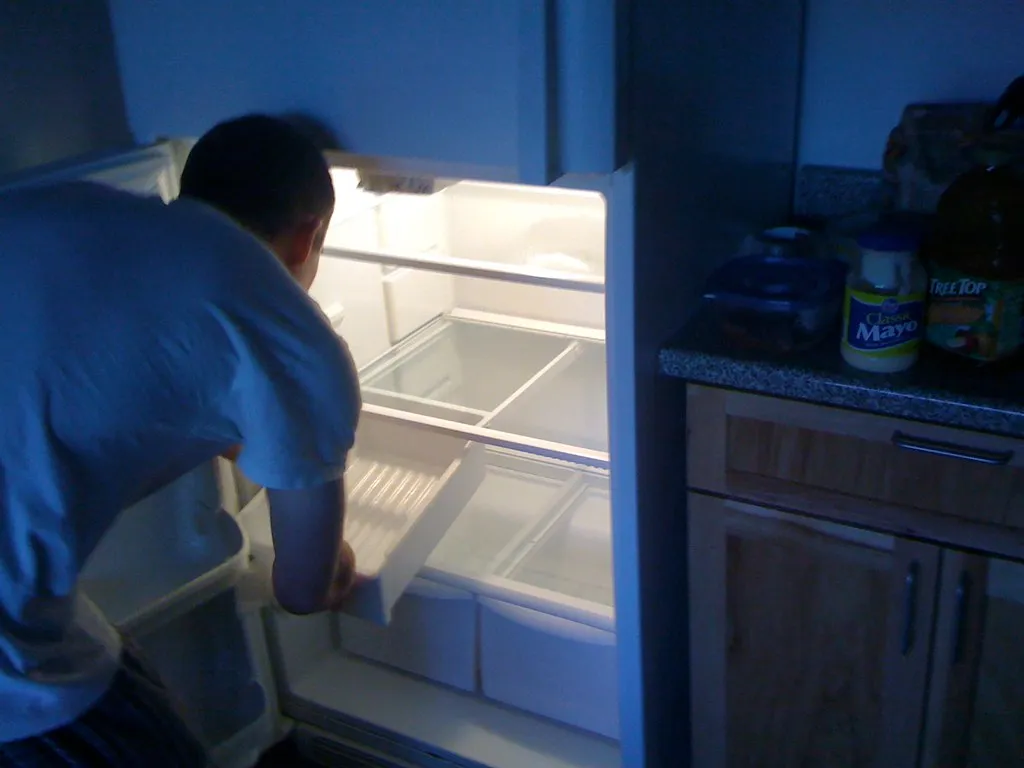
Even with the best habits, spills happen. A package shifts, a tray cracks, and suddenly there’s meat juice on a shelf. Clean up any spills in the fridge immediately, and at least once a month thoroughly clean shelves and all other surfaces inside. For an extra measure of food safety, wipe them down with a mixture of 1 teaspoon of bleach in 1 quart of water.
It is important that food kept in product drawers be protected from contamination by dripping meat that may be stored above. Promptly clean spills and routinely clean and sanitize inside and outside surfaces of the refrigerator. A quick wipe once a week goes a long way toward keeping cross-contamination risk low.
Hand Washing: the Step Often Skipped Right After
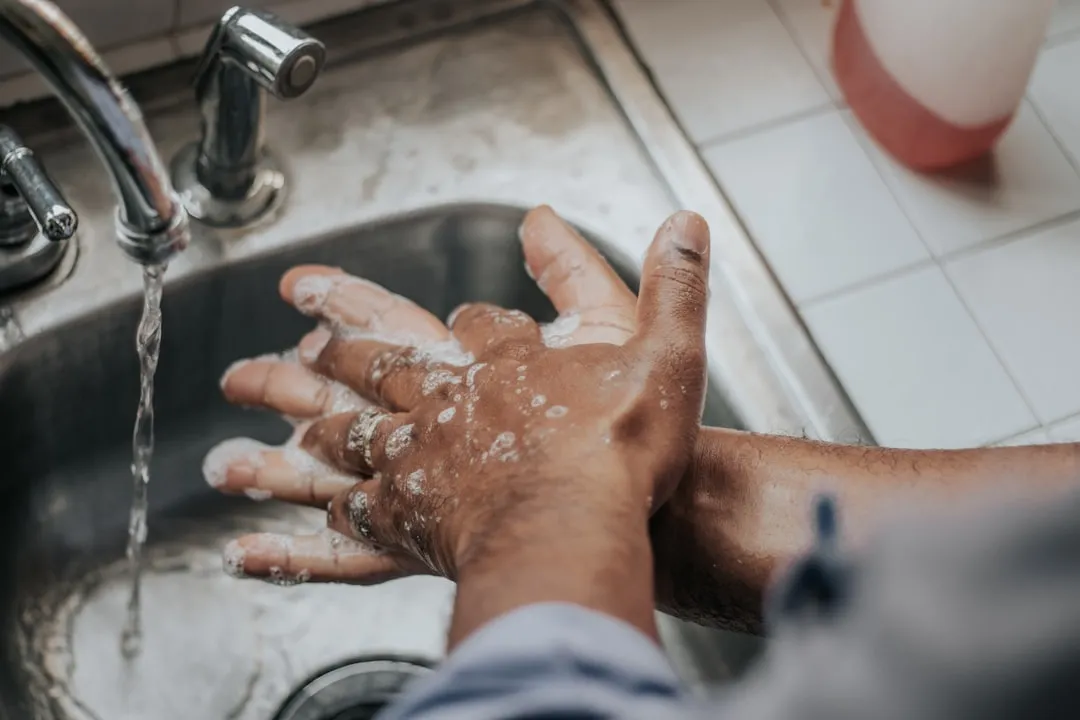
Storing meat correctly is only part of the equation. What happens after you handle the package matters just as much. Wash your hands before and after handling food, especially raw meat. It sounds obvious, but research has consistently found that hand-washing compliance in home kitchens remains low.
Every time you wash, wet your hands, use soap, and rub vigorously for at least 20 seconds before rinsing your hands in running water. Salt, pepper, and spice containers could be a significant source of cross-contamination in the kitchen. Touching a raw chicken package and then reaching for the pepper grinder is a genuine transfer pathway that most people overlook entirely.
The Foodborne Illness Numbers Are Still Rising
A total of 1,392 Americans in 2024 became ill after consuming a contaminated food item, up from 1,118 in 2023. The number of hospitalizations more than doubled, rising from 230 to 487, and deaths climbed from 8 to 19. These are the confirmed, reported cases. The true figure is almost certainly much higher.
The Centers for Disease Control and Prevention estimates that 1 in every 6 Americans becomes ill every year from contaminated food or beverages. Nearly all of the people who became ill from recalled food in 2024 were affected by outbreaks involving either Listeria, Salmonella, or E. coli. Proper home storage, starting with something as simple as the correct shelf, is one of the most direct things individuals can control.
The Takeaway
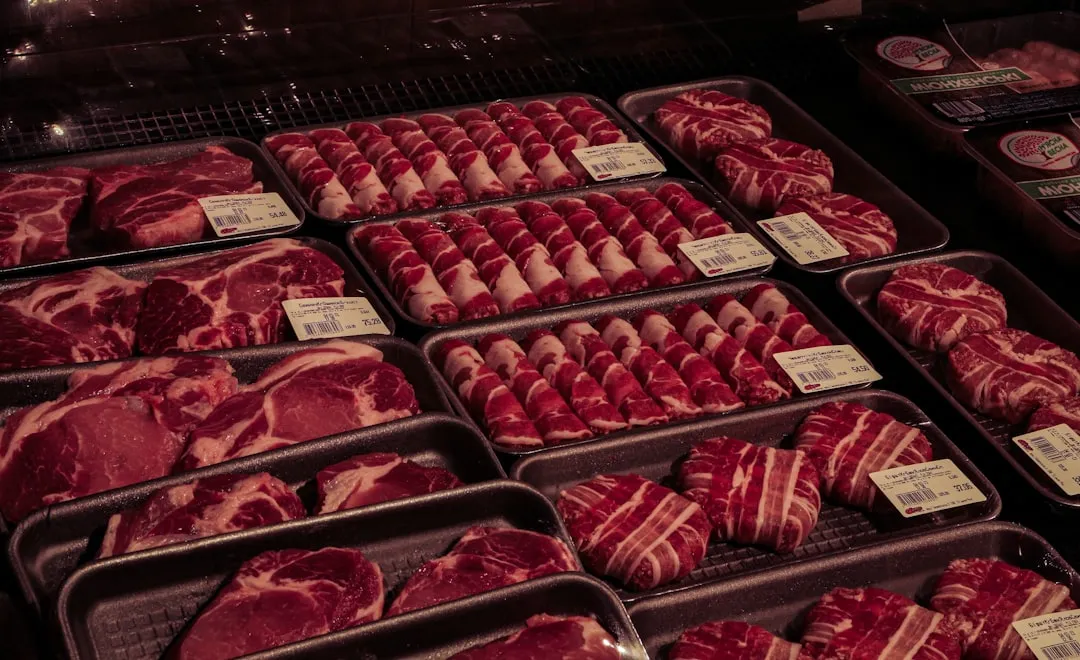
The bottom shelf of your refrigerator isn’t just the least convenient spot for raw meat. It’s the safest, the coldest, and the only placement that keeps drips from reaching ready-to-eat food. Food safety authorities, from university extension programs to the CDC and USDA, all point to the same rule.
Most kitchen errors that lead to foodborne illness aren’t dramatic. They’re quiet, habitual, and entirely fixable. Moving your raw meat to the bottom shelf, placing it in a container, and keeping your fridge temperature consistently at or below 40°F costs nothing and takes about five seconds. That’s a reasonable trade for avoiding a week of serious illness.
AI Disclaimer: This article was created with the assistance of AI tools and reviewed by a human editor.