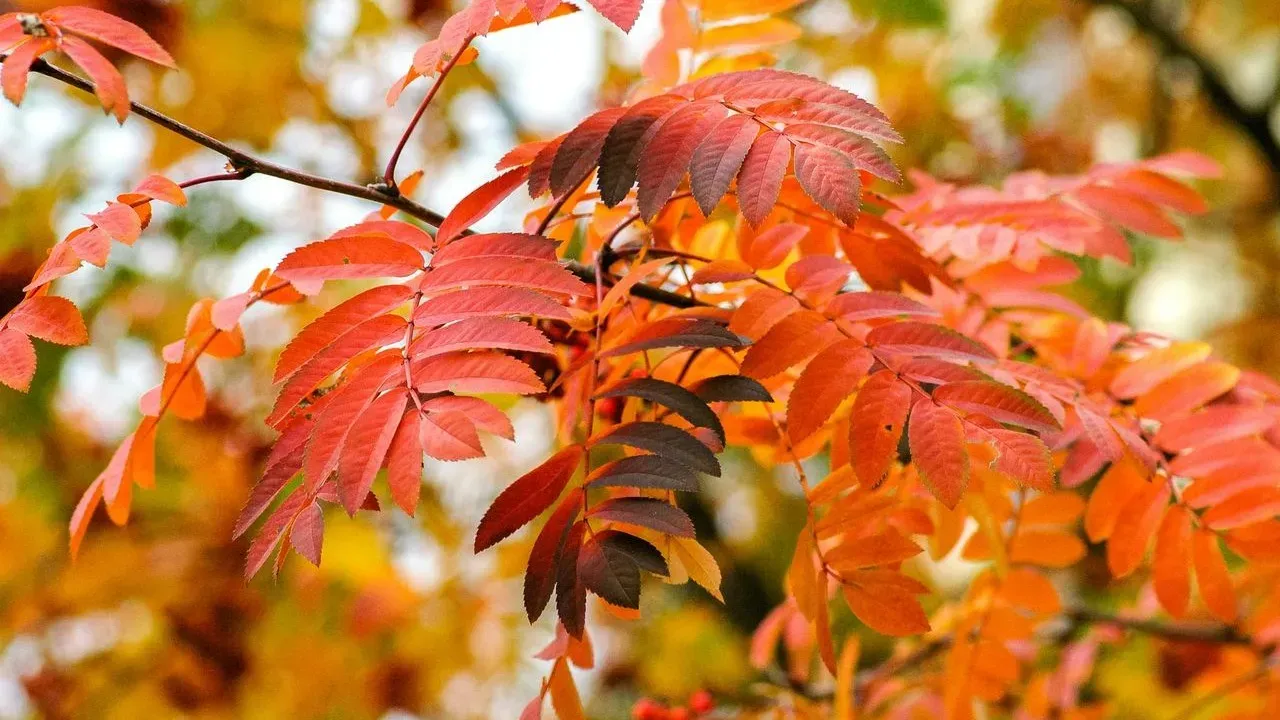

As summer fades, many homeowners look for ways to extend the enjoyment of their outdoor spaces into the cooler months. A well-planned fall garden can shift an ordinary yard into a welcoming retreat that appeals to the senses and offers a sense of comfort. Attention to color, texture, shape, and light helps achieve this seasonal transformation without requiring major overhauls.
Why the Shift to Autumn Design Resonates Now
Gardens change character as daylight shortens and temperatures drop. This natural progression creates an opportunity to emphasize elements that feel grounding and restorative during the transition. Many people find that thoughtful adjustments at this time of year produce spaces that feel more personal and lived-in than summer plantings alone.
The mood of a garden in autumn often leans toward quiet satisfaction rather than high energy. Designers note that this period rewards choices that highlight depth and warmth over bright, fleeting displays. Such an approach aligns with a broader desire for outdoor areas that support reflection and relaxation as the year winds down.
Using Color to Set a Welcoming Tone
Color choices in fall gardens tend to favor richer, muted palettes that echo the season’s natural shifts. Deep reds, warm oranges, and golden yellows can create visual cohesion while avoiding the intensity of peak summer blooms. These hues work together to produce an atmosphere that feels both lively and soothing.
Layering different shades within the same color family adds dimension without overwhelming the eye. Complementary tones, such as burgundy paired with soft cream, help guide the viewer through the space in a gentle rhythm. The result is a garden that invites lingering rather than quick passage.
Building Interest With Texture and Shape
Texture brings tactile and visual variety that color alone cannot provide. Rough bark, feathery grasses, and smooth seed heads offer contrast that remains appealing even after leaves drop. These elements keep the garden engaging on overcast days when light is softer.
Shape plays an equally important role in guiding movement and focus. Rounded shrubs can soften straight lines, while upright forms add height and structure. Combining these shapes creates a balanced composition that feels intentional yet natural, supporting the overall sense of an enclosed, cozy environment.
Working With Light to Enhance Atmosphere
Light changes dramatically in autumn, with lower angles and shorter days altering how plants and structures appear. Positioning elements to catch morning or late-afternoon sun can highlight textures and colors that might otherwise go unnoticed. This interplay turns ordinary features into focal points that shift throughout the day.
Strategic placement of reflective surfaces or pale foliage can bounce available light deeper into the garden. The effect extends usability into the evening and reinforces the feeling of a sheltered retreat. Careful consideration of these patterns helps maintain visual interest even as natural illumination decreases.
What matters now: Small, deliberate adjustments to color, texture, shape, and light can noticeably improve how a garden feels during the cooler months. These choices support a seasonal transition that rewards observation and presence.
Putting the Elements Into Practice
Successful fall garden design begins with observing the existing space under changing light conditions. Noting which areas receive the most sun or cast interesting shadows helps inform where to emphasize certain features. This observation phase prevents mismatched additions that fail to integrate with the surroundings.
Once priorities are clear, selecting plants and hardscape materials that support the desired mood becomes more straightforward. Repeating key colors or textures across different areas creates unity, while varying shapes maintains visual flow. The overall effect is a garden that feels cohesive and inviting from multiple vantage points.
Over time, these design decisions contribute to a space that continues to evolve gracefully. Rather than requiring constant intervention, the garden develops its own rhythm aligned with the season. This measured approach often yields the most satisfying results for those seeking a reliable autumn retreat.
AI Disclaimer: This article was created with the assistance of AI tools and reviewed by a human editor.