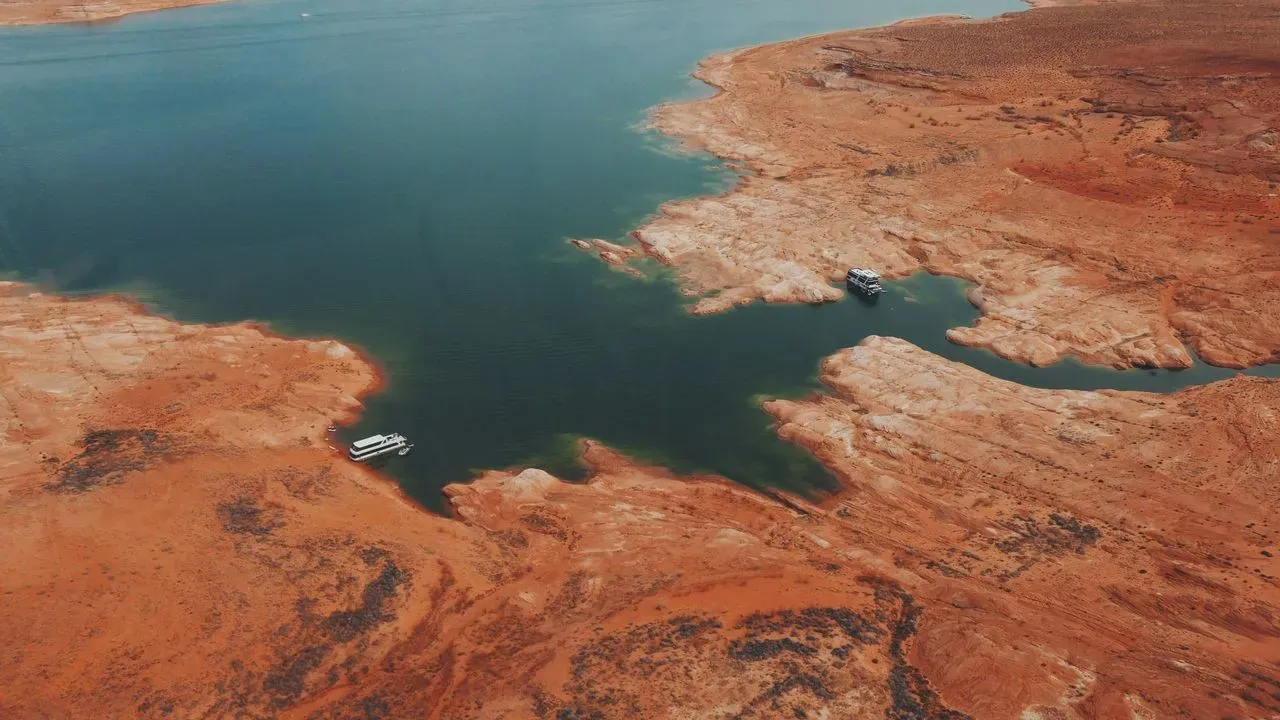

The water level at Lake Powell has fallen to a record low. This marks a significant milestone for the nation’s second-largest reservoir and underscores the persistent strain on the Colorado River system. Residents across several Western states now face heightened uncertainty over both water availability and electricity generation that depends on the reservoir’s operations.
A Reservoir at Its Limit
Lake Powell serves as a critical storage hub in the Colorado River basin. Its decline reflects years of reduced inflows and sustained demand. The current low point arrives after prolonged dry conditions that have affected the entire river network. Observers note that such levels test the system’s ability to meet commitments to downstream users.
Power and Water at Risk
Millions rely on Lake Powell for drinking water, irrigation, and hydropower. A continued drop could force adjustments in releases that affect cities, farms, and power grids. The reservoir’s turbines generate electricity for a wide area, and lower water means reduced output. Officials have already begun monitoring scenarios that could alter delivery schedules.
Everyday Consequences for Households
The record low translates into practical pressures for people who depend on the river’s resources. Water restrictions may tighten in coming seasons. Electricity rates could rise if hydropower production falls short. Communities are already weighing how to balance growth with limited supplies.
Implications for Gardens and Lawns
Homeowners and gardeners in affected states are paying close attention. Reduced water allocations often lead to stricter outdoor-use rules. Many are shifting toward drought-tolerant plantings and more efficient irrigation. These changes reflect a broader adjustment to long-term supply realities.
Simple steps such as soil amendments and timed watering help stretch limited resources. Local extension services continue to share region-specific guidance on resilient landscaping. The situation at Lake Powell serves as a reminder that water security touches daily choices far from the reservoir itself. Continued monitoring and adaptive practices will shape how the region responds in the months ahead.
AI Disclaimer: This article was created with the assistance of AI tools and reviewed by a human editor.