
Most of us were taught that plants are passive, silent organisms. They grow, they photosynthesize, and they wait. That assumption has now been quietly overturned by a body of scientific research that reveals a hidden world of sound happening just above our hearing range. Plants, it turns out, are far from silent when they’re in trouble.
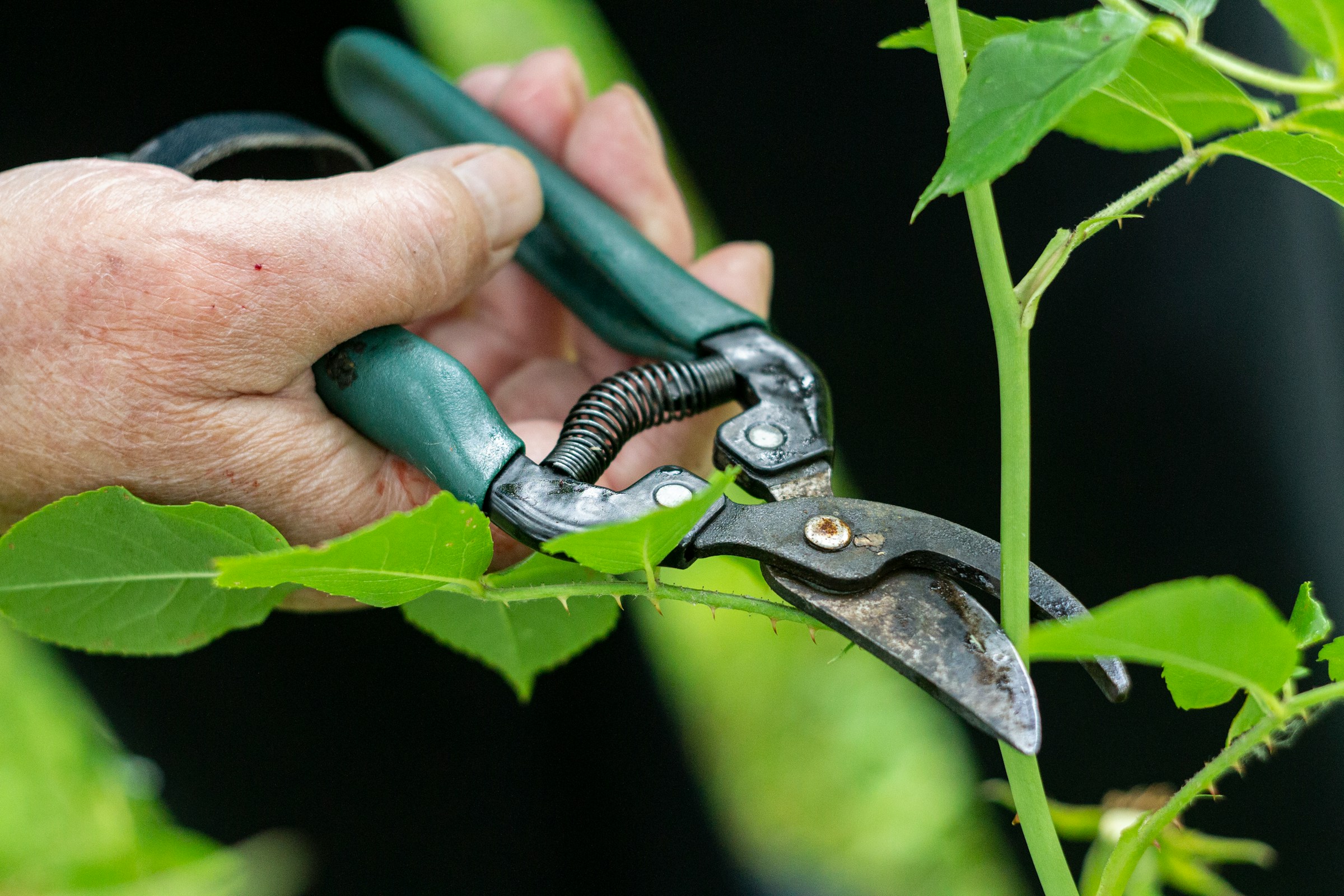
Hurt a plant, and it “screams.” Not in a way humans can hear, but stressed plants release bursts of ultrasonic sound that resemble faint pops or clicks, similar to bubble wrap snapping. The discovery is reshaping how biologists think about plant behavior, stress responses, and the possibility that botanical life communicates in ways we’ve only recently begun to document.
The Landmark Study That Started It All

Researchers in Israel reported in the journal Cell that tomato and tobacco plants stressed from dehydration or having their stems severed emit sounds that are comparable in volume to normal human conversation. The study came out of Tel Aviv University and quickly drew international attention from the scientific community.
The research was led by Lilach Hadany, a senior evolutionary biologist and theoretician at Tel Aviv University, and reveals that plants emit high-pitched clicks under stress due to drought, infections, or cuts. What made the work especially striking was not just the existence of these sounds, but the fact that they carry distinct, classifiable information about the plant’s condition.
Frequencies Beyond the Human Ear
These sounds fall in the range of 40 to 80 kHz, which is inaudible to humans, but they offer valuable information on plant health and can be detected from several meters away. For context, healthy human hearing typically tops out somewhere around 16 kHz, so these emissions are well out of our perceptual range.
While these clicks exist at the volume of a normal human conversation, they occupy the ultrasonic range, well beyond the typical human hearing threshold. The gap between “loud enough” and “audible to us” turns out to be quite significant in the world of plant acoustics.
How the Experiments Were Designed

Lilach Hadany and her team confirmed this inaudible response by placing tomato and tobacco plants in a soundproof chamber, poking them, starving them for water, and then recording the sounds they made. The controlled setup was critical for ruling out ambient noise and other confounding sources.
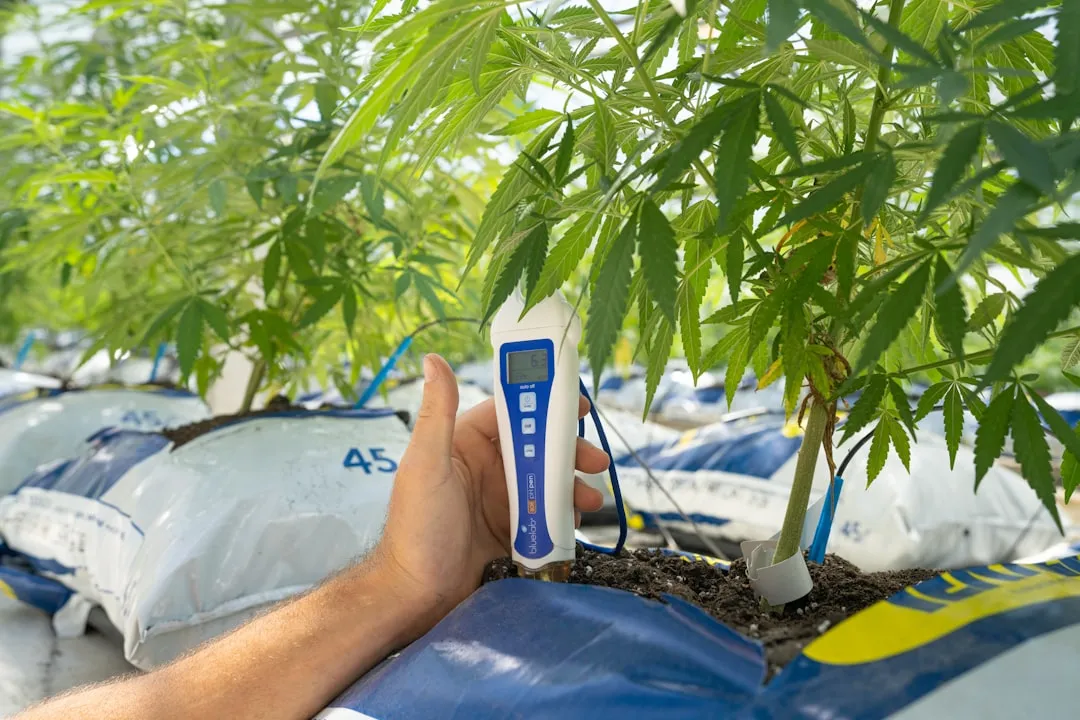
The researchers used microphones to record healthy and stressed tomato and tobacco plants, first in a soundproofed acoustic chamber and then in a noisier greenhouse environment. They stressed the plants via two methods: by not watering them for several days and by cutting their stems. Running the experiments in both environments helped confirm that the findings were not artifacts of a single setting.
What the Sounds Actually Sound Like
The plant sounds resemble pops or clicks, and a single stressed plant emits around 30 to 50 of these clicks per hour at seemingly random intervals, while unstressed plants emit far fewer sounds. The difference in output between a calm plant and a distressed one is stark and measurable.
Thirsty tomato plants emitted about 35 ultrasonic clicks per hour inside hushed acoustic boxes. Tomato plants cut at the stem were slightly less noisy, and tobacco plants clicked even less. Each species and each type of stress produced its own acoustic signature, which proved useful for the next stage of the research.
Machine Learning Enters the Picture

After recording the plants, the researchers trained a machine-learning algorithm to differentiate between unstressed plants, thirsty plants, and cut plants. The approach brought a level of precision to the classification that would be impossible with the human ear alone.
Identification of these sounds was achieved using ultra-sensitive microphones and advanced machine learning techniques, which made it possible to distinguish specific sounds emitted by plants from ambient noise in environments such as greenhouses and acoustic chambers. The researchers trained algorithms to identify different types of sounds emitted in response to specific stressors, achieving roughly 70 percent accuracy in detecting problems such as drought, stem cutting, or even early-stage diseases. That level of accuracy, while not perfect, is a meaningful proof of concept for field applications.
The Cavitation Theory: What’s Physically Happening Inside the Plant
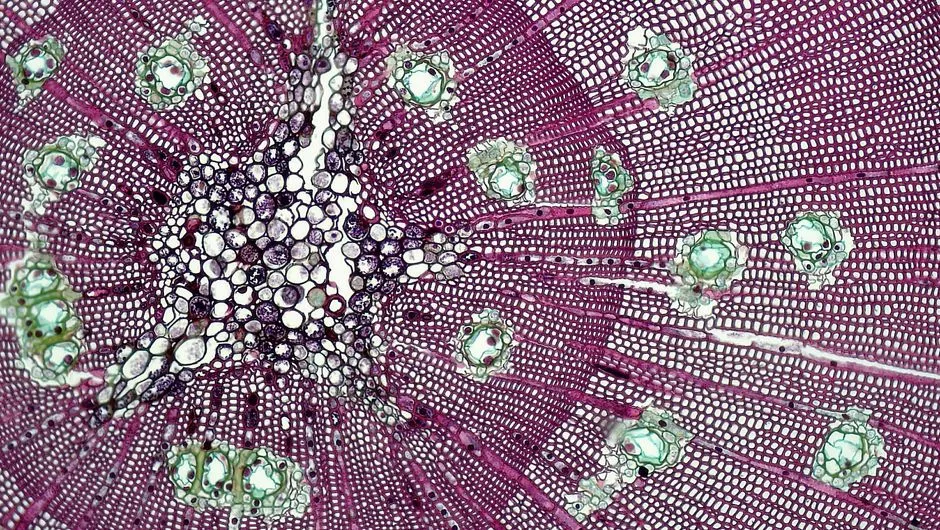
While the study does not fully explain how plants generate these sounds, the researchers suspect a connection to cavitation. This is one of the more intriguing pieces of the puzzle, linking the acoustic output to a known physical process inside the plant’s vascular system.
If the tension in the xylem conduits becomes too high, the water column may undergo cavitation and embolism. As a result of this process, a microscopic bubble may form, inducing vibrations within the adjacent water. Under more severe water stress, air bubbles can form in the water-conducting xylem tissue via cavitation. Each popping bubble, invisible to the naked eye, appears to produce one of those audible clicks.
Who Else Might Be Listening
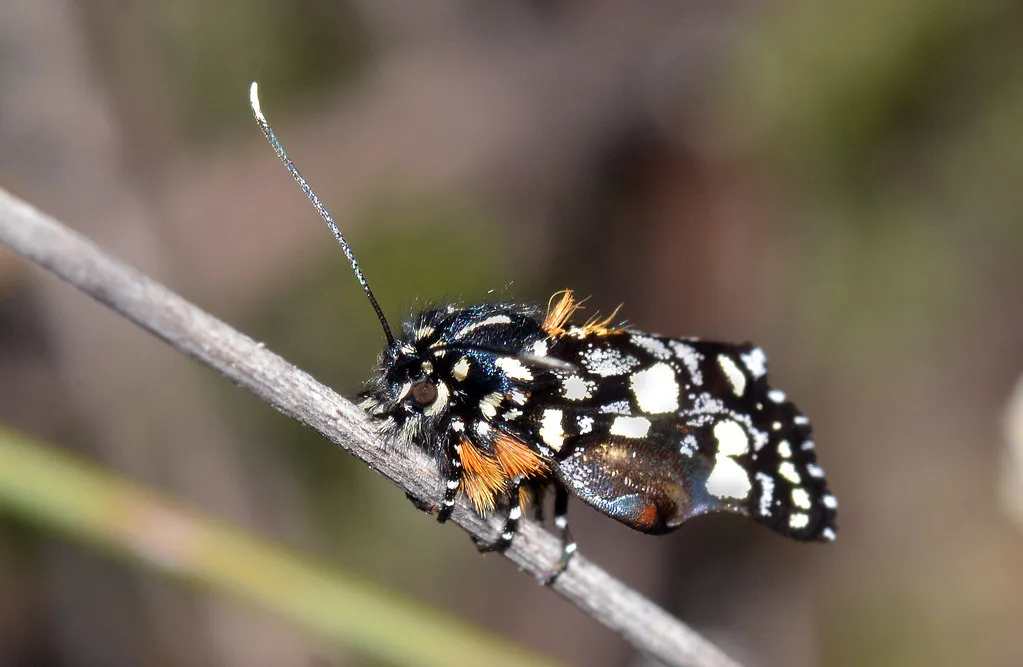
The frequency of these noises is too high for human ears to detect, but they can probably be heard by insects, other mammals, and possibly other plants. This raises the possibility that the sounds are not just a byproduct of stress but part of a broader ecological signaling network.
The intriguing aspect is that these ultrasonic emissions may not be entirely random. Hadany suggests that creatures such as bats, moths, and mice may be able to detect and interpret these sounds, potentially gaining insights into the condition of the plant and its species. If animals have evolved to use this information, the implications for ecology are significant.
Moths That Eavesdrop on Stressed Plants
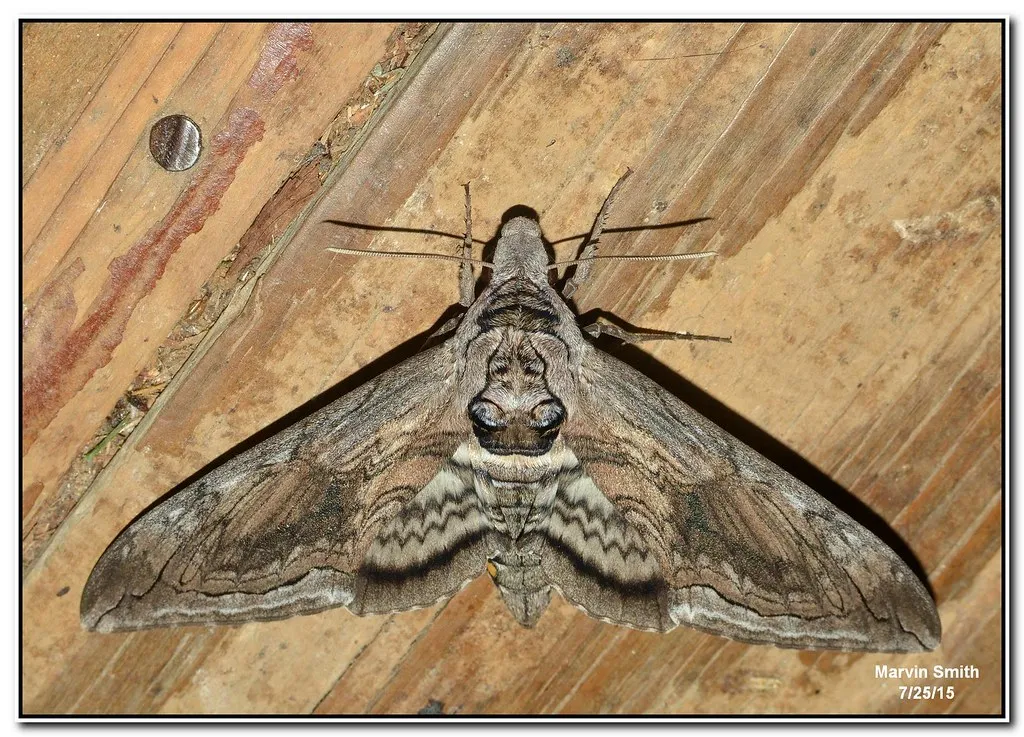
In a study from Tel Aviv University, female moths avoided tomato plants that “sounded” dry. The team recorded ultrasonic clicks from dehydrated plants, then played those sounds next to otherwise healthy tomatoes. Given a choice, the moths chose the silent plants for laying their eggs, a behavior scientists interpret as an attempt to give their larvae a better chance at survival.
This suggests the acoustic signals from plants are not just a laboratory curiosity. They appear to influence real behavior in real organisms, which means they may have been shaping ecological relationships for a very long time without anyone noticing.
The Promise for Precision Agriculture

The results demonstrating the ability to distinguish between drought-stressed and control plants based on plant airborne sounds open an avenue of research in the field of precision agriculture. Plant sounds can be effectively classified by machine learning algorithms. The practical upside of this is considerable for farming at scale.
This finding has implications for precision agriculture, as it could allow early detection of problems, optimizing the use of resources and improving agricultural sustainability. Instead of waiting for visible signs of drought or disease, farmers could one day use acoustic monitoring to catch problems days earlier, before crops begin to decline.
What the Research Does Not Yet Claim

While often called “screaming,” these plant sounds are not conscious cries in any meaningful sense. Researchers are careful to distinguish between a measurable biological response and the kind of intentional communication that word implies. The terminology is evocative, but the science behind it is grounded and specific.
Plant sounds can be effectively classified by machine learning algorithms, and researchers thus suggest that other organisms may have evolved to classify these sounds as well and respond to them. Whether plants themselves “hear” these sounds and respond remains an open and actively studied question. The field is young, and many of its most interesting answers have not yet arrived.
The Takeaway

What this research ultimately reveals is that silence, as it applies to the plant world, was always a human limitation rather than a botanical fact. Plants have been producing acoustic signals under stress for as long as they have existed. We simply lacked the tools and the curiosity to detect them.
The fact that plants are making these sounds opens a whole new avenue of opportunities for communication, eavesdropping, and exploitation of these sounds, according to co-senior author Yossi Yovel, a neuro-ecologist at Tel Aviv University. The garden outside your window may be a great deal louder than you think, just not in any frequency you’ve ever been equipped to hear.
AI Disclaimer: This article was created with the assistance of AI tools and reviewed by a human editor.