
Every spring, a ruby-throated hummingbird finds its way back to the same feeder hanging on the same porch it visited the year before. It crossed the Gulf of Mexico to get there, roughly 500 miles of open water without a single rest stop. Most people who witness this don’t fully register what it means: a creature weighing less than a nickel just completed a feat of navigation that would leave even our best GPS systems struggling for an explanation.
Bird migration is one of biology’s most compelling puzzles, and the closer researchers look, the more remarkable it becomes. The distances involved are staggering, the precision extraordinary, and the loyalty to specific locations almost personal in its consistency.
The Sheer Scale of the Journey
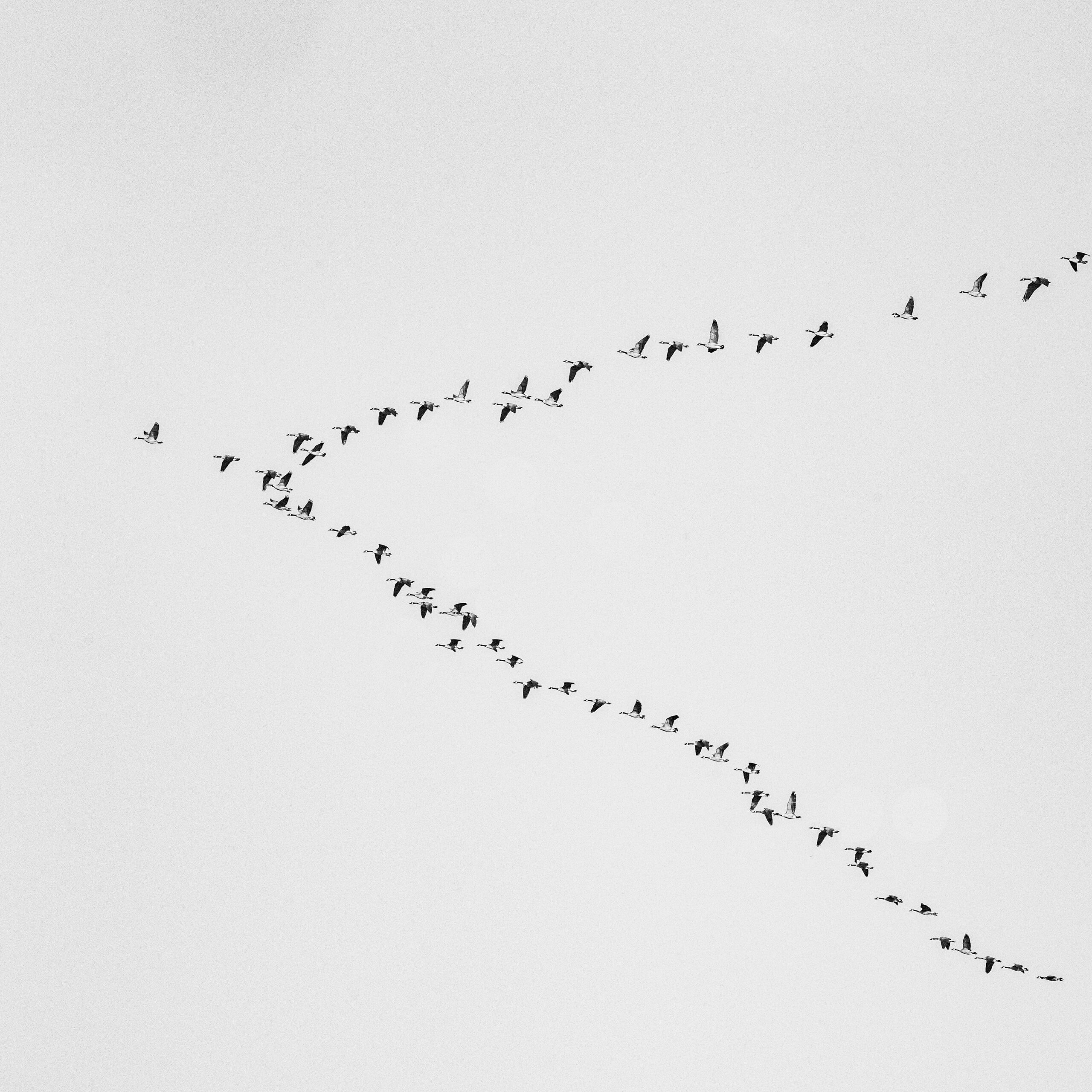
At least 4,000 species of bird are regular migrants, which is about 40 percent of the total number of birds in the world. That alone is worth pausing on. On a single autumn night with favorable winds, there can be more than one billion birds in the air over the United States alone.
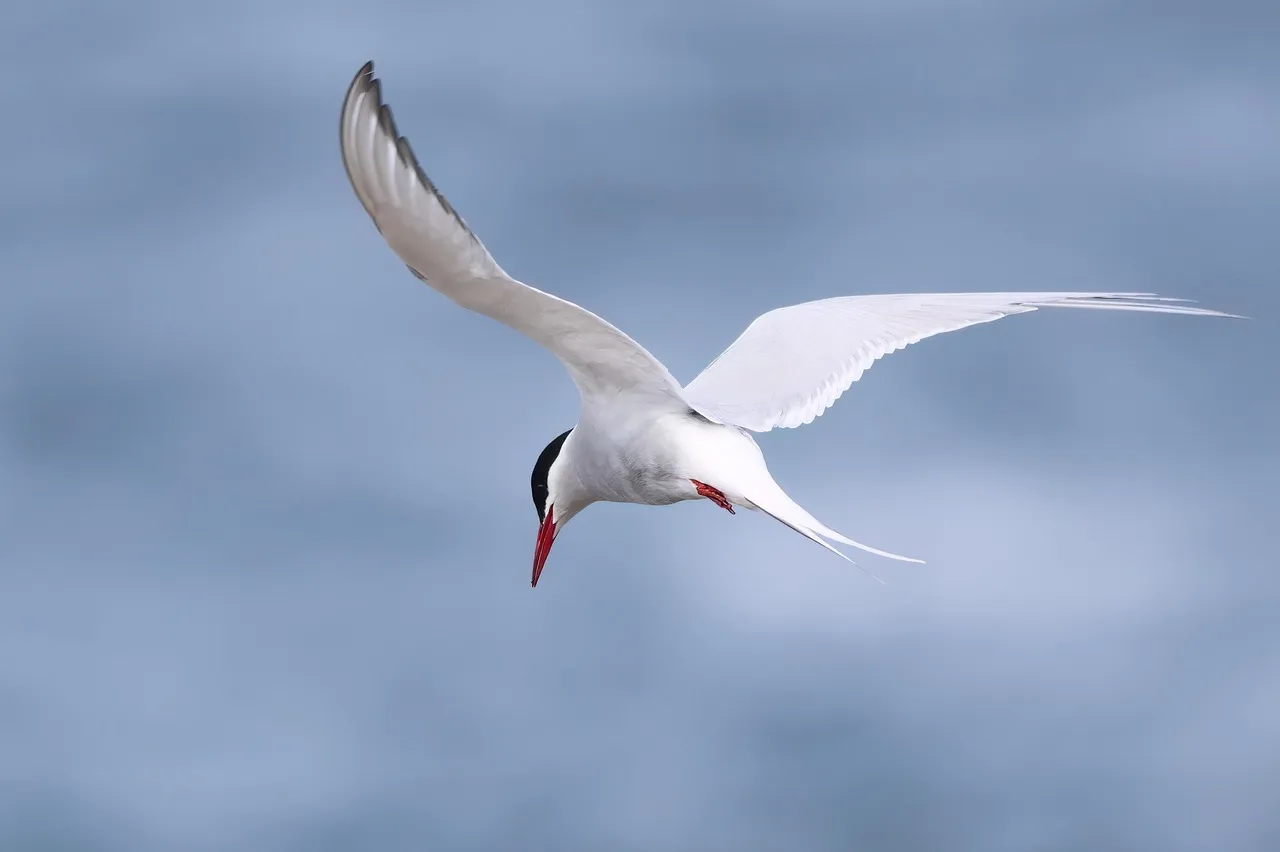
Arctic terns undertake pole-to-pole roundtrips spanning more than 60,000 miles, a record believed to be the world’s longest migration of any animal. An Arctic tern can live up to 30 years, and if the distance it traverses over its lifetime is added up, it is equivalent to a journey to the moon and back.
Bar-tailed Godwits depart Alaska at the end of summer and fly nonstop for 8 days over the Pacific Ocean, landing in New Zealand. The Red Knot makes annual migrations of up to 9,300 miles from Arctic breeding grounds to wintering areas as far south as Tierra del Fuego. These are not outliers. They are examples of a pattern repeated across thousands of species every year.
Why Migration Evolved in the First Place
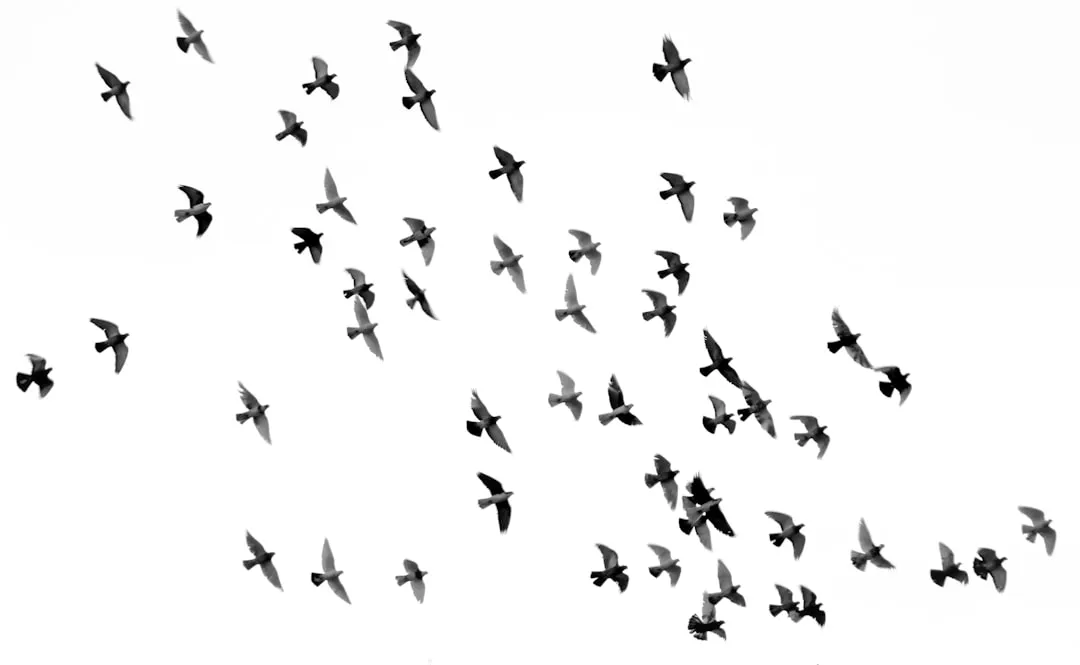
Birds migrate to move from areas of low or decreasing food to areas of high or increasing resources. The three primary resources they search for are food, water, and nesting locations. Birds that nest in the Northern Hemisphere tend to migrate northward in the spring to take advantage of burgeoning insect populations, budding and flowering plants, and an abundance of nesting sites.
As their nesting zones moved north during periods of glacial retreat, birds continued to return to their tropical range as winter weather and declining food supplies made survival more difficult. Supporting this theory is the fact that most North American warblers, orioles, vireos, tanagers, flycatchers, and swallows evolved from ancestral birds that originated in the tropics.
Migration can be triggered by a combination of changes in day length, cooler temperatures, changes in food supplies, and genetic predisposition. The triggers are layered, not singular. A bird doesn’t simply sense cold and leave. It responds to a finely calibrated set of biological signals built up over millions of years.
The Magnetic Compass Inside Every Migrating Bird

Migrating birds use celestial cues to navigate, much as sailors of yore used the sun and stars to guide them. Unlike humans, birds also detect the magnetic field generated by Earth’s molten core and use it to determine their position and direction.
Many migratory species use cues from the sun, stars, landmarks, olfaction, and the Earth’s magnetic field. Among vertebrates, songbirds are the most studied taxon in magnetic-cue-related research. Research published in the Proceedings of the Royal Society B in 2024 found that birds can use a combination of magnetic inclination and magnetic declination to locate their position, even when the values of these cues do not match the geospatial variation of the total intensity of the Earth’s magnetic field.
Despite experimental “virtual displacement,” birds adjusted their migratory routes as if they were in a new location, demonstrating compensatory behaviour. This response suggests that birds can extract both positional and directional information from magnetic cues, even when other components of the Earth’s magnetic field remain unchanged. It’s a form of internal mapping that researchers are still working to fully understand.
Stars, Sunsets, and the Layered Navigation System
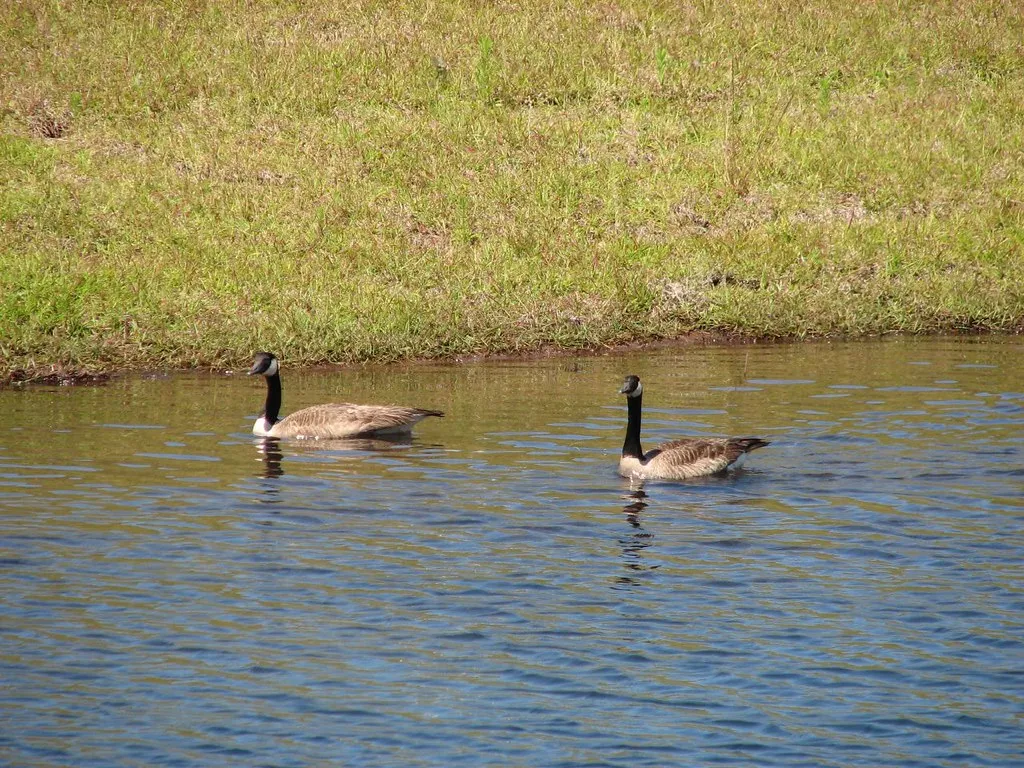
Migratory birds use multiple sources of compass information for orientation, including the geomagnetic field, the sun, skylight polarization patterns, and star patterns. These systems don’t operate in isolation. They cross-check and calibrate each other continuously throughout a flight.
During the premigratory season, celestial information is given the greatest salience and used to recalibrate the magnetic compass by both juvenile and adult birds. Sunset polarized light patterns from the region of the sky near the horizon appear to provide the calibration reference for the magnetic compass.
While the sun gives birds a daily orientation, the geomagnetic field offers a constant reference that persists regardless of weather. Inside the beak, and sometimes behind the ears, birds have magnetoreceptor cells that contain biomineralized iron compounds, primarily magnetite. This essentially gives birds a built-in compass embedded in their own anatomy.
Site Fidelity: The Science of Returning to the Same Spot

Site fidelity, the tendency to return to a previously visited site, is commonly observed in migratory birds. This behaviour would be advantageous if birds returning to the same site benefit from their previous knowledge about local resources.
Most migratory birds return every year to the same breeding sites, and some species show a similarly high fidelity to wintering grounds as well. Migrating birds can cover thousands of miles during their annual flights, often traveling the same course year after year with little deviation.
Site fidelity can help many migratory species reduce uncertainty in their environment, especially when migratory stopover periods leave little time to explore and evaluate new habitat. In other words, returning to a known yard isn’t just sentimental. It’s efficient. A bird that already knows where the food is, where predators lurk, and where to nest doesn’t have to waste critical energy relearning any of it.
What the Data Actually Shows
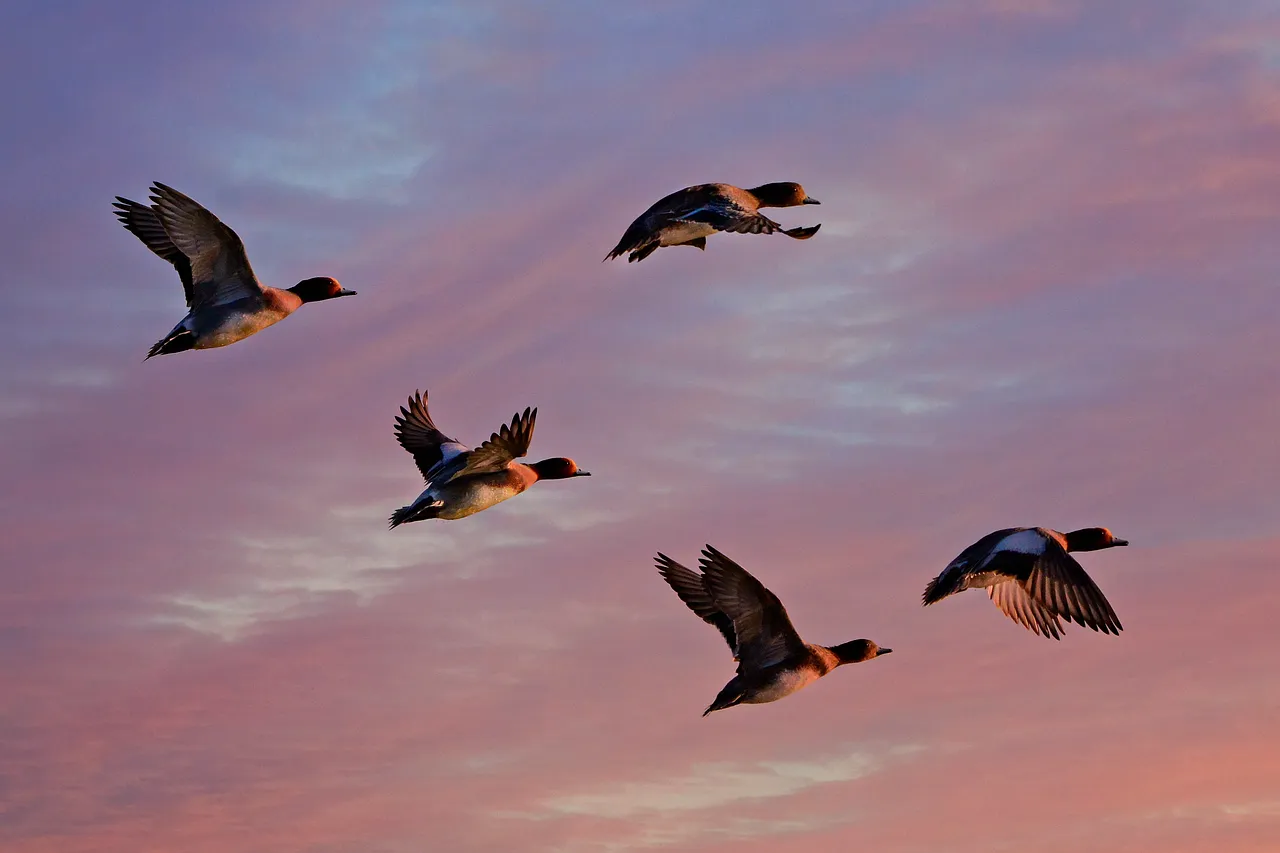
A major study published in Conservation Biology in June 2026 offers some of the most comprehensive evidence yet on just how precise site fidelity is among long-distance migrants. The study used an extensive dataset of 636,167 records of over 84,000 banded individual shorebirds from 1976 to 2025 to present an overview of site fidelity for 12 migratory shorebird species during their nonbreeding season in Australia.
Tracking studies on American Woodcock reinforce the same pattern. Nine birds tagged in West Virginia in 2024 were checked in, and all but one returned to the same breeding areas as the previous year. Most of the Louisiana-tagged birds followed very similar migratory paths as they did during their spring 2024 migration.
These numbers make a clear case. Site fidelity is not an occasional quirk. It is a dominant strategy in migratory bird behavior, shaped by millions of years of selection pressure toward exactly this kind of precision.
Memory, Learning, and Social Bonds

Site fidelity is not purely a spatial phenomenon. Research published in the Proceedings of the National Academy of Sciences found something that surprised many ornithologists. Golden-crowned sparrows return from breeding in Alaska and Canada to the same social communities in California year after year, and these social associations influence site fidelity at the scale of the home range.
Site fidelity may be driven by site familiarity when an animal benefits from prior knowledge of the local landscape and resources. It may also stem from long-term social relationships, with individuals repeatedly returning to the same location because of the social benefits of associating with familiar individuals, such as reduced aggression and increased feeding.
This means the bird at your feeder may be returning not just because your yard has good food, but because it associates that location with familiar neighbors it has interacted with before. Migration, it turns out, has a social dimension that researchers are only beginning to map properly.
How Young Birds Learn the Route
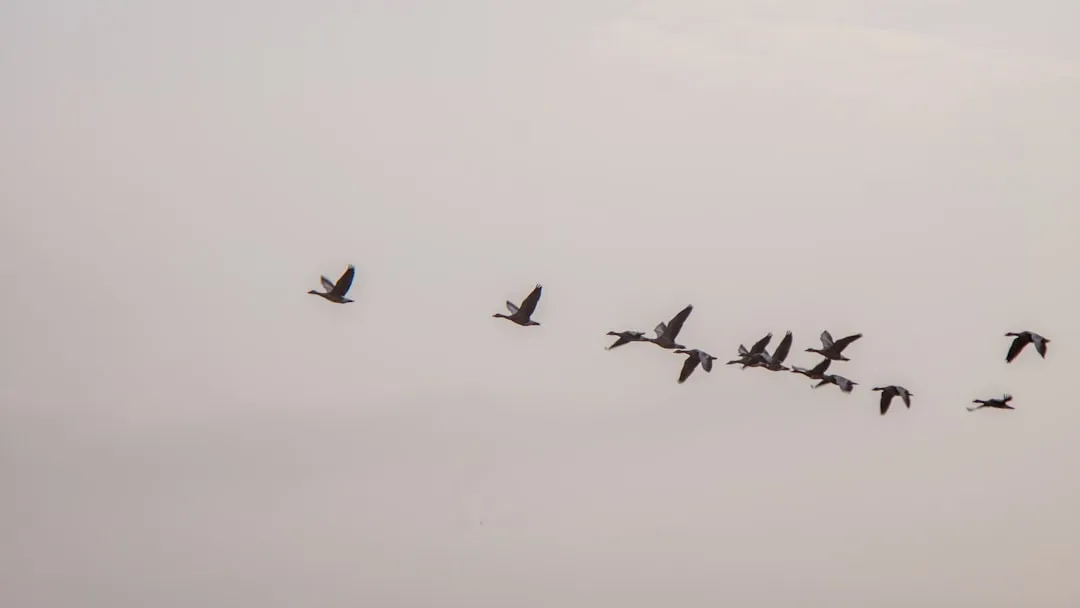
First-time migrants face a particularly striking challenge: they’ve never made the journey before. Billions of young birds, including warblers and flycatchers, terns and sandpipers, set out on spectacular and dangerous migrations every spring, skillfully navigating the night skies without any help from more experienced birds.
Research published in the Royal Society Proceedings in 2024 found that naive migratory songbirds use inherited directions as part of their clock-and-compass programme to reach their winter grounds during their first migration. The route, in a real sense, is partly written in their genes. The first journey is largely instinctive; every journey after that is increasingly refined by memory and experience.
This combination of inherited programming and learned memory is why young birds occasionally overshoot or drift off course while older birds are remarkably precise. The system improves with each completed migration, building a richer internal map year by year.
When Habitat Changes and the Route No Longer Works
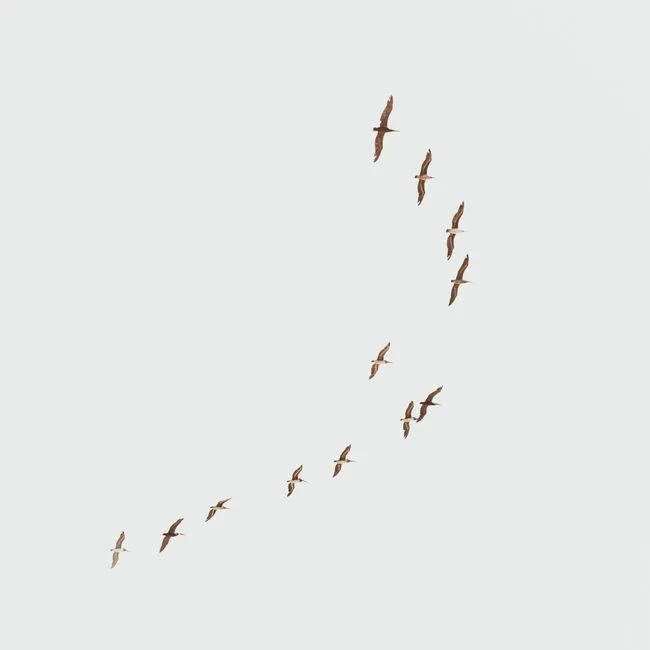
When habitat quality declines at a site over time, birds with lower site fidelity might benefit from a tendency to move to sites with better habitats. Site fidelity is commonly observed in migratory birds, but it carries a real cost when the environment shifts around it.
Shorebirds that migrate annually via the East Asian-Australasian Flyway have experienced rapid population declines due to habitat loss in Asia. Although high site fidelity may influence these declines under a global change scenario, only limited species-specific analyses of site fidelity had been previously conducted before recent research.
The loyalty that makes migration so precise is also what makes migratory birds vulnerable. A bird that returns to the same estuary year after year cannot simply redirect itself when that estuary gets drained or developed. Overall, migration schedules seem to be shifting as a result of climate change. This mismatch between inherited behavior and rapidly changing landscapes is one of the most pressing conservation challenges ornithologists face today.
The Physical Toll of Migration

To prepare for the extremely taxing effort of migration, birds enter a state called hyperphagia, where they bulk up on food in the preceding weeks to store fat, which they later use for energy on their long journeys. This nonstop journey requires birds to nearly double their body weight in fat reserves beforehand.
Migratory birds travel at speeds ranging from 15 to 55 miles per hour, depending on the species, prevailing winds, and air temperature. At these rates, migratory birds typically fly from 15 to 600 miles or more each day. Over a full migration season, that daily grind adds up to something almost incomprehensible.
Migration can be extremely dangerous for birds, and many don’t make it back to their starting point. Sometimes natural occurrences like harsh weather play a role, but many times human activities are the cause of birds’ untimely demise. In the United States alone, up to one billion birds die each year from window collisions. The birds that return to the same yard every spring are, in a very literal sense, survivors.
The Takeaway
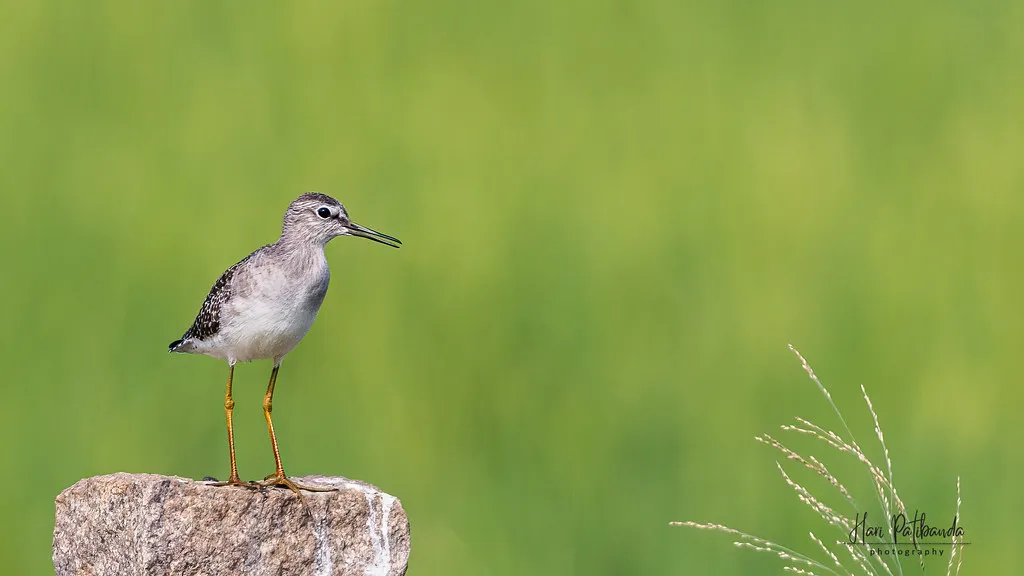
What looks like a simple act, a bird coming back to a familiar garden, is the end result of something astonishing. It involves inherited navigation programs, magnetic field sensing, celestial calibration, spatial memory, and in some cases, social bonds maintained across thousands of miles and entire seasons apart.
The research accumulating through 2024, 2025, and 2026 keeps reinforcing one consistent finding: migratory birds are not wandering. They are executing, with precision, a journey shaped by millions of years of evolution. The familiarity of your yard is not an accident. It was earned, remembered, and deliberately chosen.
There’s something quietly worth sitting with in that. The next time a warbler or a hummingbird appears where it appeared last year, it found you through a combination of quantum physics, geomagnetic sensing, and memory. That’s not a small thing.
AI Disclaimer: This article was created with the assistance of AI tools and reviewed by a human editor.