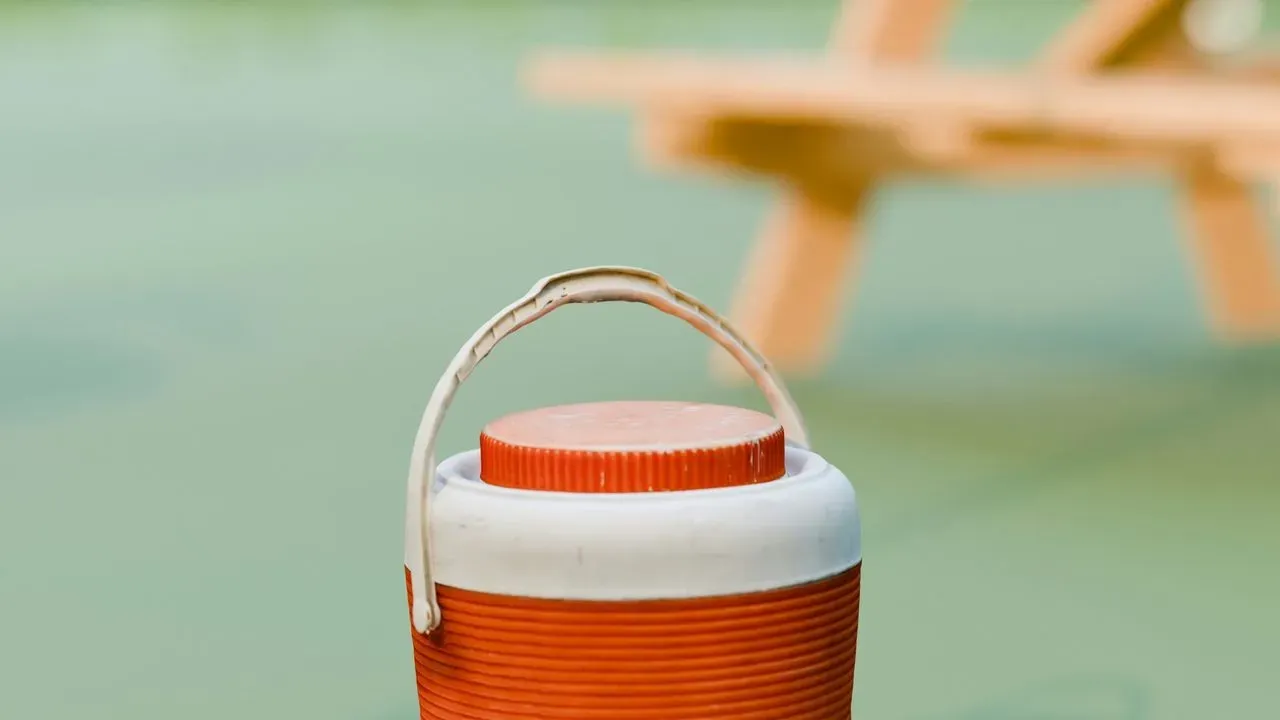

Palau – Marine researchers here are turning to an unlikely tool to strengthen coral restoration efforts against rising ocean temperatures. In a region where reefs support fisheries, tourism, and coastal protection, scientists are testing coral fragments in ordinary picnic coolers to identify those that can withstand heat stress. The approach aims to improve the odds for planted corals that often die during marine heat waves.
Restoration faces a warming barrier
Coral reefs worldwide have lost roughly half their live cover since the 1950s due to warming waters, pollution, and other pressures. In Palau, past typhoons and heat events already damaged sections of reef and reduced local fish catches. Restoration projects plant fragments grown in nurseries or tanks, yet many colonies bleach and die when temperatures spike again.
Heat causes corals to expel the algae that supply most of their energy and color. A bleached colony is starving and may recover only if conditions improve quickly. Some individual colonies of the same species show natural resistance, staying pigmented while neighbors turn white. This variation offers a starting point for more resilient restoration.
Simple tests identify stronger colonies
Researchers collect small fragments from existing colonies and place them in plastic coolers fitted with heaters and pumps. Water temperatures rise gradually over several days to mimic brief heat stress, then return to normal. Staff score each fragment daily for color loss on a simple scale.
The process uses equipment costing under one thousand dollars and runs in less than a week. Fragments that retain color through the highest temperatures are labeled champions and prioritized for planting. In one Palau garden, all corals placed on metal frames had passed similar trials.
Early results and remaining questions
Short tests have shown that some fragments survive both the cooler trials and a real bleaching event in 2024 better than others. The method is fast enough for groups working with limited budgets and lab access across the Pacific. It translates complex heat-tolerance research into a practical step that can be added to existing restoration routines.
Still, the tests measure only one visible trait over a short period. Longer experiments sometimes rank the same corals differently, and survival in a cooler does not always match performance during weeks-long heat waves. Other traits such as disease resistance or reproductive success also matter for long-term reef health. Scientists continue to compare results across test lengths and field conditions to refine the approach.
Modest goals amid larger climate pressures
Even improved restoration cannot replace the need to cut carbon emissions that drive ocean warming. The immediate aim is narrower: keep more coral species and genetic diversity alive so reefs have a chance to recover if temperatures later stabilize. In Palau and elsewhere, low-cost tools like these coolers represent one small but concrete step toward that outcome.
AI Disclaimer: This article was created with the assistance of AI tools and reviewed by a human editor.