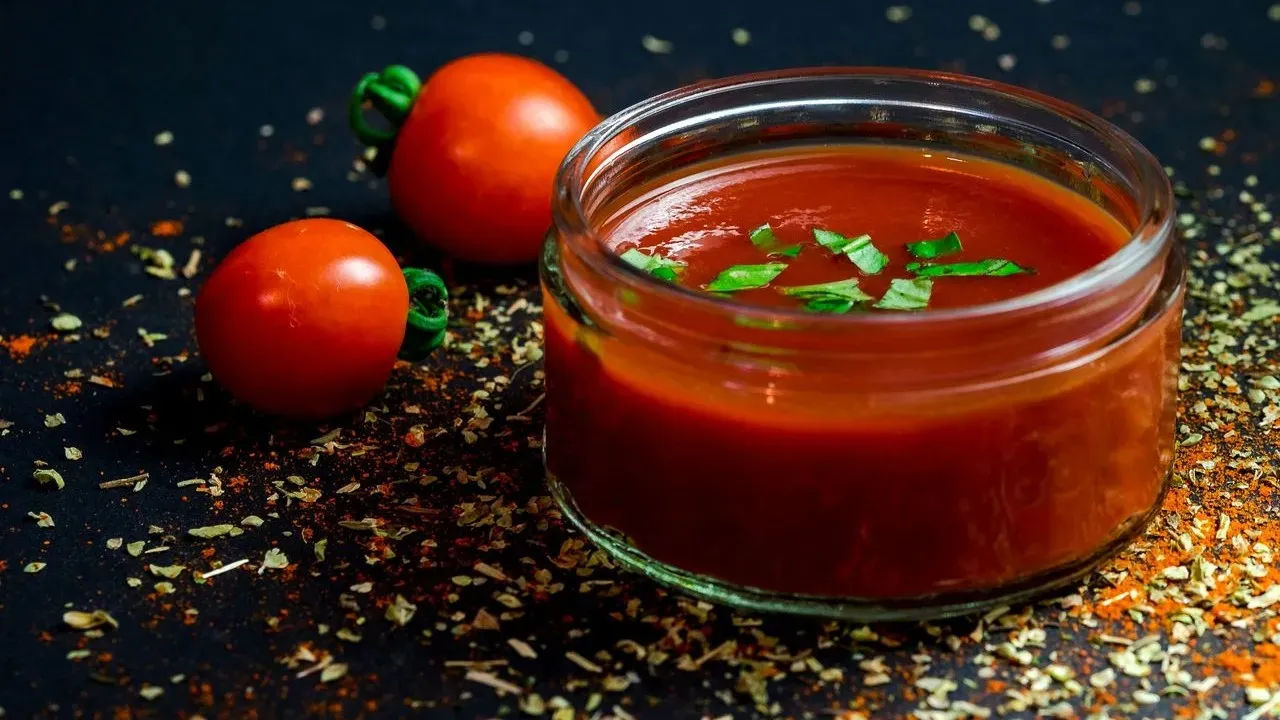

The onions had softened and the wine had reduced to a glossy layer in the pan when the search for tomato paste turned up nothing but an empty tube. For home cooks who grow their own tomatoes or keep a well-stocked pantry, this moment arrives more often than expected. The good news is that several common ingredients can step in without derailing the recipe, provided they match the concentration and flavor profile the paste would have supplied.
What Tomato Paste Actually Contributes
Tomato paste stands apart because federal standards require it to contain at least 24 percent tomato solids, far more than the 8 to 24 percent range found in tomato sauce or puree. That density lets a single tablespoon deliver concentrated umami, balanced acidity, and noticeable thickening power all at once. Most substitutes handle only one or two of those tasks, which is why simply swapping in a thinner product often leaves a dish tasting flat or watery.
Recognizing which job the paste is performing in a given recipe helps narrow the choices. In a long-simmered braise the savory depth matters most, while a quick glaze may tolerate a touch of added sweetness. Matching the substitute to the specific need produces better results than reaching for the first red item on the shelf.
The Most Reliable Stand-In
Tomato sauce or puree, simmered until thick, comes closest to replicating the original. Three tablespoons of either product reduced over medium-low heat for roughly ten to fifteen minutes yields about one tablespoon of concentrated paste. The process drives off excess water and intensifies both flavor and body, giving sauces, stews, and chilies the same richness without extra ingredients.
Start the reduction before the rest of the recipe if time allows. Stir occasionally to prevent scorching, and stop once the mixture coats the back of a spoon. The result tastes more like cooked tomato paste than any ready-to-use alternative and works across a wide range of savory dishes.
Other Practical Pantry Swaps
Canned crushed or diced tomatoes follow the same reduction method, though they require a few extra minutes and a quick blend or mash for smoothness. Ketchup offers an immediate fix for small amounts, since it is already thick and concentrated, but its added sugar and vinegar call for slight adjustments to other seasonings in the recipe.
Sun-dried tomatoes blended with a little oil deliver deeper, more complex flavor suited to long-cooked dishes. Fresh tomatoes peeled, seeded, and simmered gently produce a brighter version that suits lighter sauces. Tomato powder or bouillon mixed with hot water provides a shelf-stable backup that never spoils the way an opened can can.
Choices for Nightshade-Free Cooking
Roasted red peppers are sometimes suggested for color, yet they belong to the same plant family as tomatoes and therefore do not solve nightshade sensitivities. Pumpkin or butternut squash puree, thinned with a splash of vinegar and a pinch of salt, supplies the necessary body without any nightshade content. A small amount of beet puree can restore red color when paired with the squash base, though it should be used sparingly to avoid an earthy note overpowering the dish.
These alternatives handle thickening and visual appeal but cannot replicate tomato-specific tang. Pair them with additional herbs, spices, or a touch of umami-rich ingredients such as mushrooms or soy sauce to round out the flavor.
Storing Paste to Avoid Future Shortages
Freezing leftover paste in tablespoon-sized portions on a parchment-lined tray, then transferring the frozen pieces to a bag, keeps the ingredient ready for the next recipe. This simple step eliminates the need for substitutes in most cases and works equally well for gardeners who process their own tomato harvest into paste each season.
Understanding concentration differences and keeping a few reliable backups on hand turns an empty tube from a crisis into a minor adjustment. The right substitute, chosen with the dish in mind, keeps the meal on track and the flavors balanced.
AI Disclaimer: This article was created with the assistance of AI tools and reviewed by a human editor.